Social & External
The people behind it
May 10th, 1940, Hitler takes on the West. Will he precipitate Europe into the Apocalypse?
The writings and eyewitness accounts of wartime participants help trace the story of Europe's liberation during WWII in this historical docuseries.
Explores the Third Reich from a contemporary perspective to investigate how the Nazis managed to conquer Germany and then half of Europe in the wake of World War I.
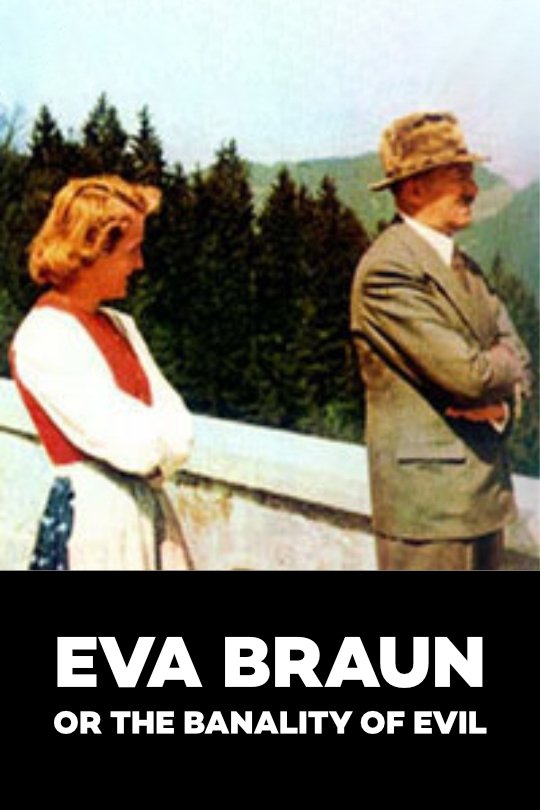
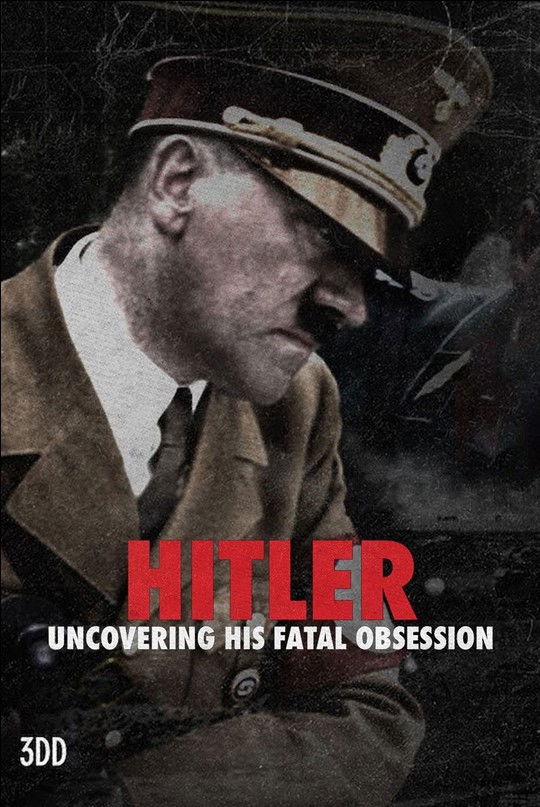
Daniel Costelle and Isabelle Clarke have found at the NARA (National Archives in Washington DC) almost four hours of footage, mostly in colour, filmed by Hitler's mistress, Eva Braun between 1938 and 1944. It's an unbeleivable eyesight on Hitler's private life from the happy life in the "Eagle's nest" till his suicide in his bunker.
Using witness testimony, archive and archaeological evidence, this three-part series reveals the untold story of the preparations to defend World War Two Britain by the Home Guard.
Stories about the impact of World War I around the regions.
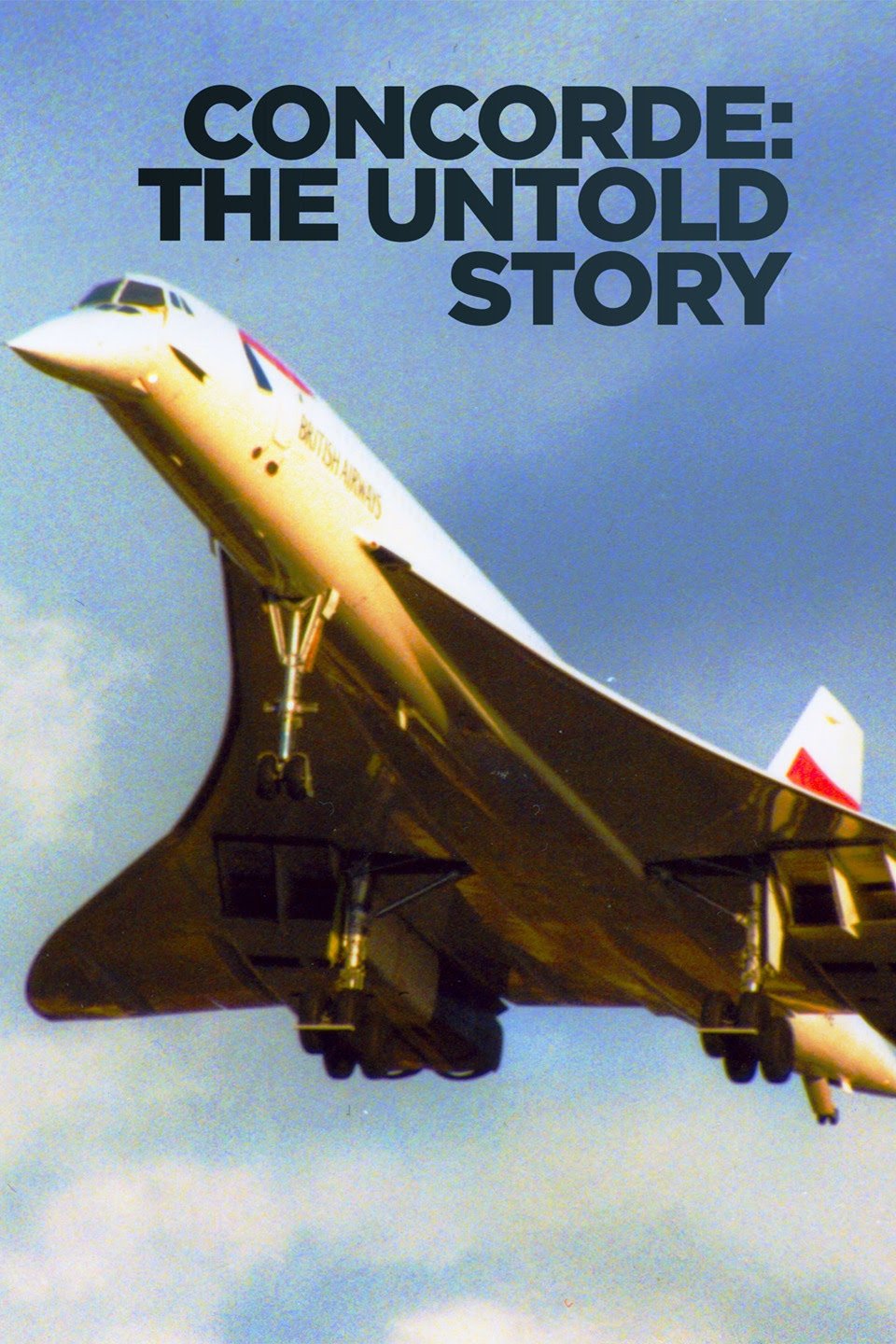
CONCORDE: THE UNTOLD STORY is a two-episode documentary that goes inside the race to build the first supersonic airliner at the height of the Cold War, with Europe's Concorde racing against the Soviet TU144 and the American Boeing 2707. The two-parter unearths a tale of espionage and national prestige as the British and French battled their counterparts, while examining the technical challenges in the battle for supersonic passenger jet supremacy. They all ultimately end in failure.
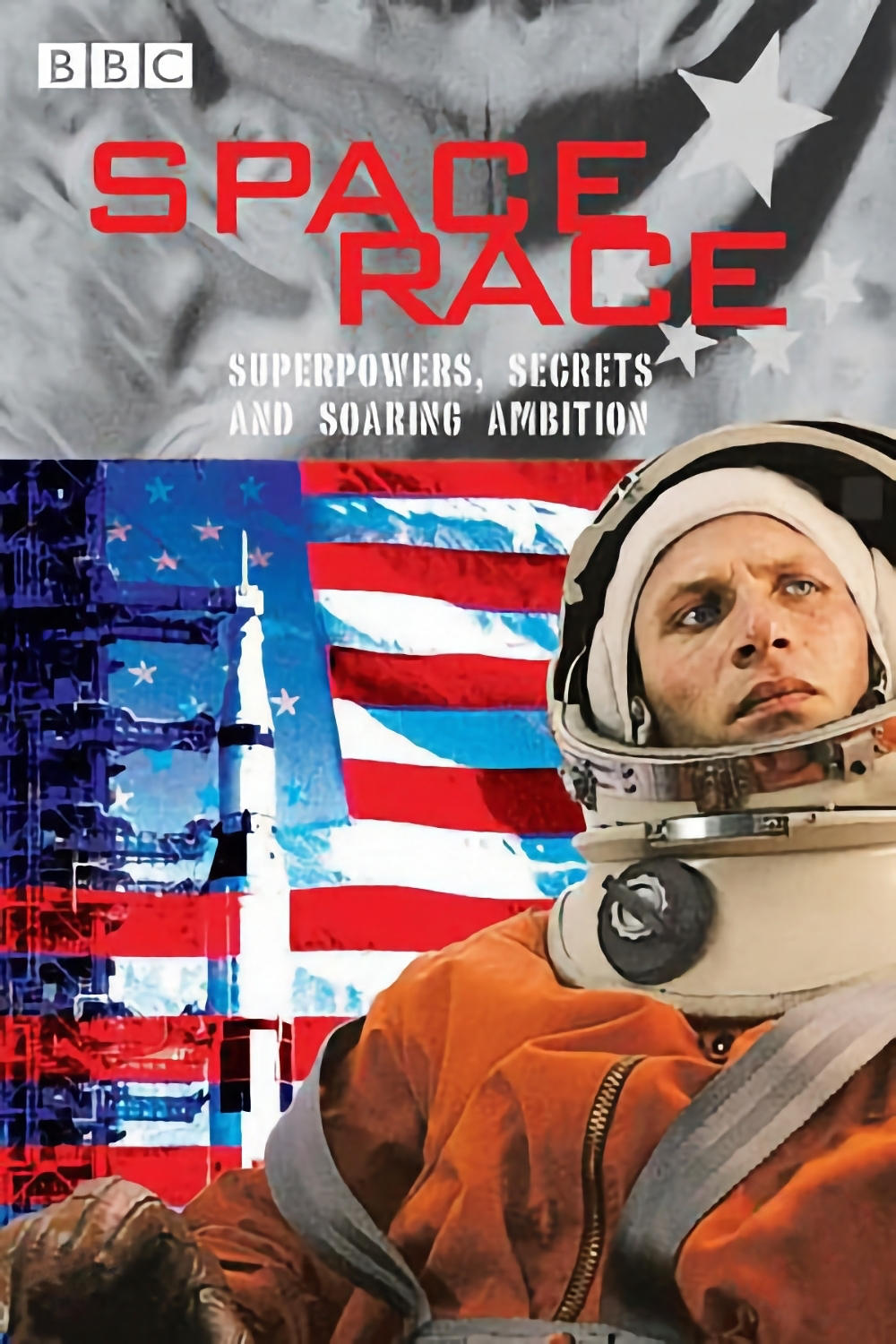
The untold true story behind the Cold War race to put man into space.
A documentary series that gives a historical account of the events of World War II, from its roots in the 1920s to the aftermath and the lives it profoundly influenced.
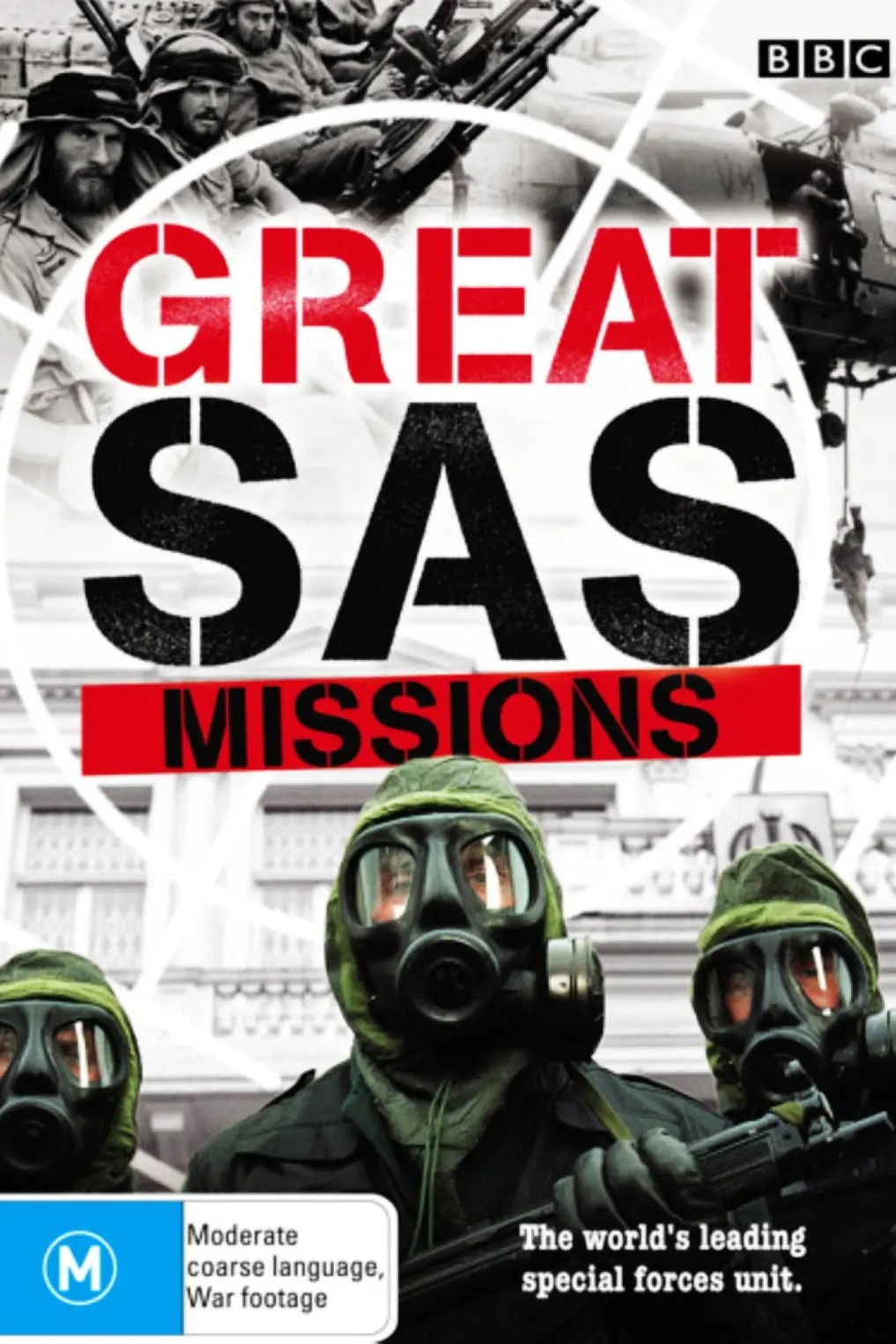
Over the past 60 years Britain's Special Air Service regiment has carried out a wide variety of clandestine missions - from deep-penetration raiding to hostage release operations - which have made it respected and feared for its professionalism and daring. The SAS prides itself on doing its work in the shadows, never allowing any publicity and never claiming credit for any of its extraordinary achievements. But, over the years, sufficient information has emerged for a picture of the regiment's exploits to be clear. This series uses interviews with former members of the SAS; detailed and painstaking reconstructions; and cutting edge 3-D graphics to recreate seven great missions which show why the SAS is today regarded as the world's leading special forces unit.
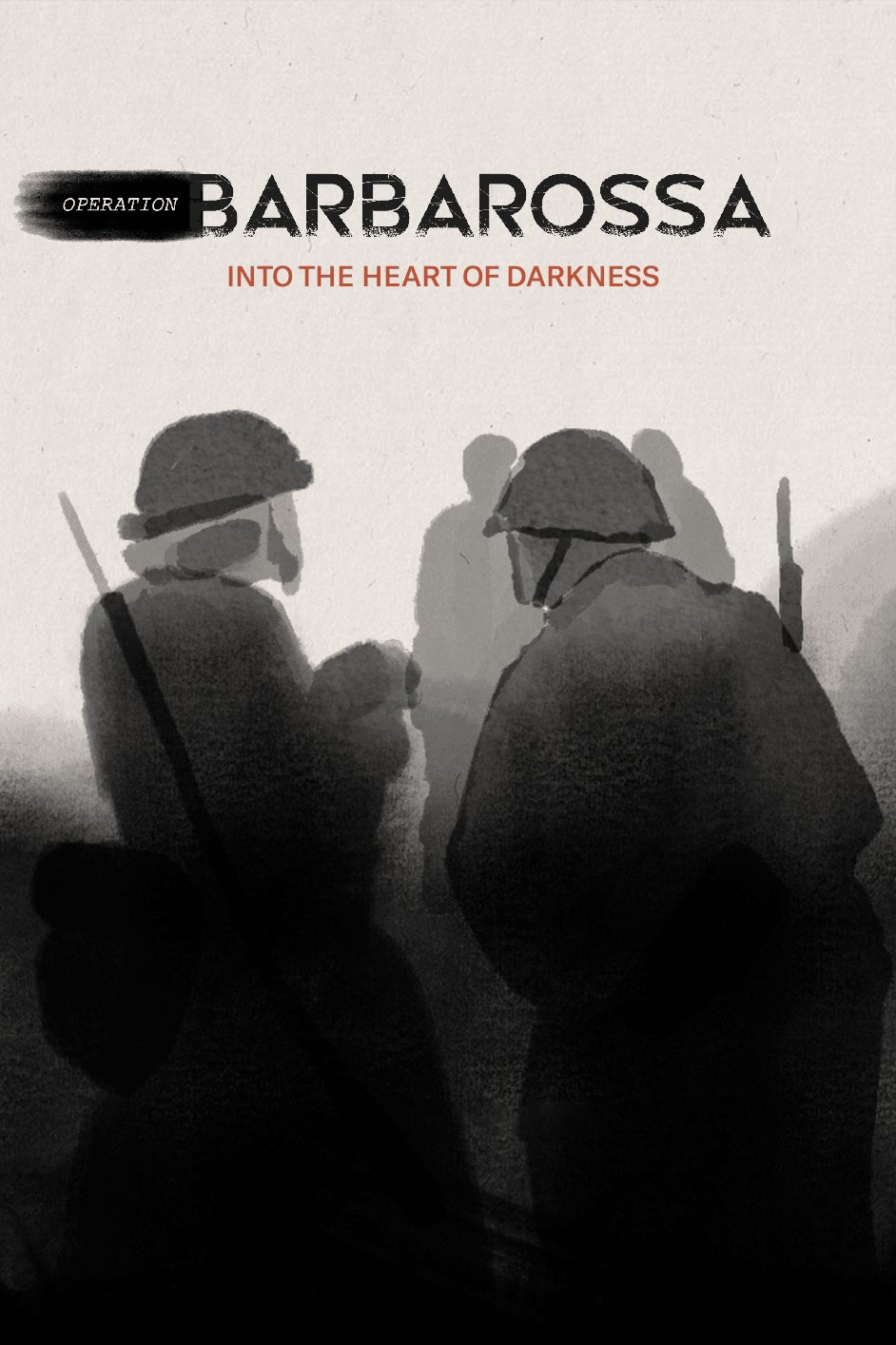
In June 1941, Hitler decides to break the German-Soviet pact and set the German army in motion toward Moscow. From summer to winter, and from Kiev to Leningrad, previously unseen archival footage, some recolored, retraces the bloodiest military operation of World War II. Testimonies from soldiers and civilians recount these endless months of battles and sieges.
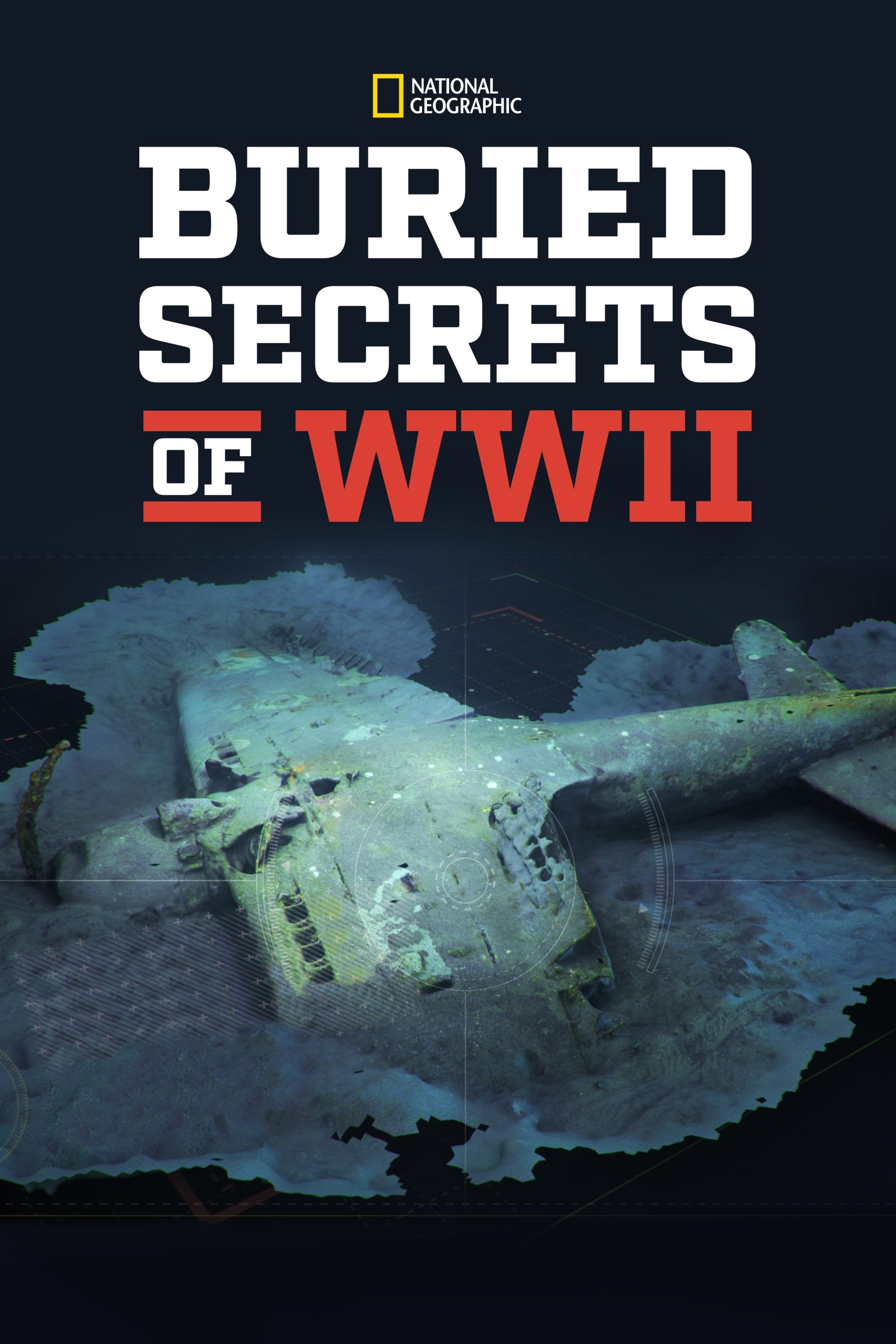
Remote sensing techniques tell the stories of WWII battles and campaigns, the details of which have been lost in the fog of war, misinterpreted or overtaken by the landscape.
How did 20th Century Europe's most liberal democracy fall into the hands of fascists? From Hitler's political scheming that turned Germany's parliament into a House of Cards, his War on Truth leading to book burning, and his scapegoating of minorities, this series explores in extraordinary detail the events leading up to the outbreak of World War II.
From tunnels to towers, artillery sites, resistance nests and communication centers, Nazi Germany left their footprint throughout the world. To this day, silent remains still exist, sentinels guarding clues about plots that Hitler was unable to carry out. The collapse of the Third Reich left as many secrets as it did relics. Still today, remnants of the Nazi's schemes lie concealed in structures scattered across the globe. Skeletons of projects give way to mysteries. Conspiracies abound about science fiction scenarios. The Nazis were nothing if not methodical, and a deeper look reveals even darker plans. From tunnels to towers, artillery sites and communication centers; the remains of these schemes lie waiting to reveal truths about the Fuhrer's tactics and dreams in Secret Nazi Bases. What did Hitler have planned?
After a terrible winter, 1942 starts badly for Stalin due to a ruthless Nazi campaign that leaves millions of Soviets captive and without food.
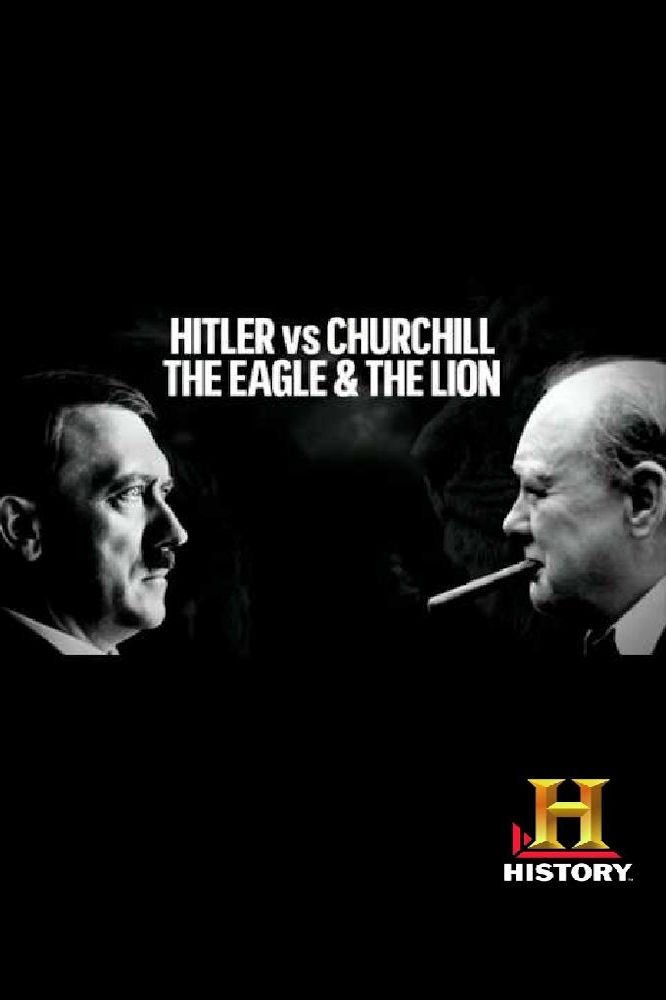
A documentary which explores the remarkable parallels between the careers of Adolf Hitler and Winston Churchill, as well as their personal rivalry and animosity.
Father-and-son team Peter and Dan Snow embark on an epic journey to describe battles that transformed the 20th century. Known for its extensive use of "sand table" CGI effects to help viewers visualize the battles.
Explores WWII from Germany's invasion of Poland through the atomic age, examining pivotal battles, wartime leaders like Churchill and Roosevelt, and the human cost of total war.
An in-depth look at the history and pop cultural significance of horror films.
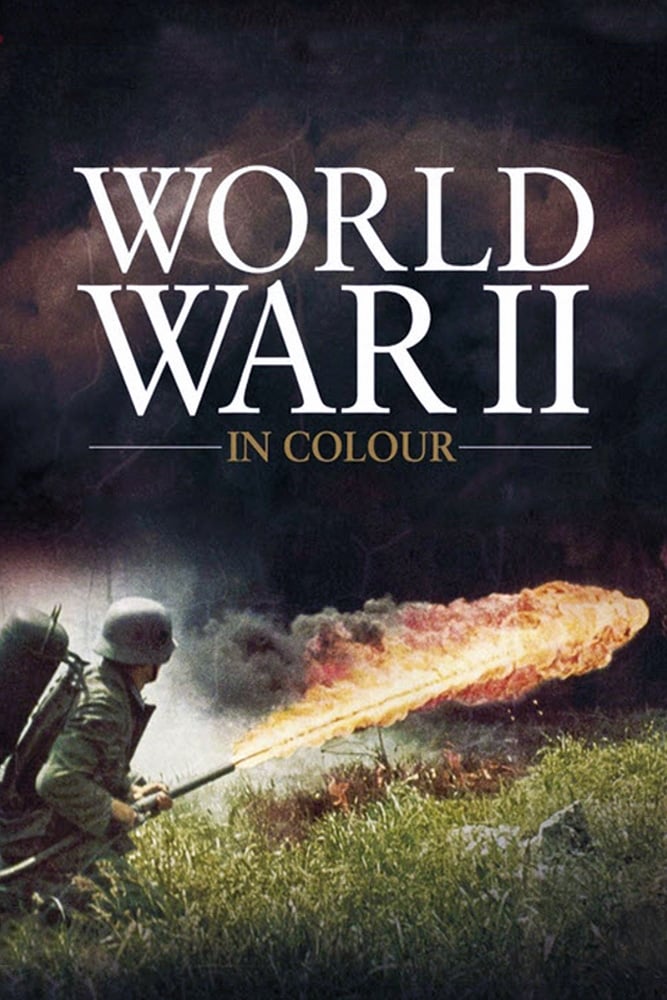
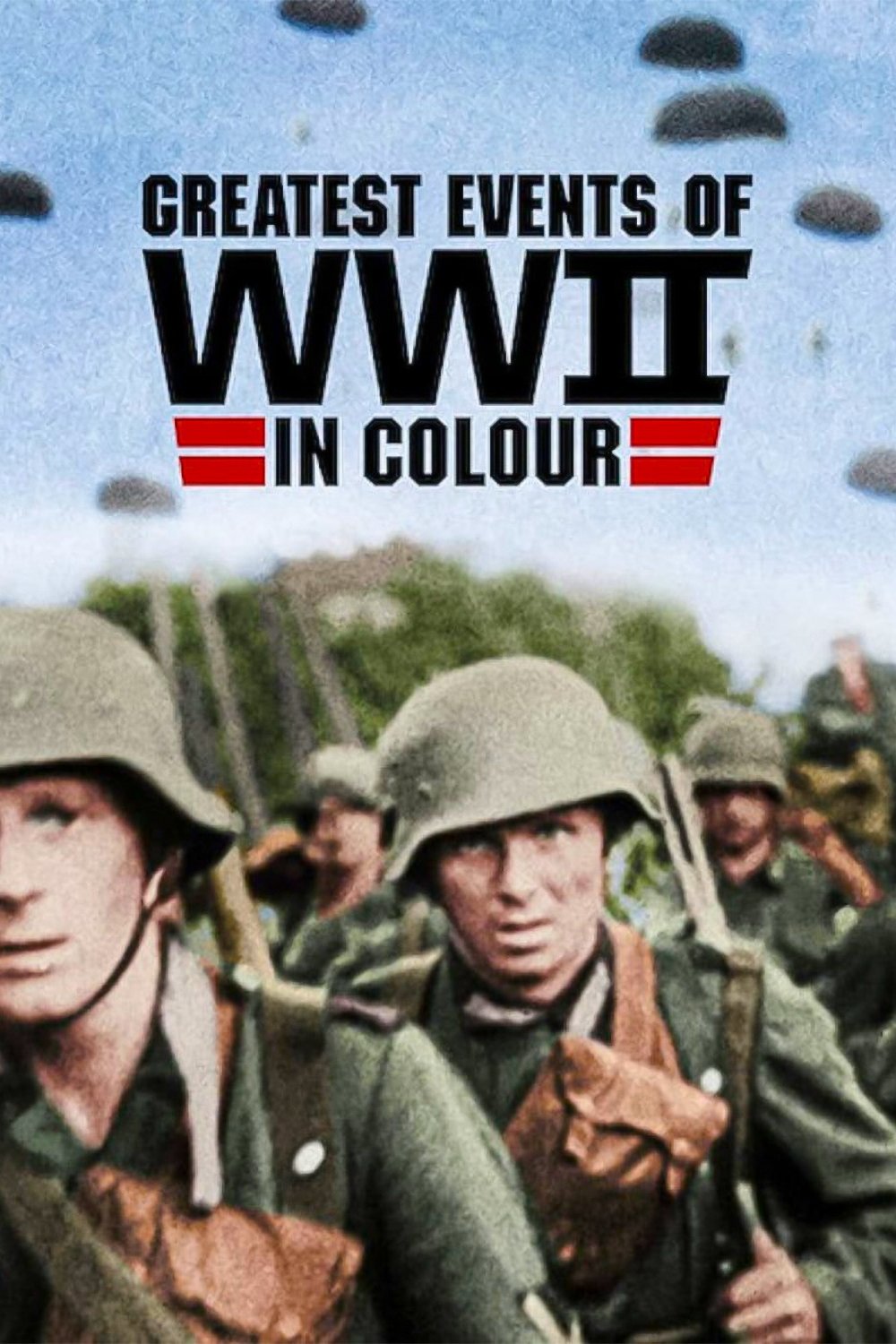
World War II In Colour is a 13-episode television documentary miniseries recounting the events of World War II narrated by Robert Powell. The show covers the Western Front, Eastern Front, and the Pacific War. It is on syndication in America on the Military Channel. This series is in full color, combining both original and colorized footage.
Motoring programme featuring reviews of and reports about cars of all types.
With firsthand accounts and access to prominent figures around the world, this comprehensive docuseries explores the Cold War and its aftermath.
Hit rewind and explore the most iconic moments and influential people of The Nineties, the decade that gave us the Internet, DVDs, and other cultural and political milestones.
Explore the past, present and future of Walt Disney Imagineering with noted filmmaker Leslie Iwerks. Ms. Iwerks comes from a family with deep Disney history — her grandfather was an early Disney animator and her father is a former Imagineer — and her previous work includes profiles of Pixar Animation Studios and visual effects house Industrial Light & Magic.
Don Wildman unearths relics from the world's greatest institutions to reveal secrets from the past. He examines each artifact to illuminate history's most incredible triumphs, sensational crimes and bizarre encounters.
A worldwide guided tour of the greatest movies ever made and the story of international cinema through the history of cinematic innovation.
Infographics and archival footage deliver bite-size history lessons on scientific breakthroughs, social movements and world-changing discoveries.
Using highly advanced colourisation techniques, critical moments from World War II, from Stalingrad to The Battle of Britain, are shown in a whole new light.
Learn how popular Disney attractions and destinations came to be, how they have changed over time, and how fans continue to obsess over them.
A series of standalone documentaries powered by the unparalleled journalism and insight of The New York Times, bringing viewers close to the essential stories of our time.
The history of the sport of baseball in America, told through archival photos, film footage, and the words of those who contributed to the game in each era. Writers, historians, players, baseball personnel, and fans review key events and the significance of the game in America's history.
An insider's look at the engineering and scientific miracles behind the things that form the modern world.
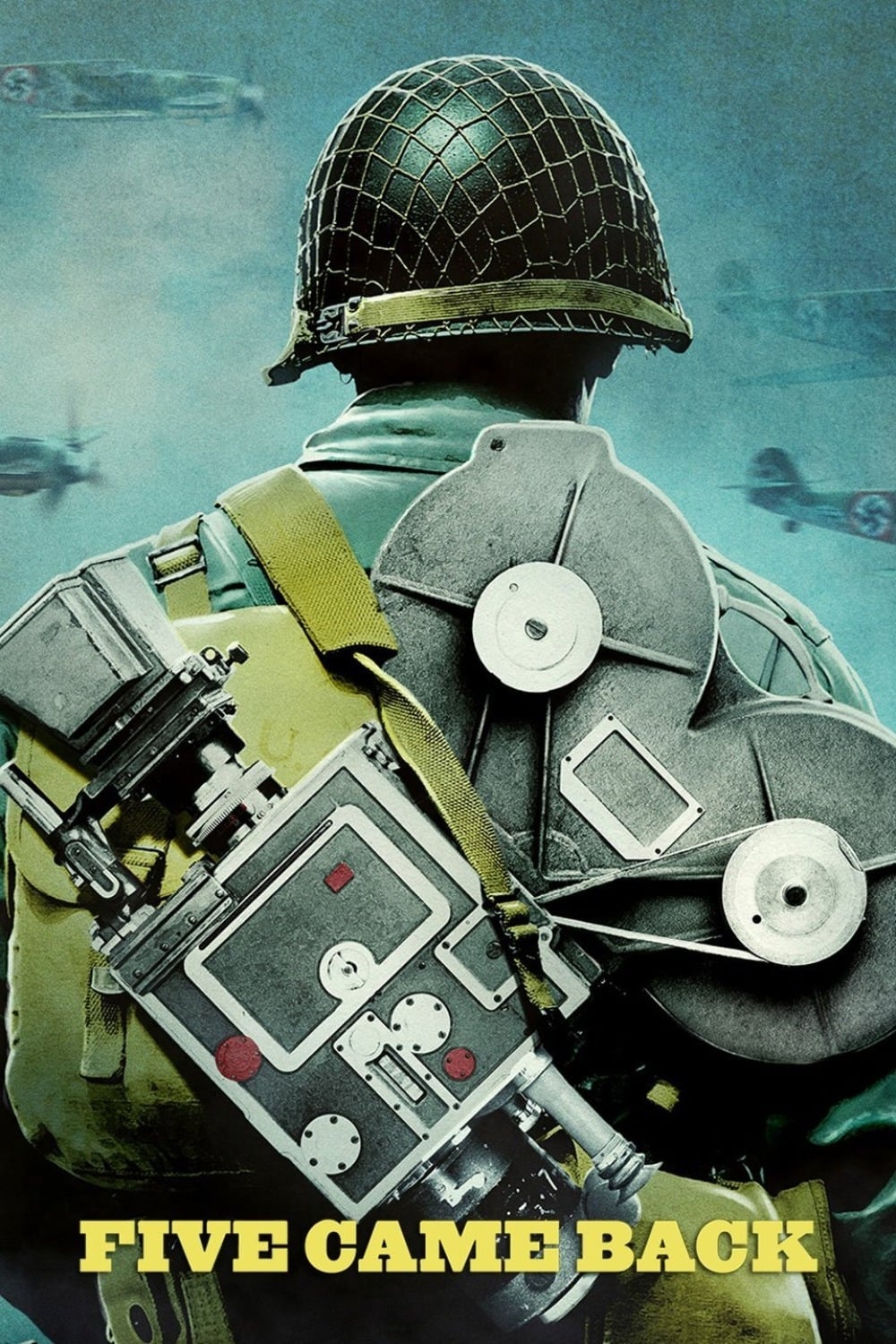
Five acclaimed contemporary directors tell the story of five legendary Hollywood filmmakers who enlisted in the armed forces to document World War II.
Have you ever wondered how the products you use every day are made? How It's Made leads you through the process of how everyday products, such as apple juice, skateboards, engines, contact lenses, and many more objects are manufactured.
Paul McCartney sits down for a rare in-depth one-on-one with legendary producer Rick Rubin to discuss his ground breaking work with The Beatles, the emblematic 70s arena rock of Wings and his 50 years and counting as a solo artist.
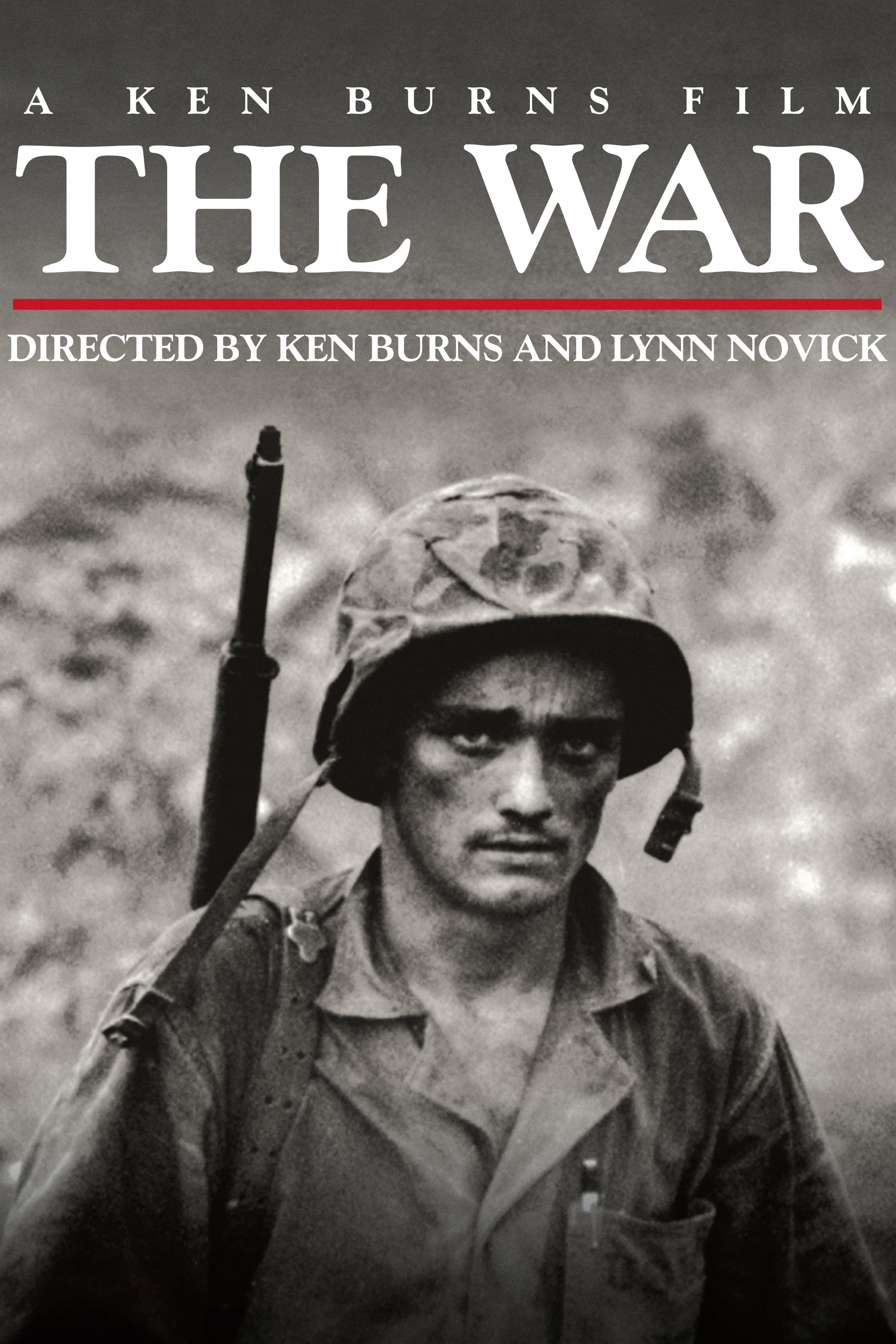
The story of the Second World War through the personal accounts of a handful of men and women from four American towns. The war touched the lives of every family on every street in every town in America and demonstrated that in extraordinary times, there are no ordinary lives.