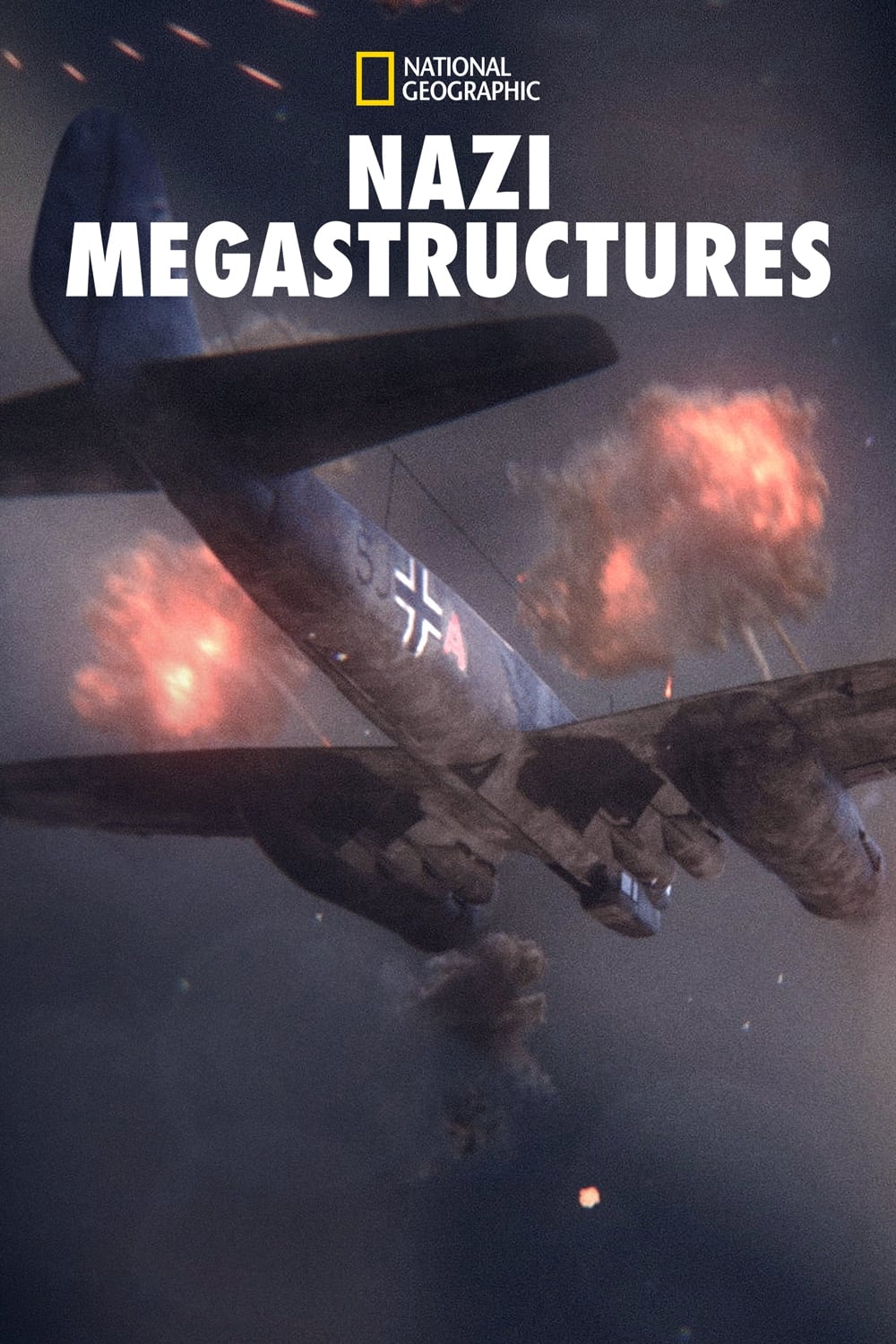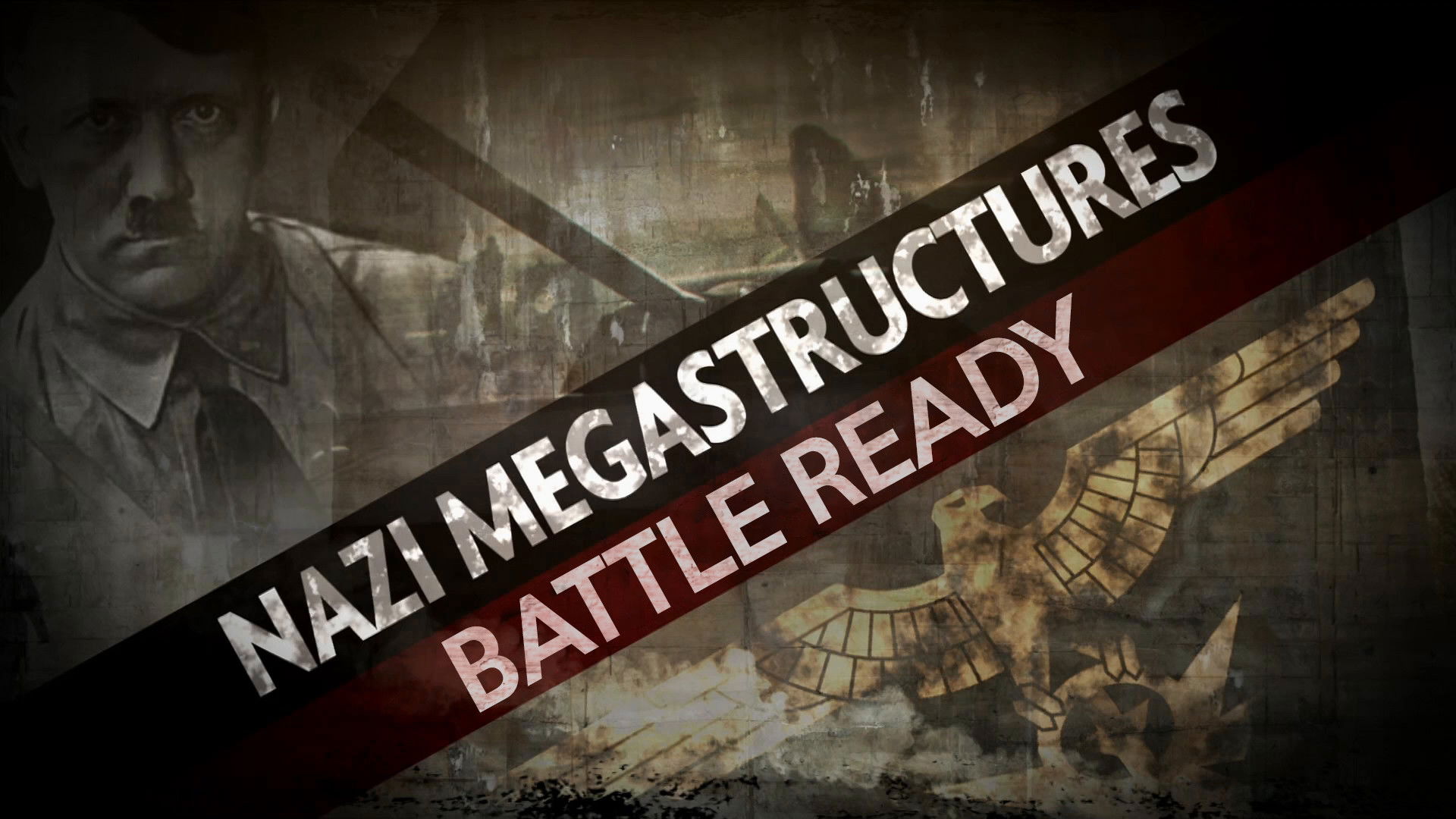
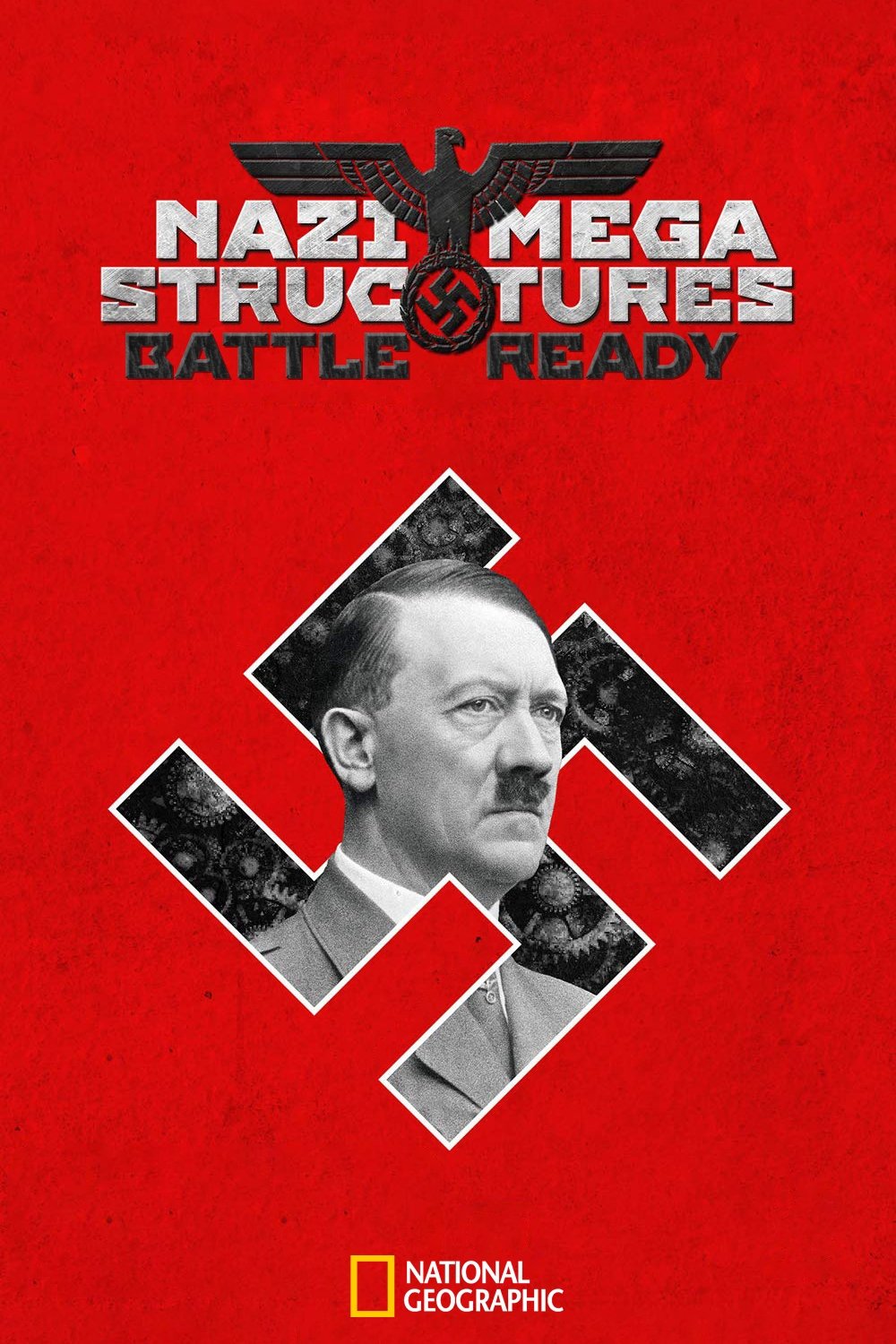
A close look at the engineers who designed powerful military technology for the Nazis and who also encouraged a technological revolution that would forever change warfare.
Social & External
Himself - Presenter
Himself - Battlefield Archaeologist
As part of the RAF's centenary, model aircraft enthusiasts from Britain and Germany recreate the Battle of Britain in miniature, to understand and commemorate the pilots.
Adolf Hitler pretended to be poor but amassed a huge private fortune. The Führer may have believed he was Jewish. Rigorously fact-checked revelations throw a genuine new light on the Nazi regime.
This 9-episodes documentary series extensively examines the history of Poland in the 20th Century, telling the story through archival films, newsreels, interviews, and readings from novels and poems.
The story of Hitler’s war on the Eastern Front – an attempt to liquidate the Russian people and gain living space for his superior Aryan race. It is a conquest that takes the Nazis all the way to the gates of Moscow and back to the heart of Berlin, and culminates in the collapse of the Third Reich. The series reveals the cunning strategy, defensive megastructures and military technology deployed in this devastating war of brutality between giants.
When the war ends in 1945, the Allies and Soviets sweep across former Nazi territory, freeing Europe from the clutches of the Axis. As the threat of the Nazis recedes, it leaves behind artefacts of a dark science geared towards world domination.
WWII history series following a four-man team as they explore the war zones of the Eastern Front in an effort to excavate and preserve the forgotten battle relics, at the same time discovering the stories of fallen soldiers from their remains.
A documentary series that gives a historical account of the events of World War II, from its roots in the 1920s to the aftermath and the lives it profoundly influenced.
The three-part miniseries chronicles the life of Franklin D. Roosevelt, the thirty-second President of the United States.
An original perspective on how and why a generation of men and women living in a European society became the leaders of one of the most terrifying regimes of all time, responsible for 60 million deaths. Visiting the places where elite Nazi leaders grew up and the sites of their worst atrocities, James Ellis, a dedicated young historian, explores the defining moments which transformed everyday Germans into mass murderers.
A three-part insight into an amazing wartime mission in Norway, undertaken in the early 1940s, which was immortalised by the Hollywood movie The Heroes of Telemark.
Theo Maassen grew up in Germany and was the only boy in his class in '74 not to become World Champion. With the European Championship approaching and football as a starting point, Theo gives an adventurous tour to get to know the real Germany. Are the Germans smarter, faster, stronger and better than us?

The assassinations of Nazis, terrorists and Iranian nuclear scientists have given the Mossad a fearsome reputation that has come with a moral cost. For the first time, former spy chiefs and operatives discuss personal and operational challenges, ethical dilemmas, and the personal price they were forced to pay.
The Lost Evidence is a television program on The History Channel which uses three-dimensional landscapes, reconnaissance photos, eyewitness testimony and documents to reevaluate and recreate key battles of World War II.
Documentary using recorded figures and statistics to outline the full extent of the conflict, explaining the horrors of war and how it ever came to take place.
Dwight D. Eisenhower, John F. Kennedy, Lyndon B. Johnson, Richard Nixon, Gerald Ford, Jimmy Carter, Ronald Reagan and George H.W. Bush. This is the story of how their war experiences change them, how they emerge from conflict as leaders and how the crucible of war shapes the decisions they make when they reach the White House.
6 June 1944. A titanic fleet launched an assault on the beaches of Normandy. Objective: to liberate Europe from Hitler's yoke. Drawing on the lessons learned from the Dieppe raid in August 1942, the mission was a spectacular success.
Diaries, correspondence and family film recordings reveal a unique view of the life and privacy of the citizens of the so-called Protectorate of Bohemia and Moravia… Young documentarian Ondřej Veverka approached dozens of witnesses of the protectorate times and their descendants to share unique film recordings and written testimonies with him from that time. The result is a three-part documentary that provides a unique perspective on the protectorate. At that time, perhaps more than ever, amateur cameras noticed ordinary everyday things, small joys and ordinary life. Perhaps so that one can at least for a moment succumb to the illusion that the world is actually still in order. But soon tragedy entered these shots as well.
In a quest for world domination, the Nazis built some of the biggest and deadliest pieces of military hardware and malevolent technology in history. This is the stories of the engineers who designed them and how these structures sparked a technological revolution that changed warfare forever.
Infographics and archival footage deliver bite-size history lessons on scientific breakthroughs, social movements and world-changing discoveries.
An in-depth look at the history and pop cultural significance of horror films.
Hybrid docuseries offering an expansive exploration of the exploitative and genocidal aspects of European colonialism, from America to Africa, and its impact on society today.
A series of standalone documentaries powered by the unparalleled journalism and insight of The New York Times, bringing viewers close to the essential stories of our time.
Doctor Who Confidential is a documentary to complement the revival of the long-running British science fiction television series Doctor Who. Each episode was broadcast on BBC Three on Saturdays, immediately after the broadcast of the weekly television episode on BBC One. The running time of the first two series was 30 minutes, being extended to 45 minutes in the third. BBC Three also broadcast a cut-down edition of the programme, lasting 15 minutes, shown after the repeats on Sundays and Fridays and after the weekday evening repeats of earlier seasons.
TV's most-watched history series brings to life the compelling stories from our past that inform our understanding of the world today.
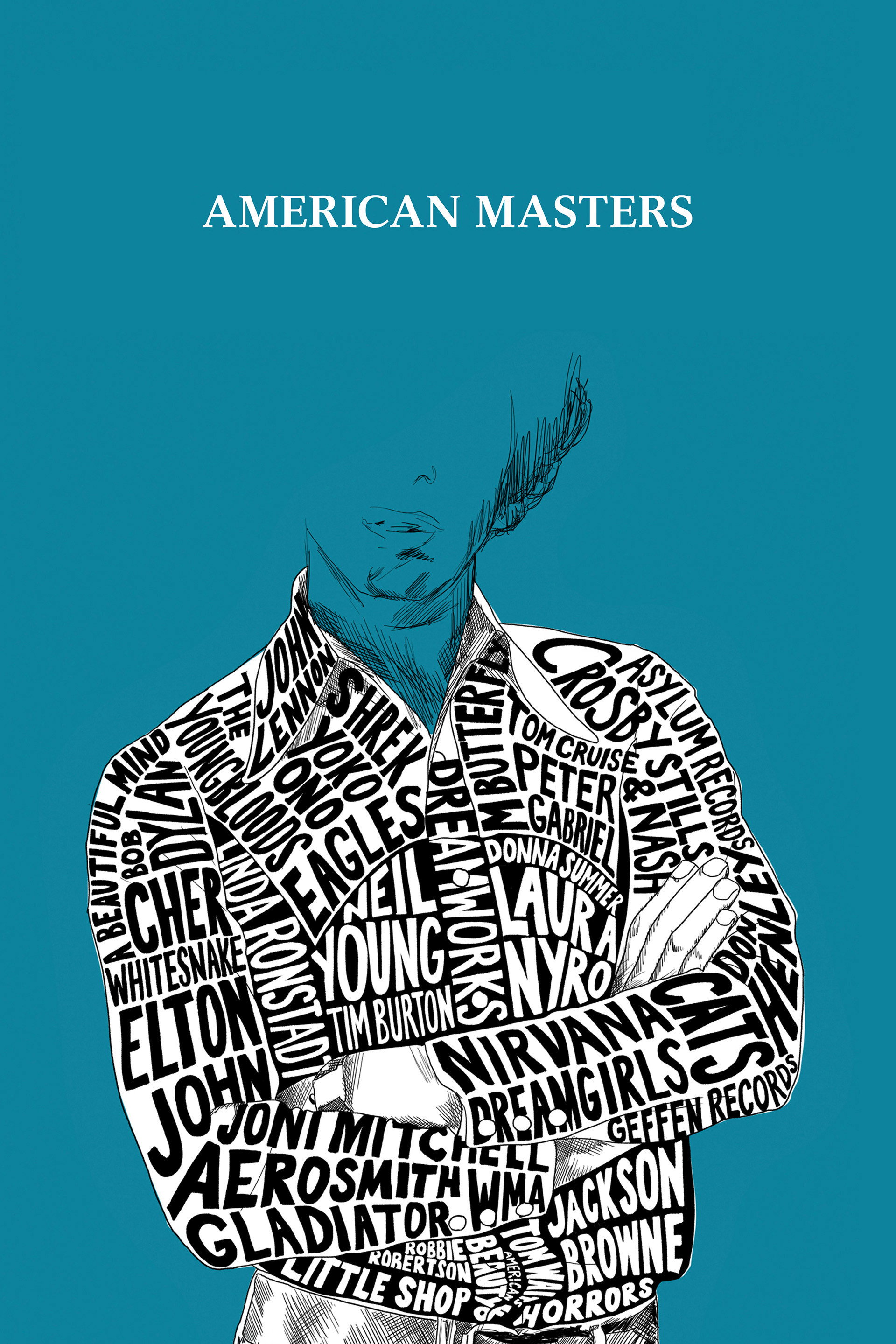
American Masters is a PBS television series which produces biographies on enduring writers, musicians, visual and performing artists, dramatists, filmmakers, and others who have left an indelible impression on the cultural landscape of the United States.
Explore American cinema through the decades and the cultural, societal and political shifts that framed its evolution.
A worldwide guided tour of the greatest movies ever made and the story of international cinema through the history of cinematic innovation.
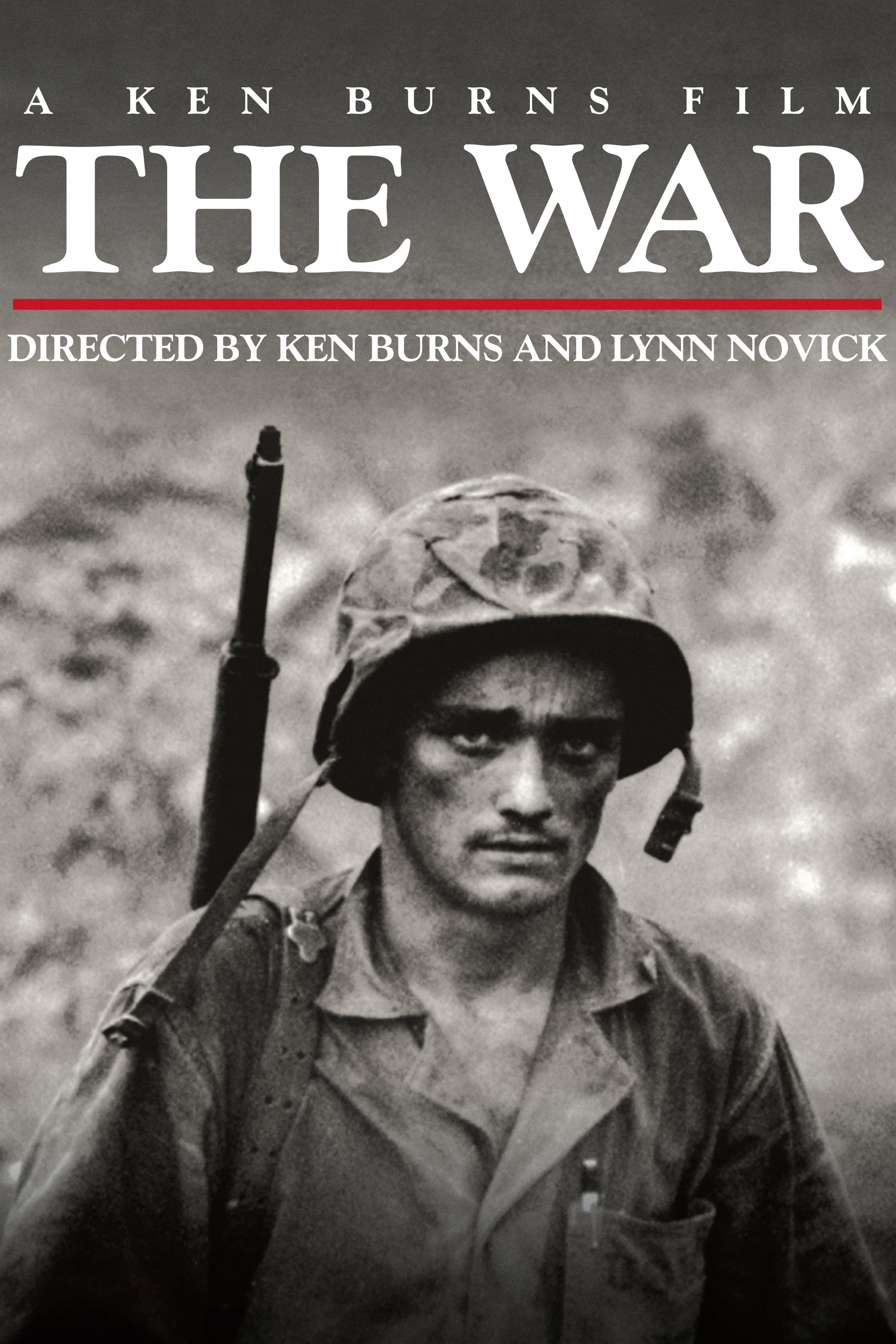
The story of the Second World War through the personal accounts of a handful of men and women from four American towns. The war touched the lives of every family on every street in every town in America and demonstrated that in extraordinary times, there are no ordinary lives.
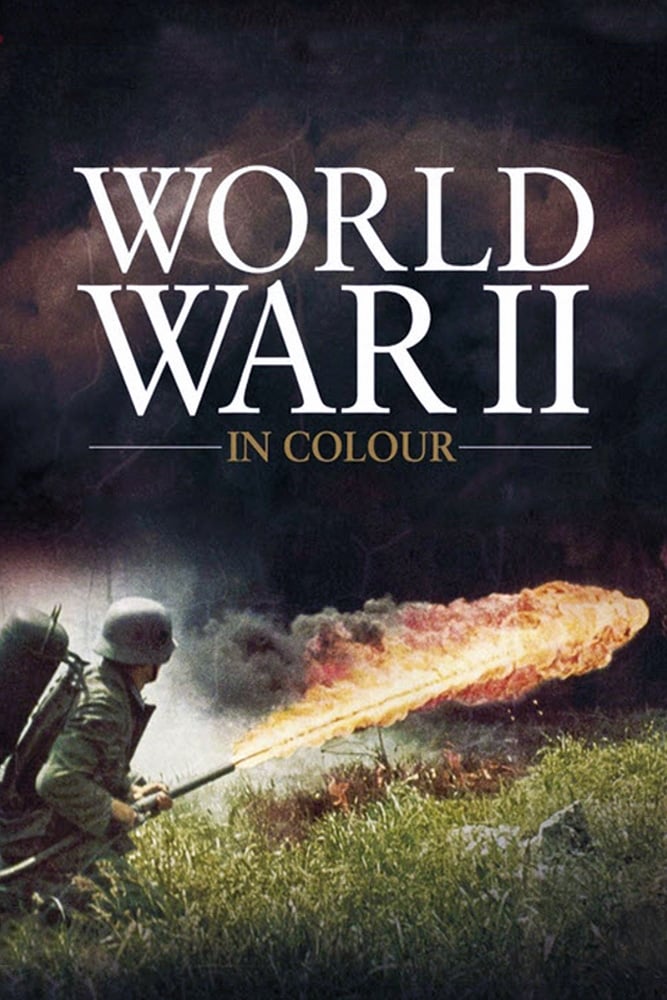
Using highly advanced colourisation techniques, critical moments from World War II, from Stalingrad to The Battle of Britain, are shown in a whole new light.
Have you ever wondered how the products you use every day are made? How It's Made leads you through the process of how everyday products, such as apple juice, skateboards, engines, contact lenses, and many more objects are manufactured.
Hit rewind and explore the most iconic moments and influential people of The Nineties, the decade that gave us the Internet, DVDs, and other cultural and political milestones.
Biography is a documentary television series. It was originally a half-hour filmed series produced for CBS by David Wolper from 1961 to 1964 and hosted by Mike Wallace. The A&E Network later re-ran it and has produced new episodes since 1987. The older version featured historical figures such as Helen Keller and Mark Twain, or long-dead entertainment figures such as Will Rogers or John Barrymore. The A&E series has placed the emphasis on such people as Marilyn Monroe, Elvis Presley, Plácido Domingo, Freddie Mercury, Jacqueline Kennedy Onassis, Eric Clapton, Pope John Paul II, Gene Tierney, Selena, Diego Rivera, Mao Zedong and Queen Elizabeth II, and fictional characters like The Phantom, Superman, Hamlet, Betty Boop, and Santa Claus. The program ended up profiling enough figures that in 1999, A&E spun it off into an entire network, The Biography Channel.
This compelling series investigates the motives and m.o. of female murderers. While males are often driven by anger, impulse and destruction, women usually have more complex, long-term reasons to kill.
An insider's look at the engineering and scientific miracles behind the things that form the modern world.
Five acclaimed contemporary directors tell the story of five legendary Hollywood filmmakers who enlisted in the armed forces to document World War II.
An FBI cold case that has laid dormant for 70 years, leads a group of world-renown investigators on the ultimate manhunt to finally answer the question: Did Adolf Hitler survive World War II?
The history of the sport of baseball in America, told through archival photos, film footage, and the words of those who contributed to the game in each era. Writers, historians, players, baseball personnel, and fans review key events and the significance of the game in America's history.