Social & External
The people behind it
Wang Xuebing
Xiao En
Niu Qingfeng
Gu Xiongfei
Ni Dahong
Tong Yuanshan
Fu Yiwei
Wan Meiqi
Dong Yong
Hua Shiying
Liang Tian
Yuan Chenghua
Ren Kenuo
Ah Ji
Hu Die
Yuan Jiayi
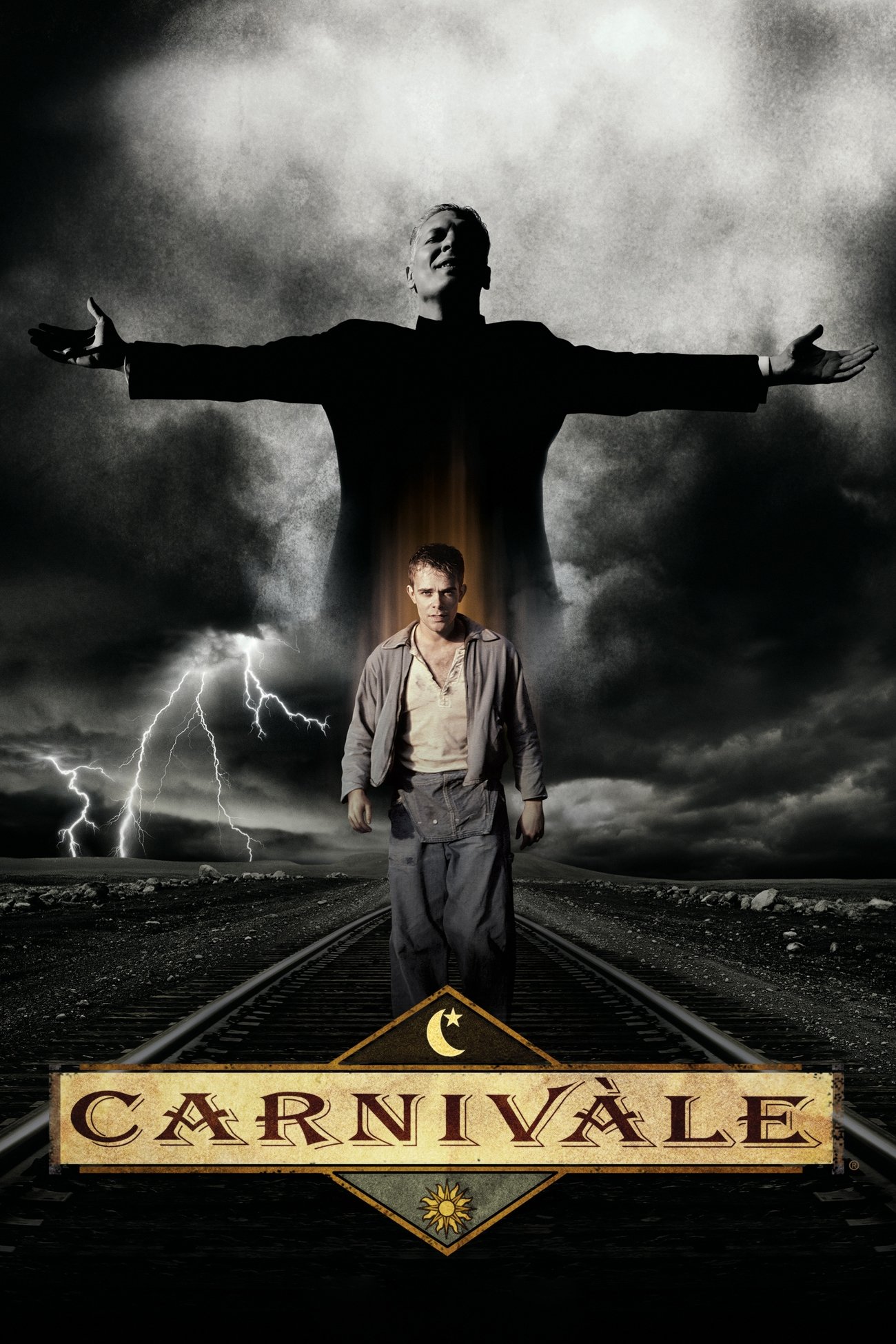
Carnivàle is an American television series set in the United States during the Great Depression and Dust Bowl. In tracing the lives of two disparate groups of people, its overarching story depicts the battle between good and evil and the struggle between free will and destiny; the storyline mixes Christian theology with gnosticism and Masonic lore, particularly that of the Knights Templar.
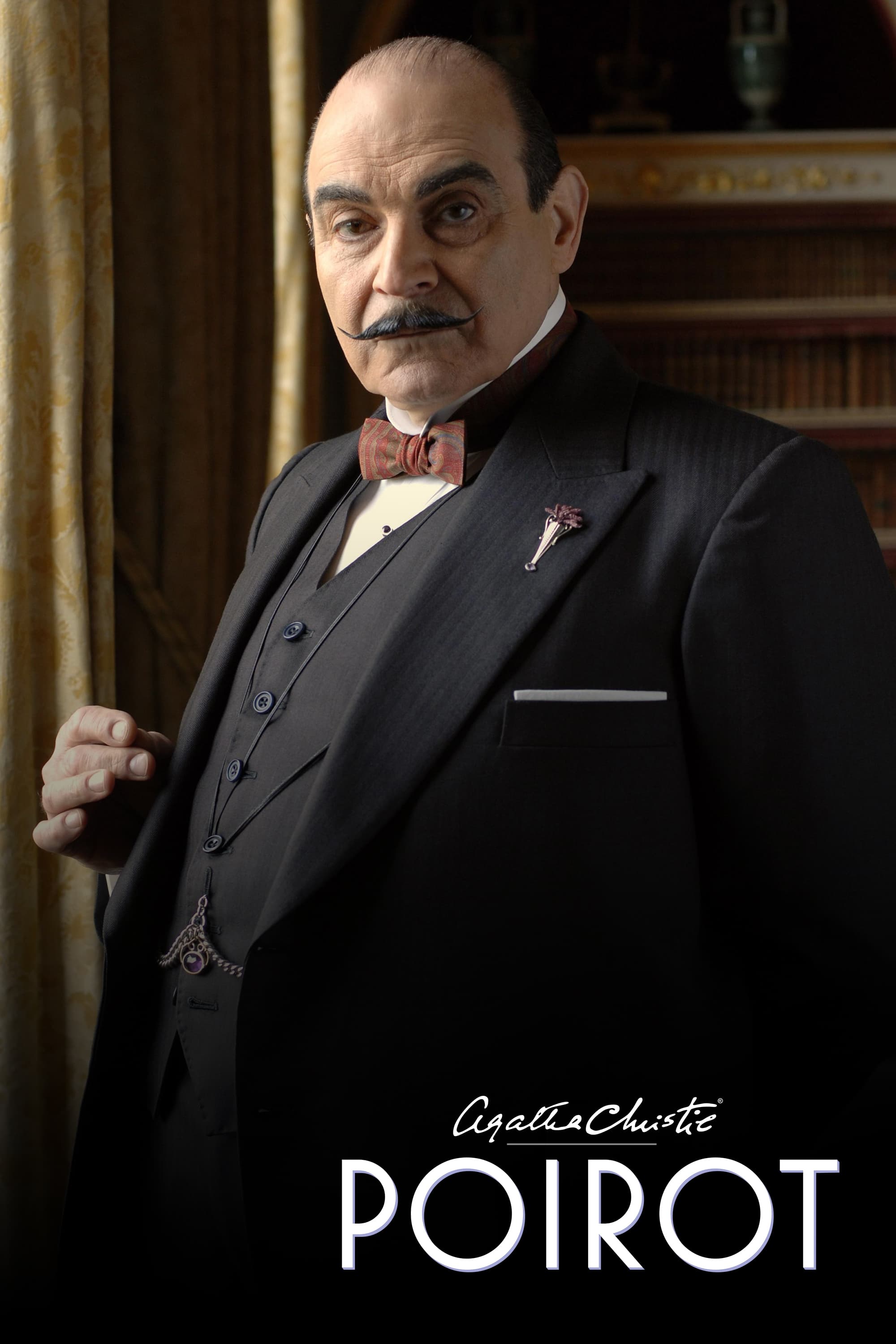
From England to Egypt, accompanied by his elegant and trustworthy sidekicks, the intelligent yet eccentrically-refined Belgian detective Hercule Poirot pits his wits against a collection of first class deceptions.
In 1907 Chile, two brothers are separated after the death of their parents. Pedro grows up in Valparaíso and Gaspar is adopted by a wealthy family. Thirty years later, unaware that they are brothers, they meet and become enemies due to circumstance and their love for the same woman. This happens in a context of political turmoil and international intrigue.
The Family Holvak is an American drama series that aired on NBC from September, 1975 to June 28, 1977. The series centers on Rev. Tom Holvak, played by Glenn Ford, and his family living in the South during the Great Depression.
Seal Morning is a 1986 British drama serial developed by Rosemary Anne Sisson for ITV. In 1930s England, the lives of orphaned young Rowena and her aunt Miriam are changed by raising an abandoned seal pup, Laura, attracting the attention of naturalist Dr Bernard Lacey.
Lu Yiping, one of many children of a retired general with nine wives, is banished from her family home due to Wang Xueqin. Driven by resentment, she plots revenge by targeting her stepsister's love interest, He Shuhuan. But as Yiping navigates life with her mother, she unexpectedly finds forgiveness and love through the people she meets, transforming her journey of vengeance into one of self-discovery and healing.
Matador is a Danish TV series produced and shown between 1978 and 1982. It is set in the fictional Danish town of Korsbæk between 1929 and 1947. It follows the lives of a range of characters from across the social spectrum, focusing specifically on the rivalry between the families of two businessmen: The banker Hans Christian Varnæs, an established local worthy, and social climber Mads Skjern, who arrives in town as the series opens. The name Matador was taken from the localised edition of the boardgame Monopoly, also the series' tentative English title. In addition, in contemporary Danish a "matador" is often used to describe a business tycoon, in the series referring to the character of Mads Skjern and his craftiness as a self-made entrepreneur. Directed by famed Danish film maker Erik Balling, Matador was the idea of author Lise Nørgaard who wrote the bulk of the episodes alongside Karen Smith, Jens Louis Petersen and Paul Hammerich. The series is one of the most well-known and popular examples of Danish television and represents the peak of longtime development of Danish TV drama by the public service channel Danmarks Radio. The series has become part of the modern self-understanding of Danes, partly because of its successful mix of melodrama and a distinct warm Danish humour in the depiction of characters, which were portrayed by a wide range of the most popular Danish actors at the time; but also not least because of its accurate portrayal of a turbulent Denmark from around the start of the Great Depression and through Nazi Germany's occupation of Denmark in World War II.
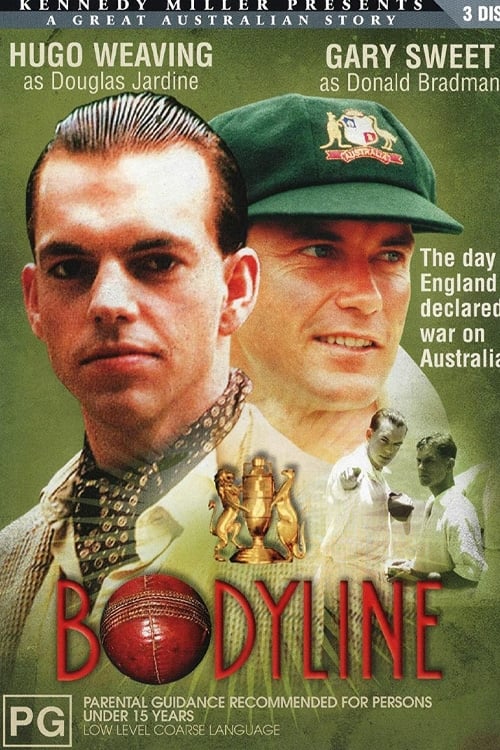
Dramatization of the 1932/33 Test cricket series between England and Australia. Played in Australia, the series gained notoriety in Australian and worldwide cricketing history for the fact that the English team (headed by captain Douglas Jardine) applied a bowling technique called "leg theory", or more commonly, Bodyline. This technique involved bowlers bowling the ball directly at the batsman's body, and resulted in many of the Australian team receiving numerous bruises and injuries, with batsman Bert Oldfield sustaining a cracked skull. The series generated much anger and resentment towards the English team within Australia and seriously damaged Anglo-Australian cricketing relations at the time.
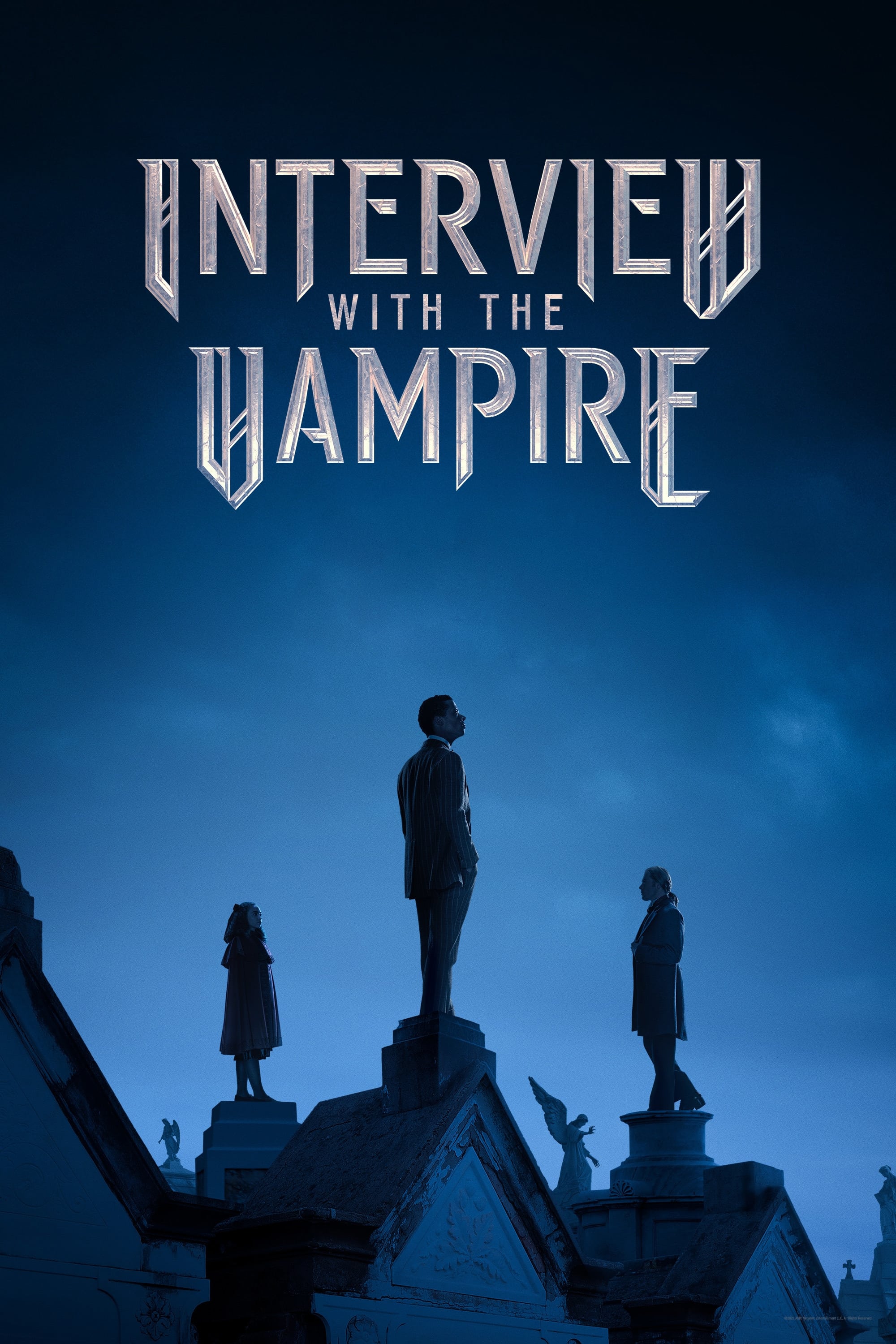
A century-old vampire from New Orleans reunites with an ailing journalist to recount his life of bloodlust and his tumultuous relationship with the rakish Frenchman who turned him.
Chronicles the lives of brothers Jonathan and Harold Dakers, in the Black Country, focusing on their close bond and the challenges they face, particularly during World War I.
When the Boat Comes In is a British television period drama produced by the BBC between 8 January 1976 and 21 April 1981. Taking place between 1919 to 1937, Jack Ford is a veteran of The Great War who returns to his poverty-stricken (fictional) town of Gallowshield in the North East of England. It dramatises the interwar political struggles of the 1920s and 1930s, and explores the impact of national and international politics upon Ford and those around him.
The story of George, who being frustrated by memories of fighting in the great war and living with his extended family, wants to bring more beauty into the world. When he comes across a camel and monkey that are about to be abandoned, he embarks on a plan to set up a zoo.
Special Agent Eliot Ness and his elite team of incorruptible agents battle organized crime in 1930s Chicago.
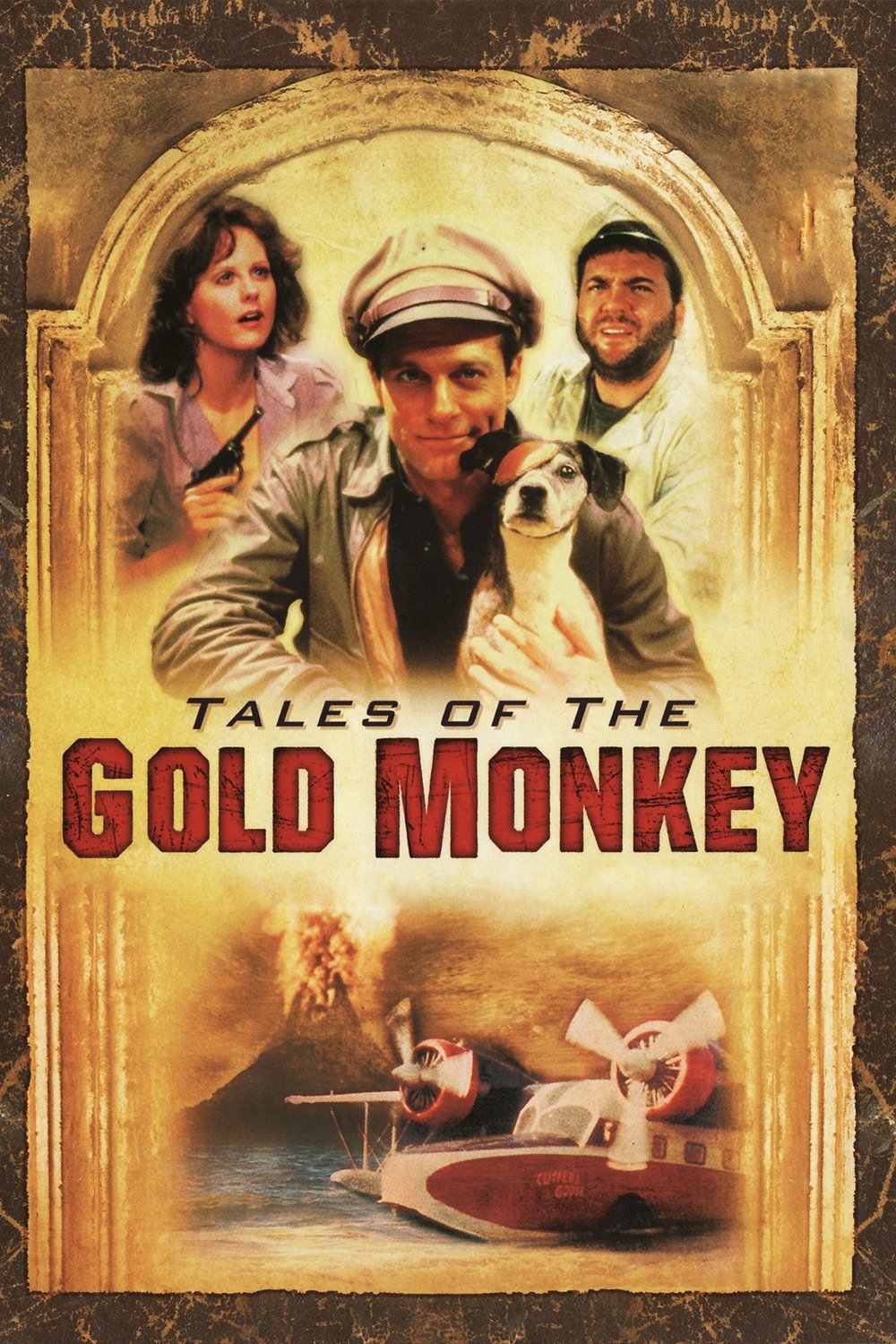
In a backwater corner of the South Pacific in 1938, a young American adventurer and his ragtag group of friends become involved in death-defying hi-jinx, transporting people-on-the-run in a well-worn Grumman Goose seaplane.
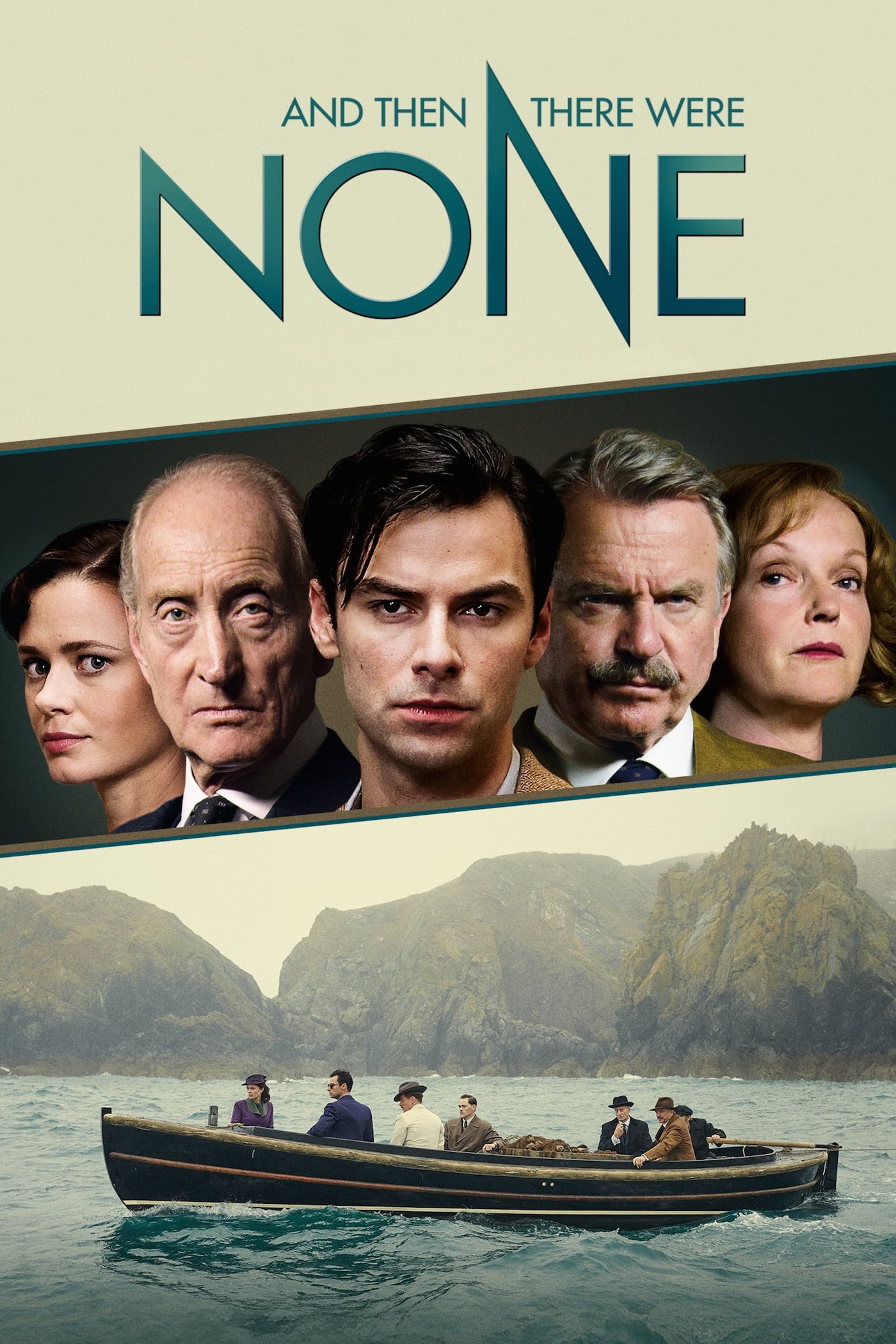
Ten strangers, drawn away from their normal lives to an isolated rock off the Devon coast. But as the mismatched group waits for the arrival of the hosts -- the improbably named Mr. and Mrs. U.N. Owen -- the weather sours and they find themselves cut off from civilization. Very soon, the guests, each struggling with their conscience, will start to die -- one by one, according to the rules of the nursery rhyme 'Ten Little Soldier Boys' -- a rhyme that hangs in every room of the house and ends with the most terrifying words of all: '... and then there were none.
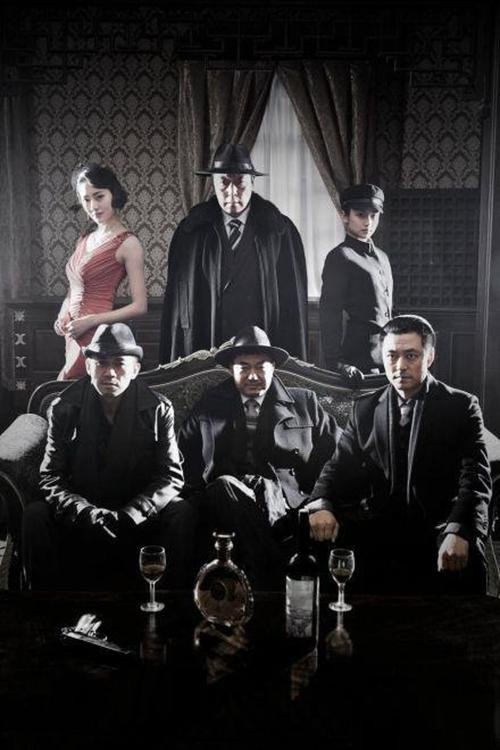
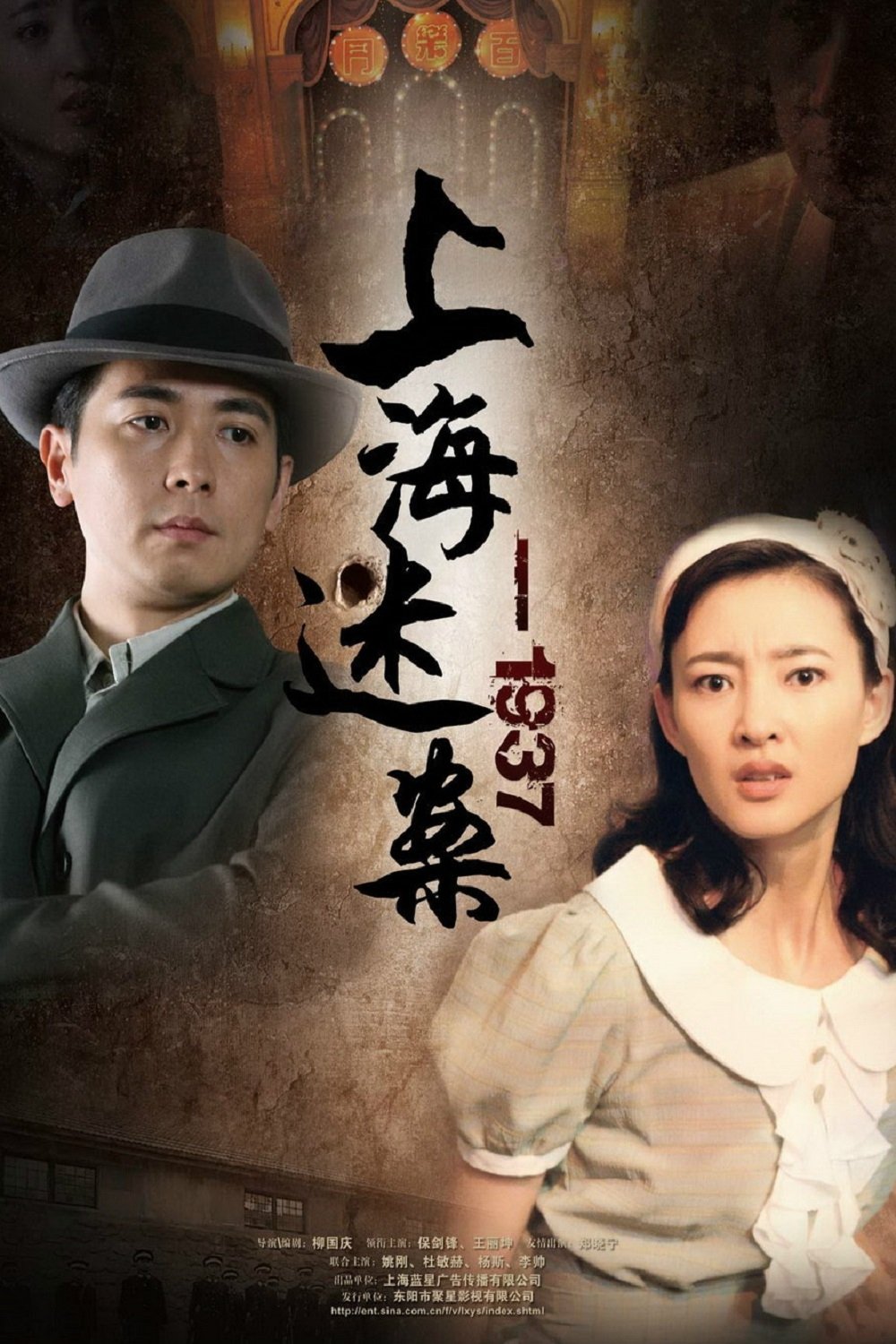
Set in 1930s Shanghai, Zhang Lianxin, a former maid, seeks love and freedom amidst China's war with Japan. She becomes entangled in a dangerous political conspiracy and forms a bond with Chong Yang, as they face numerous challenges together. Lianxin must navigate a complex love triangle while confronting the powerful forces around her, ultimately deciding her fate in a turbulent time.
Manchester millionaire's son Nick Faunt leaves home at the height of the Depression to become an artist. When he meets Irish serving girl Anna Fitzgerald, a strange love story begins.
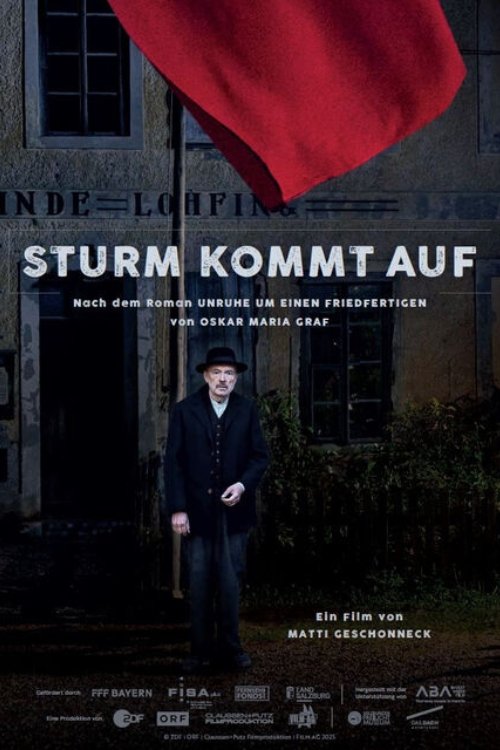
After World War I, political divisions deepen in a village in Upper Bavaria. Julius Kraus, a reclusive cobbler, finds himself caught between the fronts when his Jewish identity is revealed. The two 90-minute feature films are based on the novel "Unruhe um einen Friedfertigen" (Unrest Around a Peaceful Man) by Oskar Maria Graf, a masterpiece of German-language exile literature.
When a romantic getaway to Paris takes a dark turn with the sudden disappearance of her boyfriend Tom aboard a train to the south of France, Alice is plunged into a web of intrigue and danger, uncovering shocking secrets about the man she thought she knew.
When Lucy Albright and Stephen DeMarco meet at college, they are at that formative age when seemingly mundane choices lead the way to irrevocable consequences. They quickly fall into an addictive entanglement that will permanently alter not only their lives, but the lives of everyone around them.
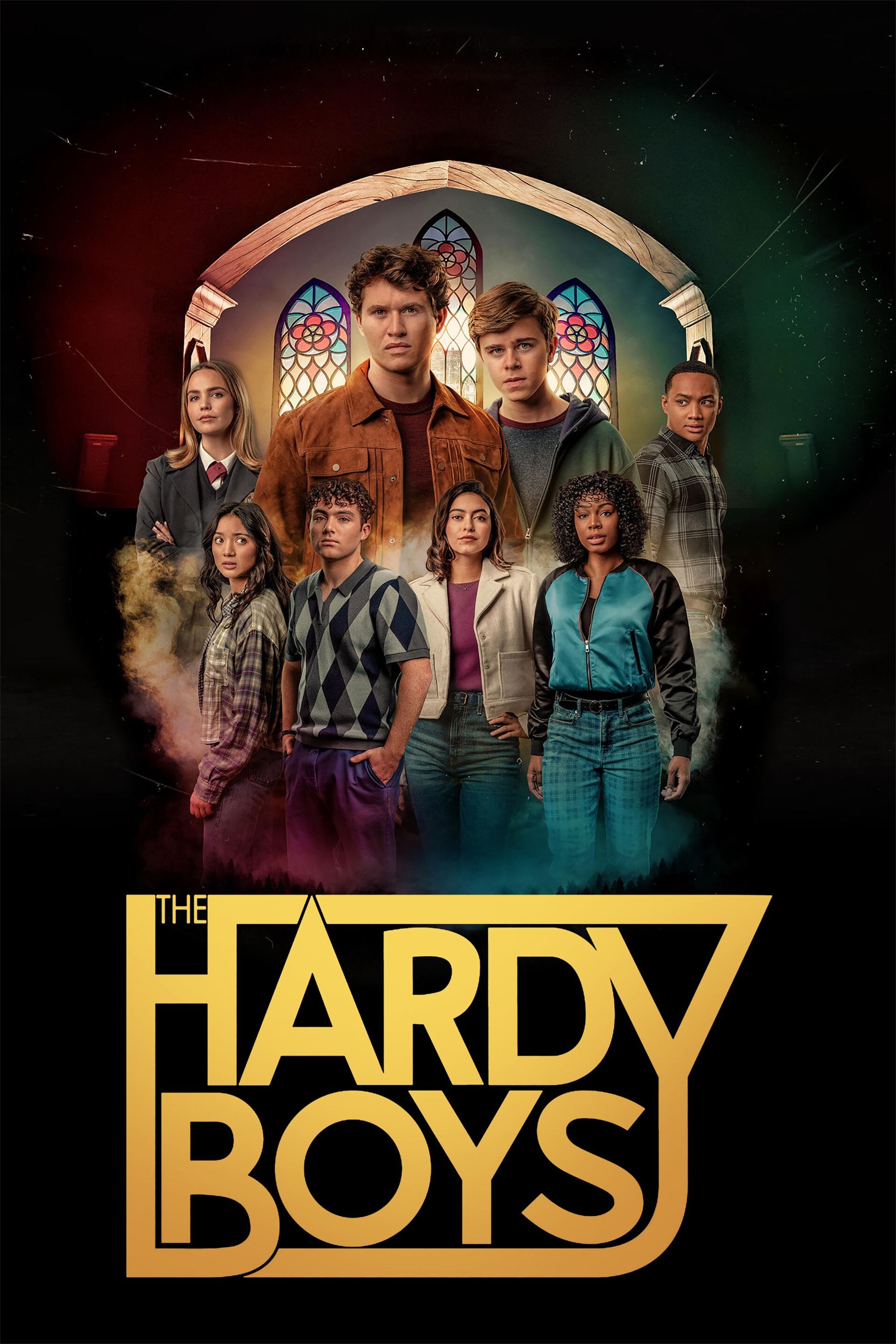
When Frank and Joe Hardy arrive in Bridgeport, they set out to uncover the truth behind the recent tragedy that has changed their lives. In doing so, they stumble upon something much more sinister - something only the Hardy Boys can stop.
Sherlock Holmes faces a sinister case risking friends' lives. American Amelia joins, seeking her father after her mother's murder. Despite differences, they solve a conspiracy and her mother's case.
After discovering she's inherited a remote island in Canada from the estranged grandfather she was never allowed to meet, 17-year-old Annie Jacobson decides to investigate, pulling her into a world of buried secrets, unexpected sisterhood, and the complicated family history she was never meant to find.
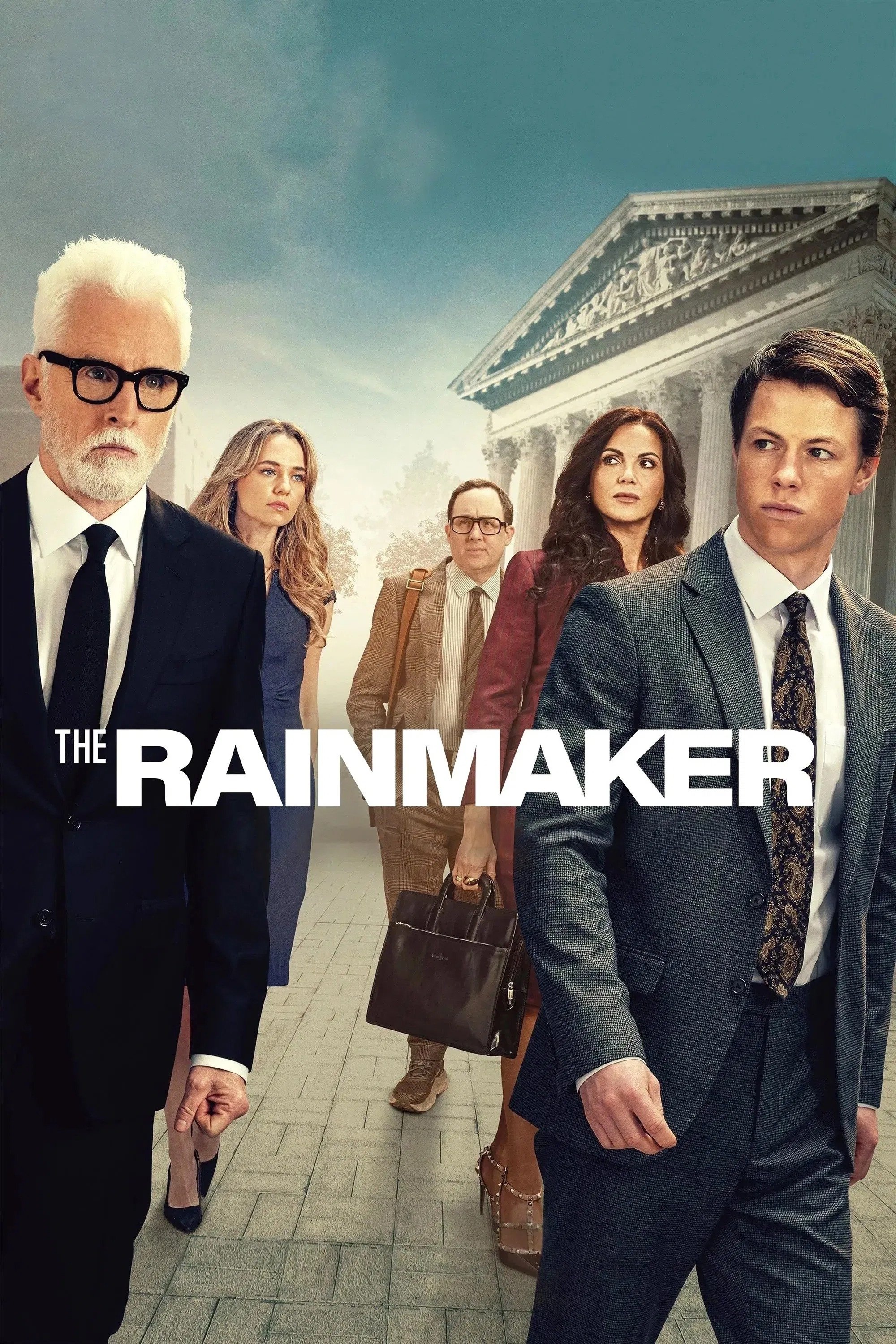
Fresh out of law school, Rudy Baylor goes head to head with courtroom lion Leo Drummond as well as his law school girlfriend, Sarah. Rudy, along with his boss, Bruiser, and her disheveled paralegal, Deck, uncovers two connected conspiracies surrounding the mysterious death of their client's son.
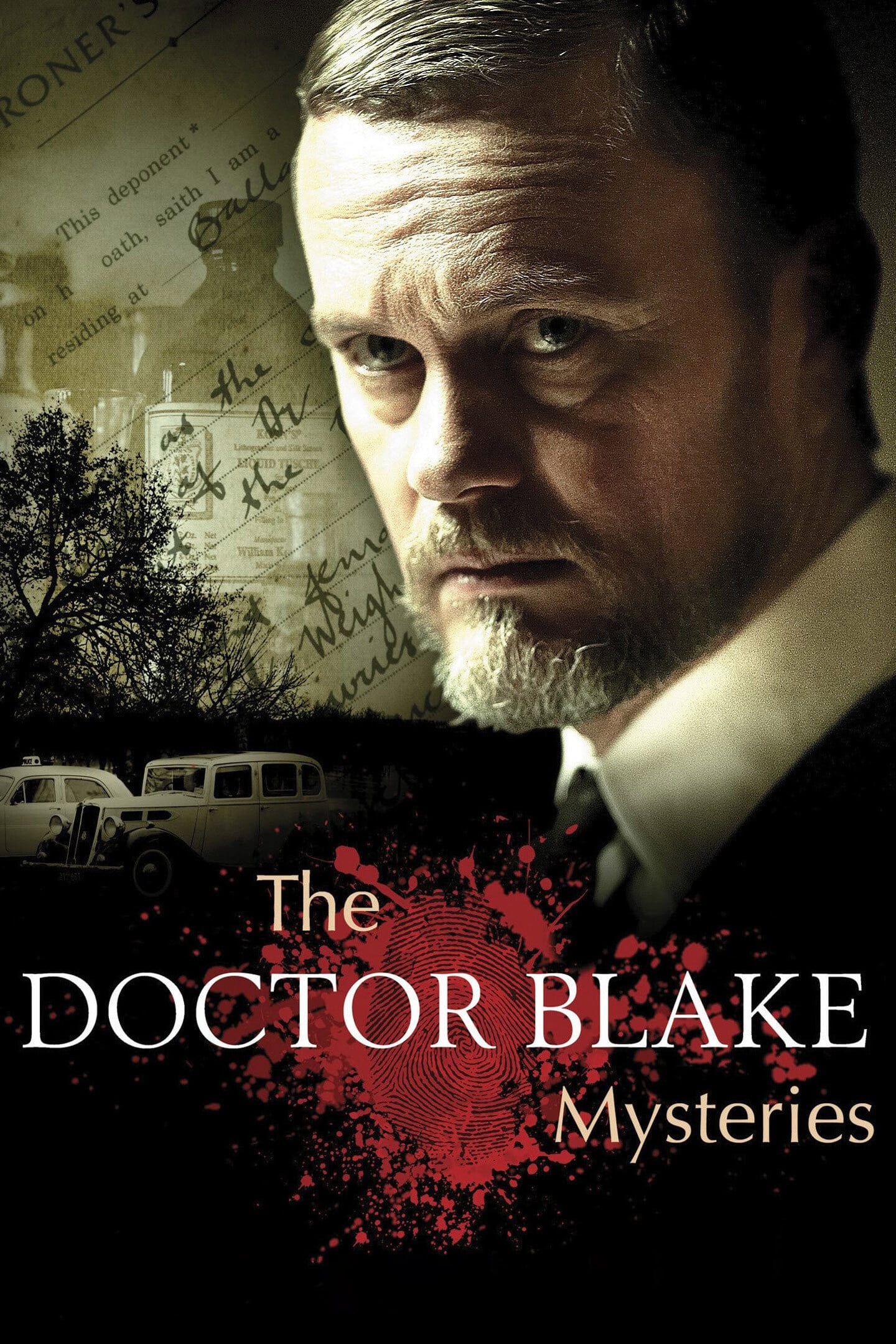
Dr Lucien Blake left Ballarat as a young man. But now he finds himself returning to take over not only his dead father's medical practice, but also his on-call role as the town's police surgeon, only to find change is afoot, nothing is sacred, and no one is safe.
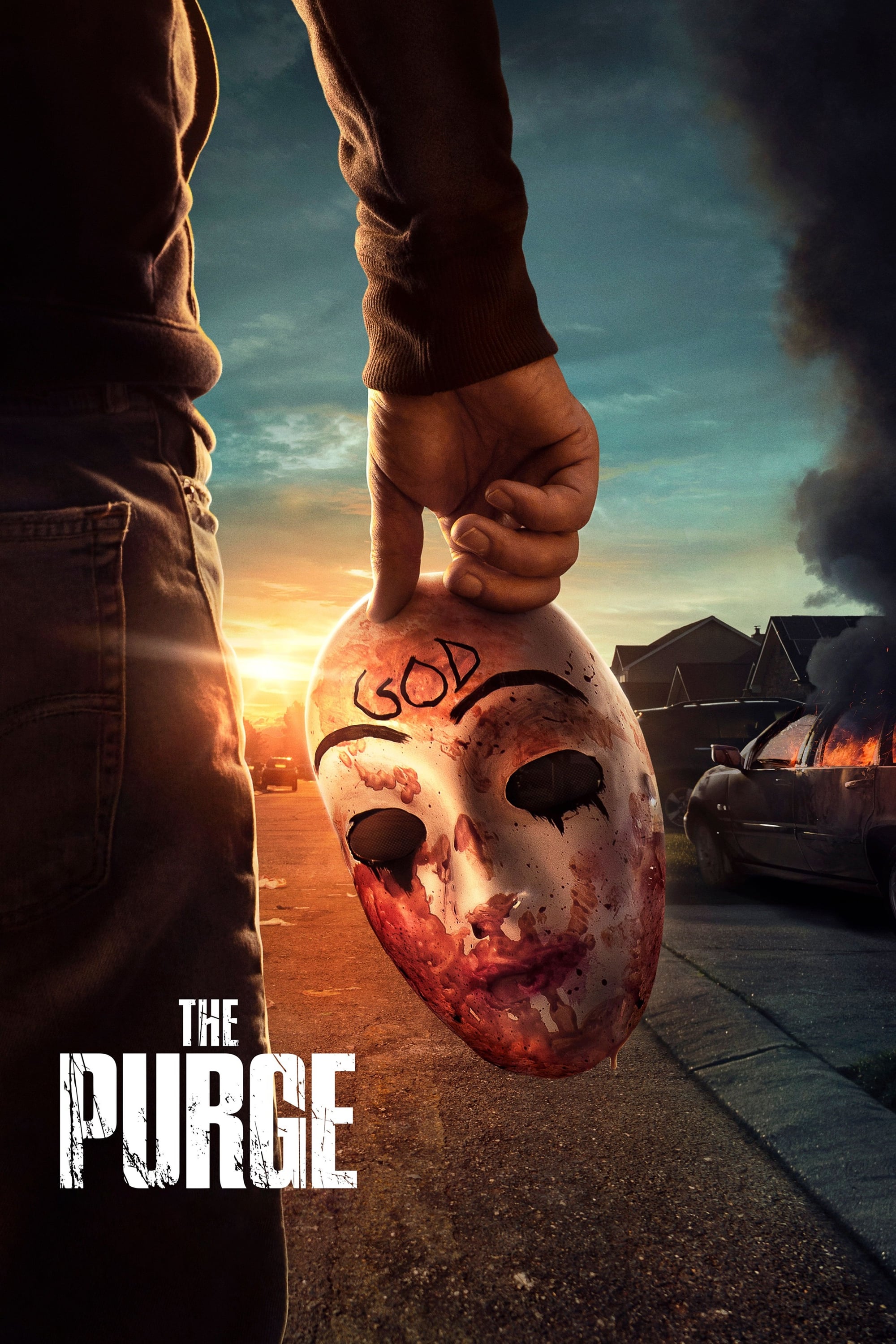
Set in a dystopian America ruled by a totalitarian political party, the series follows several seemingly unrelated characters living in a small city. Tying them all together is a mysterious savior who’s impeccably equipped for everything the night throws at them. As the clock winds down with their fates hanging in the balance, each character is forced to reckon with their pasts as they discover how far they will go to survive the night.
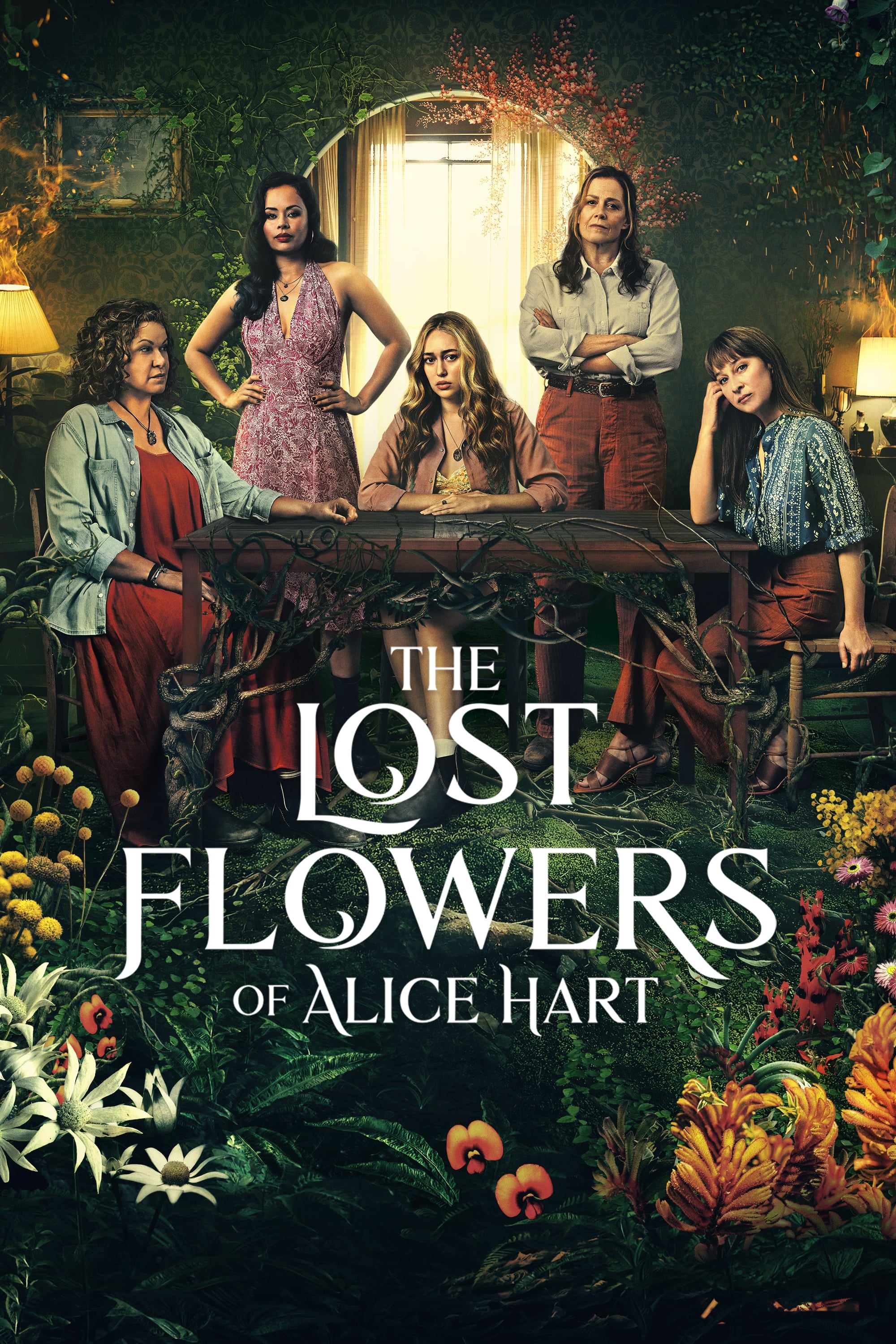
After losing her parents in a mysterious fire, nine-year-old Alice Hart is raised by her grandmother June on a flower farm where she learns there are secrets within secrets. But years on, an unearthed betrayal sees Alice forced to face her past.
A group of ordinary people who stumble onto a puzzle hiding just behind the veil of everyday life come to find that the mystery winds far deeper than they ever imagined.
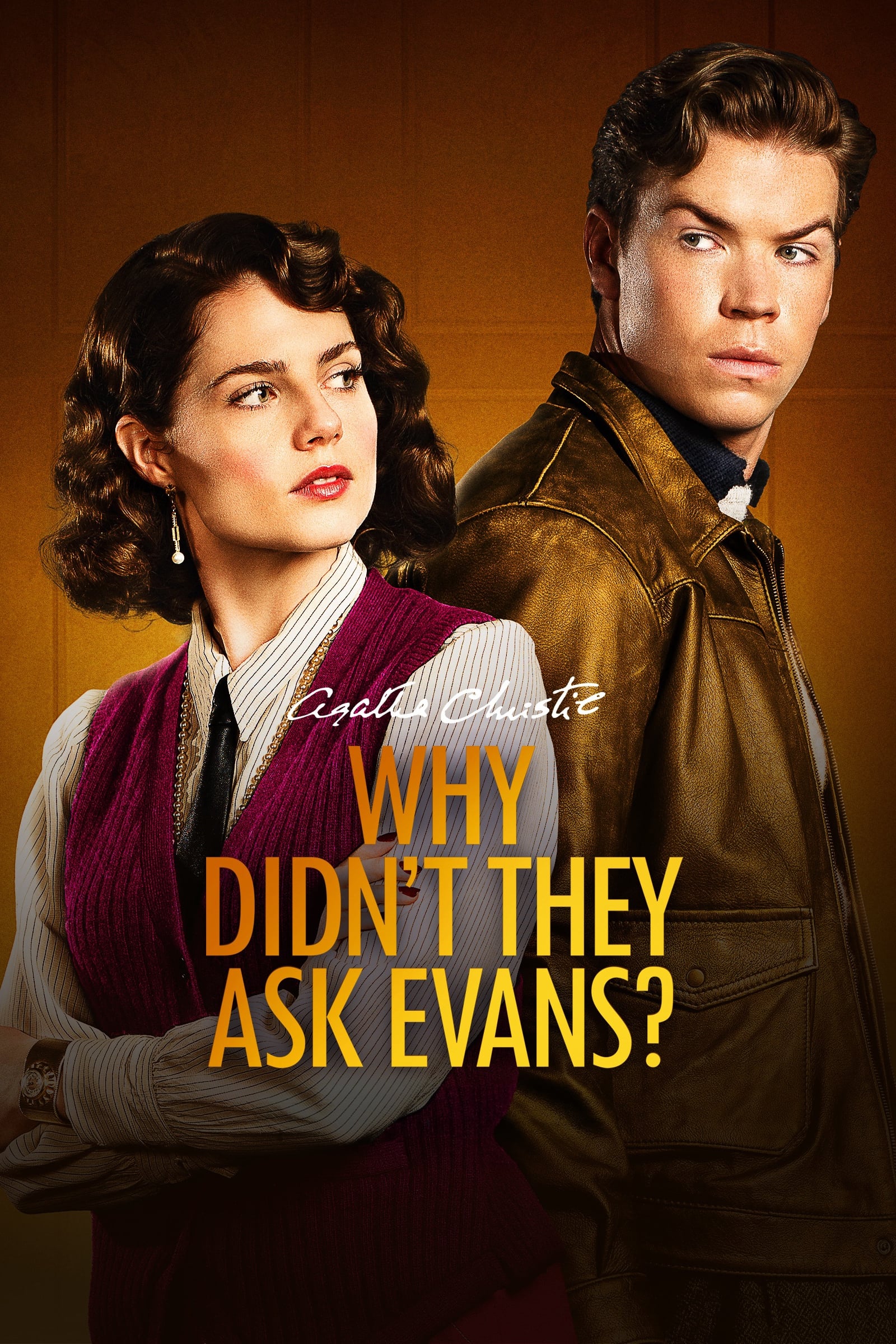
A dying man's enigmatic last words send vicar's son, Bobby Jones, and his socialite friend, Lady Frankie Derwent, on a crime-solving adventure.
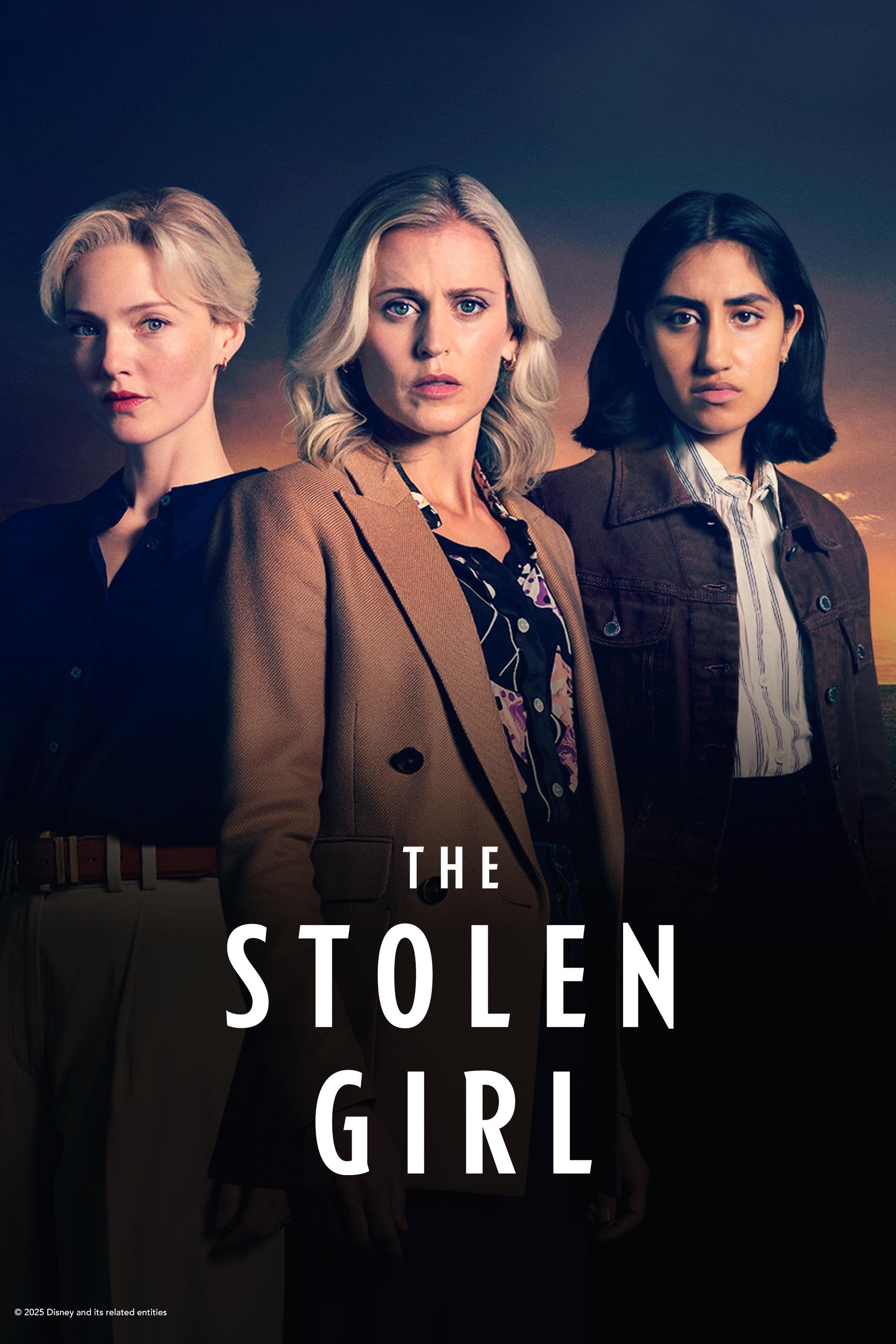
Mother of two, Elisa, allows her daughter, Lucia, to go on an impromptu sleepover with her new best friend Josephine after meeting Josephine's mother, Rebecca, at her beautiful home. But when Elisa arrives to collect Lucia the next day, the house turns out to be an empty luxury rental and Lucia has been abducted.
When detective Andrea 'Andie' Whitford is transferred to the Victorian High Country, she is thrust into a baffling mystery of five missing persons who have vanished into the wilderness. Through an edge-of-the-seat, high-stakes investigation, Andie uncovers a complex web involving murder, deceit and revenge.
Xiao Zhiyu and Hu Xiu are brought together by a Republic of China-themed murder mystery game. In the scripted NPC game filled with falling snow and spies in the shadows, the two ignite a fateful spark. An unexpected reunion in the real world reveals the mystery of each other's identities. The two shuttle between the misaligned time-spaces of reality and the script, and finally achieve two-way growth in the cross-dimensional bond, completing the transformation of love and self.
Identical twins Leni and Gina have secretly switched places for years. But when one sister disappears, both of their lives start to fall apart.
A prisoner on death row in the US, a vicar in a quiet English town, and a maths teacher trapped in a cellar cross paths in the most unexpected way.
The 19th-century tale of love, murder and revenge as men and women travel across the world to make their fortunes on the wild West Coast of New Zealand's South Island.
A television anthology series hosted by Alfred Hitchcock featuring dramas, thrillers, and mysteries.
Toronto’s only female private detective in the 1920s takes on the cases the police don’t want or can’t handle. From airplanes and booze running to American G-men, Communists and union busters, Frankie’s fearless sense of adventure gets her into all kinds of trouble, but she always manages to find her way out.
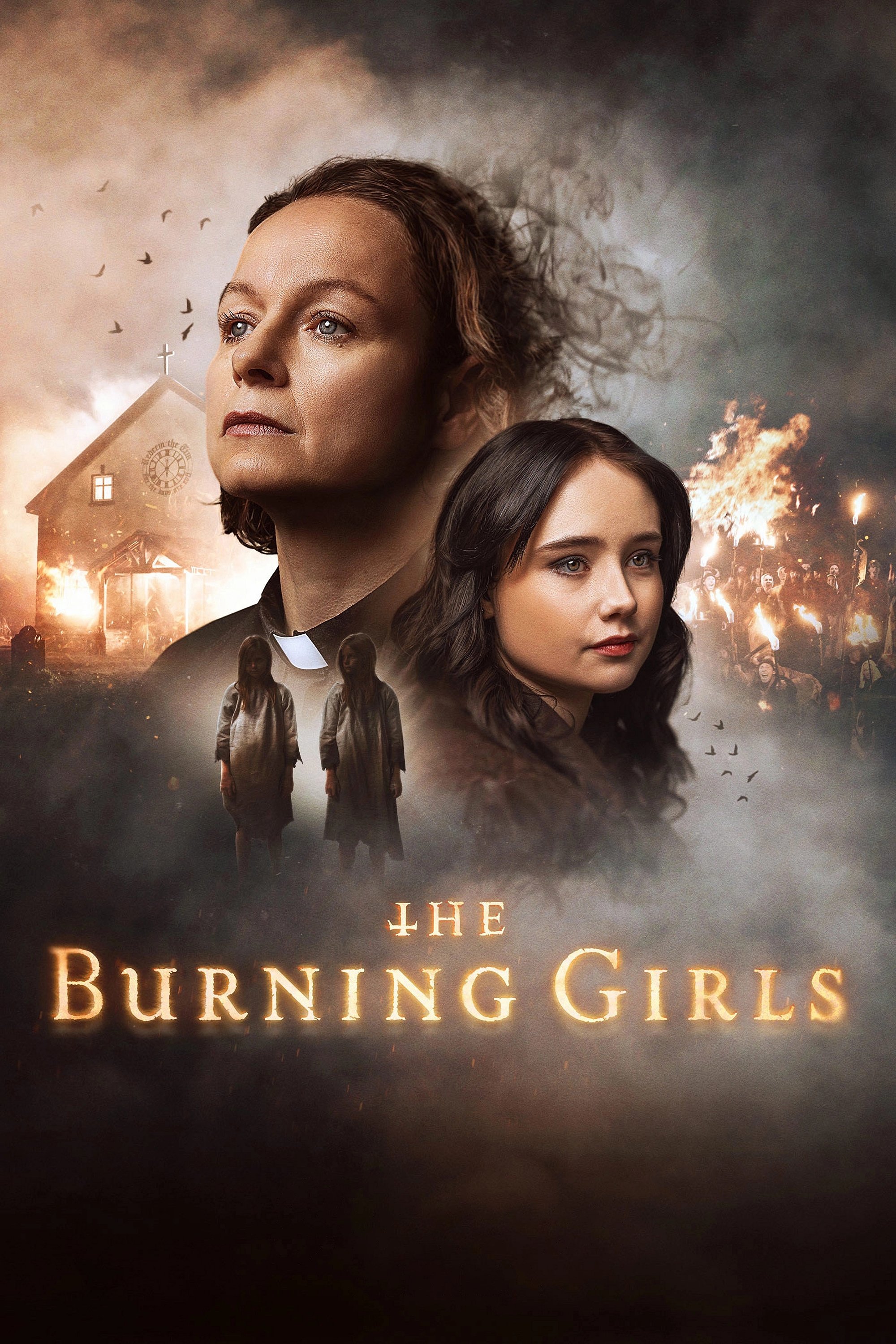
Follows Reverend Jack Brooks and her daughter in Chapel Croft, a place for a fresh start that soon reveals its community's dark history and where ancient superstitions and mistrust of outsiders are quite common.