Social & External
The people behind it
Erik Ekstrand
Self - Host
Mackan Edlund
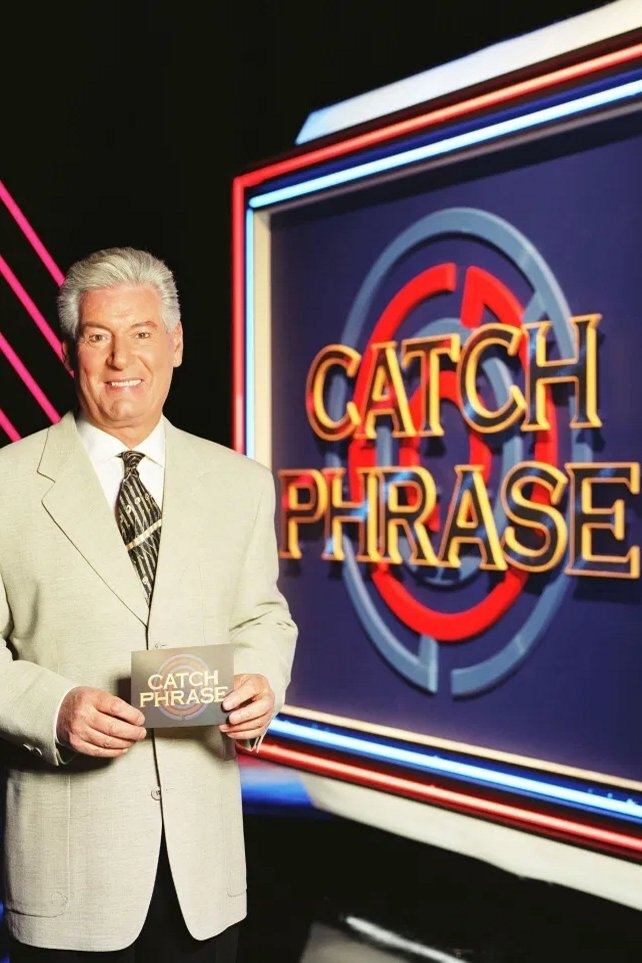
Catchphrase is a British game show based on the short-lived U.S. game show of the same name. It originally aired on ITV in the United Kingdom between 12 January 1986 and 19 December 2002. It was presented by Northern Irish comedian Roy Walker from 1986–1999; followed by Nick Weir from 2000–2002, and Mark Curry in 2002. In the original series, two contestants, one male and one female would have to identify the familiar phrase represented by a piece of animation accompanied by background music. The show's mascot, a golden robot called "Mr. Chips", appears in many of the animations. In the revived version of the show, the same format remains, but there are three contestants. In August 2012, it was announced that Stephen Mulhern would host a revived version of the show beginning on 7 April 2013. On 21 August 2013, it was confirmed that Catchphrase has been re-commissioned for a second series, following the success of the first.
Bad Influence! is an early to mid-1990s British factual television programme broadcast on CITV between 1992 and 1996, and was produced in Leeds by Yorkshire Television. It looked at video games and computer technology, and was described as a "kid’s Tomorrow's World". It was shown on Thursday afternoons and had a run of four series of between 13 and 15 shows, each of 20 minutes duration. For three of the four series, it had the highest ratings of any CITV programme at the time. Its working title was Deep Techies, a colloquial term derived from 'techies' basically meaning technology-obsessed individuals.
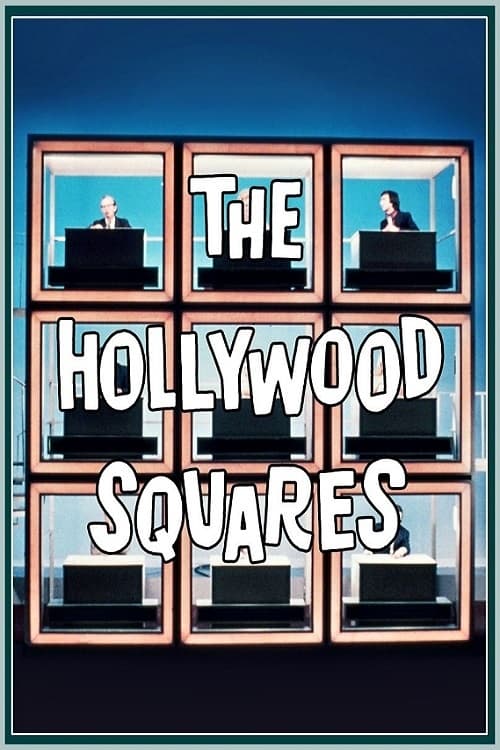
Hollywood Squares is an American panel game show, in which two contestants play tic-tac-toe to win cash and prizes. The "board" for the game is a 3 × 3 vertical stack of open-faced cubes, each occupied by a celebrity seated at a desk and facing the contestants. The stars are asked questions by the host, or "Square-Master", and the contestants judge the veracity of their answers in order to win the game. Although Hollywood Squares was a legitimate game show, the game largely acted as the background for the show's comedy in the form of joke answers, often given by the stars prior to their "real" answer. The show's writers usually supplied the jokes. In addition, the stars were given question subjects and plausible incorrect answers prior to the show. The show was scripted in this sense, but the gameplay was not. In any case, as host Peter Marshall, the best-known "Square-Master" and the man in whose honor the show's first announcer, Kenny Williams, actually "coined" the term, would explain at the beginning of the Secret Square game, the celebrities were briefed prior to show to help them with bluff answers, but they otherwise heard the actual questions for the first time as they were asked on air.
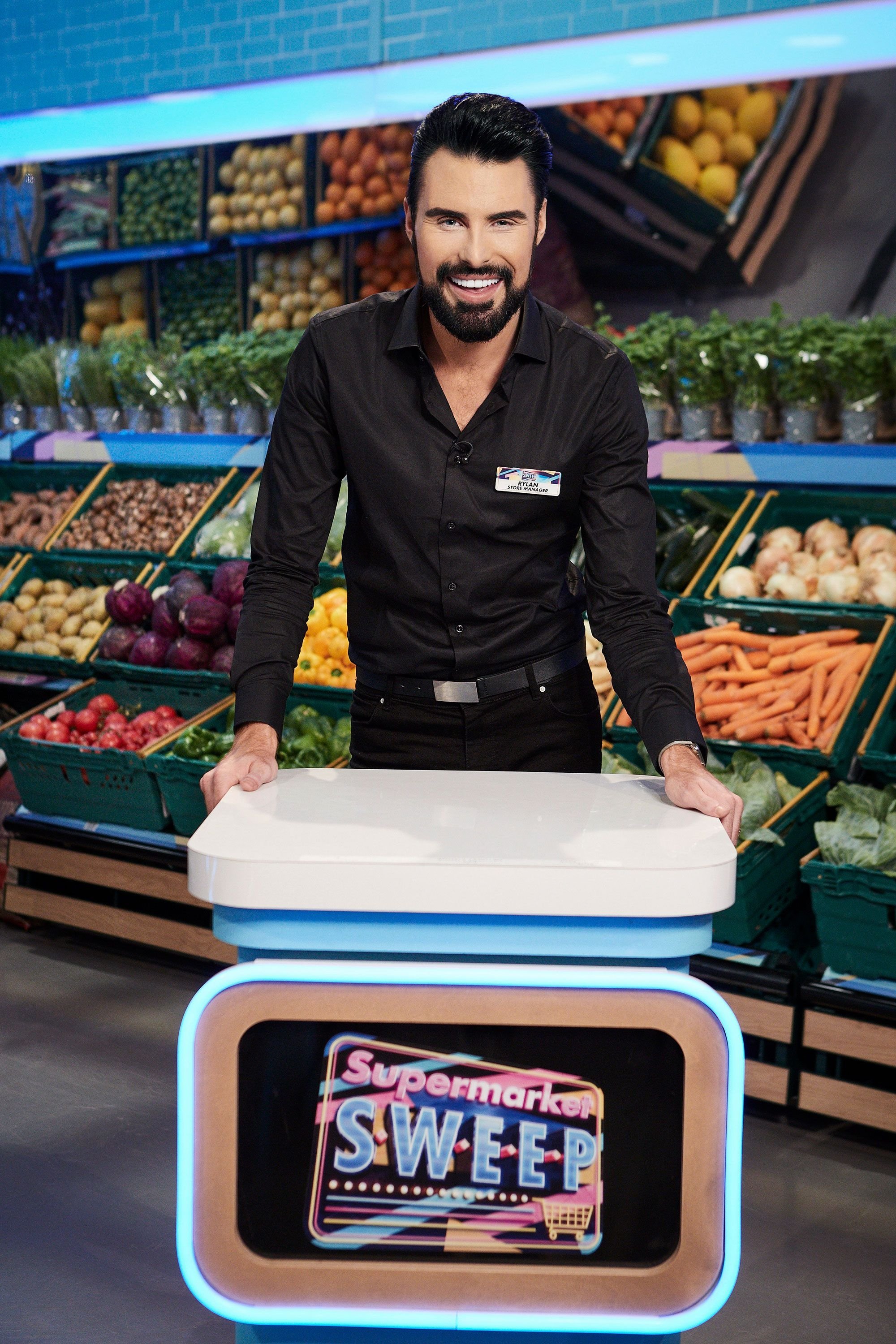
Three pairs of shoppers go wild in the aisles as they compete to win a 3,000-pound prize in this reboot of the iconic game show.
A game show based on the Carmen Sandiego computer game series created by Brøderbund Software.
Celebrity contestants compete in singing competitions, all while under complete disguse. The panelists must make their identity guesses with the help of clues and voices. Each night, the least popular Masked Singer is eliminated and must reveal their identity until there is just one winner.
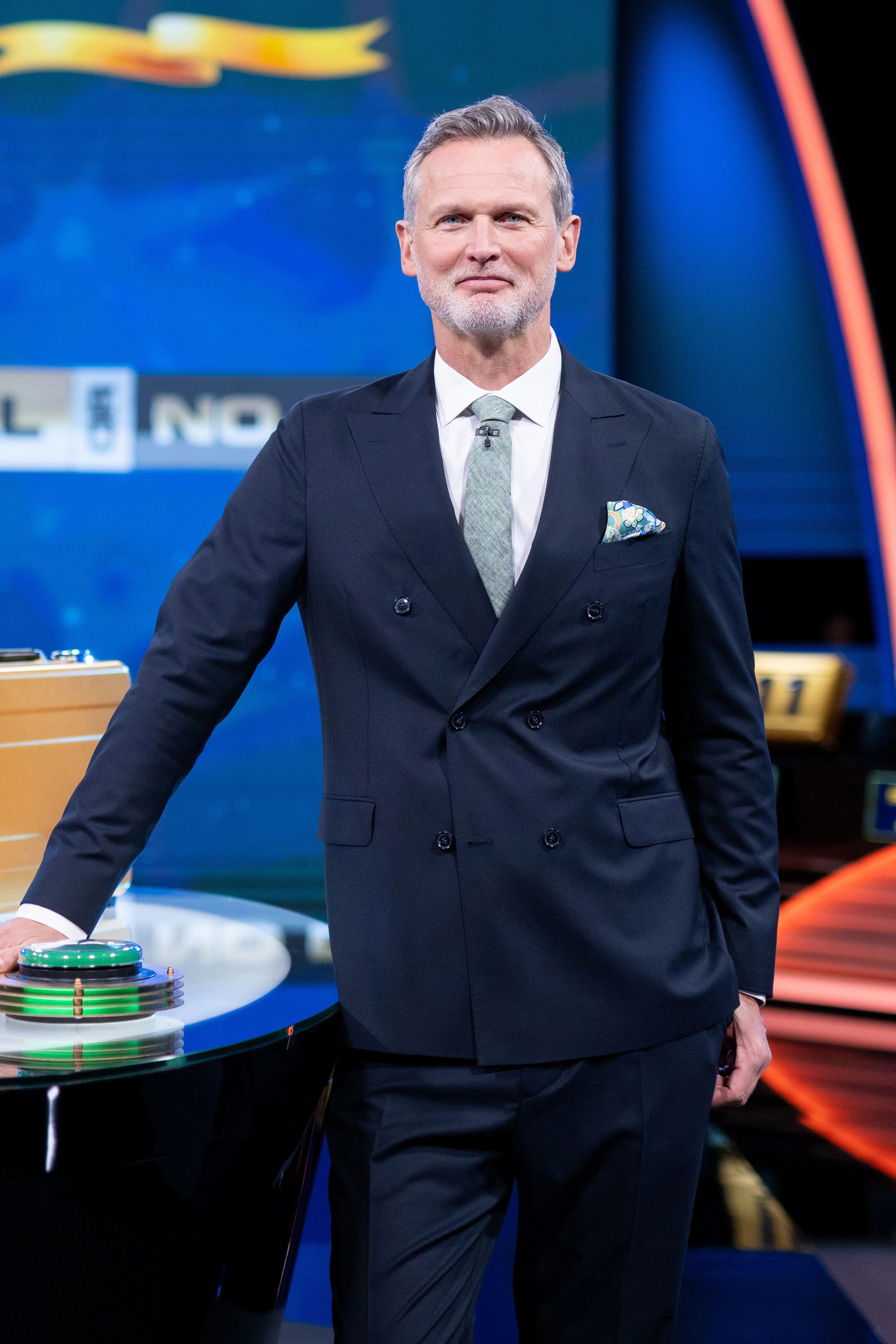
The Swedish version of the Deal or No Deal format.
Eggheads is a BBC quiz show which pits a team of five "Eggheads" against a series of teams of five "challengers" who in each episode attempt to beat the Eggheads through a series of rounds. The program was first broadcast in 2003, and co-presented by Dermot Murnaghan and Jeremy Vine. For the 2008 series, Jeremy Vine was brought in to present on nights when Murnaghan was hosting the spinoff series Are You an Egghead?. This happened again from October 2009 while Murnaghan presented the second series of the spinoff show. Since the spin-off show finished, Jeremy Vine has continued to host the second half of each series, which broadcasts 52 weeks a year. Episodes generally air weekdays.
Contestants take part in a series of 60-second challenges that use objects that are commonly available around the house.
Strike it Lucky was a popular British television game show from 29 October 1986 to 23 August 1999, originally produced by Thames Television for ITV, and presented by the British comedian Michael Barrymore. It was based on the American show of the same name that aired in 1986. In its formative years, it became well known for the outlandish and often highly eccentric contestants it featured - Barrymore would often spend over 5 minutes talking to them. The introductory footage of the prizes on offer were also noteworthy, often filmed in black-and-white with a slapstick style. In 1987, it was the fifth most watched programme on UK television. The Thames Television version of the show was recorded at Teddington Studios, and later Pinewood Studios. From 1996, the new version aired under the title Strike it Rich!; this being the title of the short-lived American game show Strike it Rich! on which it was based, and it moved to The London Studios. The reason for the name change was that the show was now being co-produced by LWT with Fremantle, so despite now being owned by the same company as Fremantle, Thames were unwilling to allow LWT use of the original title. There is also the factor that when the show was first exported to the UK, the Independent Broadcasting Authority's prize limits were still in place, and "Rich" was probably dropped from the title because of the relatively low value of prizes on offer; by the time it returned as Strike it Rich! the limits had been lifted and it was giving away a substantially higher value of prizes.
A game show set and filmed on the real Fort Boyard in France. The contestants have to complete in physical and endurance challenges to win prize money.
In this daily game show hosted Pierre Hébert, two contestants and the studio audience are asked to answer offbeat questions that play on people’s preconceived ideas and perceptions about four guest stars on the set.
Adventure gameshow where four plucky school kids race through the ‘jungle’ tackling fiendishly tricky puzzles and challenges. But, they best beware for there are traps around every corner.
Get Your Own Back was a British children's game show, which ran from 26 September 1991 to 31 March 2003. It has been presented throughout by Dave Benson Phillips with the addition of Lisa Brockwell as a co-host from 2001 to the programme's end in 2003.
50/50 was a British children's game show that was broadcast on BBC1. It was broadcast from 7 April 1997 to 12 July 2005. Two schools in the UK put forward 50 students, each child given a number from 1–50 which they wear during the show, before each round a random number generator picks which students will take part in the next game. The t-shirt colours were originally green and orange but this was changed to blue and yellow. They sit opposite each other in raised seating while the game takes place in between them. Most of the children will not get an opportunity to play in a game, but there are question rounds and observation rounds where points are won by the number of correct answers. The games usually consist of inflatable obstacle courses similar to those found in Get Your Own Back, Fun House and Run the Risk.
Games World was an entertainment video games show that was broadcast on Sky One each weekday from 1 March 1993–2 October 1998. The overall concept of Games World was similar to GamesMaster.
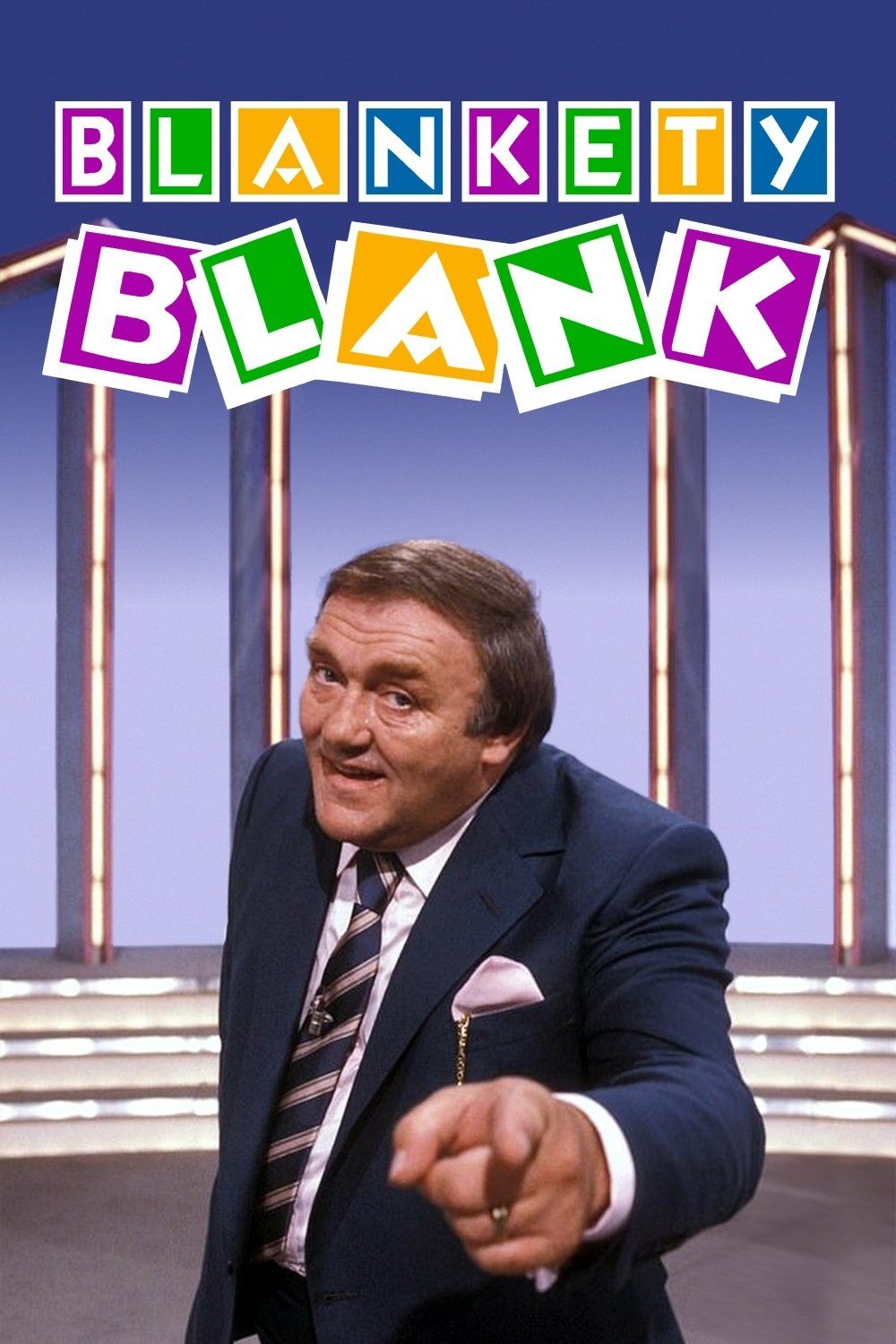
Blankety Blank is a British comedy game show based on the 1977–1979 Australian game show Blankety Blanks. The British version ran from 18 January 1979 to 12 March 1990 on BBC One, hosted first by Terry Wogan and later by Les Dawson. Regular members of the celebrity panel on this version included Kenny Everett, Lorraine Chase, Gareth Hunt, Gary Davies, and Cheryl Baker. A revival fronted by Lily Savage was produced by the BBC from 26 December 1997 to 28 December 1999, followed by ITV from 7 January 2001 to 10 August 2002. This version was produced by Grundy, then Thames.
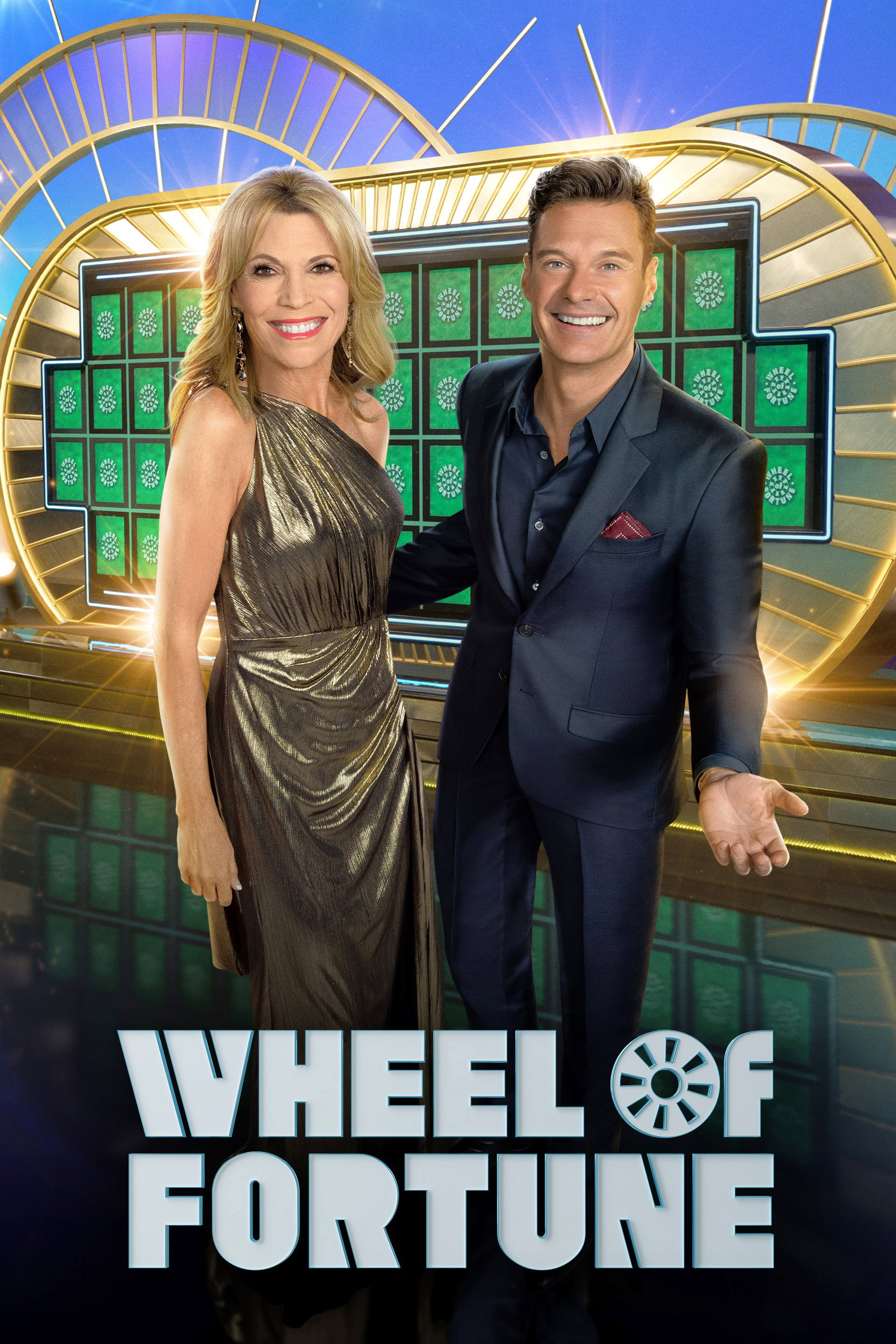
This game show sees contestants solve word puzzles, similar to those used in Hangman, to win cash and prizes determined by spinning a giant carnival wheel.
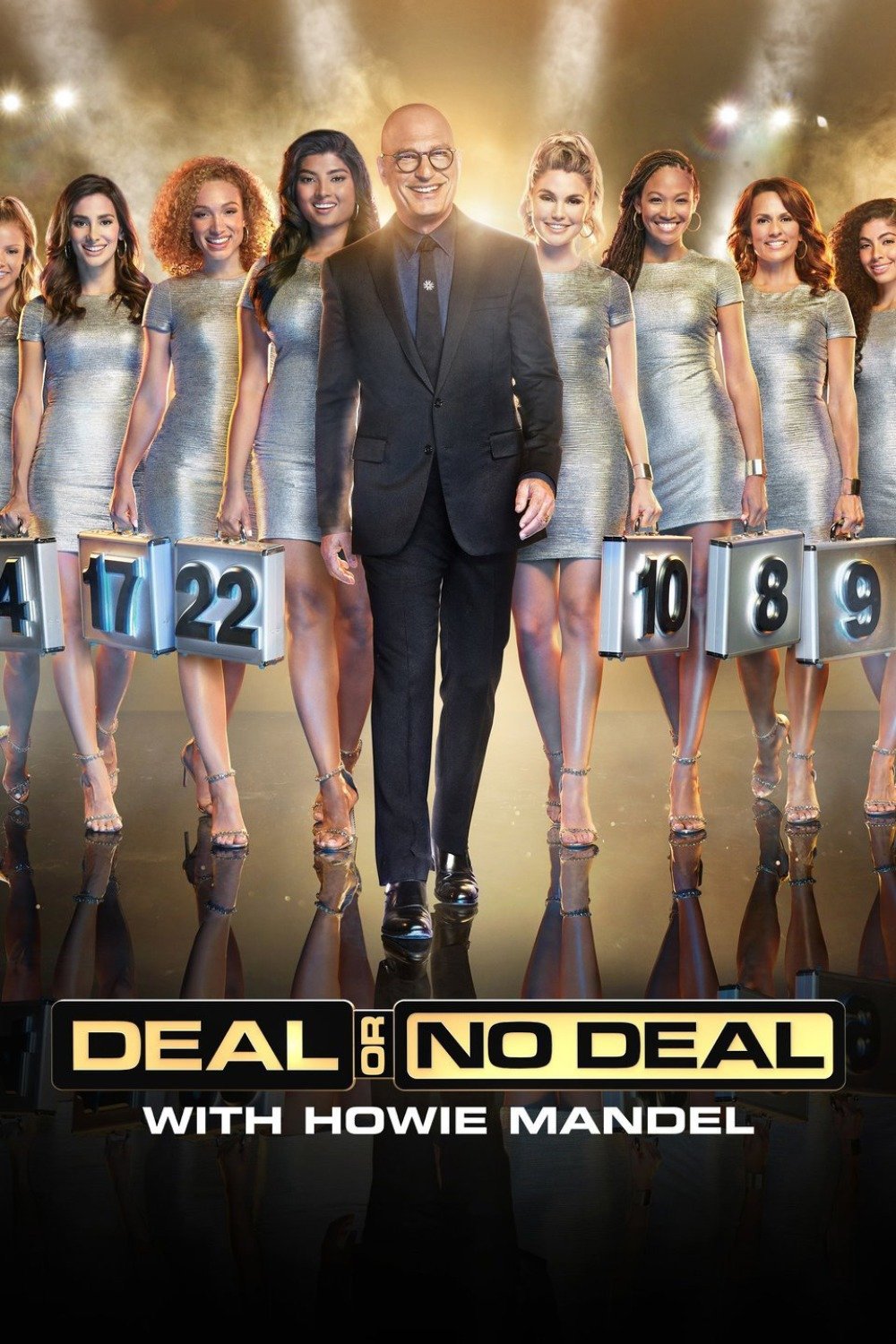
A contestant must choose from 26 sealed briefcases containing a marker for various amounts of cash from one penny to $1 million. The player then eliminates the remaining 25 cases one by one. The chosen ones are opened and the amount of money inside revealed. After several cases are opened, the player is tempted by the Banker to accept an offer of cash in exchange for not continuing the game and possibly winning a larger sum of money.
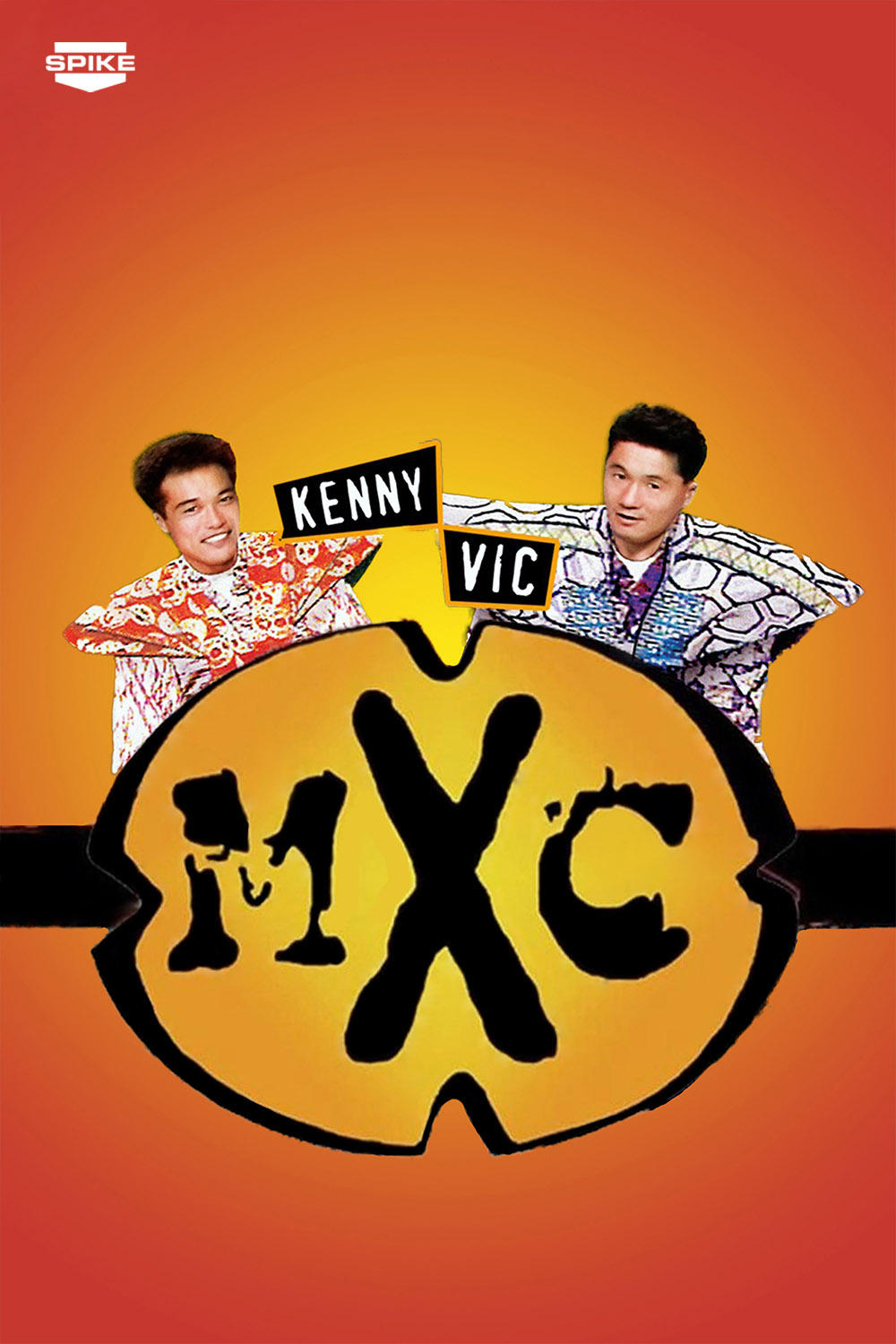
Footage from the popular game show, Takeshi's Castle has been re-edited, re-written and re-voiced into a hilarious, intentionally over-produced, modern "action/X-treme" sports show.
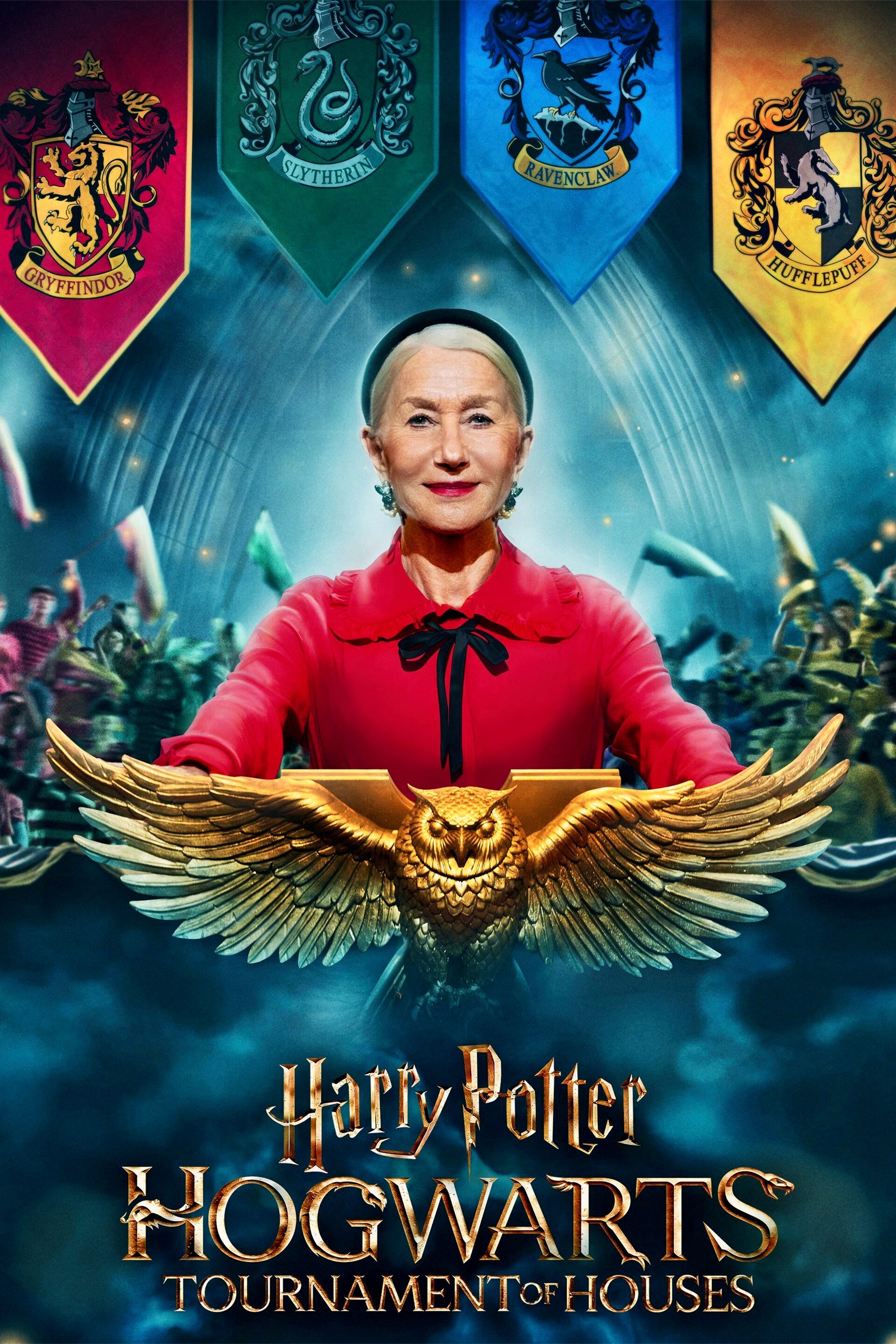
Wizarding World fans put their Harry Potter knowledge to the test for the ultimate honor to be named House Cup champion.
Best pals CeCe and Rocky dream of dancing stardom. And they seem on the verge of realizing that goal when they win places as backup dancers on the local TV show "Shake It Up, Chicago." While they get to show off their moves, they find out they need to keep putting their best feet forward to keep up with the rest of the crew on the show.
Takeshi's Castle was a Japanese game show that aired between 1986 and 1990 on the Tokyo Broadcasting System. It featured the Japanese actor Takeshi Kitano as a count who owns a castle and sets up difficult challenges for players to get to him. Contestants throw themselves into daunting physical challenges as they attempt to storm Takeshi's Castle and win the grand prize of one million yen. The show has become a cult television hit around the world. A special live "revival" was broadcast on April 2, 2005, for TBS's 50th anniversary celebrations.
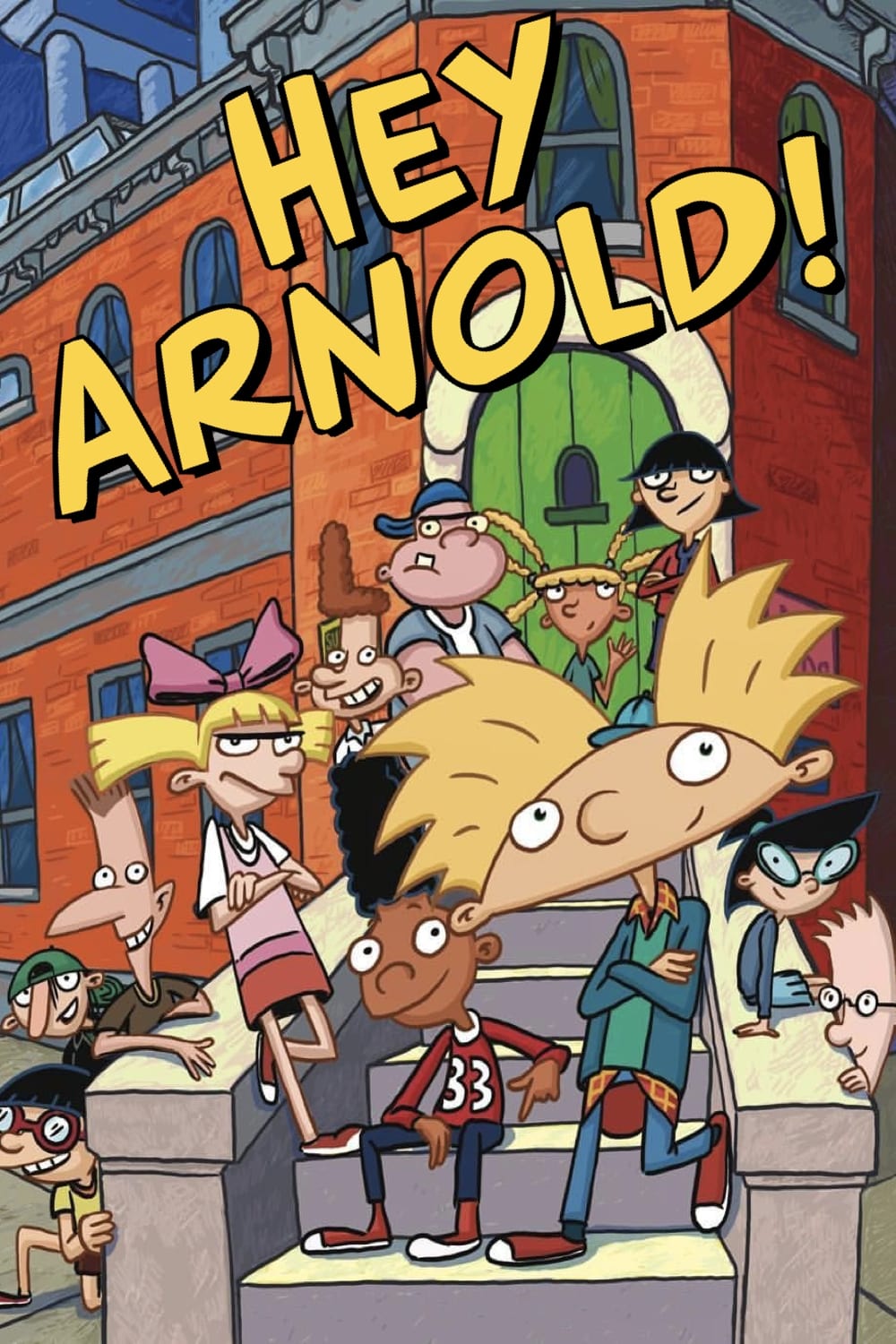
The daily life of Arnold--a fourth-grader with a wild imagination, street smarts and a head shaped like a football.
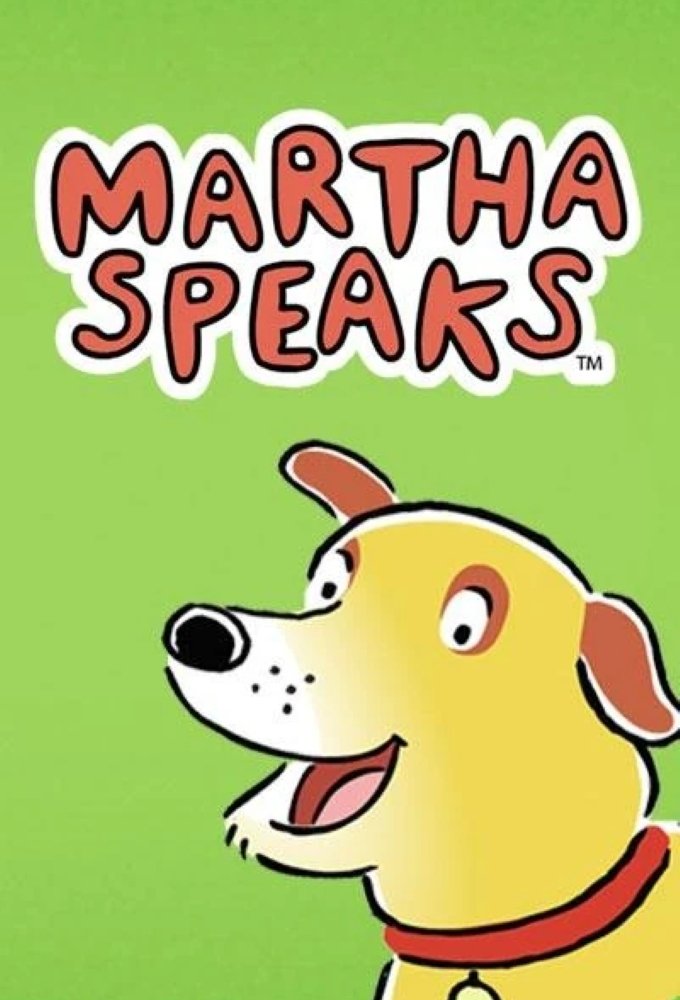
Martha, a beloved family dog, is accidentally fed alphabet soup — this gives her the power of speech and the chance to speak her mind to anyone that will listen.
A show geared for babies up to older toddlers. This show is full of music, teaching kids songs and easy dances.
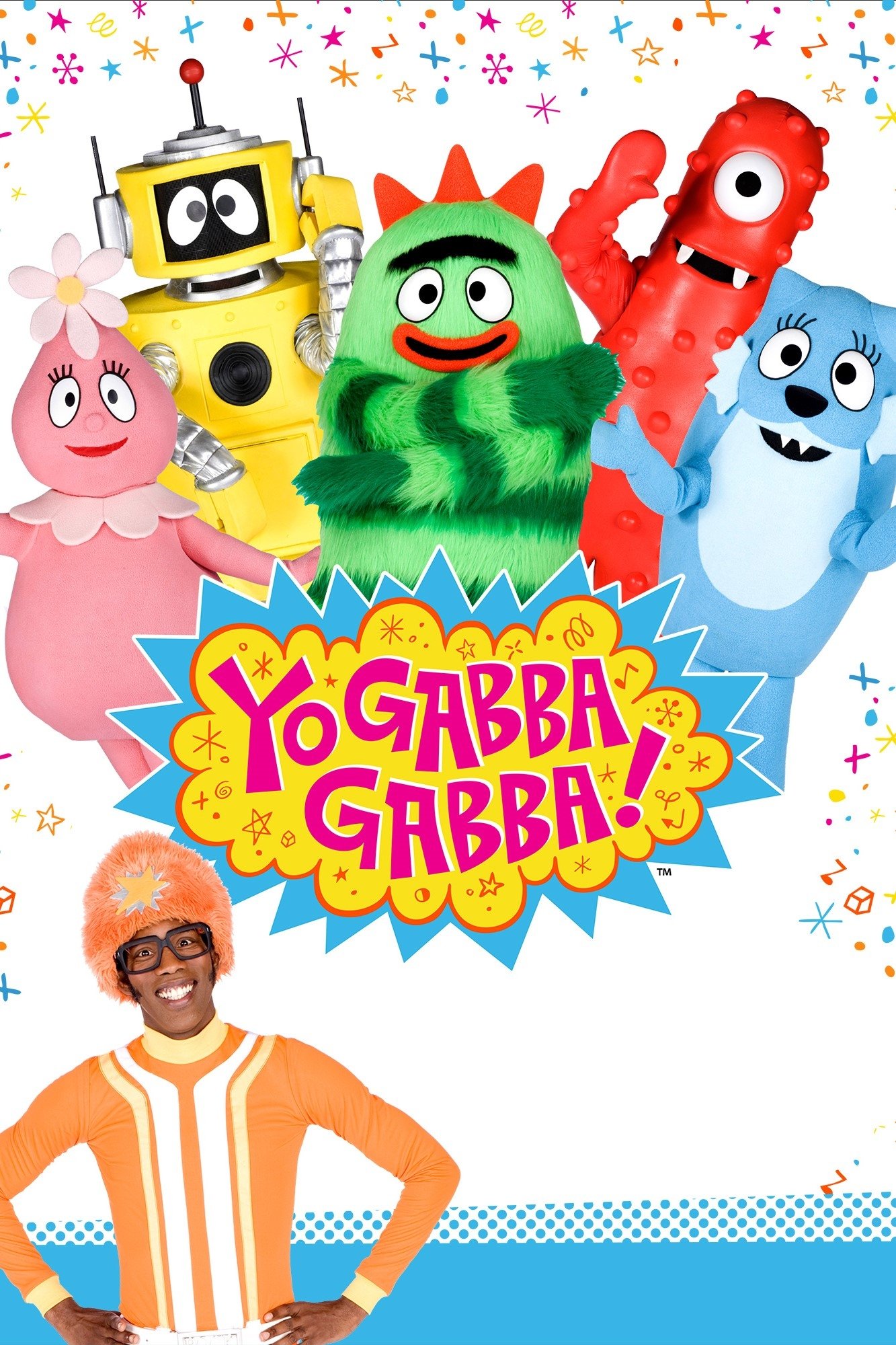
Yo Gabba Gabba! is an American children's television show that airs on the Nick Jr. cable network in the United States and the Nick Jr. networks in the United Kingdom & Ireland, Italy, France and Australia as well as Treehouse TV network in Canada and RTE2 on RTÉjr in Ireland. The show stars five costumed toys-come-to-life and their friend DJ Lance Rock, who explore a single topic in each episode through songs and short storylines in the half-hour program while teaching children life and social skills. It also encourages viewers to move along with and dance with the characters in the program. The show is noted for its indie-culture guest stars and bands, and for drawing visual inspiration from 8-bit video games and H. R. Pufnstuff.
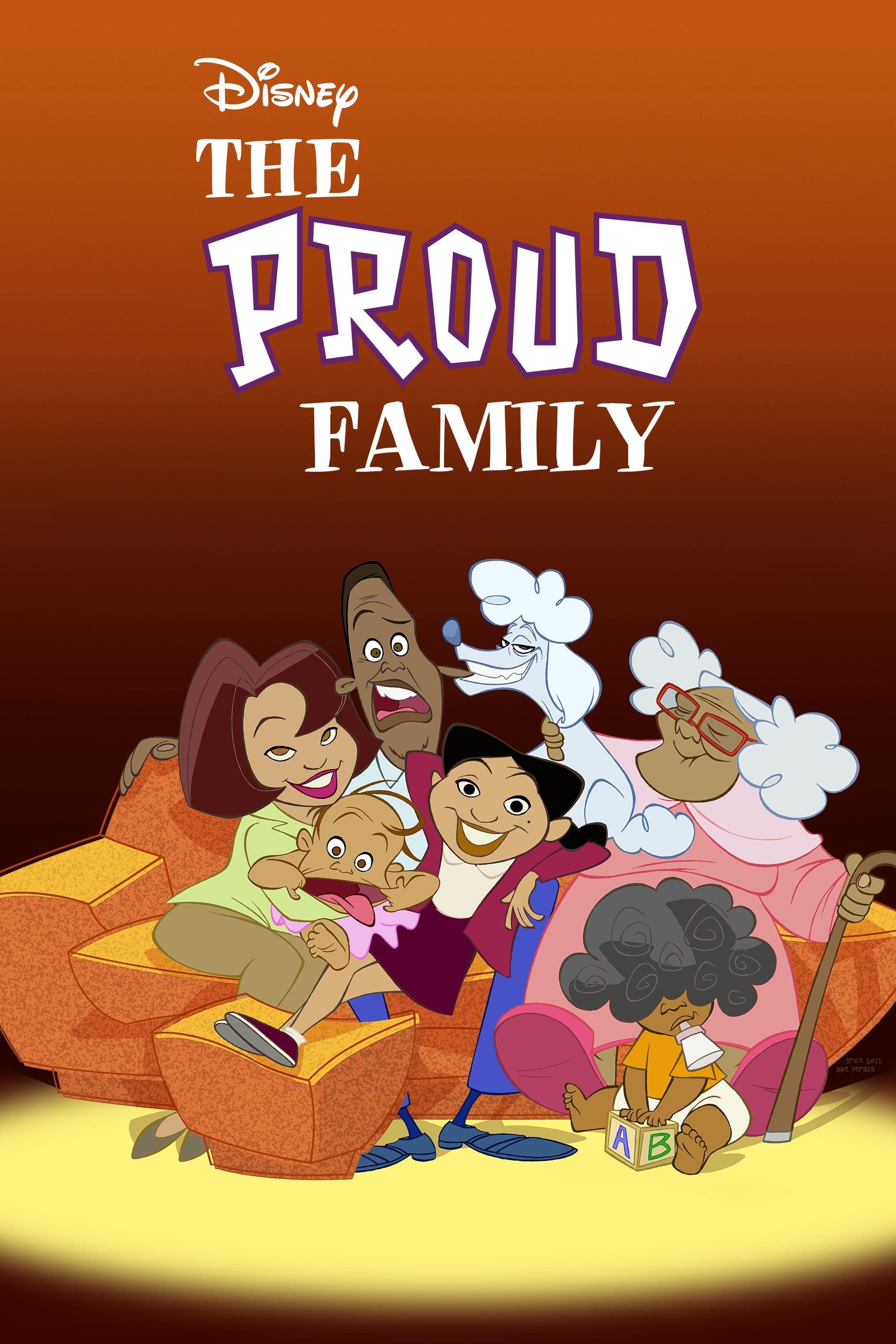
Follow the adventures and misadventures of Penny, a 14-year-old African American girl who's doing her best to navigate through the early years of teen-dom. Penny's every encounter inevitably spirals into bigger than life situations filled with hi-jinks, hilarity and heart. Her quest to balance her home, school and social lives are further complicated by friends like the sassy Dijonay, Penny's nemesis LaCienega Boulevardez, her loving, if not over-protective parents and her hip-to-the-groove-granny, Suga Mama.
A gameshow hosted by Ant and Dec filled with stunts, sketches, and special guest appearances.
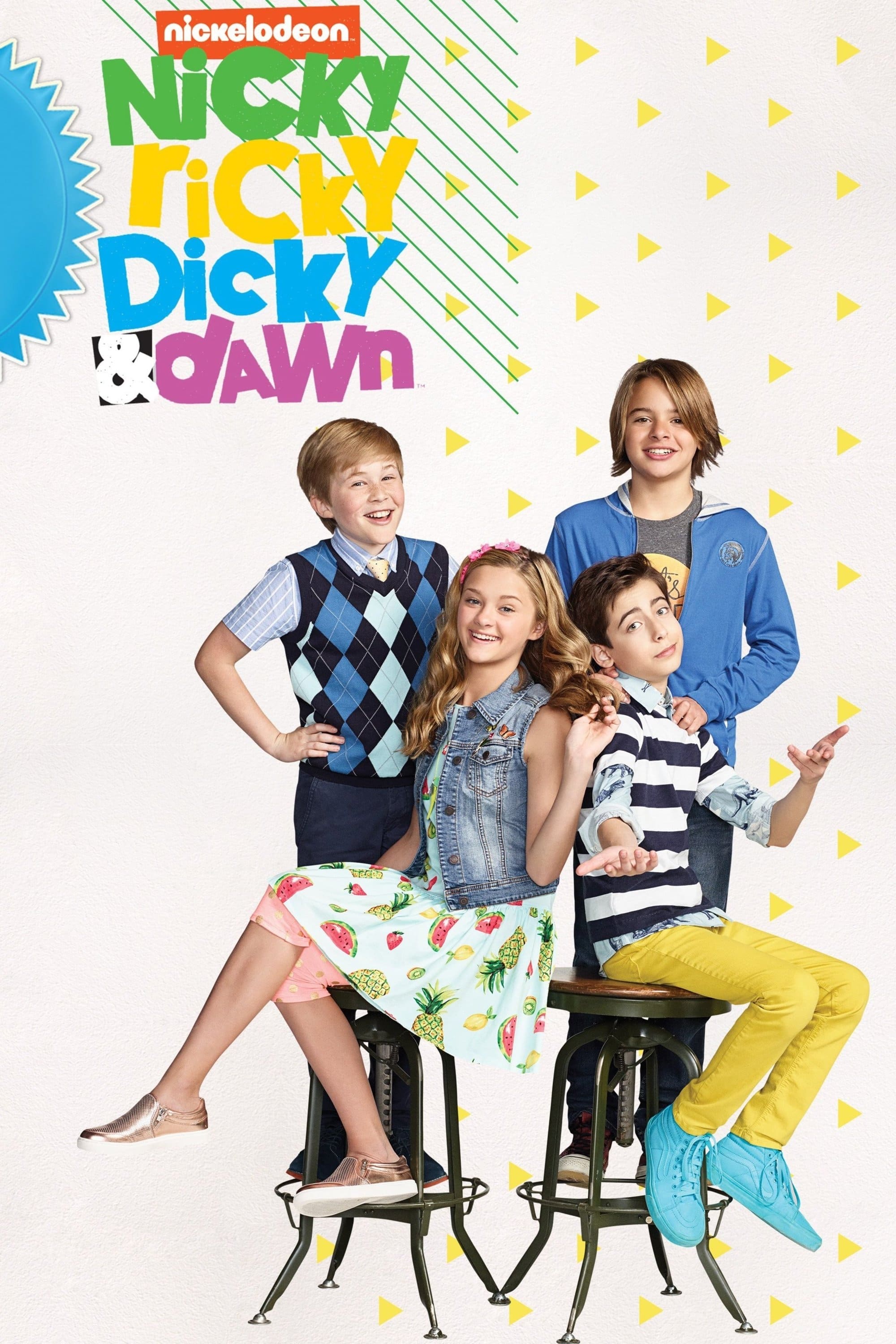
The story of a 10-year-old girl Dawn Haley whose sibling rivalry with her three brothers is heightened by the fact that they are quadruplets.
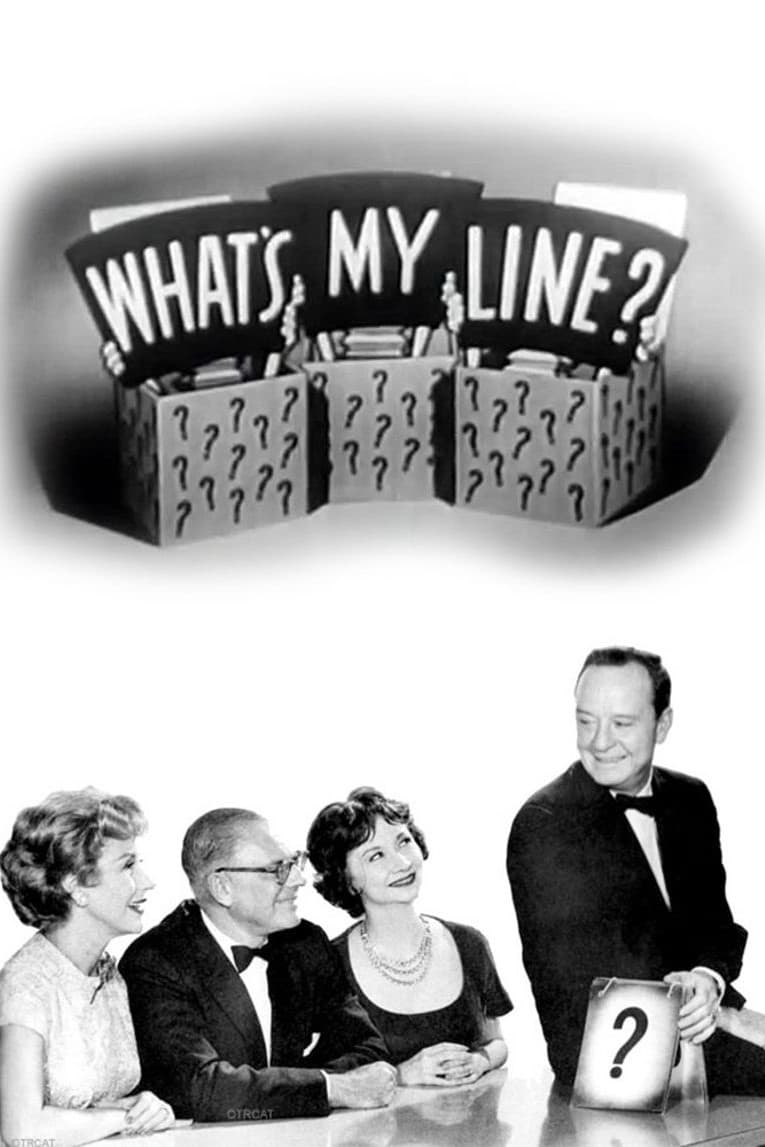
Four panelists must determine guests' occupations - and, in the case of famous guests, while blindfolded, their identity - by asking only "yes" or "no" questions.
The Mighty B! is an American animated television series co-created by Amy Poehler, Cynthia True and Erik Wiese for Nickelodeon. The series centers on Bessie Higgenbottom, an ambitious Honeybee girl scout who believes she will become The Mighty B if she collects every Honeybee badge. Bessie lives in San Francisco with her single mother Hilary, brother Ben and dog Happy. Poehler provides the voice of Bessie, who is loosely based on a character Poehler played on the improvisational comedy troupes Second City and Upright Citizens Brigade.
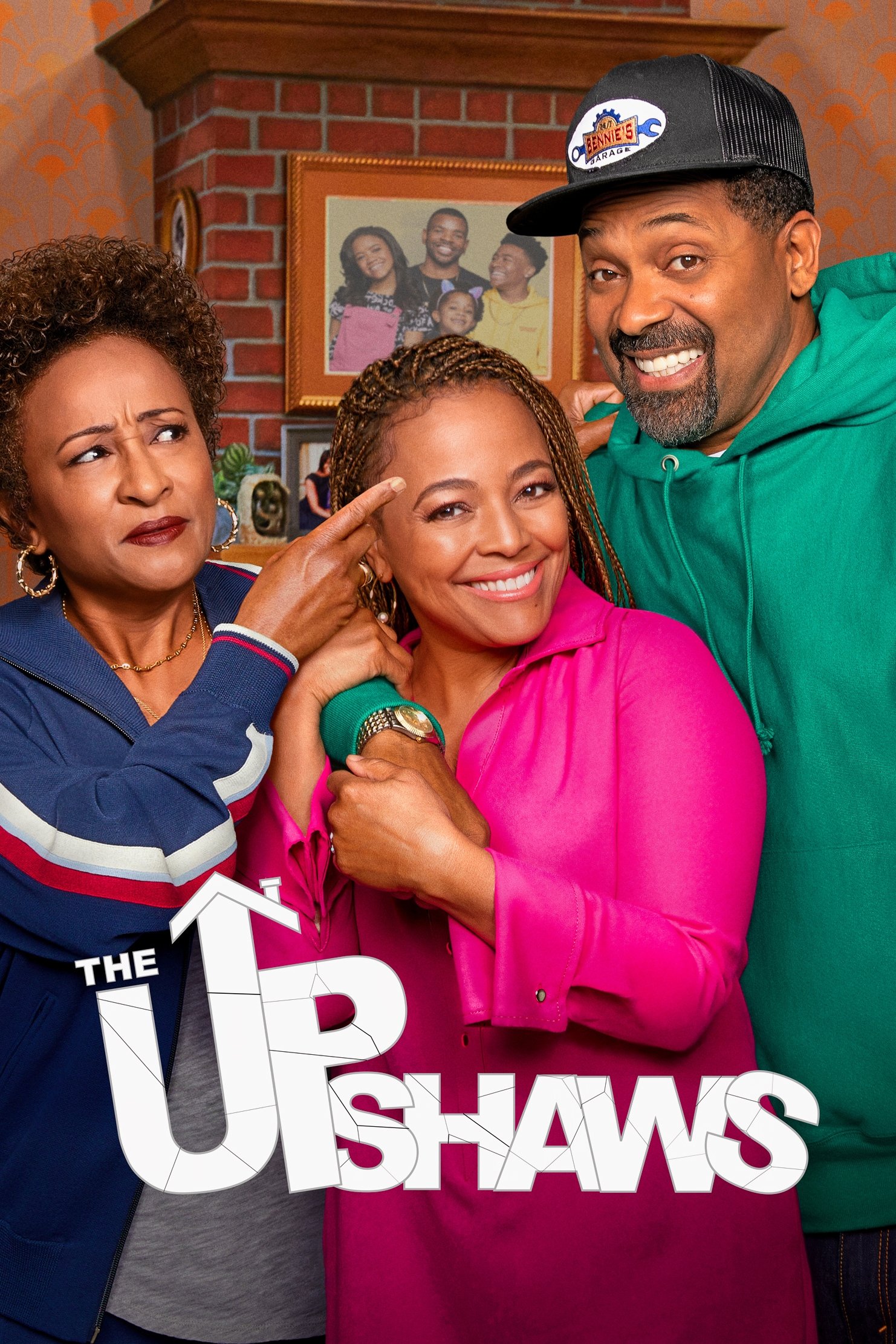
Bennie Upshaw, the head of a Black working class family in Indianapolis, is a charming, well-intentioned mechanic and lifelong mess just trying his best to step up and care for his family and tolerate his sardonic sister-in-law, all without a blueprint for success.
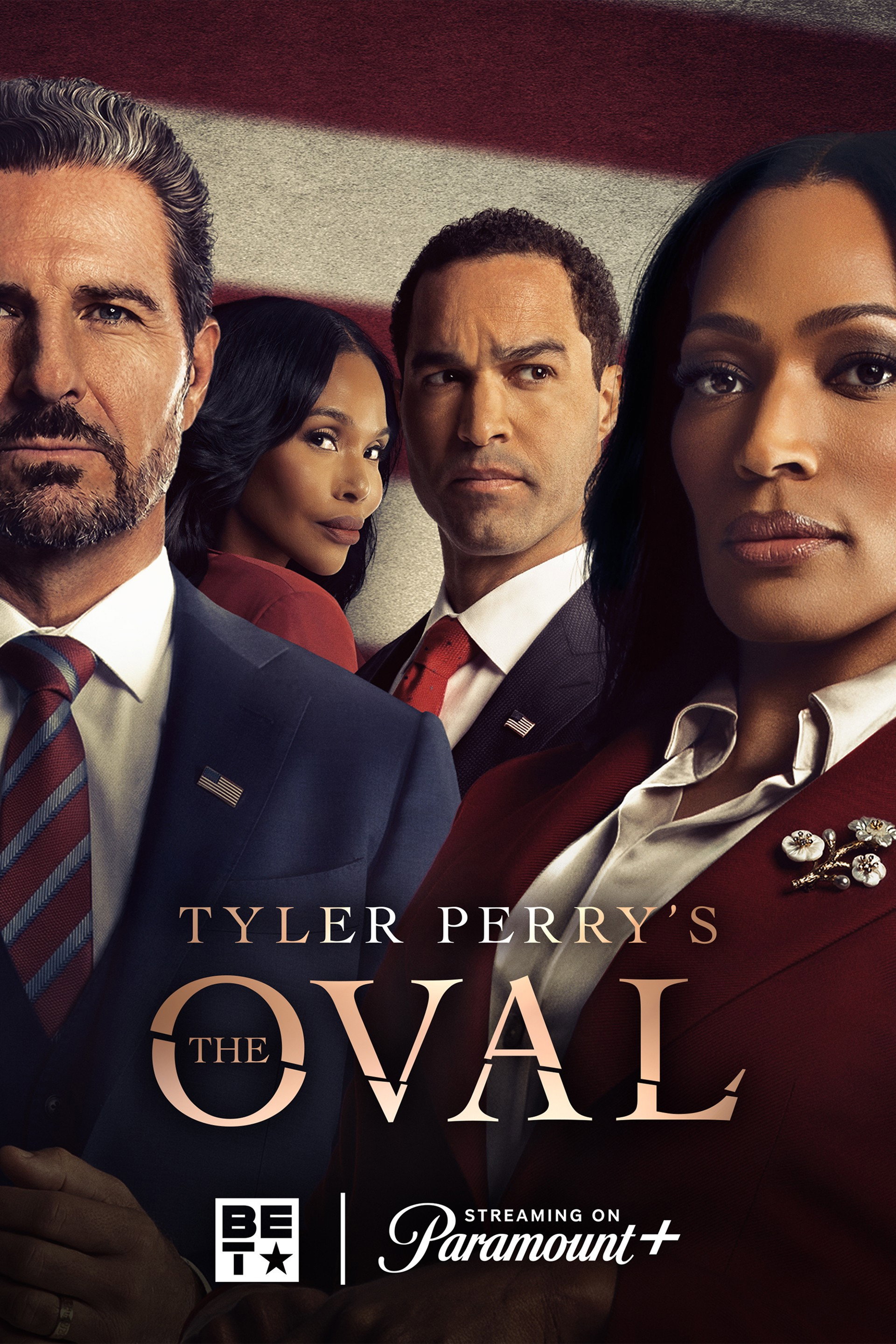
A seemingly perfect interracial first family becomes the White House's newest residents. But behind closed doors they unleash a torrent of lies, cheating and corruption.
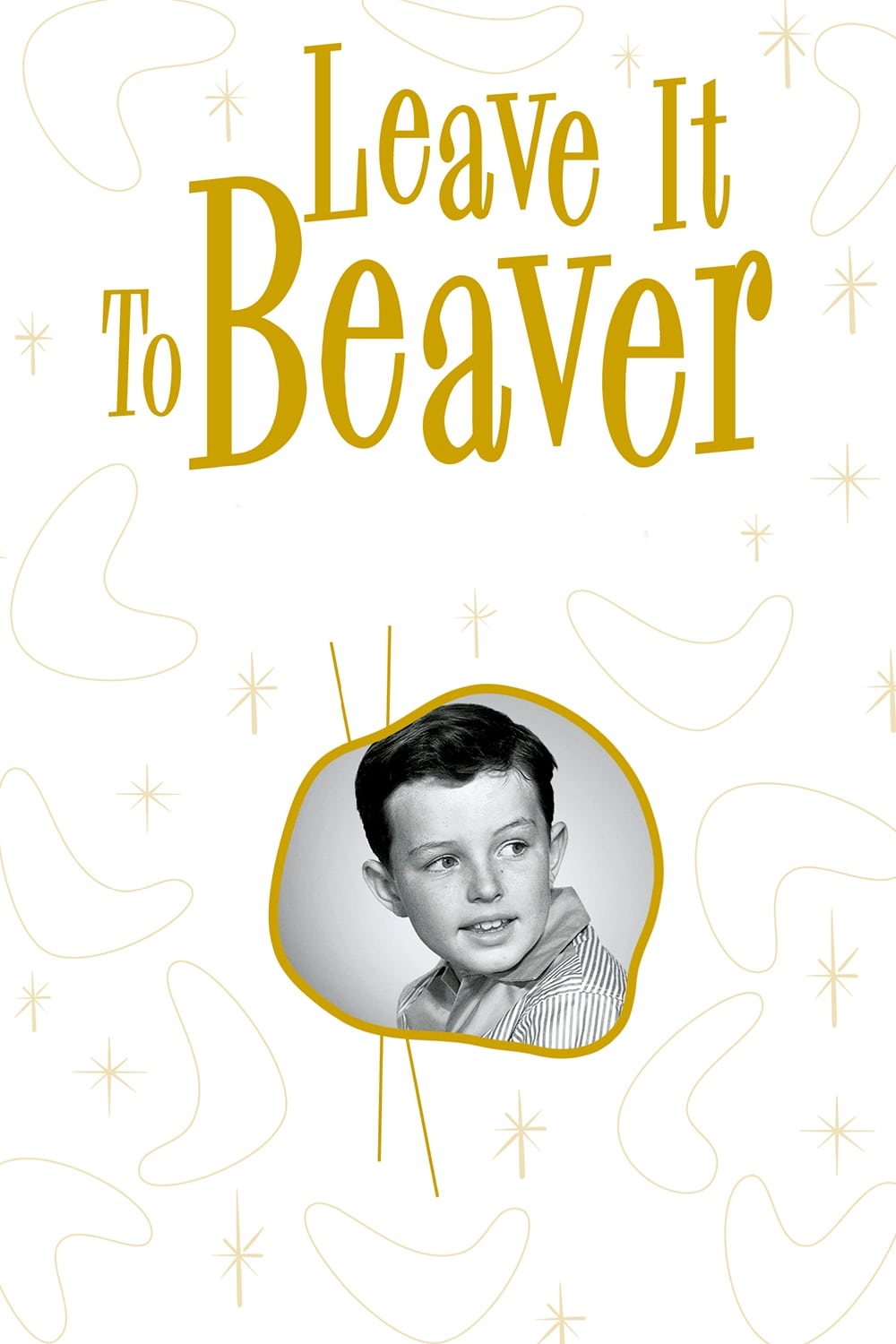
An inquisitive and often naïve boy, Theodore 'The Beaver' Cleaver, has adventures at home, in school, and around his suburban neighborhood. The show also starred Barbara Billingsley and Hugh Beaumont as Beaver's parents, June and Ward Cleaver, and Tony Dow as Beaver's brother Wally. The show has attained an iconic status in the US, with the Cleavers exemplifying the idealized suburban family of the mid-20th century.
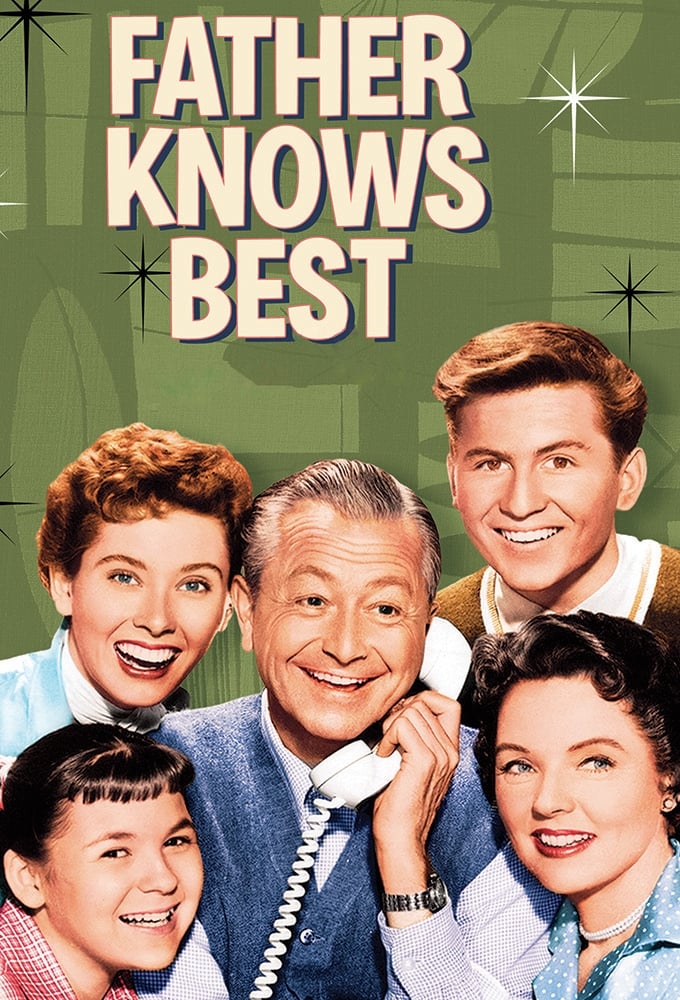
Family man Jim Anderson copes with the everyday problems among his wife Margaret and their three children as they experience day-to-day changes.
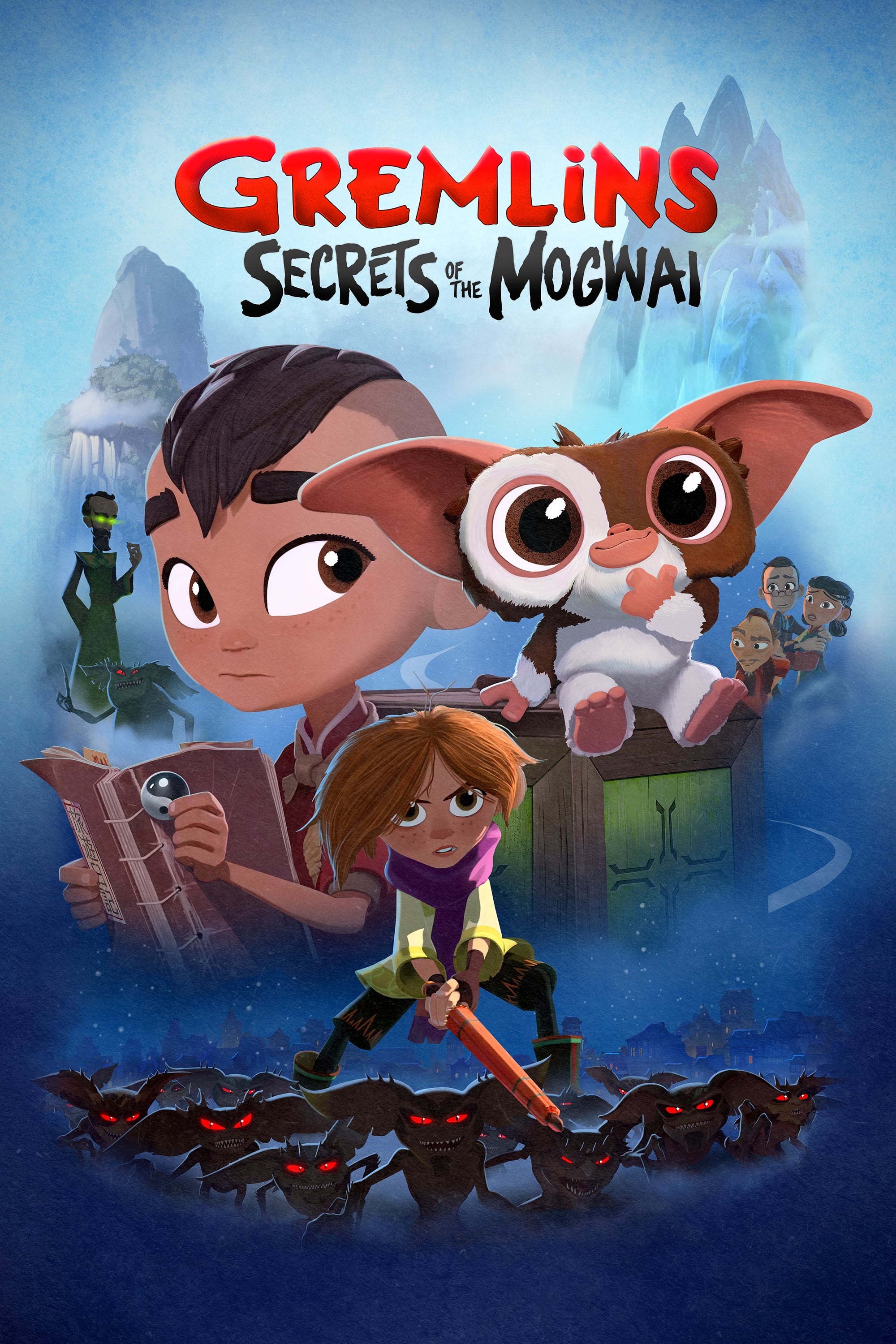
Set in 1920s Shanghai, ten-year-old Sam and 12-year-old Elle return the Mogwai Gizmo back home to the lush and perilous Valley of Jade.