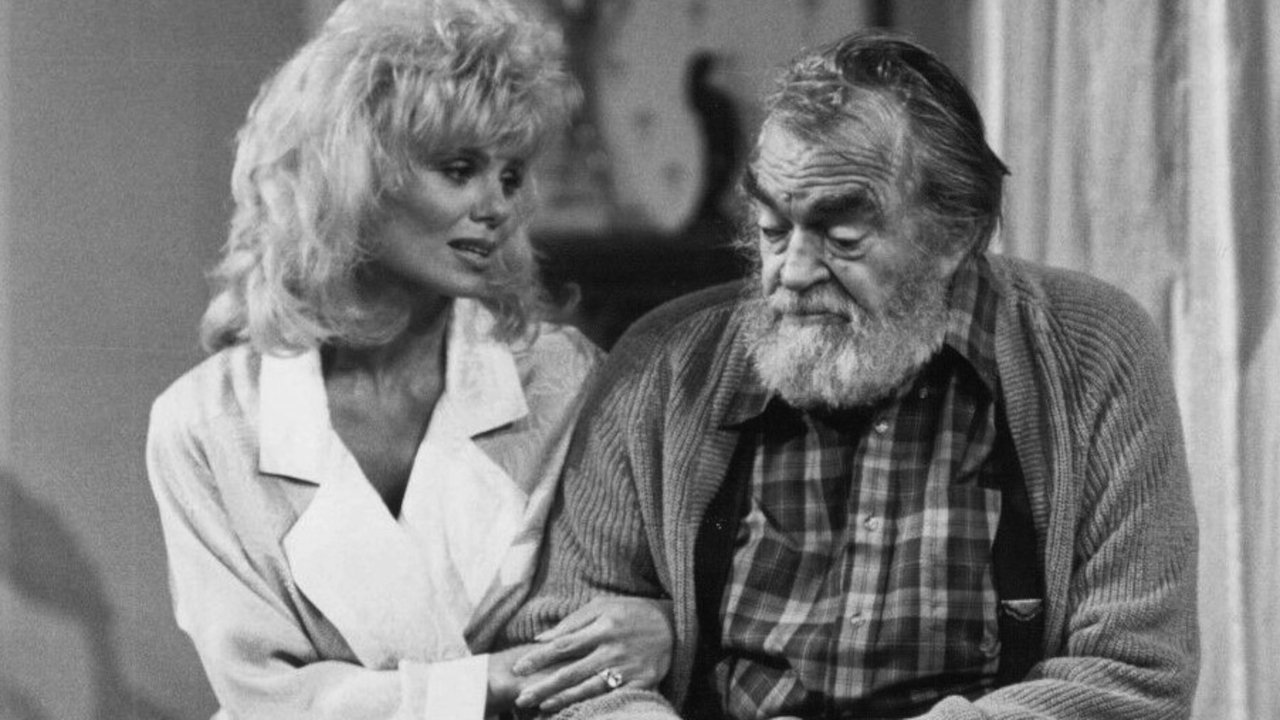
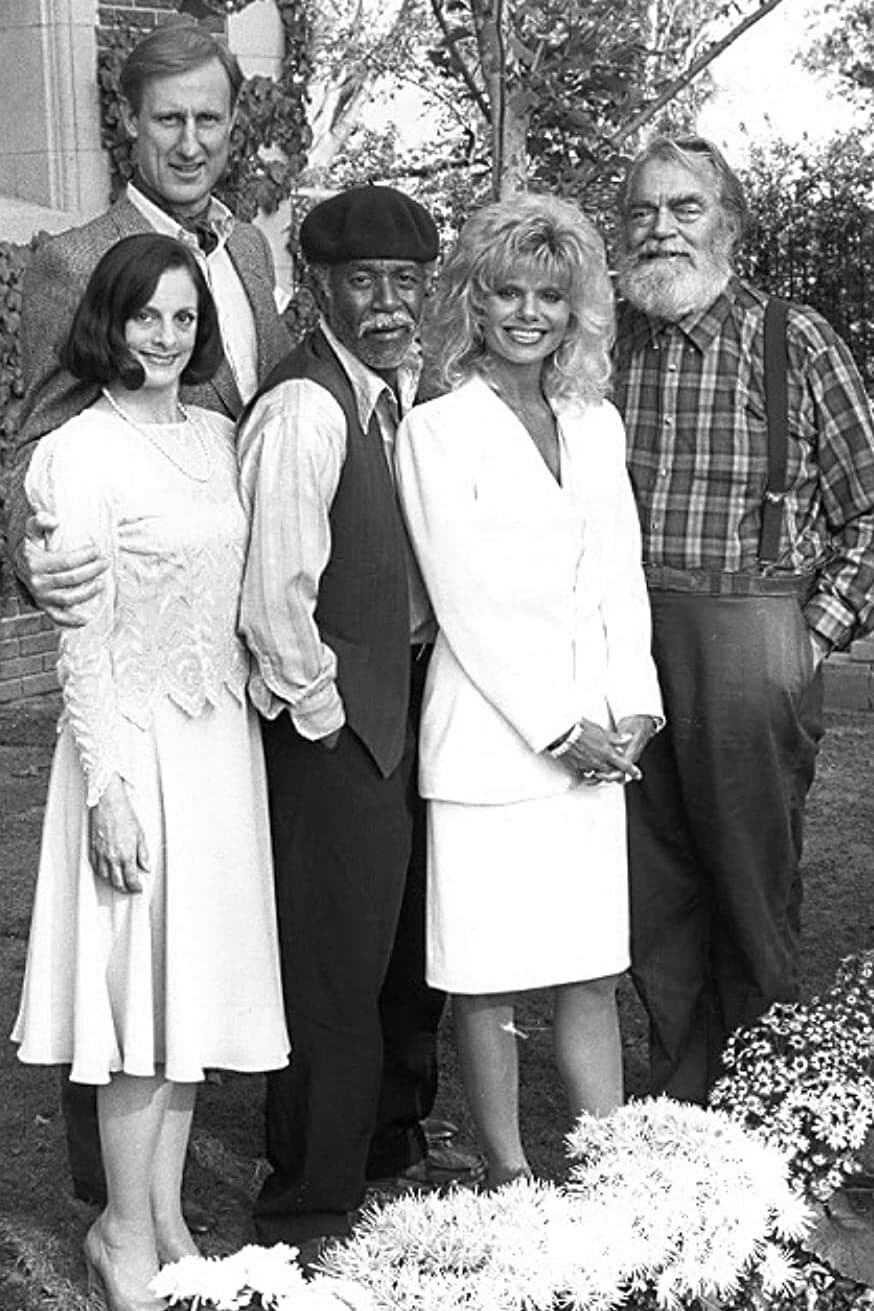
Easy Street is an American sitcom that aired for 22 episodes on NBC during the 1986-87 television season.
Social & External
The people behind it
James Cromwell
Loni Anderson
Arthur Malet
Dana Ivey
Jack Elam
Lee Weaver
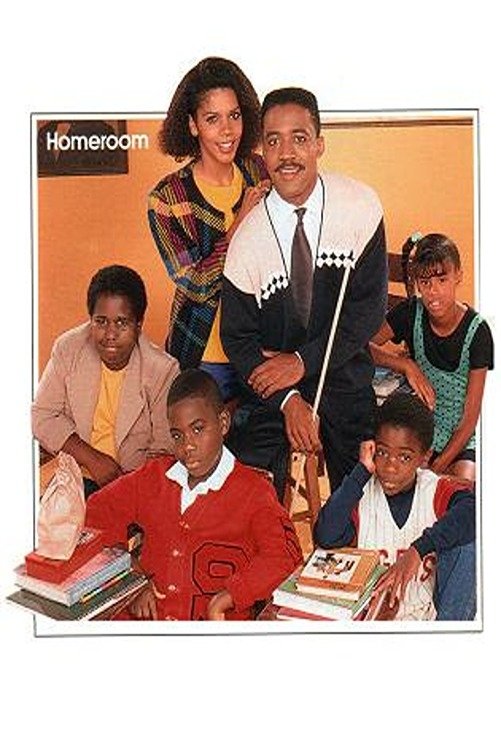
Homeroom is an American sitcom that aired on ABC from September 16, 1989 to December 17, 1989. The series stars stand-up comedian Darryl Sivad as a fourth grade teacher at an inner-city school. ABC created the show as a vehicle for Sivad after seeing his routine on The Tonight Show Starring Johnny Carson.
When former Princeton music professor Arthur Cochran unexpectedly stumbles into choir practice at a small-town church, he finds a group of singers that are out of tune in more ways than one.
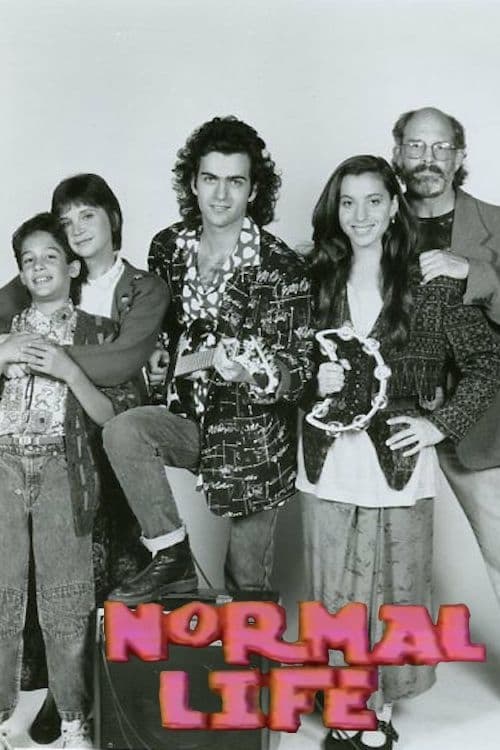
Normal Life is an American sitcom television series that aired from March 21 until July 18, 1990.
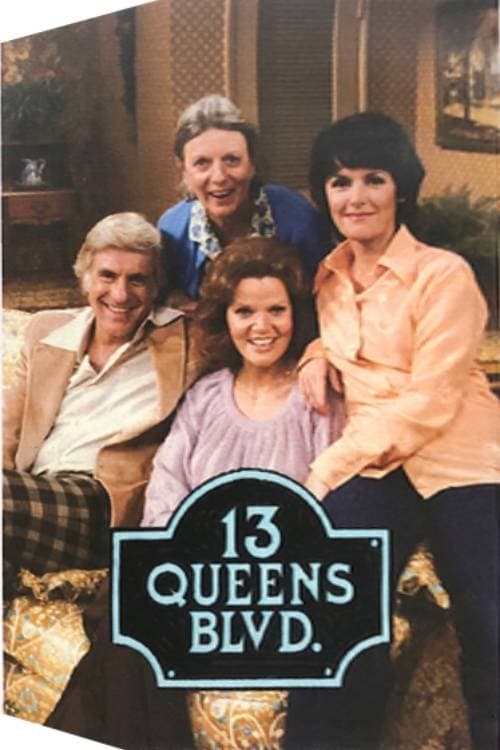
13 Queens Boulevard is an American sitcom that aired from March 20 until July 24, 1979.
Pig in the Middle was a British romantic comedy television series that aired on ITV from 1980 to 1983, spanning 20 episodes over three seasons. The show centred on Barty Wade, a dithering middle-aged man who cannot decide between his elegant wife, Susan, and his flighty mistress, Nellie.
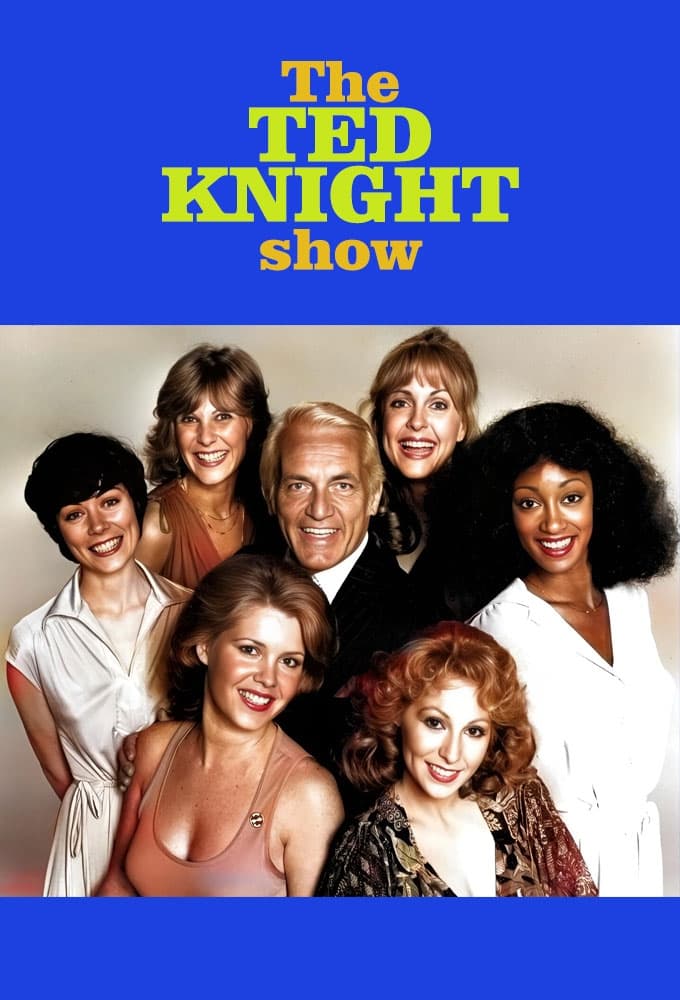
The Ted Knight Show is a 1978 United States comedic television series starring Ted Knight which centers around the owner of an escort service in New York City. The show aired between April 8, 1978, and May 13, 1978.
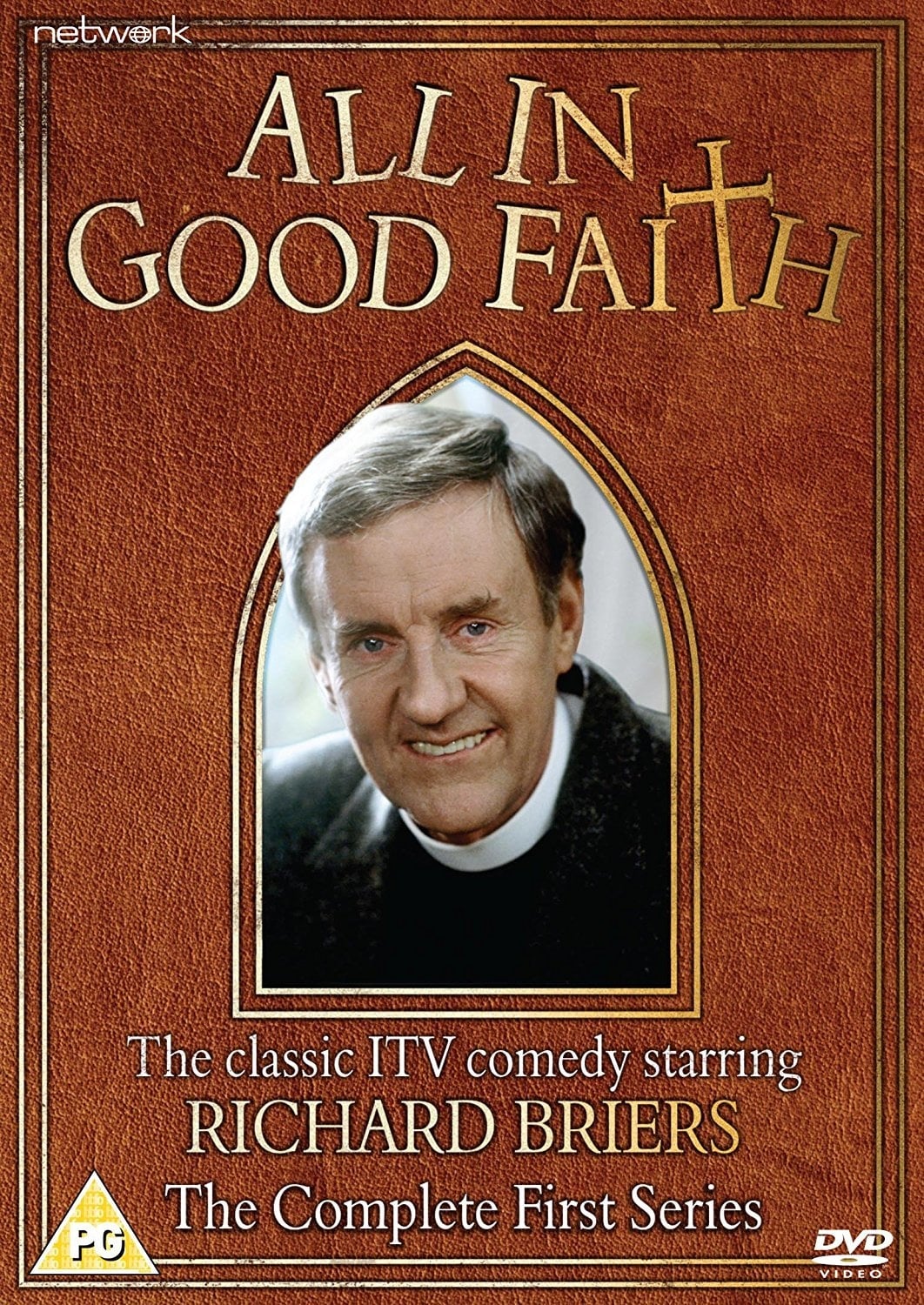
British sitcom in which Reverend Philip Lambe, after becoming bored in his wealthy Oxfordshire parish, asks for a transfer to a more difficult assignment. Sent to Edendale, a fictional urban town in the Midlands, he is accompanied by his wife Emma, sixteen-year-old daughter Miranda and twelve-year-old son Peter.
The life and times of rather traditional Sutcuoglu family and their comedic struggles to adapt the high-profile contemporary life of Nisantasi.
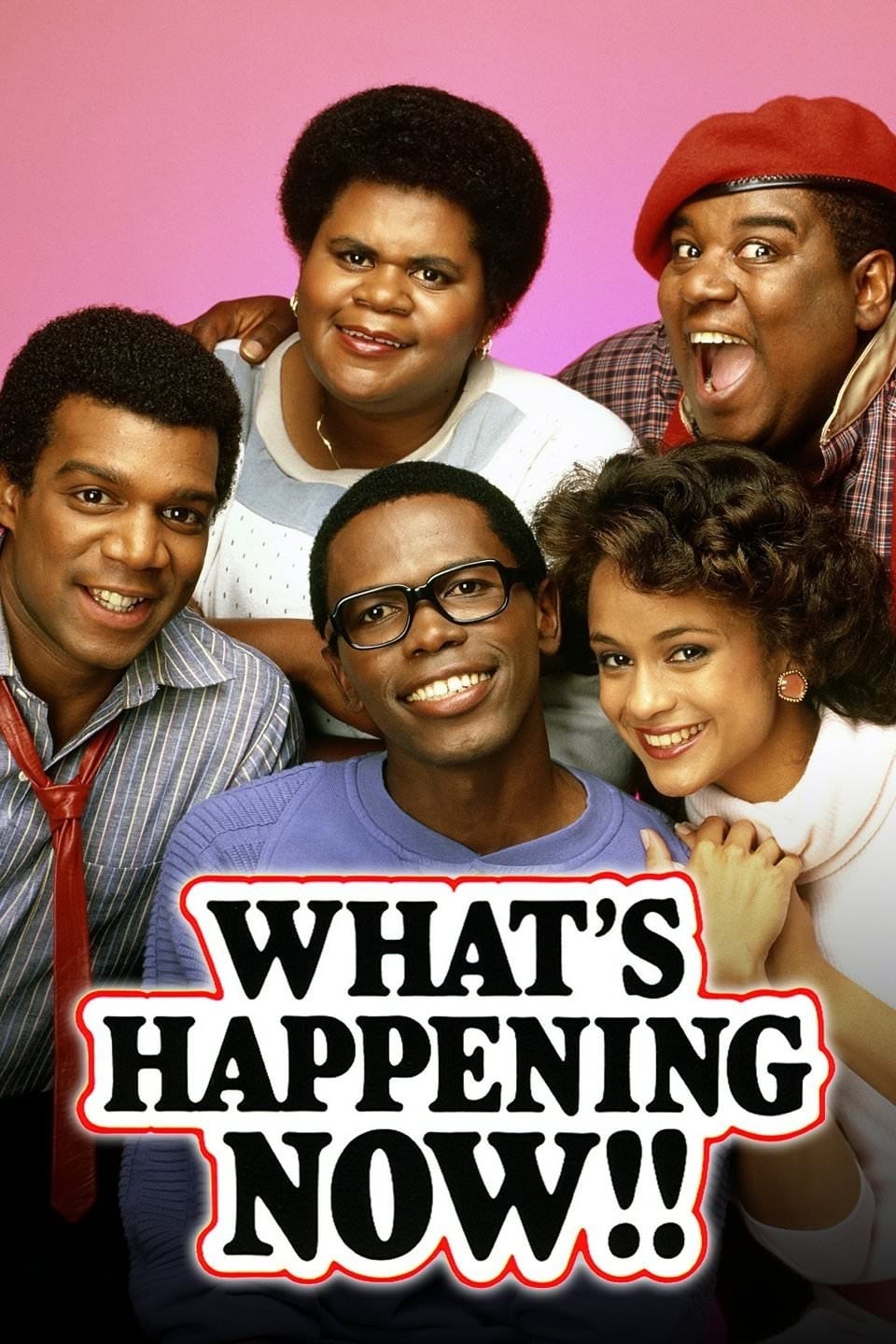
Roger 'Raj' Thomas has graduated from the University of Southern California, and become a fledgling writer. He and his wife Nadine, a social worker, move in to his old home in Watts (given to him by his mother, Mabel, now remarried and living in Phoenix, Arizona). His sister Dee is away at college. Childhood friend Dwayne Nelson has become a computer programmer, while Freddie 'Rerun' Stubbs is a used-car salesman. The old soda shop hangout, Rob's Place, has gone out of business and left abandoned. Reminded of his youth, and seeing an opportunity, Raj and Shirley Wilson, who used to wait tables there, decide to buy the business together, renaming it Rob's.
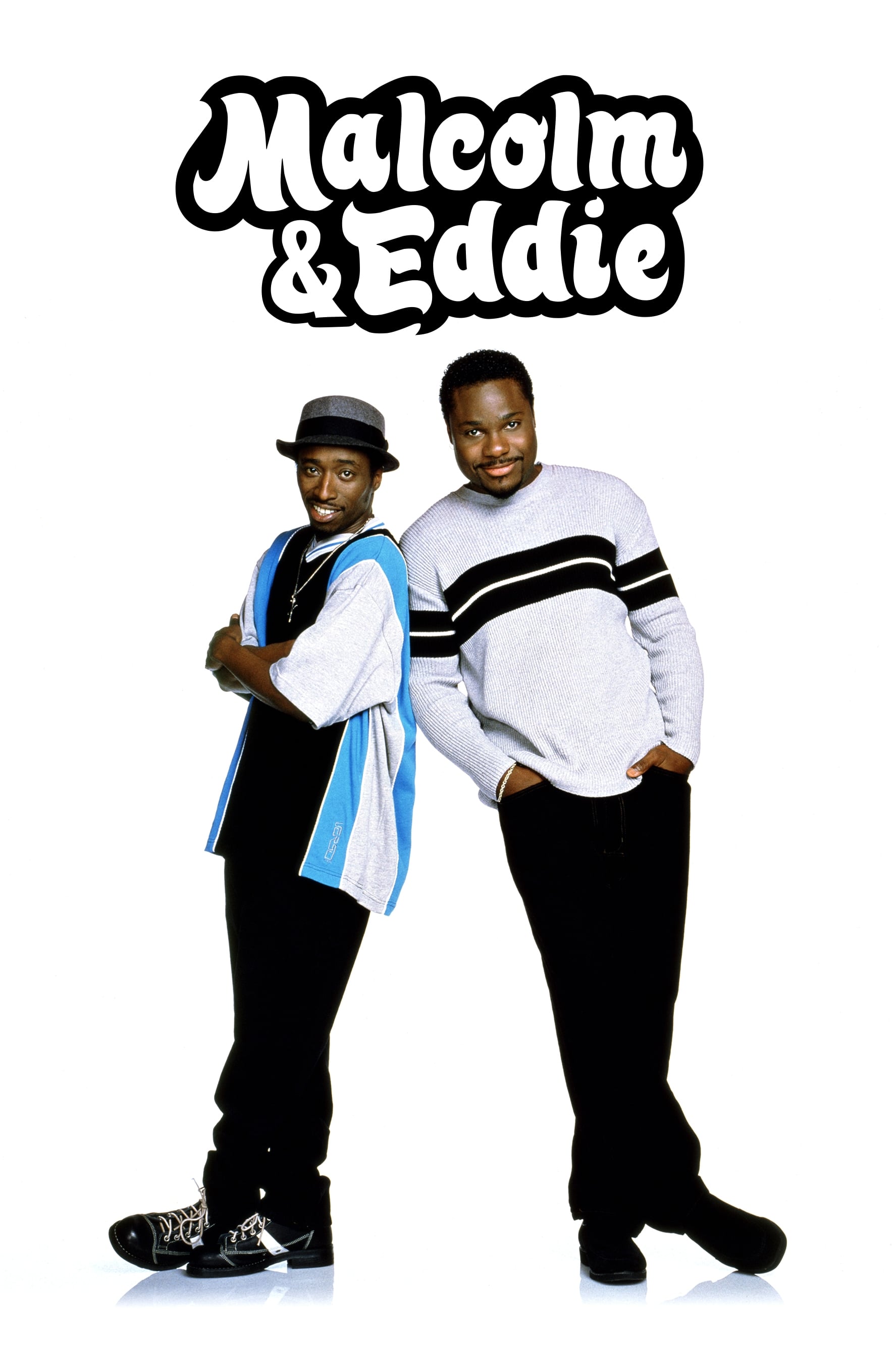
Malcolm and Eddie are as different as one can imagine. Nevertheless, they're best friends who manage to be roommates as well as co-workers and not kill each other.
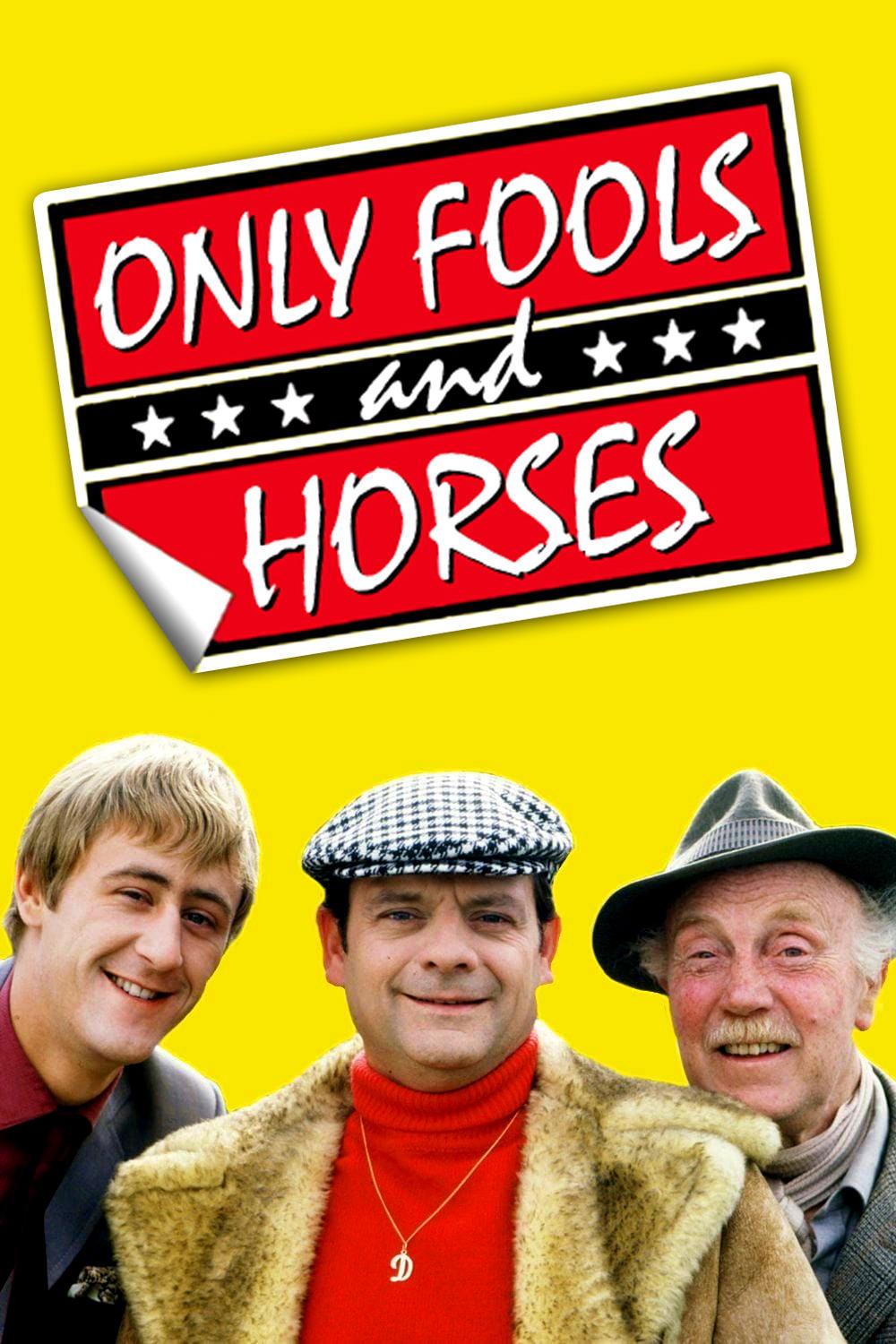
Only Fools and Horses.... Is a British sitcom created and written by John Sullivan. Seven series were originally transmitted on BBC One from 1981 to 1991, with sixteen sporadic Christmas specials aired until 2003. In working-class Peckham in south-east London, ambitious market trader Derek 'Del Boy' Trotter and his younger half-brother Rodney, explore their highs and lows in life, in particular their attempts to get rich. Initially not an immediate hit and receiving little promotion early on, it later achieved consistently high ratings, and the 1996 episode "Time on Our Hands" (originally billed as the series finale) holds the record for the biggest UK audience for a sitcom episode, attracting 24.3 million viewers. The series bears a significant influence on British culture, contributing several words and phrases to the English language.
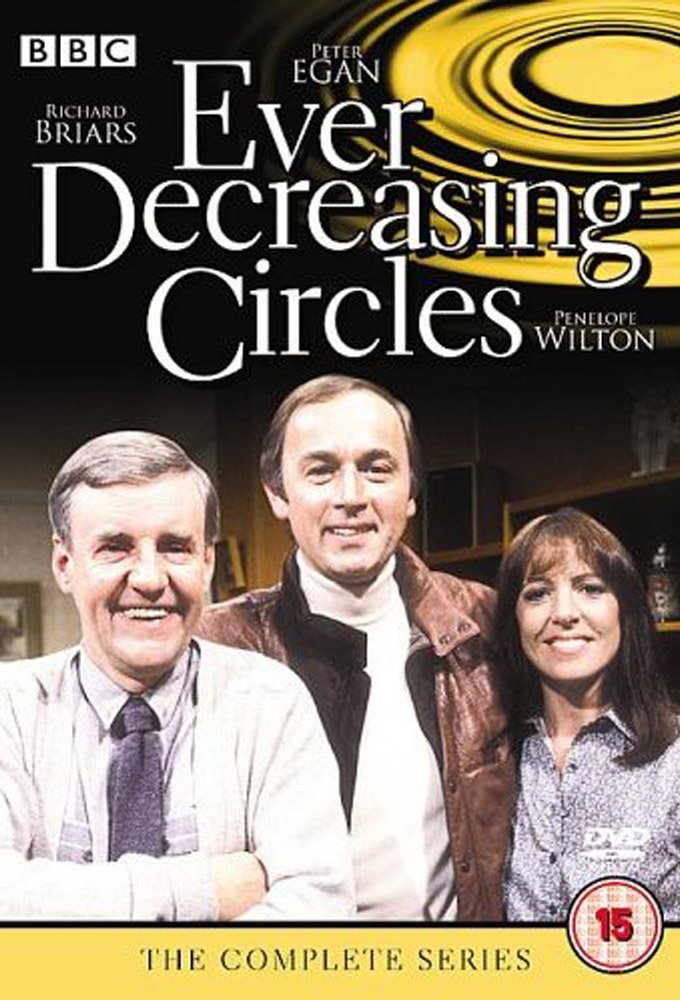
Martin Bryce lives in a quiet suburban close with his wife Anne. He does his best to "organise" the leisure time of all of the other inhabitants of the close, running umpteen societies and doing "good works". He's is quite happy with his lot until Paul Ryman moves in next door.
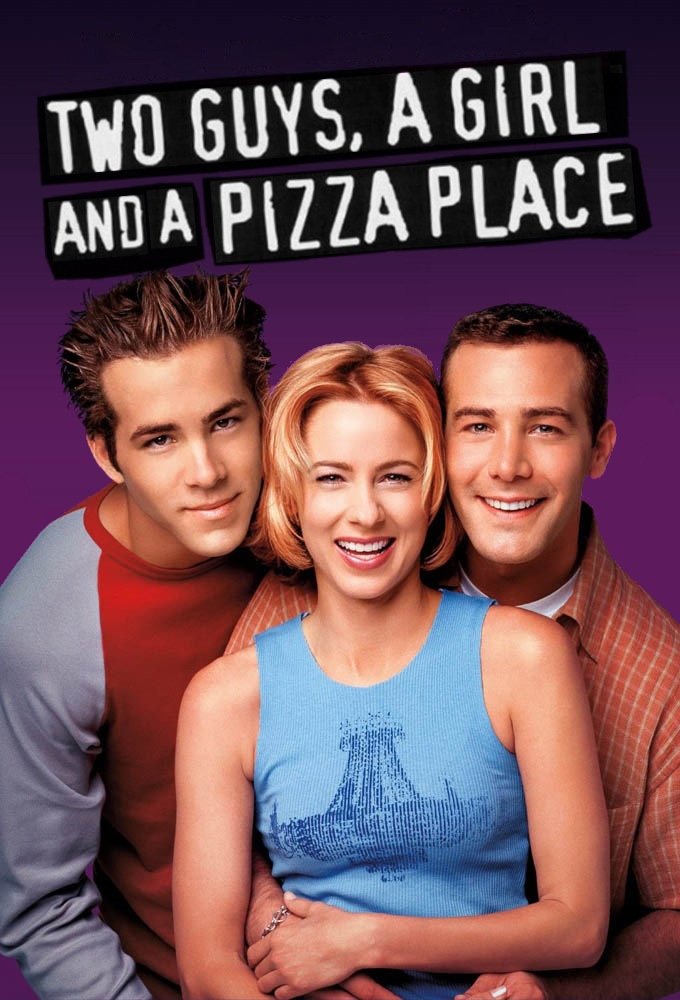
Welcome to Beacon Street Pizza, the perfect workplace and hangout for aimless wise-guy Berg, neurotic Pete and campus beauty Sharon. Pete and Berg are roommates and students at a local Boston university, while Sharon struggles with her work and relationships. Together, these three best friends try to navigate life and love in Boston!
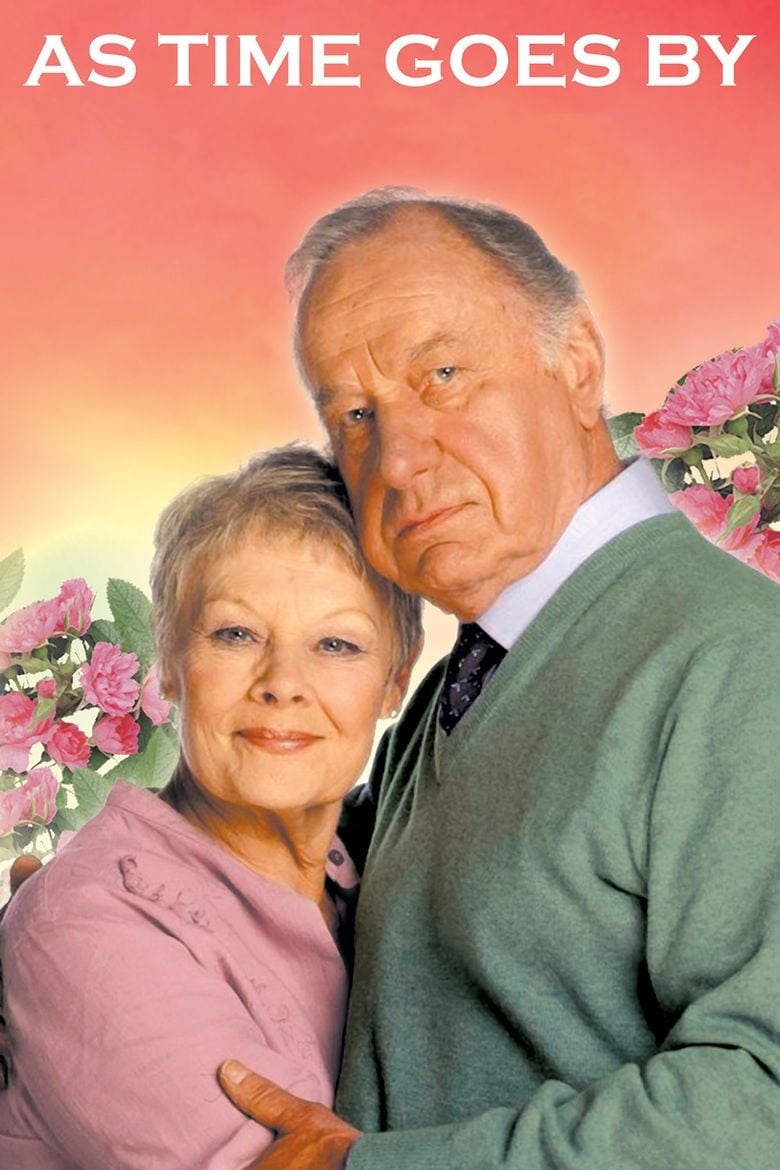
Two lovers are reunited after decades apart following a mutual misunderstanding.
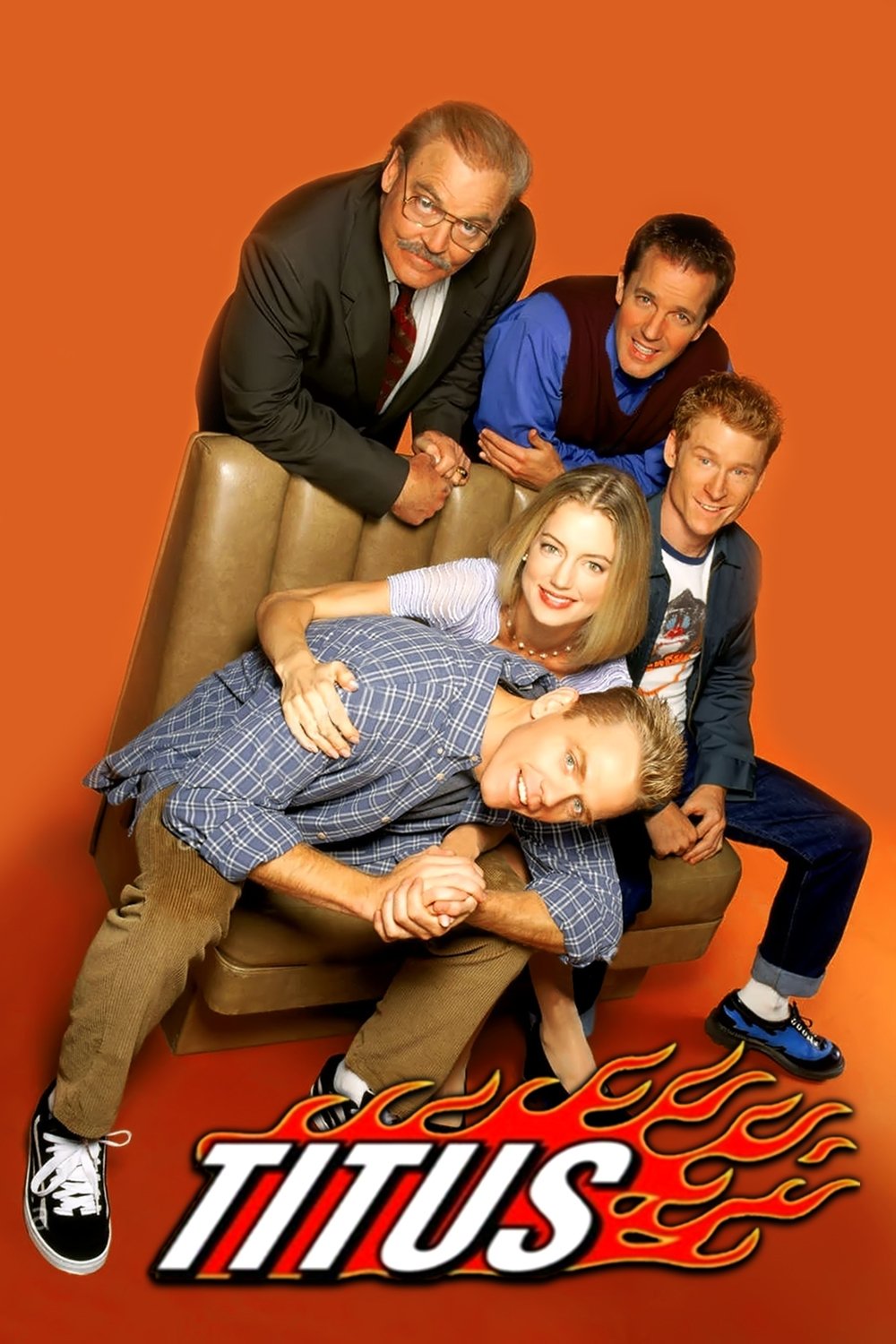
Titus is an American dark comedy sitcom that debuted on Fox in 2000. The series was created by its star, Christopher Titus, Jack Kenny, and Brian Hargrove. This sitcom was based on Christopher's stand-up comedy act, more specifically his one-man show Norman Rockwell is Bleeding, which was based loosely upon his real-life family; lines from Norman Rockwell is Bleeding were spoken by Titus as commentary. Titus plays an outwardly childish adult, who owns a custom car shop. The show follows him and his dimwitted halfbrother Dave, his girlfriend Erin with the "heart of gold", his goody-goody friend Tommy, and his arrogantly lewd, bigoted and multiple-divorced father Ken "Papa" Titus.
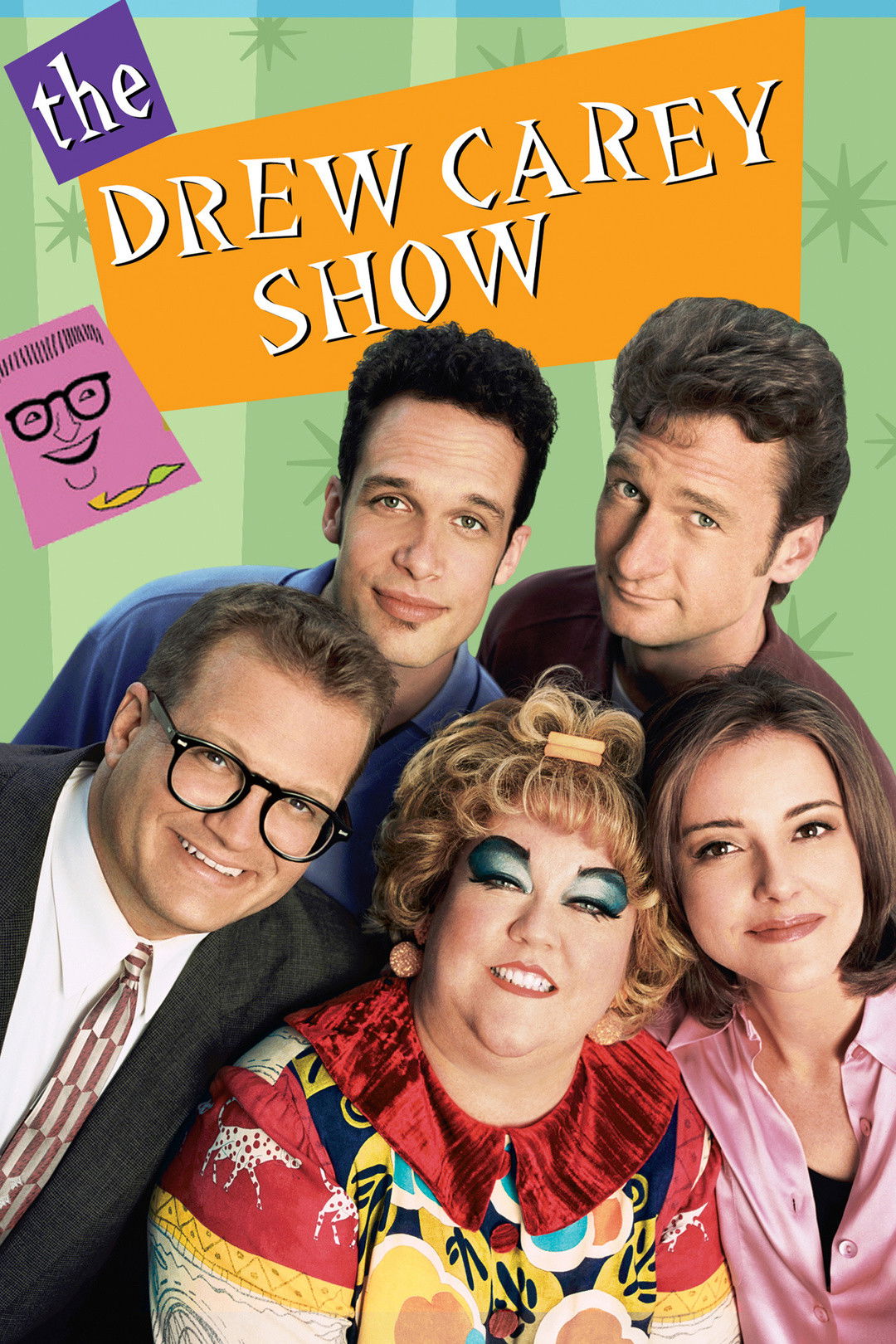
Drew is an assistant director of personnel in a Cleveland department store and he has been stuck there for ten years. Other than fighting with co-worker Mimi, his hobbies include drinking beer and not being able to get dates. To make a few extra bucks he has a micro-brewery going in his garage with his buddies.
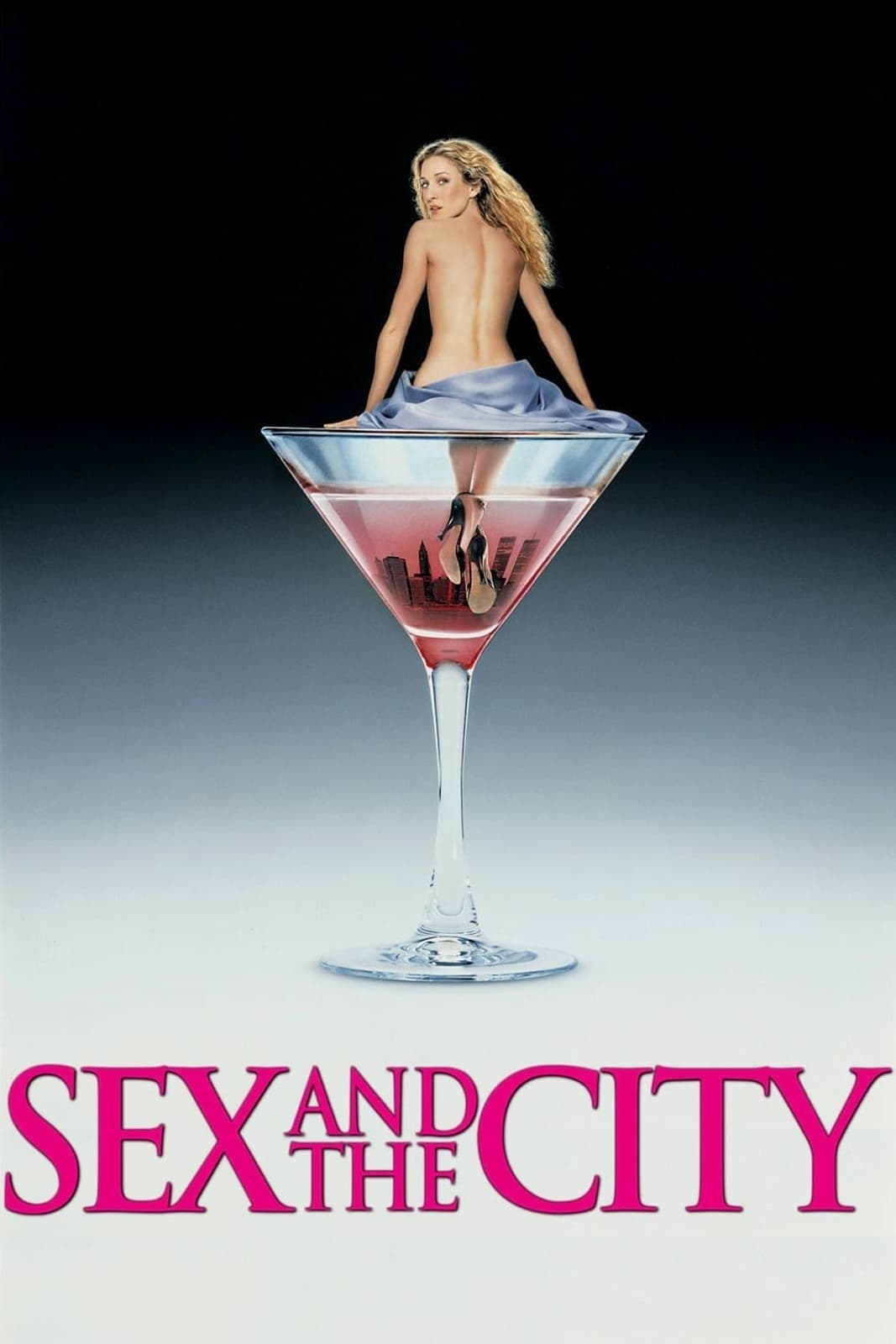
Based on the bestselling book by Candace Bushnell, Sex and the City tells the story of four best friends, all single and in their late thirties, as they pursue their careers and talk about their sex lives, all while trying to survive the New York social scene.
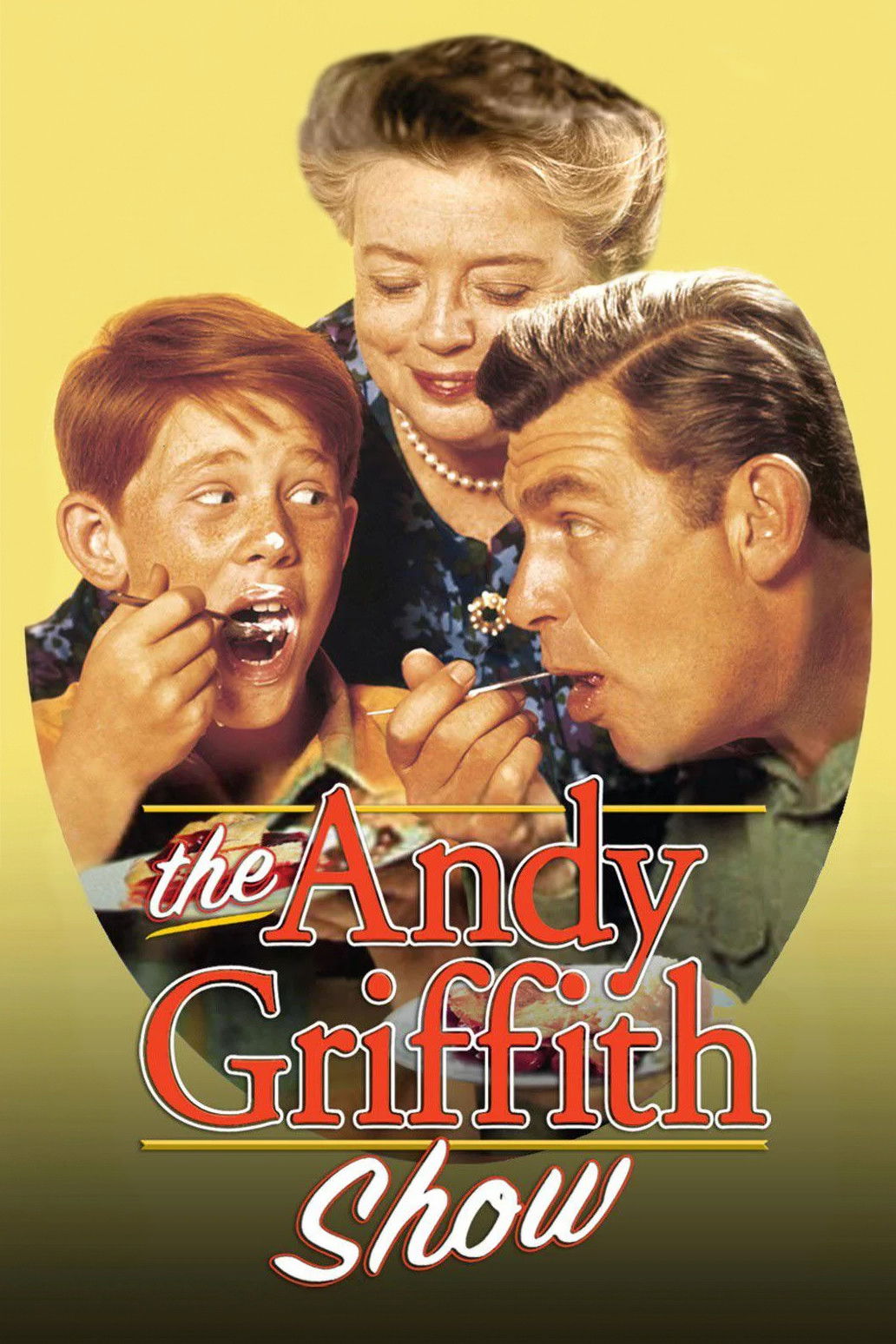
Andy Taylor is the widowed sheriff of the fictional small community of Mayberry, North Carolina. His life is complicated by an inept, but well-meaning deputy, Barney Fife, a spinster aunt and housekeeper, Aunt Bee, and a precocious young son, Opie. Local ne'er-do-wells, bumbling pals, and temperamental girlfriends further complicate his life.
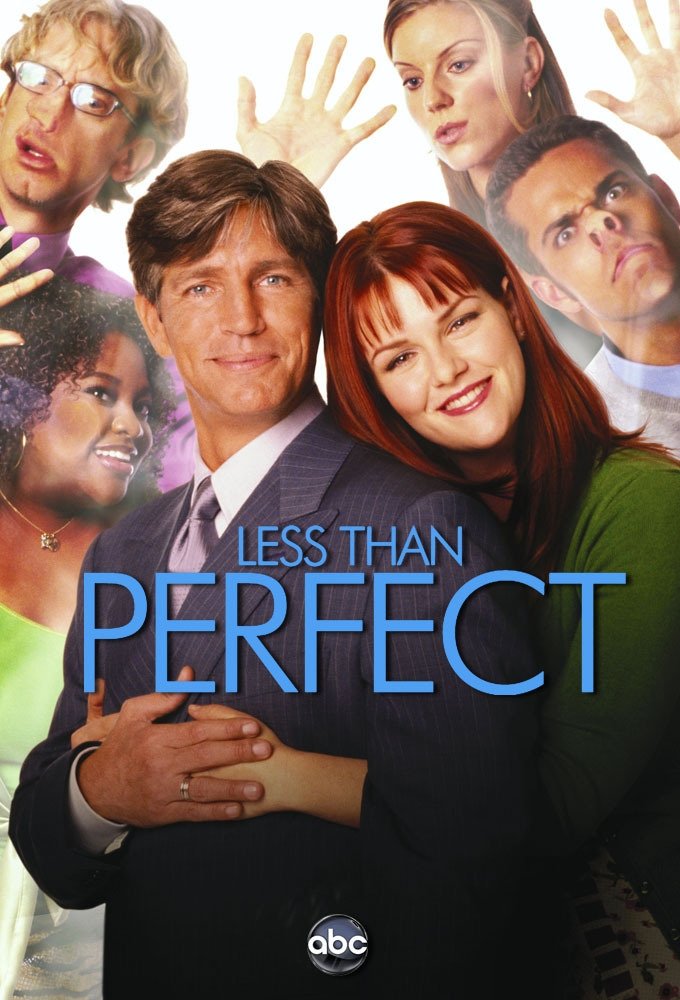
Claude Casey moved up in the secretarial world of television news, from temp to the anchor's desk. After her boss hires her full time, Claude realizes she may be in over her head in this world of assistants fighting to get ahead. But Claude is determined to prove that though she may not be perfect, she's not going down without a fight.
The story of a group of friends in Madrid.
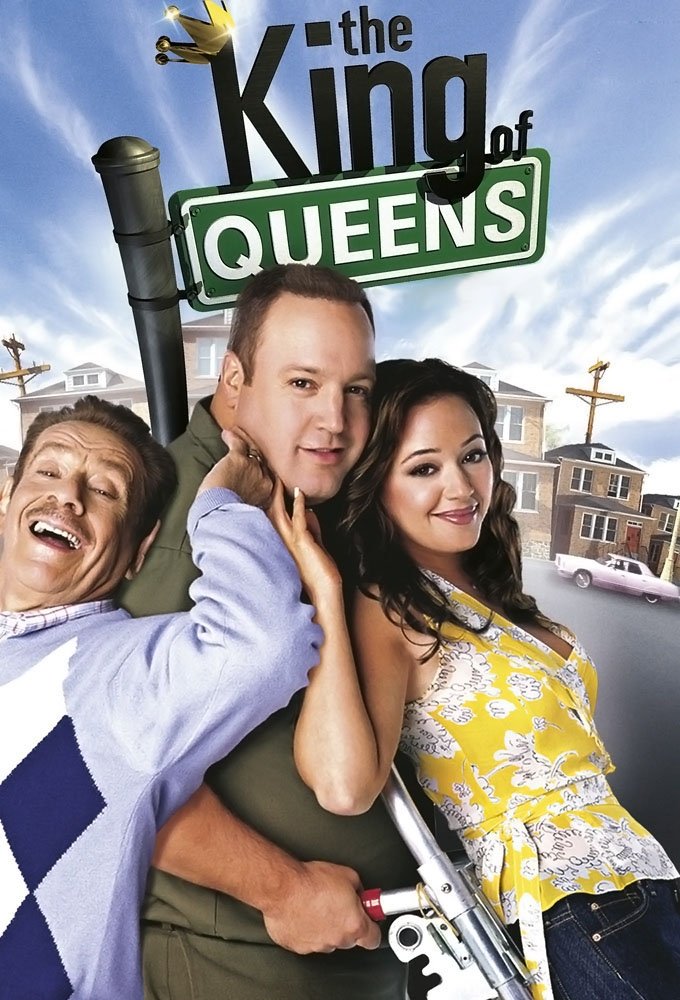
Life’s good for deliveryman Doug Heffernan, until his newly widowed father-in-law, Arthur, moves in with him and his wife Carrie. Doug is no longer the king of his domain, and instead of having a big screen television in his recently renovated basement, he now has a crazy old man.
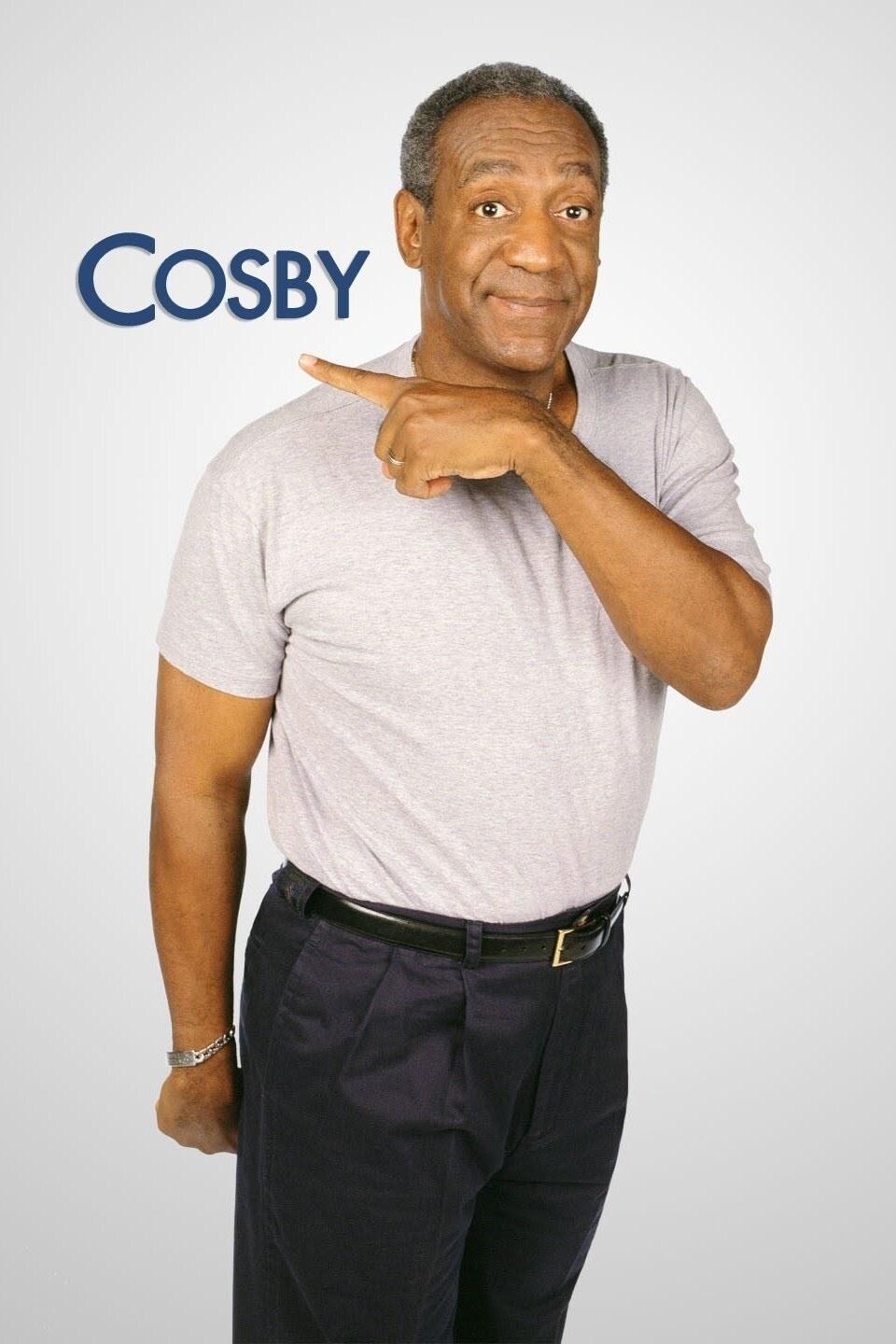
Cosby is an American situation comedy television series broadcast on CBS from September 16, 1996 to April 28, 2000, loosely based on the British sitcom One Foot in the Grave. The program stars Bill Cosby and Phylicia Rashād, who previously worked with Cosby in the 1984–1992 NBC sitcom The Cosby Show. Madeline Kahn portrayed their neighbor, Pauline, until her death in 1999.
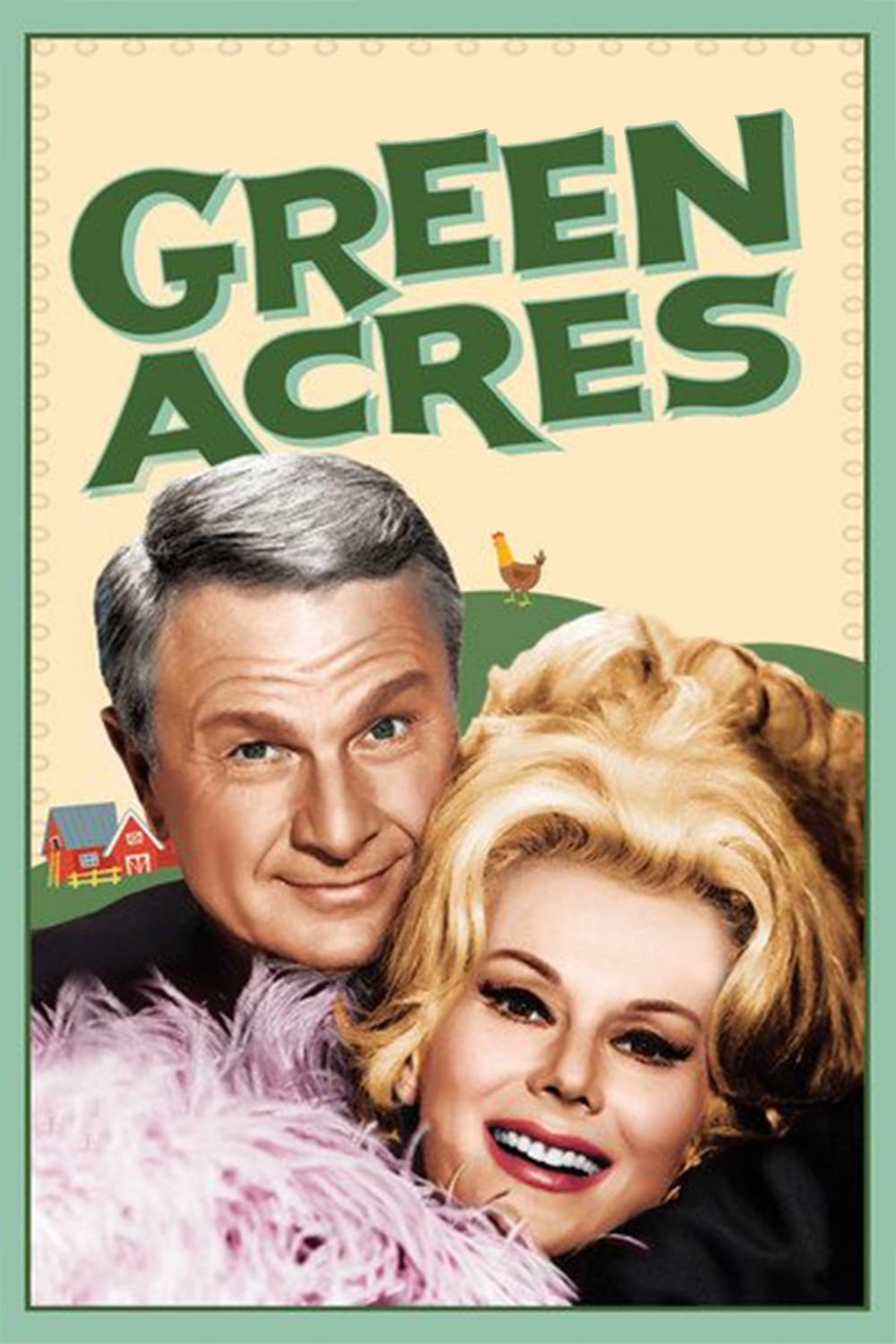
Green Acres is an American sitcom starring Eddie Albert and Eva Gabor as a couple who move from New York City to a rural country farm. Produced by Filmways as a sister show to Petticoat Junction, the series was first broadcast on CBS, from September 15, 1965 to April 27, 1971. Receiving solid ratings during its six-year run, Green Acres was cancelled in 1971 as part of the "rural purge" by CBS. The sitcom has been in syndication and is available in DVD and VHS releases. In 1997, the two-part episode "A Star Named Arnold is Born" was ranked #59 on TV Guide's 100 Greatest Episodes of All Time.
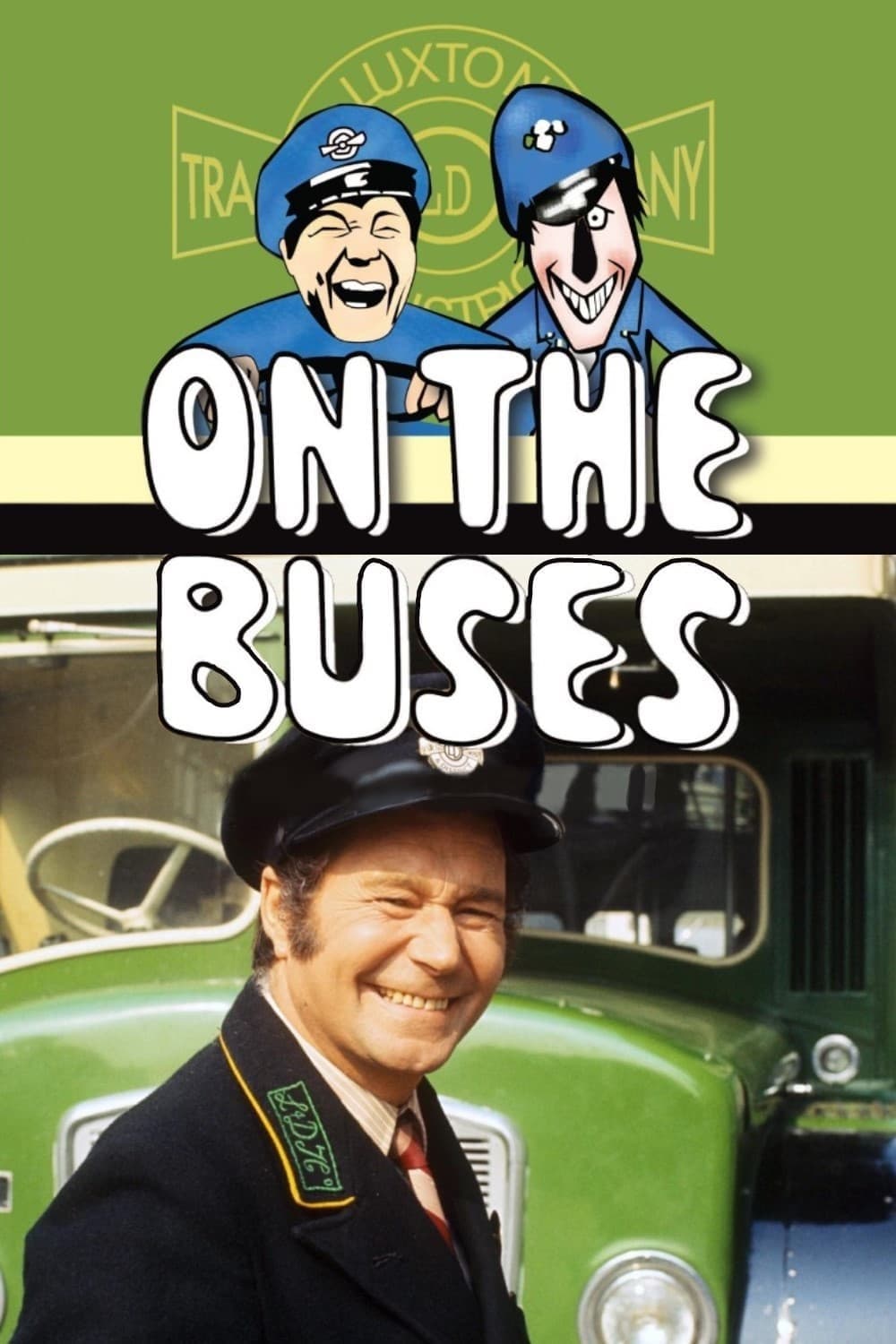
On the Buses is a British comedy series created by Ronald Wolfe and Ronald Chesney, broadcast in the United Kingdom from 1969 to 1973. The writers' previous successes with The Rag Trade and Meet the Wife were for the BBC, but the corporation rejected On the Buses, not seeing much comedy potential in a bus depot as a setting. The comedy partnership turned to a friend, Frank Muir, Head of Entertainment at London Weekend Television, who loved the idea; the show was accepted and despite a poor critical reception became a hit with viewers.
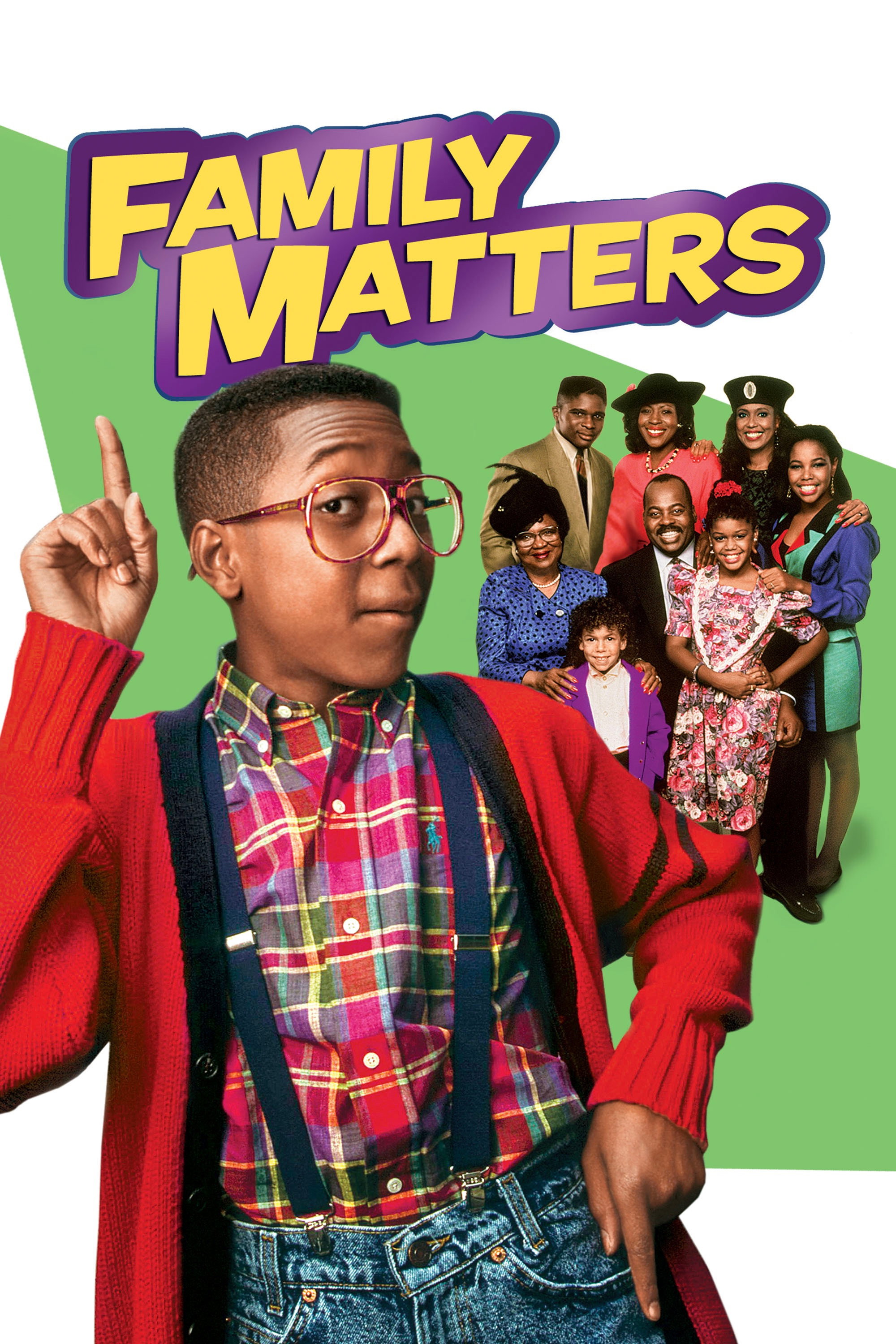
A long-running dramedy centering on the Winslow family, a middle-class African American family living in Chicago, and their pesky next-door neighbor, ultra-nerd Steve Urkel. A spin-off of Perfect Strangers.
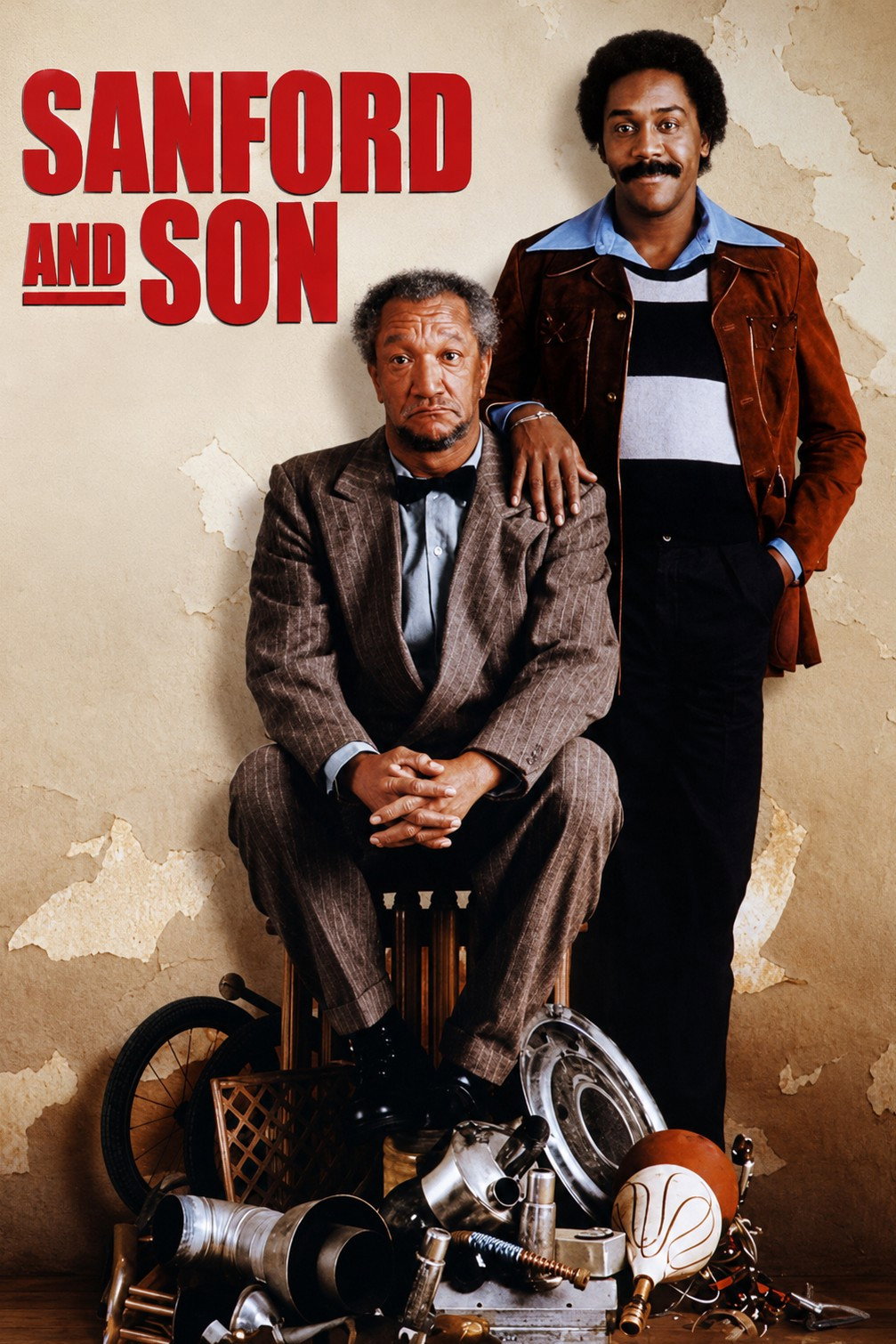
The misadventures of a cantankerous junk dealer and his frustrated son.
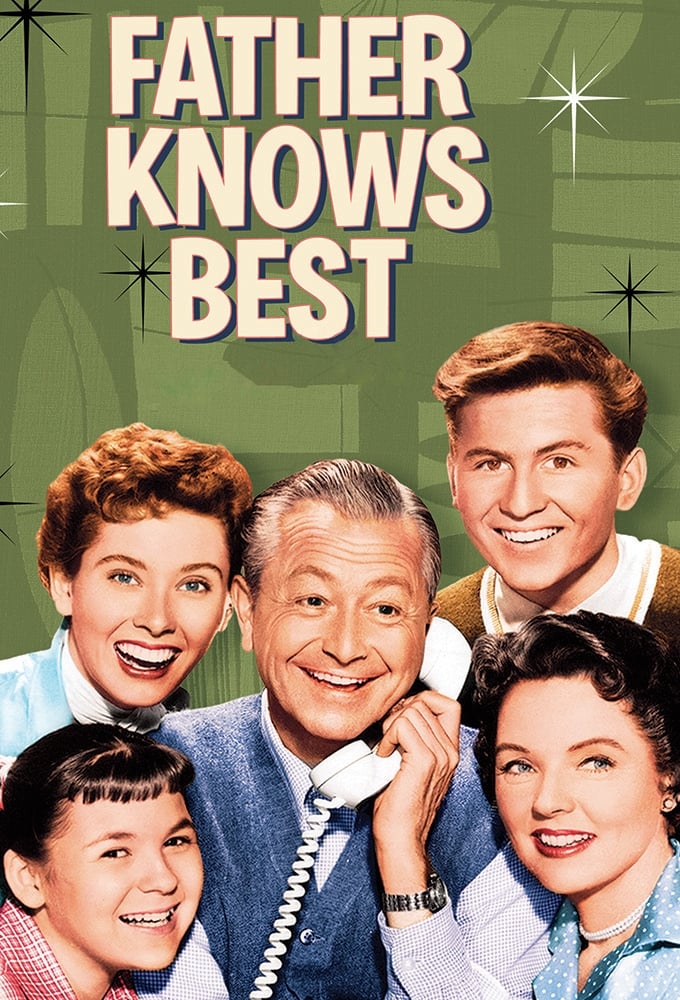
Family man Jim Anderson copes with the everyday problems among his wife Margaret and their three children as they experience day-to-day changes.
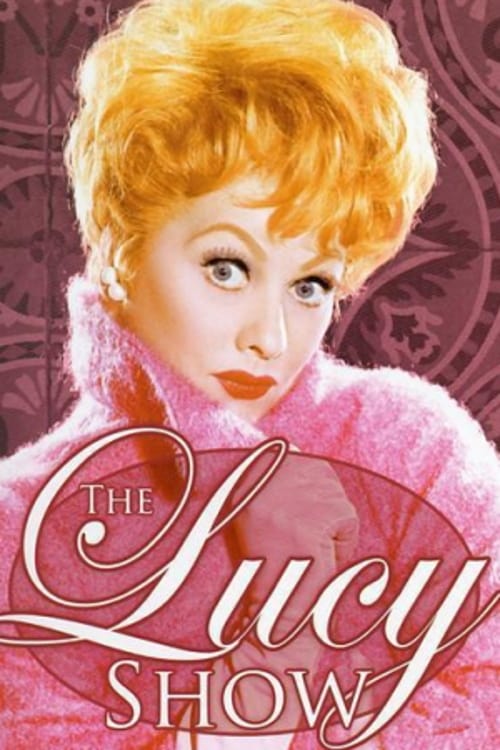
The Lucy Show is an American sitcom that aired on CBS from 1962–68. It was Lucille Ball's follow-up to I Love Lucy. A significant change in cast and premise for the 1965–66 season divides the program into two distinct eras; aside from Ball, only Gale Gordon, who joined the program for its second season, remained. For the first three seasons, Vivian Vance was the co-star. The earliest scripts were entitled The Lucille Ball Show, but when this title was declined, producers thought of calling the show This Is Lucy or The New Adventures of Lucy, before deciding on the title The Lucy Show. Ball won consecutive Emmy Awards as Outstanding Lead Actress in a Comedy Series for the series' final two seasons, 1966–67 and 1967–68.
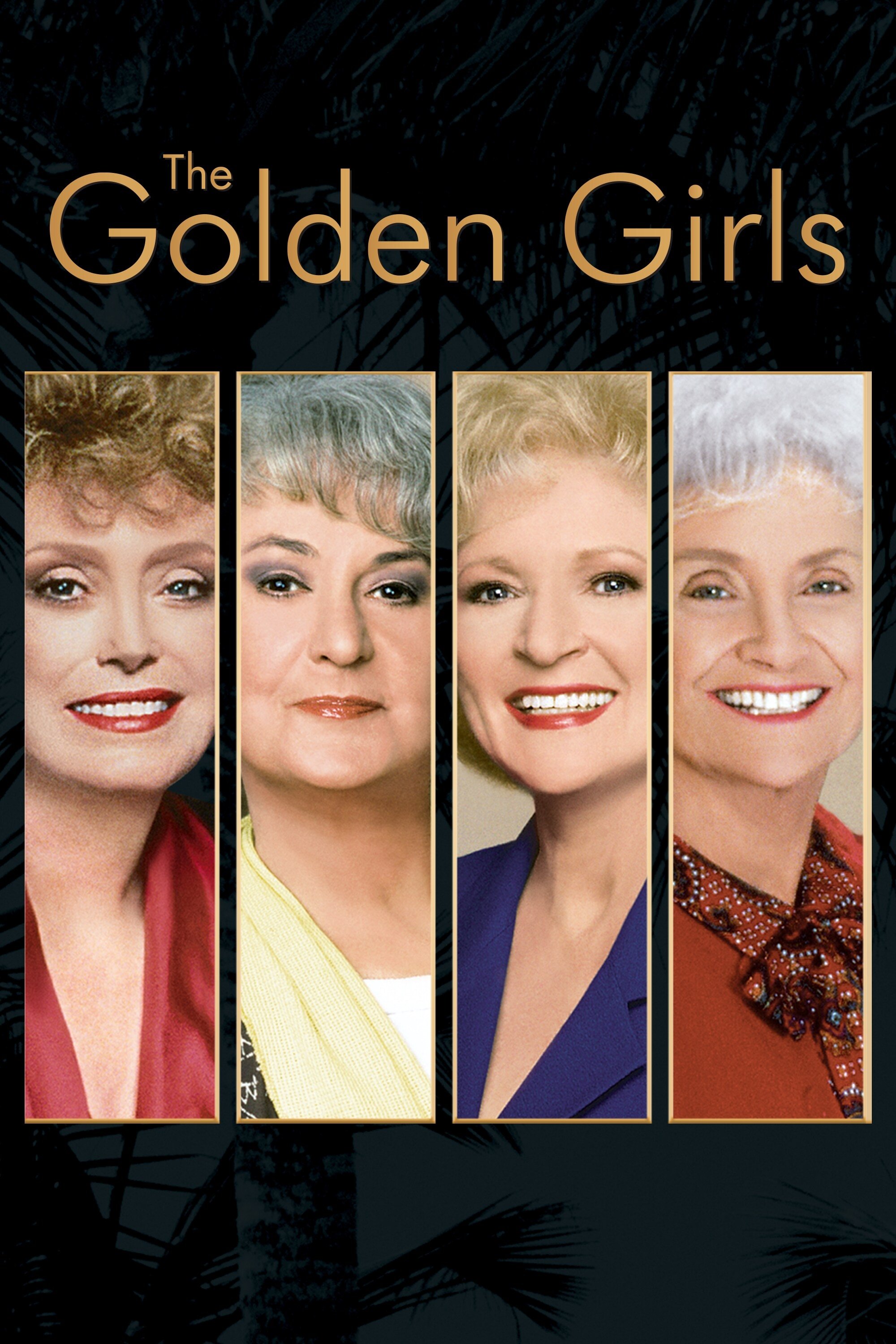
Four Southern Florida seniors share a house, their dreams, and a whole lot of cheesecake. Bright, promiscuous, clueless and hilarious, these lovely, mismatched ladies form the perfect circle of friends.
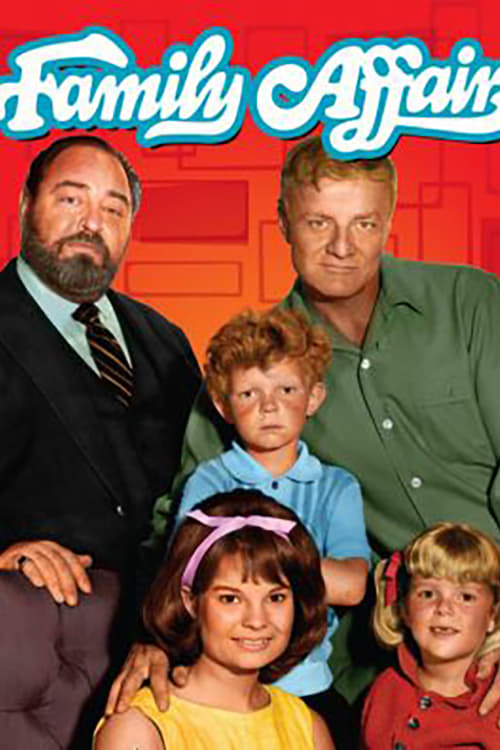
Family Affair is an American sitcom that aired on CBS from September 12, 1966 to September 9, 1971. The series explored the trials of well-to-do civil engineer and bachelor Bill Davis as he attempted to raise his brother's orphaned children in his luxury New York City apartment. Davis' traditional English gentleman's gentleman, Mr. Giles French, also had adjustments to make as he became saddled with the responsibility of caring for 15-year-old Cissy and the 6-year-old twins, Jody and Buffy. The show ran for 138 episodes. Family Affair was created and produced by Don Fedderson, also known for My Three Sons and The Millionaire.
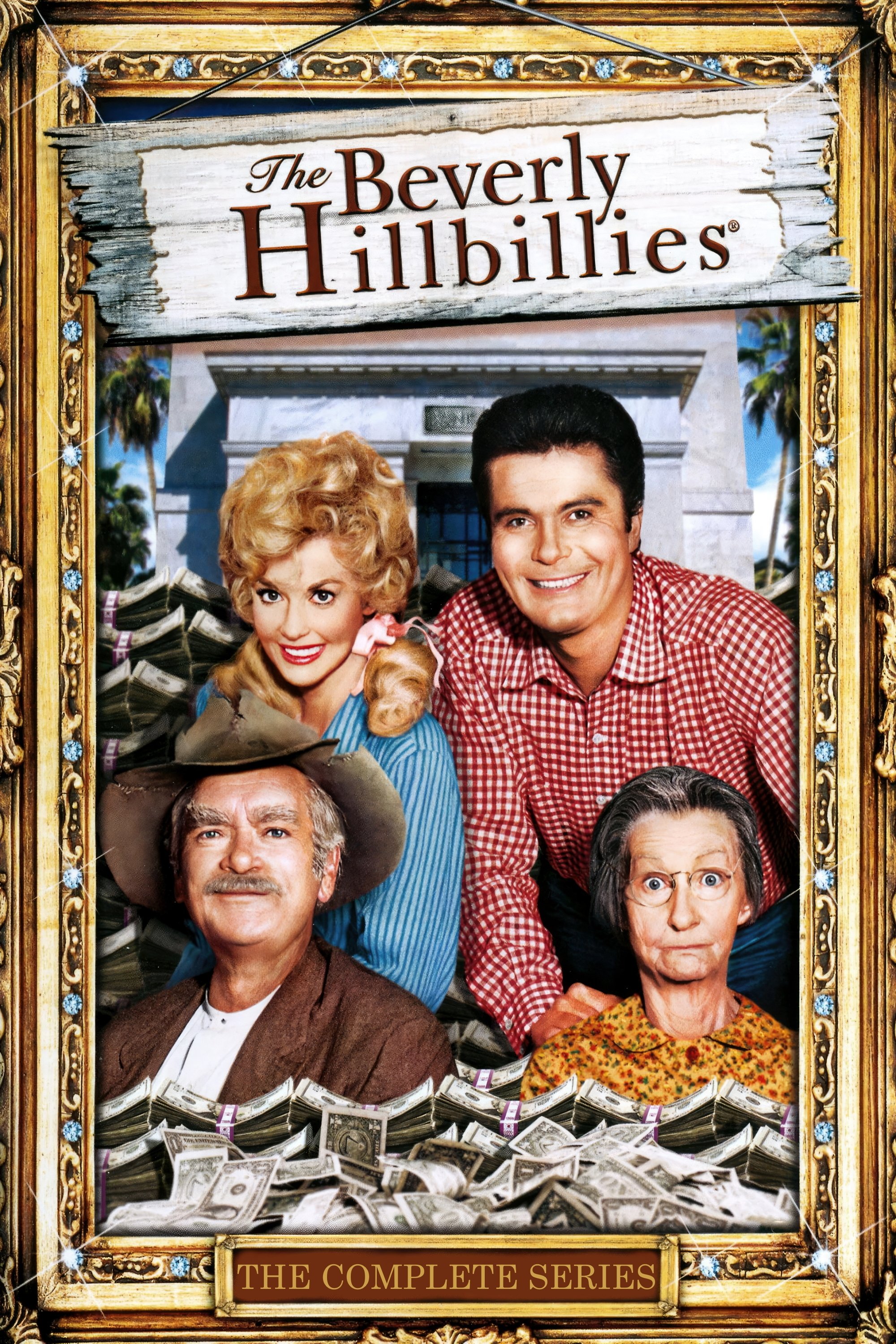
Jed Clampett's swamp is loaded with oil. When a wildcatter discovers the huge pool, Jed sells his land to the O.K. Oil Company and at the urging of cousin Pearl, moves his family to a 35-room mansion in Beverly Hills, California.
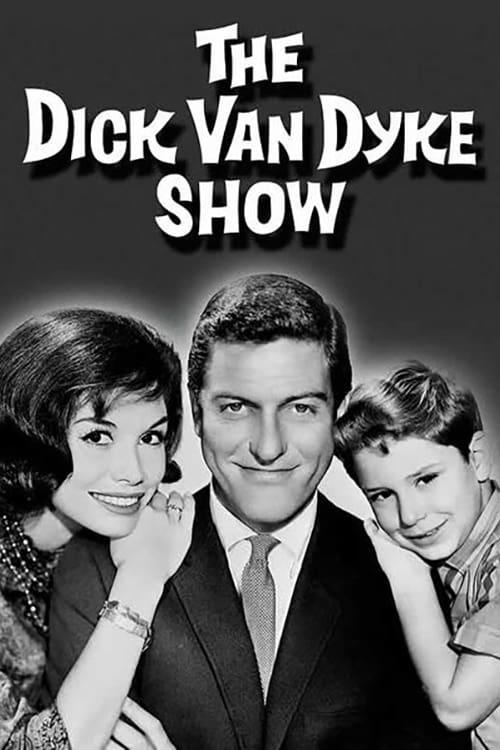
The Dick Van Dyke Show centers around the work and home life of television comedy writer Rob Petrie. The plots generally revolve around problems at work, where Rob got into various comedic jams with fellow writers Buddy Sorrell, Sally Rogers and producer Mel Cooley.
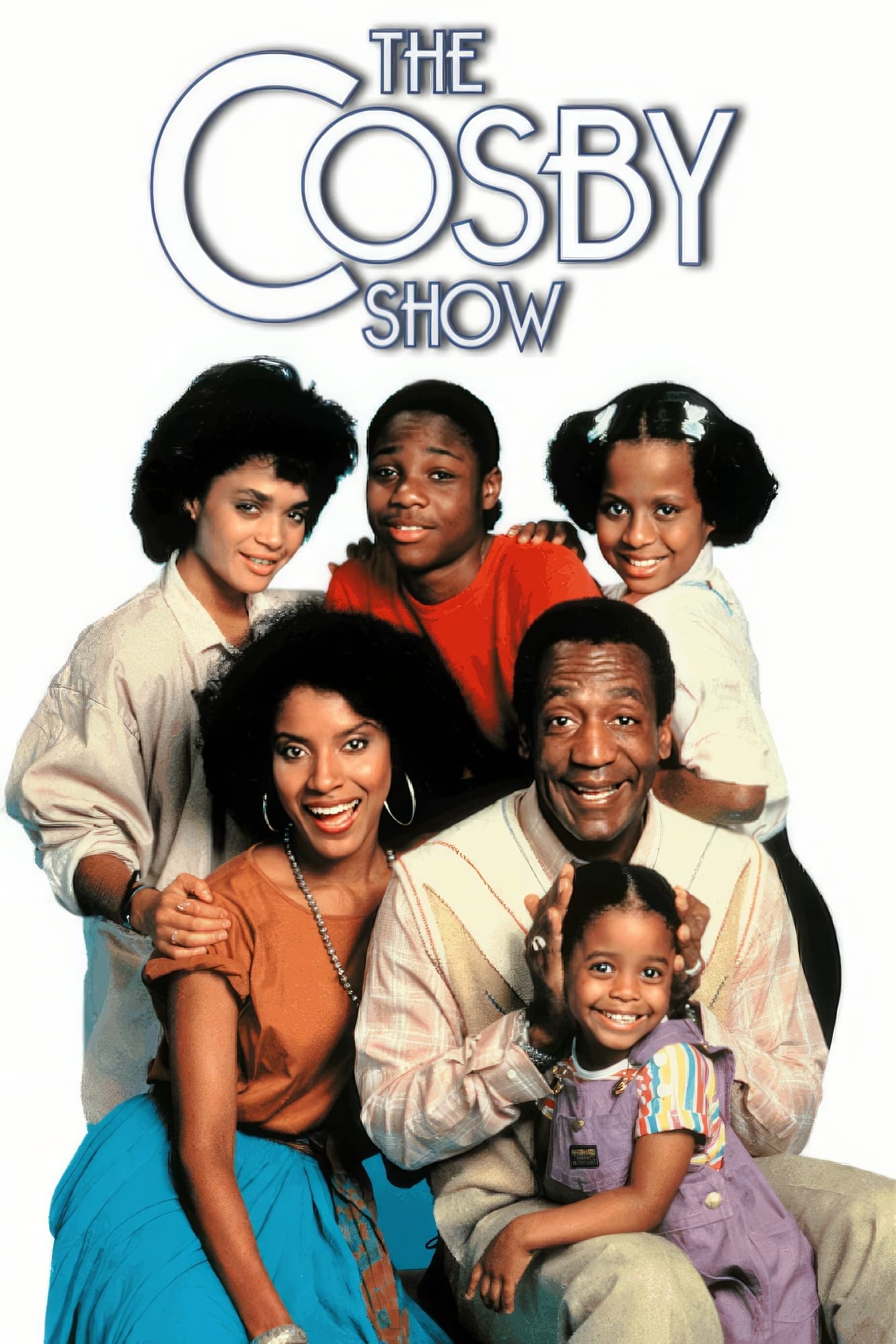
The Cosby Show is an American television situation comedy starring Bill Cosby, which aired for eight seasons on NBC from September 20, 1984 until April 30, 1992. The show focuses on the Huxtable family, an upper middle-class African-American family living in Brooklyn, New York.
After 18 years of marriage, high school sweethearts Bill and Judy Miller still make each other laugh and try to keep their marriage intact, even when their family pulls them in different directions. Since Bill has a far more immature approach to marriage and raising their three children than Judy does, they work at striking a balance and remembering why they love each other, quirks and all.
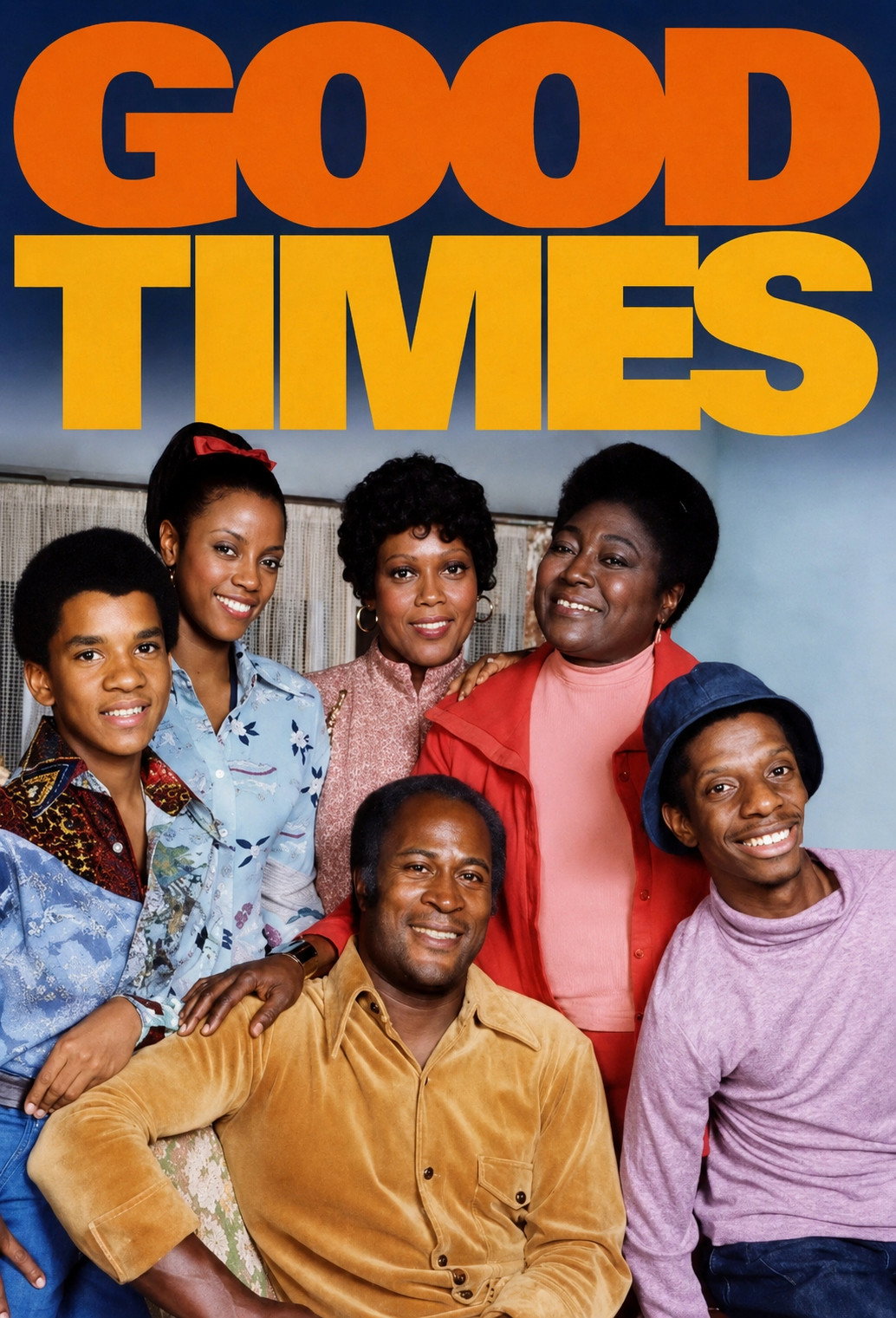
Good Times is an American sitcom that originally aired from February 8, 1974, until August 1, 1979, on the CBS television network. It was created by Eric Monte and Mike Evans, and developed by Norman Lear, the series' primary executive producer. Good Times is a spin-off of Maude, which is itself a spin-off of All in the Family along with The Jeffersons. The series is set in Chicago. The first two seasons were taped at CBS Television City in Hollywood. In the fall of 1975, the show moved to Metromedia Square, where Norman Lear's own production company was housed.
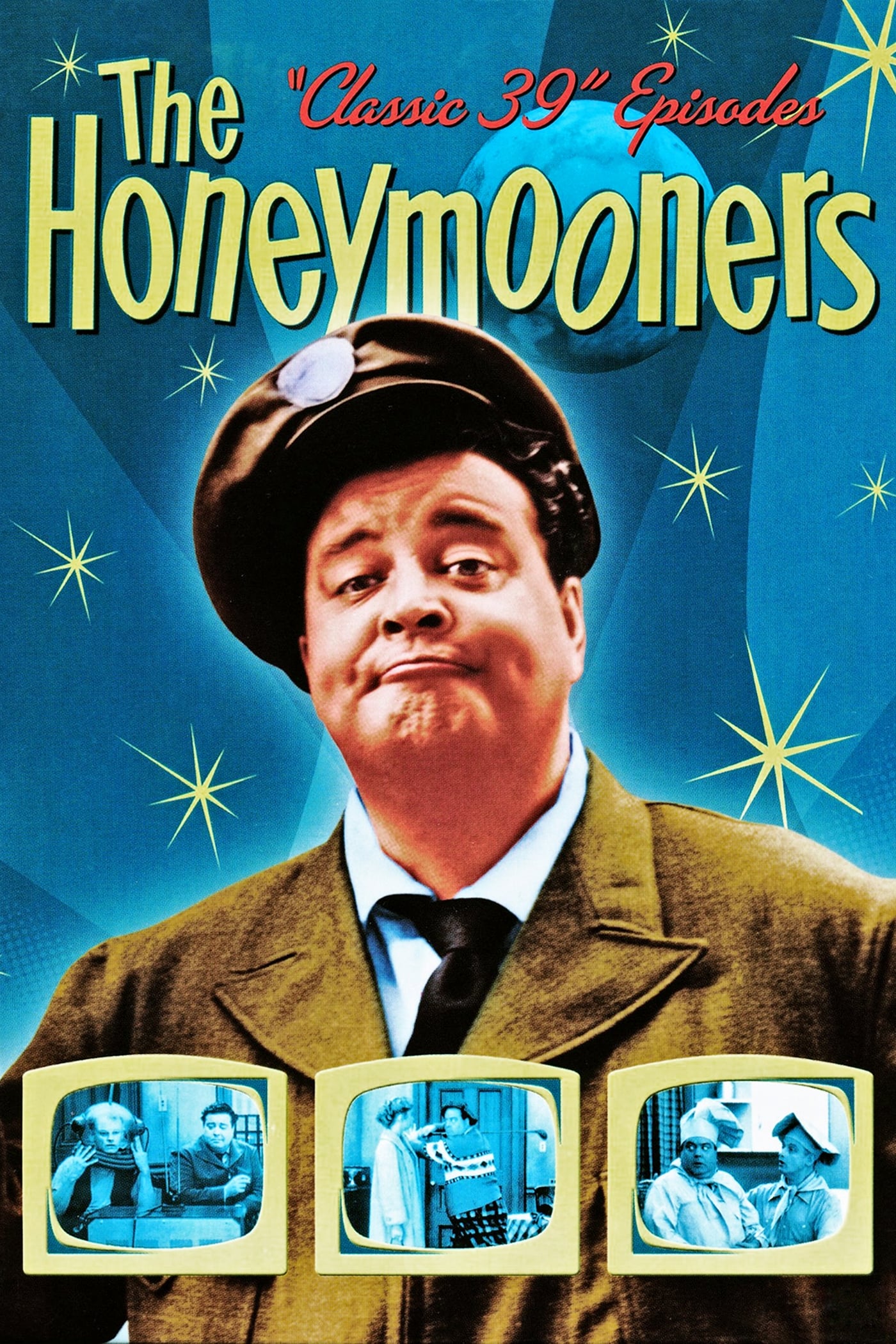
A bus driver and his sewer worker friend struggle to strike it rich while their wives look on with weary patience. One of the most influential situation comedy television series in American history.
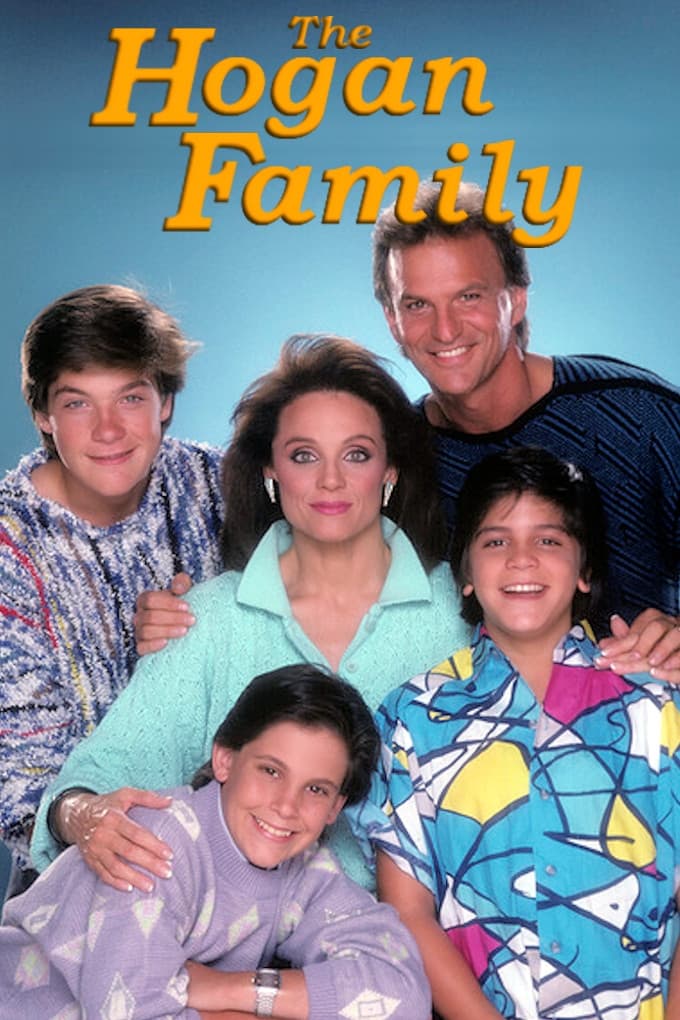
The Hogan Family is an American television situation comedy that aired on NBC from March 1, 1986 to May 7, 1990, and on CBS from September 15, 1990 until July 20, 1991. It was produced by Miller-Boyett Productions, along with Tal Productions, Inc., and in association with Lorimar Productions, Lorimar-Telepictures and Lorimar Television. The show was originally titled Valerie and starred Valerie Harper as a mother trying to juggle her career with raising her three sons by her often-absent airline-pilot husband. Harper was written out of the series after the second season because of a dispute with the show's producers. Sandy Duncan joined the cast as the boys' aunt, who moved in and became their surrogate mom. During the show's third season, the series was known as Valerie's Family: The Hogans, then simply as The Hogan Family.
The family life, romantic life, and career of Martin Tupper, a divorced New York City book editor. The show distinctively interjected clips from older black and white television series to punctuate Tupper's feelings or thoughts.
A Different World is a spin-off series from The Cosby Show and originally centered on Denise Huxtable and the life of students at Hillman College, a fictional mixed but historically black college in the state of Virginia. After Bonet's departure in the first season, the remainder of the series primarily focused more on Southern belle Whitley Gilbert and mathematics whiz Dwayne Wayne. The series frequently depicted members of the major historically black fraternities and sororities.
The Bradley family are proud owners of the Shady Rest Hotel. Kate and her three young daughters do the job of running the hotel.