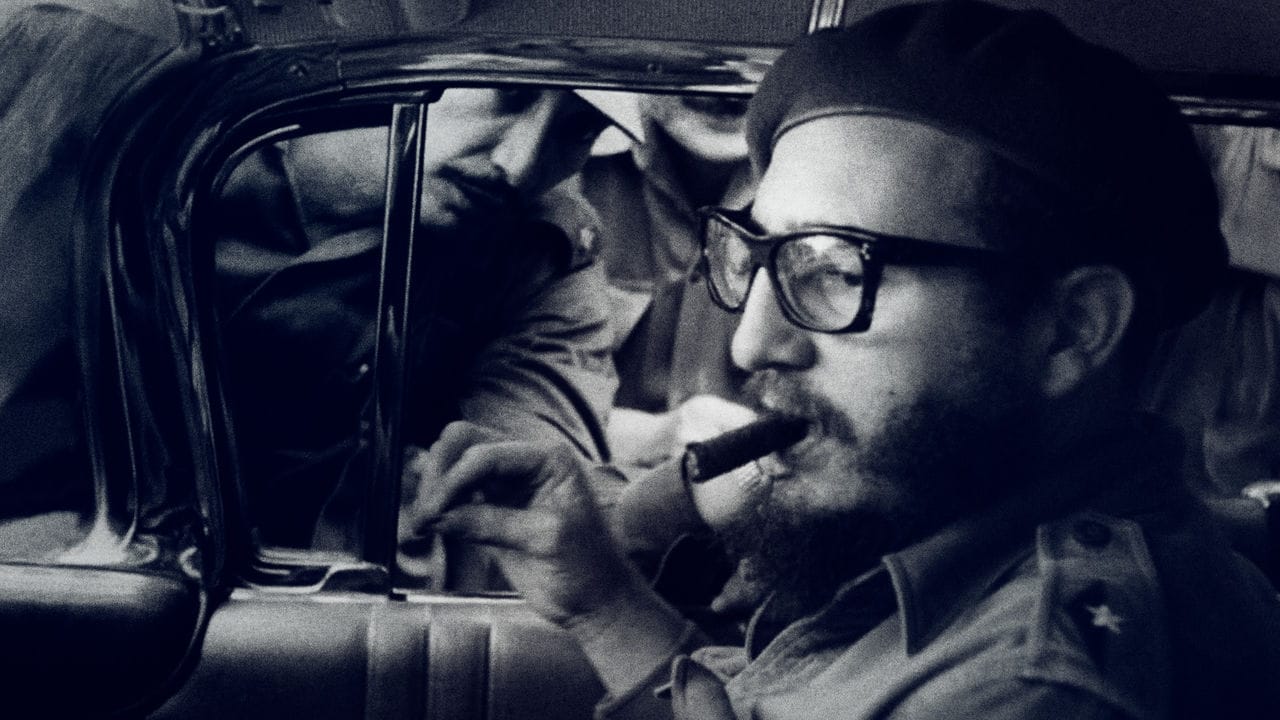
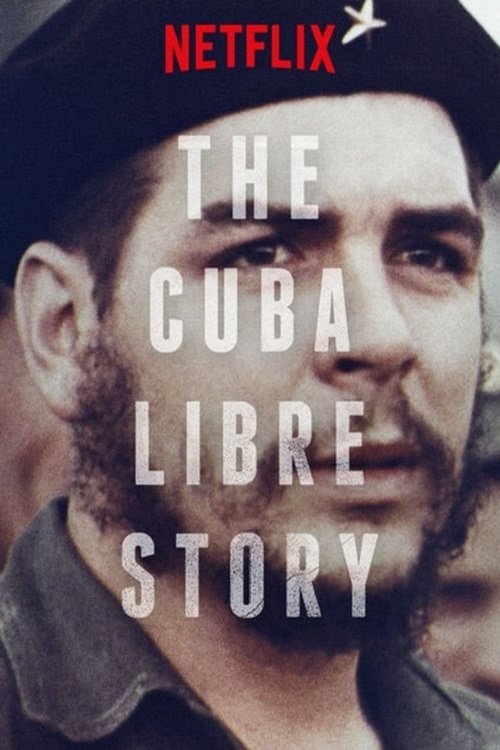
Recounts the tumultuous history of Cuba, a nation of foreign conquest, freedom fighters and Cold War political machinations.
Social & External
The people behind it
Ken Eaken
Narrator (voice)
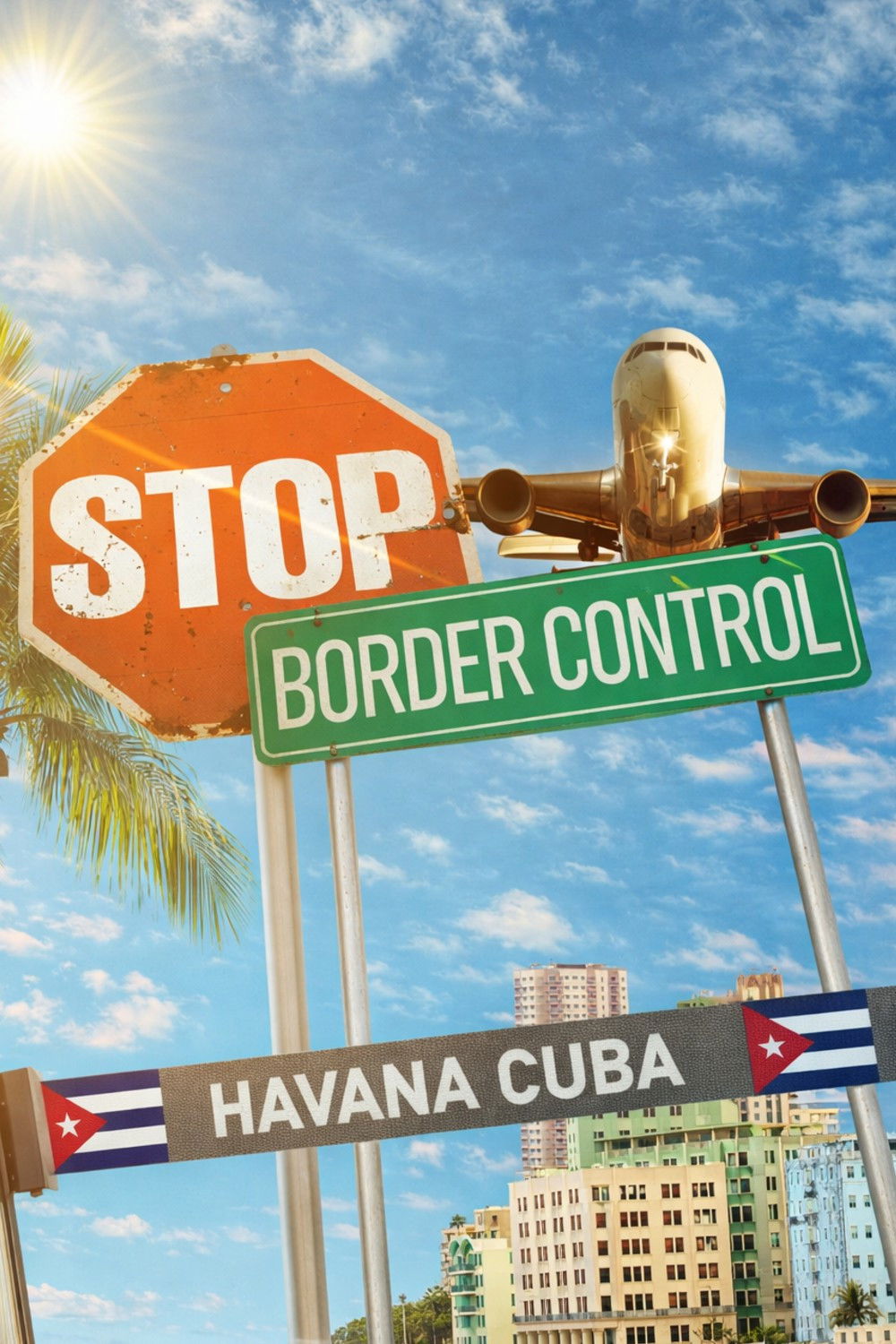
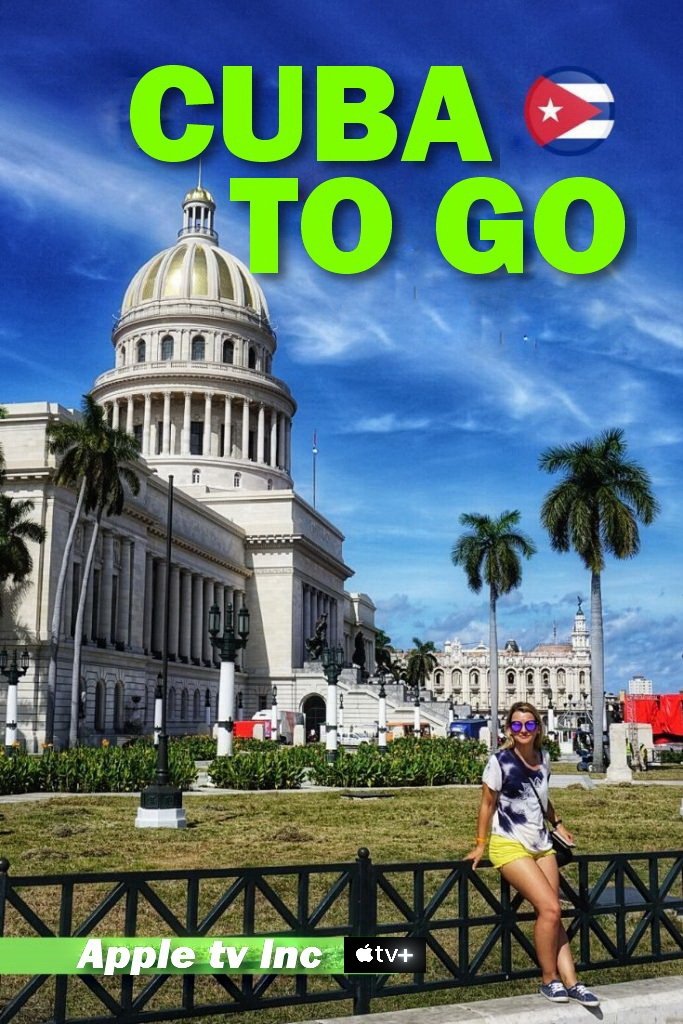
For the first time, an international film crew captures the round-the-clock action at Havana’s José Martí International Airport. Cuba’s elite security forces battle drug traffickers, arms smugglers, money launderers, and forgers to protect the nation’s borders. With over 100 agents on constant alert, more than 9 million travelers pass each year through this key hub, just 20 kilometers from Havana’s center. Working alongside the UN Aircop Group, specialized migration teams combat illegal migration routes used by criminals worldwide. Every hour brings new challenges—from smuggling weapons, cash, and undeclared goods to complex narcotics operations. Trained in passenger profiling and detection, the narcotics division plays a critical role. Organized crime knows no borders, but here, security forces stand ready to stop it.
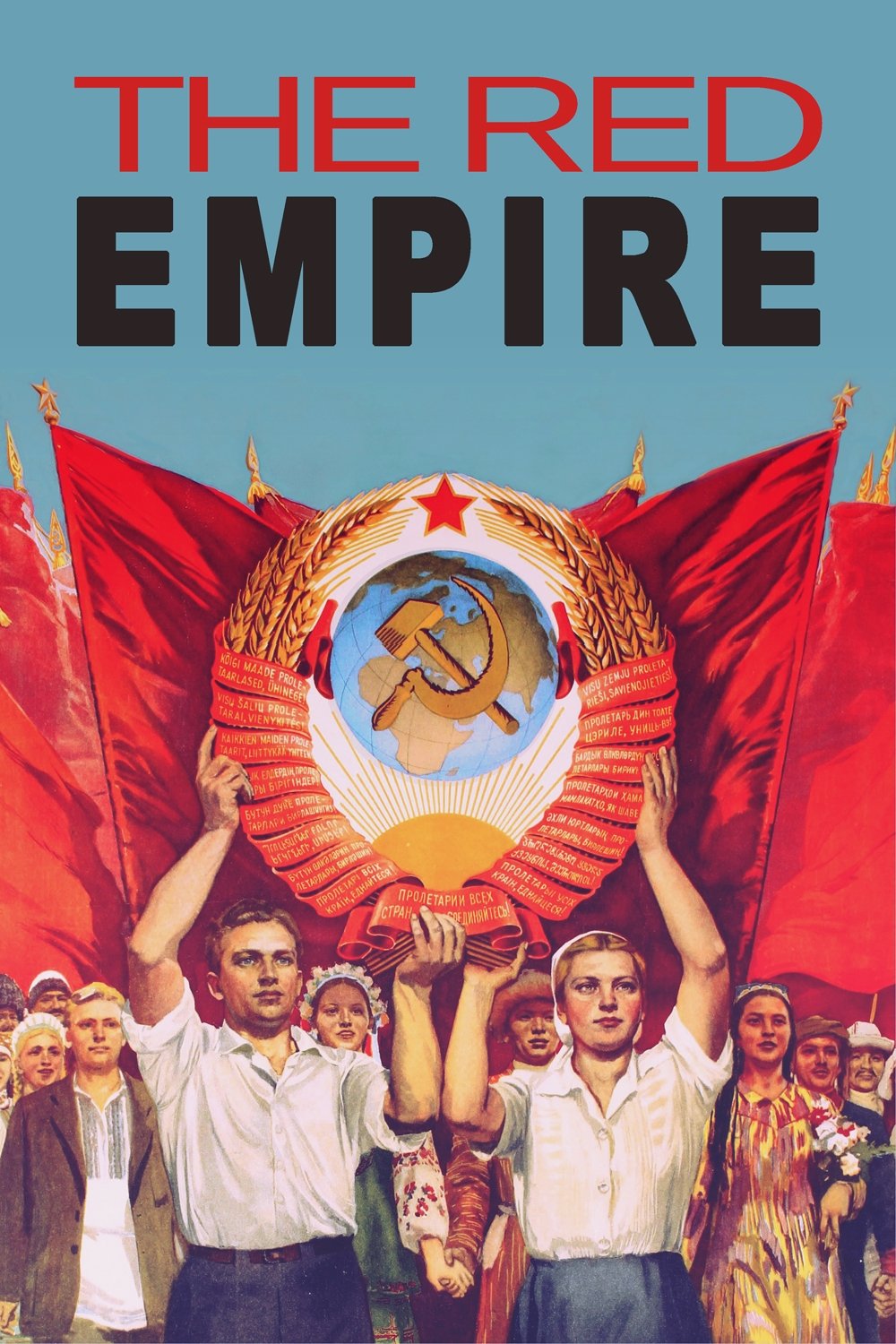
Communism spread to all of the continents of the word, lasting through four generations and over seven decades. Hundreds of millions of men and women were affected by this political system, one of the most unjust and bloodiest in history. Using newly discovered propaganda films and archival photos, these four episodes explore the mysteries of this totalitarian political machine that lured its share of important followers into the fold. Known as the red church, communism seduced its ardent followers like some earthly religion.
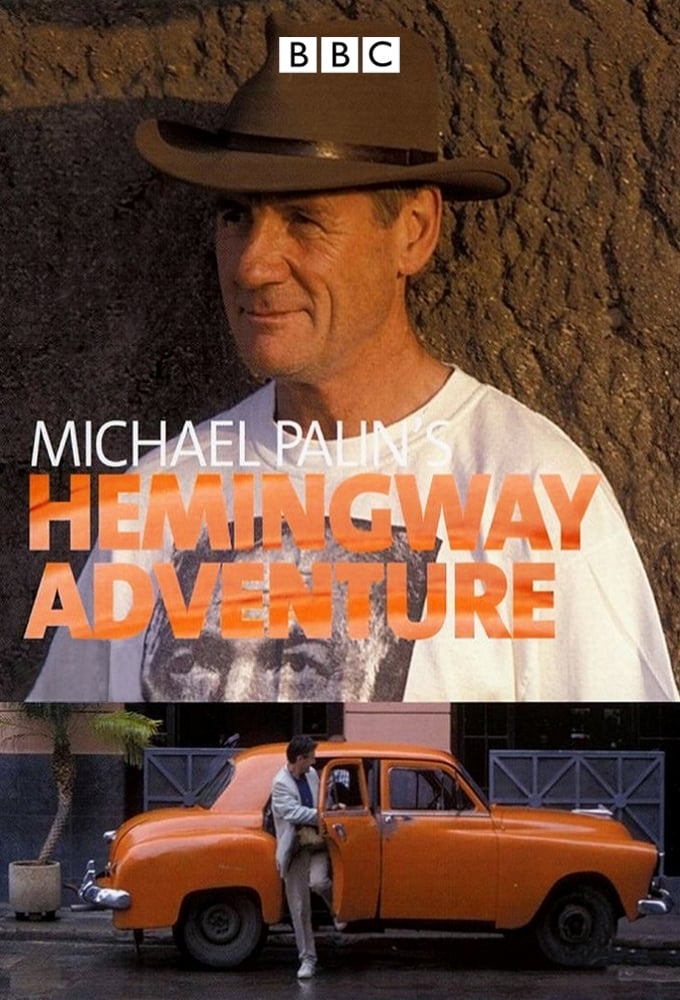
Michael Palin's Hemingway Adventure is a 1999 BBC television documentary presented by Michael Palin. It records Palin's travels as he visited many sites where Ernest Hemingway had been. The sites include Spain, Chicago, Paris, Italy, Africa, Key West, Cuba, and Idaho. After the trip was over Michael Palin wrote a book about the journey and his experiences. This book contains both Palin's text and many pictures by Basil Pao, the stills photographer who was on the team.
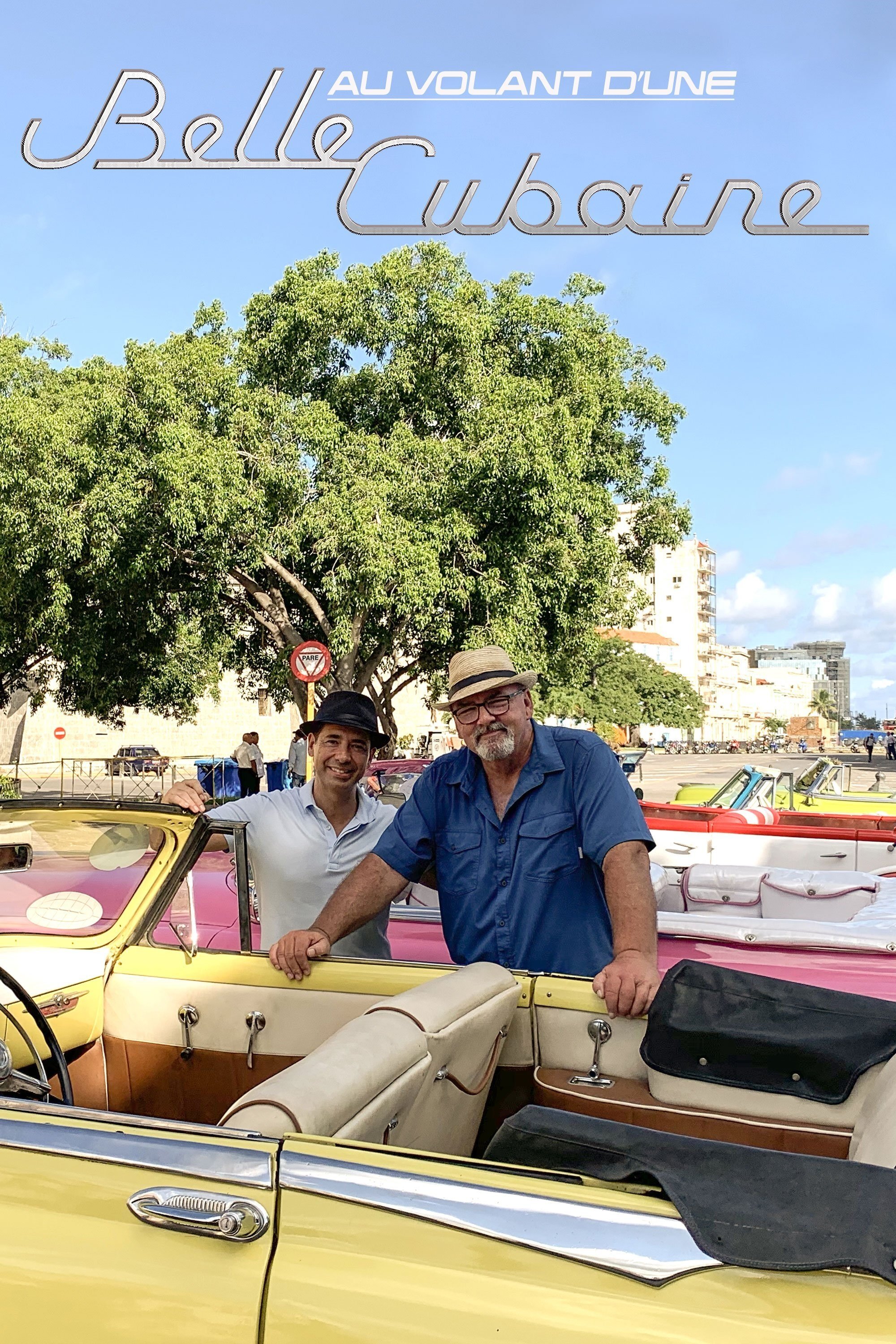
Car enthusiast José Gaudet travels the Cuban streets and roads looking for the car of his dreams. He is accompanied by Gildor Roy, who is fluent in Spanish.
What it felt like to live through the collapse of communism and democracy. A series of films by Adam Curtis.
It started with Lenin and ended with Gorbachev. In this three-part documentary we highlight the people and events that played key roles in the rise of a revolutionary idea and the fall of an empire. How was it possible that this idea could fascinate so many people, including hundreds of intellectuals? How did so many thousands of people put up with suppression, indignity and economic hardship and still remain true to the fundamental concepts of communism?
The story of an empire: From its founding in 1922 to its dissolution in 1991, the Soviet Union was shaped by revolutionary idealism, but also by oppression and decay. The USSR evolved from Stalinist terror through the Thaw under Khrushchev to political processes such as glasnost and perestroika under Gorbachev. Finally, in 1991, it collapsed.
Adventurer and journalist Simon Reeve heads to Cuba to find a communist country in the middle of a capitalist revolution. Two years ago Cuba announced the most sweeping and radical economic reforms the country has seen in decades.
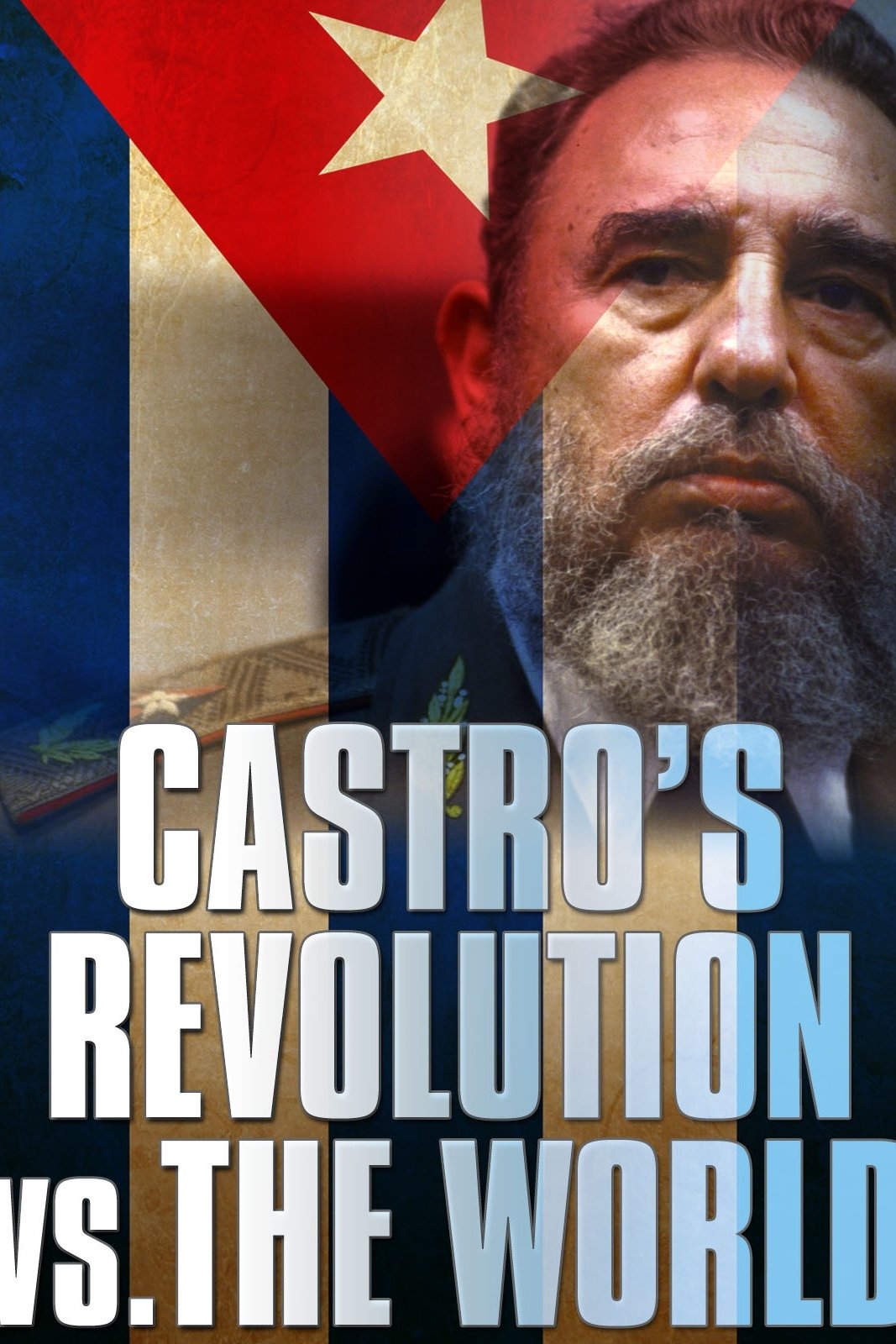
Cuba's revolutionary story is one of much fervor. Fidel Castro had one objective: the liberation of a Communist Cuba. Castro's ability to form key strategic alliances enabled him to stand at the precipice of realizing his dream for Cuba.
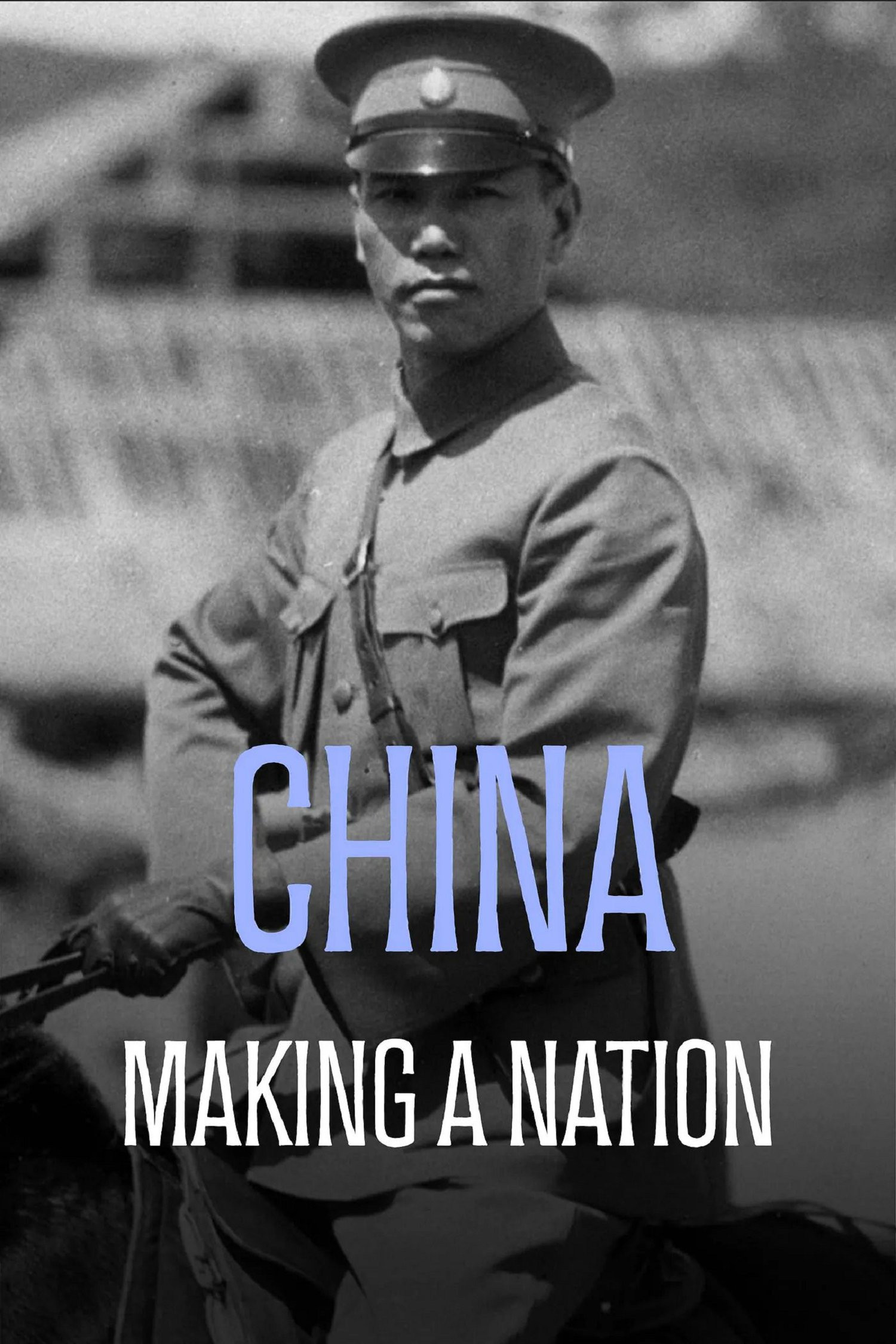
China: The Making of a Nation is the story of the painful transformation of the vast Qing Empire into the Chinese nation after the 1911 revolution. Spanning more than a century up to the Xi Jinping era, the story pits the two pivotal leaders of this transformation against each other: Chiang Kai-shek, leader of the Republic of China for 47 years, and Mao Zedong, who rose from ‘red bandit’ to master of the mainland in 1949. Sworn enemies, they fought a merciless battle: first military, then diplomatic, and finally, beyond their deaths, in the conflicting memories of the Taiwanese and the Chinese of the People's Republic. Beyond their fierce hatred, the two tyrants also had much in common: a certain vision of Chinese territory and the greatness of China, the desire to regain the country's sovereignty and the quest for a Chinese identity in a nation that also includes Tibetans, Uighurs, Mongols... and a certain ability to rewrite history.
Jamaican-born Stuart Hall looks at the history of the Caribbean islands through interviews with modern inhabitants.
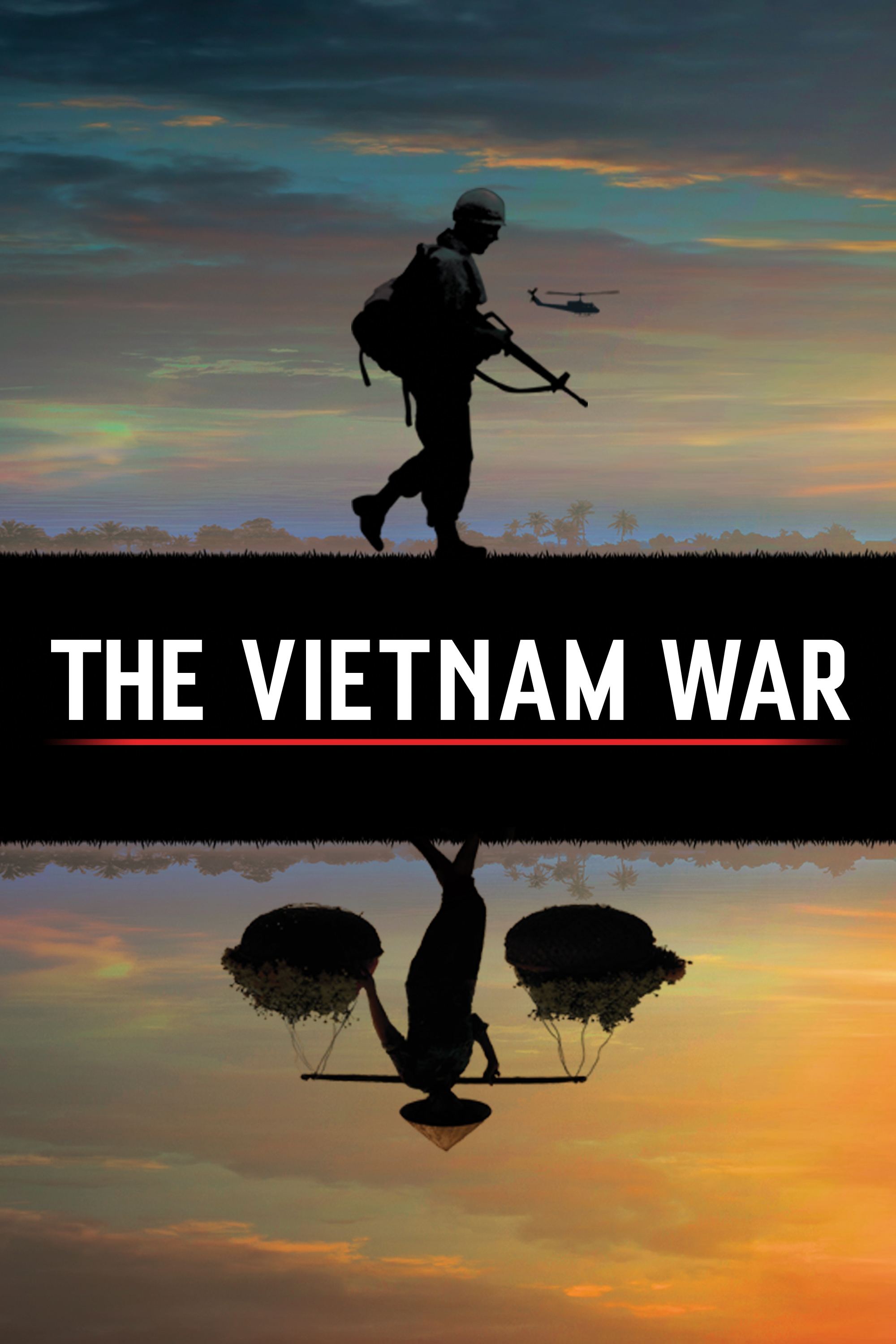
An immersive 360-degree narrative telling the epic story of the Vietnam War as it has never before been told on film. Featuring testimony from nearly 80 witnesses, including many Americans who fought in the war and others who opposed it, as well as Vietnamese combatants and civilians from both the winning and losing sides.
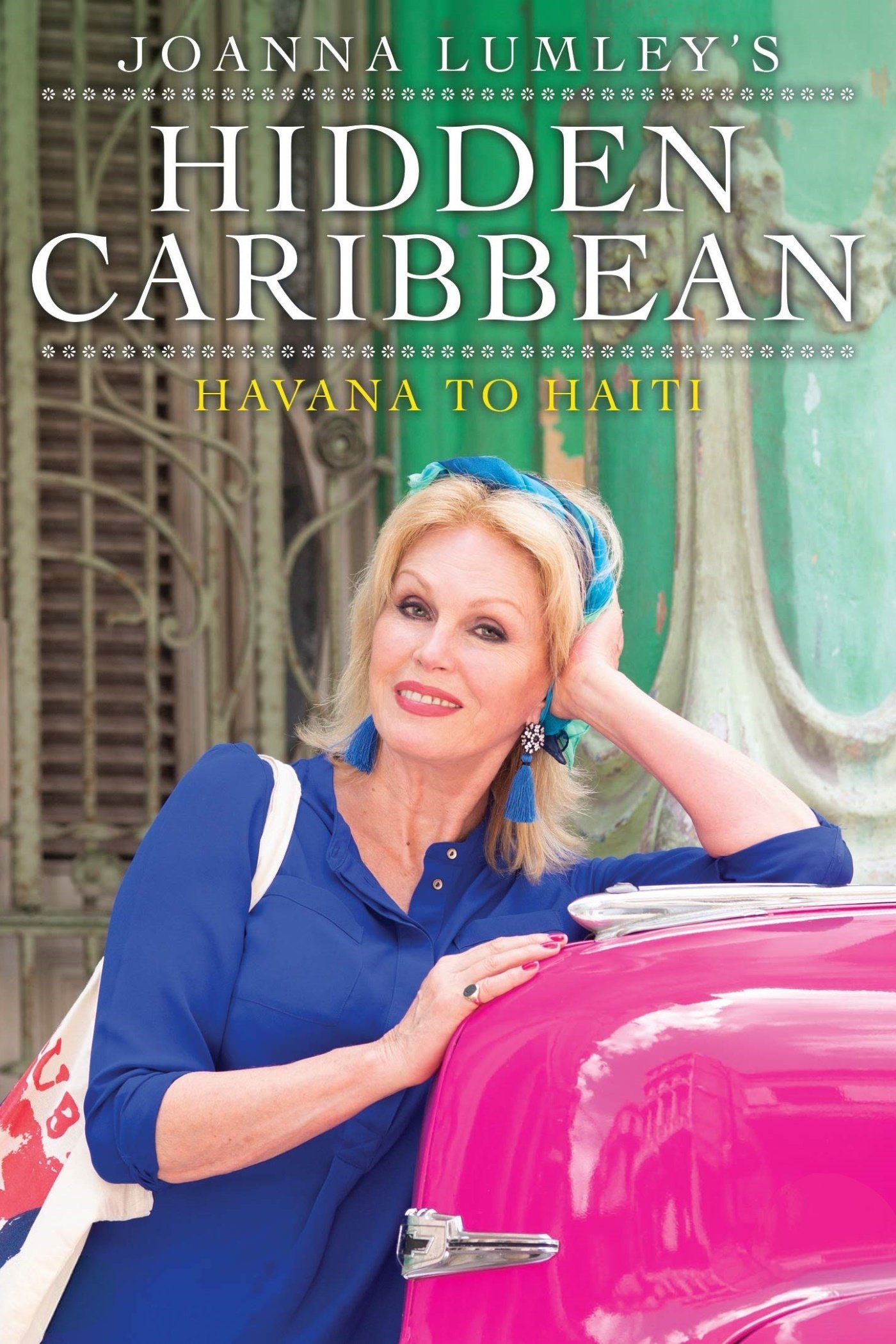
Joanna Lumley travels across two of the most enigmatic countries in the Caribbean Cuba and Haiti to explore and uncover the hidden gems that these countries have to offer
The largest island in the Caribbean is becoming a tourist attraction with its touching history and vibrant culture.
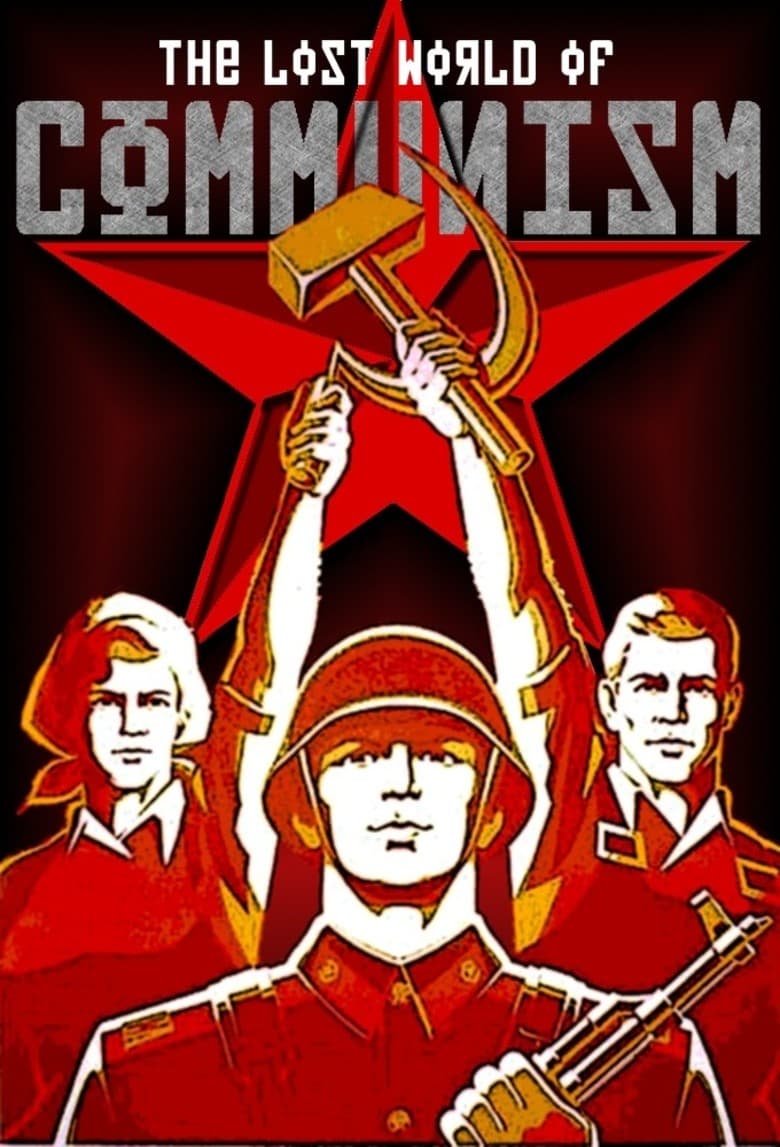
The Lost World of Communism is a three-part British documentary series which examines the legacy of Communism twenty years on from the fall of the Berlin Wall. Produced by Peter Molloy and Lucy Hetherington, the series takes a retrospective look at life behind the Iron Curtain between 1945 and 1989, focusing on three countries in the Eastern Bloc - East Germany, Czechoslovakia and Romania. Through film and television footage and the personal recollections of those who lived in these countries, the series offers a glimpse of what daily life was like during the years of Communist rule. The Lost World of Communism debuted on BBC Two on Saturday 14 March 2009 at 9:00pm. There is also a book which accompanies the series.
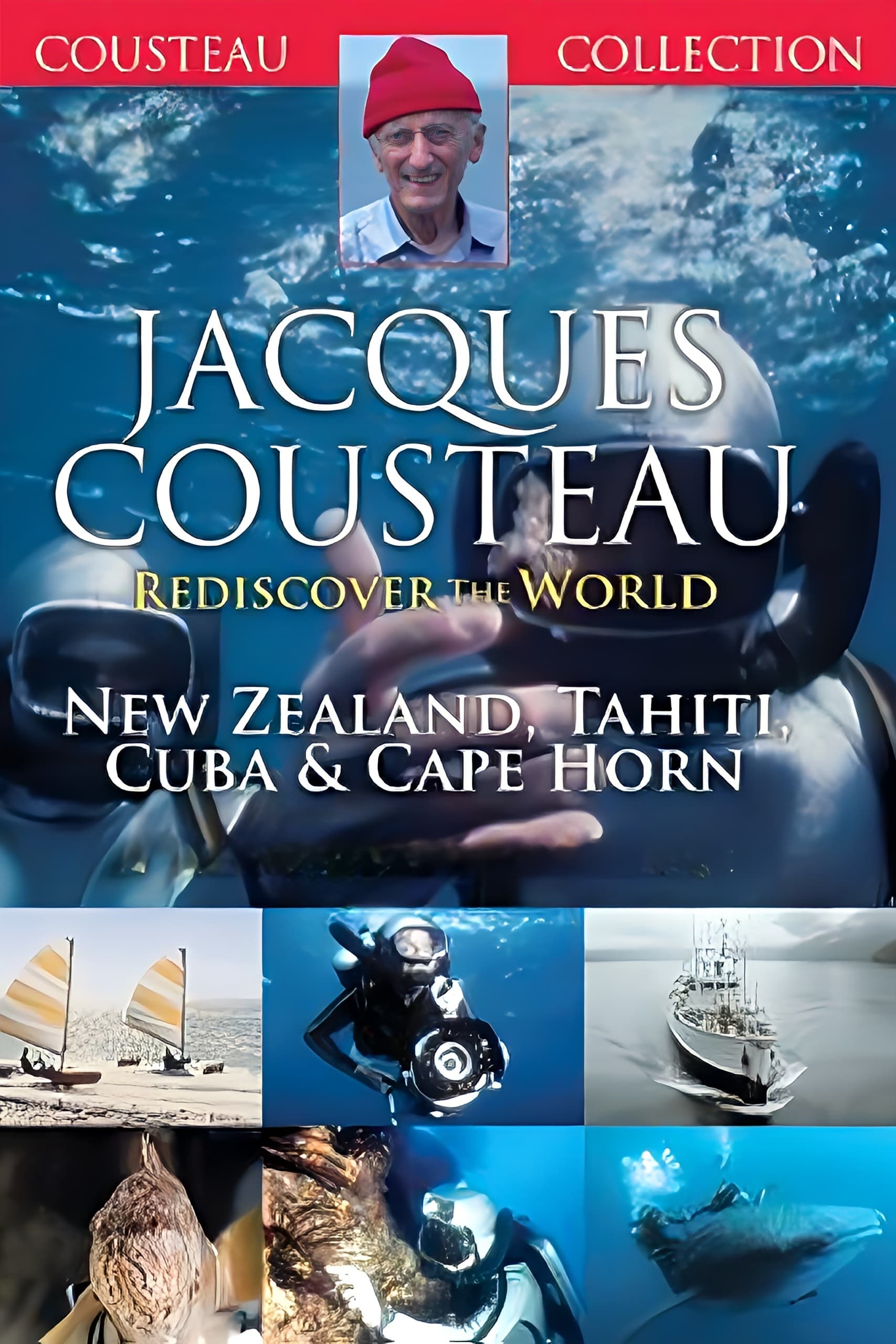
Oceanographer Jacques-Yves Cousteau and the Calypso set sail to research far-off cultures and species of aquatic fauna and flora in another of the explorer's nature series, mainly in the Pacific Ocean and in the West Indies.
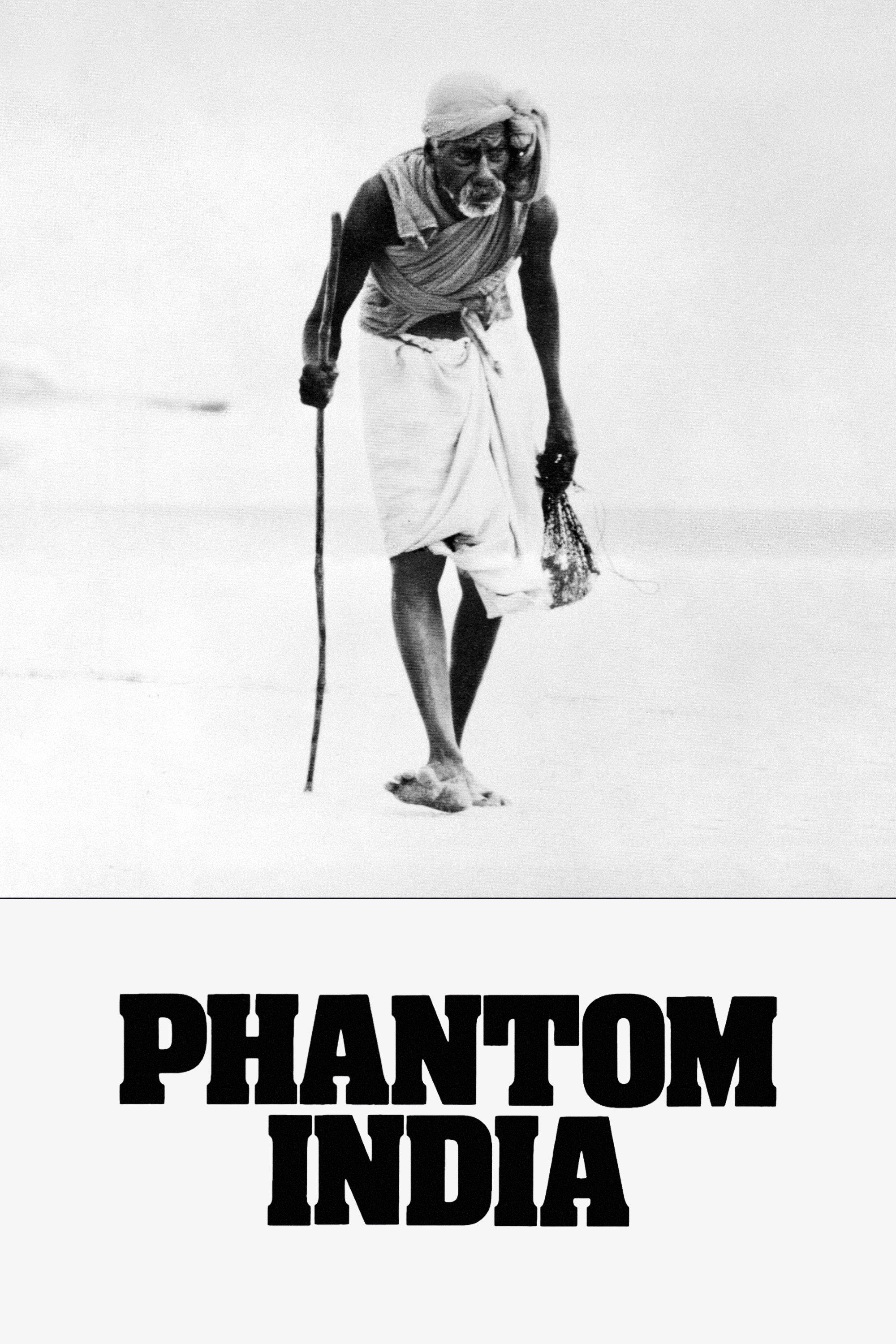
Louis Malle called his gorgeous and groundbreaking Phantom India the most personal film of his career. And this extraordinary journey to India, originally shown as a miniseries on European television, is infused with his sense of discovery, as well as occasional outrage, intrigue, and joy.
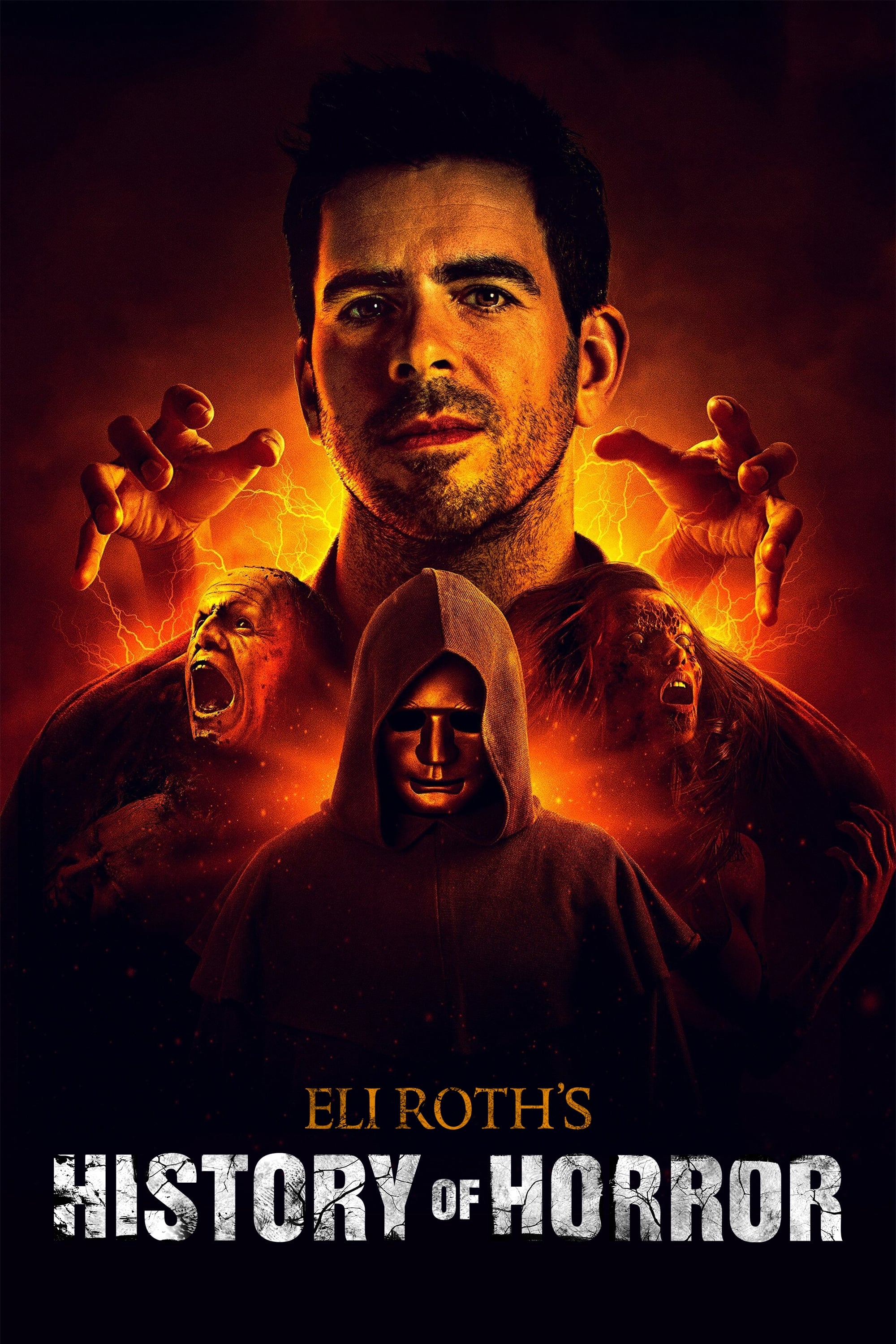
An in-depth look at the history and pop cultural significance of horror films.
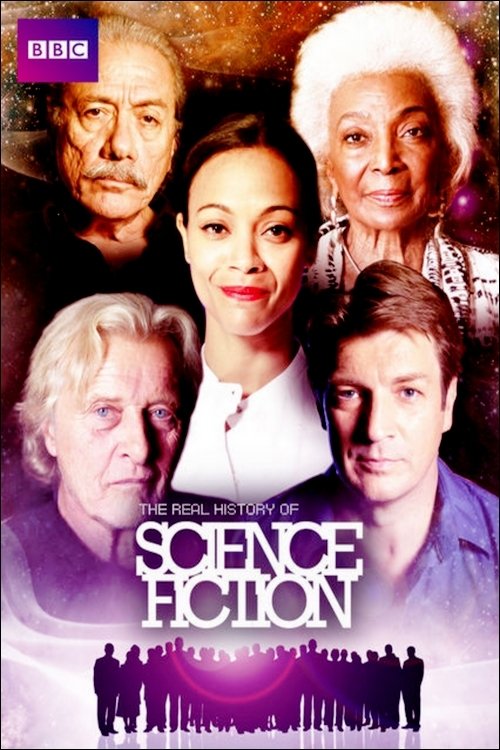
The series heads to the very frontiers of space and science to produce the definitive television history of science fiction, told through its impact on cinema, television and literature, with the help of filmmakers, writers, actors, and graphic artists. Each episode will explore one of the enduring themes of science fiction: time travel; the exploration of space; robots and artificial intelligence; and aliens.
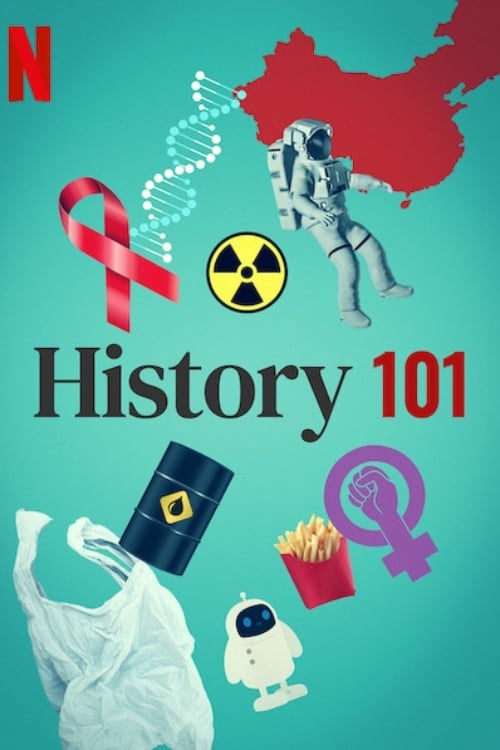
Infographics and archival footage deliver bite-size history lessons on scientific breakthroughs, social movements and world-changing discoveries.
A series of standalone documentaries powered by the unparalleled journalism and insight of The New York Times, bringing viewers close to the essential stories of our time.
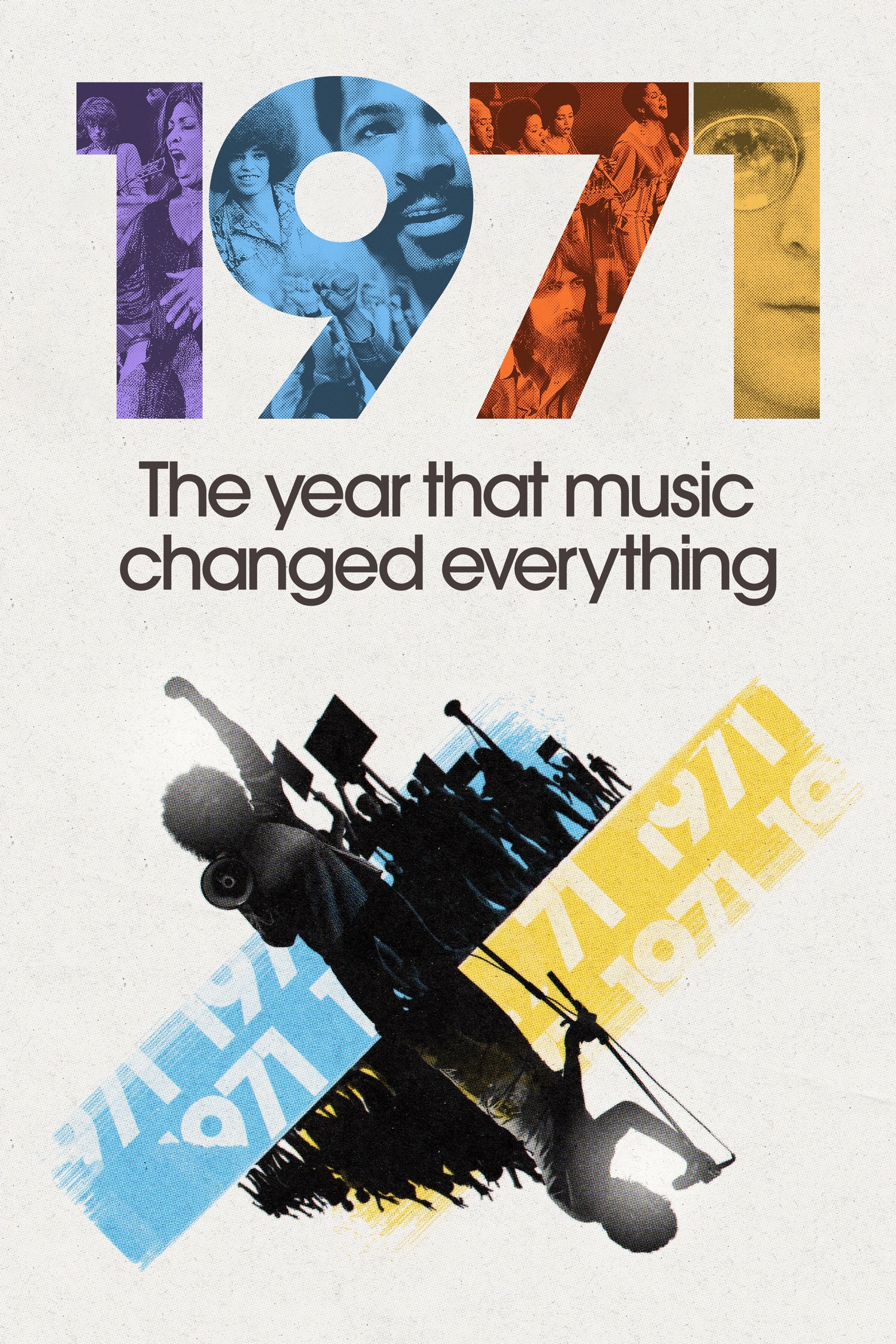
In a tumultuous era, 1971 was a year of musical innovation and rebirth fueled by the political and cultural upheaval of the time. Stars reached new heights, fresh talent exploded onto the scene, and boundaries expanded like never before.
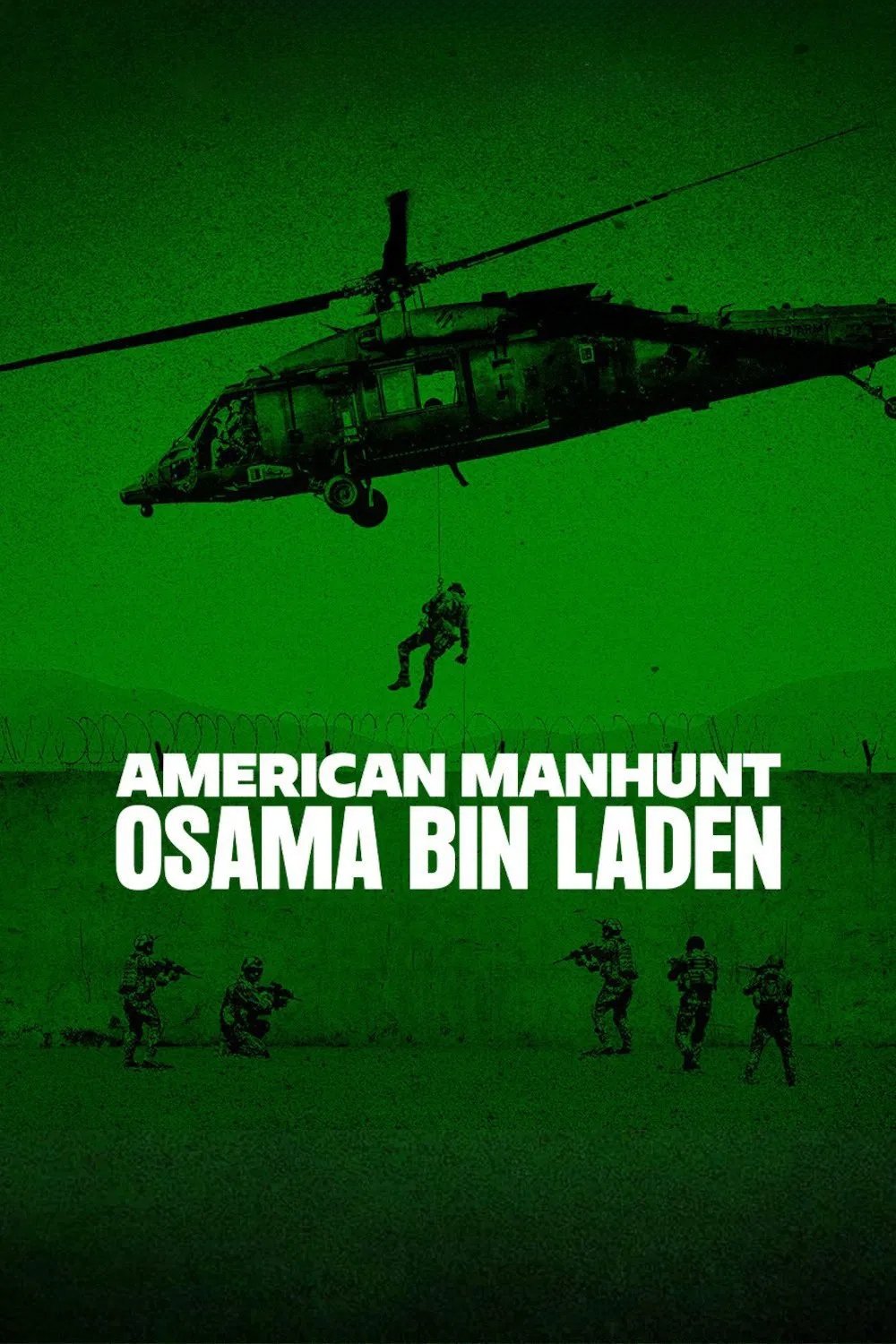
Featuring rare footage and interviews with CIA insiders, this edge-of-your-seat documentary series traces the epic hunt for Osama bin Laden.
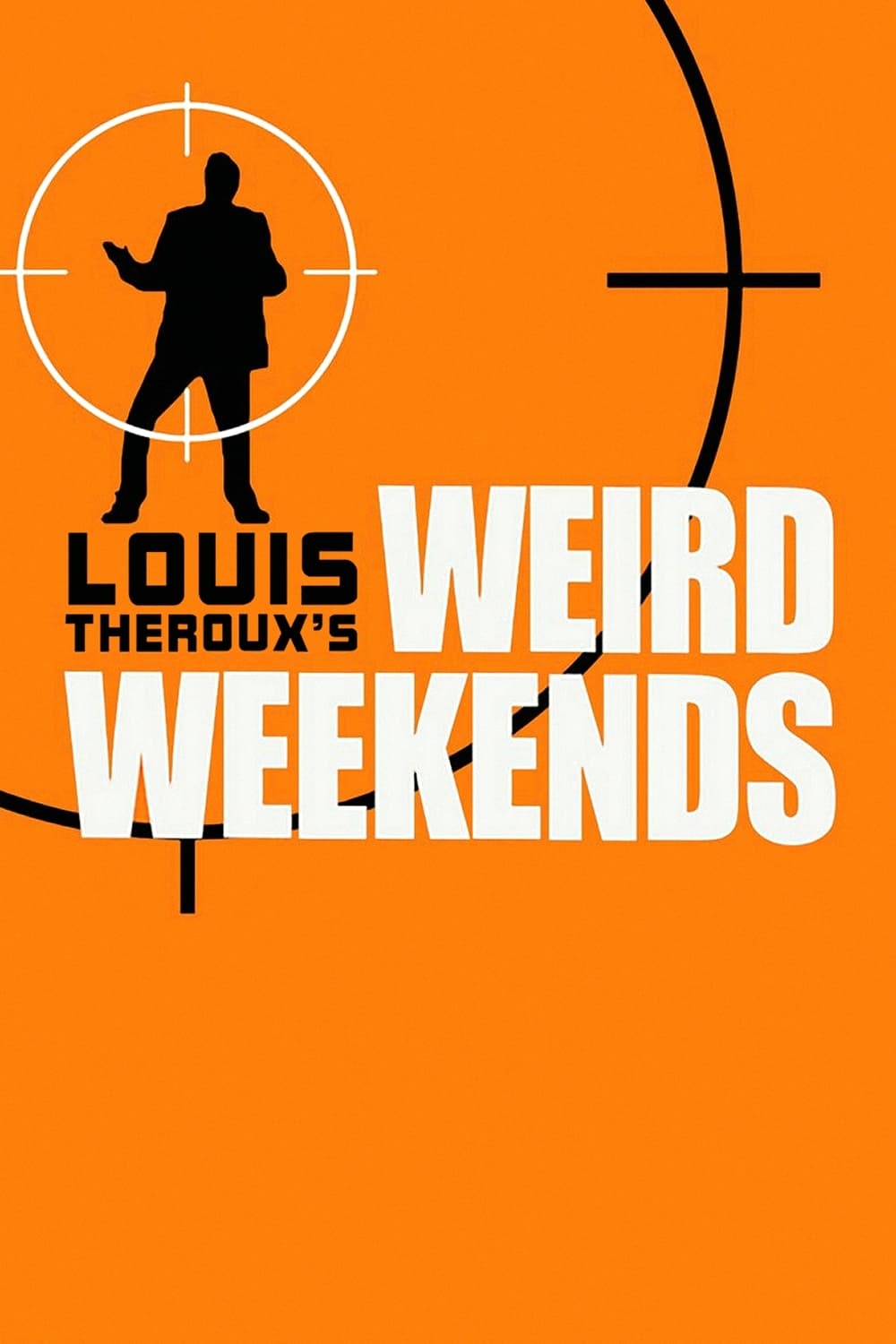
Louis Theroux which delves into the weirder fringes of American society.
What happened to Mica Miller? This documentary series retraces her promising life, toxic marriage and the mysterious circumstances of her death.
This enlightening series from Vox digs into a wide range of topics such as the rise of cryptocurrency, why diets fail, and the wild world of K-pop.
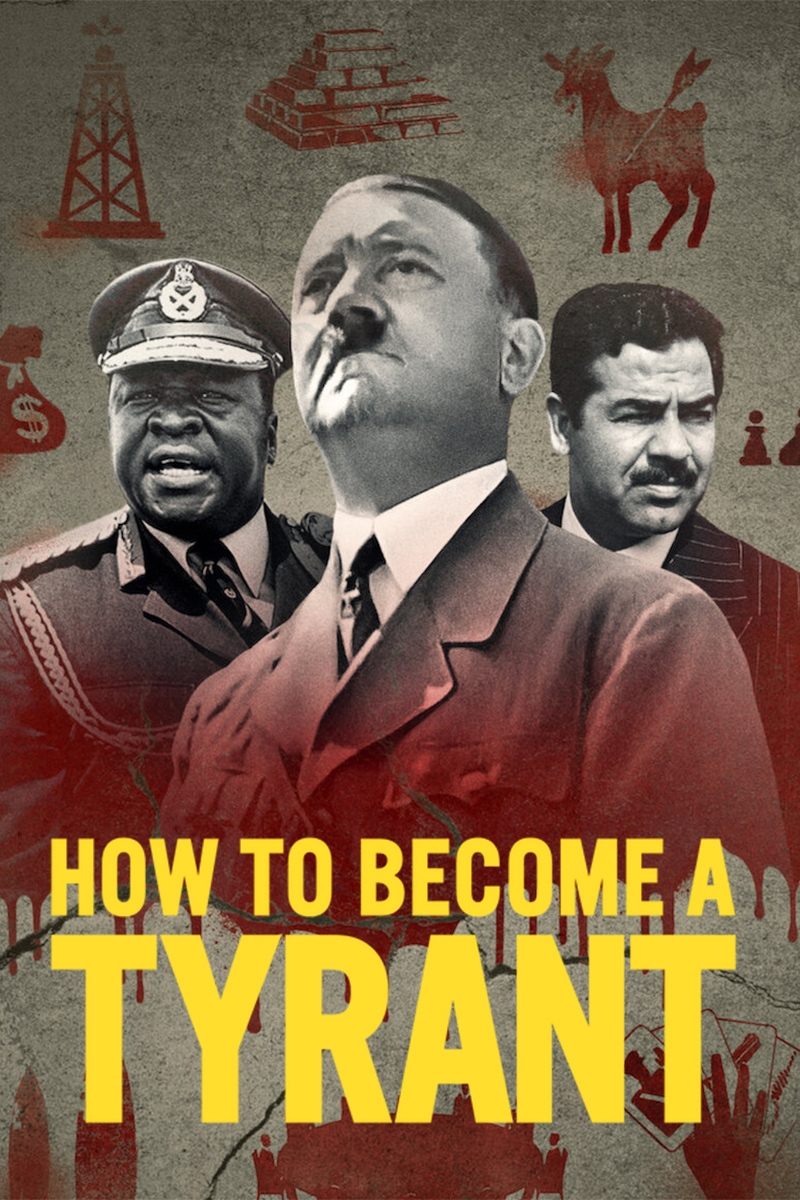
The documentary series explores different political figures throughout history.
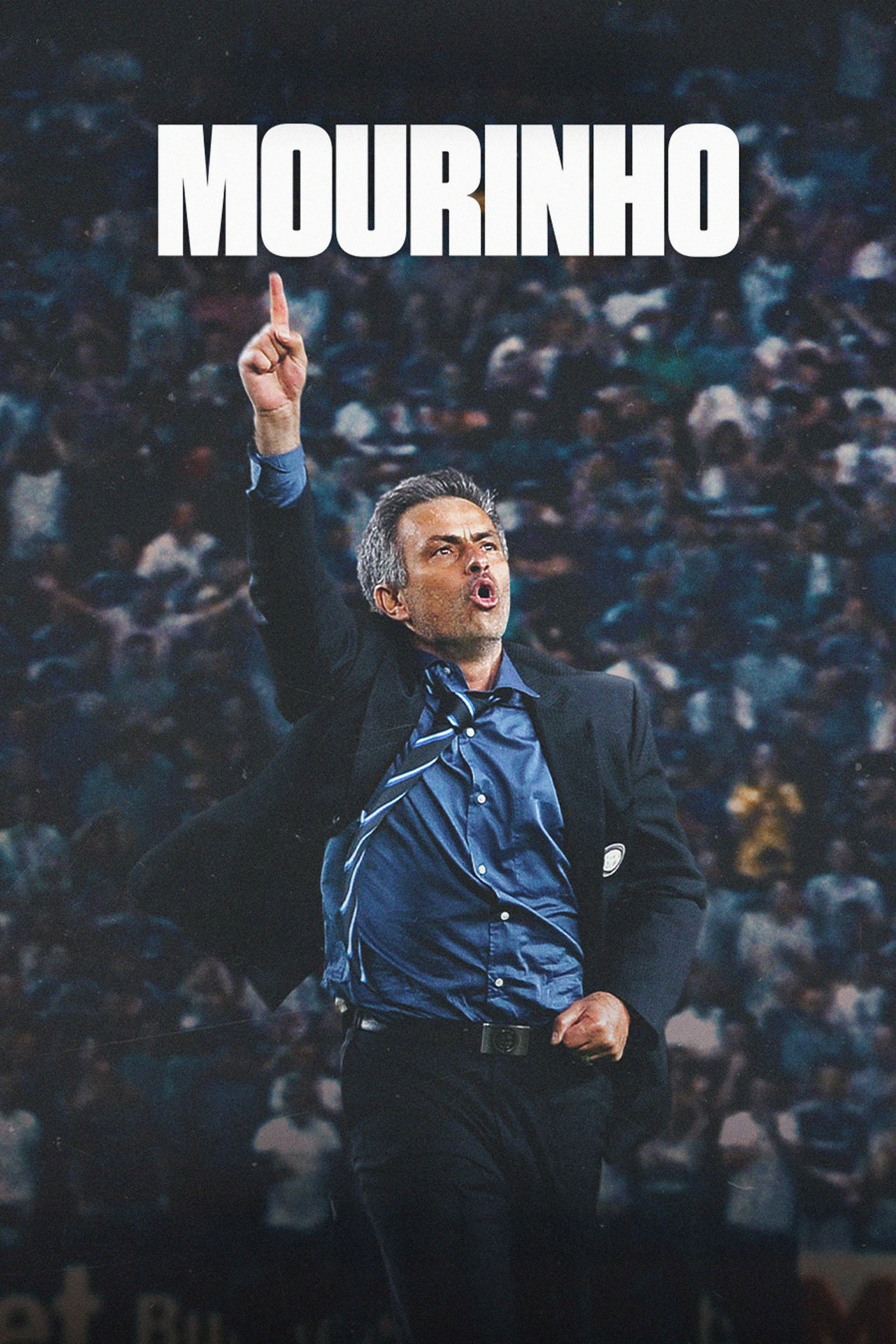
This trophy-packed, insider-fuelled documentary charts José Mourinho's iconic rise as one of the world's top footballing managers of the most elite clubs.
Explore the history of the American LGBTQ movement through the lens of TV in this five-part docuseries. Combining archival footage with new interviews, the series looks at homophobia, the evolution of LGBTQ characters, and coming out in the TV world.
Actor, model, and global superstar Brooke Shields’ journey from a sexualized young girl to a woman who embraces her identity and voice.
We spend it, we borrow it, and save it. Now let's talk about money and its many minefields, from credit cards to casino, scammers to student loans.
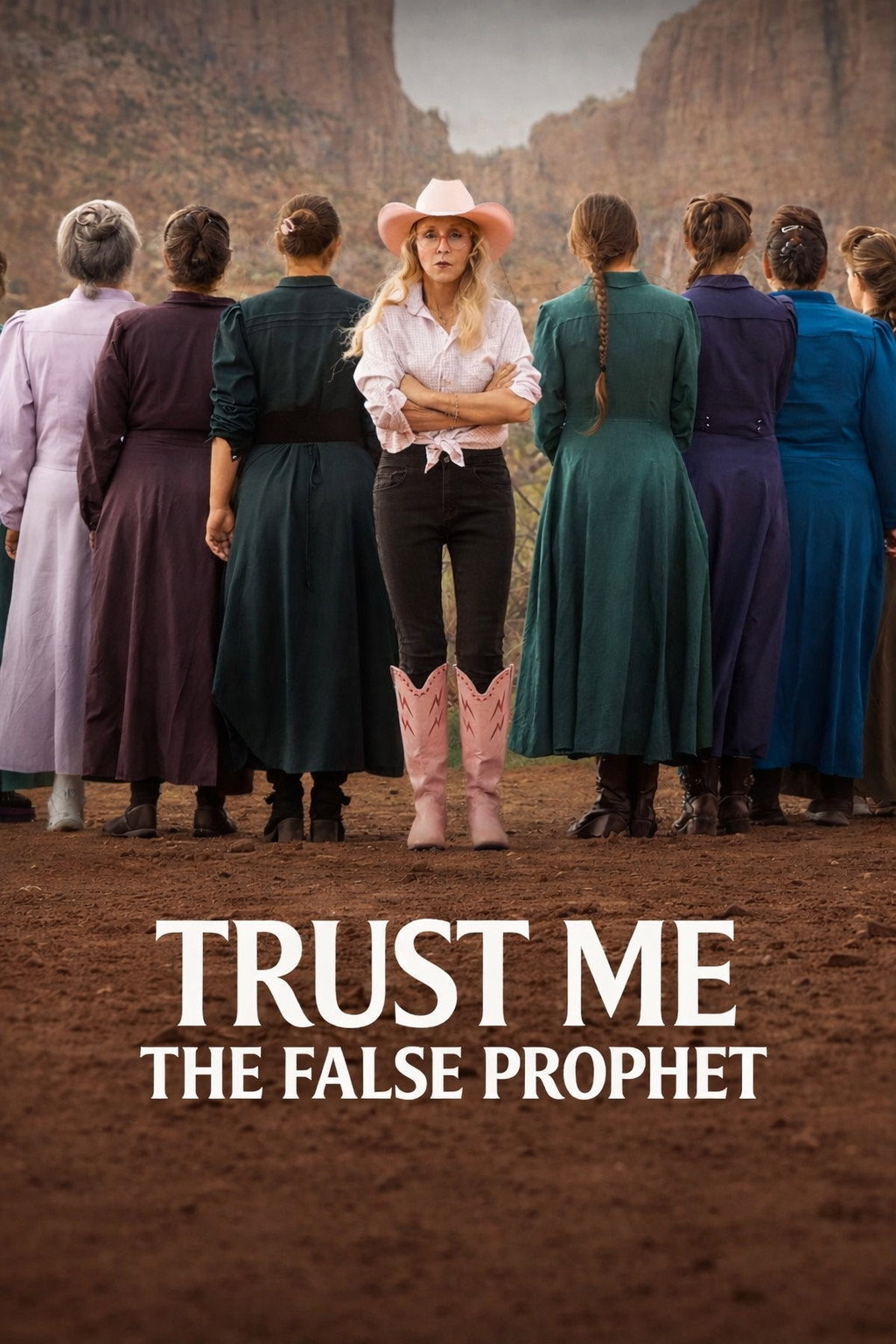
In this true-crime documentary, a cult expert and filmmaker infiltrate a polygamist sect to expose a self-proclaimed prophet and bring him to justice.
With firsthand accounts and access to prominent figures around the world, this comprehensive docuseries explores the Cold War and its aftermath.
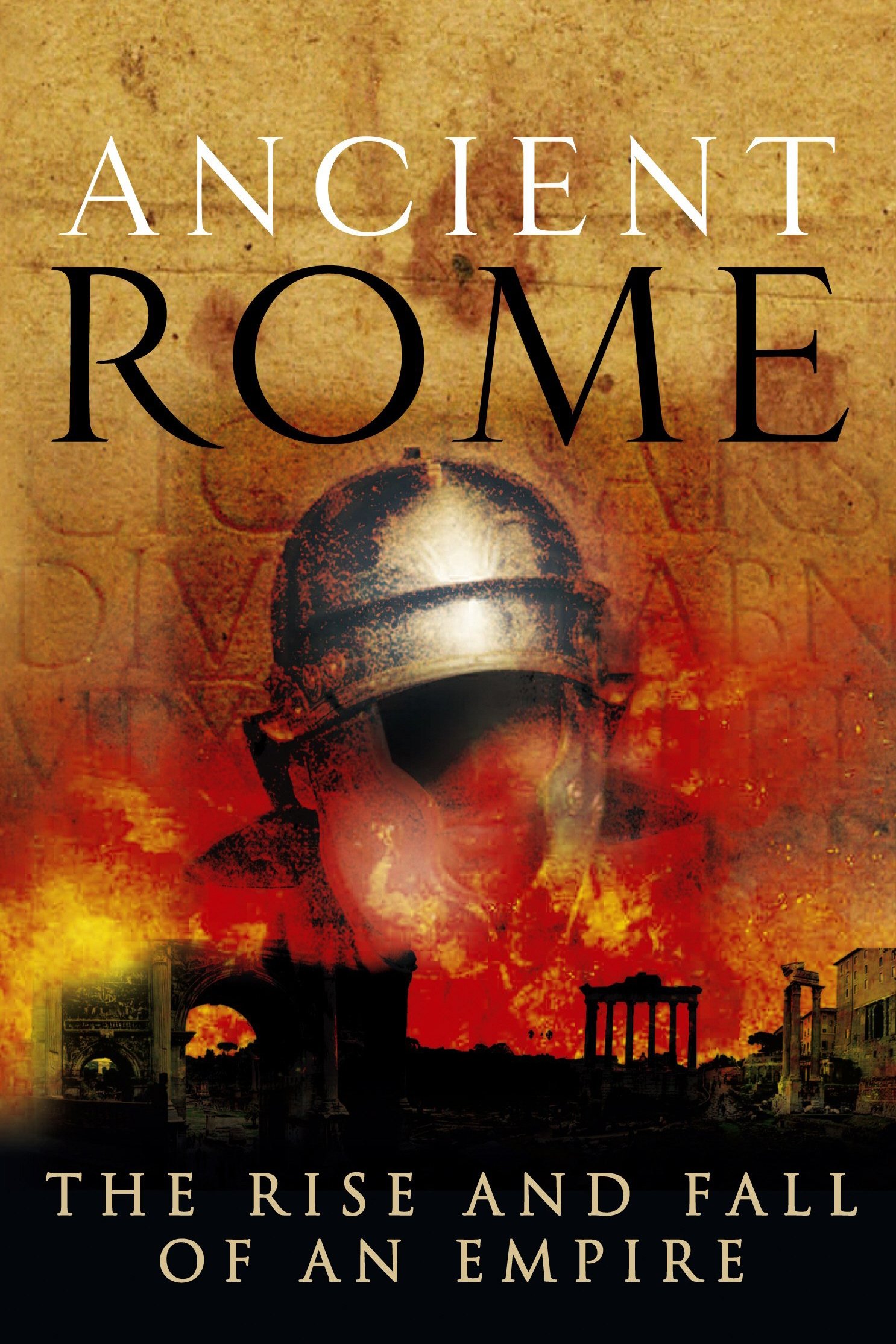
Turning points in ancient Roman history and some of the Empire's greatest stories are brought to life in this drama documentary series.
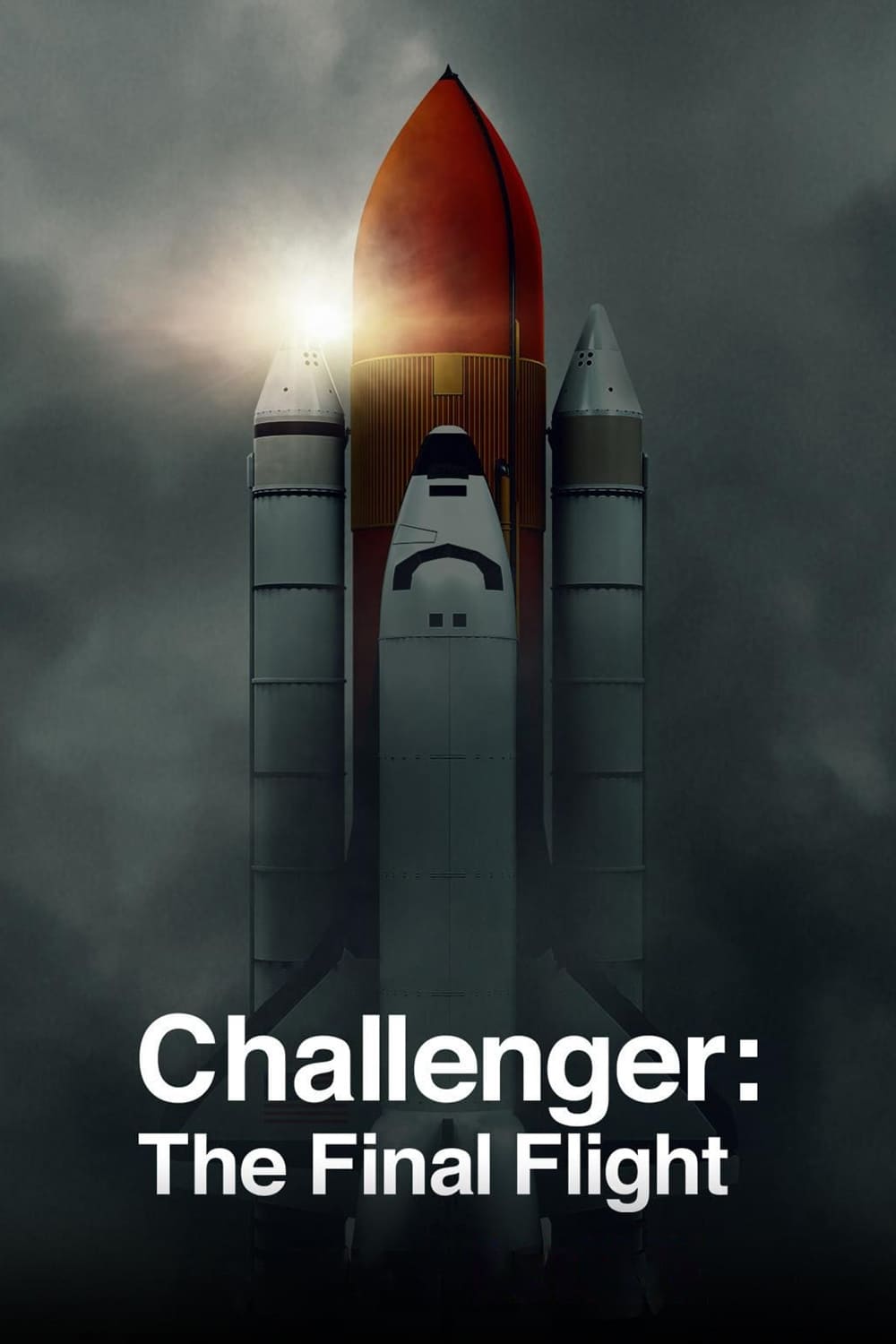
Engineers, officials and the crew members' families provide their perspective on the 1986 Space Shuttle Challenger disaster and its aftermath.
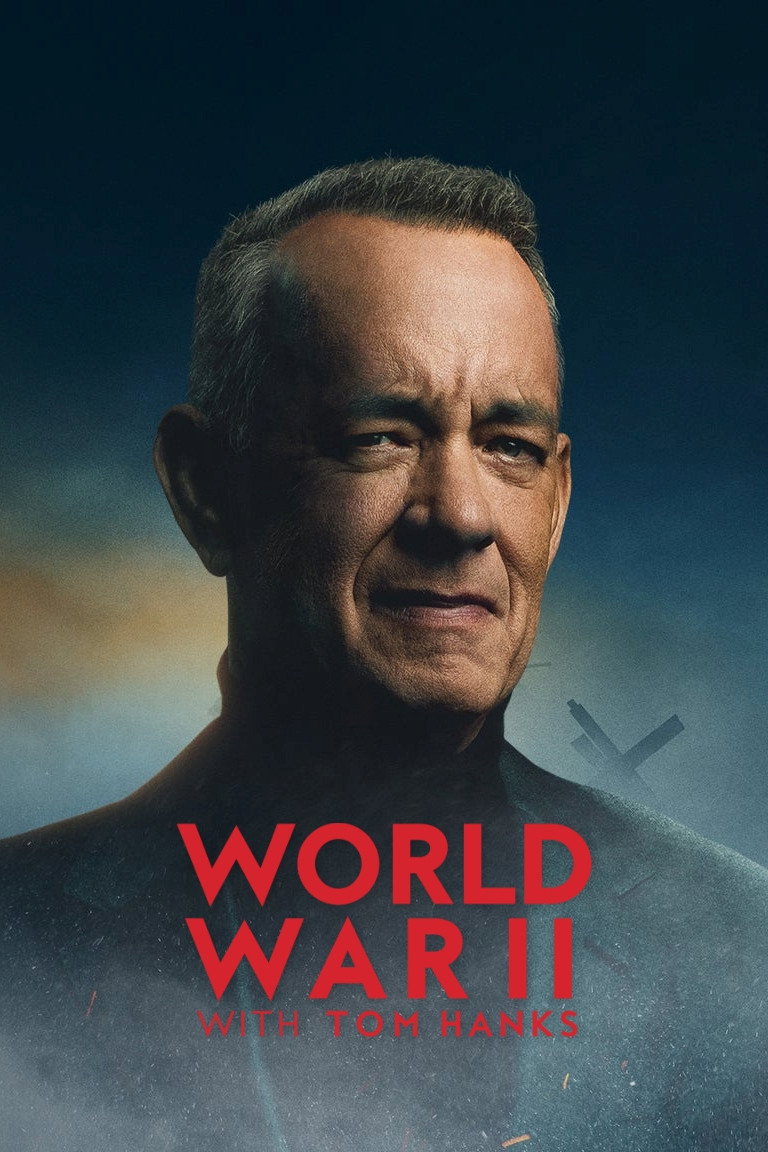
Explores WWII from Germany's invasion of Poland through the atomic age, examining pivotal battles, wartime leaders like Churchill and Roosevelt, and the human cost of total war.
The Walking Dead: Origins is a series of specials exploring the journeys of the series' most celebrated characters. Each episode charts the story of the zombie apocalypse from the point of view of a single character and features new interviews and narrations from the actors that portray these iconic characters, interwoven with clips from the most pivotal moments of their journeys so far.