Social & External
The people behind it
Alena Sasínová-Polarczyk
Commentary (voice)
It started with Lenin and ended with Gorbachev. In this three-part documentary we highlight the people and events that played key roles in the rise of a revolutionary idea and the fall of an empire. How was it possible that this idea could fascinate so many people, including hundreds of intellectuals? How did so many thousands of people put up with suppression, indignity and economic hardship and still remain true to the fundamental concepts of communism?
Communism spread to all of the continents of the word, lasting through four generations and over seven decades. Hundreds of millions of men and women were affected by this political system, one of the most unjust and bloodiest in history. Using newly discovered propaganda films and archival photos, these four episodes explore the mysteries of this totalitarian political machine that lured its share of important followers into the fold. Known as the red church, communism seduced its ardent followers like some earthly religion.
What it felt like to live through the collapse of communism and democracy. A series of films by Adam Curtis.
The story of an empire: From its founding in 1922 to its dissolution in 1991, the Soviet Union was shaped by revolutionary idealism, but also by oppression and decay. The USSR evolved from Stalinist terror through the Thaw under Khrushchev to political processes such as glasnost and perestroika under Gorbachev. Finally, in 1991, it collapsed.
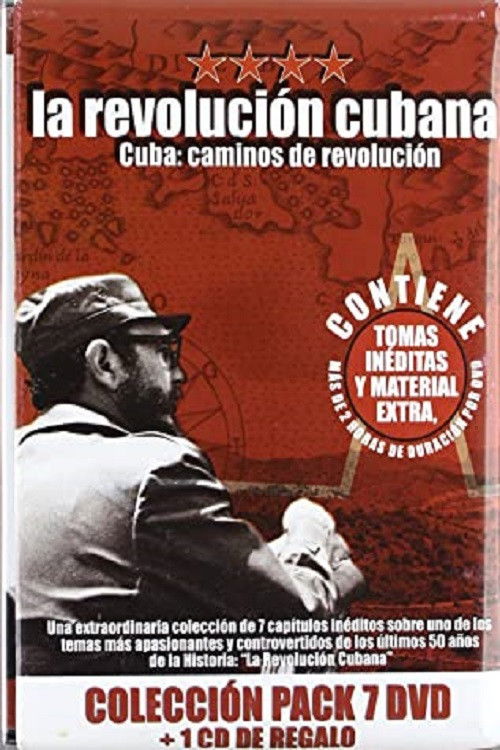
Recounts the tumultuous history of Cuba, a nation of foreign conquest, freedom fighters and Cold War political machinations.
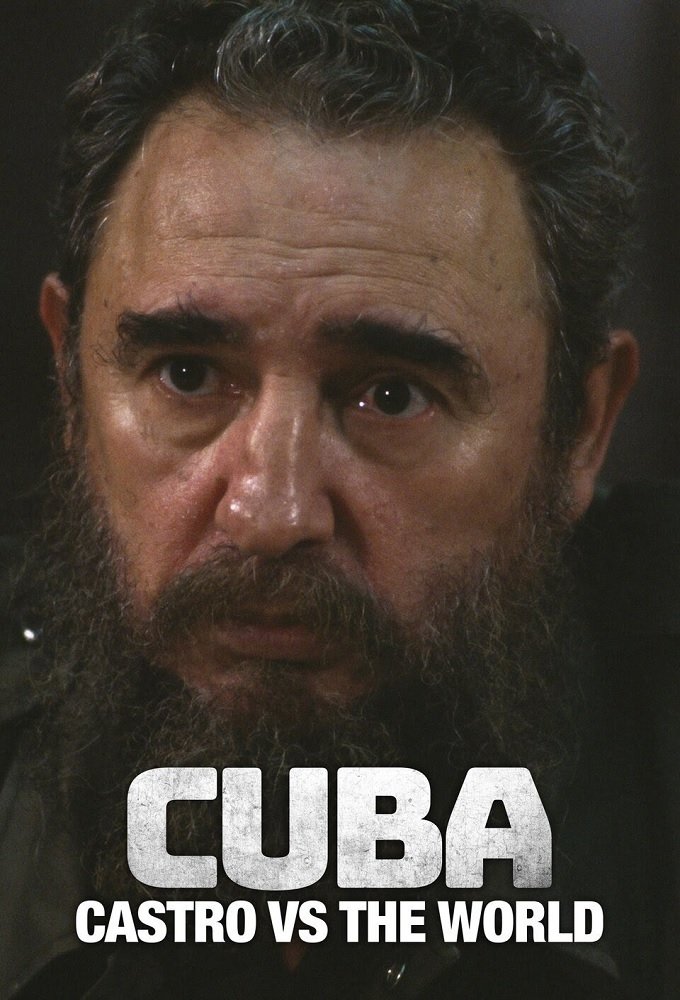
Cuba's revolutionary story is one of much fervor. Fidel Castro had one objective: the liberation of a Communist Cuba. Castro's ability to form key strategic alliances enabled him to stand at the precipice of realizing his dream for Cuba.
China: The Making of a Nation is the story of the painful transformation of the vast Qing Empire into the Chinese nation after the 1911 revolution. Spanning more than a century up to the Xi Jinping era, the story pits the two pivotal leaders of this transformation against each other: Chiang Kai-shek, leader of the Republic of China for 47 years, and Mao Zedong, who rose from ‘red bandit’ to master of the mainland in 1949. Sworn enemies, they fought a merciless battle: first military, then diplomatic, and finally, beyond their deaths, in the conflicting memories of the Taiwanese and the Chinese of the People's Republic. Beyond their fierce hatred, the two tyrants also had much in common: a certain vision of Chinese territory and the greatness of China, the desire to regain the country's sovereignty and the quest for a Chinese identity in a nation that also includes Tibetans, Uighurs, Mongols... and a certain ability to rewrite history.
An immersive 360-degree narrative telling the epic story of the Vietnam War as it has never before been told on film. Featuring testimony from nearly 80 witnesses, including many Americans who fought in the war and others who opposed it, as well as Vietnamese combatants and civilians from both the winning and losing sides.
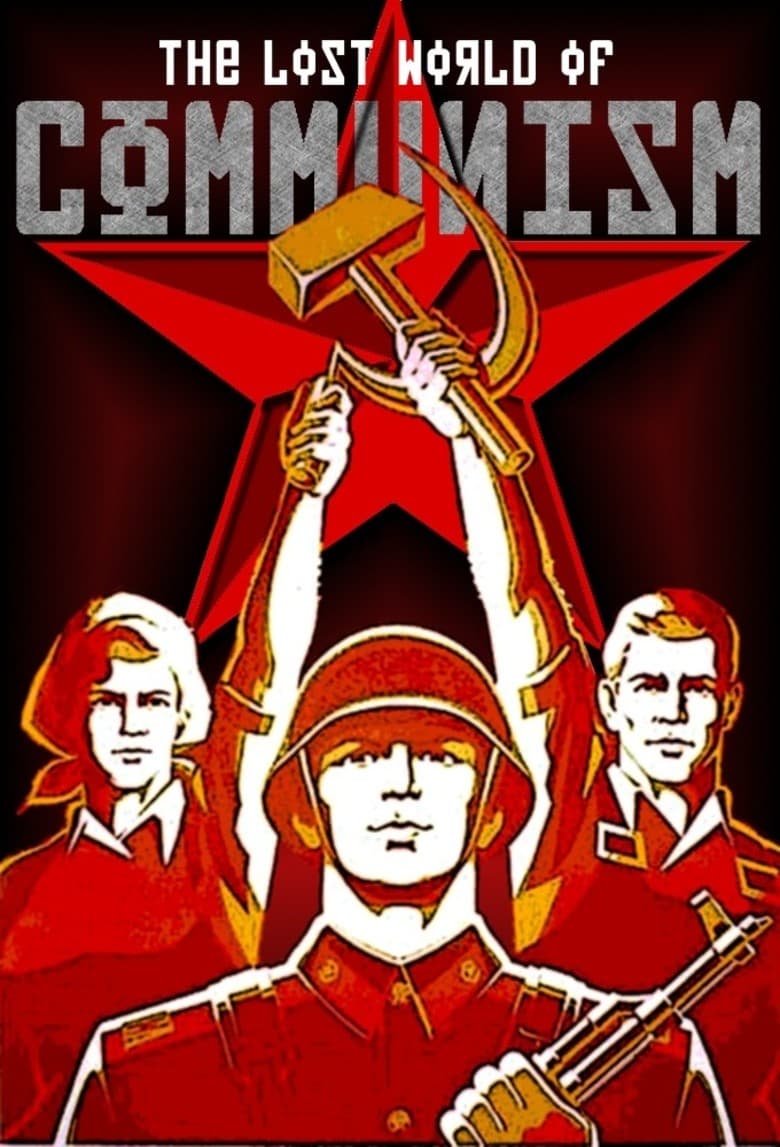
The Lost World of Communism is a three-part British documentary series which examines the legacy of Communism twenty years on from the fall of the Berlin Wall. Produced by Peter Molloy and Lucy Hetherington, the series takes a retrospective look at life behind the Iron Curtain between 1945 and 1989, focusing on three countries in the Eastern Bloc - East Germany, Czechoslovakia and Romania. Through film and television footage and the personal recollections of those who lived in these countries, the series offers a glimpse of what daily life was like during the years of Communist rule. The Lost World of Communism debuted on BBC Two on Saturday 14 March 2009 at 9:00pm. There is also a book which accompanies the series.
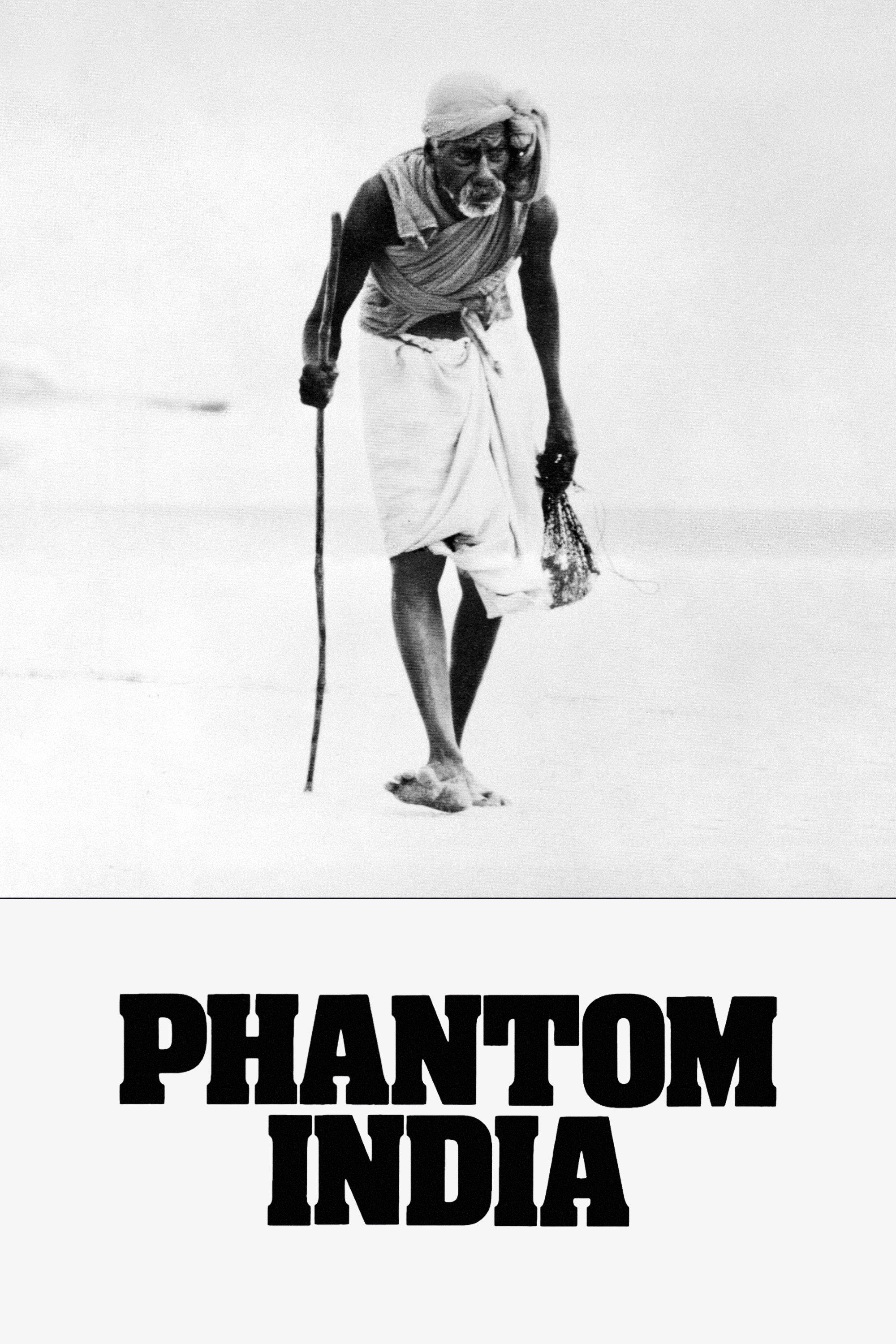
Louis Malle called his gorgeous and groundbreaking Phantom India the most personal film of his career. And this extraordinary journey to India, originally shown as a miniseries on European television, is infused with his sense of discovery, as well as occasional outrage, intrigue, and joy.
The story of how Cuba struggled in the wake of the collapse of the Soviet Union, their main economic and political supporter. The massive decline in living standards triggered refugee crises, which played havoc with Cuba's already difficult relations with the US and forced the two enemies to negotiate for the first time one-on-one and officially.
China's history of the last 200 years seems like a boomerang, returning to the West what it once unleashed. The series reveals how devastating the struggles for identity and power have been for the population since the fall of the "Middle Kingdom," and how closely these tragedies are intertwined with our own. Great hopes were placed in a wide variety of visions for the future—and each time, bitter disappointment ensued. From the decline of the empire to its resurgence as a superpower, China's history is both a dream and a nightmare, in which human life is of little value.
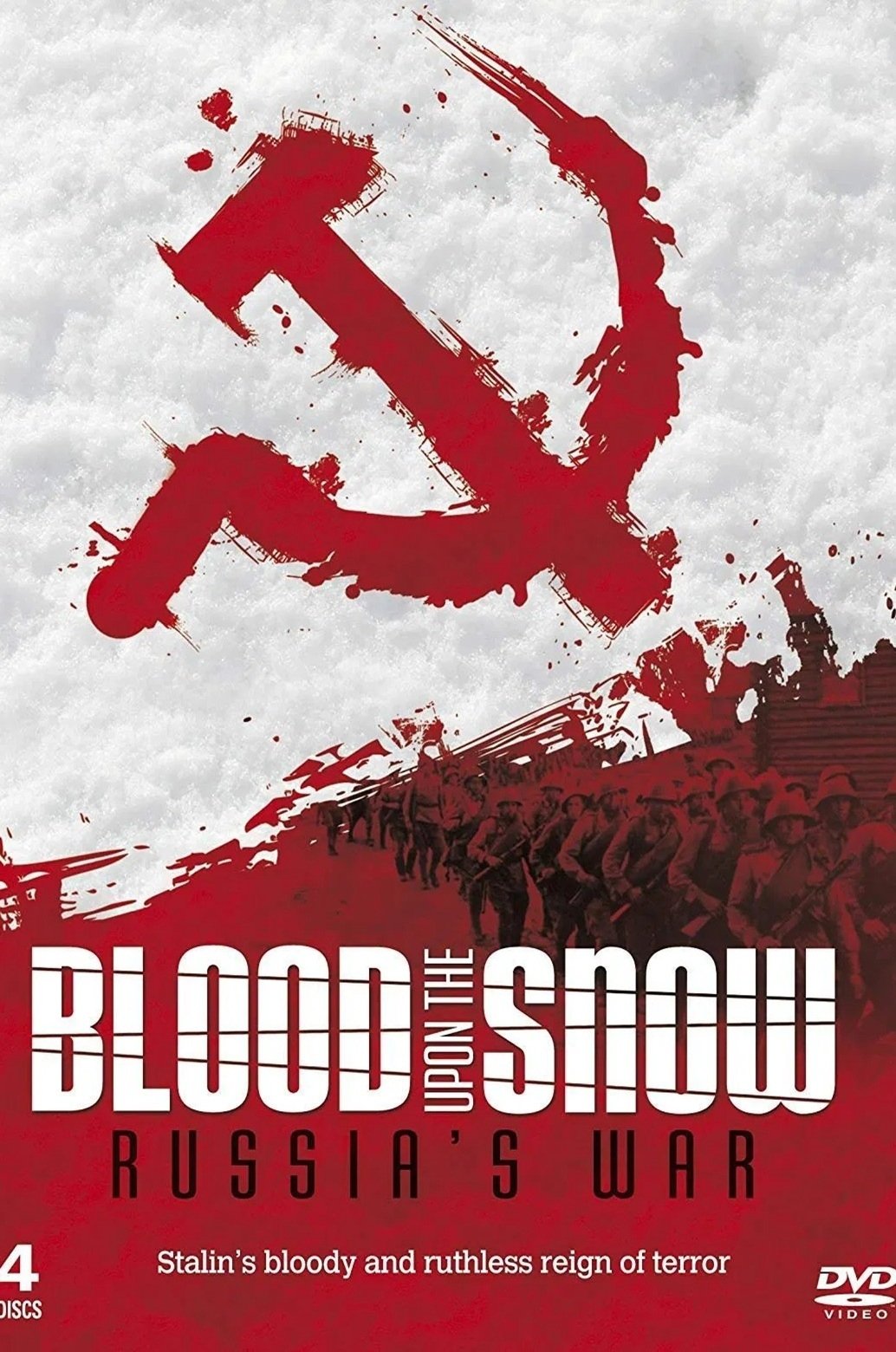
An account of the Eastern Front, epic in scale and savagery, as Soviets experienced it and Stalin commanded it.
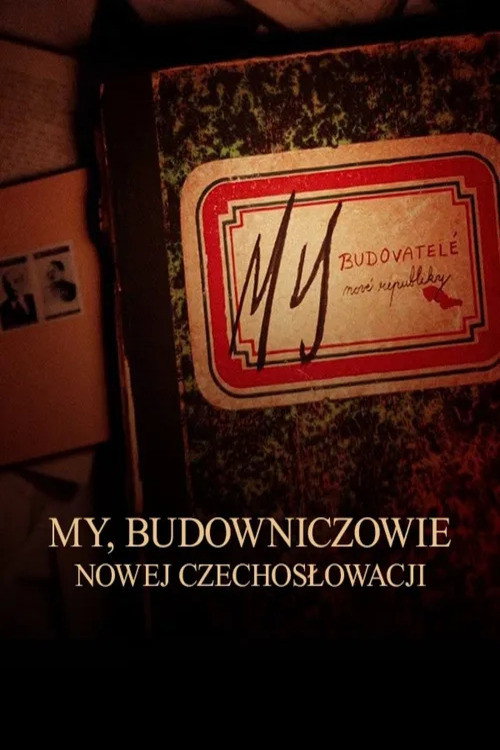
What life was like in the era of post-war hopes and fears of repression, a time of big dreams and small personal struggles, is revealed in a documentary series that brings to light previously unknown stories of ordinary people from 1945 to 1953. Through authentic diaries and previously unpublished amateur family films, viewers will gain insight into the minds and hearts of those who lived in Czechoslovakia after World War II and often shaped it. Stories full of personal dilemmas, courage, and betrayal show how difficult it was to live in a country where politics interfered with everyday life.
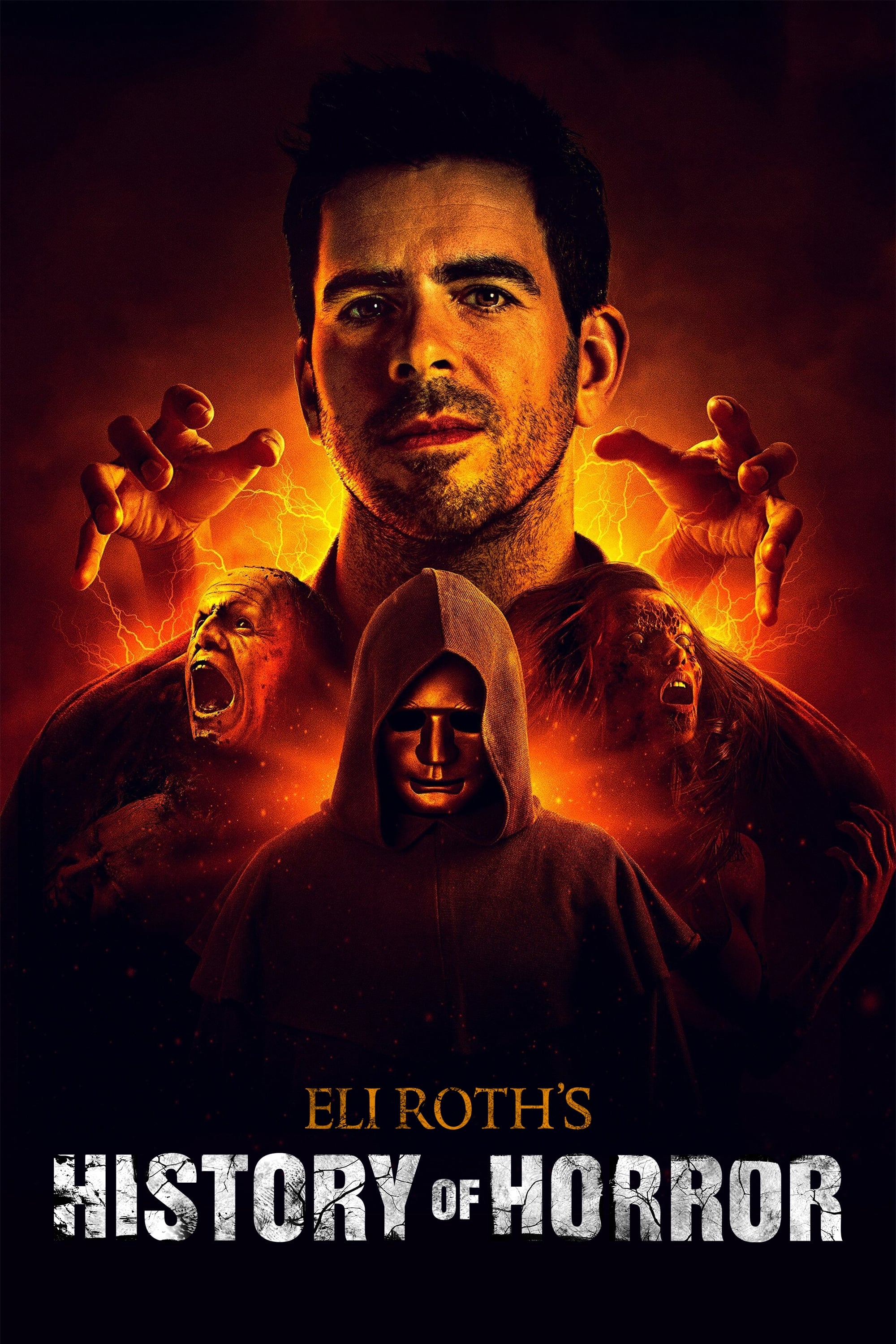
An in-depth look at the history and pop cultural significance of horror films.
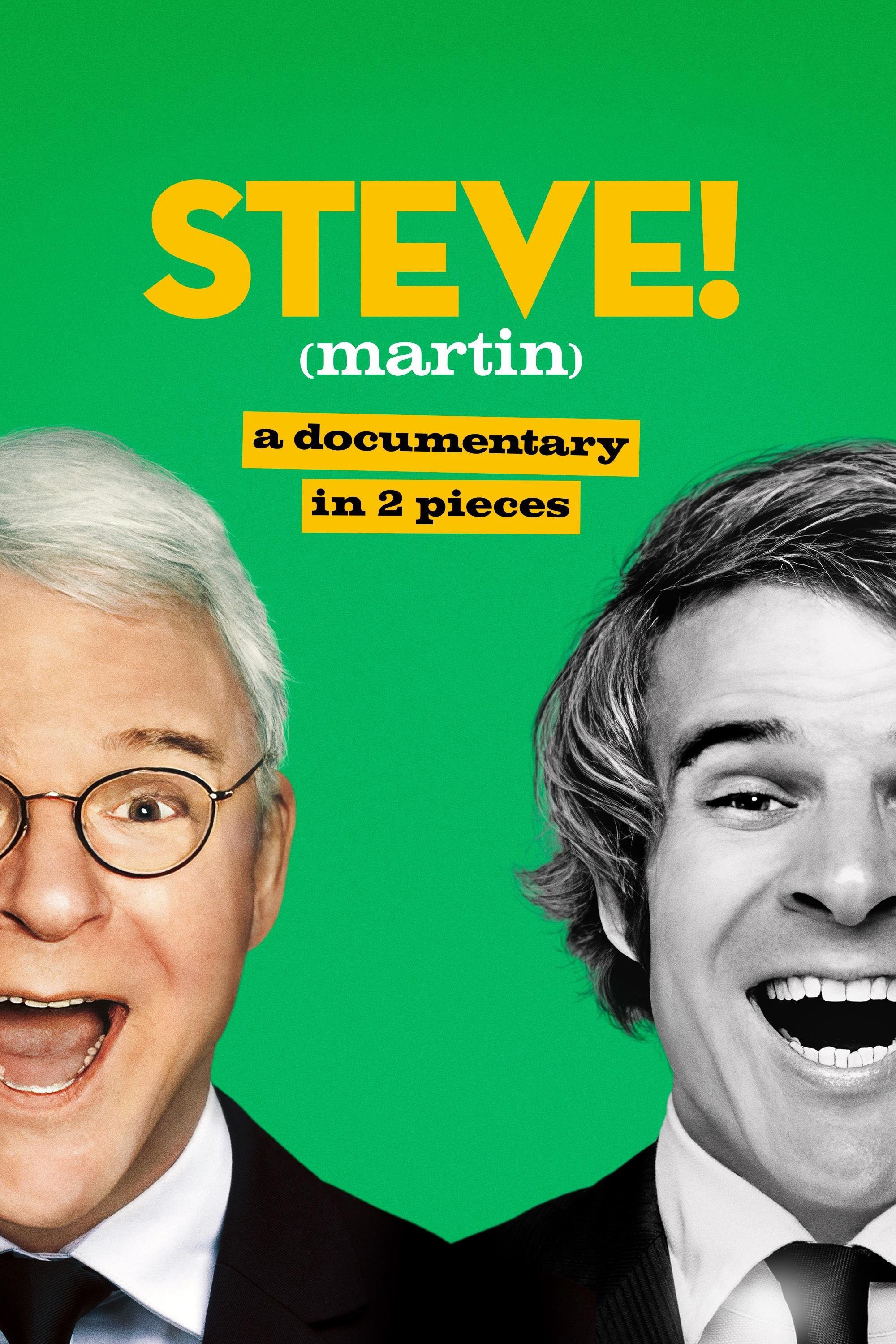
Steve Martin is one of the most beloved and enigmatic figures in entertainment. Dive into his extraordinary story from two distinct points of view—past and present—as Martin reflects on how his beginnings led to his unexpectedly fulfilling life today.
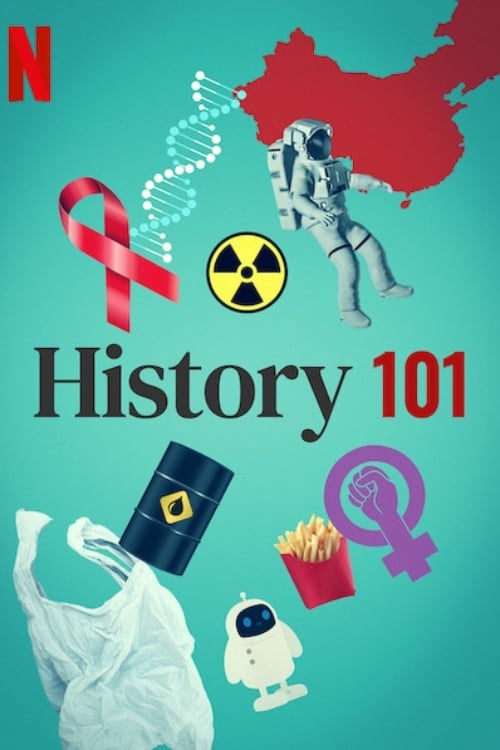
Infographics and archival footage deliver bite-size history lessons on scientific breakthroughs, social movements and world-changing discoveries.
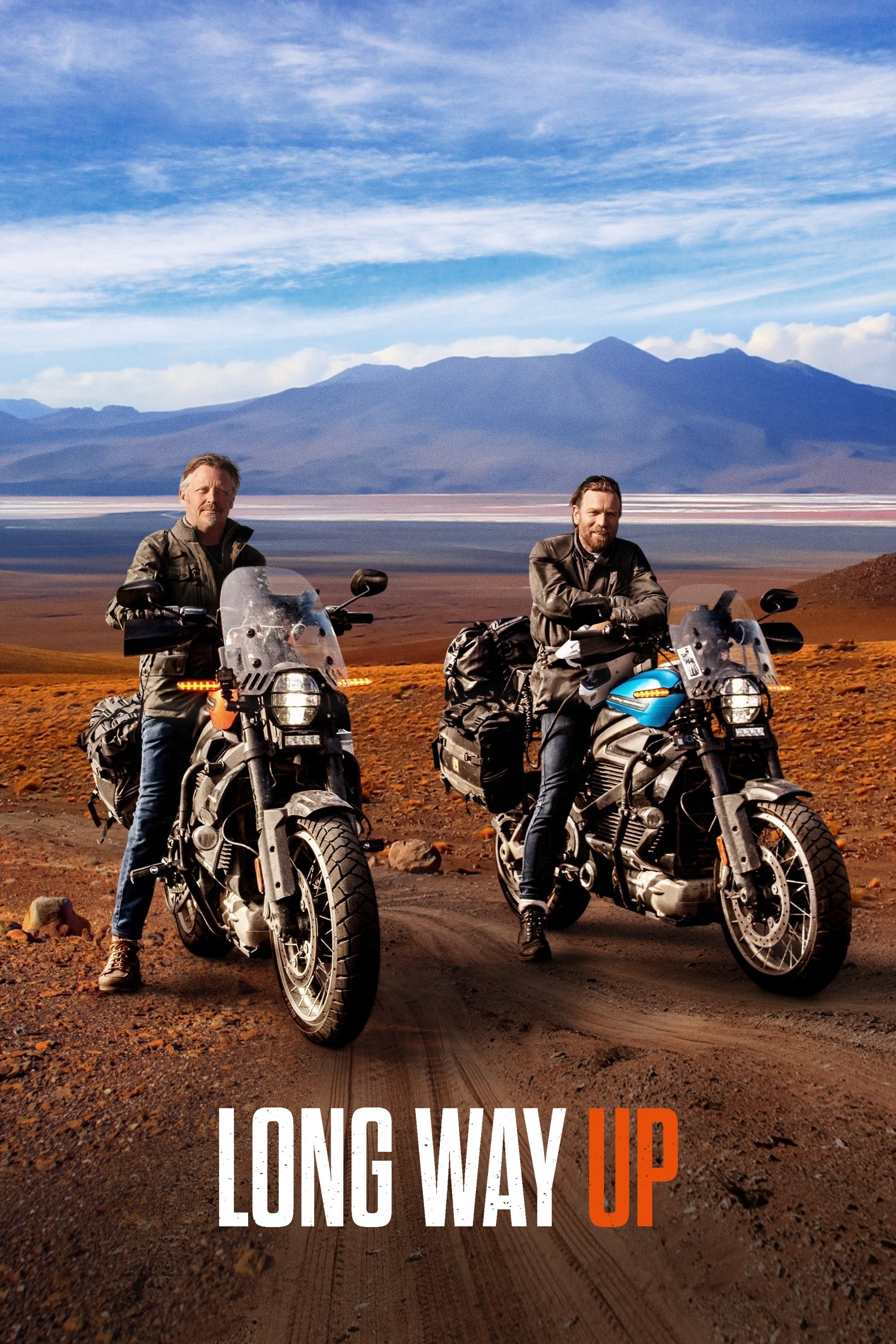
The epic motorcycle adventure continues in this third chapter of the Long Way series, as Ewan McGregor and Charley Boorman journey to glorious landscapes across South and Central America—on the backs of prototype electric Harley-Davidsons.
Motoring programme featuring reviews of and reports about cars of all types.
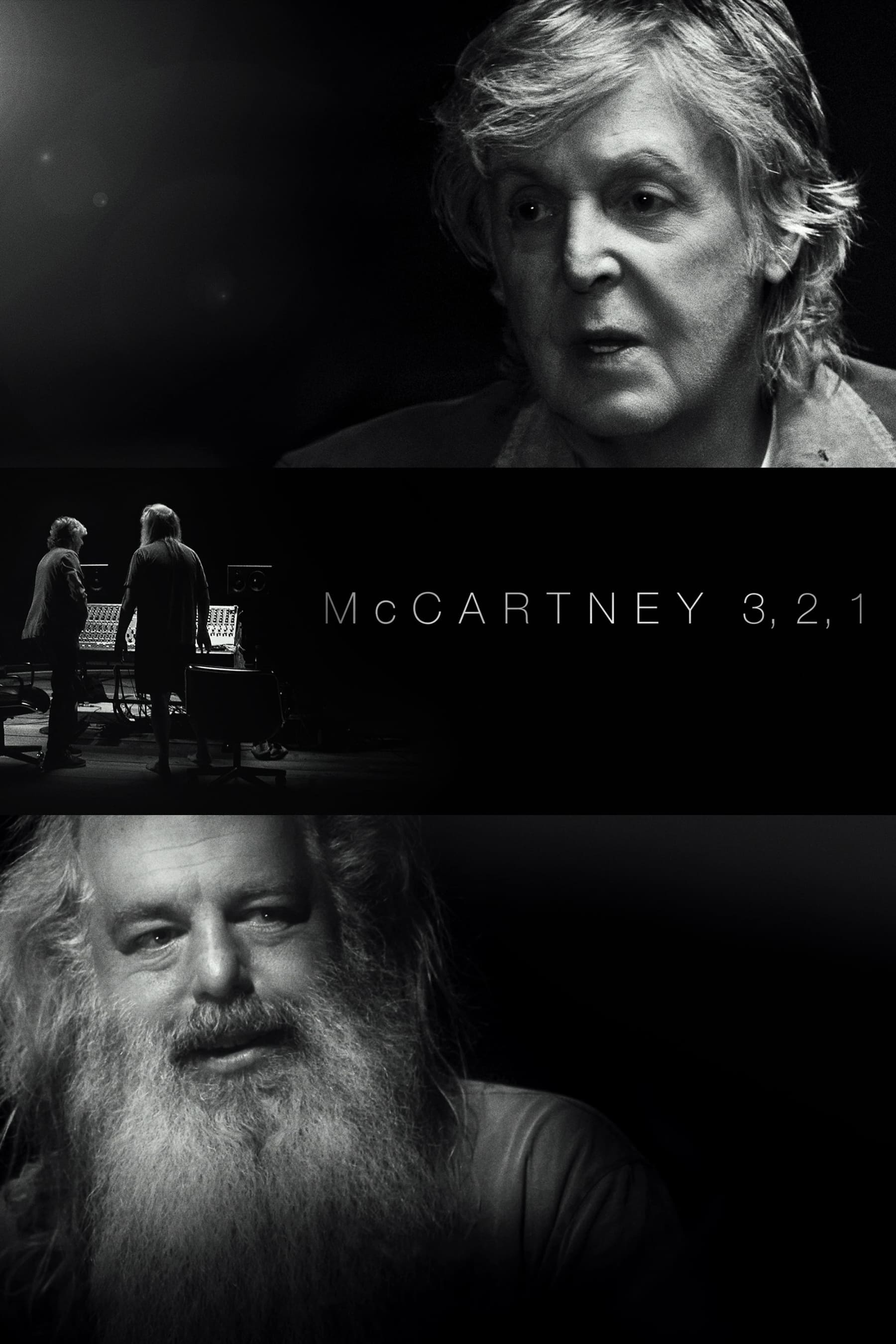
Paul McCartney sits down for a rare in-depth one-on-one with legendary producer Rick Rubin to discuss his ground breaking work with The Beatles, the emblematic 70s arena rock of Wings and his 50 years and counting as a solo artist.
A series of standalone documentaries powered by the unparalleled journalism and insight of The New York Times, bringing viewers close to the essential stories of our time.
Explore the past, present and future of Walt Disney Imagineering with noted filmmaker Leslie Iwerks. Ms. Iwerks comes from a family with deep Disney history — her grandfather was an early Disney animator and her father is a former Imagineer — and her previous work includes profiles of Pixar Animation Studios and visual effects house Industrial Light & Magic.
The history of the sport of baseball in America, told through archival photos, film footage, and the words of those who contributed to the game in each era. Writers, historians, players, baseball personnel, and fans review key events and the significance of the game in America's history.
Don Wildman unearths relics from the world's greatest institutions to reveal secrets from the past. He examines each artifact to illuminate history's most incredible triumphs, sensational crimes and bizarre encounters.
An insider's look at the engineering and scientific miracles behind the things that form the modern world.
Morgan Freeman presents his quest in order to find how most religions perceive life after death, what different civilizations thought about the act of creation and other big questions that mankind has continuously asked.
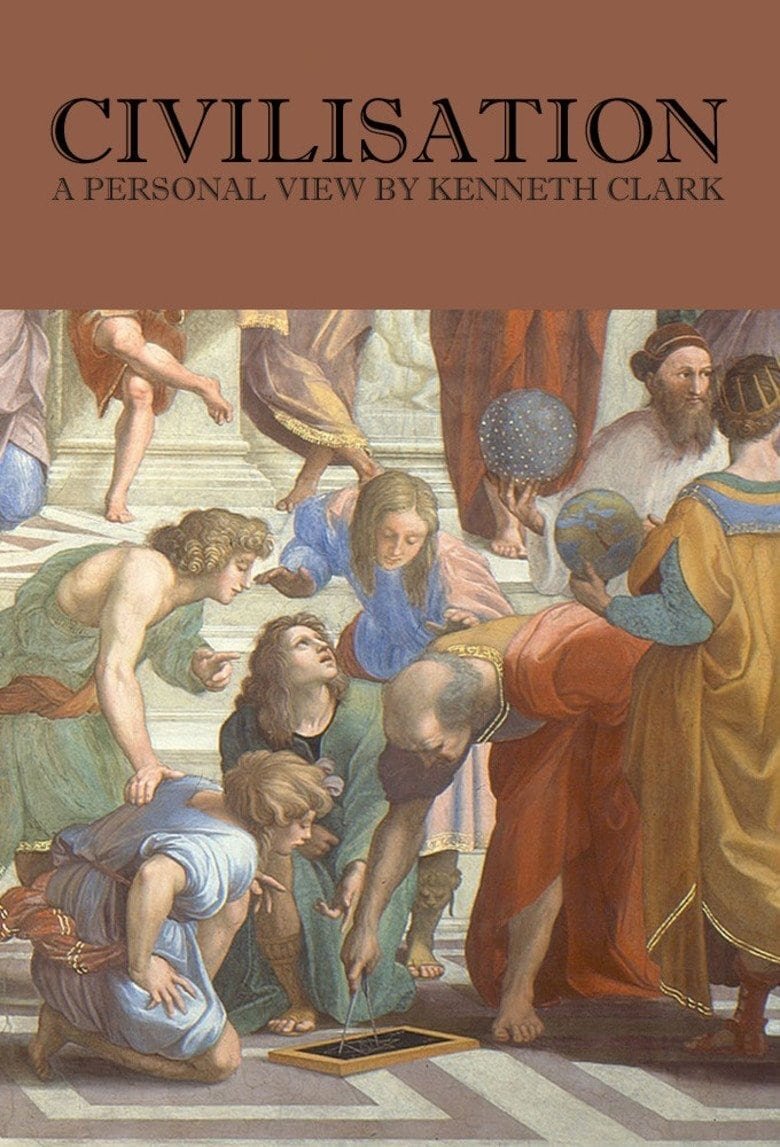
Sir Kenneth Clark guides us through the ages exploring the glorious rise of civilisation in western man. Beginning with the bleakness of the dark ages to the present day, we consider civilisation's articulations and expressions in some of man's finest works of art.
Have you ever wondered how the products you use every day are made? How It's Made leads you through the process of how everyday products, such as apple juice, skateboards, engines, contact lenses, and many more objects are manufactured.
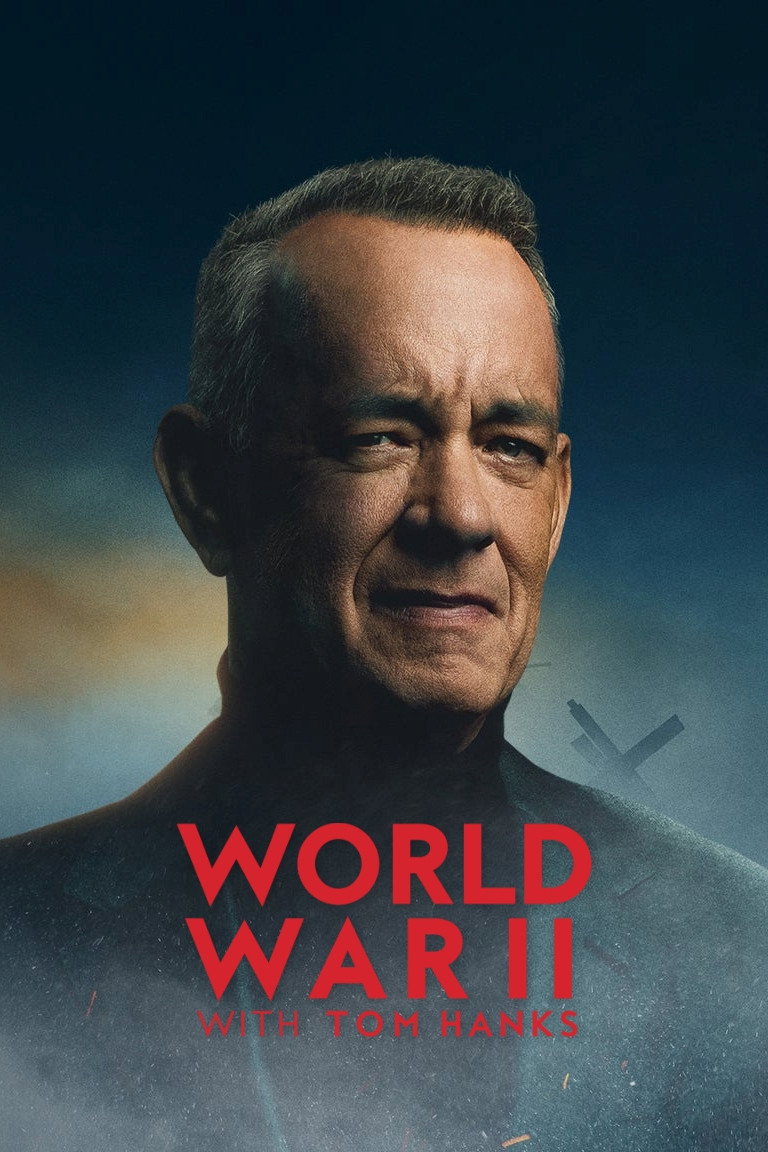
Explores WWII from Germany's invasion of Poland through the atomic age, examining pivotal battles, wartime leaders like Churchill and Roosevelt, and the human cost of total war.
Award-winning actor and nervous explorer Eugene Levy steps out of his comfort zone for a whirlwind tour of the world's most beautiful and intriguing destinations.
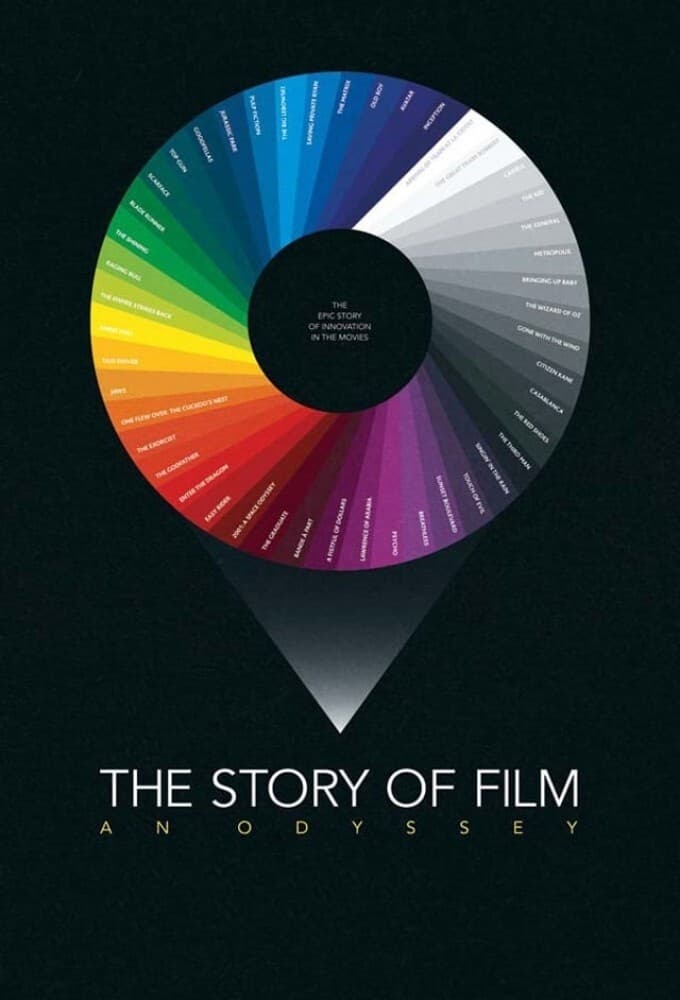
A worldwide guided tour of the greatest movies ever made and the story of international cinema through the history of cinematic innovation.
Horizon tells amazing science stories, unravels mysteries and reveals worlds you've never seen before.
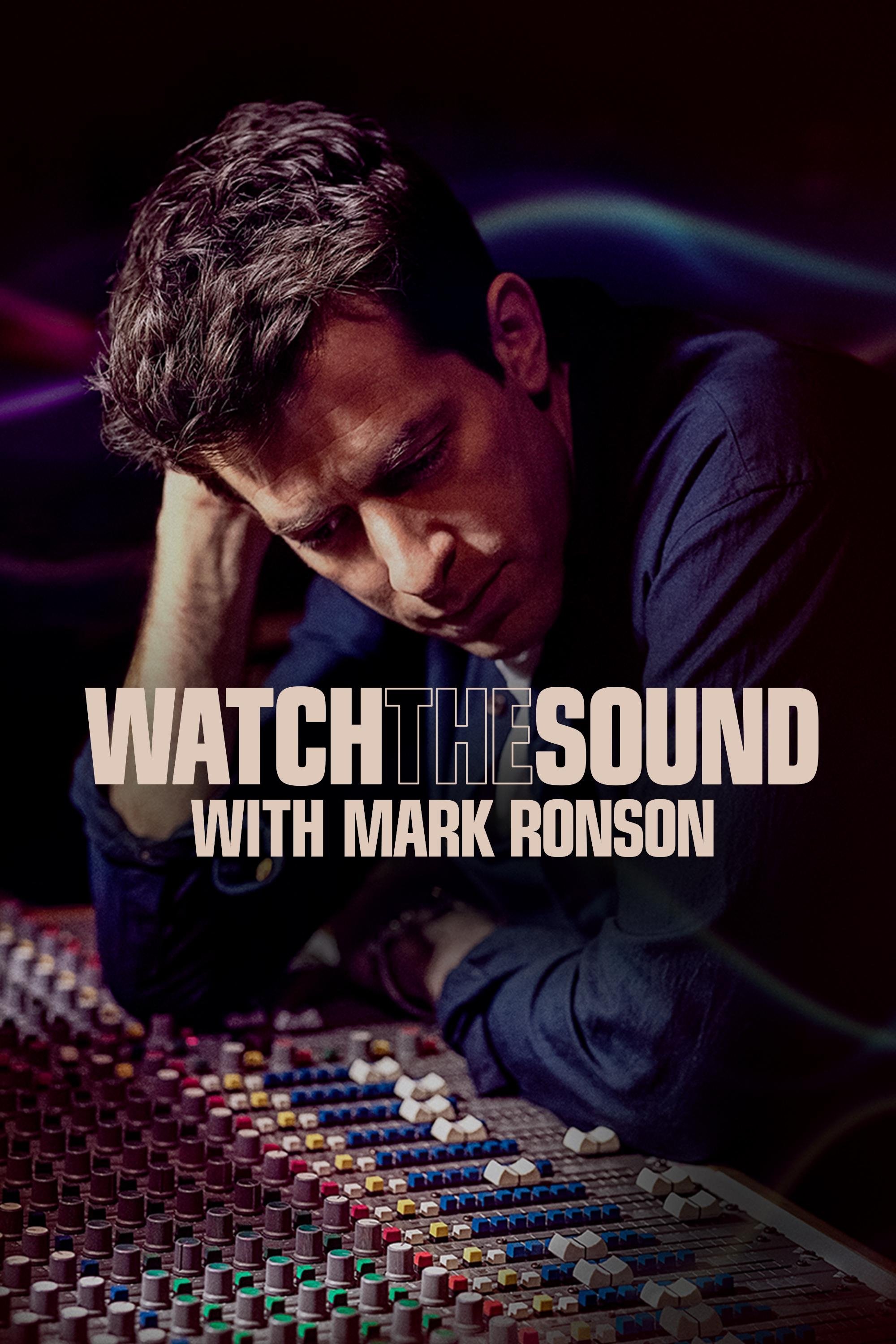
Oscar and Grammy Award-winning producer and artist Mark Ronson explores the intersection of technology and musical innovation with his heroes and fellow hitmakers – including Paul McCartney, DJ Premier, Charli XCX, Dave Grohl, and Questlove.
This compelling series investigates the motives and m.o. of female murderers. While males are often driven by anger, impulse and destruction, women usually have more complex, long-term reasons to kill.