Polish-Flemish philosopher Alicja Gescinska interviews national and international personalities with diverse philosophical and religious backgrounds.
Social & External
The people behind it
Alicja Gescinska
Self - Host
A documentary series of Bucharest City, or as some say, the center of the world.
A 3-chapter documentary about the stories we tell ourselves around creativity. Using a plethora of studies from anthropology, psychology and neuroscience, the film tries to demystify the way we use our brains to create, to make art and science. The products of our minds are extraordinary, but the process in which they are brought about are in fact, quite ordinary. Shakespeare copied. Mozart copied. Picasso copied too. But we're still obsessed with originality. We're living in the most creative time in humanity's existence, so maybe it's time to rethink our preconceptions about creativity.
A weekly Emmy-nominated television program dedicated to educating, entertaining and connecting the community to the engaging stories and people behind their food by profiling local food treasures and highlighting the passionate and hardworking individuals responsible for the burgeoning “Good Food Movement.”
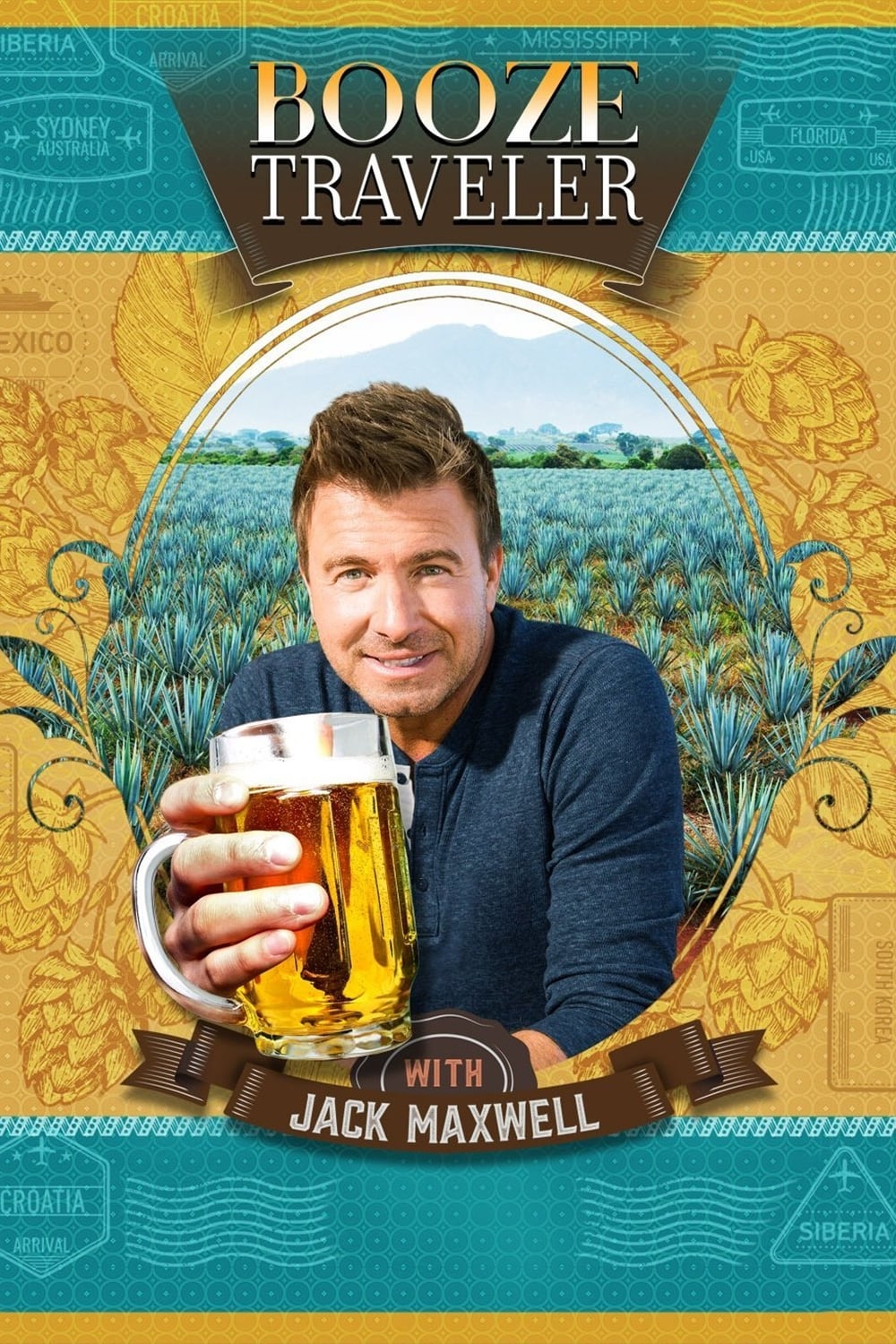
Actor/adventurer Jack Maxwell learned a lot working in South Boston bars, and one lesson stood out: Enjoy a couple of drinks with a stranger, and the whole world opens up. Those experiences inspired "Booze Traveler," which follows Maxwell to various countries to quench his curiosity about what people drink, why, and the tales it prompts. In Armenia, Belize, Lithuania, Mongolia, Nepal and elsewhere, Maxwell learns its intoxicating traditions, meets with locals, joins in activities, and even helps with the alcohol-making process. He finds a unique drink, makes friends and shares stories in each spot.
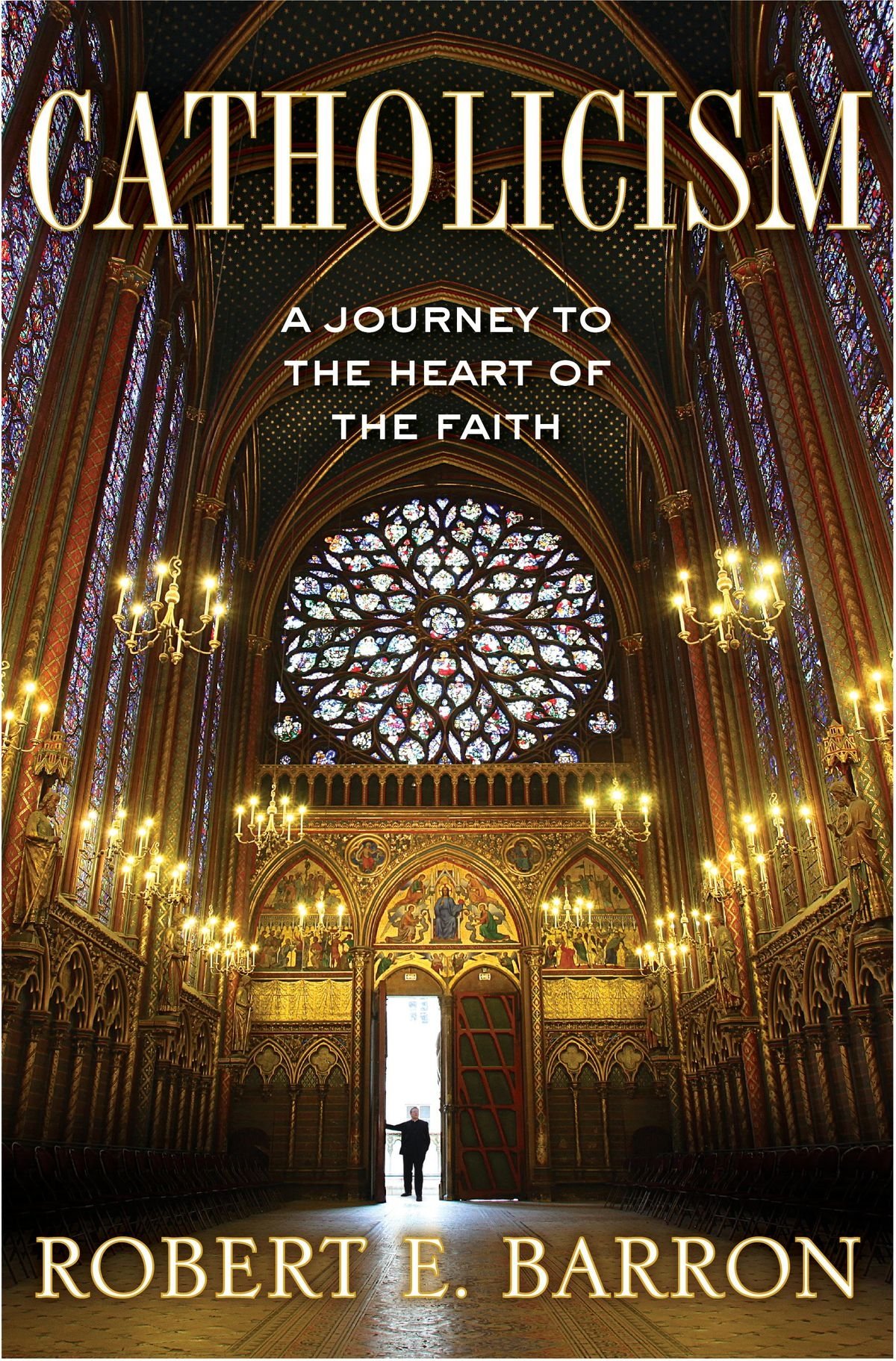
For the first time, in breathtaking and high-definition cinematography, the truth, goodness, and beauty of Catholicism are illustrated in a multimedia experience. Journey with Fr. Robert Barron to more than 50 locations throughout 16 countries. Be illuminated by the spiritual and artistic treasures of this global culture that claims more than one billion of the earth's people. Learn what Catholics believe and why. Discover the full meaning of the faith.
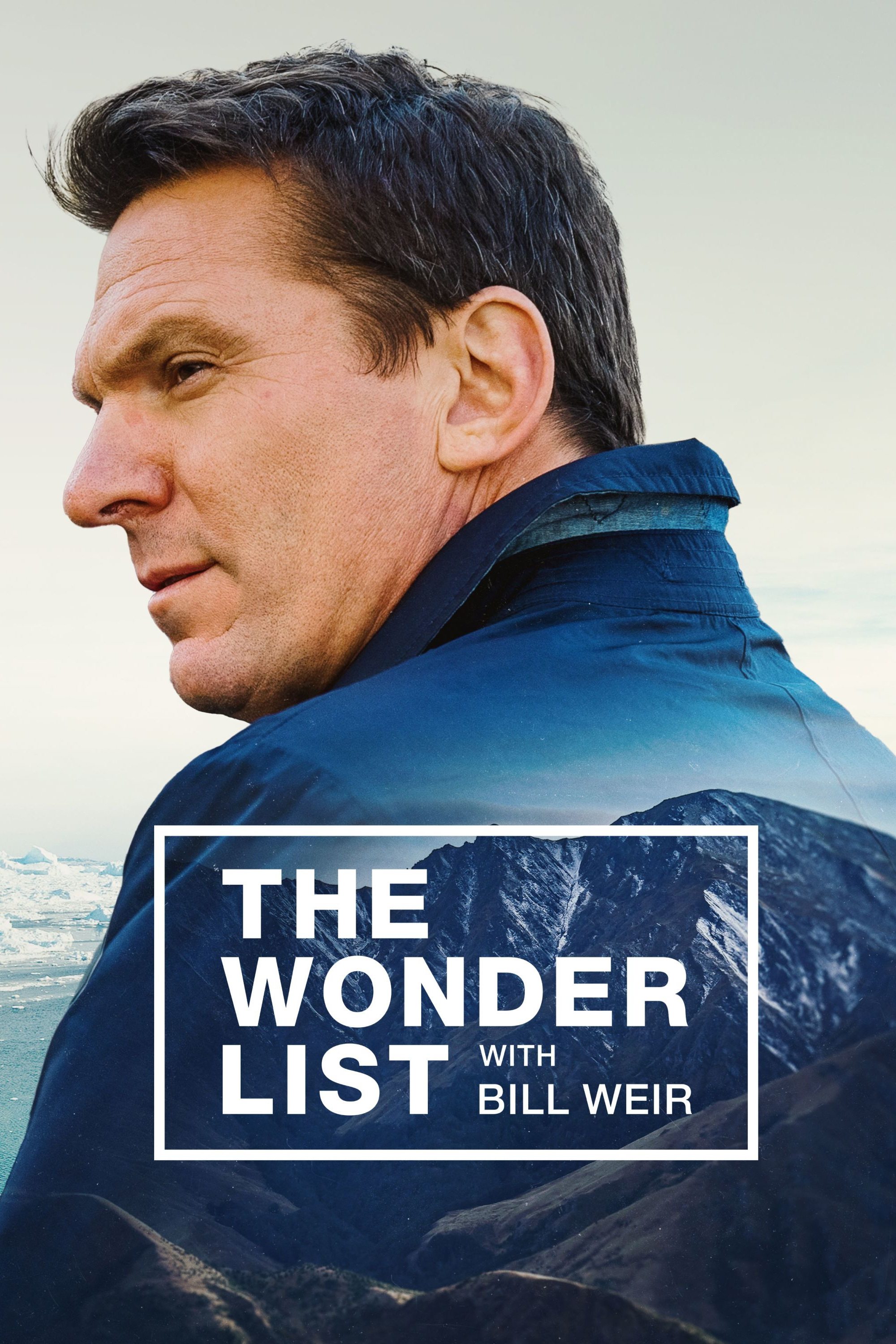
Storyteller Bill Weir and renowned filmmaker Philip Bloom embarks on a quest to tell the untold stories of extraordinary people, places, cultures and creatures that are at a crossroads.
Culture Shock is an American travel show hosted by Shenaz Treasurywala on the Travel Channel. It premiered on Monday 9 April 2007 at 8pm ET/PT. The program's self-described aim is to search out the "peculiar customs and bizarre traditions" of various cultures around the world. The pilot is currently being developed for a 13 episode series. The show was canceled.
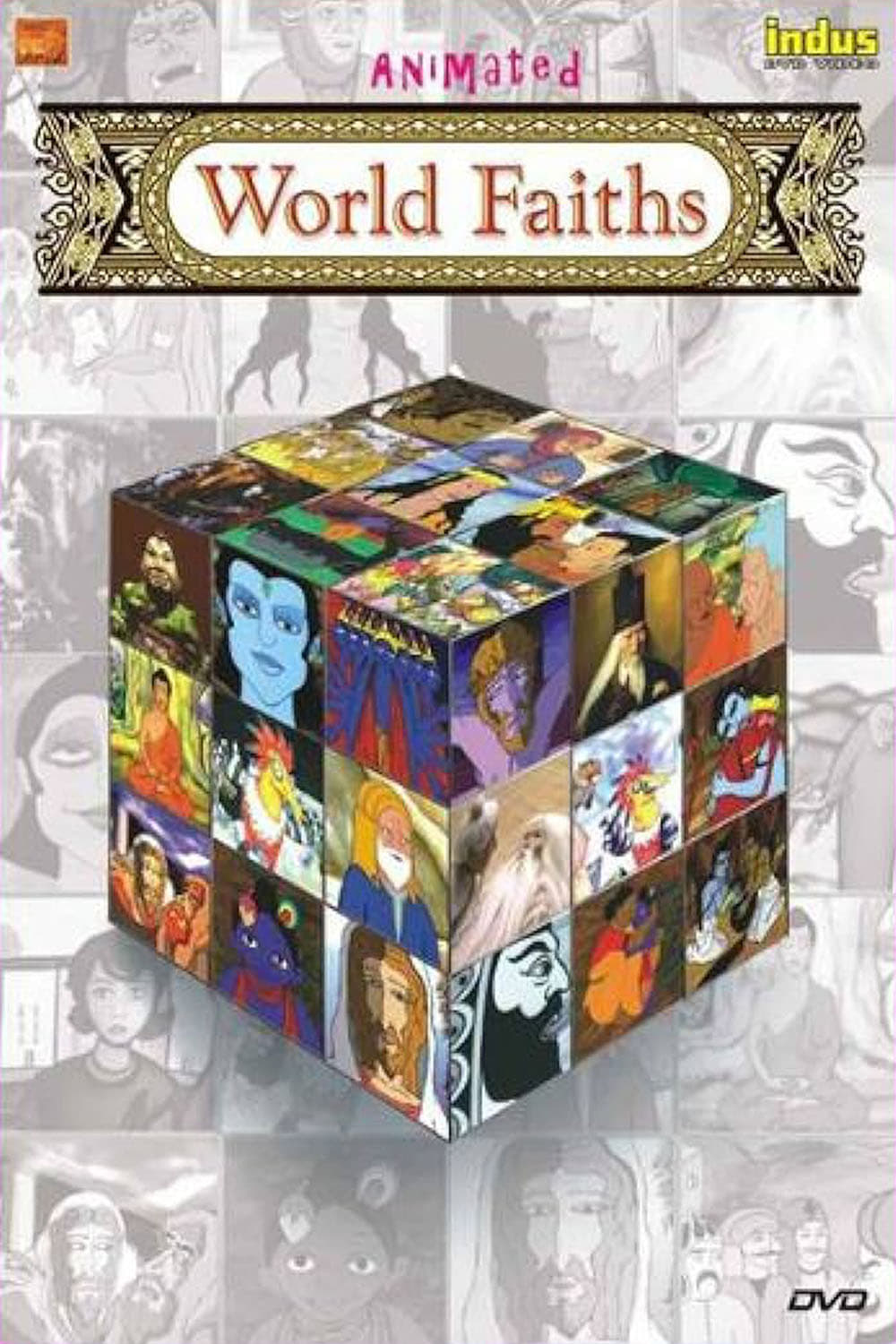
Animated World Faiths tells the stories of the world's major faiths and their founders. Gloriously animated in studios in India, Poland, the Czech Republic, Hungary and the UK, these programmes have been produced by a team of the worlds best childrens television producers.
Adam Richman is on the ultimate hunt to uncover the most unique, surprising, and delicious hidden food treasures in every town. He'll uncover the dishes you would never find anywhere else on the planet, at the places you would never expect.
Covering the ancient world through the age of technology, this illustrated lecture by Eugen Weber presents a tapestry of political and social events woven with many strands — religion, industry, agriculture, demography, government, economics, and art. A visual feast of over 2,700 images from the Metropolitan Museum of Art portrays key events that shaped the development of Western thought, culture, and tradition.
Rick Steves, America's leading authority on European travel, returns to transport viewers to the continent's bustling cities, quaint villages and picturesque countryside.
Jamie Oliver travels the country searching for new ideas and inspiration and to find out what makes British food great.
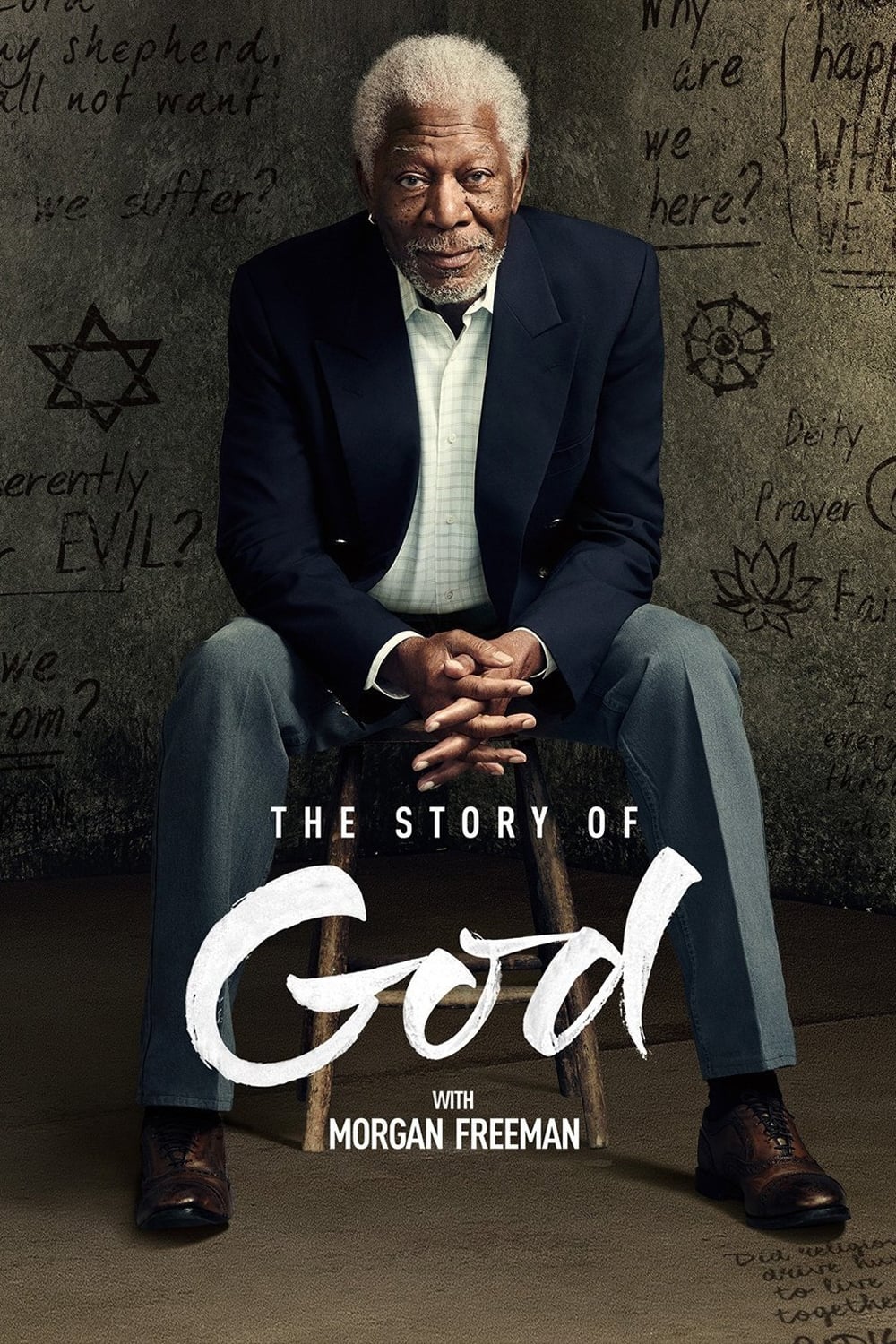
Morgan Freeman presents his quest in order to find how most religions perceive life after death, what different civilizations thought about the act of creation and other big questions that mankind has continuously asked.
TV's most-watched history series brings to life the compelling stories from our past that inform our understanding of the world today.
Horizon tells amazing science stories, unravels mysteries and reveals worlds you've never seen before.
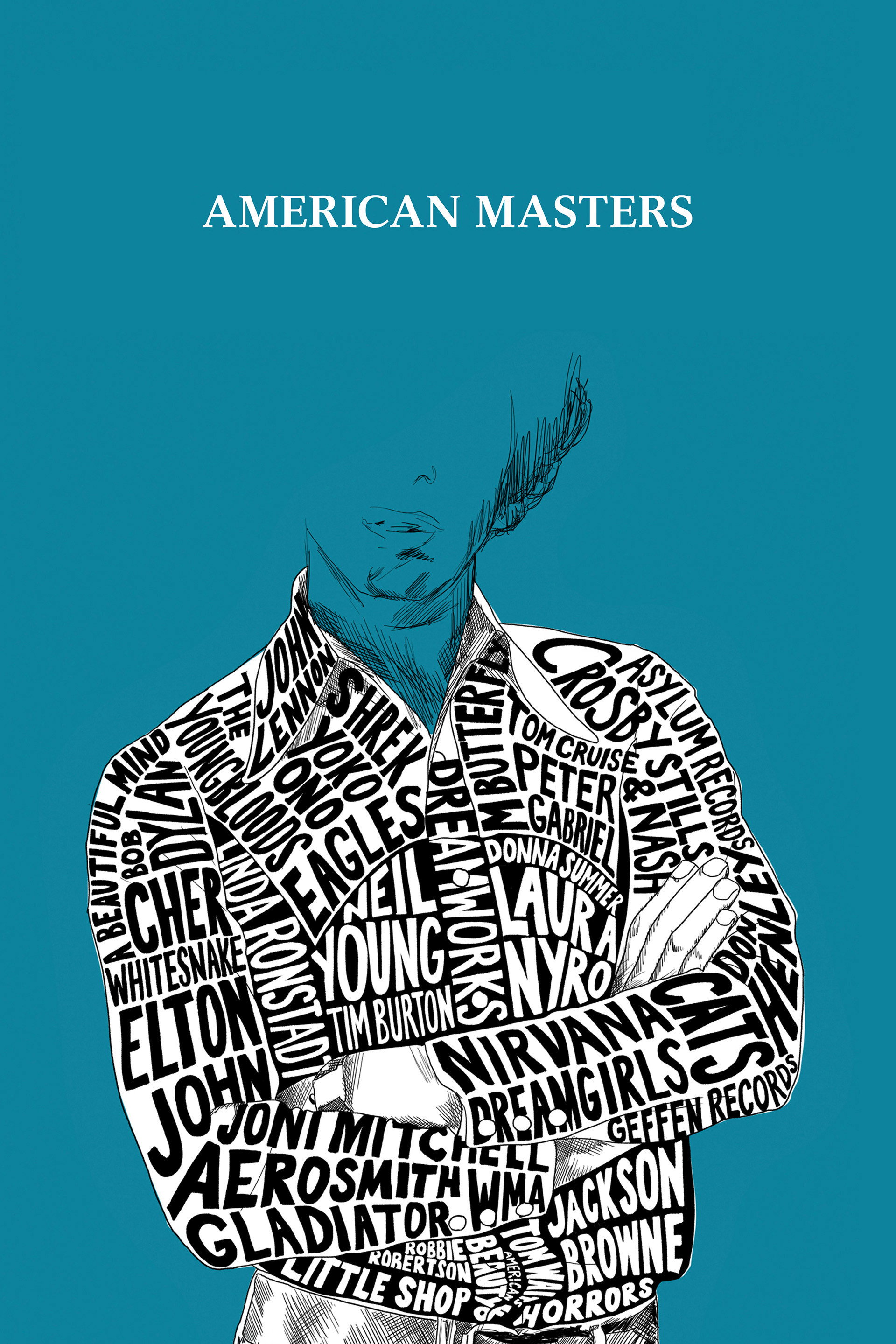
American Masters is a PBS television series which produces biographies on enduring writers, musicians, visual and performing artists, dramatists, filmmakers, and others who have left an indelible impression on the cultural landscape of the United States.
Don Wildman unearths relics from the world's greatest institutions to reveal secrets from the past. He examines each artifact to illuminate history's most incredible triumphs, sensational crimes and bizarre encounters.
The history of the sport of baseball in America, told through archival photos, film footage, and the words of those who contributed to the game in each era. Writers, historians, players, baseball personnel, and fans review key events and the significance of the game in America's history.
Sir Kenneth Clark guides us through the ages exploring the glorious rise of civilisation in western man. Beginning with the bleakness of the dark ages to the present day, we consider civilisation's articulations and expressions in some of man's finest works of art.
An in-depth look at the history and pop cultural significance of horror films.
Biography is a documentary television series. It was originally a half-hour filmed series produced for CBS by David Wolper from 1961 to 1964 and hosted by Mike Wallace. The A&E Network later re-ran it and has produced new episodes since 1987. The older version featured historical figures such as Helen Keller and Mark Twain, or long-dead entertainment figures such as Will Rogers or John Barrymore. The A&E series has placed the emphasis on such people as Marilyn Monroe, Elvis Presley, Plácido Domingo, Freddie Mercury, Jacqueline Kennedy Onassis, Eric Clapton, Pope John Paul II, Gene Tierney, Selena, Diego Rivera, Mao Zedong and Queen Elizabeth II, and fictional characters like The Phantom, Superman, Hamlet, Betty Boop, and Santa Claus. The program ended up profiling enough figures that in 1999, A&E spun it off into an entire network, The Biography Channel.
Come one, come all to The Circus. This real-time documentary series pulls back the curtain on the current political stories, revealing the intense, inspiring and infuriating stories behind the headlines. Key characters and events are presented in real time, as they are happening.
Award-winning actor and nervous explorer Eugene Levy steps out of his comfort zone for a whirlwind tour of the world's most beautiful and intriguing destinations.
Infographics and archival footage deliver bite-size history lessons on scientific breakthroughs, social movements and world-changing discoveries.
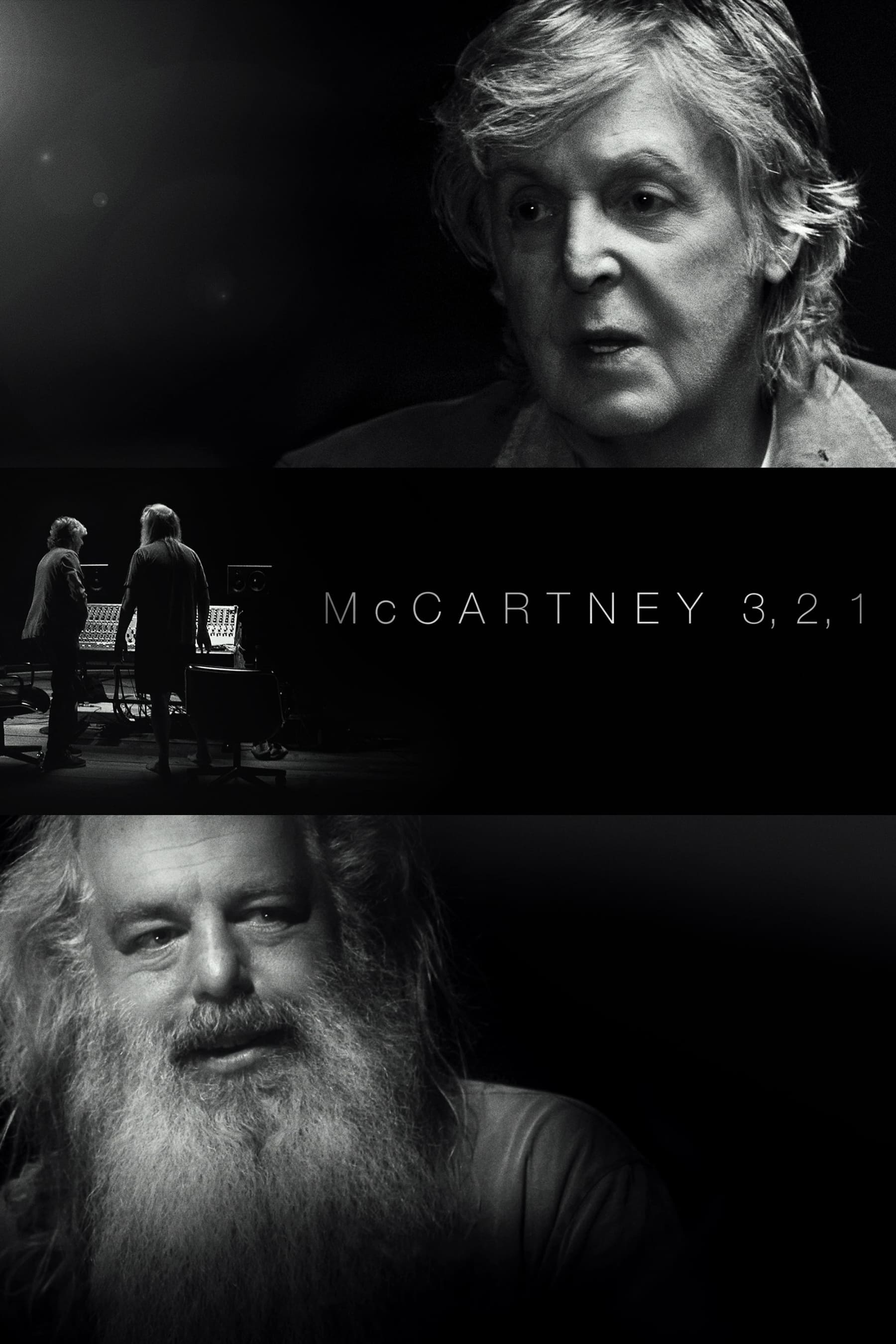
Paul McCartney sits down for a rare in-depth one-on-one with legendary producer Rick Rubin to discuss his ground breaking work with The Beatles, the emblematic 70s arena rock of Wings and his 50 years and counting as a solo artist.
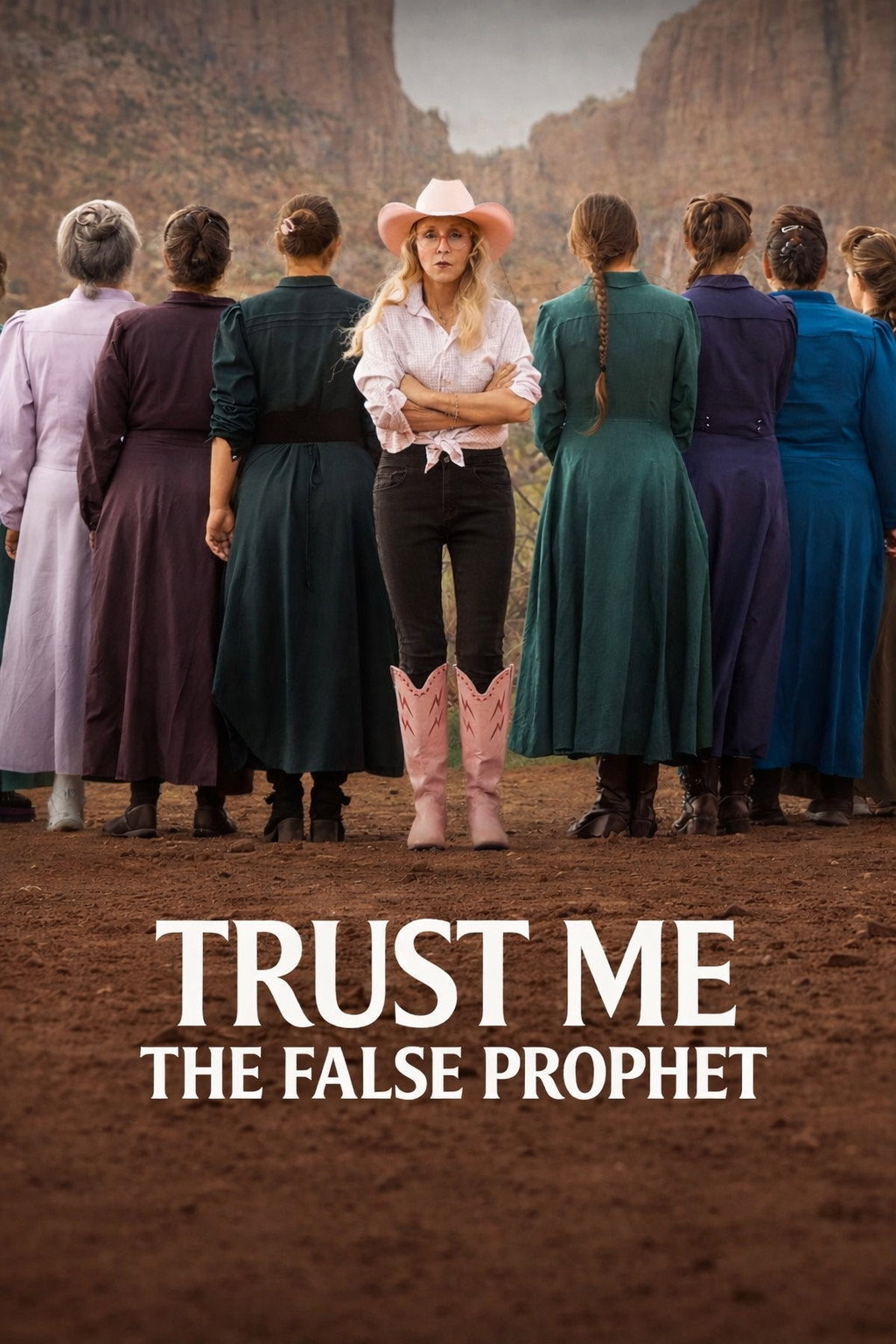
In this true-crime documentary, a cult expert and filmmaker infiltrate a polygamist sect to expose a self-proclaimed prophet and bring him to justice.
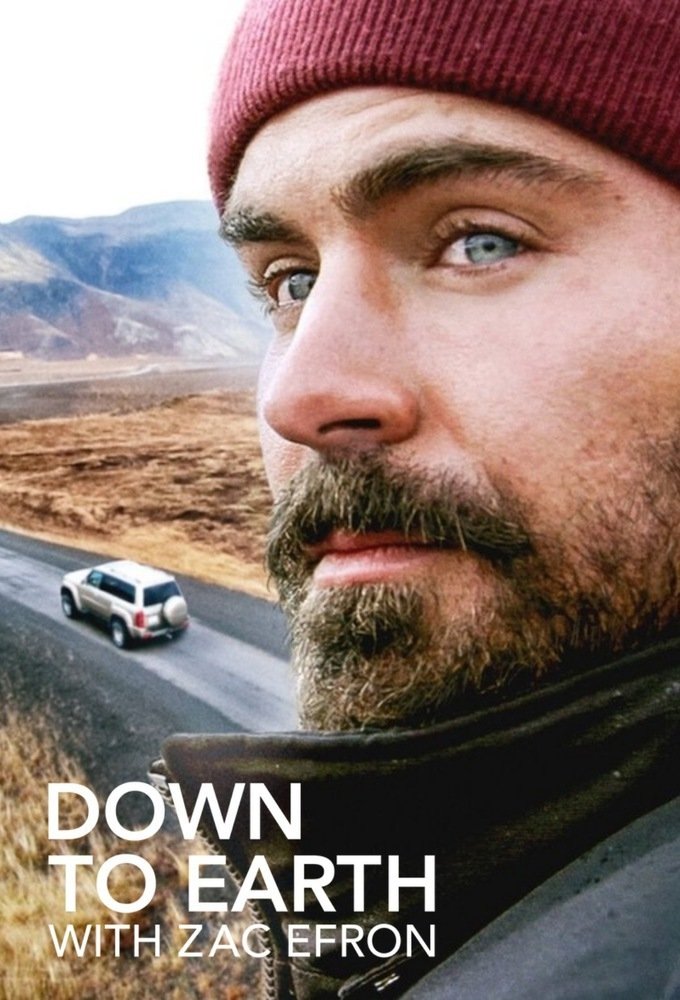
Actor Zac Efron journeys around the world with wellness expert Darin Olien in a travel show that explores healthy, sustainable ways to live.
Natural World is a nature documentary television series broadcast annually on BBC Two and regarded by the BBC as its flagship natural history brand. It is currently the longest-running series in its genre on British television, with more than 400 episodes broadcast since its inception in 1983. Natural World is produced by the BBC Natural History Unit in Bristol, but individual programmes can be in-house productions, collaborative productions with other broadcasters or films made and distributed by independent production companies and purchased by the BBC. Natural World programmes are often broadcast as PBS Nature episodes in the USA. Since 2008, most Natural World programmes have been shot and broadcast in high definition.
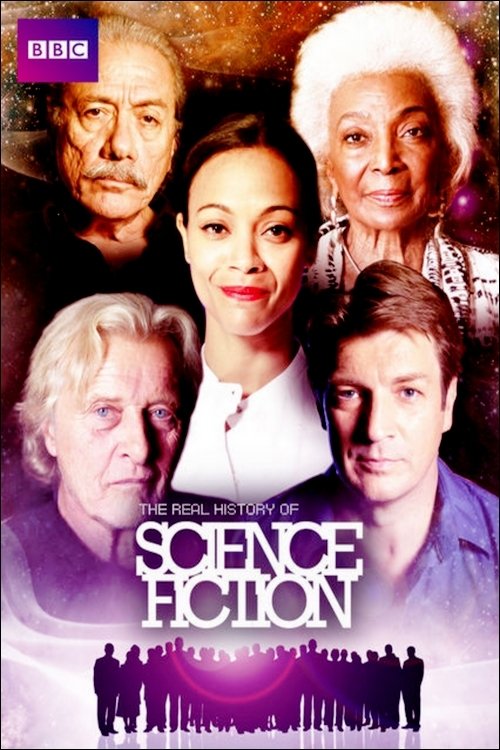
The series heads to the very frontiers of space and science to produce the definitive television history of science fiction, told through its impact on cinema, television and literature, with the help of filmmakers, writers, actors, and graphic artists. Each episode will explore one of the enduring themes of science fiction: time travel; the exploration of space; robots and artificial intelligence; and aliens.
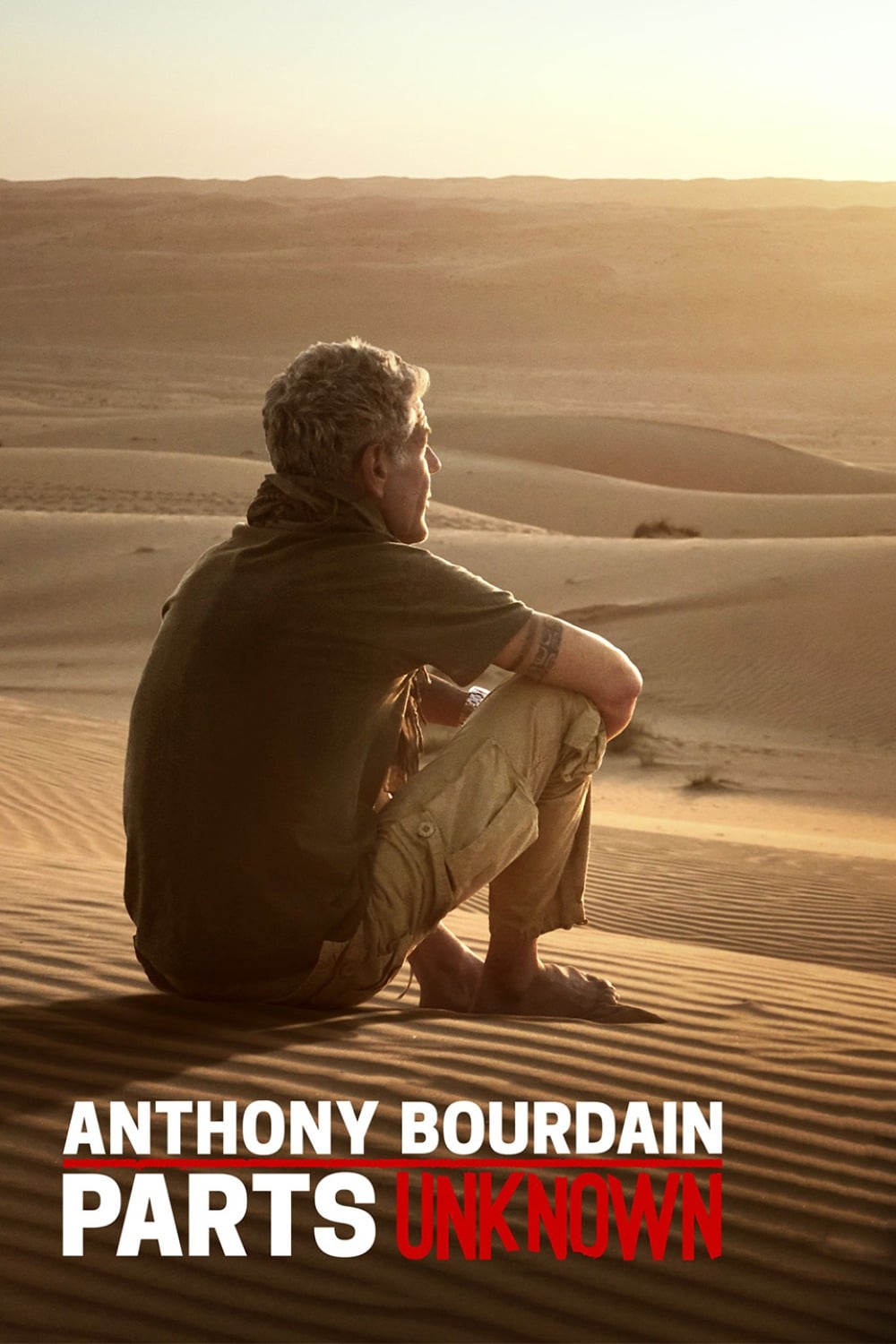
Bourdain travels across the globe to uncover little-known areas of the world and celebrate diverse cultures by exploring food and dining rituals. Known for his curiosity, candor, and acerbic wit, Bourdain takes viewers off the beaten path of tourist destinations – including some war-torn parts of the world – and meets with a variety of local citizens to offer a window into their lifestyles, and occasionally communes with an internationally lauded chef on his journeys.
Australian host Steve Irwin and his wife Terri run a wildlife refuge. Their shared passion is educating the world about wildlife, including the much feared crocodile and numerous venomous snakes. Steve's specialty is the capture and relocation of crocodiles. No animal appears too threatening to Steve, his true respect for animals is the foundation for everything he does.
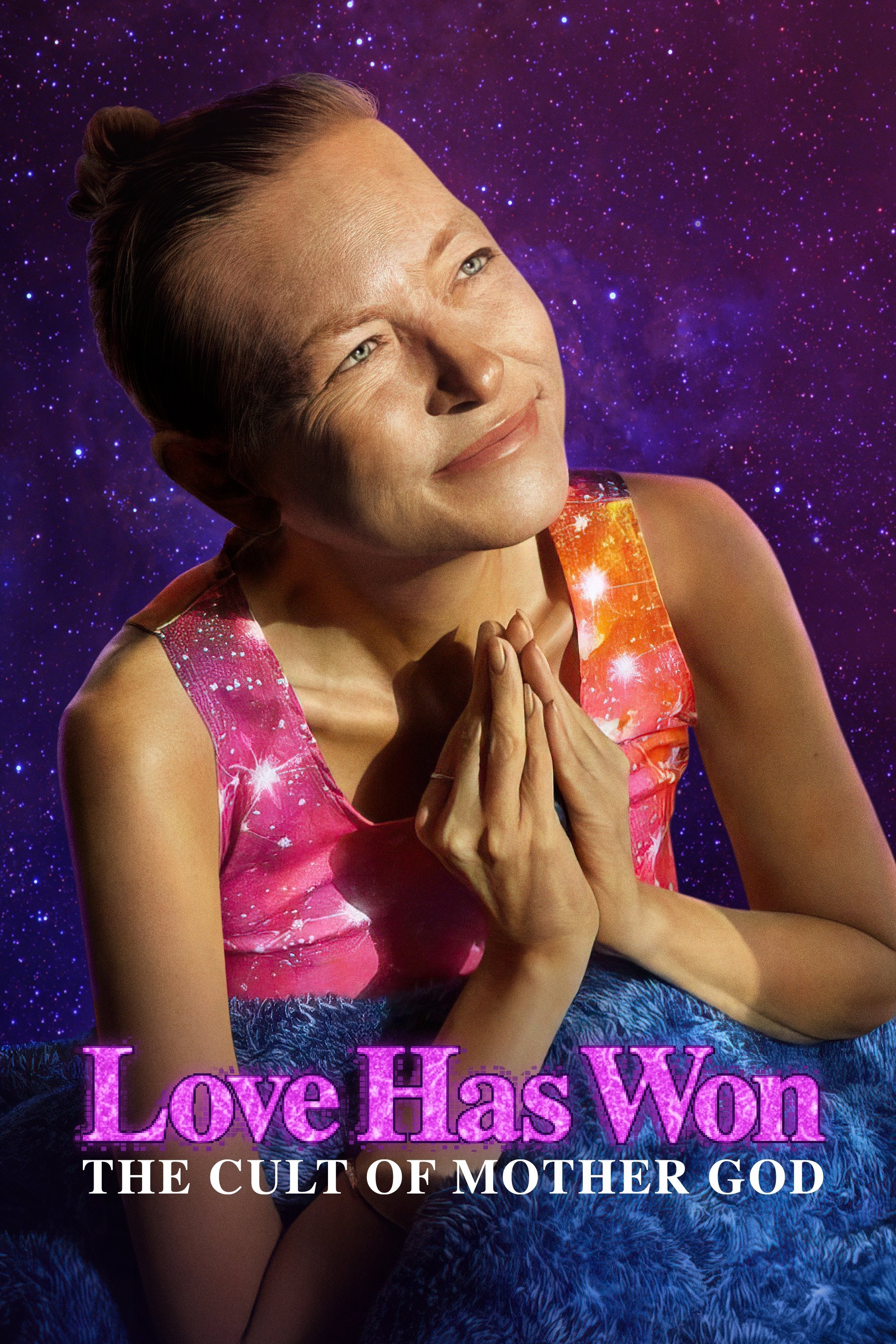
Chronicles the life and death of Amy Carlson, also known as Mother God, a self-proclaimed spiritual savior who built a cult through her online manifestos and live-streaming sessions. As Amy's health declined, her followers believed her death would lead to her evacuation by UFO and salvation for humanity. Told through the eyes of Amy's devotees and constructed from the cult's archival footage, the three-part docuseries captures the perils of internet proselytizing and a conspiracy-driven faith.