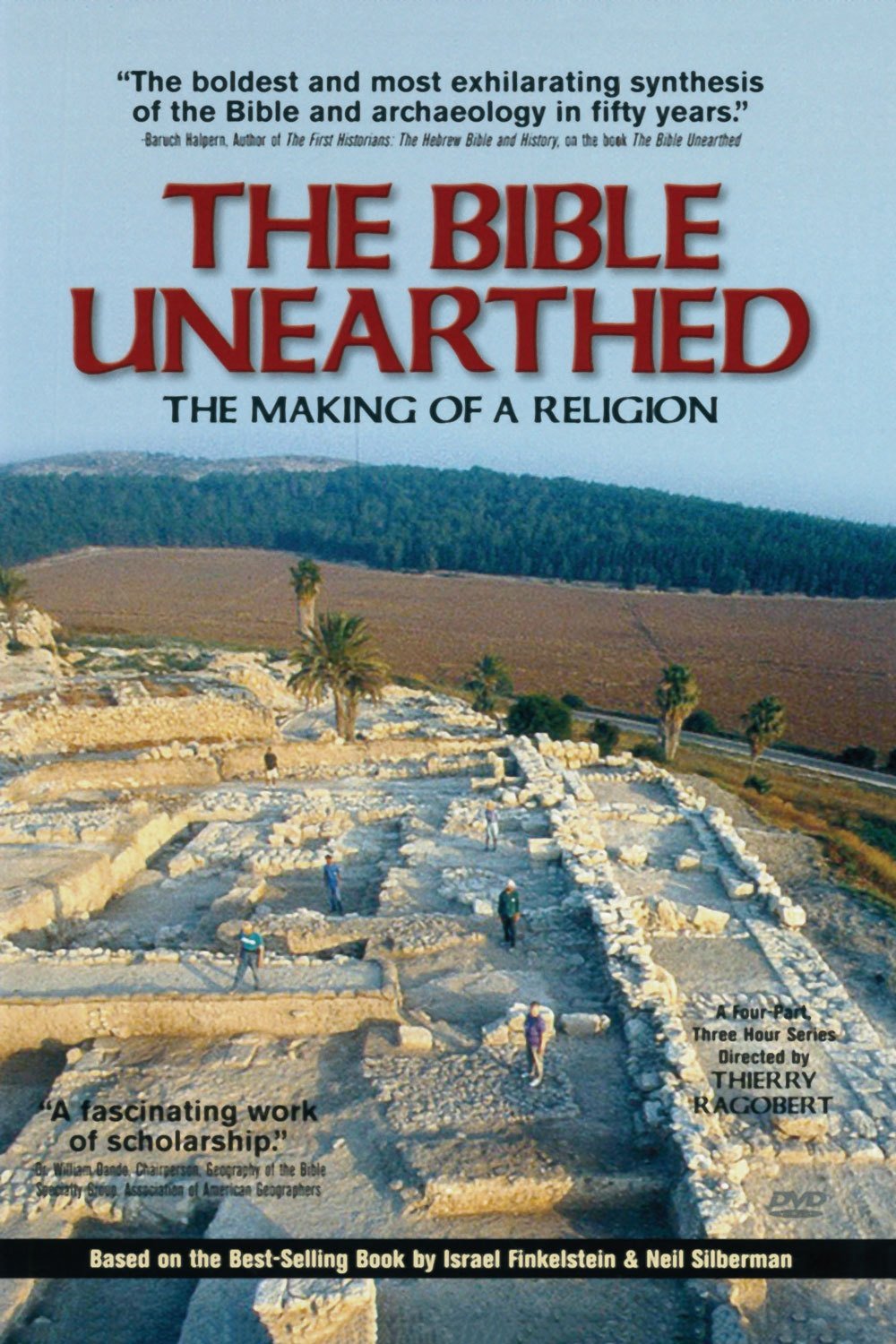
The Bible is both a religious and historical work, but how much is myth and how much is history?
Social & External
The people behind it
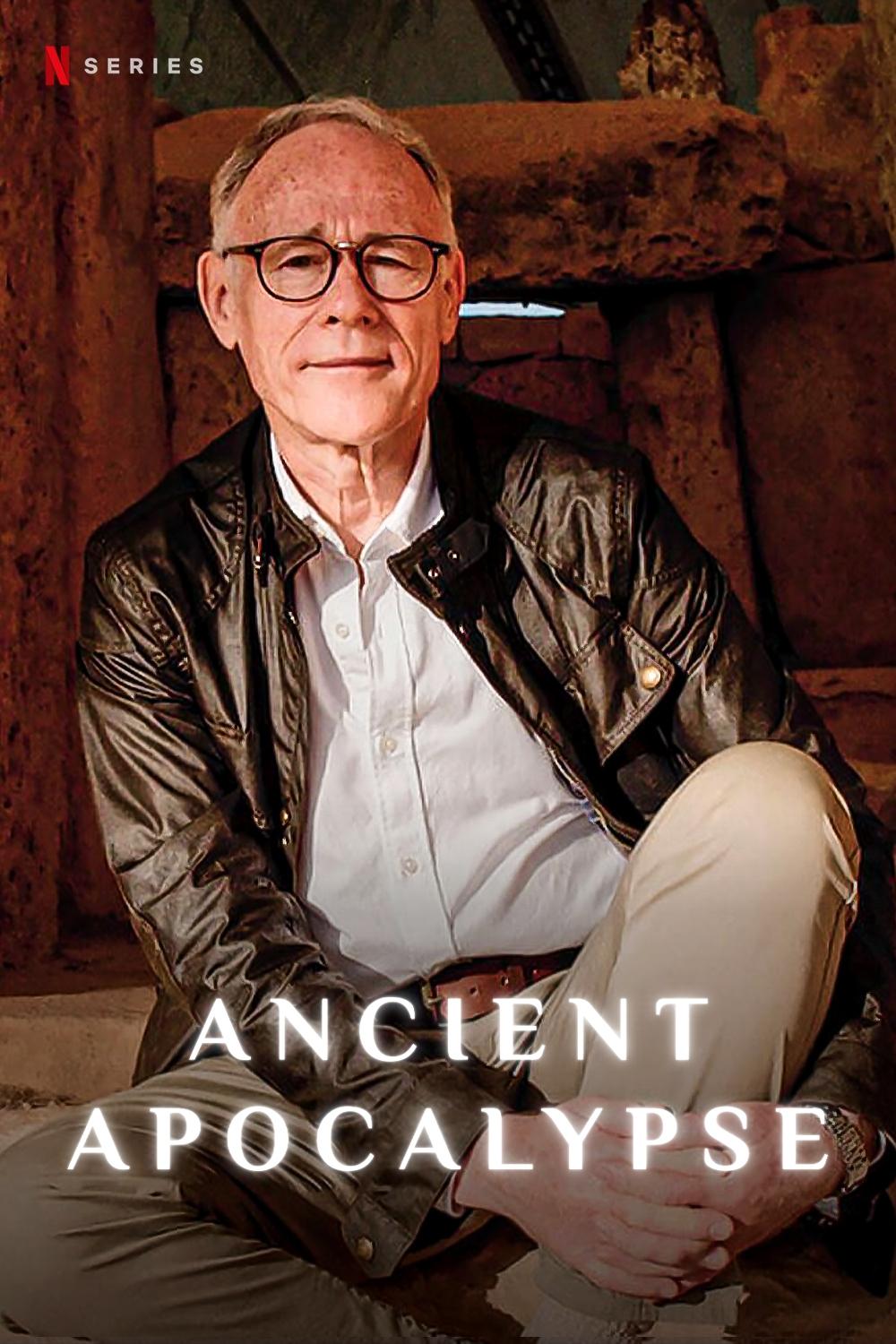
Journalist and writer Graham Hancock travels the globe hunting for evidence of mysterious, lost civilizations dating back to the last Ice Age. He attempts to prove that a climatic event 12,000 years ago wiped out an entire civilization far more sophisticated than the simple hunter-gatherers some archaeologists believe lived at that time.
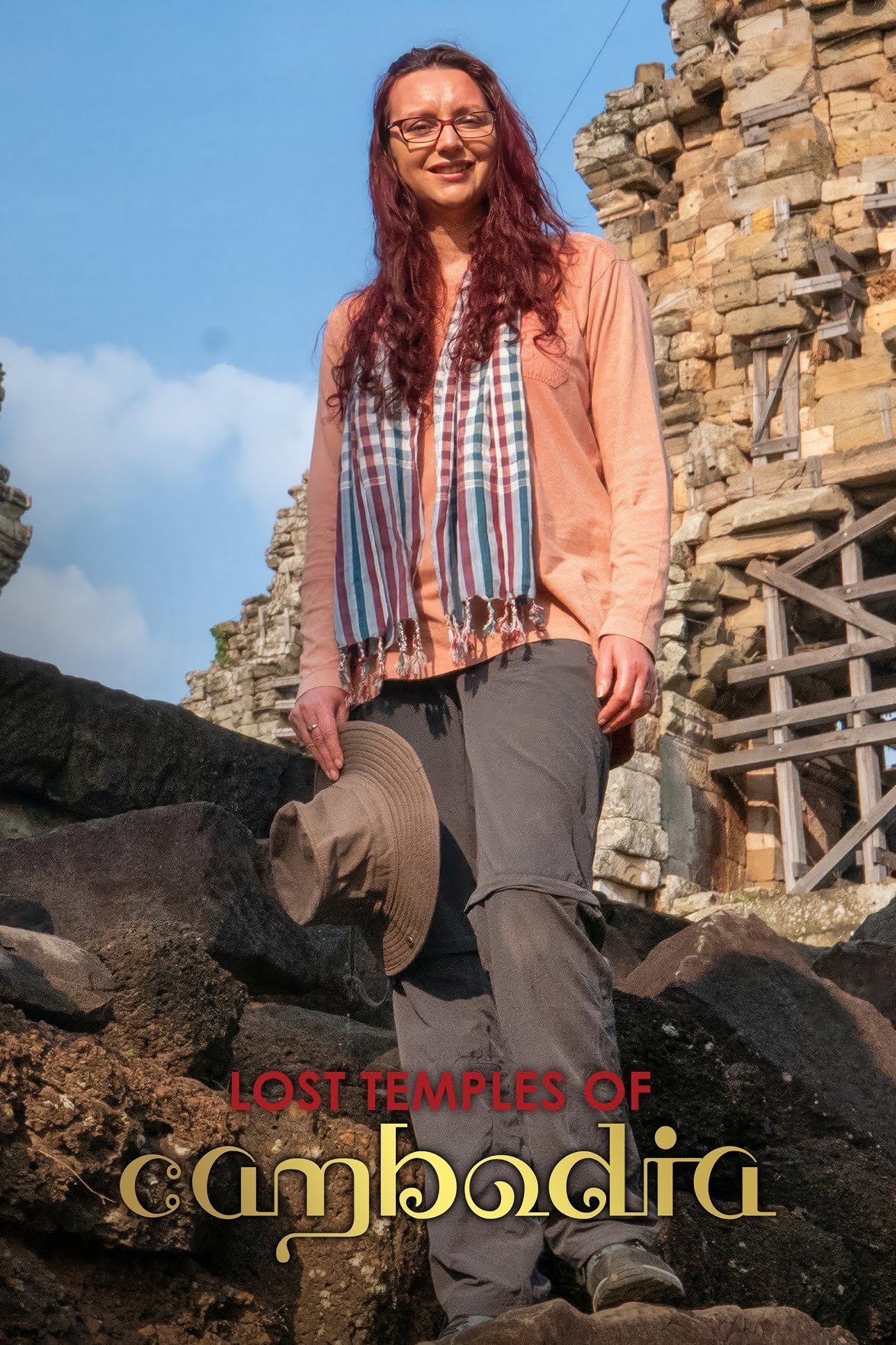
Across Cambodia, archaeologist Pauline Carroll meets the experts piecing together the mysteries of the ancient Khmer civilization
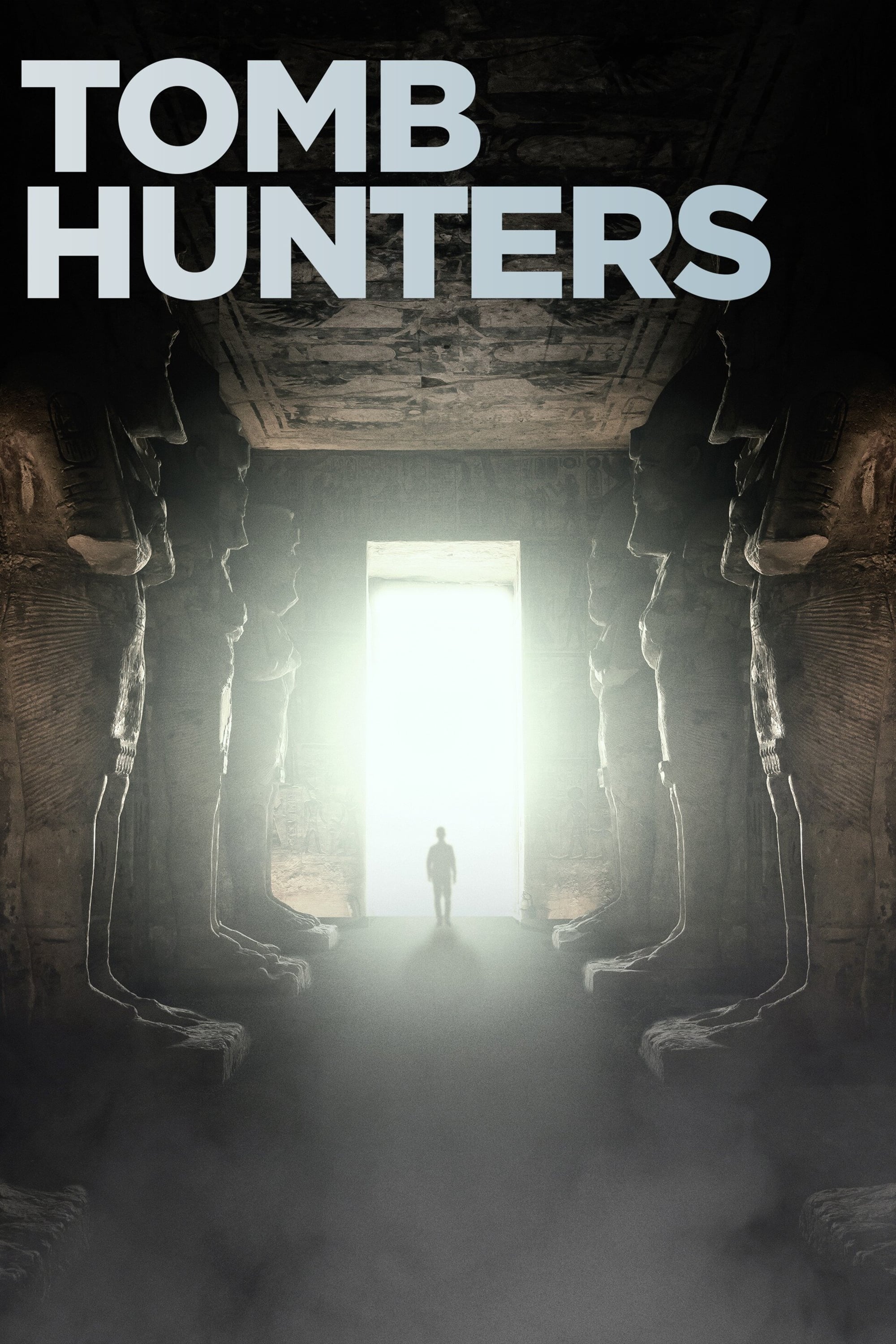
It was an archaeological find that became global news. An extraordinary mega-tomb, filled with the largest concentration of coffins ever unearthed in Saqqara, Egypt. This four-part series places you at the site to witness this ground-breaking discovery as it happened and follows Egyptologists as they try to determine why all of these mummies were buried together and what this ancient cemetery can tell us about the Egyptian civilization's way of death 2,500 years ago.
Millions of tourists visit Angkor Wat in Cambodia every year to marvel at its remarkable architecture, yet most are probably unaware that when it was built nearly 1,000 years ago it was even more impressive. Using remote sensing technology, scientists now know what is hidden beneath the nearby paddy fields and jungle: a sophisticated metropolis with an elaborate network of houses, canals, boulevards and temples covering 30 square kilometres that housed three-quarters of a million people. To put that into perspective, London at that time was home to just 18,000. These previously hidden finds tell us a great deal about life during the golden age of the powerful Khmer dynasty.
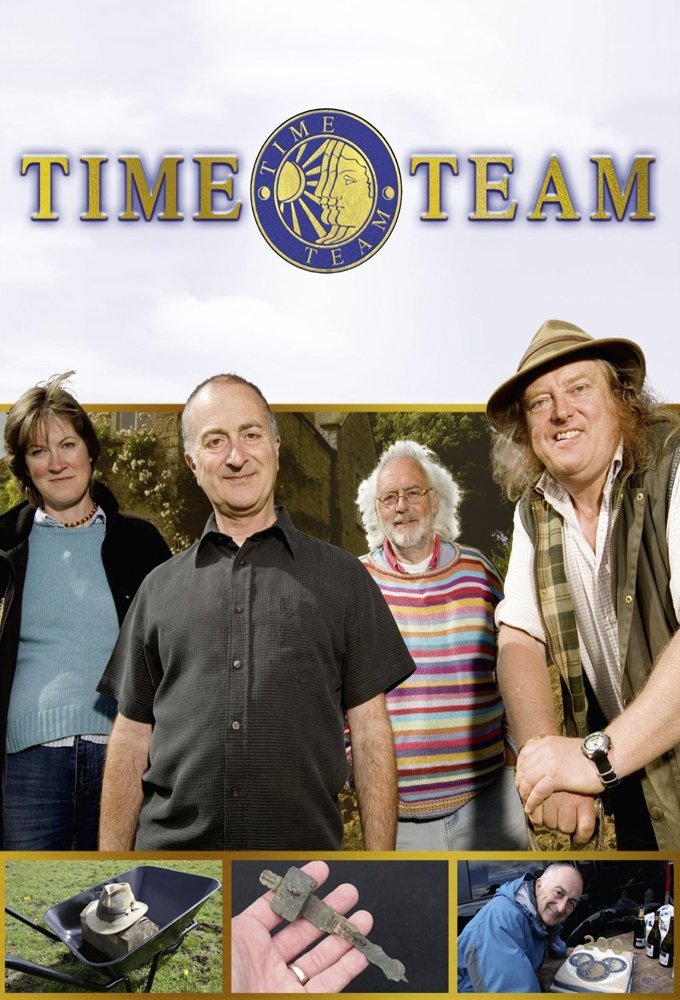
Time Team is a British television series which has been aired on British Channel 4 from 1994. Created by television producer Tim Taylor and presented by actor Tony Robinson, each episode featured a team of specialists carrying out an archaeological dig over a period of three days, with Robinson explaining the process in layman's terms. This team of specialists changed throughout the series' run, although has consistently included professional archaeologists such as Mick Aston, Carenza Lewis, Francis Pryor and Phil Harding. The sites excavated over the show's run have ranged in date from the Palaeolithic right through to the Second World War.
For the first time, in breathtaking and high-definition cinematography, the truth, goodness, and beauty of Catholicism are illustrated in a multimedia experience. Journey with Fr. Robert Barron to more than 50 locations throughout 16 countries. Be illuminated by the spiritual and artistic treasures of this global culture that claims more than one billion of the earth's people. Learn what Catholics believe and why. Discover the full meaning of the faith.
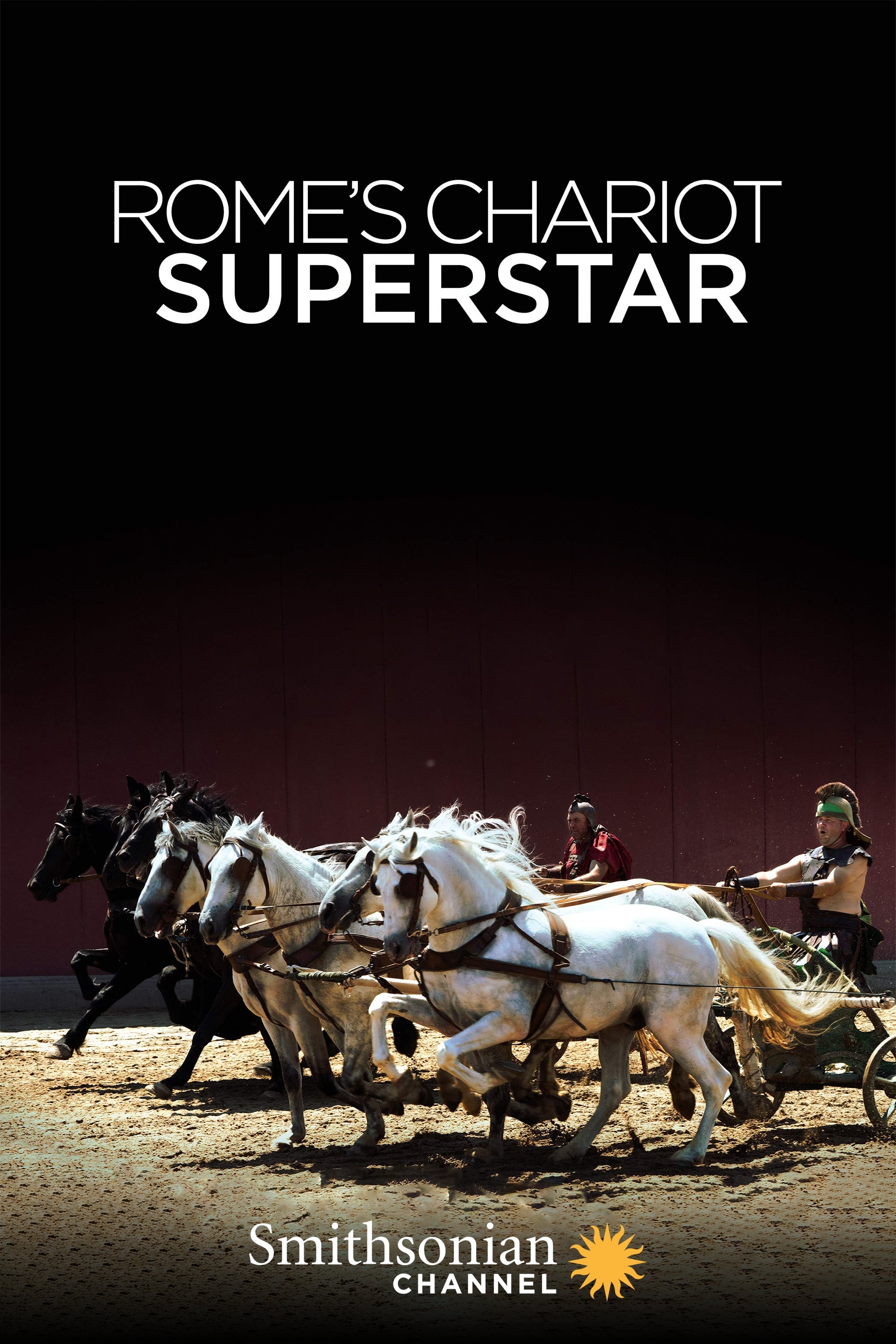
In 90 A.D., ancient Rome played host to a sporting spectacle that attracted crowds three times the size of the Colosseum?s gladiator games: chariot racing. Every week, 150,000 fans packed the massive Circus Maximus, not just to cheer on the speed, fury, and danger of the races, but to witness the champion charioteer, Flavius Scorpus. Examine his improbable rise from young slave to arguably the most successful competitor in the sport?s history.
Dan Snow uncovers the lost Vikings in America with Dr Sarah Parcak. As Sarah searches for Vikings across the Atlantic, Dan explores their journey 500 years before Columbus.
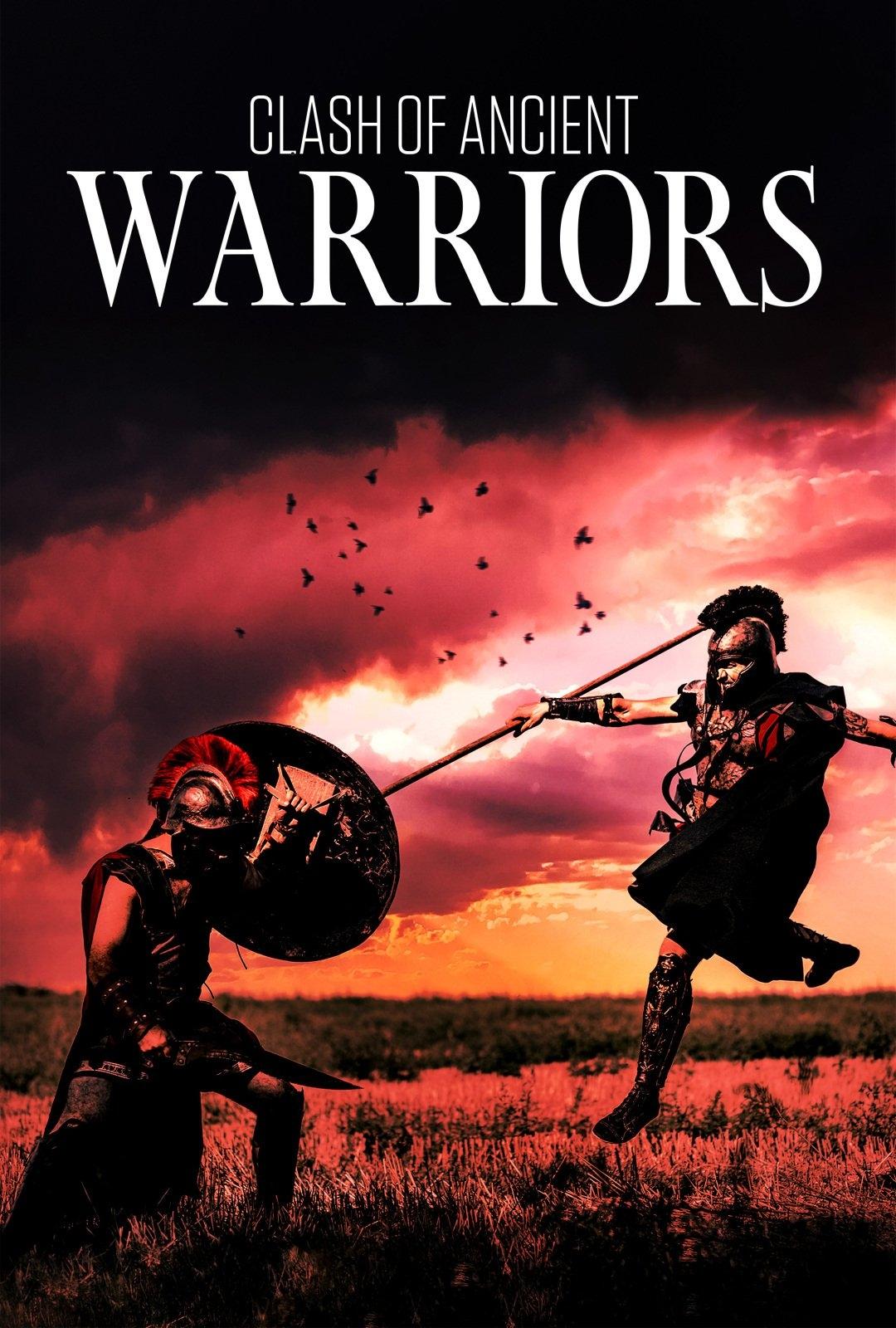
Clash of Ancient Warriors is a series that uses modern science to investigate the mysteries of the most legendary battles from ancient times. Spartans vs Persians in the battle of Thermoplyae, Hannibal vs Rome in the battle of Cannae, The Knights Templar vs Saladdin’s riders at Mongisard, Greeks vs Trojans in the siege of Troy...Military genius and epic battles have led the greatest civilisations to the pinnacle of glory...or the brink of collapse. Join scientists as they hunt for the hidden clues and traces of titanic clashes that could unlock the truth about how one army triumphed and changed the course of history. Unfolding s a countdown to annihilation, each episode builds on the scientist’s investigation to retrace, hour by hour, the dramatic chain of events that ultimately led one side to a bloody victory.
A four-part history of the Inquisition, a 500-year campaign against heretics by the Roman Catholic Church initiated by Pope Gregory IX. The series benefits from the 1998 release of secret Vatican files.
For centuries, explorers have searched for the Bible’s most sacred religious artefacts. One of the most mysterious of these objects is the famed Ark of the Covenant. The gold-plated wooden chest – one of the most instrumental symbols of faith and God's presence – was believed to house the two tablets bearing the Ten Commandments. The Ark’s exact whereabouts has long puzzled scholars. Where did it go? And why has it remained such a mystery?
This gripping documentary miniseries investigates the mystery of two 1300-year-old burial ships from the Viking Age. With dramatic reconstructions and unearthed evidence, follow key archaeologists as they investigate the remains, and reveal how they fundamentally alter our understanding of Viking Europe.
Do you know the real story behind the New Testament? We all share a fascination for discovering ‘the rest of the story.’ Through reading the New Testament we discover that God indeed keeps his promises, but those promises don’t always look like what people expected. Especially when it comes to Jesus. Join well-known Bible scholars N.T. Wright and Michael F. Bird as they team up to take you on a tour of the explosive story behind the story of the New Testament.
Atheism: A Rough History of Disbelief – known in the United States as A Brief History of Disbelief – is a 2004 television documentary series written and presented by Jonathan Miller for the BBC and tracing the history of atheism.
Dr Francesca Stavrakopoulou examines how archaeological discoveries are changing the way people interpret stories from the Bible.
Featuring interviews with his followers, critics and Raël himself, this docuseries traces how a UFO-inspired religion spiraled into a controversial cult.
Morgan Freeman presents his quest in order to find how most religions perceive life after death, what different civilizations thought about the act of creation and other big questions that mankind has continuously asked.
Don Wildman unearths relics from the world's greatest institutions to reveal secrets from the past. He examines each artifact to illuminate history's most incredible triumphs, sensational crimes and bizarre encounters.
An immersive, action-packed and discovery-led series following International teams of Egyptologists as they unearth the world's richest seam of ancient archaeology - Egypt's Valley of the Kings.
Based on the popular BBC series running since 1979, the PBS Antiques Roadshow combines history with discovery. Each year, the show visits a handful of cities to appraise items brought in by viewers. Are these items worth a lot of money, more than the visitors expect?
An in-depth look at the history and pop cultural significance of horror films.
Award-winning actor and nervous explorer Eugene Levy steps out of his comfort zone for a whirlwind tour of the world's most beautiful and intriguing destinations.
TV's most-watched history series brings to life the compelling stories from our past that inform our understanding of the world today.
Motoring programme featuring reviews of and reports about cars of all types.
A British genealogy documentary series in which celebrities trace their ancestry, discovering secrets and surprises from their past.
Infographics and archival footage deliver bite-size history lessons on scientific breakthroughs, social movements and world-changing discoveries.
Each episode opens up a cabinet of curiosities to reveal the strangest-but-true stories in human history, brought to life through dynamic recreation, compelling graphics, and arresting archival. From Boston’s Great Molasses Flood to a man who survived being struck by lightning not once, not twice, but SEVEN times, these seemingly tall tales all actually happened, and our cast of experts dives into the historical record to tell you how and why.
Bourdain travels across the globe to uncover little-known areas of the world and celebrate diverse cultures by exploring food and dining rituals. Known for his curiosity, candor, and acerbic wit, Bourdain takes viewers off the beaten path of tourist destinations – including some war-torn parts of the world – and meets with a variety of local citizens to offer a window into their lifestyles, and occasionally communes with an internationally lauded chef on his journeys.
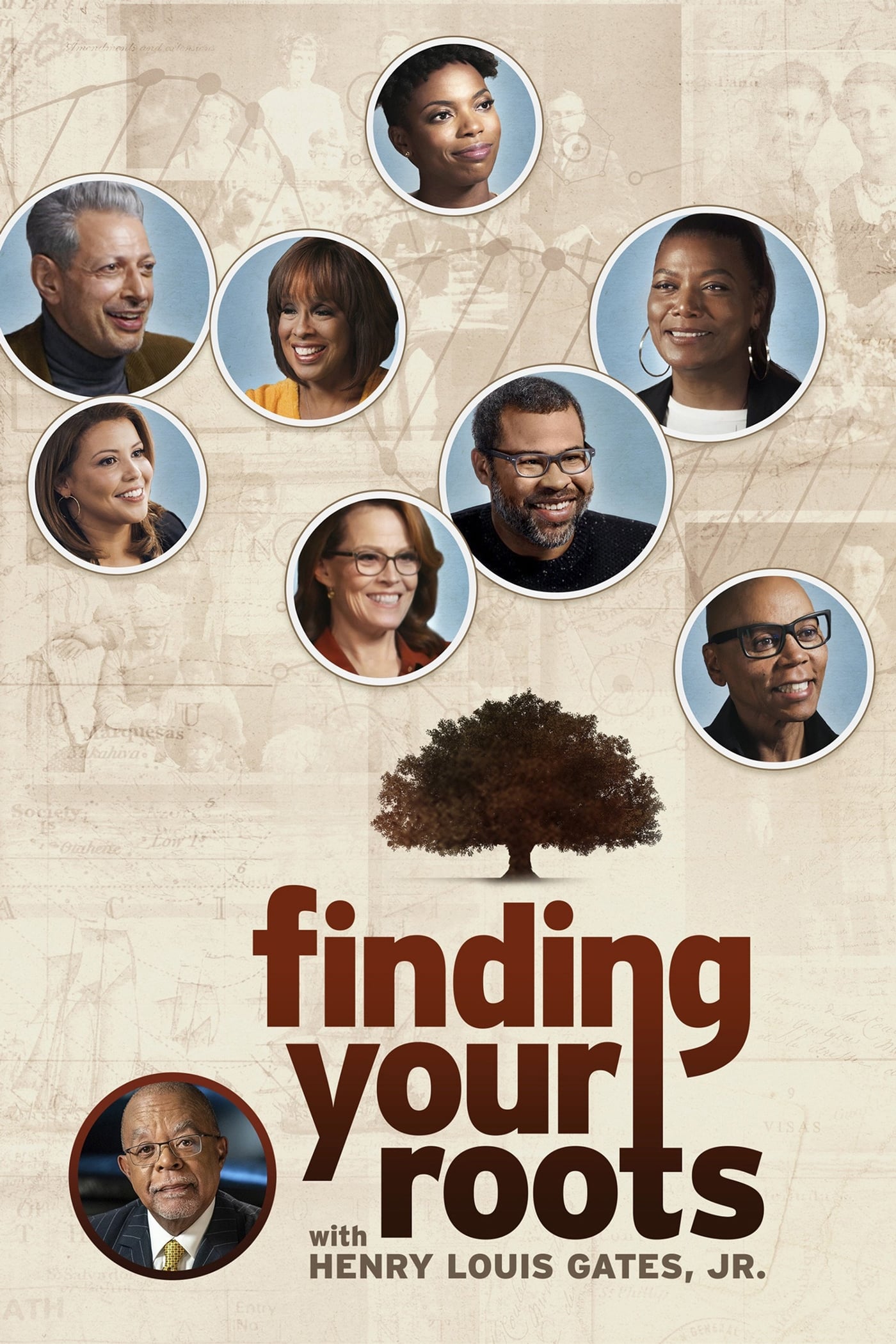
Noted Harvard scholar Henry Louis Gates, Jr. has been helping people discover long-lost relatives hidden for generations within the branches of their family trees. Professor Gates utilizes a team of genealogists to reconstruct the paper trail left behind by our ancestors and the world’s leading geneticists to decode our DNA and help us travel thousands of years into the past to discover the origins of our earliest forebears.
An insider's look at the engineering and scientific miracles behind the things that form the modern world.
Turning points in ancient Roman history and some of the Empire's greatest stories are brought to life in this drama documentary series.
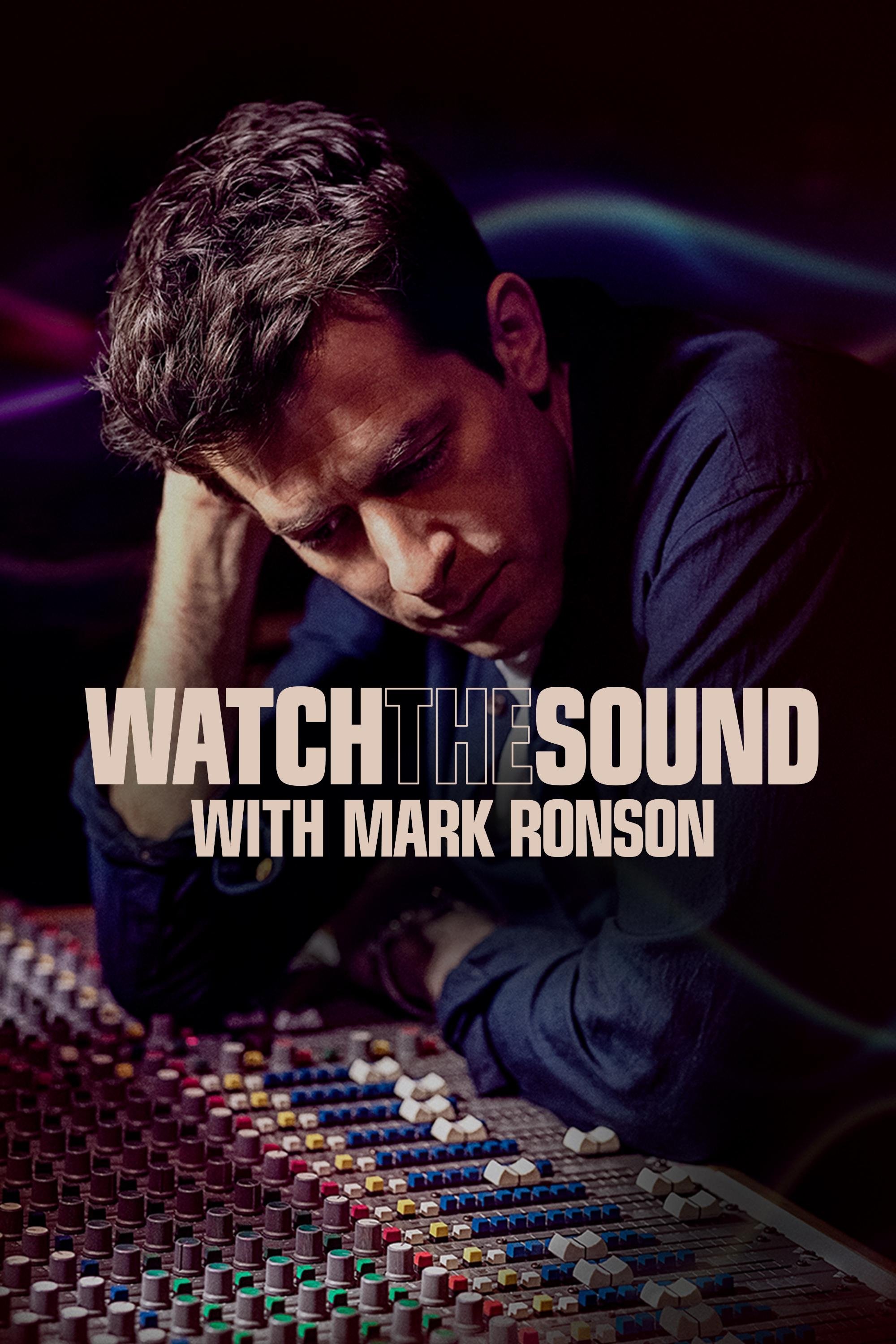
Oscar and Grammy Award-winning producer and artist Mark Ronson explores the intersection of technology and musical innovation with his heroes and fellow hitmakers – including Paul McCartney, DJ Premier, Charli XCX, Dave Grohl, and Questlove.
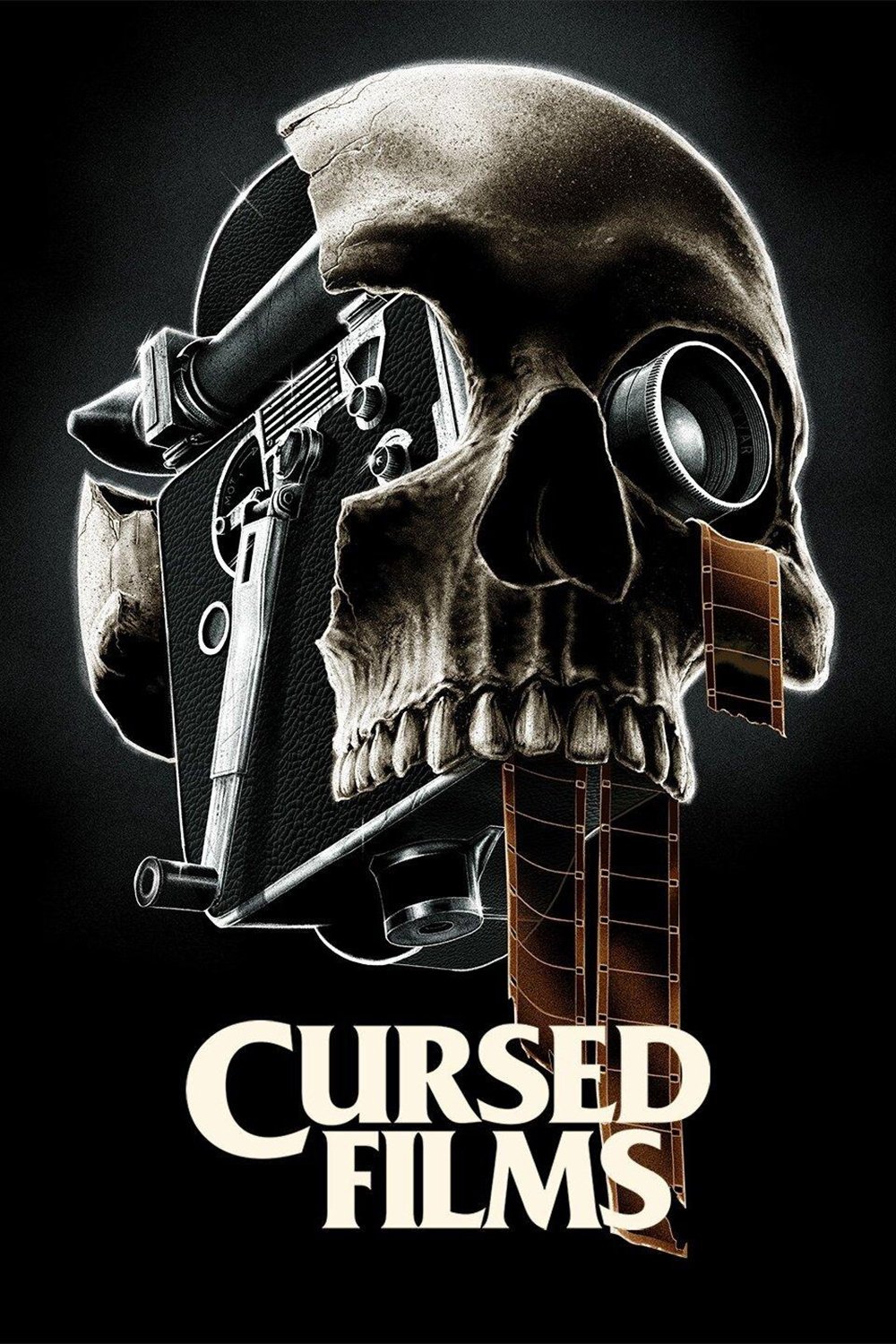
A documentary series exploring the myths and legends behind some of Hollywood’s notoriously “cursed” horror film productions. From plane accidents and bombings during the making of The Omen, to the rumored use of real human skeletons on the set of Poltergeist, these stories are legendary amongst film fans and filmmakers alike. But where does the truth lie?
Actor, model, and global superstar Brooke Shields’ journey from a sexualized young girl to a woman who embraces her identity and voice.
This compelling series investigates the motives and m.o. of female murderers. While males are often driven by anger, impulse and destruction, women usually have more complex, long-term reasons to kill.