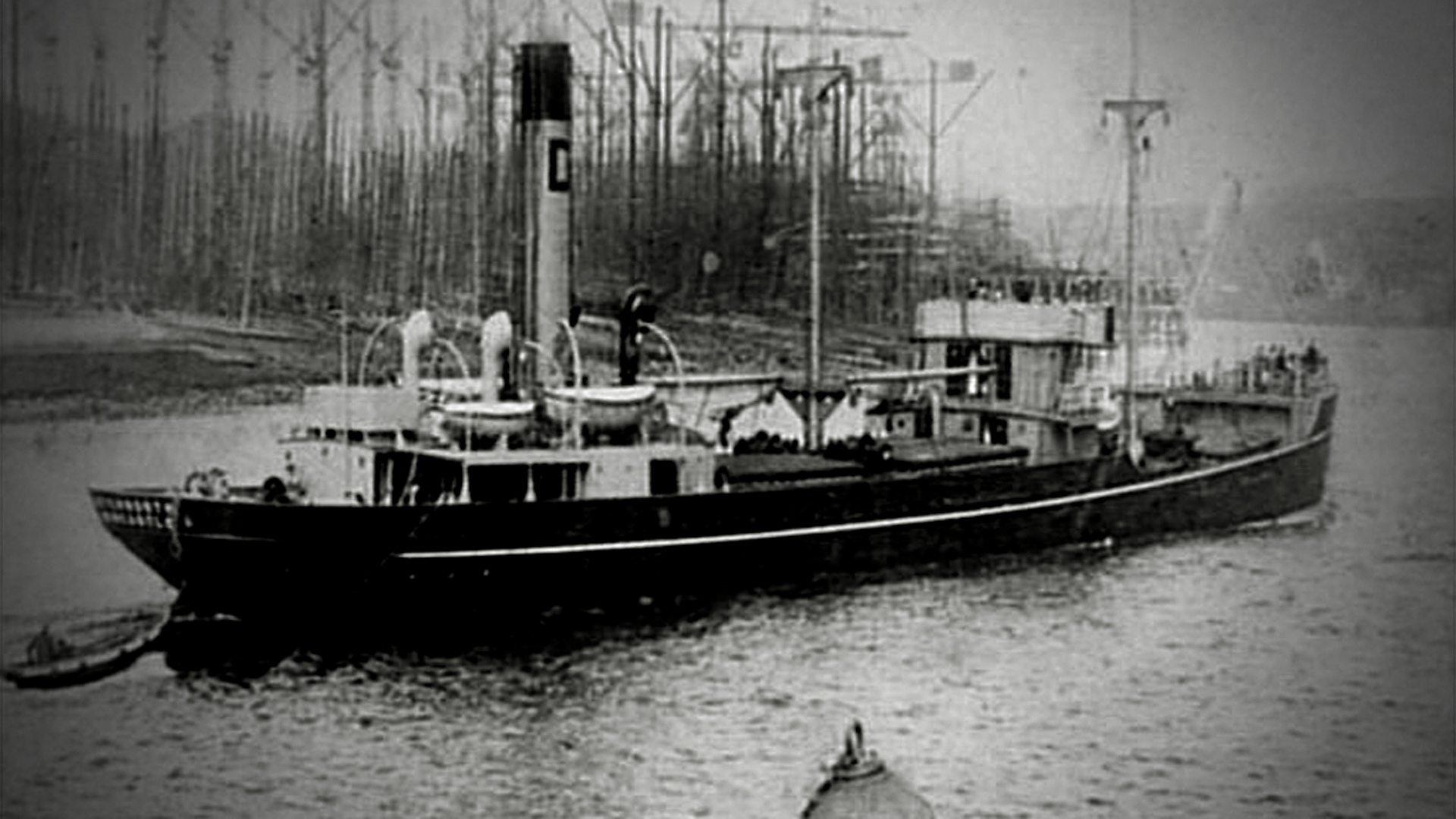
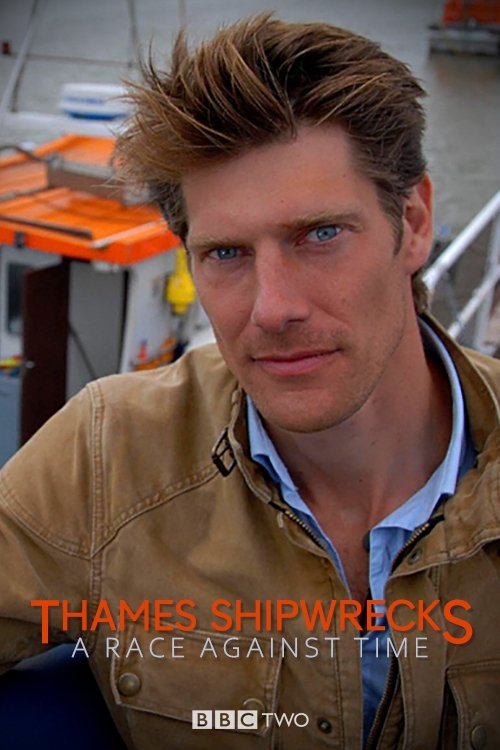
Documentary series following the salvage of seven shipwrecks from the river Thames
Social & External
Himself - Presenter
Herself - Presenter
Dr Xand Van Tulleken and Raksha Dave investigate the Great Smog of 1952 - the deadliest environmental disaster ever recorded and one of the world's worst peacetime catastrophes. Lasting just over four days, the Great Smog plunged London into a terrifyingly murky gloom - the acrid pollution seeping into homes, leaving Londoners gasping for breath, shutting down transport and emergency services, and overwhelming hospitals and undertakers alike.
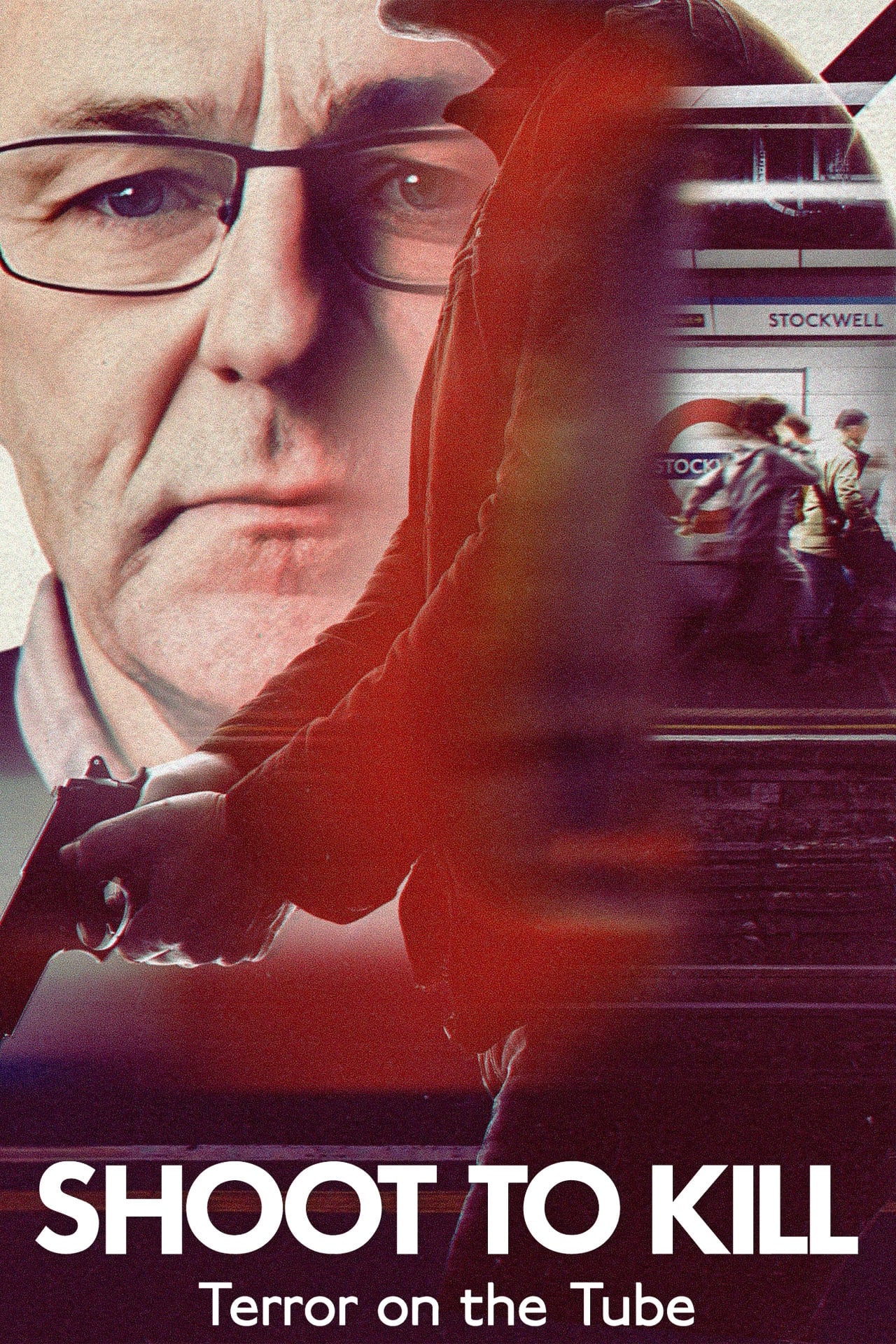
Documentary looking at the 2005 attack on London's transport system and the ensuing police investigation and the three-week hunt to catch the bombers.
The biggest West End shows, the most famous pop acts, the world's most successful dance teachers and the most incredible cast of characters TV will ever see all pass through London's Pineapple Dance Studios.
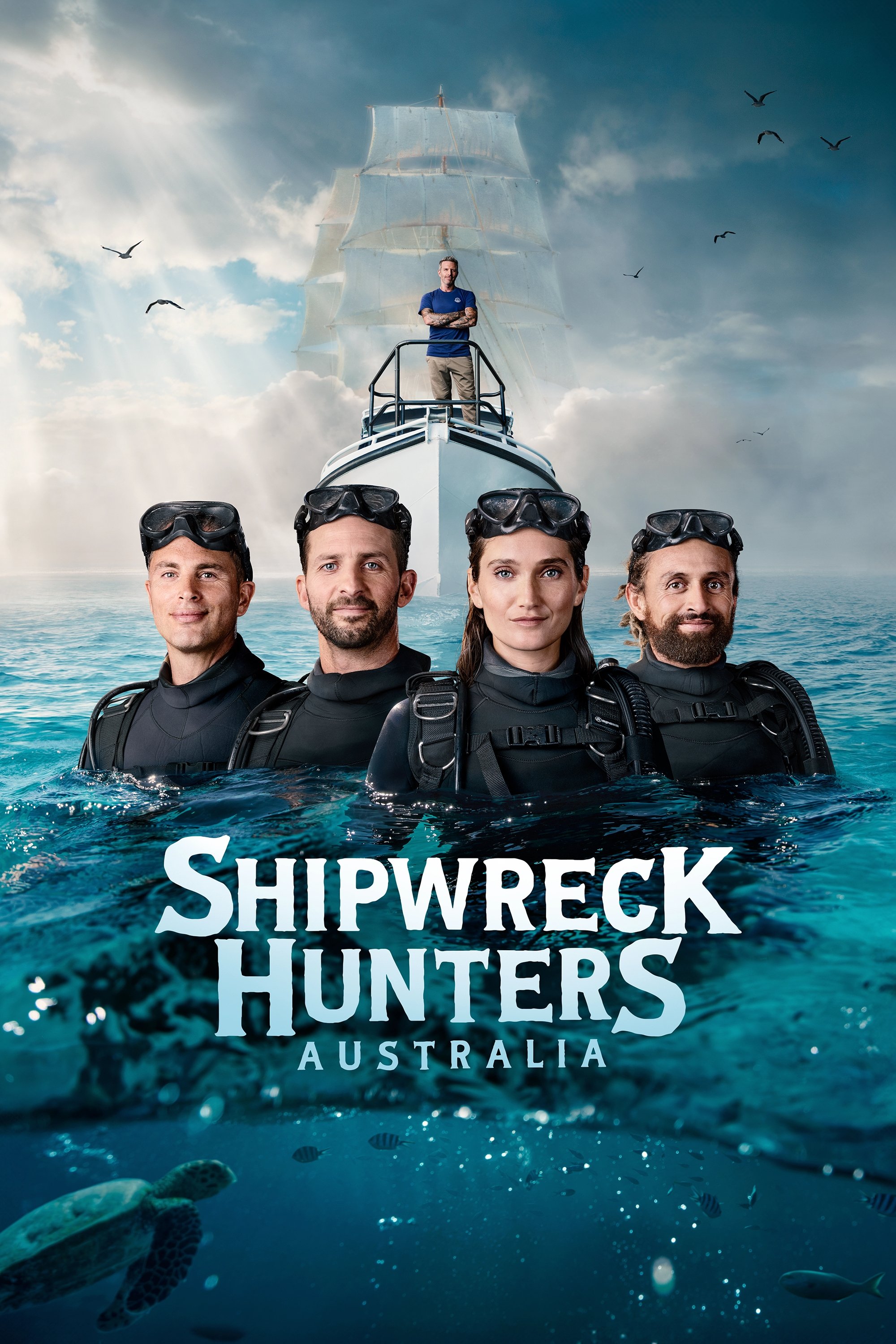
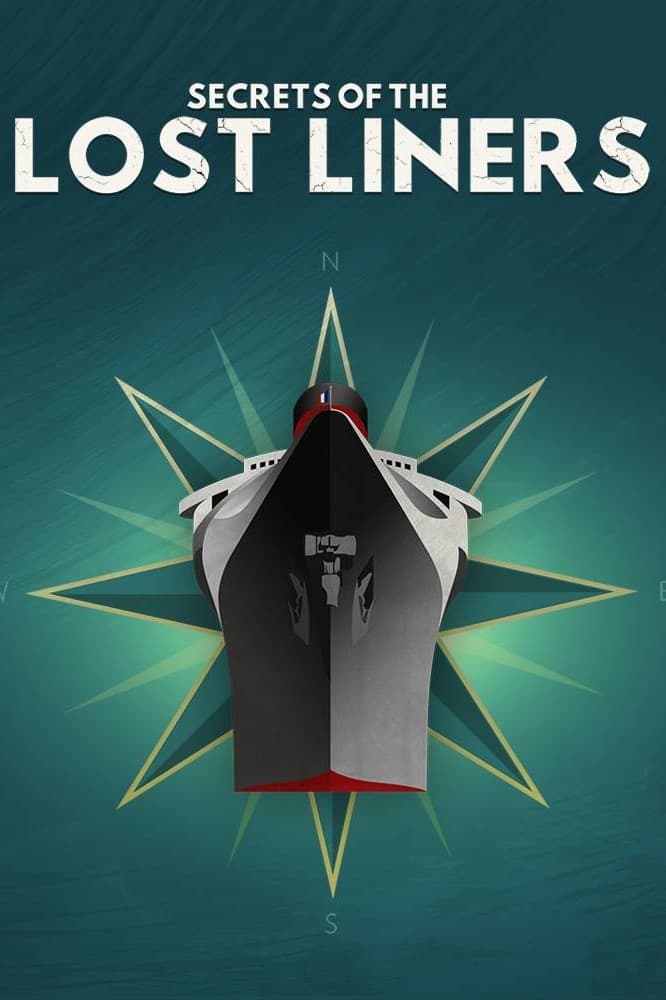
Experts follow investigations to uncover new details about the most epic and infamous wrecks from history.
This music documentary reveals how some of the world's most iconic artists were shaped by this corner of London.
An ordinary night bus has been kitted out with cameras for this series, witnessing the funny, surprising and sometimes moving interaction between passengers after dark. From late night revellers and tourists visiting the West End to shift-workers leaving home at first light, the series will provide an intimate portrait of London at night and the round-the-clock efforts made by drivers and support staff to keep the night bus working for London.

Series telling the story of the architects, engineers and spin doctors who entered a frantic two year race to make the Royal Opening of St Pancras on time.
London is a 2004 three-part BBC history documentary series about the history of London, presented by Peter Ackroyd.
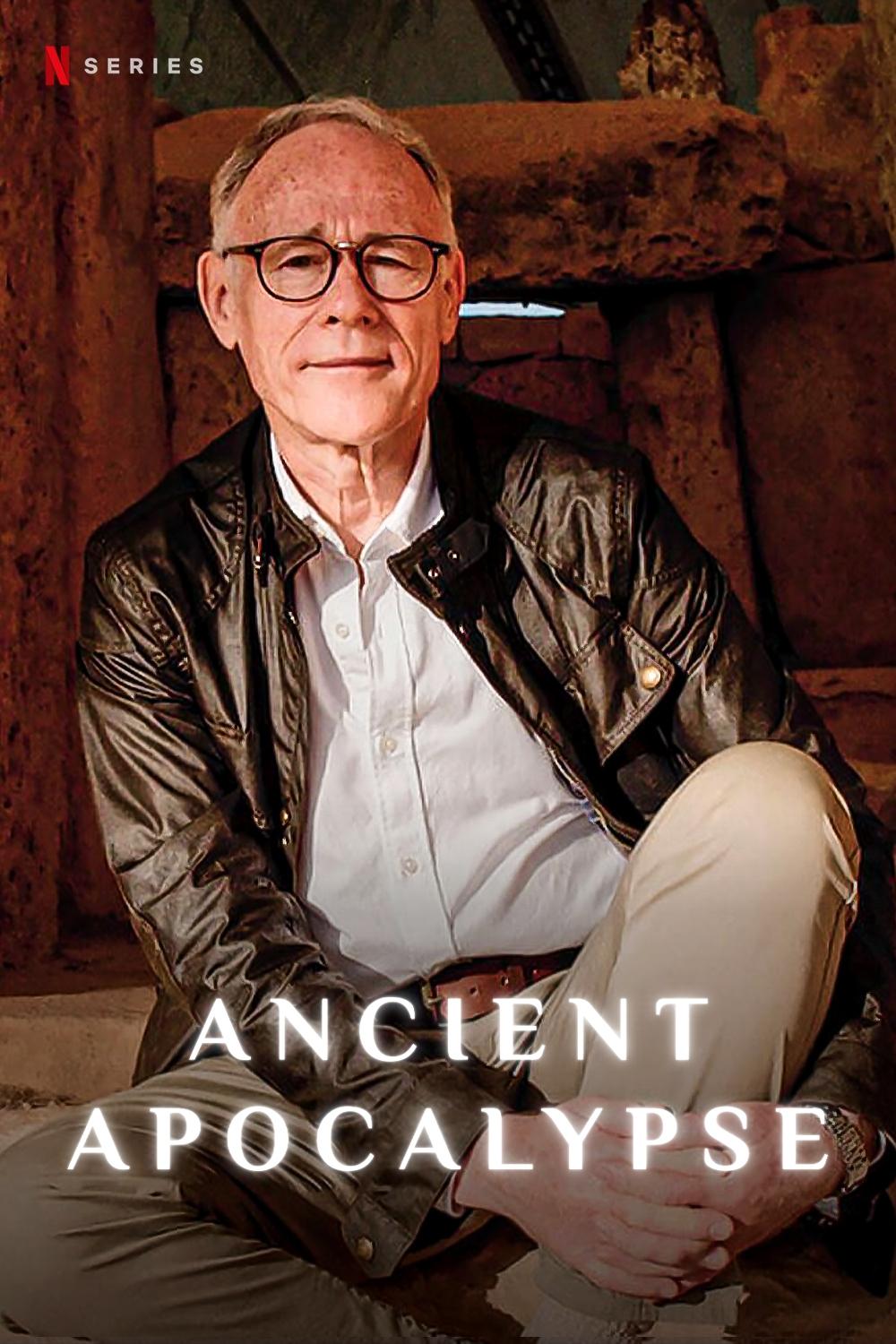
Journalist and writer Graham Hancock travels the globe hunting for evidence of mysterious, lost civilizations dating back to the last Ice Age. He attempts to prove that a climatic event 12,000 years ago wiped out an entire civilization far more sophisticated than the simple hunter-gatherers some archaeologists believe lived at that time.
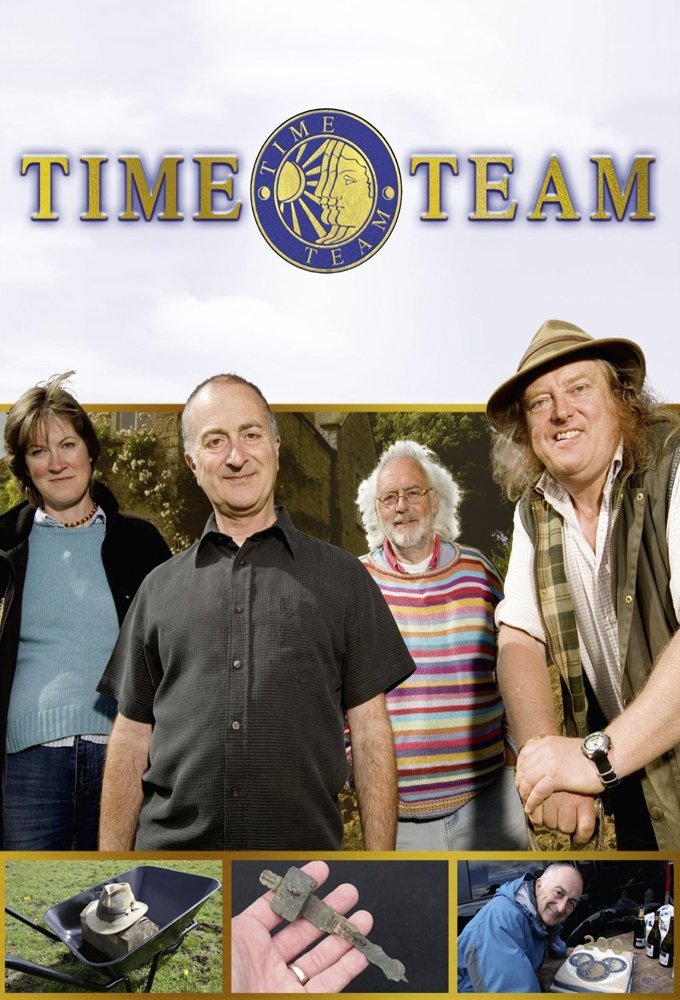
Time Team is a British television series which has been aired on British Channel 4 from 1994. Created by television producer Tim Taylor and presented by actor Tony Robinson, each episode featured a team of specialists carrying out an archaeological dig over a period of three days, with Robinson explaining the process in layman's terms. This team of specialists changed throughout the series' run, although has consistently included professional archaeologists such as Mick Aston, Carenza Lewis, Francis Pryor and Phil Harding. The sites excavated over the show's run have ranged in date from the Palaeolithic right through to the Second World War.
It is said to be one of the oldest books in the world. Has it been altered? If yes why? A remarkable journey back in time to see what the Old Testament and the New Testament is hiding from us.
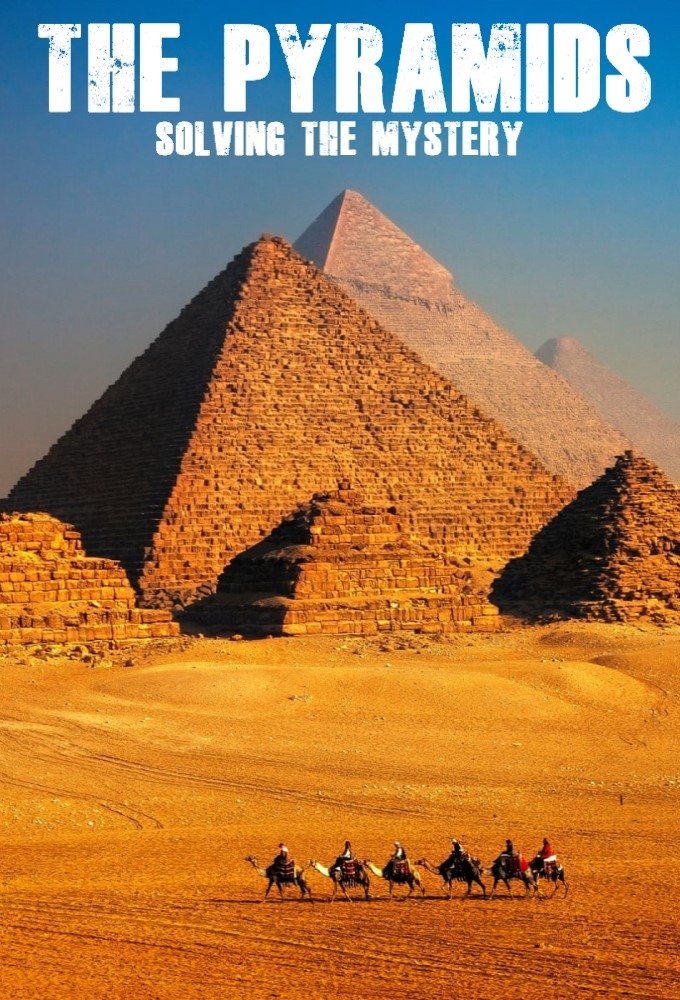
The construction of the Egyptian pyramids remains an enigma, an unsolved mystery. But today, Egyptologists and archaeologists have developed a new tool which uses aerial and satellite images to provide valuable fresh clues about the position, construction, and evolution of these edifices. This series sets out to decode the mysteries of the pyramids' construction, and to recreate Egypt as it was more than 5000 years ago.
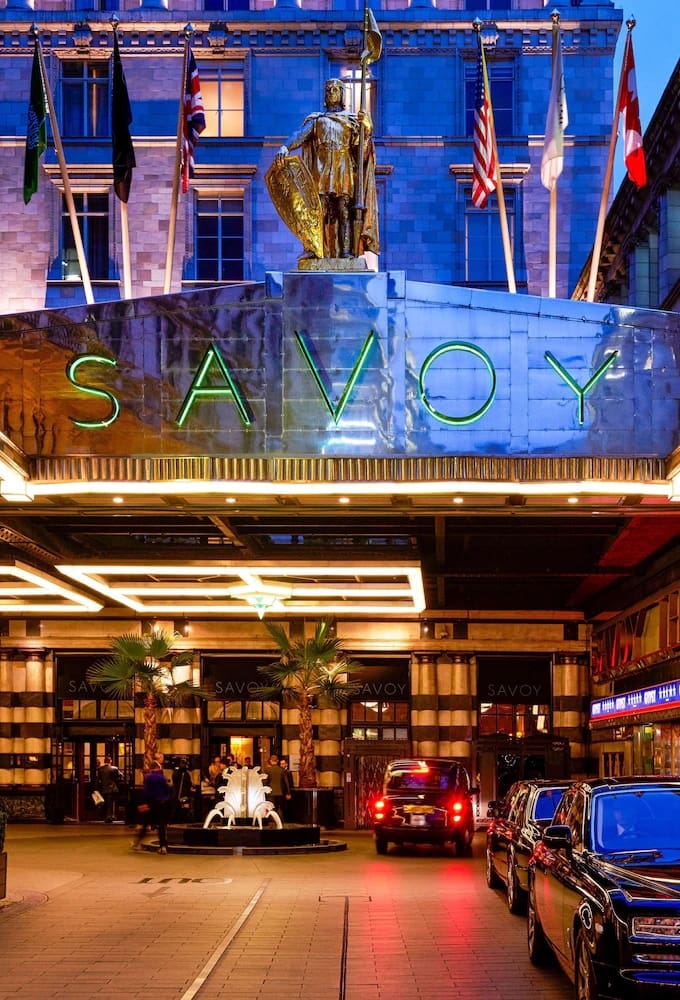
An exclusive five-star peek behind the doors of the luxury London hotel.
It was an archaeological find that became global news. An extraordinary mega-tomb, filled with the largest concentration of coffins ever unearthed in Saqqara, Egypt. This four-part series places you at the site to witness this ground-breaking discovery as it happened and follows Egyptologists as they try to determine why all of these mummies were buried together and what this ancient cemetery can tell us about the Egyptian civilization's way of death 2,500 years ago.
Millions of tourists visit Angkor Wat in Cambodia every year to marvel at its remarkable architecture, yet most are probably unaware that when it was built nearly 1,000 years ago it was even more impressive. Using remote sensing technology, scientists now know what is hidden beneath the nearby paddy fields and jungle: a sophisticated metropolis with an elaborate network of houses, canals, boulevards and temples covering 30 square kilometres that housed three-quarters of a million people. To put that into perspective, London at that time was home to just 18,000. These previously hidden finds tell us a great deal about life during the golden age of the powerful Khmer dynasty.
Shipwreck hunter Samuel Côté takes us to the depths of the St-Lawrence river, in search of buried and long-forgotten treasures. With his team of divers, Samuel tracks down shipwrecks that lie in the river’s abyss, seeking to bring their mysteries to light. The series immerses the viewer into Quebec’s maritime history, through tales of war, pirates, treasures and archeology. The venture is a risky one, but Samuel’s discoveries are fascinating and allow him to accomplish his mission, which is to restore the river’s history. Season 1: 10 x 30 minutes, fall 2014 Season 2: 9 x 30 minutes, winter 2016 Season 3: in production The series is produced by URBANIA, broadcast on the HISTORIA channel, thanks to the financial support of the Canada Media Fund.
A mission to discover and re-create unexcavated worlds still hidden beneath the earth.
A forensic dig into history's most enduring mysteries. In Voices of the Dead, Professor Bettany Hughes leads a forensic investigation into some of the most enduring mysteries of the ancient world and brings viewers face-to-face with the extraordinary people of the past she unearths along the way.
The story, from 1600 to the present day, of the ruthless competition between Amsterdam (Netherlands), London (UK) and New York (USA) for world trade supremacy, as great minds blazed paths to glory and iconic architecture soared skyward.
People live in a world of cities; reflecting on ancient models of the city as a human phenomenon offers important lessons about today's culture; an opportunity to survey the breadth of the ancient world through the context of its urban development.