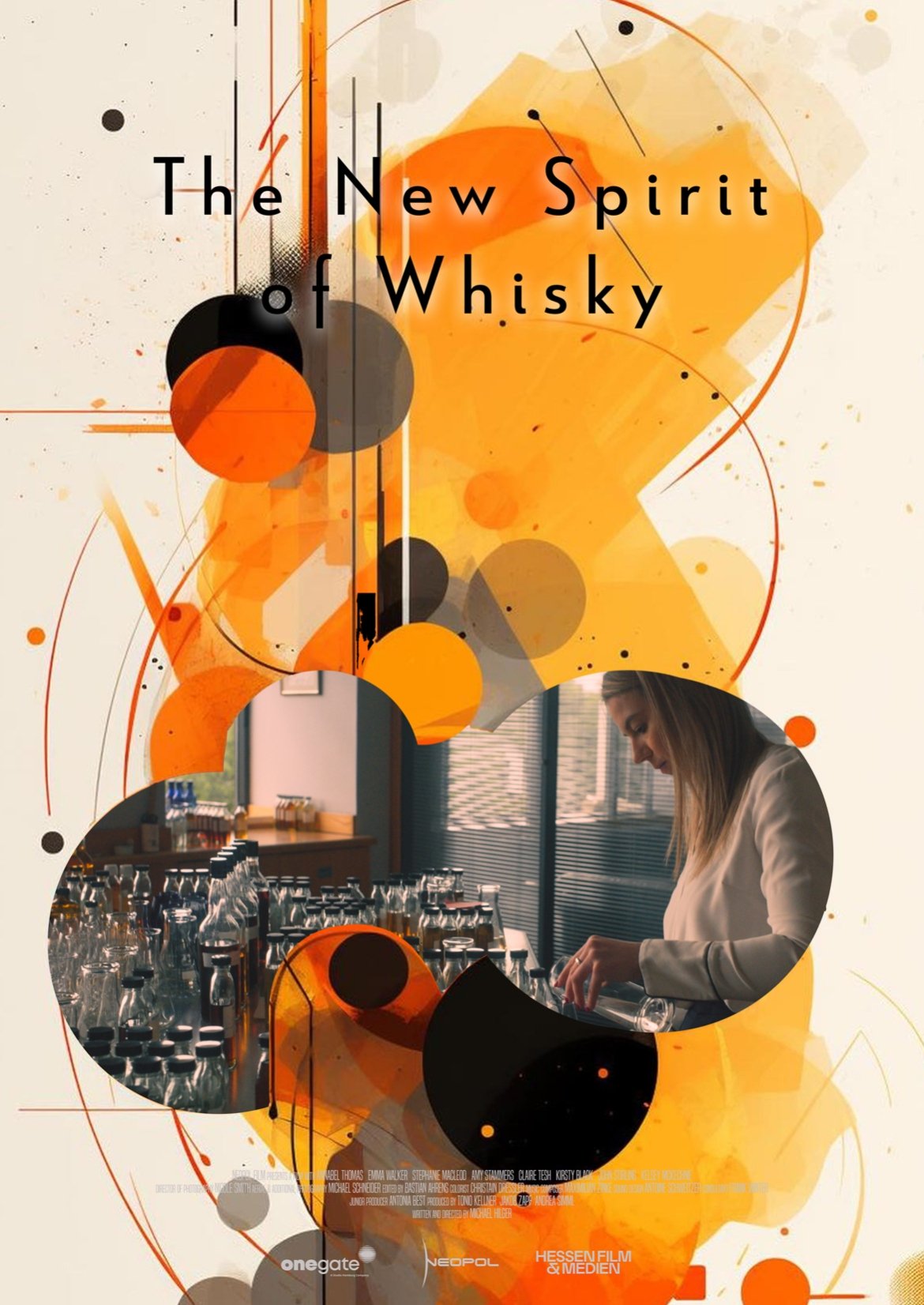
A closer look at the underestimated role of women in the current Whisky industry in Scotland
Social & External
The people behind it
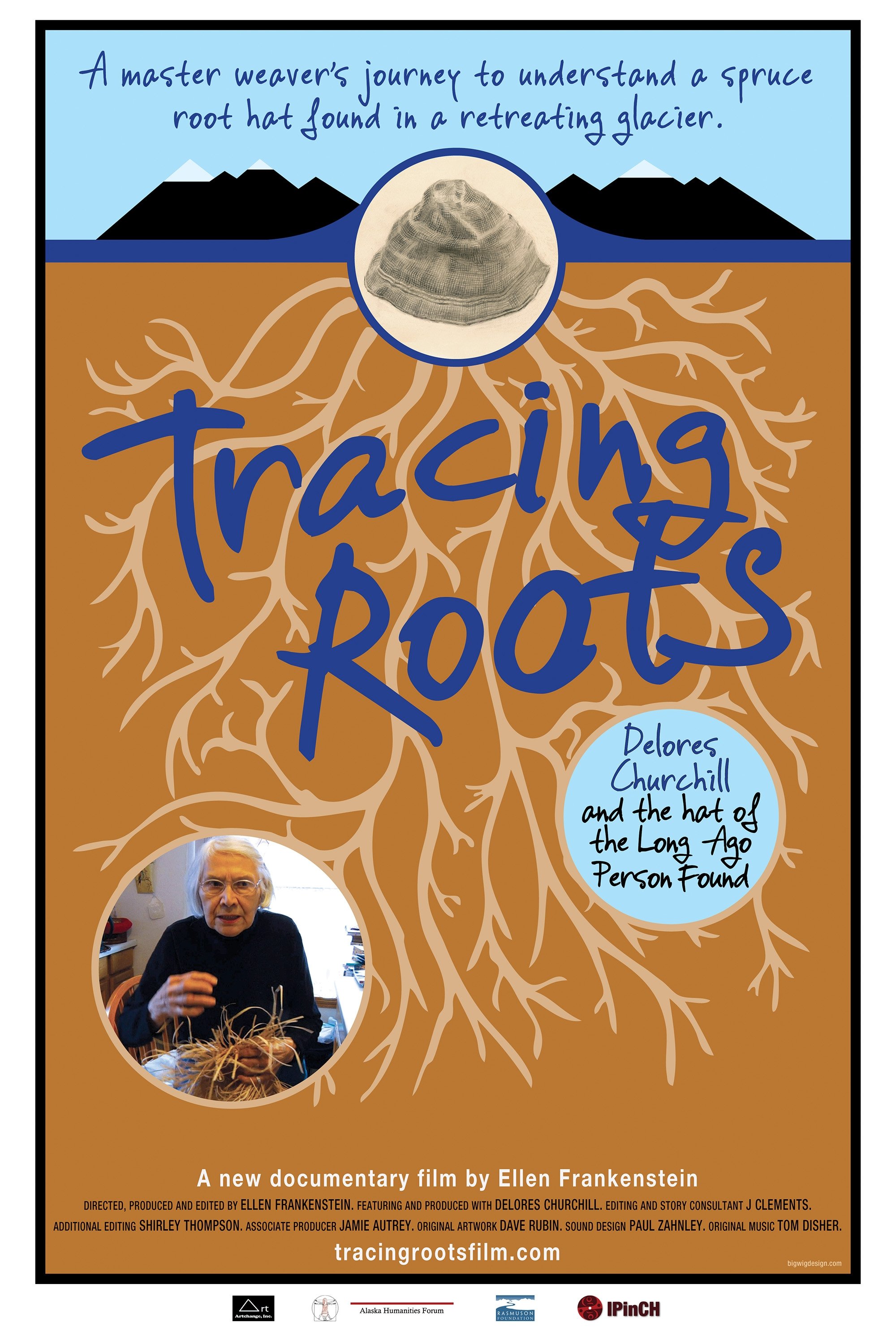
A new documentary that follows master Haida weaver Delores Churchill on a journey to replicate a spruce root hat discovered with the Long Ago Person Found. The 300-year-old traveler was discovered in British Columbia and DNA testing discovered living descendants in Canada and Alaska. Her search crosses cultures and borders, and involves artists, scholars and scientists. The project raises questions about understanding and interpreting ownership, knowledge and connection.
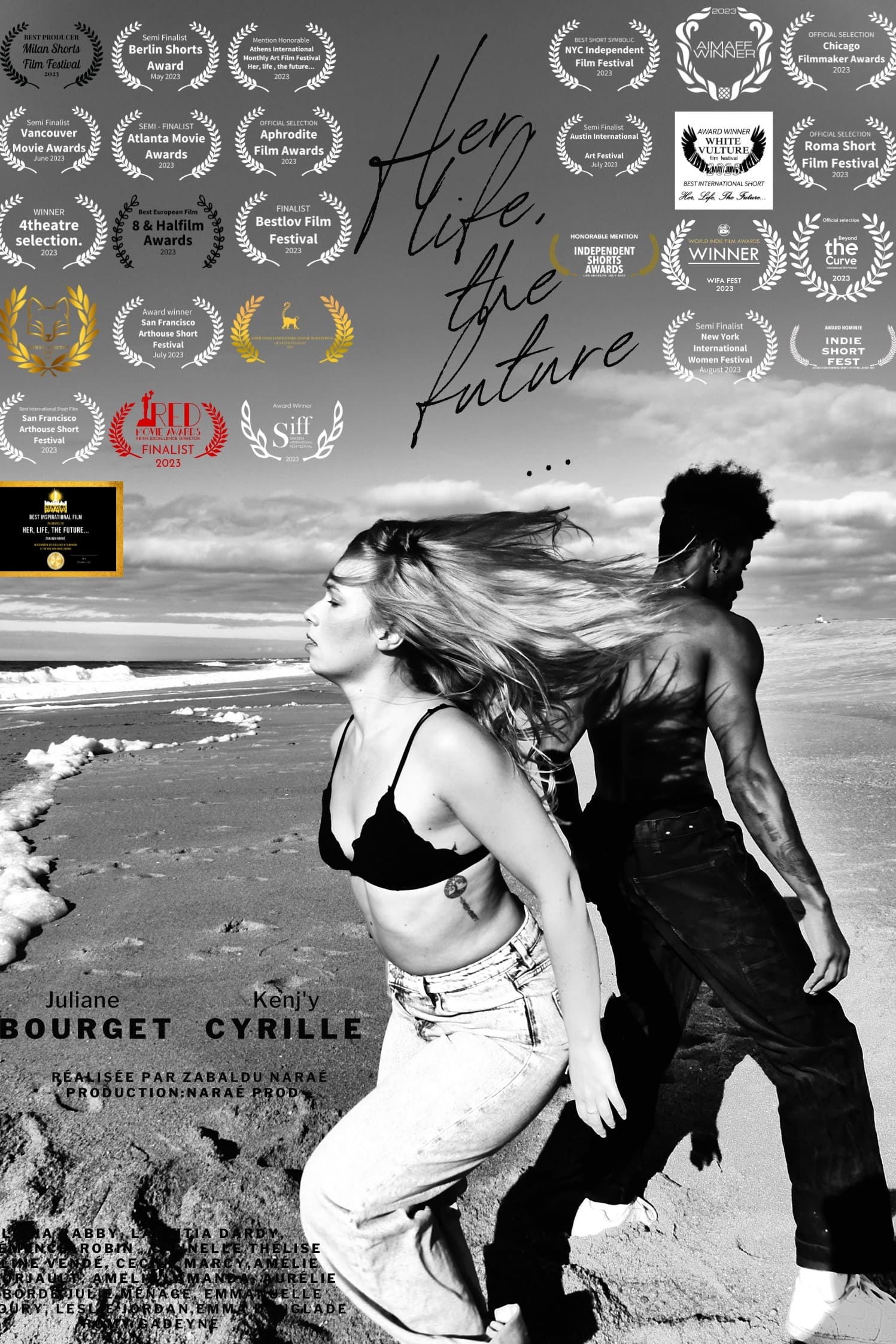
The life of a couple with the disease of endometriosis, she will have to make a choice, but which one? Do you really know the disease? Do you know who she is and what she does? Passionate about dance, the disease takes a big place, what is the fight she will lead? And what would be your choice?
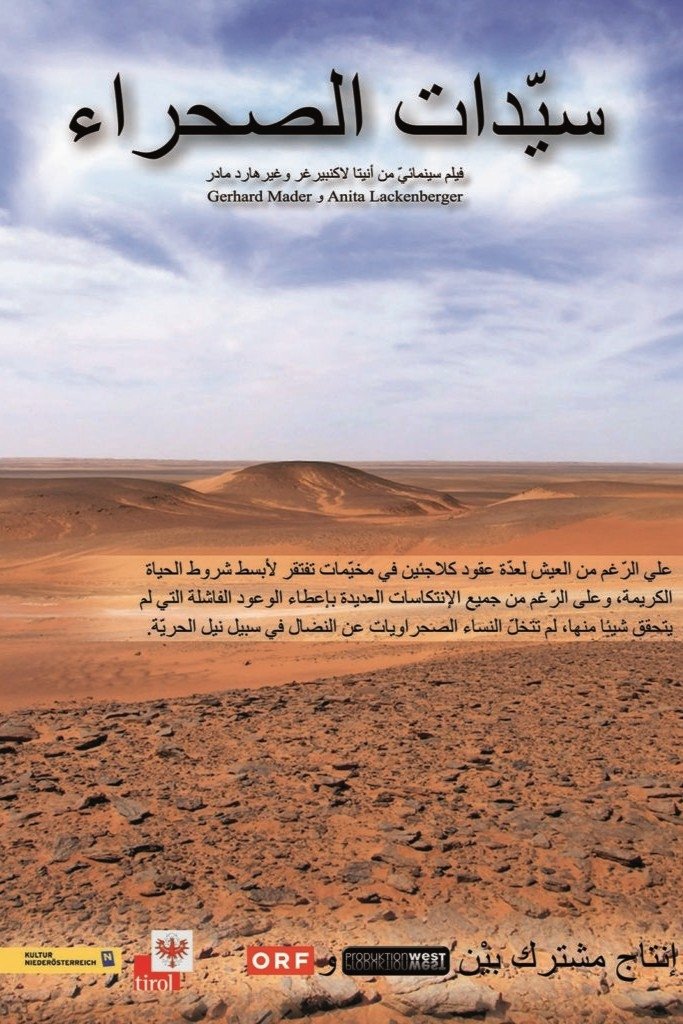
The film offers an insight into a nearly forgotten world. The times when the Sahrawi war of independence was on the international agenda seem to be long forgotten. The fate of hundreds of thousands Sahrawis living in refugee camps since the 1970s seems not to be spectacular enough for further attention. Inthe film the women get a chance to speak. It is a film about their experiences and hopes. It is mainly a film about life in surroundings where seemingly normal things are real challenges. The film is a simple and impressive portrait of women, who have been fighting against their fate to help their people. They have never lost their drive, no matter how unfavourable the circumstances have been. It reminds us of the fate of the Sahrawi people. The film is realistic, without any kitsch elements. It shows impressive pictures of the real lives of strong women, who have never stopped fighting for independence.
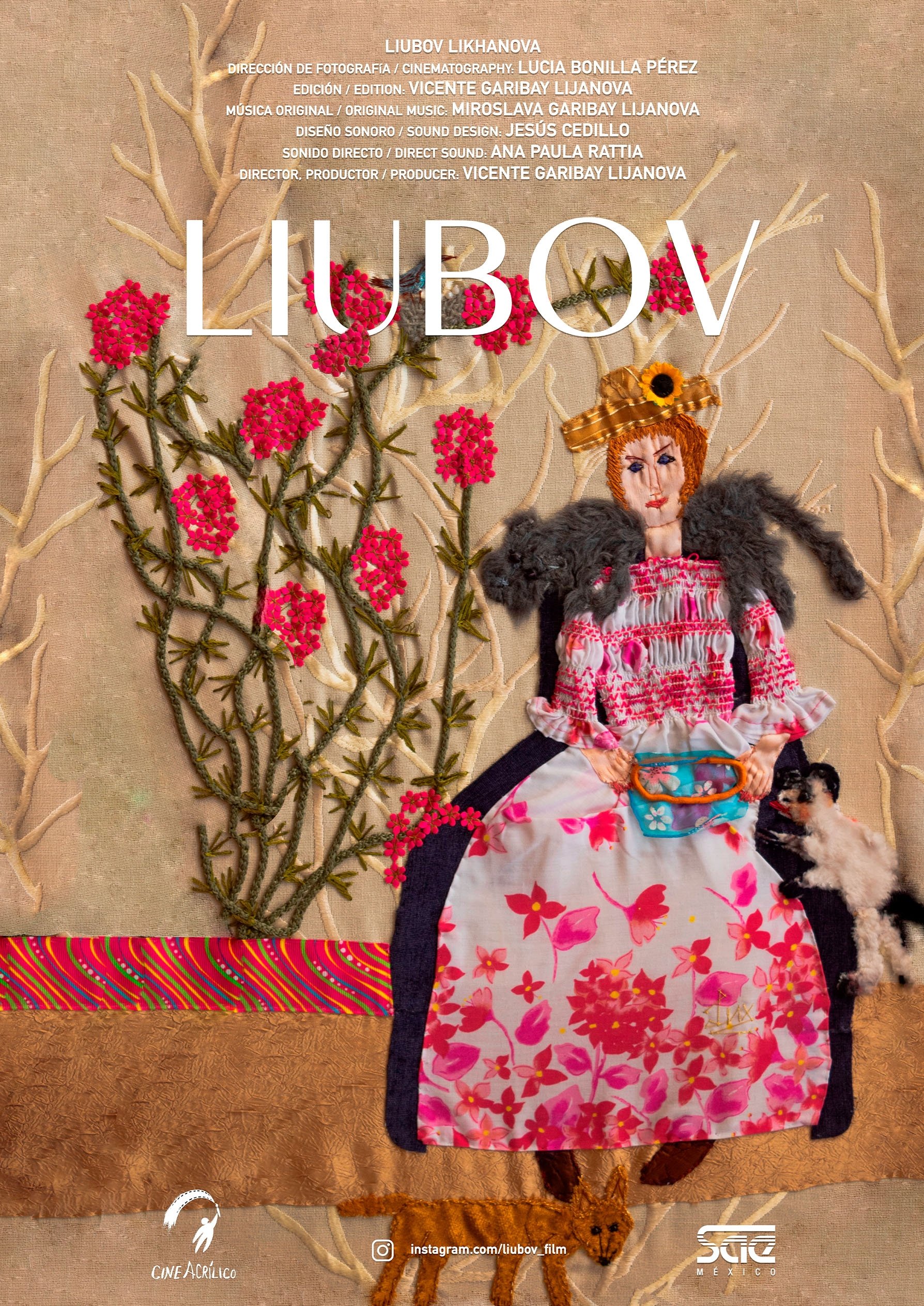
Liubov, a Russian lady who lives in Mexico City. During the routine of her day, Liubov will recall the experiences she had with death, from childhood to adulthood.
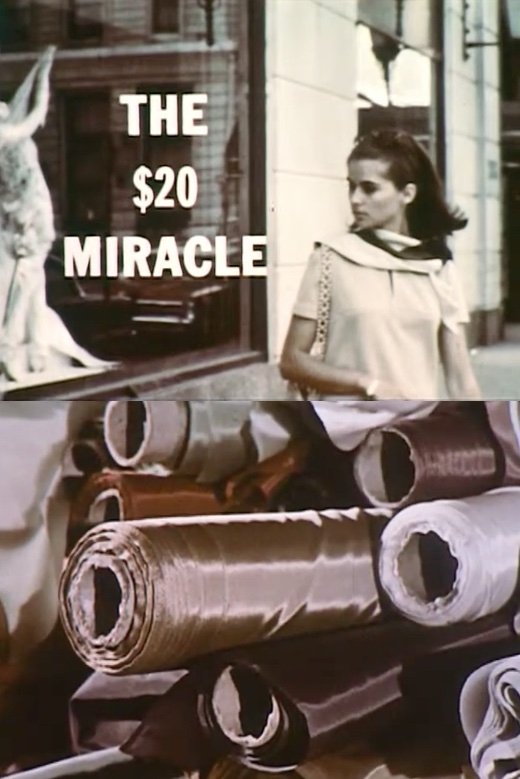
The American woman is the best dressed woman in the world. This is due to Yankee ingeniuty, which makes a fashionable, well-made dress to sell for twenty dollars or less.
A scenes from a tour of Manipur State and a women's bazaar in Imphal.
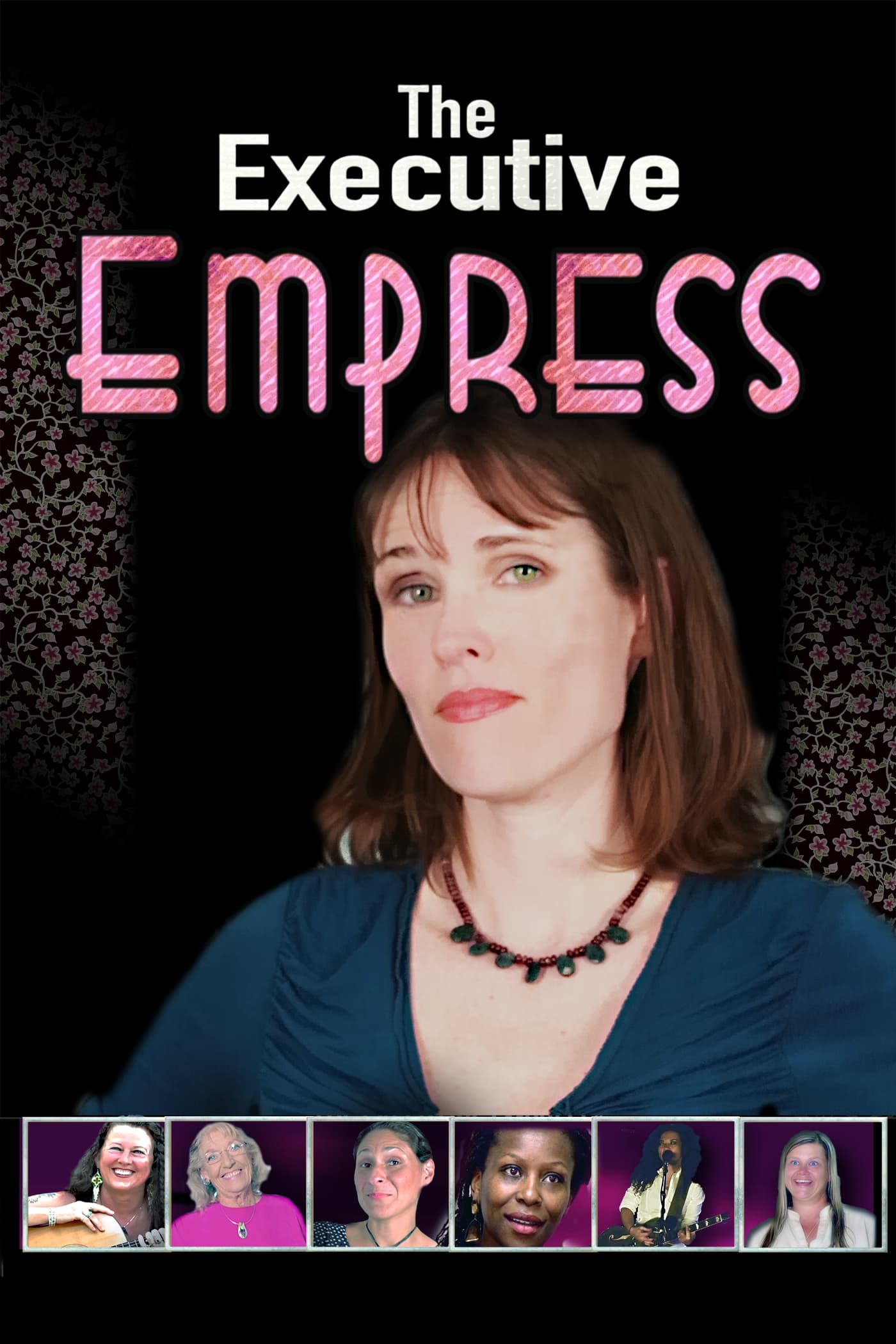
The Executive Empress explores the entrepreneurial lives of several Florida women, who have turned their unique passions into successful businesses.
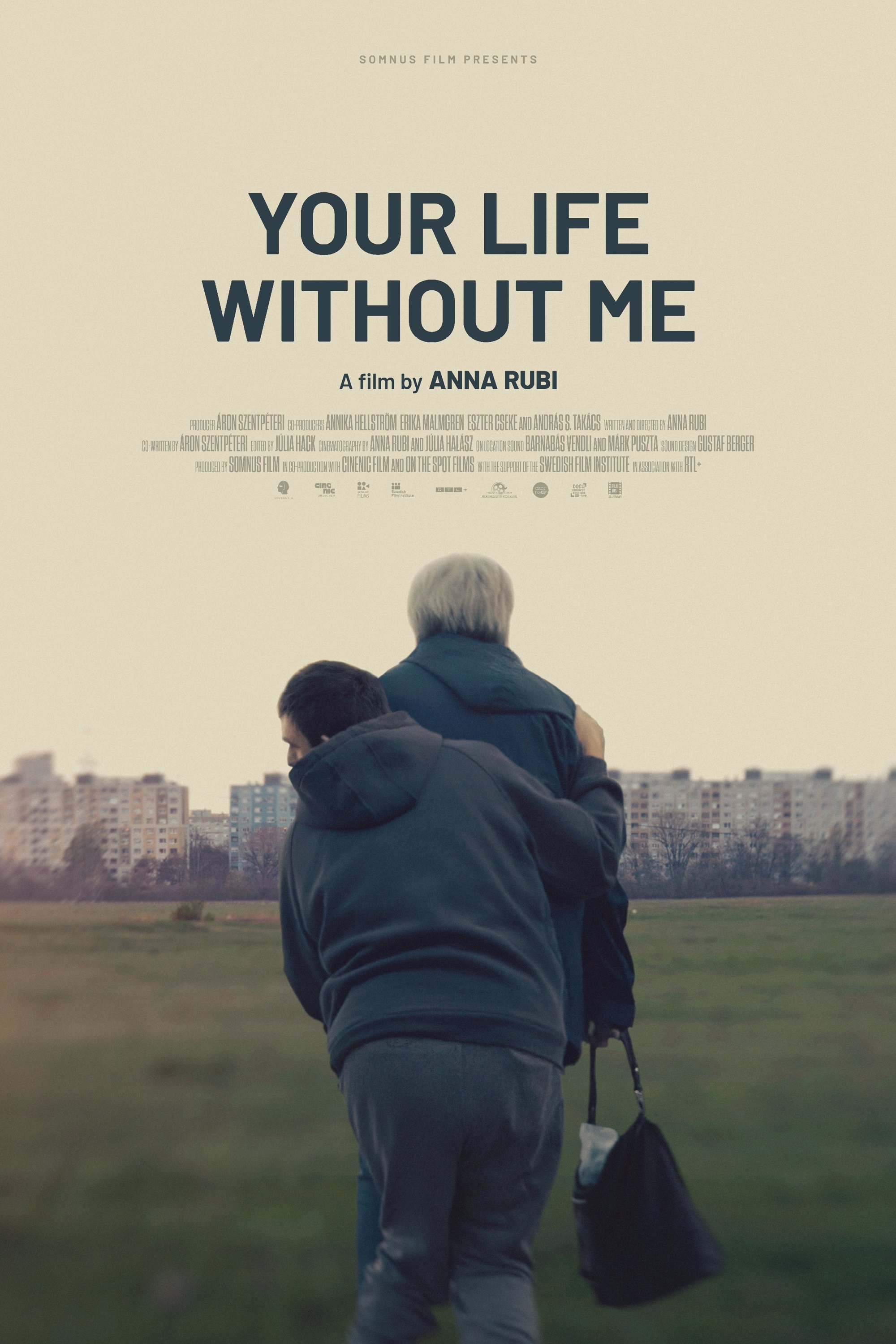
Magdi, a strong-willed, but lonely caregiver faces a daunting reality as she grows older: If she were to pass away, her disabled adult son, Feri would be left to the inhumane conditions of the Hungarian state care system, and would quickly follow her. Determined to secure a future for Feri, Magdi unites with a group of mothers who are in the same situation and they take legal action against the state. “Your Life Without Me” is a story of the strength and sacrifices of these women who find their own voice through the common fight and their community.
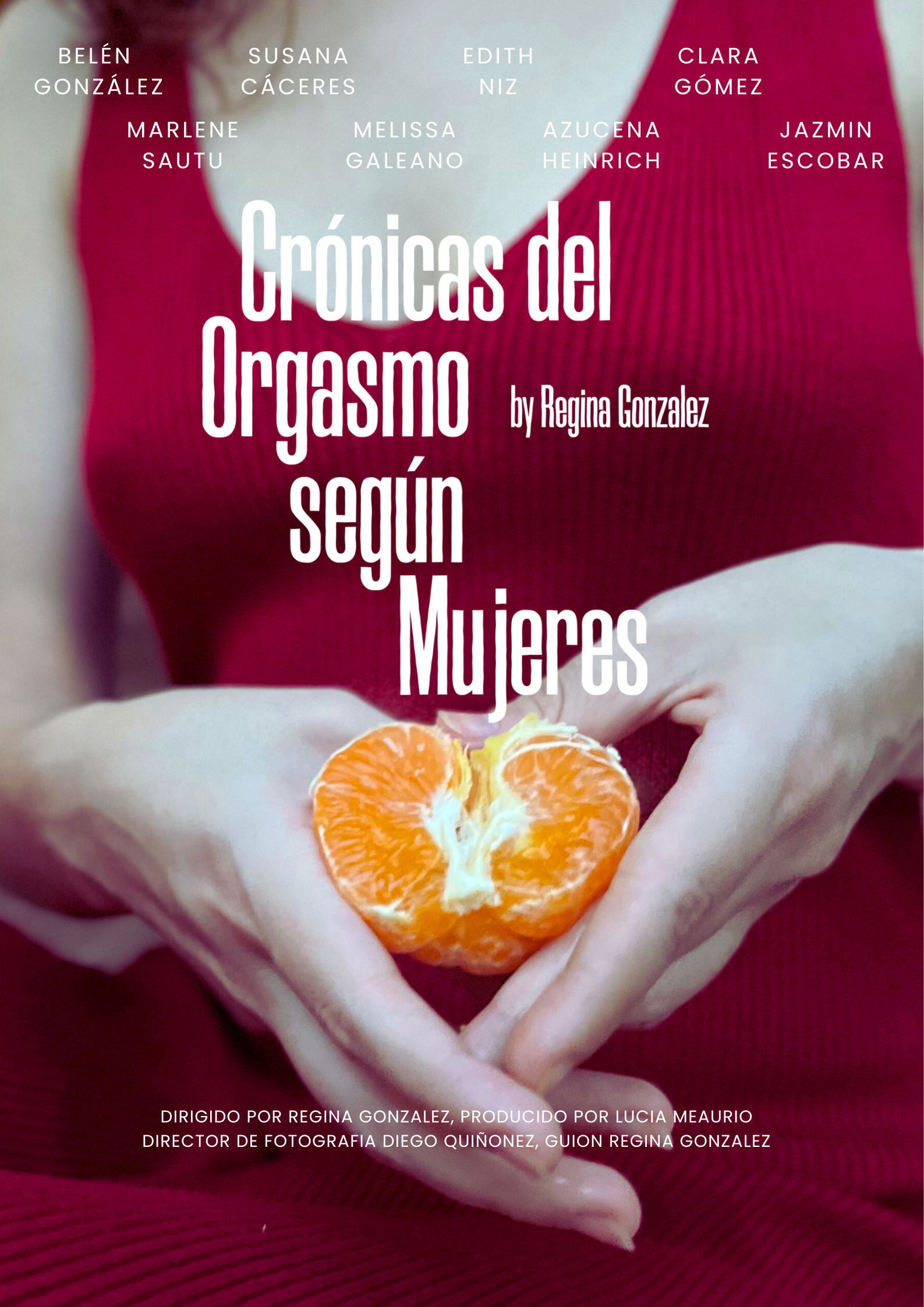
The documentary deals with the experiences around orgasm of Paraguayan women of different ages and provides the vision of a sexologist who comments on these experiences. In the conversation that is generated from this social dynamic, taboos, myths and common situations in relationships are discussed.
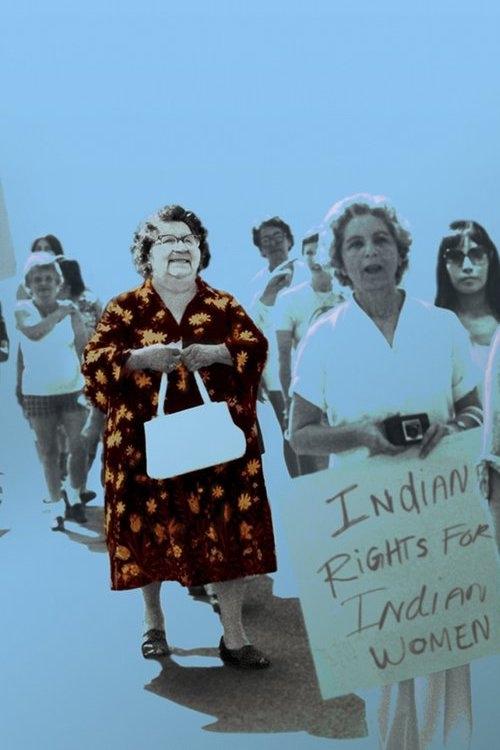
After marrying a settler, Mary Two-Axe Earley lost her legal status as a First Nations woman. Dedicating her life to activism, she campaigned to have First Nations women's rights restored and coordinated a movement that continues to this day. Kahnawake filmmaker Courtney Montour honours this inspiring leader while drawing attention to contemporary injustices that remain in this era of truth and reconciliation.
Discovering your womanhood at 33 when you're a feminist is like exploring a new continent as an adventurer. It sparks a desire to embark on a journey, to understand the world around us, to search for ourselves, over and over again. To engage in the new sexual revolution and trace the roots of sexism and gender, questioning whether sexual education in France can prevent future generations from the patriarchy. But are we ready to deconstruct everything?
A provoking film on the place of women.
Three alien women with futuristic sound headgear walk around enclosed spaces engulfed in sand. They are connected by their common ability to listen to the stories of migrant Venezuelan women abandoned objects carry.
History of women in Latin America
Two writers in Lisbon talk about what it means to be a woman in graffiti world where the survival of the fittest is prevailed and it's difficult to be accepted.
Since the law of August 2, 2021, on bioethics, French women between the ages of 29 and 37 have the right to collect and freeze their eggs, free of charge, without medical reason, regardless of their marital status. From this simple law, and thus from this right, emerges a complex and fascinating reality.
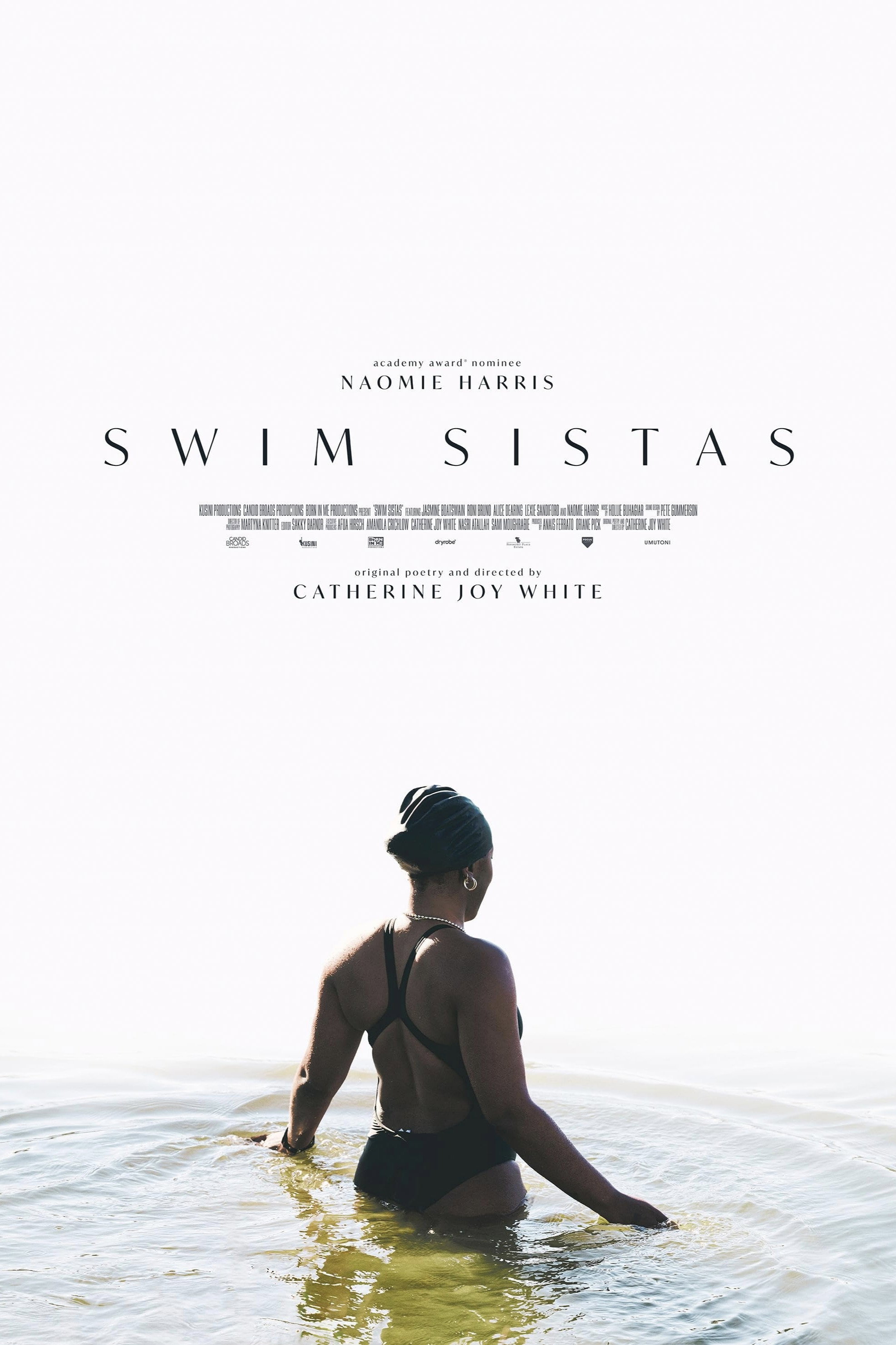
Swim Sistas follows the swimming journeys of three very different Black girls/women as barriers are broken down in the water.
From the heights of her modeling fame to her tragic death, this documentary reveals Anna Nicole Smith through the eyes of the people closest to her.
An impressionistic portrait of the iconic actor Harry Dean Stanton comprised of intimate moments, film clips from some of his 250 films and his renditions of American folk songs.
This revealing documentary honors the legendary Sidney Poitier—iconic actor, filmmaker, and civil rights activist. Featuring interviews with Denzel Washington, Spike Lee, Halle Berry, and more.
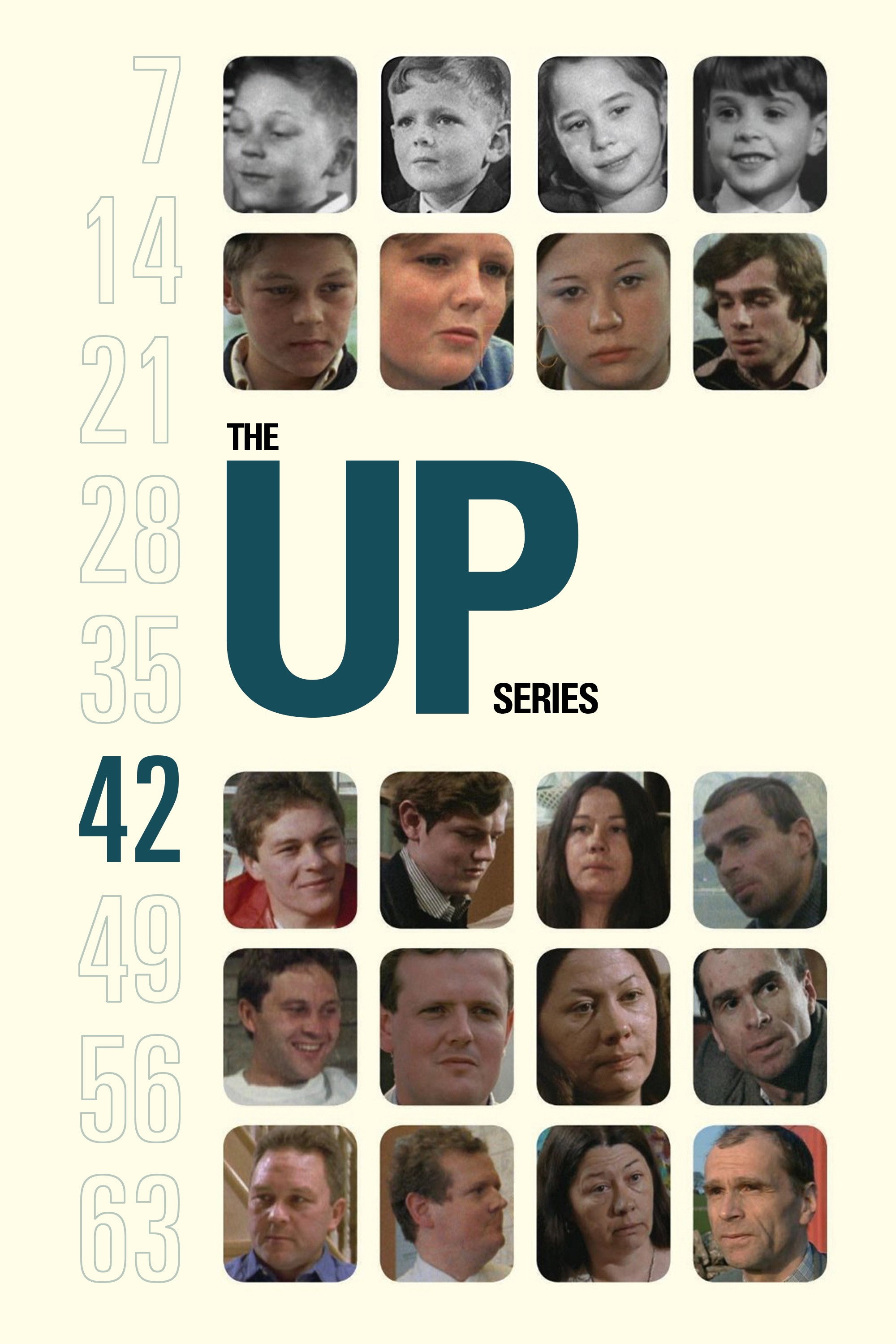
Director Michael Apted revisits the same group of British-born adults after a 7 year wait. The subjects are interviewed as to the changes that have occurred in their lives during the last seven years.
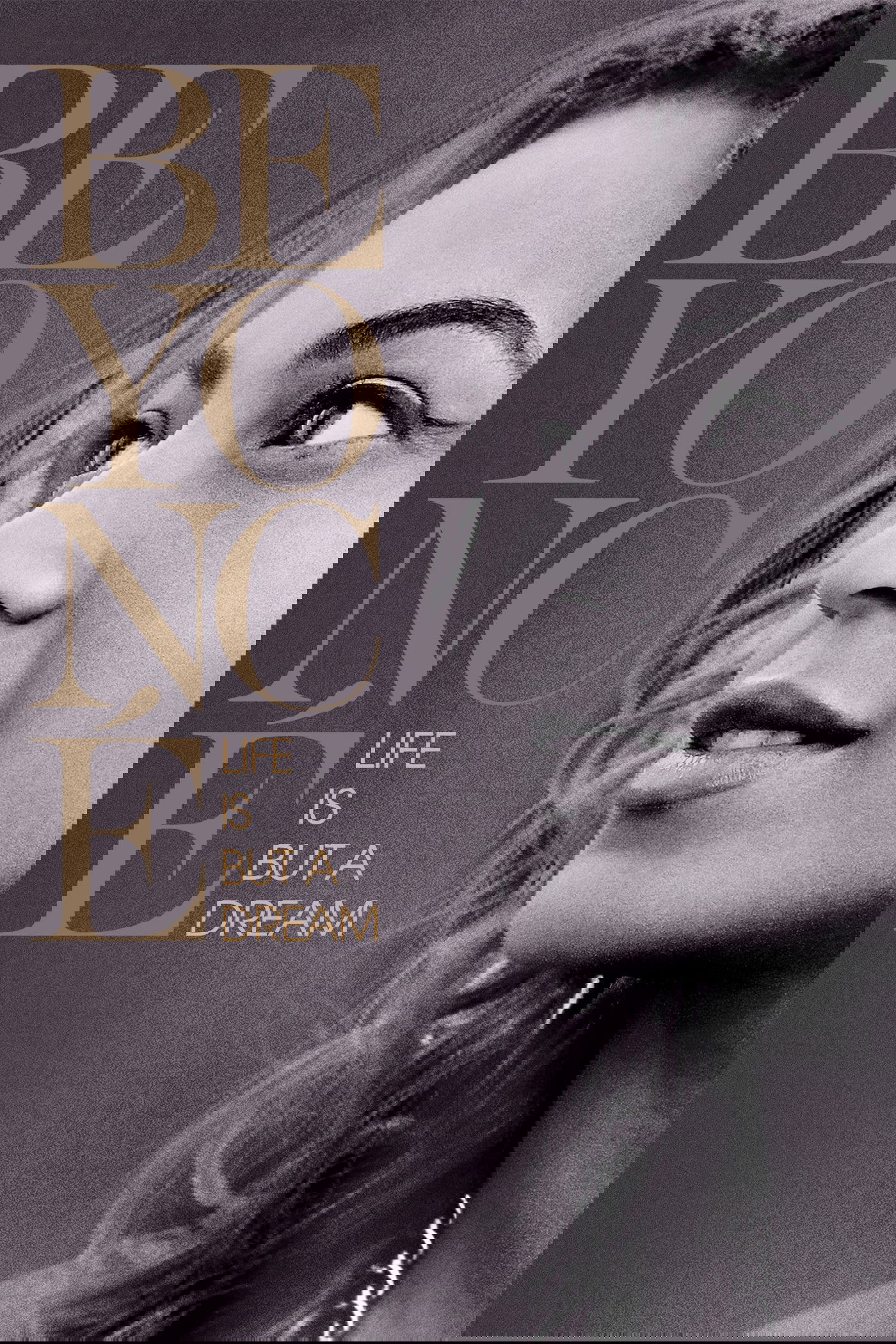
Life Is But a Dream is a HBO documentary about the life of US singer Beyoncé Knowles during the years 2011 and 2012 and on the recording of her fifth album. The film was directed by Beyoncé herself. The film shows Beyoncé from intimate moments of her pregnancy to behind the scenes and rehearsals of the main concerts of that time.
Musician and performance artist Laurie Anderson reflects on the deaths of her husband Lou Reed, her mother and her beloved dog.
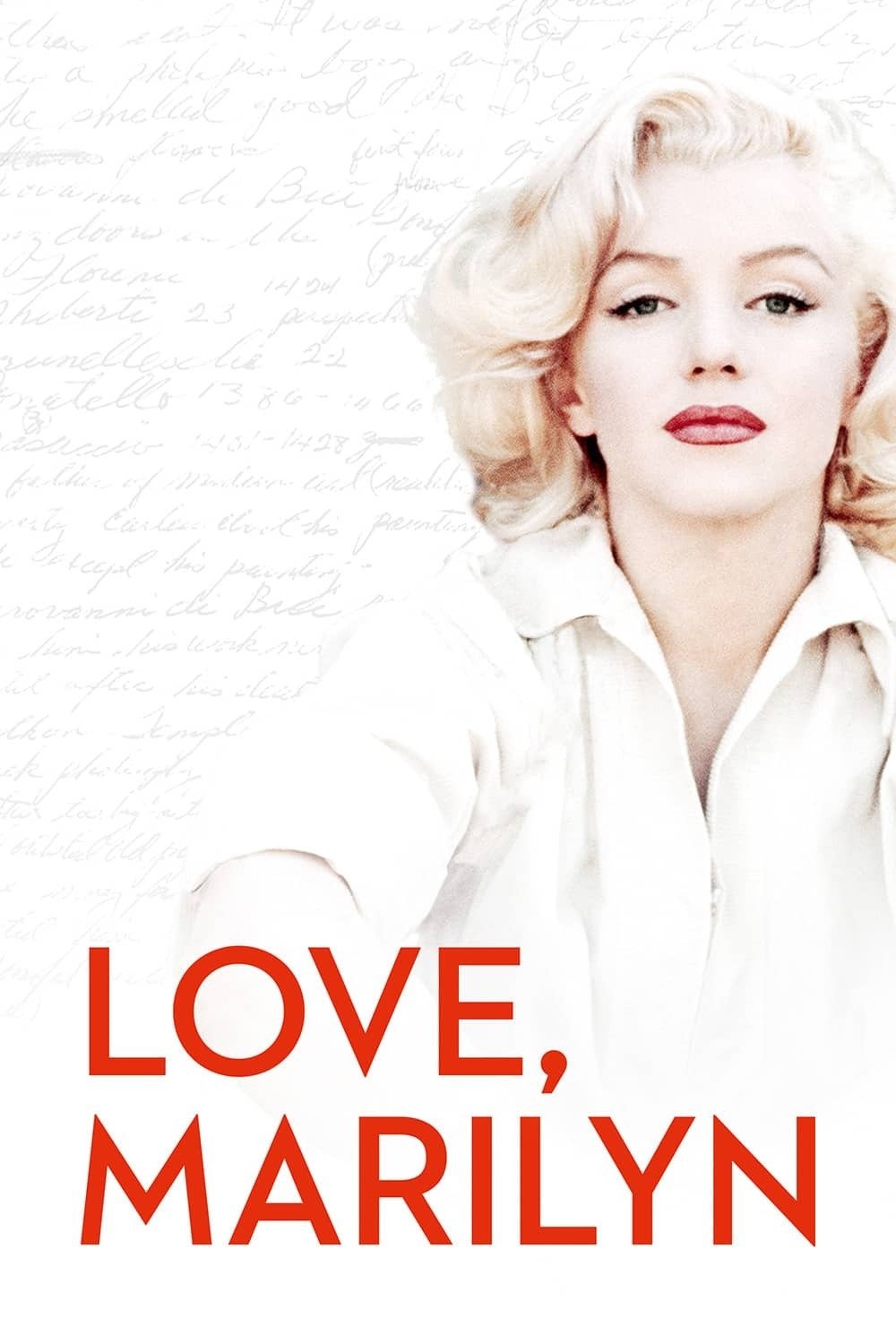
Using the book 'Fragments', which collects Marilyn Monroe's poems, notes and letters, and with participation from the Arthur Miller and Truman Capote estates who have contributed more material, each of the actresses will embody the legend at various stages in her life.
An inside look at one of the most anticipated movie sequels ever with James Cameron and cast.
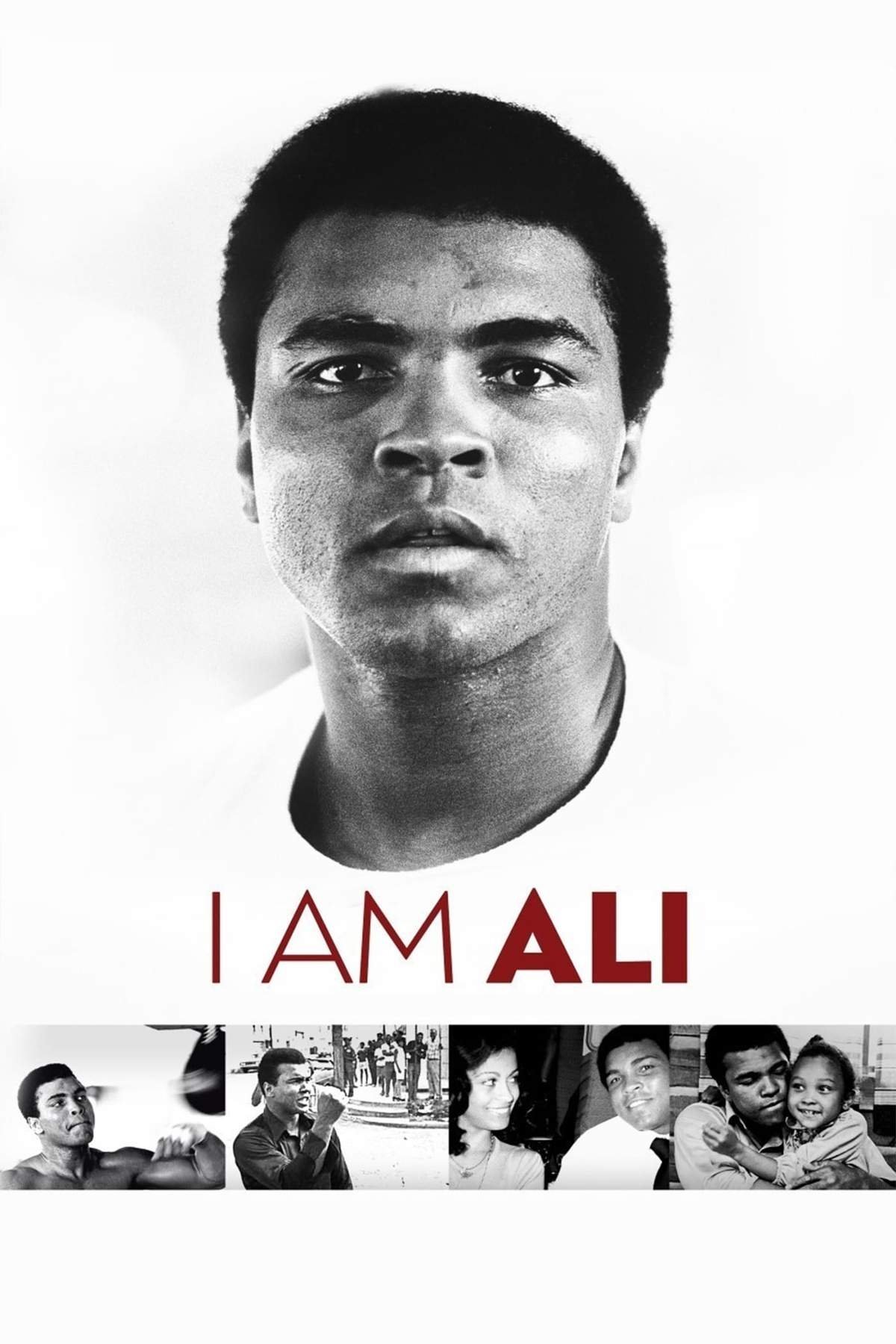
Unprecedented access to Muhammad Ali's personal archive of "audio journals" as well as interviews and testimonials from his inner circle of family and friends are used to tell the legend's life story.
From a prolific career in film and television, Anton Yelchin left an indelible legacy as an actor. Through his journals and other writings, his photography, the original music he wrote, and interviews with his family, friends, and colleagues, this film looks not just at Anton's impressive career, but at a broader portrait of the man.
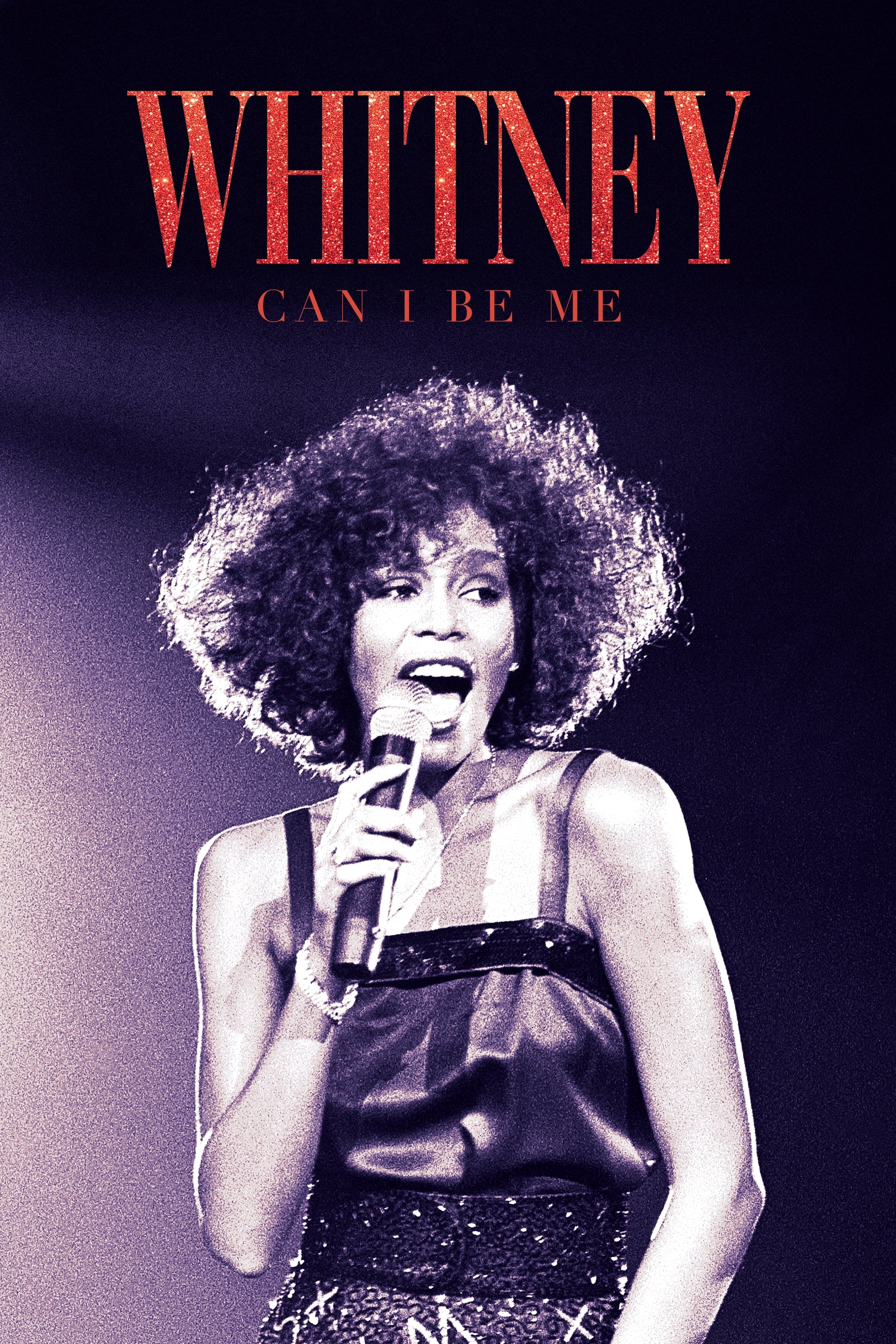
The life and tragic death of Whitney Houston.
This special explores the return of Obi-Wan Kenobi and Anakin Skywalker to the screen, as well as Ewan McGregor and Hayden Christensen to their classic roles. Director Deborah Chow leads the cast and crew as they create new heroes and villains that live alongside new incarnations of beloved Star Wars characters, and an epic story that dramatically bridges the saga films.
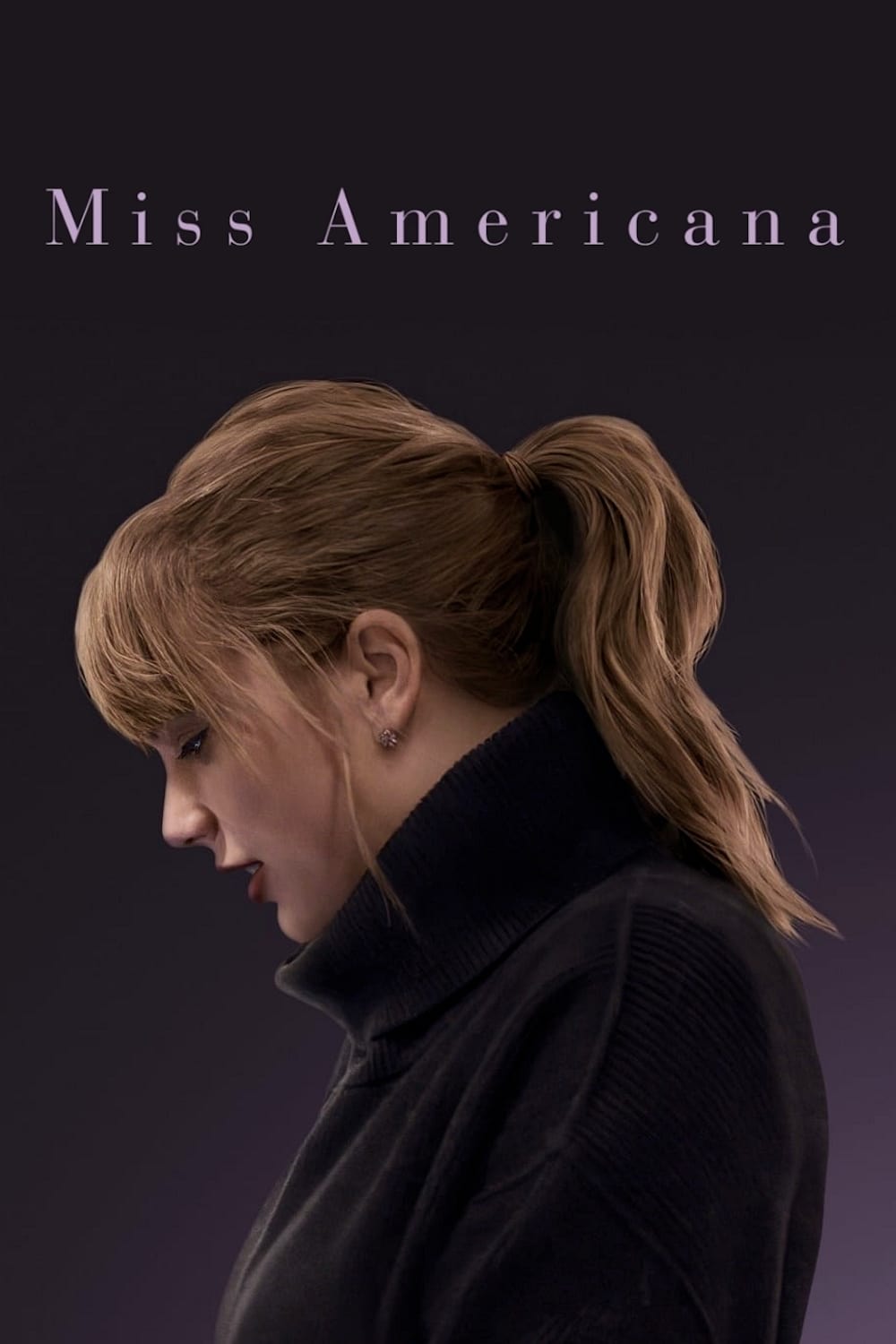
A raw and emotionally revealing look at one of the most iconic artists of our time during a transformational period in her life as she learns to embrace her role not only as a songwriter and performer, but as a woman harnessing the full power of her voice.
In an intimate and joyful story of love in the face of loss, celebrated poets Andrea Gibson and Megan Falley find strength—and unexpected hilarity—in what might be their final year together.
The life and career of an actor, artist, and icon. His own journey through his own camera.
Over 35 years after Bob Lazar's revelations, this documentary exposes secrets of a facility the government still denies. Featuring Lazar's testimony, recreations, and new evidence, it reopens a case that continues to spark global curiosity
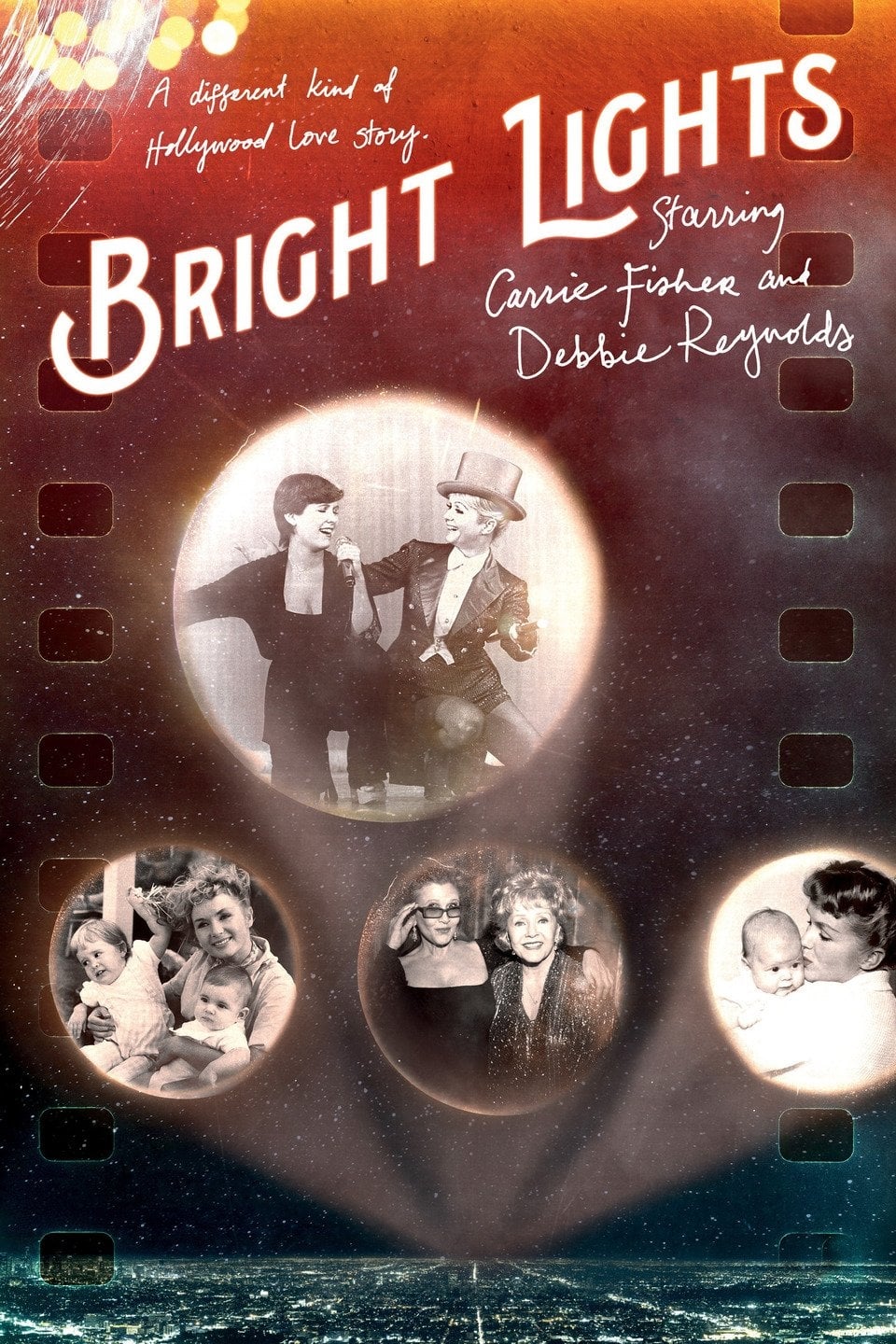
An intimate portrait of Hollywood royalty featuring Debbie Reynolds, Todd Fisher, and Carrie Fisher.
Through deeply personal interviews with her siblings and an examination of the photographs, letters, and belongings left behind, Mariska assembles a new portrait of her mother Jayne Mansfield, an extraordinary and complex woman.
A string of threatening emails escalates into a revenge plot involving a newly married US marshal and his ex-girlfriend.
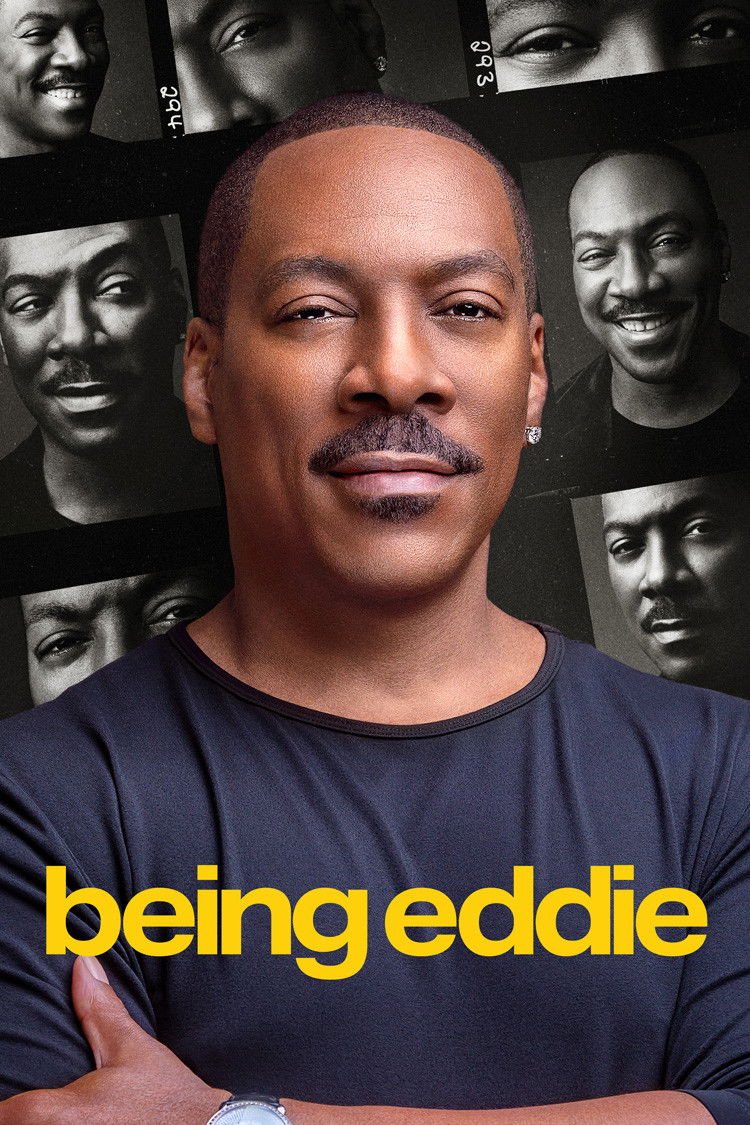
From teen comedian to Hollywood legend, Eddie Murphy revisits his extraordinary showbiz ride with raw honesty and humor.