"THE MACHINE IN THE SHELL"
A light explodes and becomes a snail.
Social & External
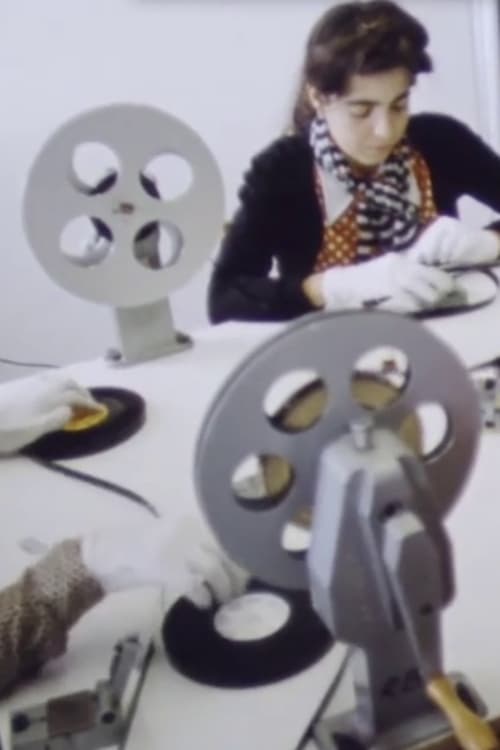
“Last August, several filmmakers joined me to repair the splices in Markopoulos’s Eniaios. I interrupted our work for a moment; the generosity of James, Silvia, Nina, Alexandre and Julia prompted me to film them. Then I filmed James Edmonds a second time with the avocado plant that he had grown while we were working together.” (RB)
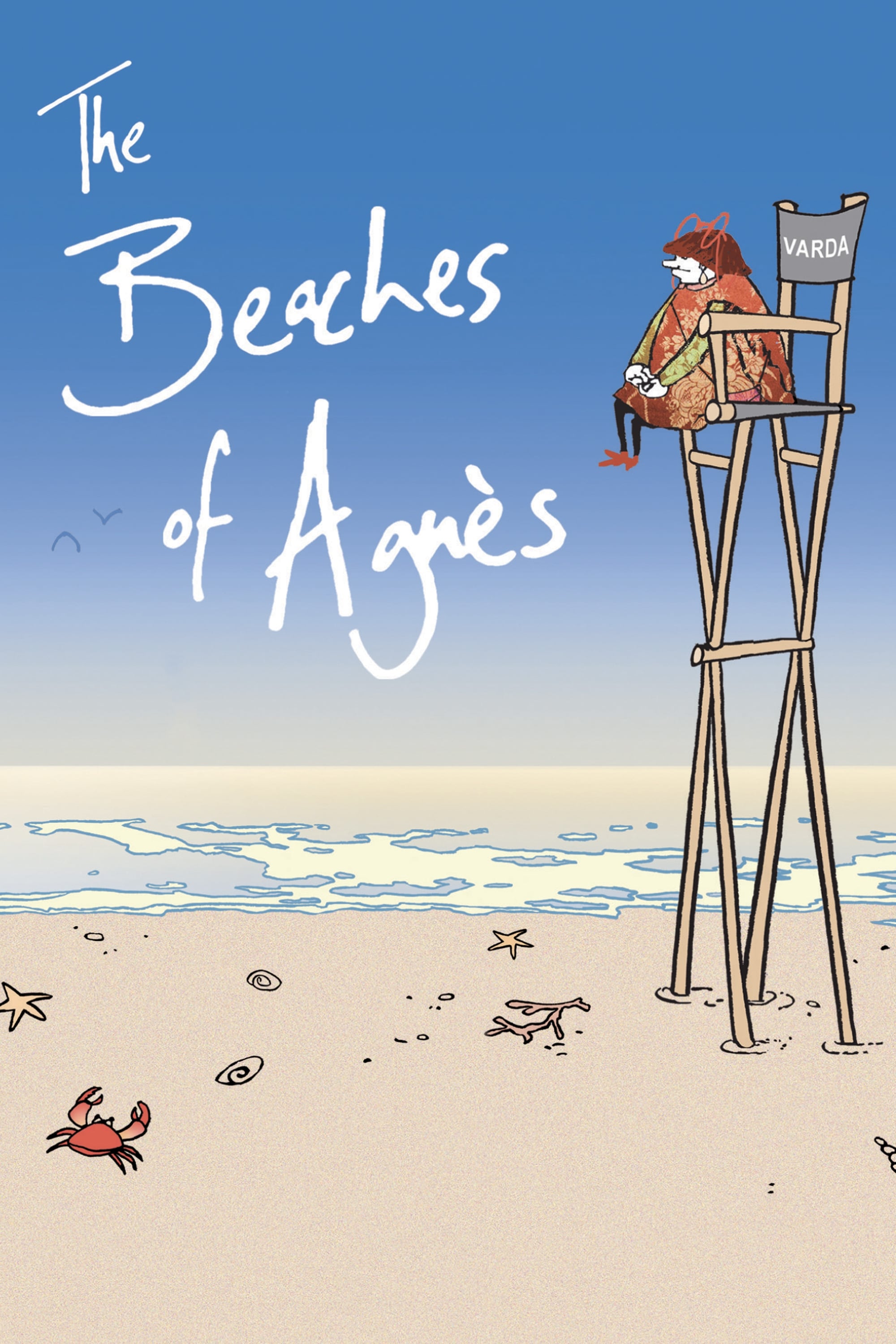
Filmmaking icon Agnès Varda, the award-winning director regarded by many as the grandmother of the French new wave, turns the camera on herself with this unique autobiographical documentary. Composed of film excerpts and elaborate dramatic re-creations, Varda's self-portrait recounts the highs and lows of her professional career, the many friendships that affected her life and her longtime marriage to cinematic giant Jacques Demy.
Mona is a 22 year old trans girl from a small village in France. She puts needles attached to peacock feathers in her skin, under bright lights, late at night. She bleeds, half naked, in front of small crowds of people. Sometimes they faint whilst watching her. Why would she do this? How did she learn to do it? And why would someone want to watch?
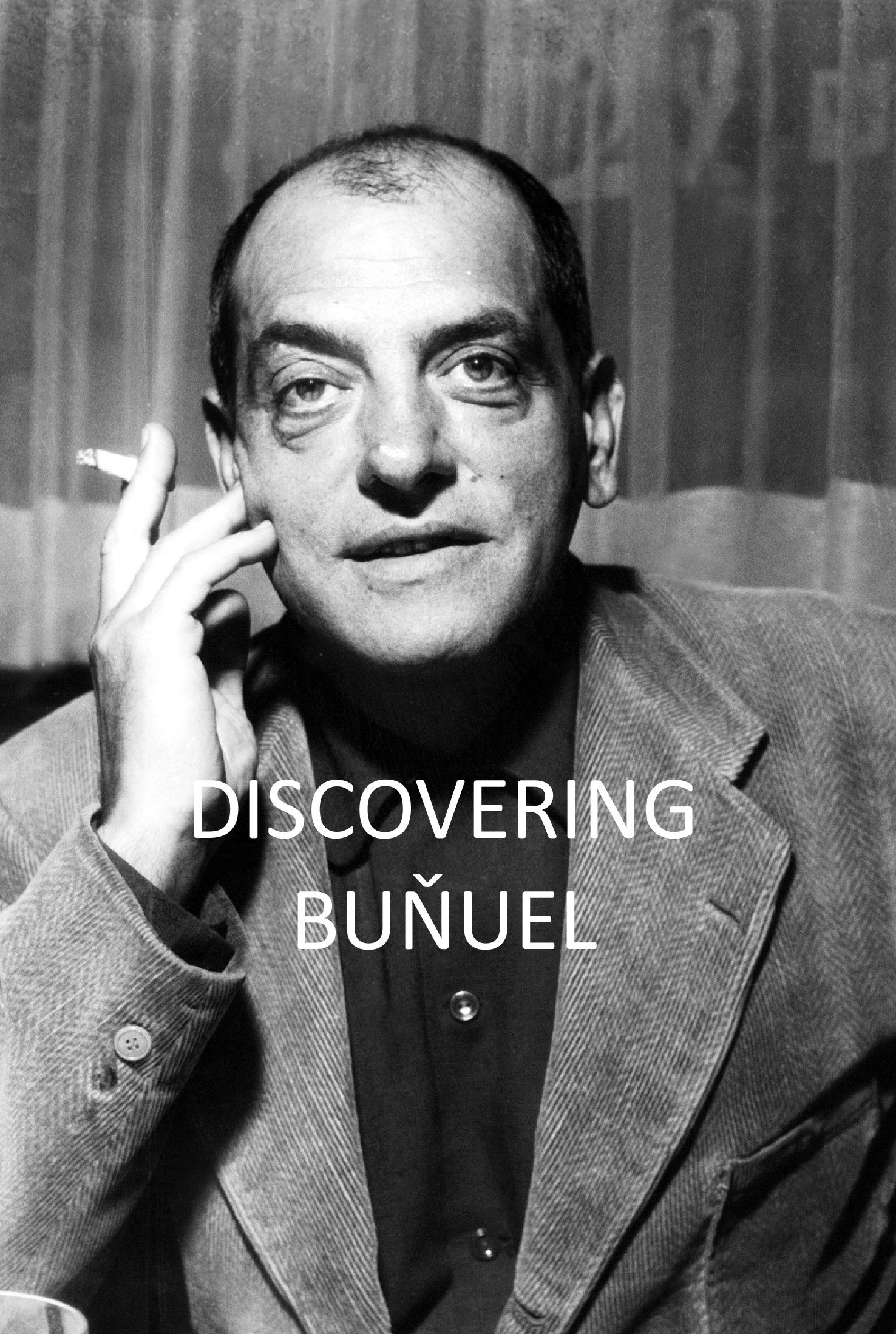
Luis Bunuel, the father of cinematic Surrealism, made his film debut with 'Un Chien Andalou' in 1929 working closely with Salvador Dali. Considered one of the finest and controversial filmmakers with, 'L’Age d’Or' (1930), attacking the church and the middle classes. He won many awards including Best Director at Cannes for 'Los Olvidados' (1950), and the coveted Palme d’Or for 'Viridiana' (1961), which had been banned in his native Spain. His career moved to France with 'The Diary of a Chambermaid' with major stars such as Jeanne Moreau and Catherine Deneuve.
An experience of a camera swinging in different gestures facing the optical distortion of the Sun. The last appearance of the smudge.
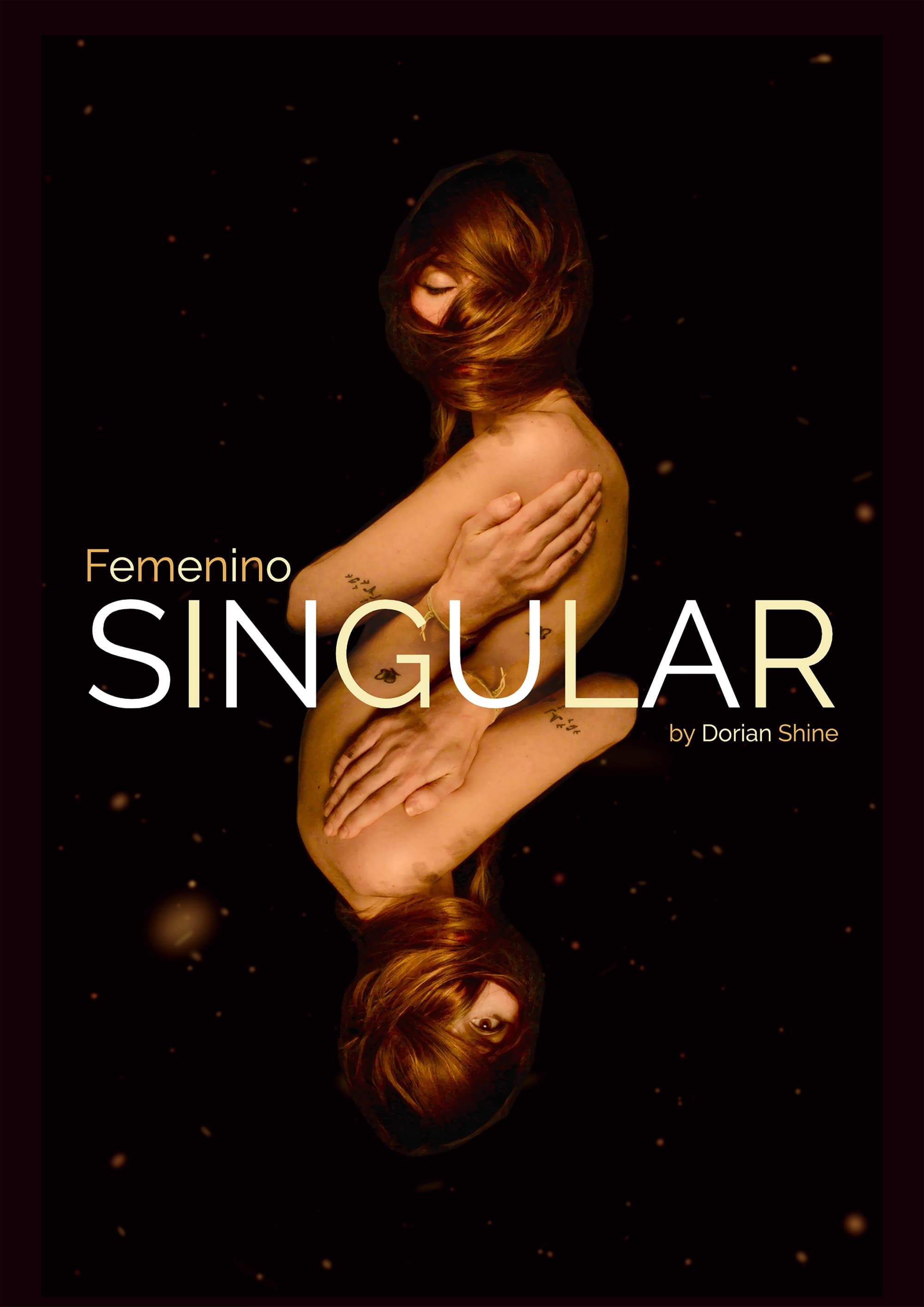
A documentary featuring 30 Argentinian women aged between 4 and 80, sharing their stories of resilience, strength, and unique perspectives on womanhood through performance art.
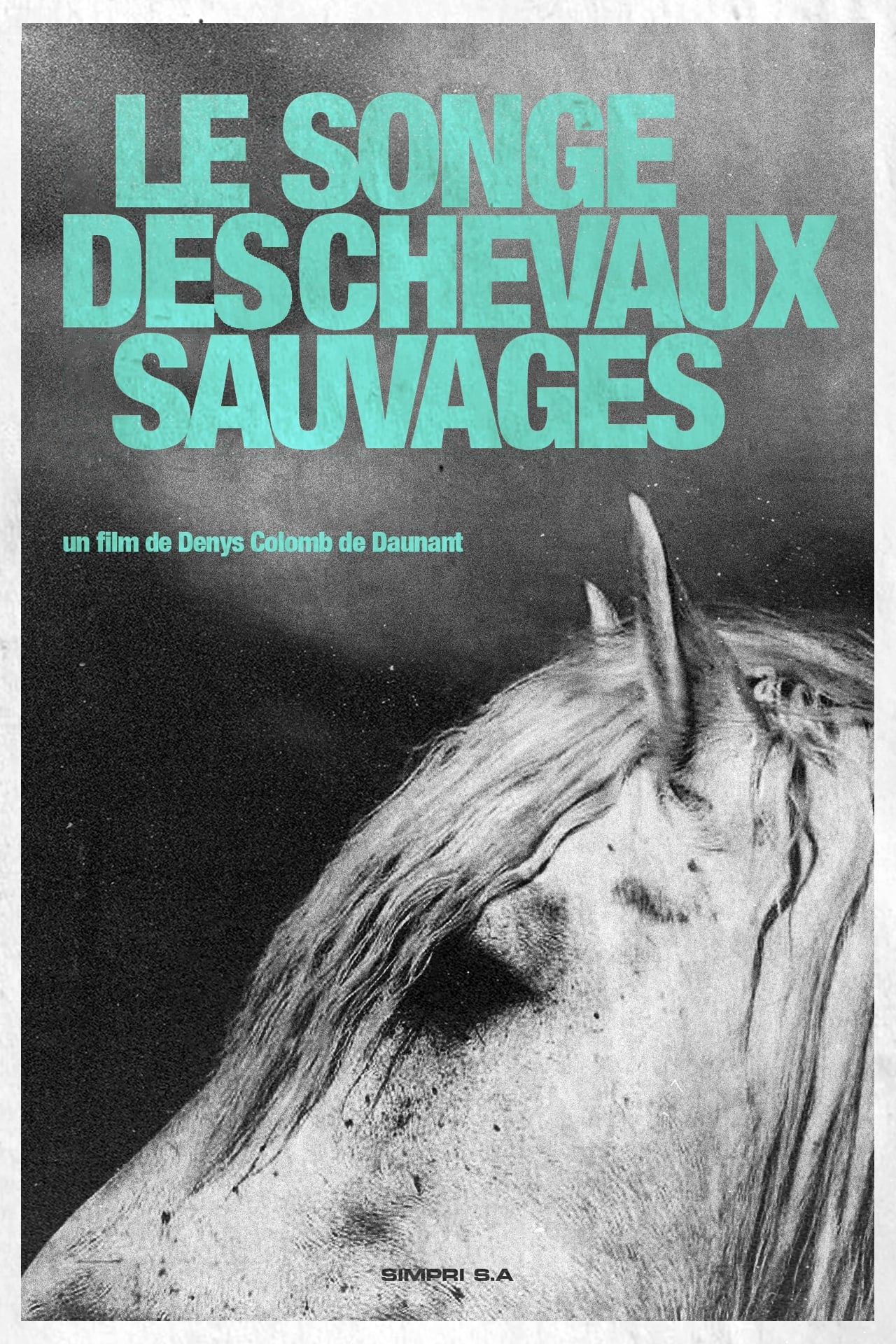
The horses in Denys Colomb Daunant’s dream poem are the white beasts of the marshlands of the Camargue in South West France. Daunant was haunted by these creatures. His obsession was first visualized when he wrote the autobiographical script for Albert Lamorisse’s award-winning 1953 film White Mane. In this short the beauty of the horses is captured with a variety of film techniques and by Jacques Lasry’s beautiful electronic score.
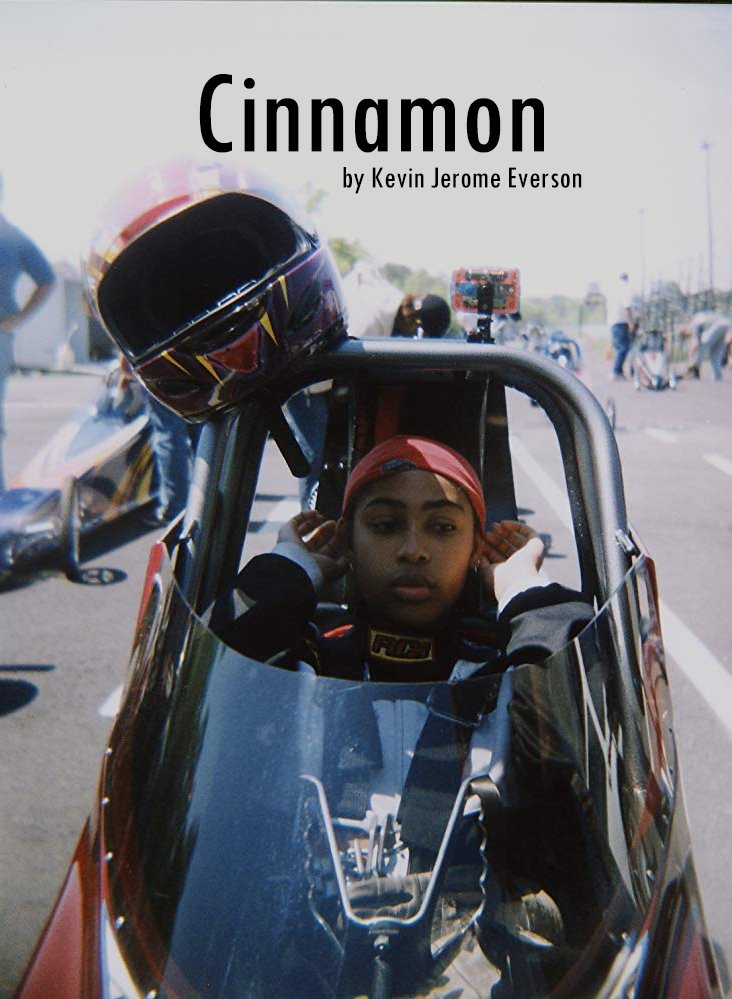
An experimental film that lifts the veil on the world of African American drag racing.
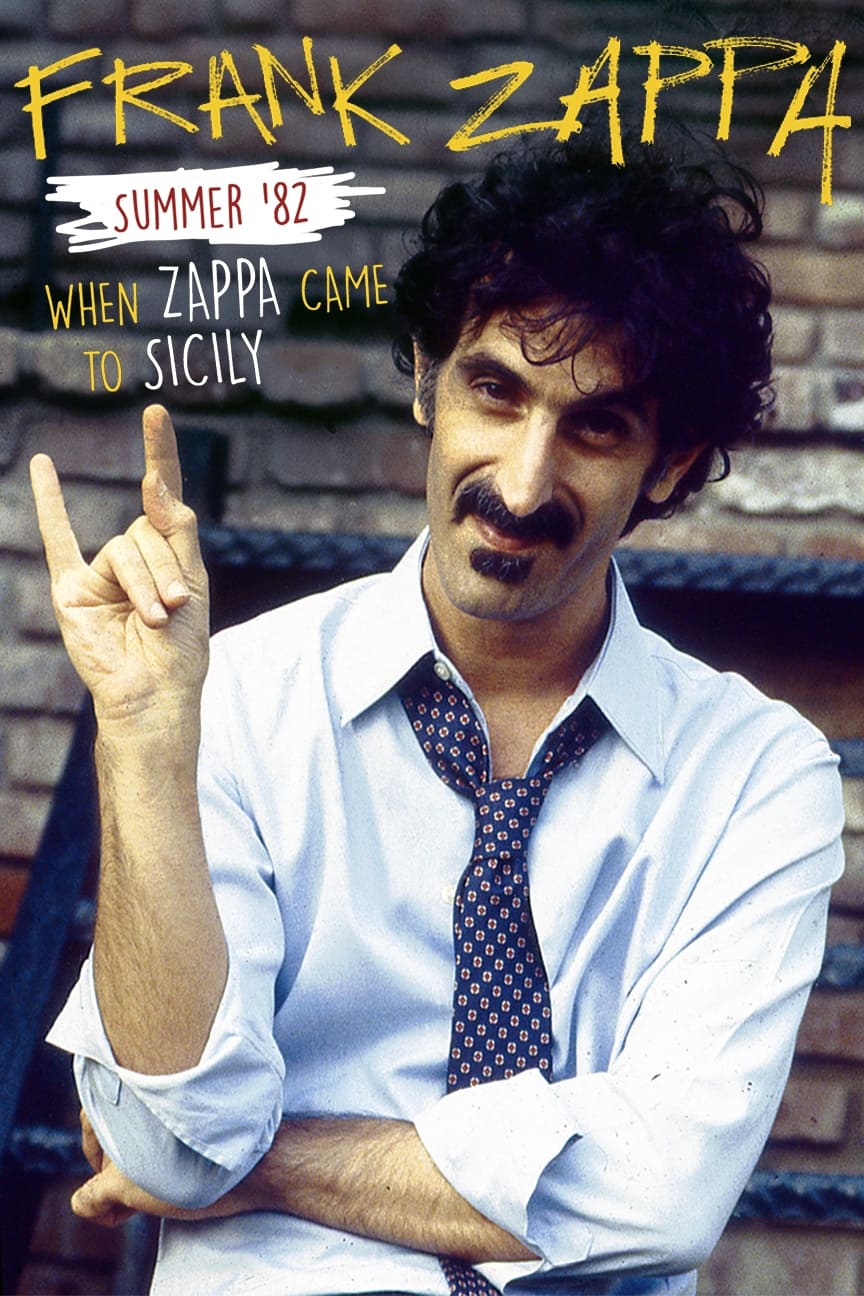
In the feature documentary, Summer 82 – When Zappa Came to Sicily, filmmaker and Zappa fan Salvo Cuccia tells the behind-the-scenes story of Frank Zappa's star-crossed concert in Palermo, Sicily, the wrap-up to a European tour that ended in public disturbances and police intervention. Cuccia had a ticket to the concert but never made it. Thirty years later, collaborating with Zappa's family, he re-creates the events through a combination of rare concert and backstage footage; photographs; anecdotes from family, band members, and concertgoers; and insights from Zappa biographer and friend Massimo Bassoli. The story is also a personal one, as Cuccia interweaves the story of Zappa's trip to Sicily with his own memories from that summer.
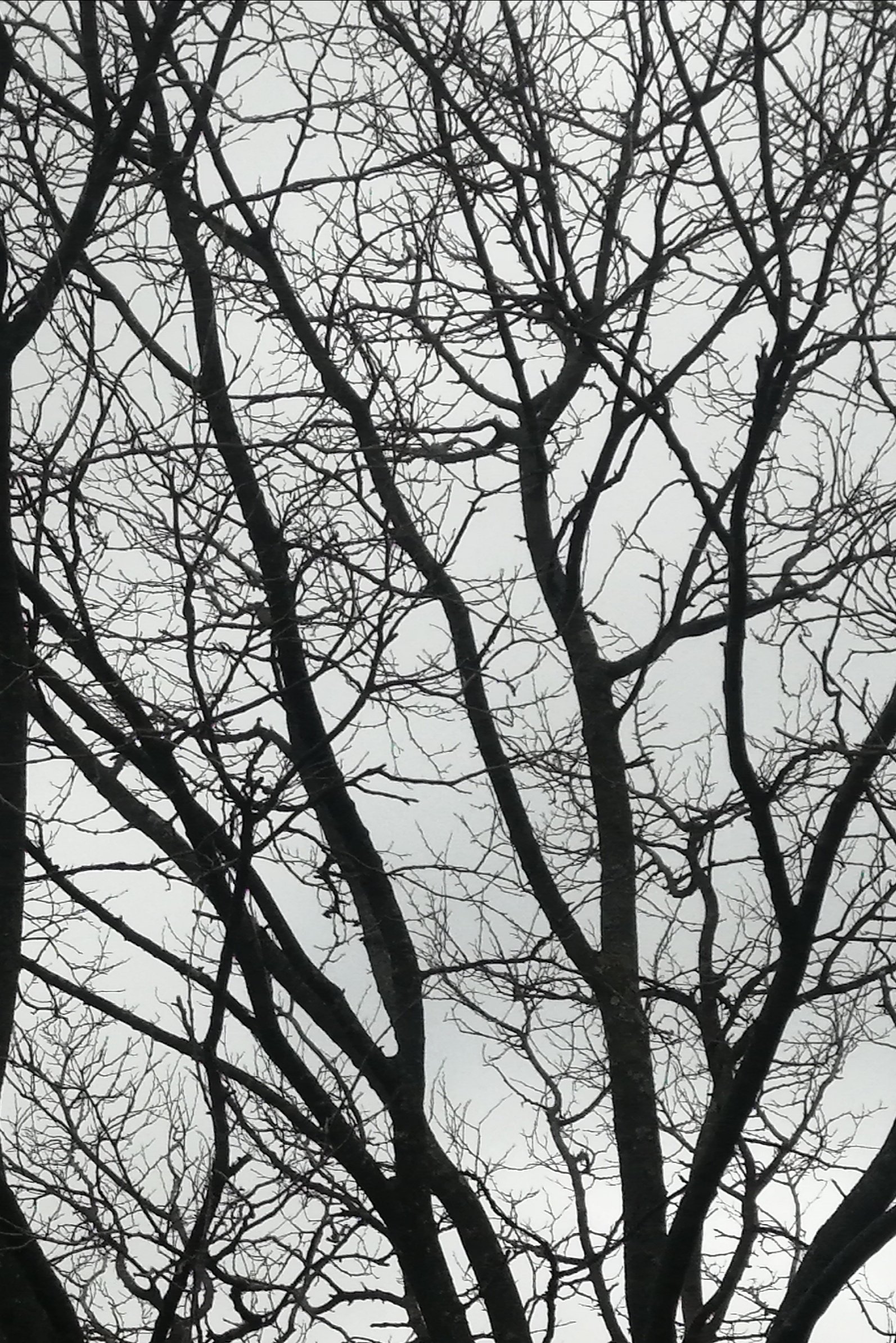
A homogeneous structure of wind and light across tree branches in the South region of Isère
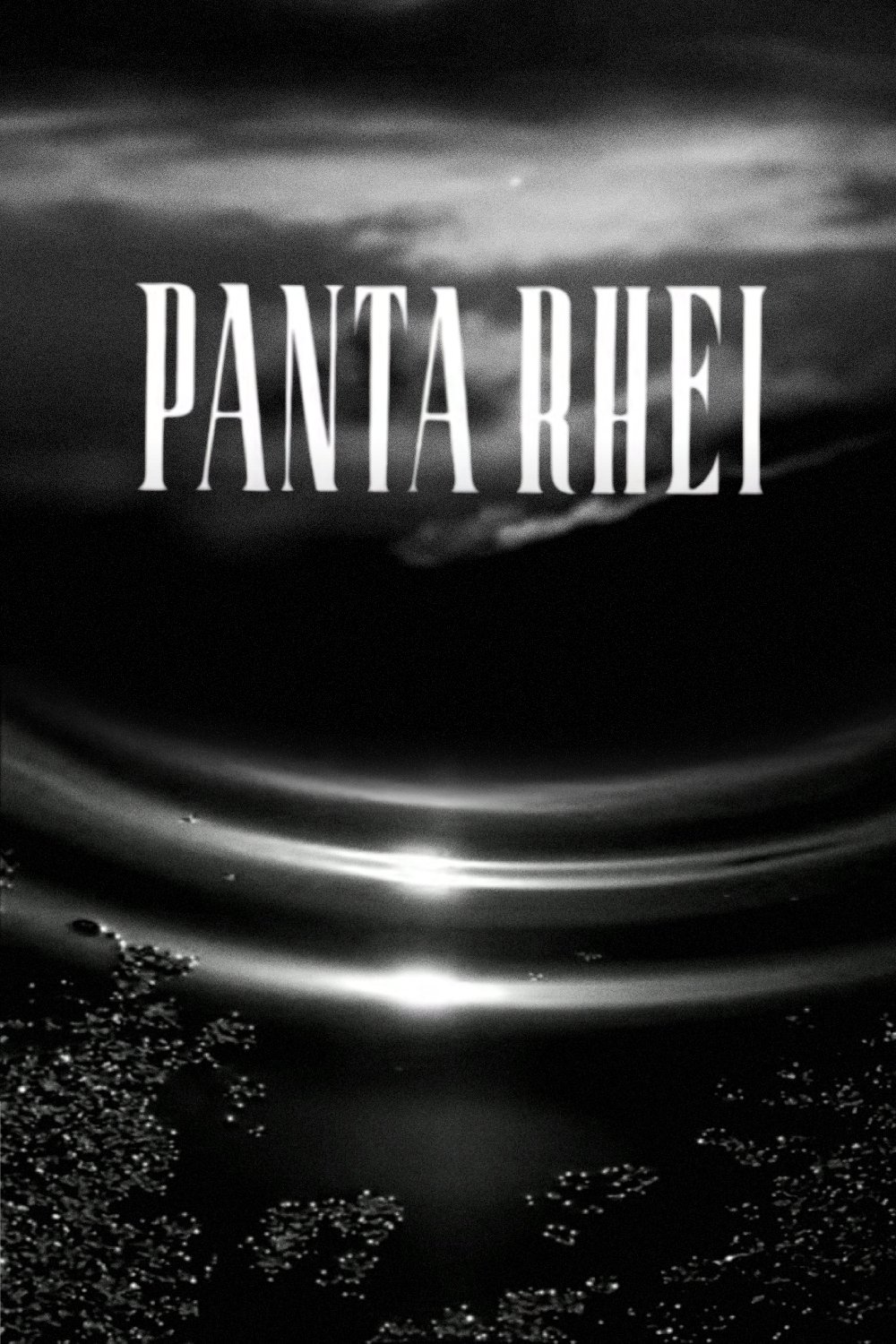
In 1952, Haanstra made Panta Rhei , another view of Holland through the eyes of a painter and filmmaker. Its poetic images of water, skies and clouds reflect Haanstra's own moods.
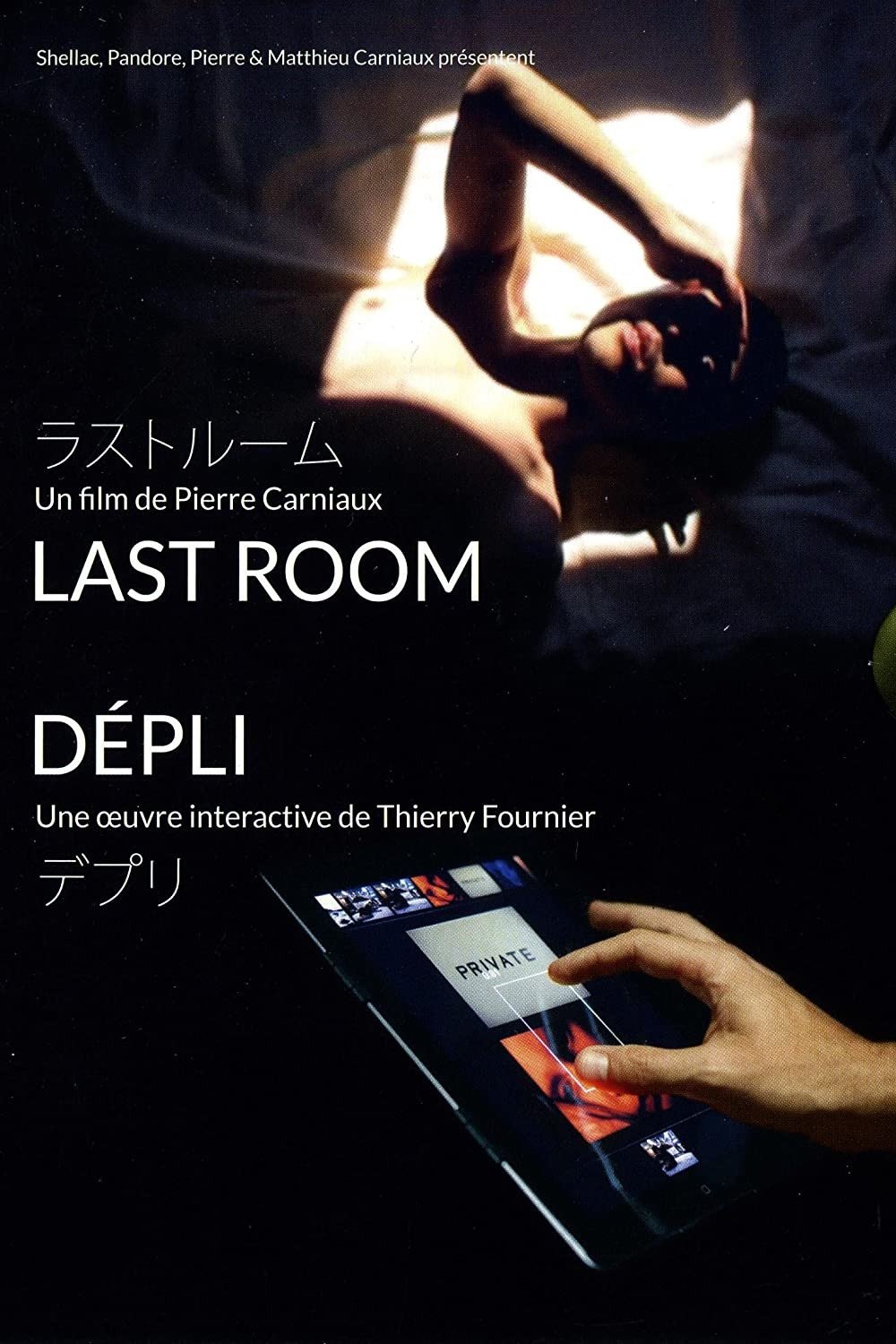
Made in Japan, Last Room is both fiction and documentary. The occupants of the love-hotels and capsule-hotels tell their own intimate, dreamlike stories, interspersed with journeys through the archipelago's landscapes. Soon, these personal stories resonate with a collective history: that of Gunkanjima, the abandoned ghost island of Nagasaki, and then that of Japan as a whole.
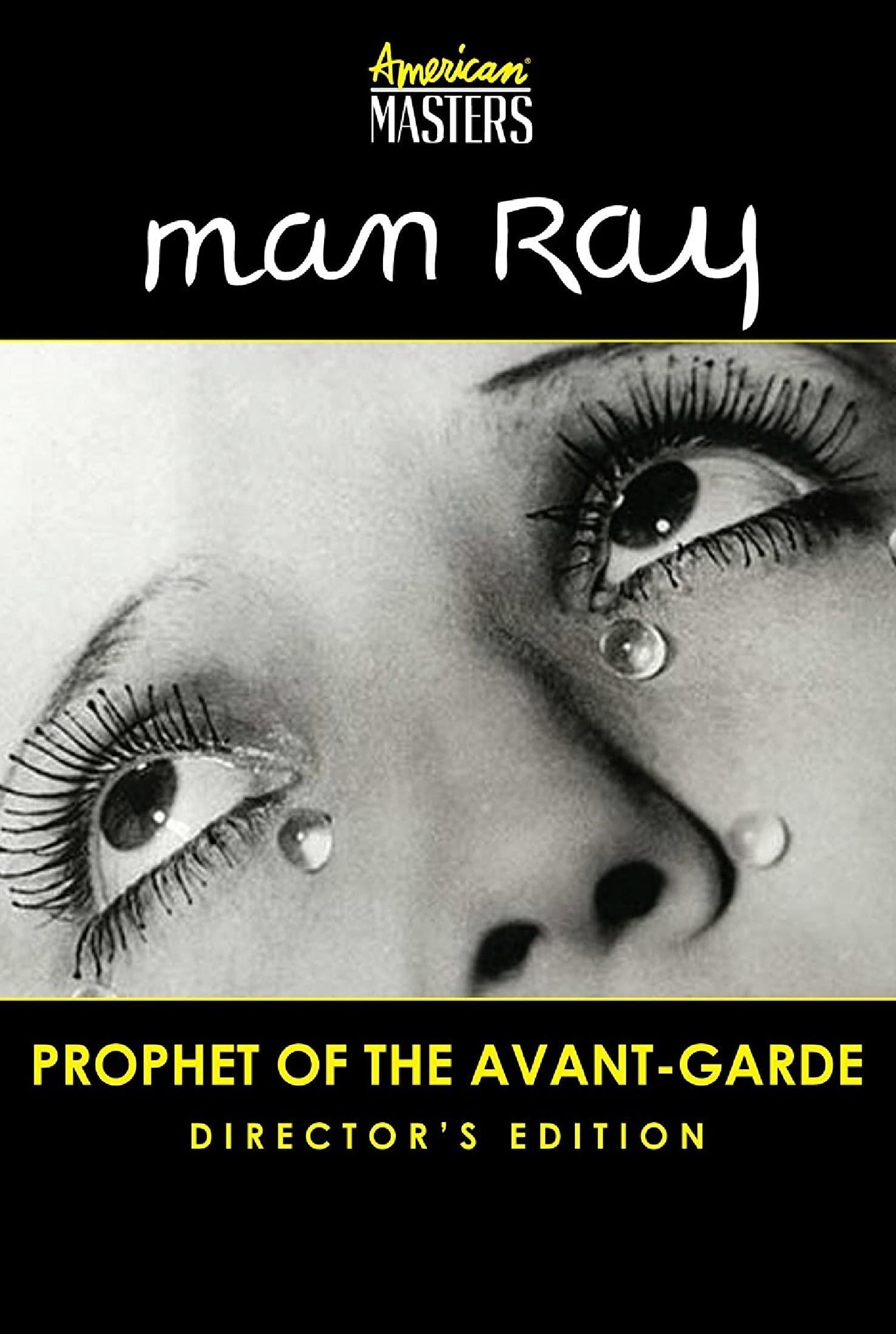
Man Ray, the master of experimental and fashion photography was also a painter, a filmmaker, a poet, an essayist, a philosopher, and a leader of American modernism. Known for documenting the cultural elite living in France, Man Ray spent much of his time fighting the formal constraints of the visual arts. Ray’s life and art were always provocative, engaging, and challenging.
"In continuo" uses slaughterhouse imagery to present the warlike nature of man, first depicting the cleaning and mechanical preparations for the slaughterhouse and then the killing, however, the animal slaughter itself isn’t shown.
Filmed during Jonas Mekas’s visit to Assisi in 1967, this short documents his time in the city known for its spiritual associations. The footage was later incorporated into his 2003 compilation film Travel Songs (1967–1981).
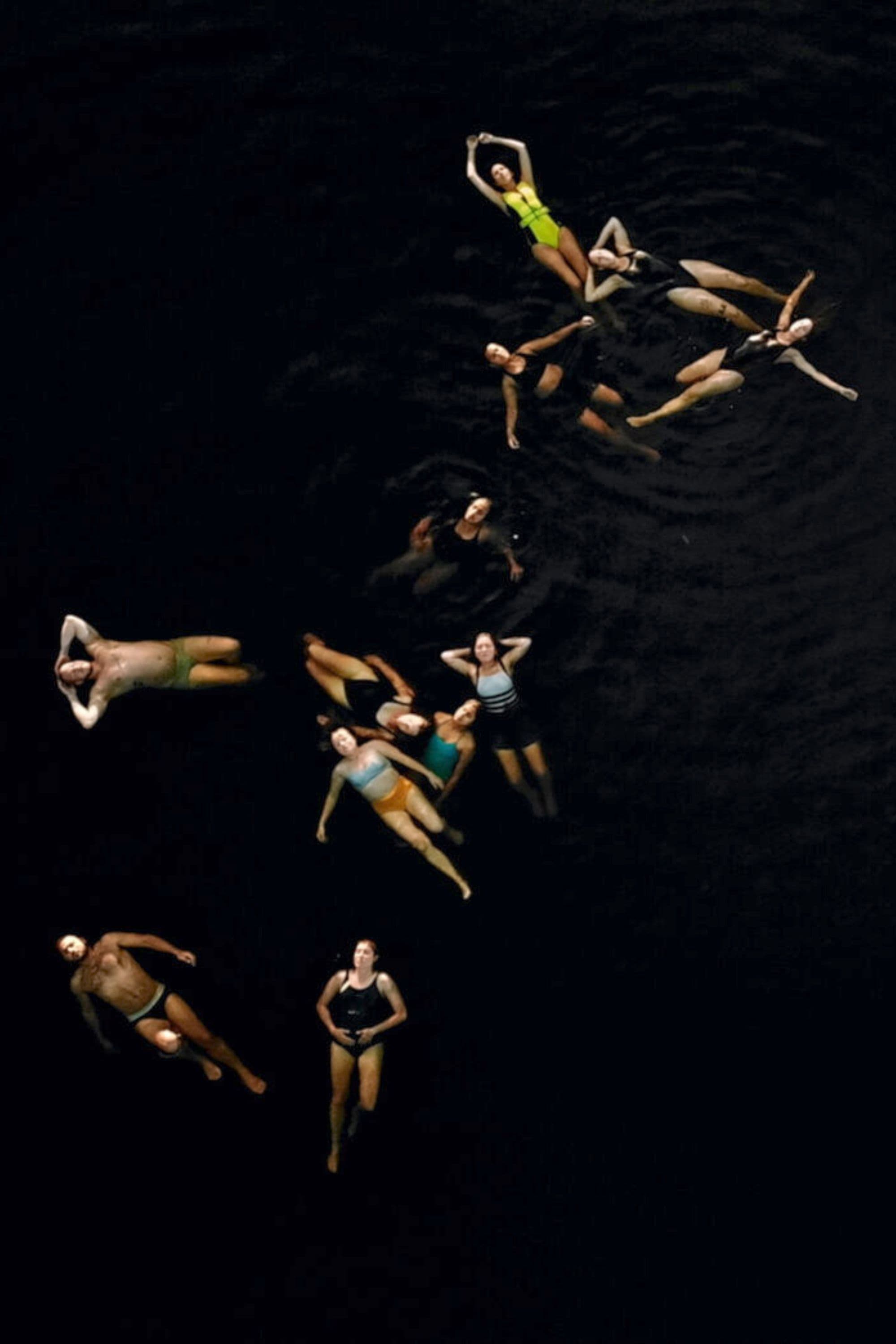
Lake gazes down at a still body of water from a birds-eye view, while a group of artists peacefully float in and out of the frame or work to stay at the surface. As they glide farther away and draw closer together, they reach out in collective queer and desirous exchanges — holding hands, drifting over and under their neighbors, making space, taking care of each other with a casual, gentle intimacy while they come together as individual parts of a whole. The video reflects on notions of togetherness and feminist theorist Silvia Federici’s call to “reconnect what capitalism has divided: our relation with nature, with others, and our bodies.”
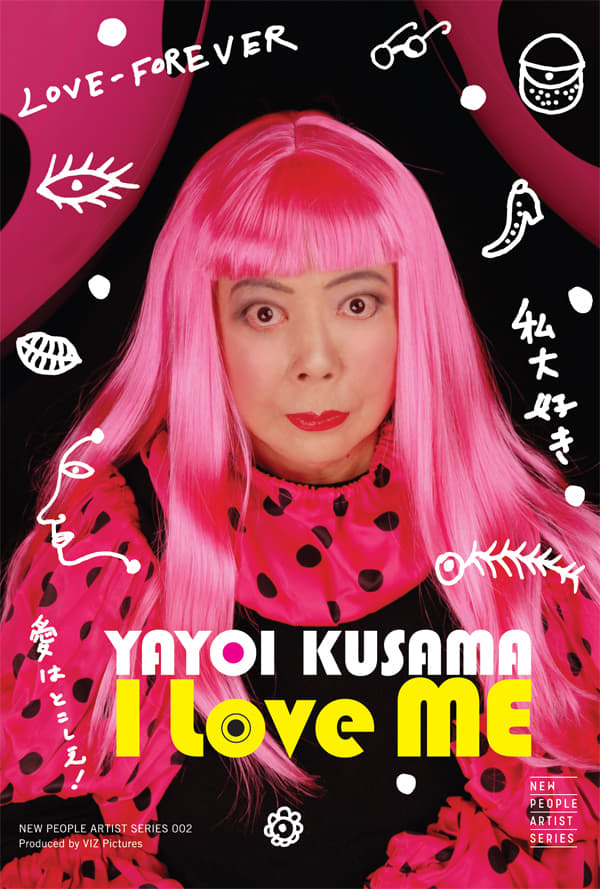
Captures the avant-garde artist Yayoi Kusamas creative process as she diligently works to complete her series of 50 large monochrome drawings. As her work comes to life, one can witness the essence of her art as it wells up in the conflict between life, death, and love.
An anthology of one-minute films created by 51 international filmmakers on the theme of the death of cinema. Intended as an ode to 35mm, the film was screened one time only on a purpose-built 20x12 meter public cinema screen in the Port of Tallinn, Estonia, on 22 December 2011. A special projector was constructed for the event which allowed the actual filmstrip to be burnt at the same time as the film was shown.
A film essay that intertwines the director's gaze with that of her late mother. Beyond exploring mourning and absence as exclusively painful experiences, the film pays tribute to her mother through memories embodied by places and objects that evidence the traces of her existence. The filmmaker asks herself: What does she owe her mother for who she is and how she films? To what extent does her film belong to her?
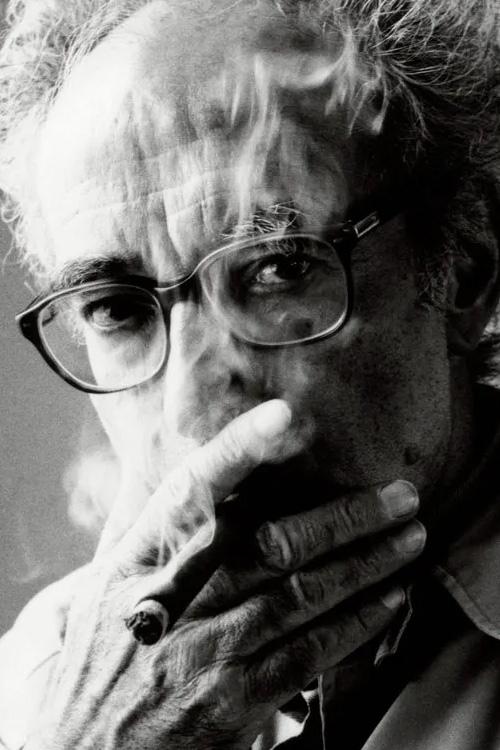
An experimental tribute to Jean-Luc Godard, his documentary works and his insights in our modern world.
An experimental four-part short film that shows the outcomes of life through a vacation trip.
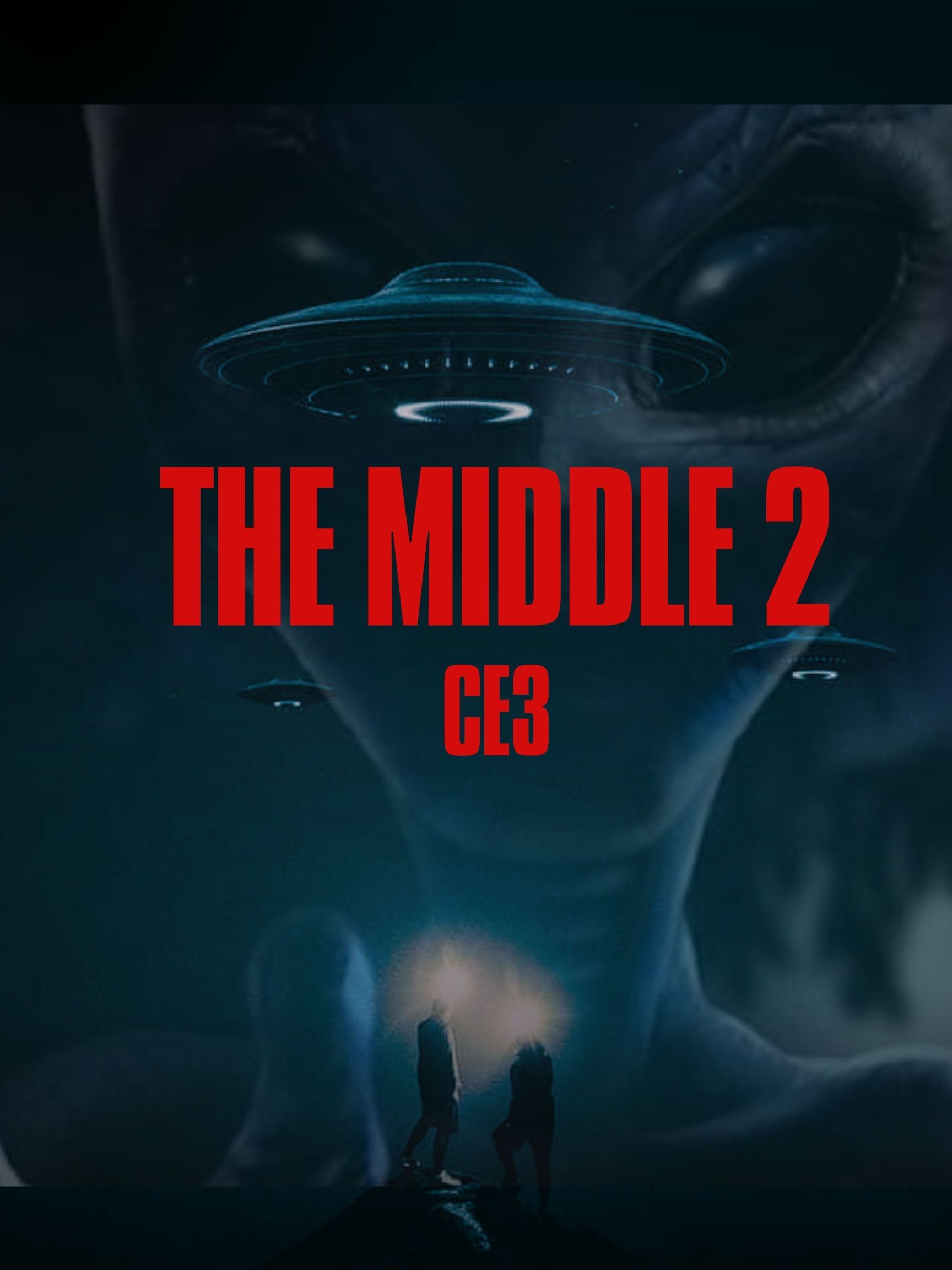
A second part mini documentary series of "The Middle" stories of UFO and Extraterrestrial contact.
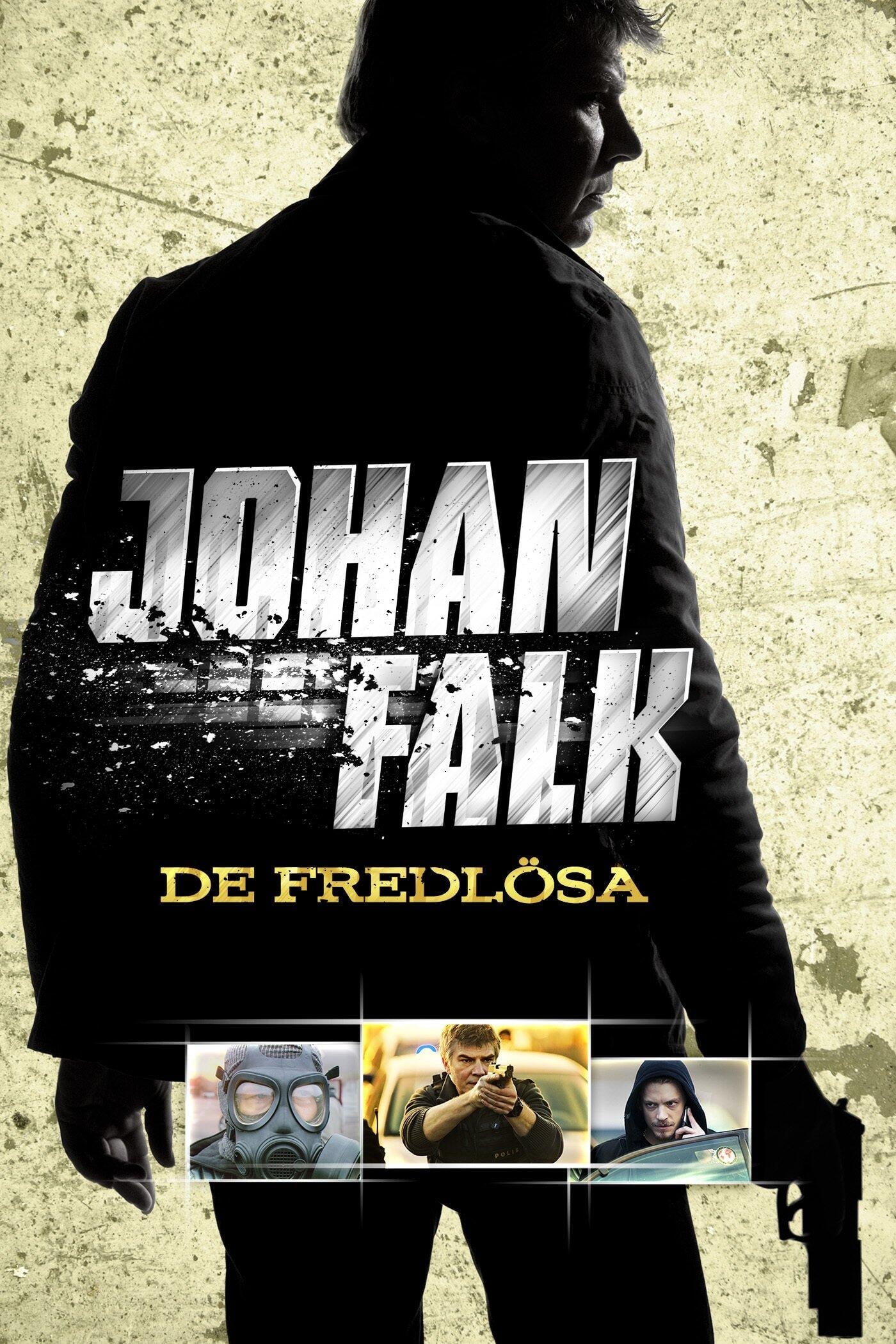
Johan is a two-fisted Gothenburg cop who finds himself in a shoot-out with jewel robbers. After the smoke has cleared, one robber, shot by his accomplice, and an innocent bystander, are dead. Three witnesses, including Helen, identify thug extraordinaire Leo Gaut as being the dead crook's trigger-happy colleague. Gaut soon threatens the three witnesses, and only Johan, the badge-wearing hero, can save them.
Mickey and his friends take a close look at important street safety situations and tips.
Two teenagers are playing by night in a dirty parking lot. After they are driving on an empty road, they start to tease each other on the way to the sea, but they seem to be too young to drive and the road is a bit strange.
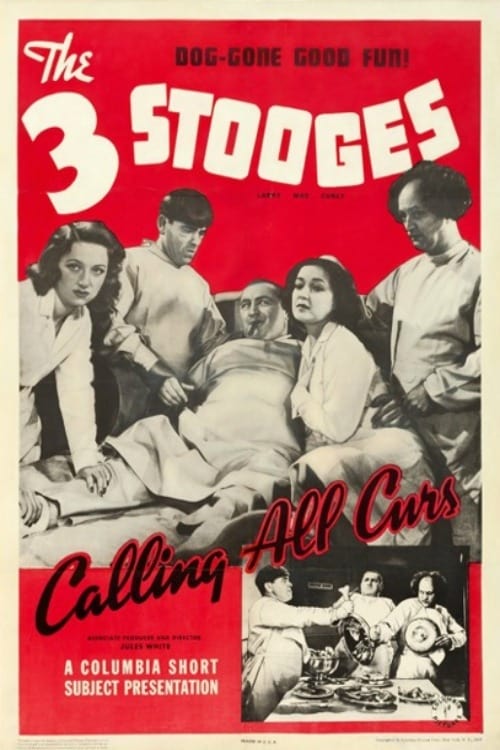
The Stooges run a pet hospital and are the proud surgeons of Garçon, a prized girl poodle of socialite Mrs. Bedford . When two men posing as reporters kidnap the poodle, the boys frantically try track them down.
A Puerto Rican seamstress ponders leaving her island to go live with her daughter in the United States.
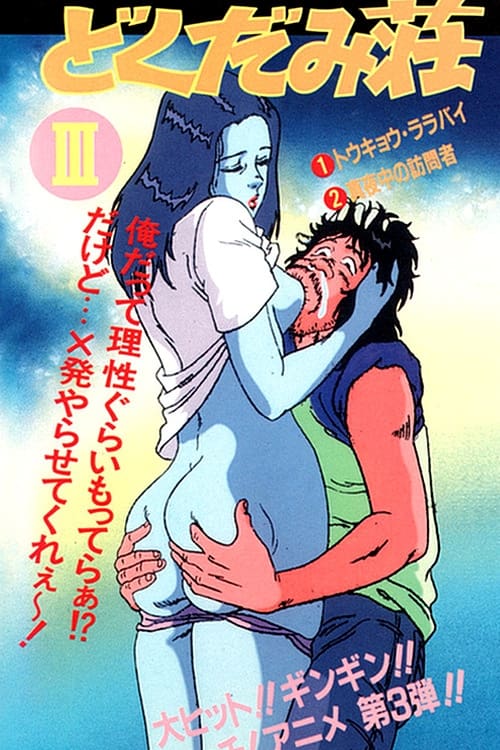
Yoshio Hori is a day laborer in the 1980s during Tokyo's economic boom. Initially, Yoshio sought out Asagaya to live a free-wheeling lifestyle but that was quickly dropped as he was confronted with reality. He lives a life of extreme poverty and encounters all types of characters from Japan's sub-cultures, including yakuza, drug addicts, and alcoholics.
Set to music by Bikini Kill (an all-girl band from Washington), Girl Power is a raucous vision of what it means to be a radical girl in the 90s. Benning relates her personal rebellion against school, family, and female stereotypes as a story of personal freedom, telling how she used to model like Matt Dillon and skip school to have adventures alone. Informed by the underground “riot grrrl” movement, this tape transforms the image politics of female youth, rejecting traditional passivity and polite compliance in favor of radical independence and a self-determined sexual identity.
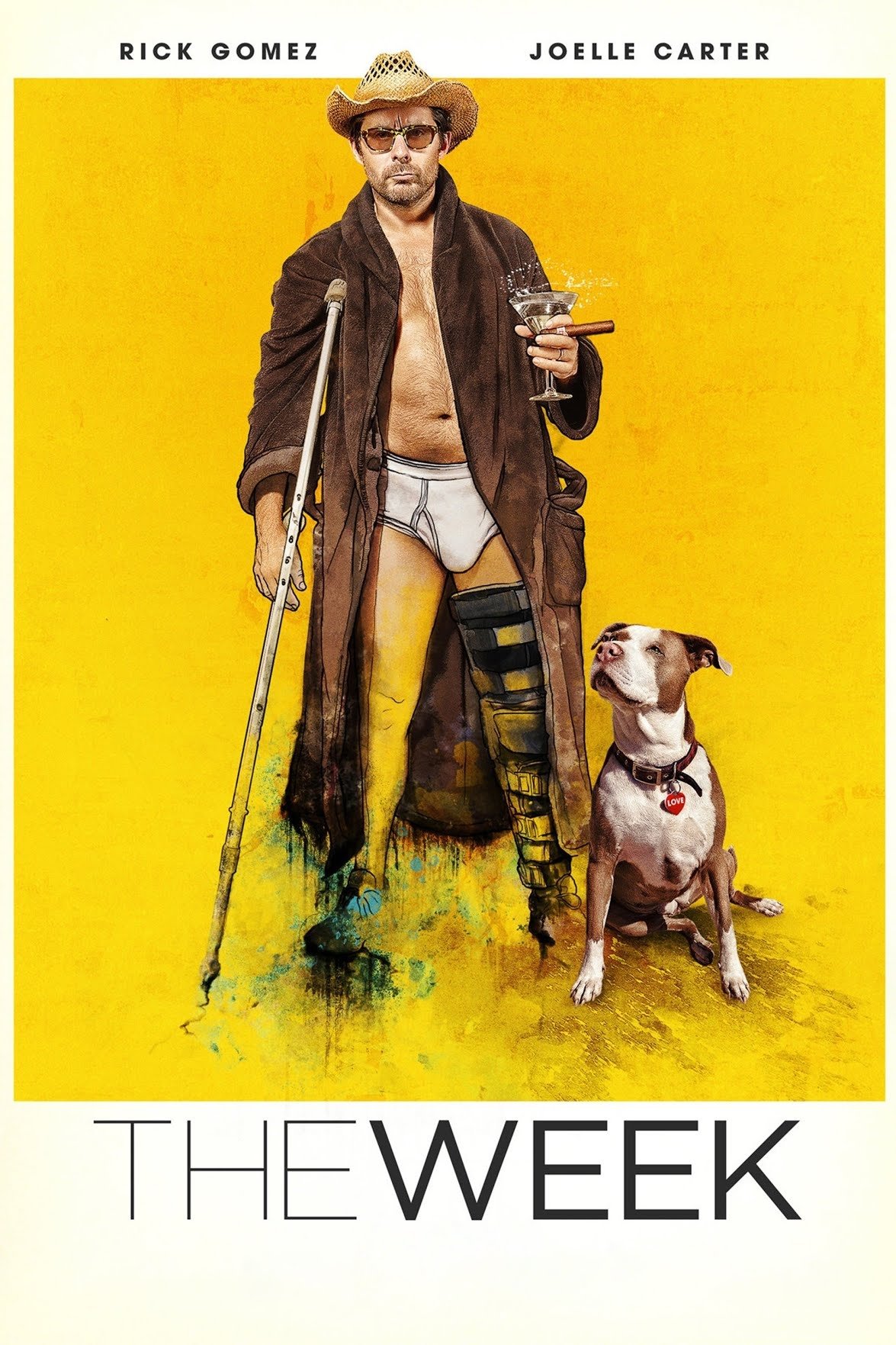
Dick Romans is a washed up TV host whose wife walks out on him the day before their ten year anniversary celebration. Alone with his thoughts, his dog, and a ton of booze, Dick decides to go through with the week-long party... by himself. The seven event-filled days become Dick's reluctant vision quest, filled with odd characters, awkward romance, and some long-overdue self examination.
Two childhood friends become mortal enemies after their lives take drastically different paths and they discover that they are both in love with the same woman.
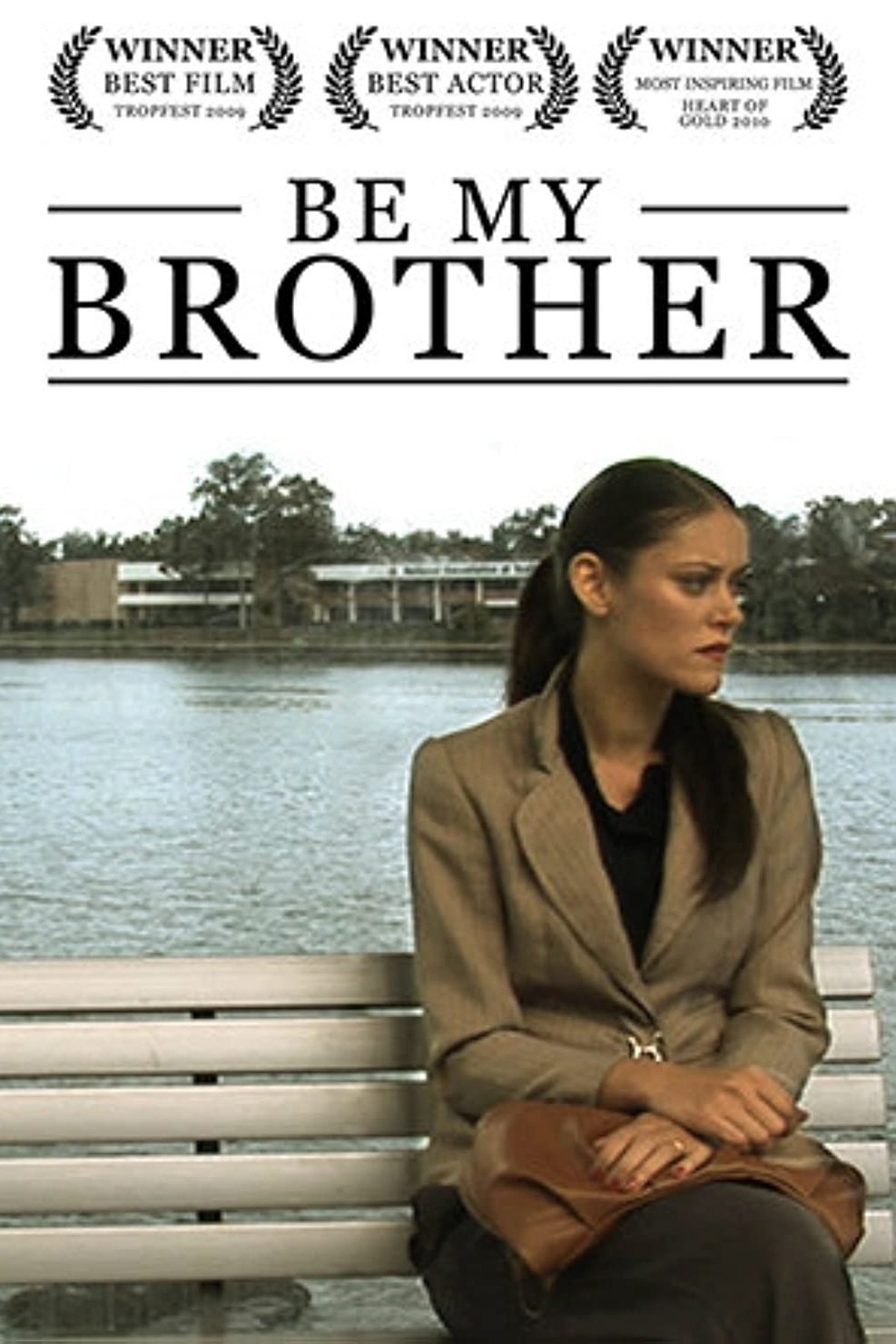
Be My Brother stars aspiring actor Gerard O'Dwyer as Richard, a young man whose charm and charisma challenges the prejudices of a stranger waiting at a bus stop. When he impacts the stranger’s world, he also impacts the heart and mind of someone else close by. With Gerard O'Dwyer in the leading role, Tracie Sammut as camera assistant, Georgia Cranko as unit manager and Gordon Crane as gaffer, the filmmaking experience of Be My Brother presented an opportunity for creative people with disabilities to experience working on a film set in the capacity of either crew member or performer. Genevieve met Gerard while filming a documentary for Down Syndrome NSW, as part of the Up, Up and Away Project, and was instantly inspired by his vivacious personality and a photographic memory for dialogue. She decided to write a script for him to act as the lead, in order to create a platform to showcase his talent and ability as an actor.
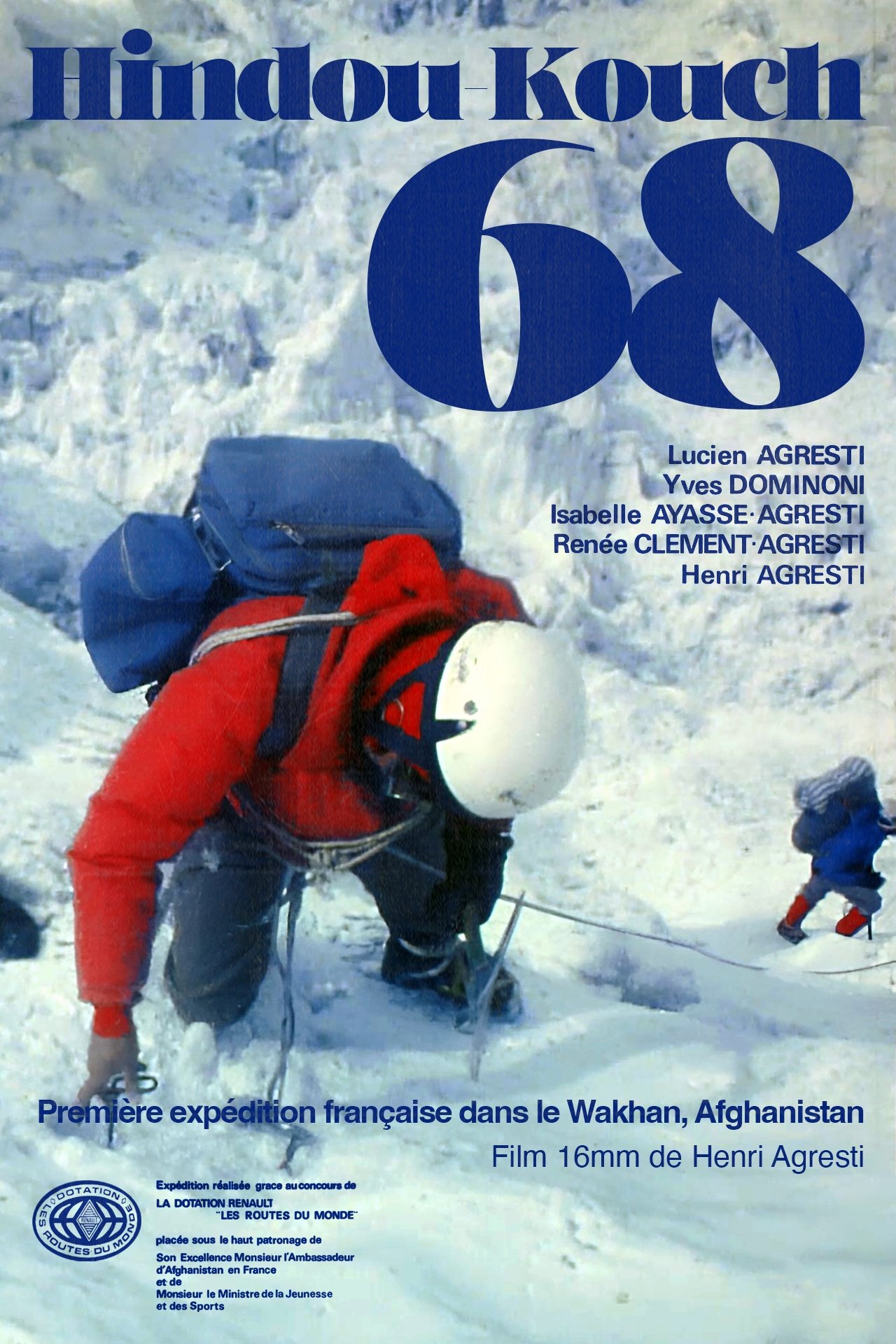
Film about the first French expedition in 1968 in the Wakhan Corridor in Afghanistan. After a long and laborious approach by R4 car in the footsteps of Marco Polo, through Turkey, Iran and Afghanistan, to the high valley of Wakhan, in the heart of the Hindu Kush, Isabelle and Henri Agresti (high mountain guide), accompanied by Yves Dominoni, Renée and Lucien Agresti, more than precious help, explore a little-known valley for 40 days, and climb some virgin peaks of 5000 and 6000 meters. The return to Europe will be by the tracks and roads of the south: Pakistan, Iran, Iraq, Jordan, Syria... A trip of approach to go later to explore the mountains of China, then still closed, and the Tibetan side of Everest... The project of a lifetime.
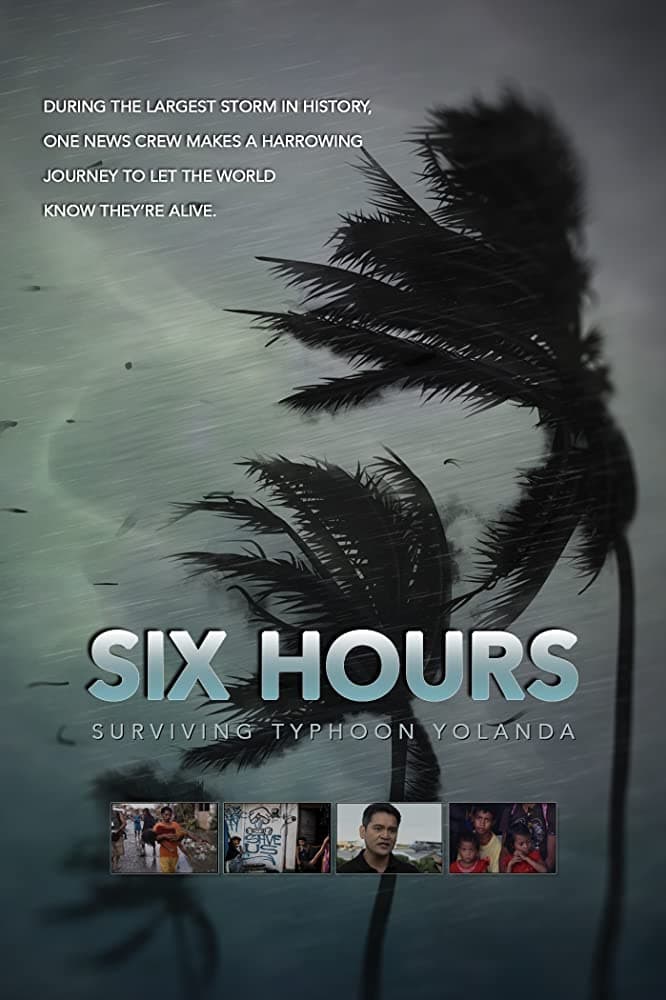
In the middle of a broadcast about Typhoon Yolanda's initial impact, reporter Jiggy Manicad was faced with the reality that he no longer had communication with his station. They were, for all intents and purposes, stranded in Tacloban. With little option, and his crew started the six hour walk to Alto, where the closest broadcast antenna was to be found. Letting the world know what was happening to was a priority, but they were driven by the need to let their families and friends know they were all still alive. Along the way, they encountered residents and victims of the massive typhoon, and with each step it became increasingly clear just how devastating this storm was. This was a storm that was going to change lives.
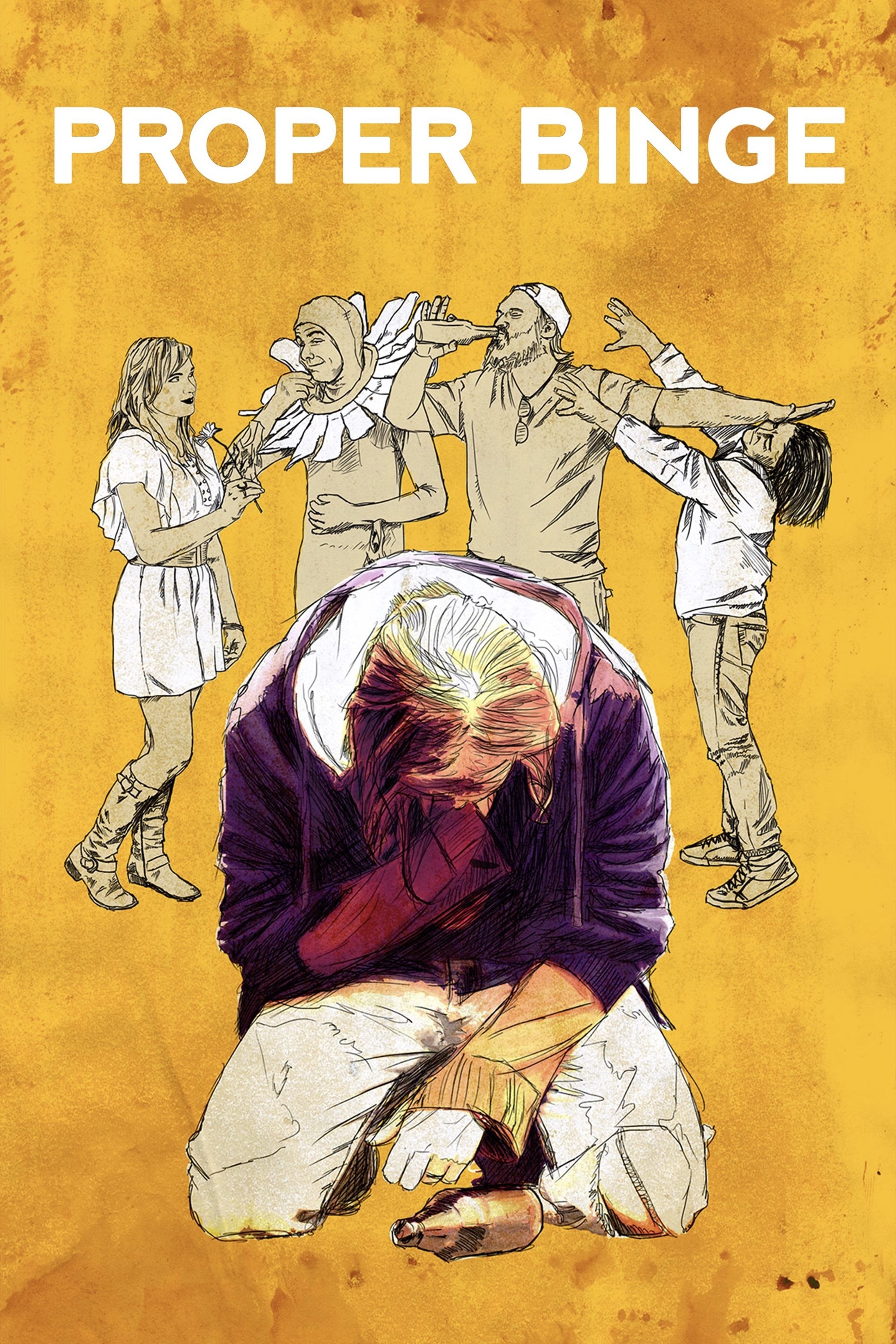
For Burgess "Buzz" Zwink (Bradford Jackson), wasting life is a way of life. At thirty-two years old, and still living with his parents, Buzz's adult life seems to be nothing more than a continuous haze of debauchery. That is until his carefree recklessness lands his lifelong friend in the hospital after another of his drunken mishaps. Faced with the reality of his choices as he reluctantly forces himself into sobriety, Buzz begins to realize just how much pain he has caused to those around him. With the help of a young Inupiaq boy (D'Artagnon Moonin), and an elderly, life-long alcoholic (Thomas G. Jacobs), Buzz must face his past, present, and possible future in order to take his life back from the bottle, and above all else, seek forgiveness not only from those he has wronged, but from himself.
Making of documentary surrounding the production of ‘Anora’
A wanderer, captivated by the beauty of the world, carries a unique and terrifying curse: every illness he sees transfers to him. To escape this fate, he makes the ultimate sacrifice, relinquishing his eyesight—the very sense that connects him to what he loves most, at this point he happens to meet someone which shapes this short film.