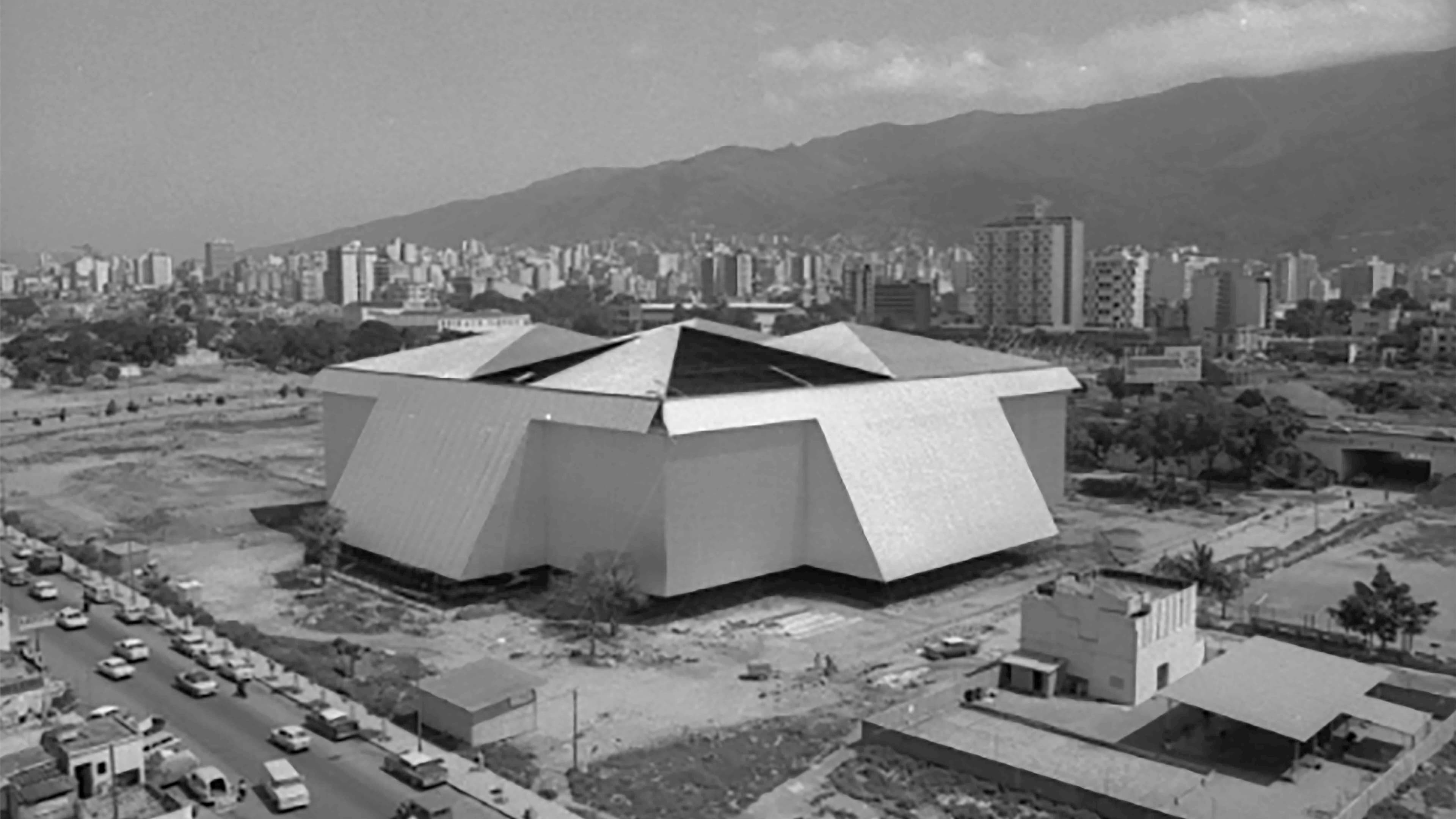
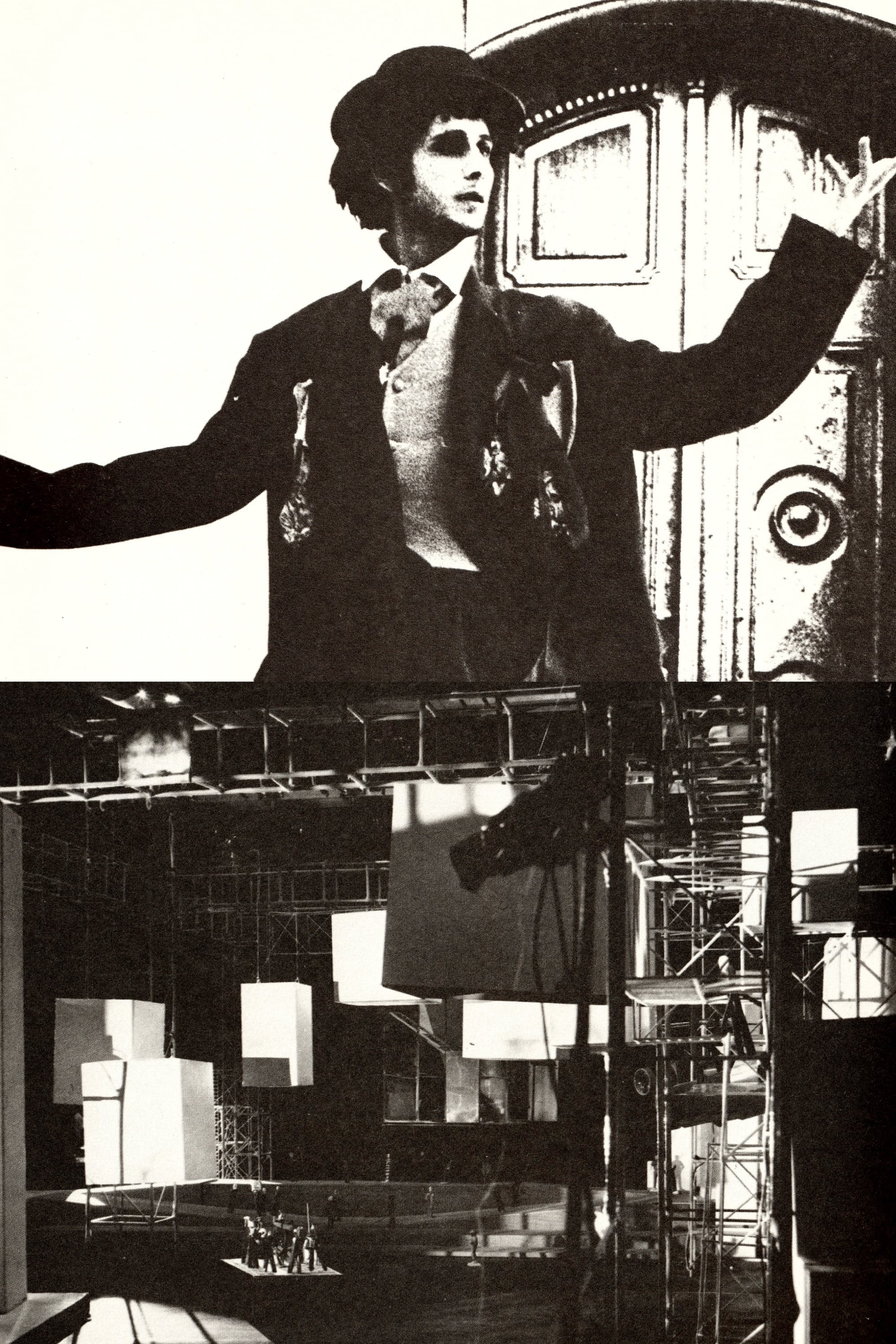
Imagen de Caracas was an experimental film spectacle, directed by Jacobo Borges and Mario Robles in 1968 for the 400 anniversary of the foundation of Caracas. It needed more than 48768 meters of film and 5000 actors.
Social & External
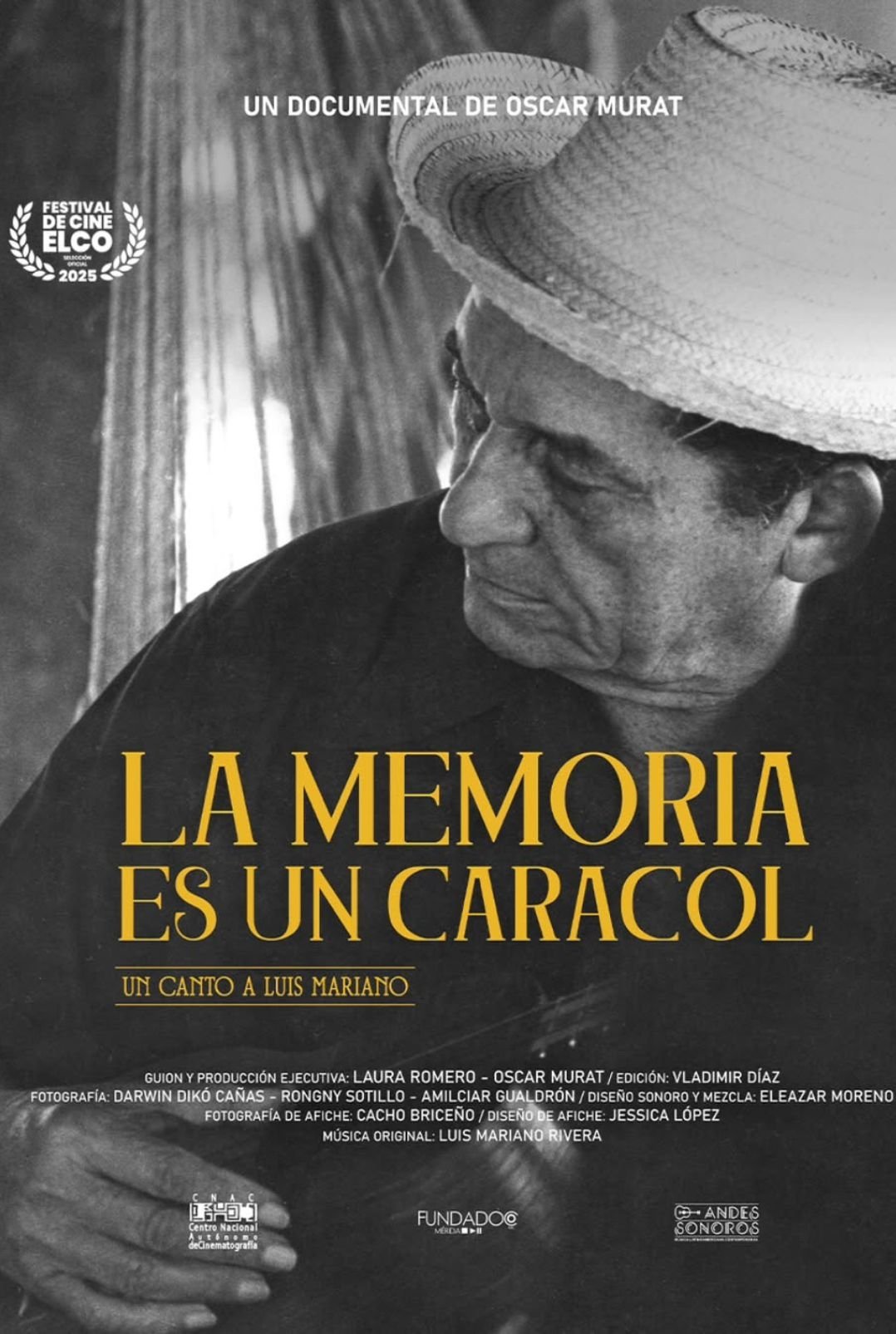
Documentary about the life of Luis Mariano Rivera.
In 1969, the Renovación Universitaria movement and the subsequent raid on the Central University of Venezuela by the government of Rafael Caldera, triggered a strong wave of protest in the Institutes of Higher Education in Venezuela. This documentary collects part of the events that took place in the city of Mérida, Mérida State, where the University of the Andes is located.
Trade union leader Manuel Taborda, a pioneer of workers' organisations in the oil industry, recounts his experiences and those of his colleagues from 1920 to 1936, with an emphasis on the struggles against foreign companies and the government.
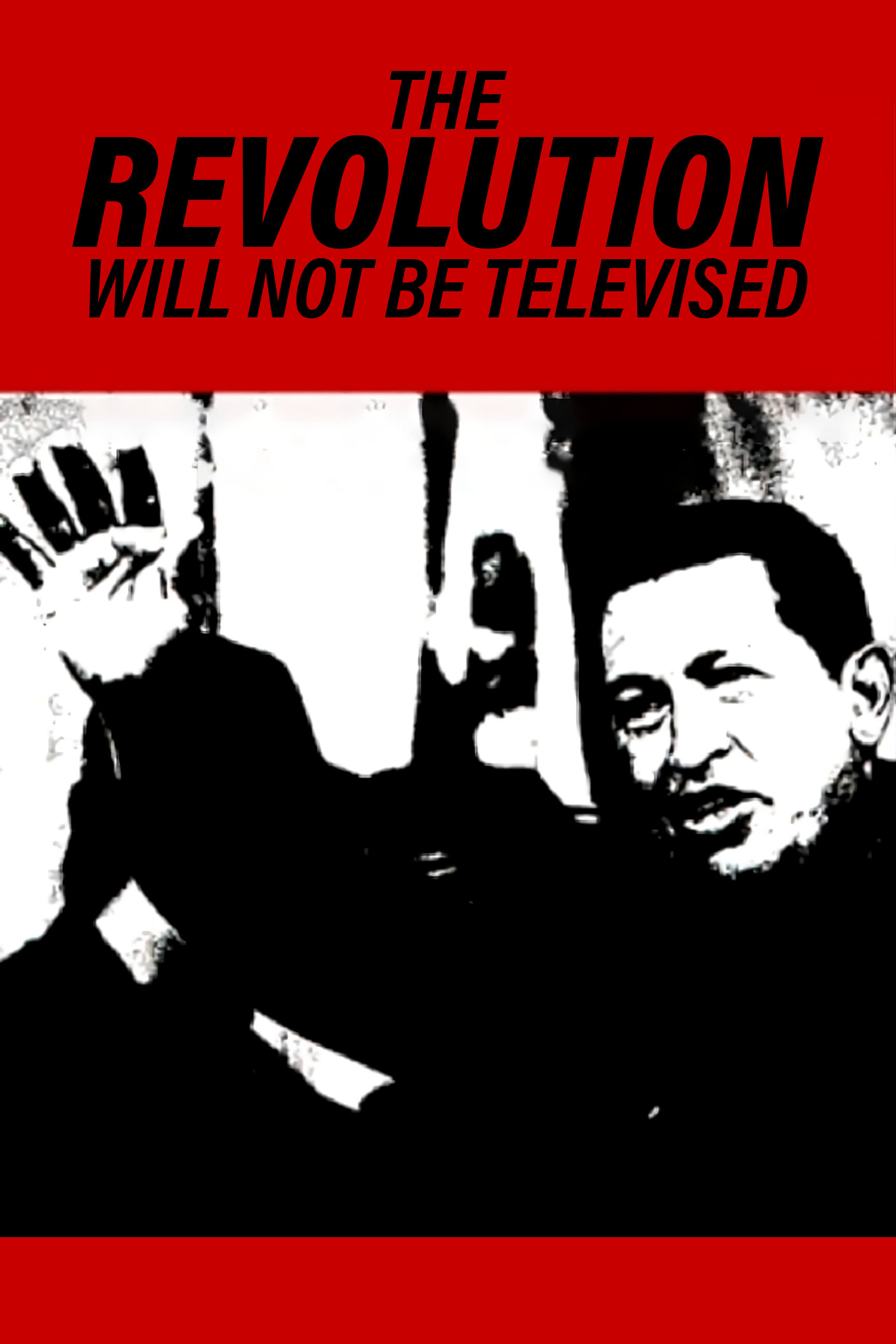
Hugo Chavez was a colourful, unpredictable folk hero who was beloved by his nation’s working class. He was elected president of Venezuela in 1998, and proved to be a tough, quixotic opponent to the power structure that wanted to depose him. When he was forcibly removed from office on 11 April 2002, two independent filmmakers were inside the presidential palace.
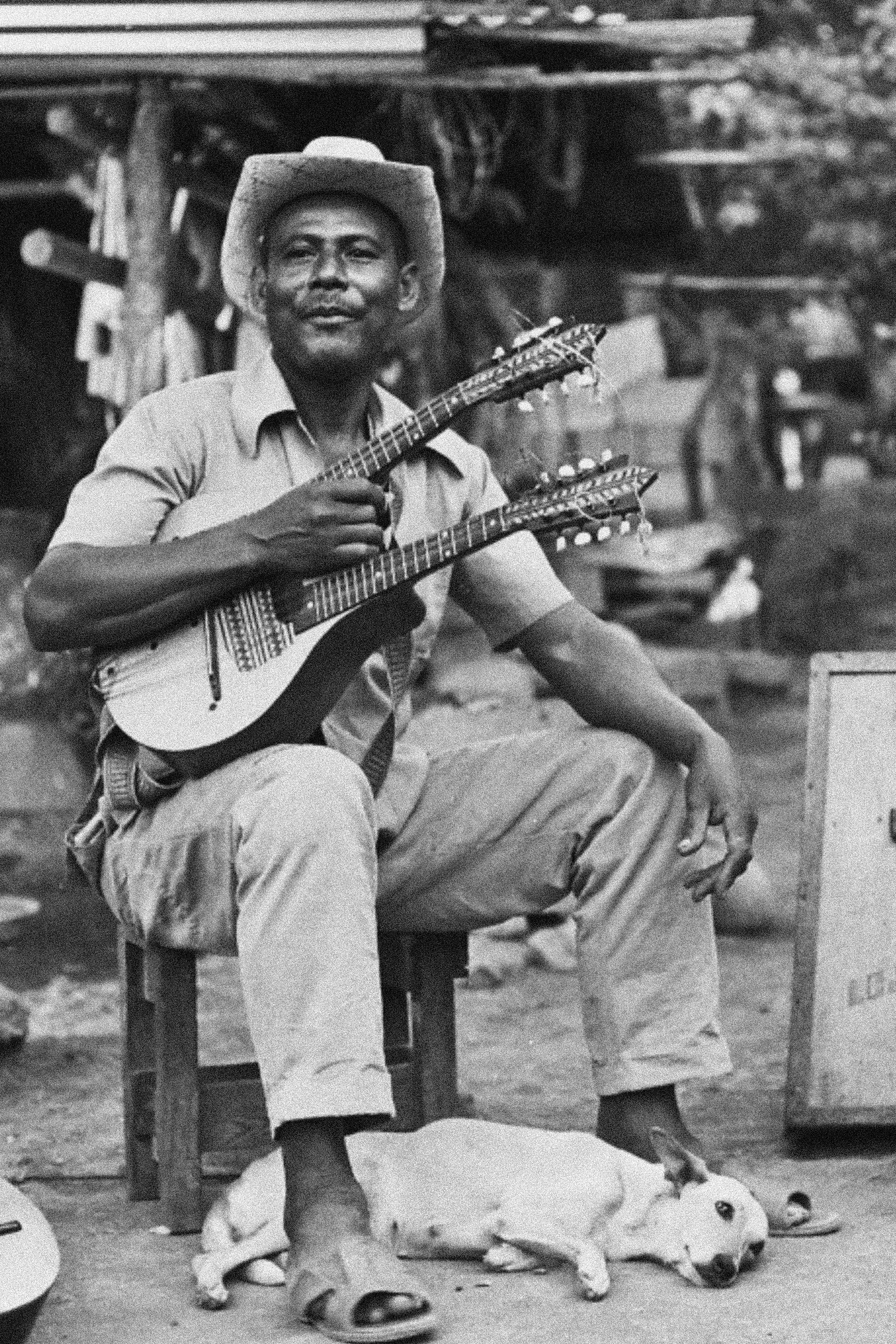
Cruz Quinal, "the mandolin king," lives near Cumana in a mountain valley surrounded by sugarcane fields. Perpetuating 16th century Spanish traditions of guitar-making, Cruz fashions such musical instruments as cuatros, marimba, escarpandola, and his own creation, a mandolin with two fretboards. He is an accomplished musician as well. In this moving portrait, Cruz compares himself to a decaying colonial church across the street: revered yet neglected, the village altar stands, paint peeling, under the open sky.
Short that tells the history of Campoma, a small Venezuelan town founded by black slaves.
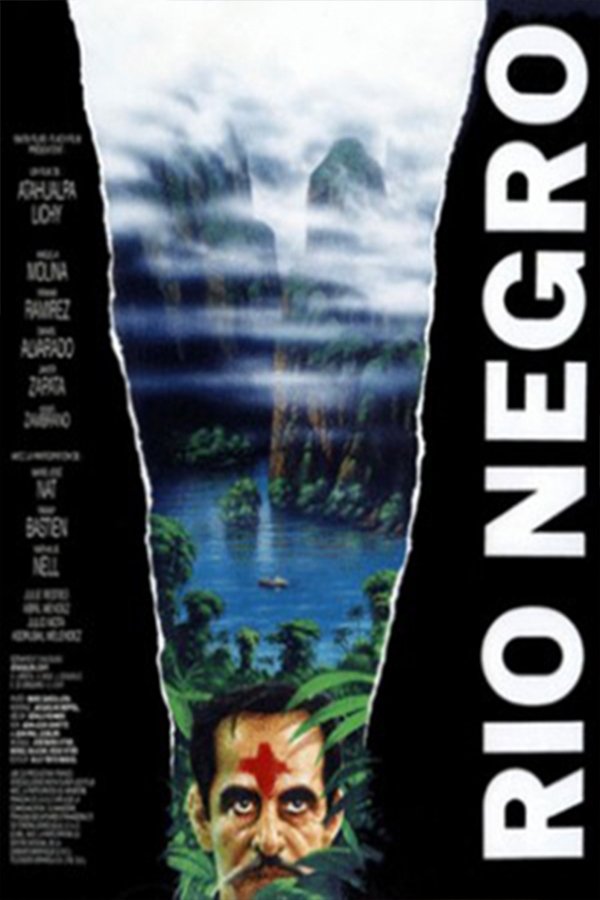
Río Negro is the struggle of two men, Osuna and Funes, hungry for power and wealth in a small town in Venezuela, during the dictatorship of Juan Vicente Gómez
Intertwined stories of people fighting for love, survival and the truth during quarantine.
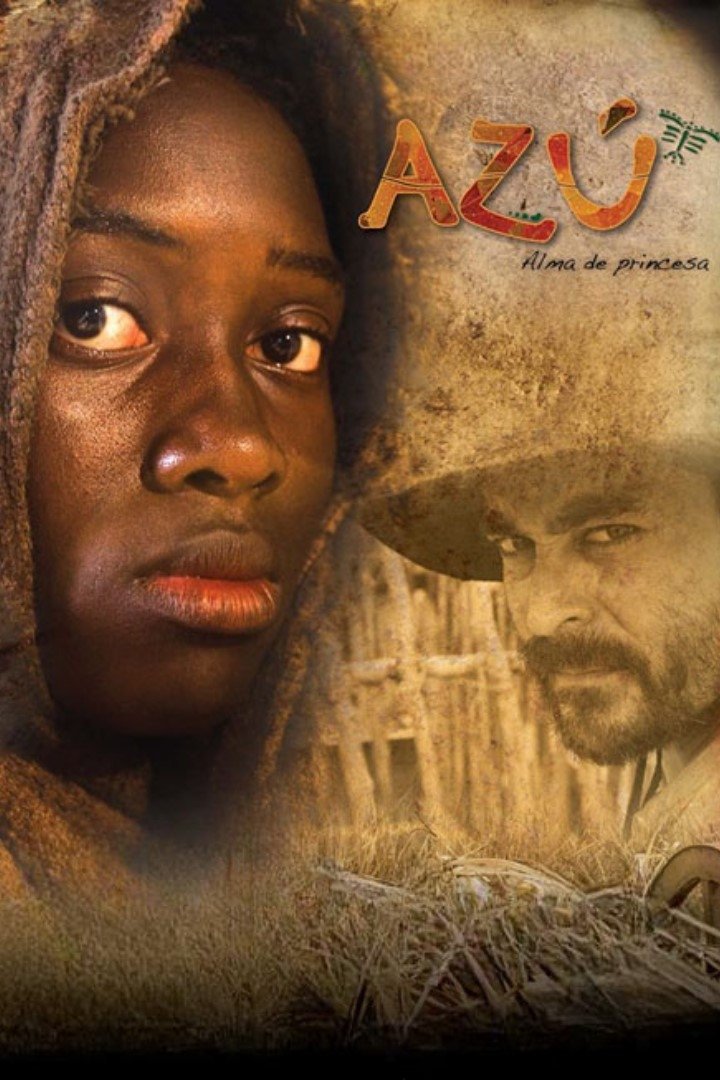
1780, a group of slaves flee from a sugar cane hacienda. As they are pursued by Don Manuel Aguirre, obsessed landowner who has fixed his eyes on Azu, the beautiful slave with an ancestral destiny.
Documentary about the life of Simón Bolívar, directed by Antonio Bacé.
Unique in its approach, Inside The Tanks is a documentary that aims to enrich the discussion surrounding marine mammal captivity. Join Presenter and Producer, Jonny Meah, as he blasts the debate wide open, giving BOTH sides of the discussion a chance to have their say. The documentary includes in depth interviews from The Born Free Foundation; Marine Biologist, Ingrid Visser; Ex-Supervisor and ex-trainer, John Hargrove; and in a world exclusive on the topic, an interview with The Zoological Director of Marineland Antibes, Jon Kershaw.
The film is an exploration of the various ways of mitigating the catastrophic effects of marine plastic waste as seen from the perspective of different surfing communities in the Philippines.
An extension of punk and the fury of the 70s, Grunge was built on the impossibility of living in this world without transforming it. On a categorical refusal to collaborate and the need to create your own rules. The subculture as a refuge. Grunge was a secret movement, a piracy that should never have become popular. A bubble whose epilogue was played out in 3 years, between 1991 and 1994. What happened to this rage?
Professor Archie Cochrane explains the research being done in Rhondda Fach on “the curse of the south Wales mining valleys”: dust disease.
Volonté, the militant. How many people know this singular and important aspect of the great Milanese actor's life? "Forgotten Activism" attempts to reconstruct a particular profile of the actor Gian Maria Volonté, the one concerning his political commitment, an aspect that is often neglected and ignored. A life spent on acting, but at the same time on politics, with the fixed idea of always wanting to change things and have his say, denouncing the abuses of power - as in the case of the anarchist Pinelli - and social inequalities. A character that can be defined to all intents and purposes as a fighter, a 'revolutionary in an actor's uniform', who exposed himself without trying to mediate his positions, sometimes extreme and as a true outsider.
How can cinema engage with complicity in crimes against humanity, extreme violence and state terror without conniving in it? De Facto finds answers to this question via two actors, a precisely compiled collage of texts and a deliberately reduced setting.
Meetings with readers, acquaintances and contemporaries of writer Uwe Johnson at the places where he lived. Volker Koepp, who is also from Pomerania, looks for Johnson’s sophisticated literary voice in the landscapes of the region they both stem from.
A semi-fictional correspondence between two women: one goes to Iran in 1979 to topple the Shah; the other experiences the onerous years of Ceaușescu’s Romania. Their biographies run in parallel via images of everyday life and videograms of revolution.