Social & External
The people behind it
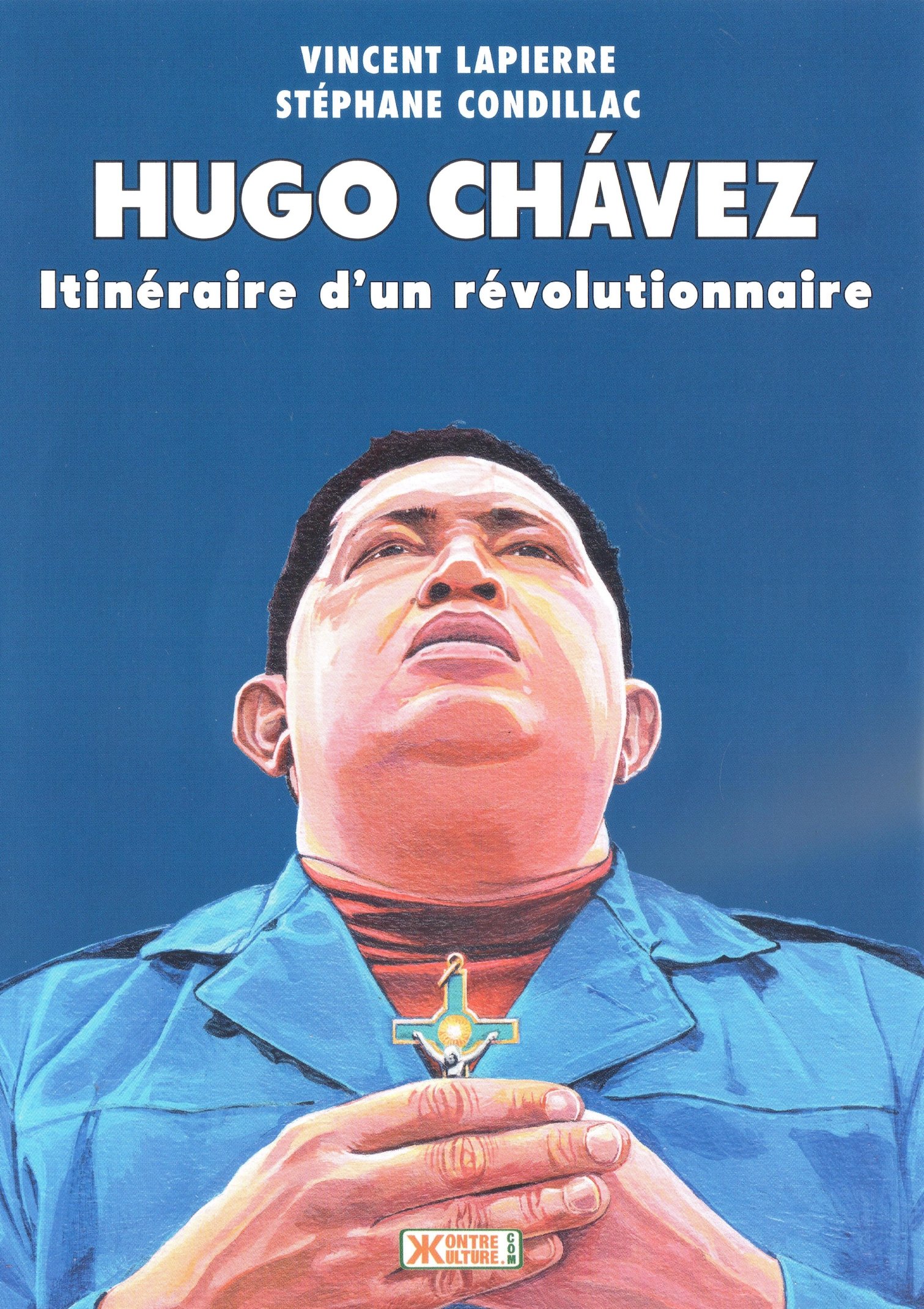
Hugo Chávez
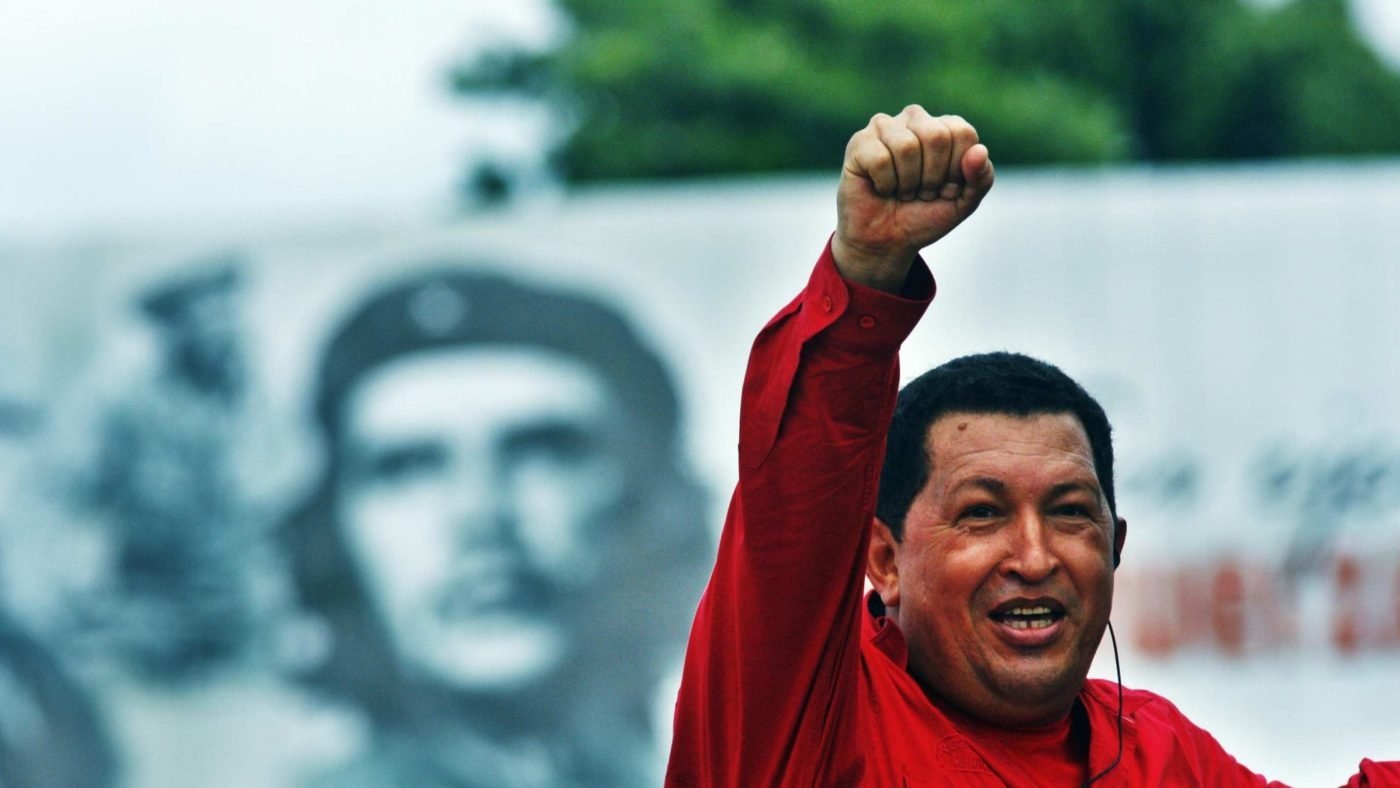
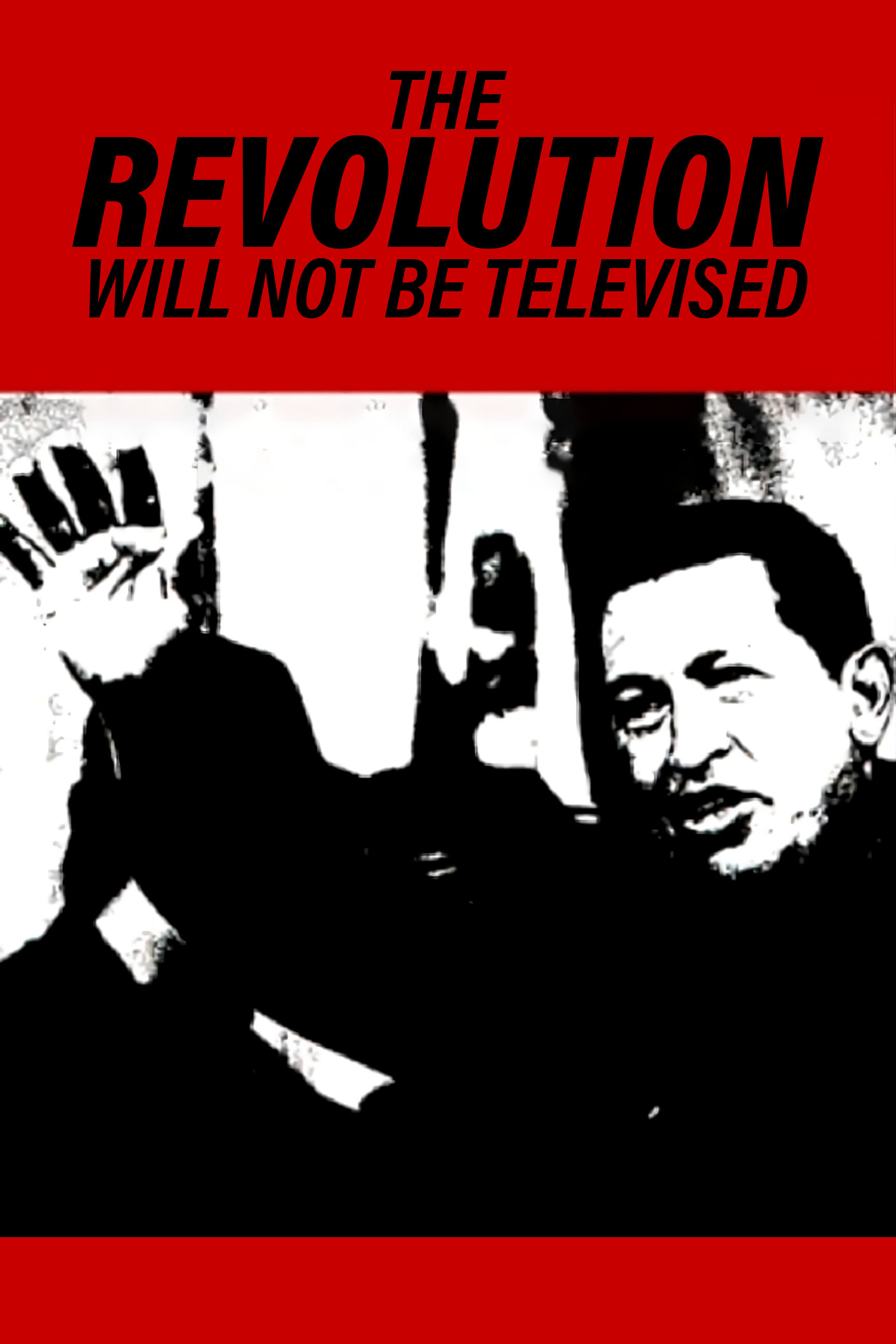
Hugo Chavez was a colourful, unpredictable folk hero who was beloved by his nation’s working class. He was elected president of Venezuela in 1998, and proved to be a tough, quixotic opponent to the power structure that wanted to depose him. When he was forcibly removed from office on 11 April 2002, two independent filmmakers were inside the presidential palace.
A machine-voice makes a "sad film of his homeland" for a dying patient to ease its passing: footage from Kennedy's visit to Venezuela in 61' creeps through montage errors, and a seemingly endless poem comes alive one last time.
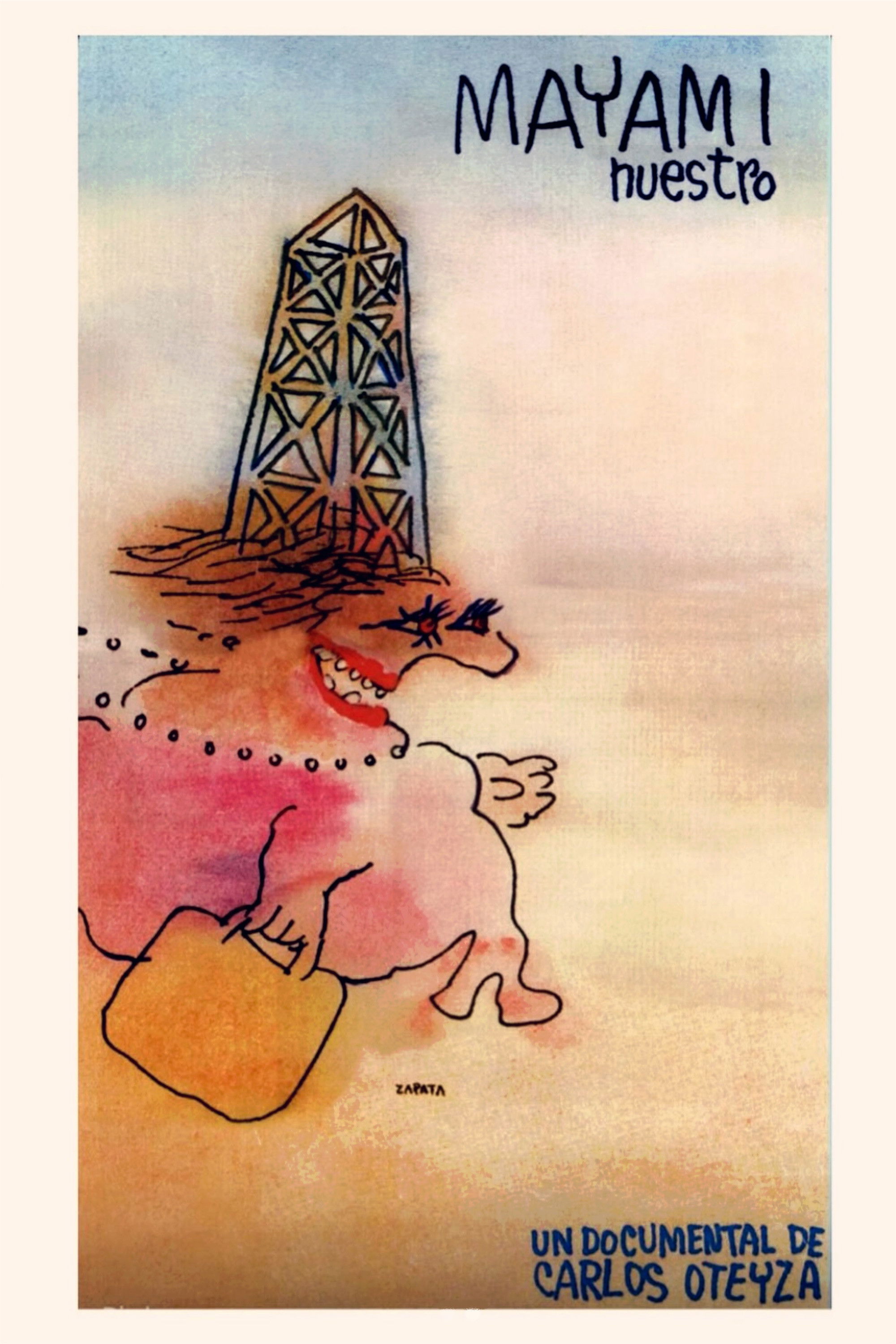
Mayami Nuestro goes beyond the slogan "tá barato, dame dos" (“it’s cheap, give me two”) to force a rethinking of Venezuela’s relationship with oil and national identity. Produced at the height of the oil boom, this 34-minute documentary examines Venezuelan lifestyles in the 1970s and early 1980s, questioning the consumerist fantasies fueled by petro-wealth. Through interviews with merchants, bankers, U.S. academics, and the testimonies of Venezuelans themselves, the film maps the era’s version of the “American Dream” as lived—and projected—abroad. Winner of national and international awards and directed by Carlos Oteyza, Mayami nuestro offers a sharp, historically grounded critique and an open invitation for new generations to reflect on the legacy of oil and its cultural consequences.
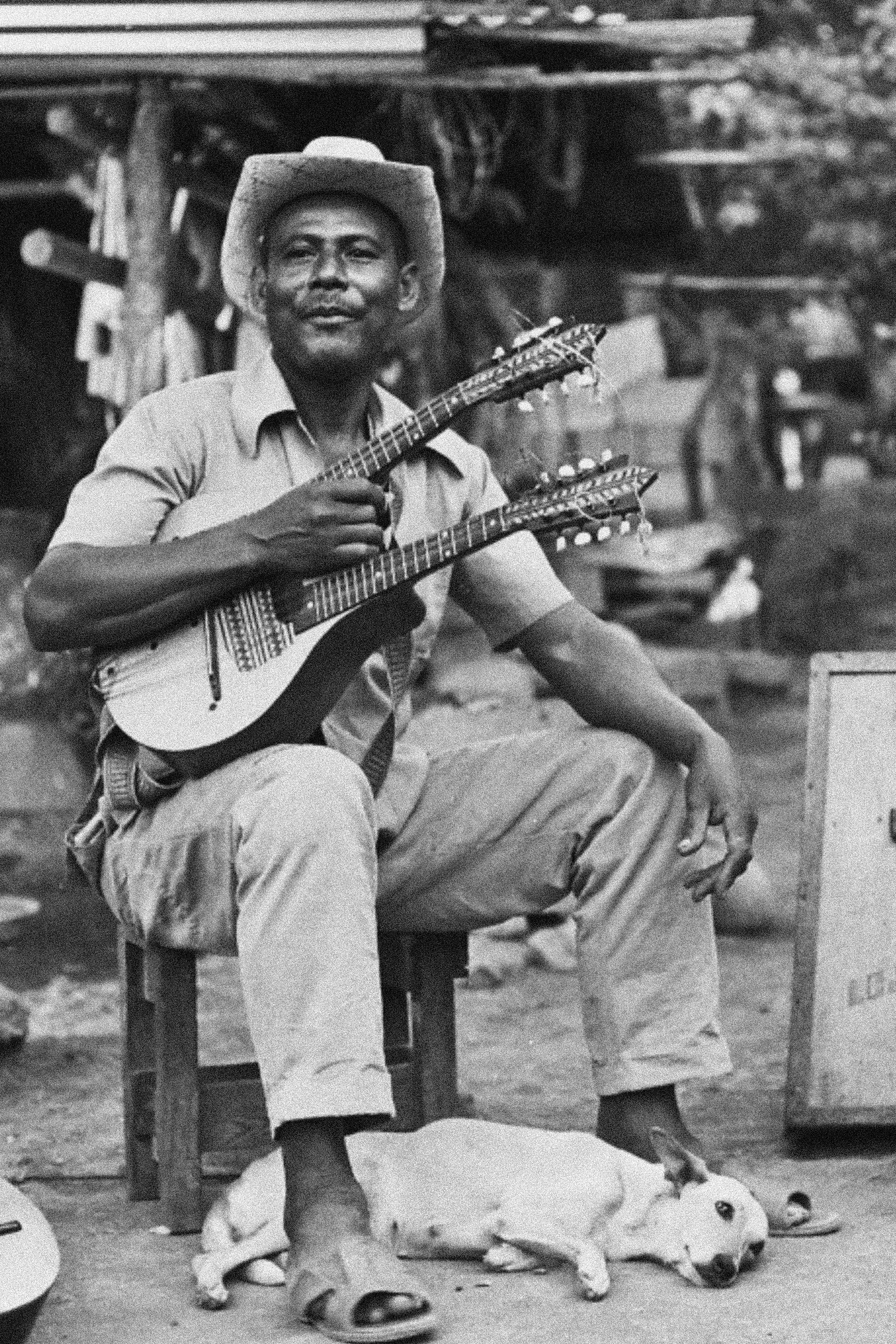
Cruz Quinal, "the mandolin king," lives near Cumana in a mountain valley surrounded by sugarcane fields. Perpetuating 16th century Spanish traditions of guitar-making, Cruz fashions such musical instruments as cuatros, marimba, escarpandola, and his own creation, a mandolin with two fretboards. He is an accomplished musician as well. In this moving portrait, Cruz compares himself to a decaying colonial church across the street: revered yet neglected, the village altar stands, paint peeling, under the open sky.
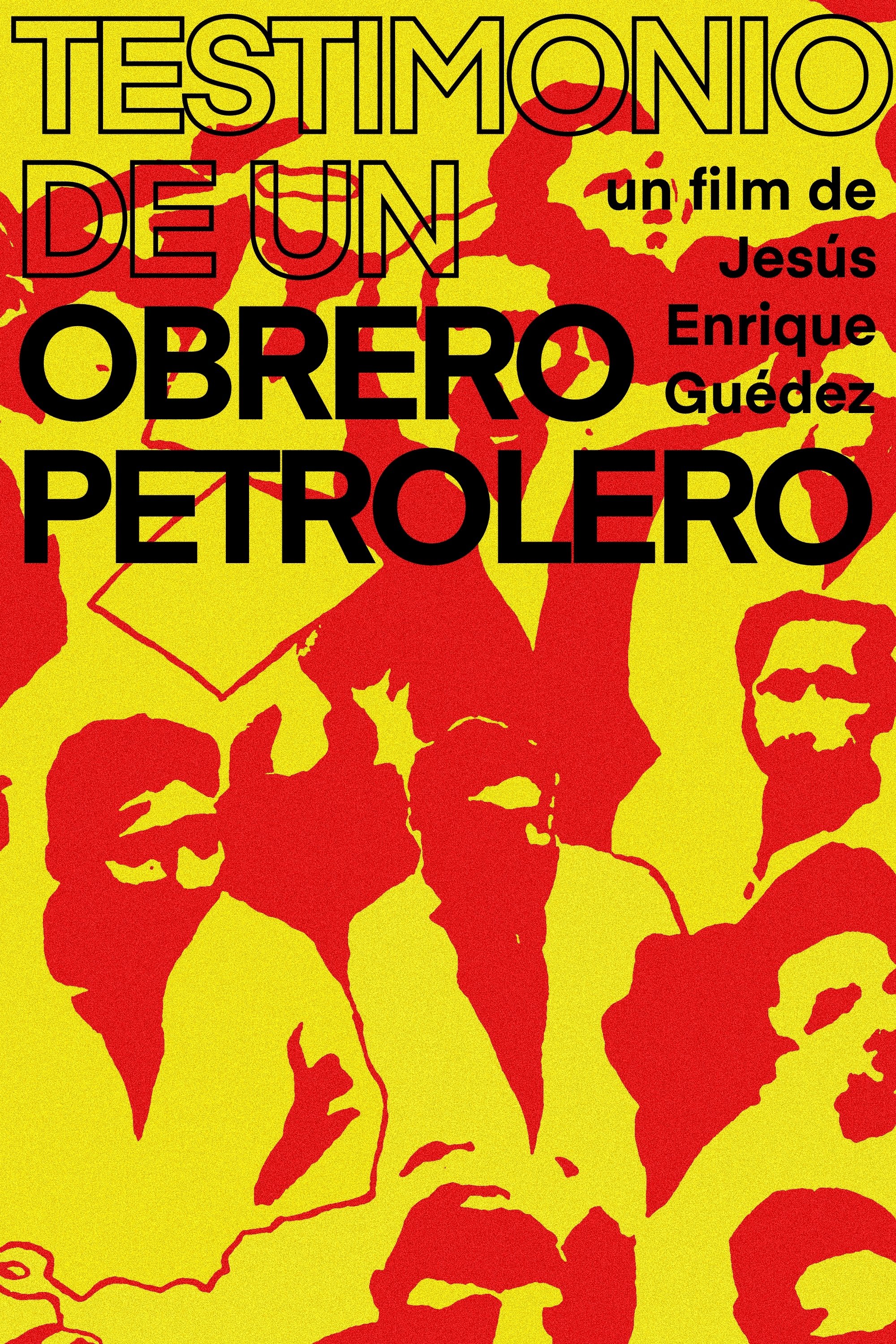
Through the testimony of Manuel Taborda, a pioneer of labor organizing in Venezuela’s oil fields, this documentary revisits the experiences of oil workers between 1920 and 1936. Their memories reveal a world marked by corporal punishment, exploitation, racial segregation, and disease, alongside the emergence of collective resistance against the American and British oil companies that controlled the industry and the government that enabled them.
In 1969, the Renovación Universitaria movement and the subsequent raid on the Central University of Venezuela by the government of Rafael Caldera, triggered a strong wave of protest in the Institutes of Higher Education in Venezuela. This documentary collects part of the events that took place in the city of Mérida, Mérida State, where the University of the Andes is located.
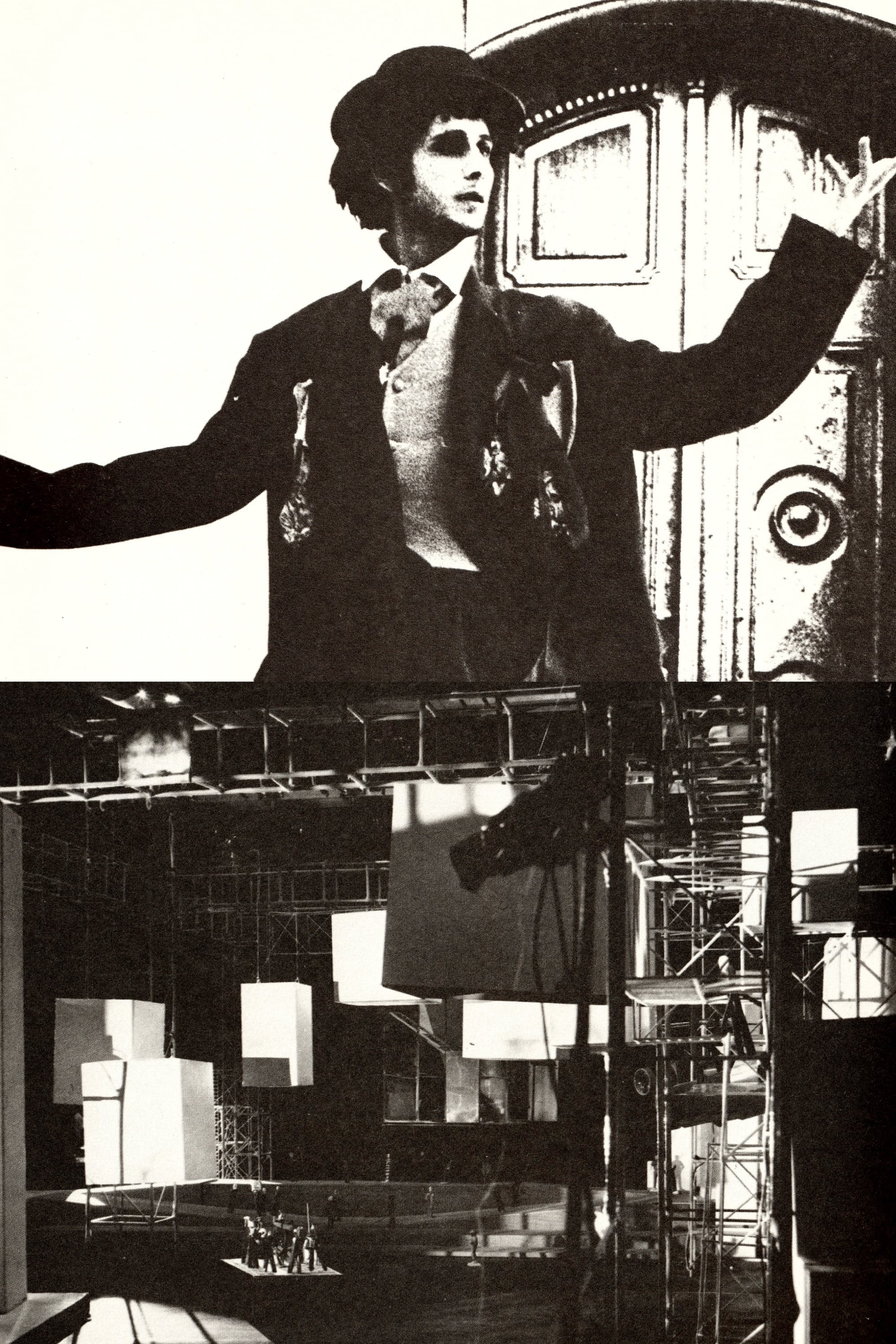
Imagen de Caracas was an experimental film spectacle, directed by Jacobo Borges and Mario Robles in 1968 for the 400 anniversary of the foundation of Caracas. It needed more than 48768 meters of film and 5000 actors.
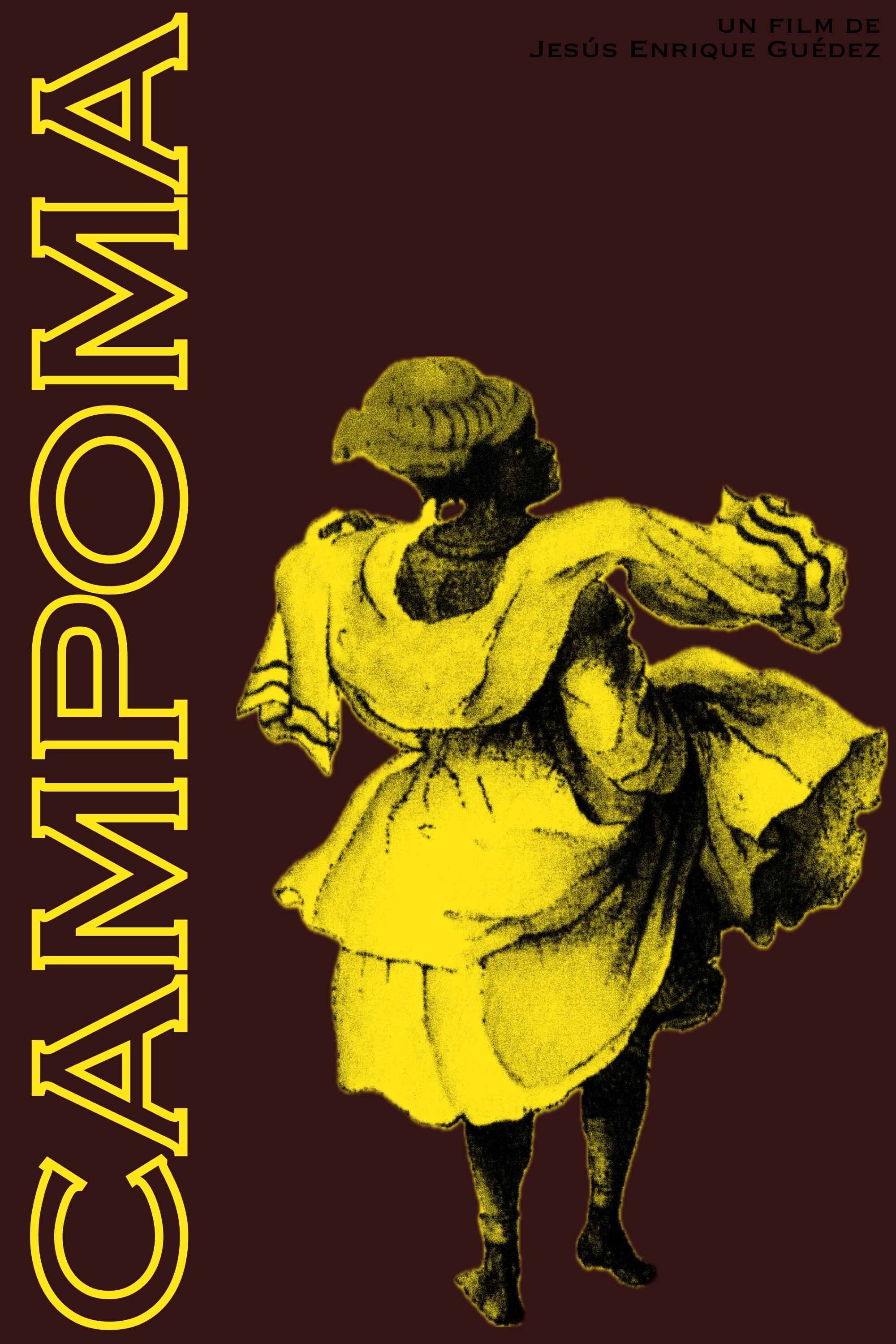
Short that tells the history of Campoma, a small Venezuelan town founded by black slaves.
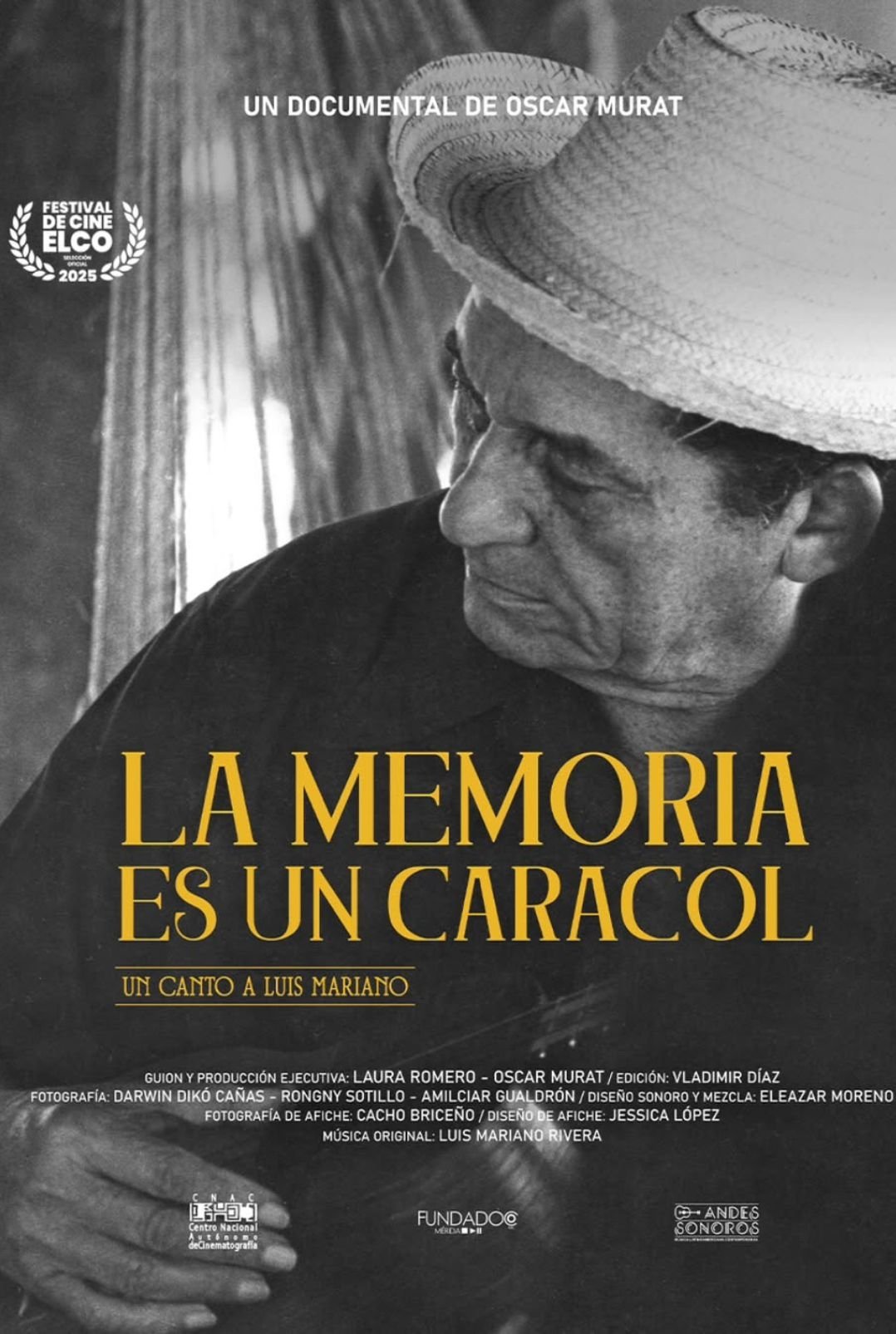
Documentary about the life of Luis Mariano Rivera.
Intertwined stories of people fighting for love, survival and the truth during quarantine.
The struggle of two men, Osuna and Funes, hungry for power and wealth in a small town in Venezuela, during the dictatorship of Juan Vicente Gómez.
Documentary about the life of Simón Bolívar, directed by Antonio Bacé.
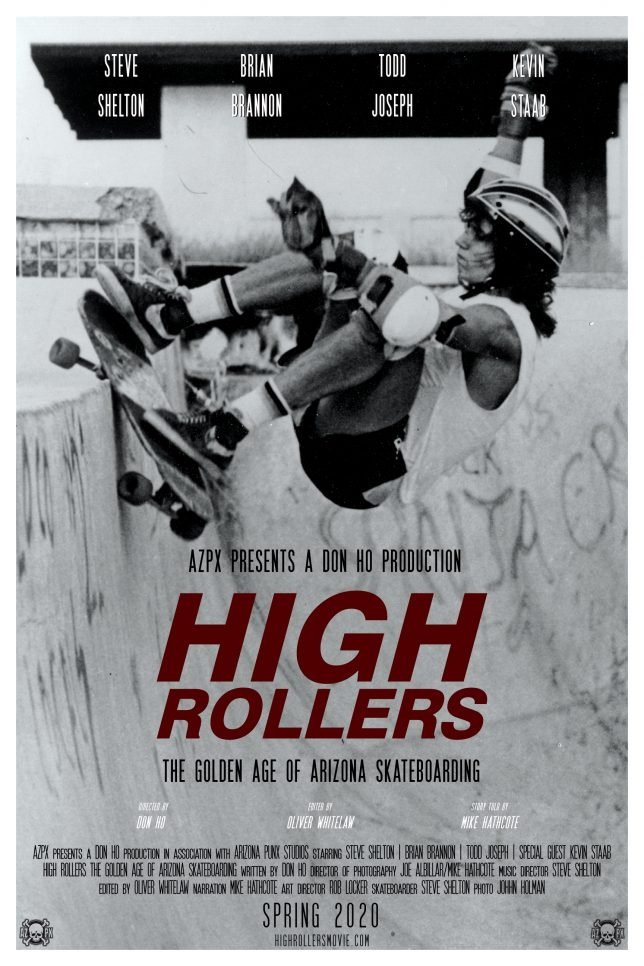
Watching High Rollers – The Golden Age of Arizona Skateboarding is like finding a lost artifact that helps complete a larger mystery from the past. In this case High Rollers adds a much needed layer of knowledge to the origins of radical vertical, and over-vertical, skateboarding. The skateboard boom of the 1970’s went from “sidewalk surfing” and driveway antics to aerials out of backyard swimming pools in an astonishingly short span of time. This evolutionary leap was for the most part well documented in the pages of Skateboarder Magazine and the 2001 documentary Dogtown and Z-Boyz. However, the field of vision both of these forms of media is narrow (although both are excellent), they both deal almost exclusively with what was happening in California (with occasional nods to Florida). It is understandable as skateboarding was born and given life in California, but what happened next? What was going on elsewhere?
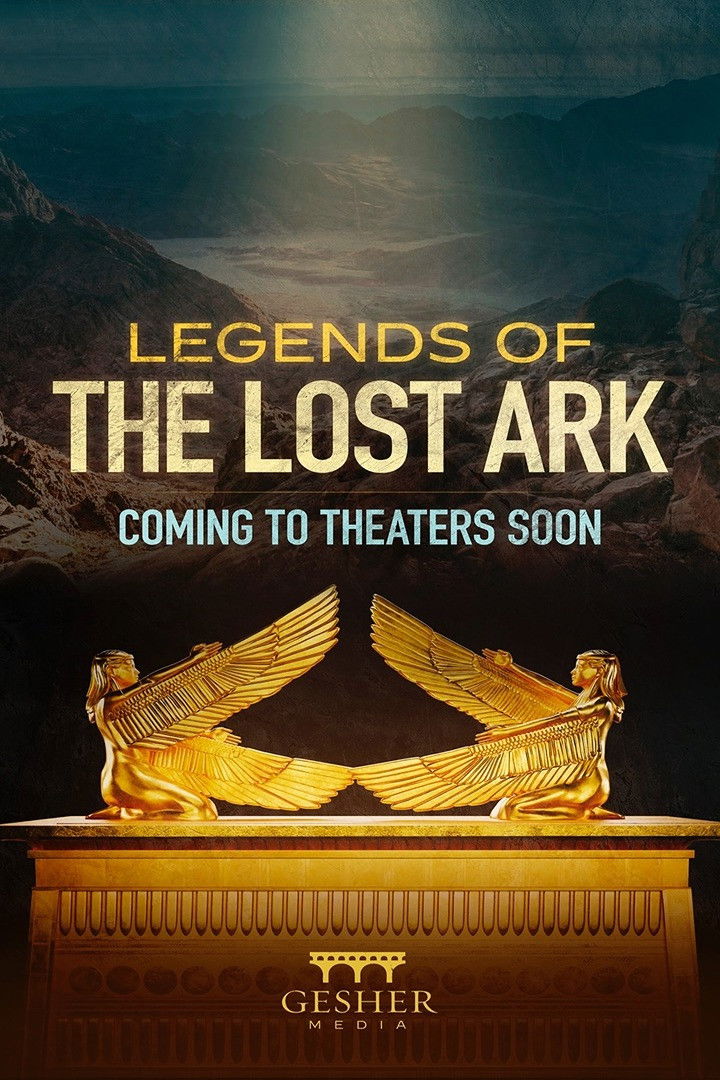
Chronicles archaeologist Dr. Chris McKinny’s search for the Ark of the Covenant. Supported by insights from scientists, historians, and biblical scholars, he explores three ancient legends pointing to final resting place of the iconic relic.
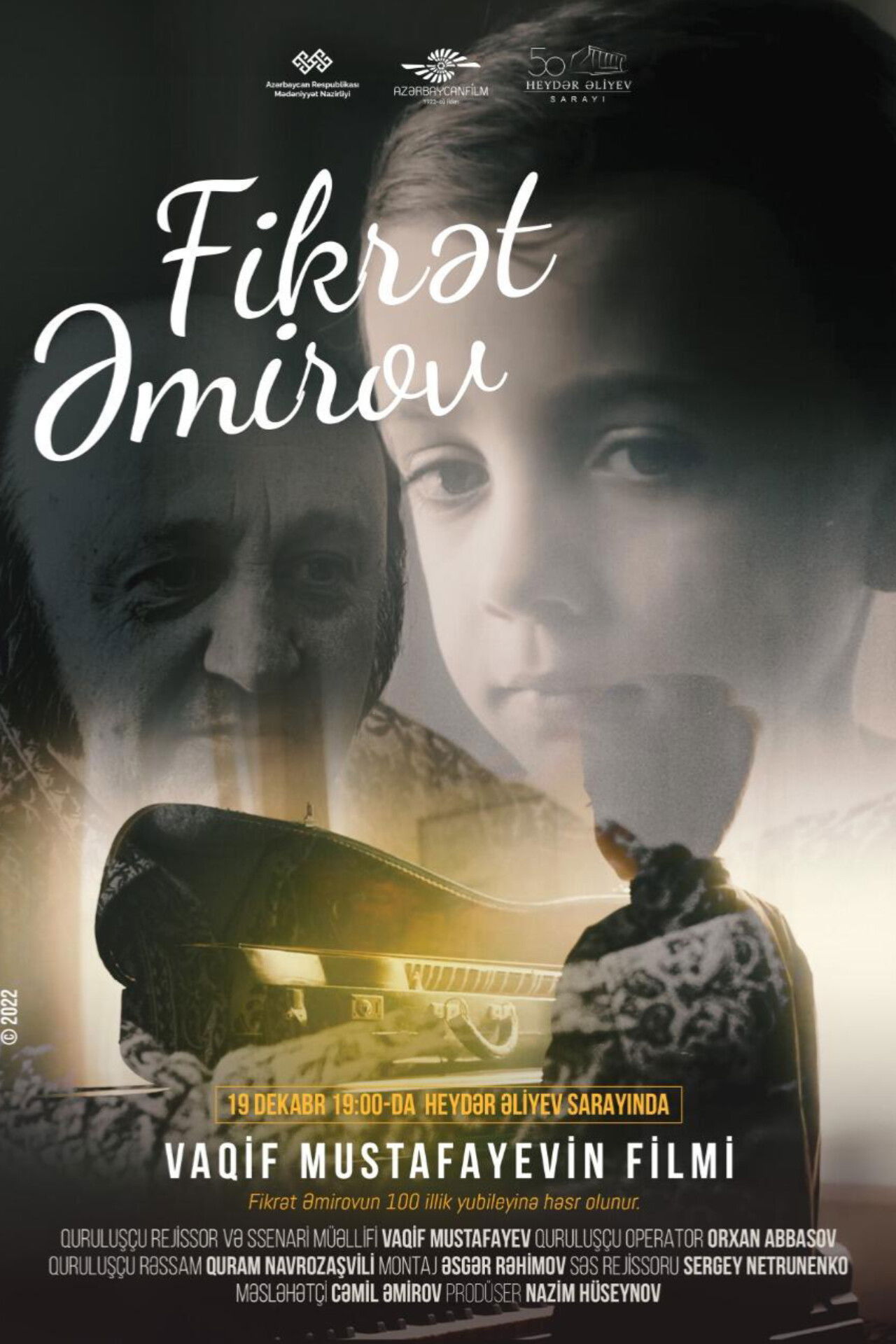
A film about Fikrət Əmirov.
Memoirs of F.M. Dostoevsky about N.A. Nekrasov, performed by the actor Alexander Filippenko.
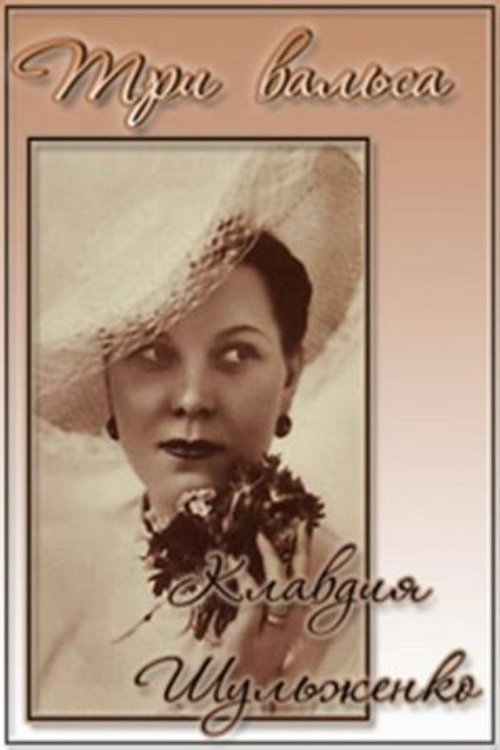
The film is based on the memoirs of Klavdiya Shulzhenko and her songs: "The Blue Scarf", "Three Waltzes", "Silence", "Hands", "The Note". The film features archival footage, as well as scenes shot in Kharkiv and Paris.
Two years ago, Mohammed VI succeeded his father, Hassan II, without any apparent difficulties. Is this succession really as smooth as it seems?
Hat, Lucie, Benny, Paul and Karen leave their old life behind and disappear for a while to reset. Some of them use a new identity. As they try to get closer to their true self, they find themselves re-evaluating the norms they grew up in.
A documentary about the punk band Lagwagon. Includes interviews and live songs.
In an intimate and joyful story of love in the face of loss, celebrated poets Andrea Gibson and Megan Falley find strength—and unexpected hilarity—in what might be their final year together.
A string of threatening emails escalates into a revenge plot involving a newly married US marshal and his ex-girlfriend.
An inside look at one of the most anticipated movie sequels ever with James Cameron and cast.
Through deeply personal interviews with her siblings and an examination of the photographs, letters, and belongings left behind, Mariska assembles a new portrait of her mother Jayne Mansfield, an extraordinary and complex woman.
The film is based on interviews with 2,000 women from 50 countries, and covers the status of women all over the world. The topics covered include forced marriages, sexual assault, female genital mutilation, acid attacks, motherhood, sexuality, menstruation, education and the professional success of women.
A documentary about how a dominant cultural and demographic institution both sustains their traditional activities and adapts to the digital revolution.
A visual montage portrait of our contemporary world dominated by globalized technology and violence.
A documentary on the expletive's origin, why it offends some people so deeply, and what can be gained from its use.
A look at the origins, history and conspiracies behind the "Majestic 12", a clandestine group of military and corporate figureheads charged with reverse-engineering extraterrestrial technology.
A detailing of the rise to prominence and global sporting superstardom of six supremely talented young Manchester United football players (David Beckham, Nicky Butt, Ryan Giggs, Paul Scholes, Phil and Gary Neville). The film covers the period 1992-1999, culminating in Manchester United's European Cup triumph.
Follow the evolution of the 'Halloween' movies over the past twenty-five years. It examines why the films are so popular and revisits many of the original locations used in the films - seeing the effects on the local community. For the first time, cast, crew, critics and fans join together in the ultimate 'Halloween' retrospective.
A documentary about the making of season five of the acclaimed AMC series Breaking Bad.
From the heights of her modeling fame to her tragic death, this documentary reveals Anna Nicole Smith through the eyes of the people closest to her.
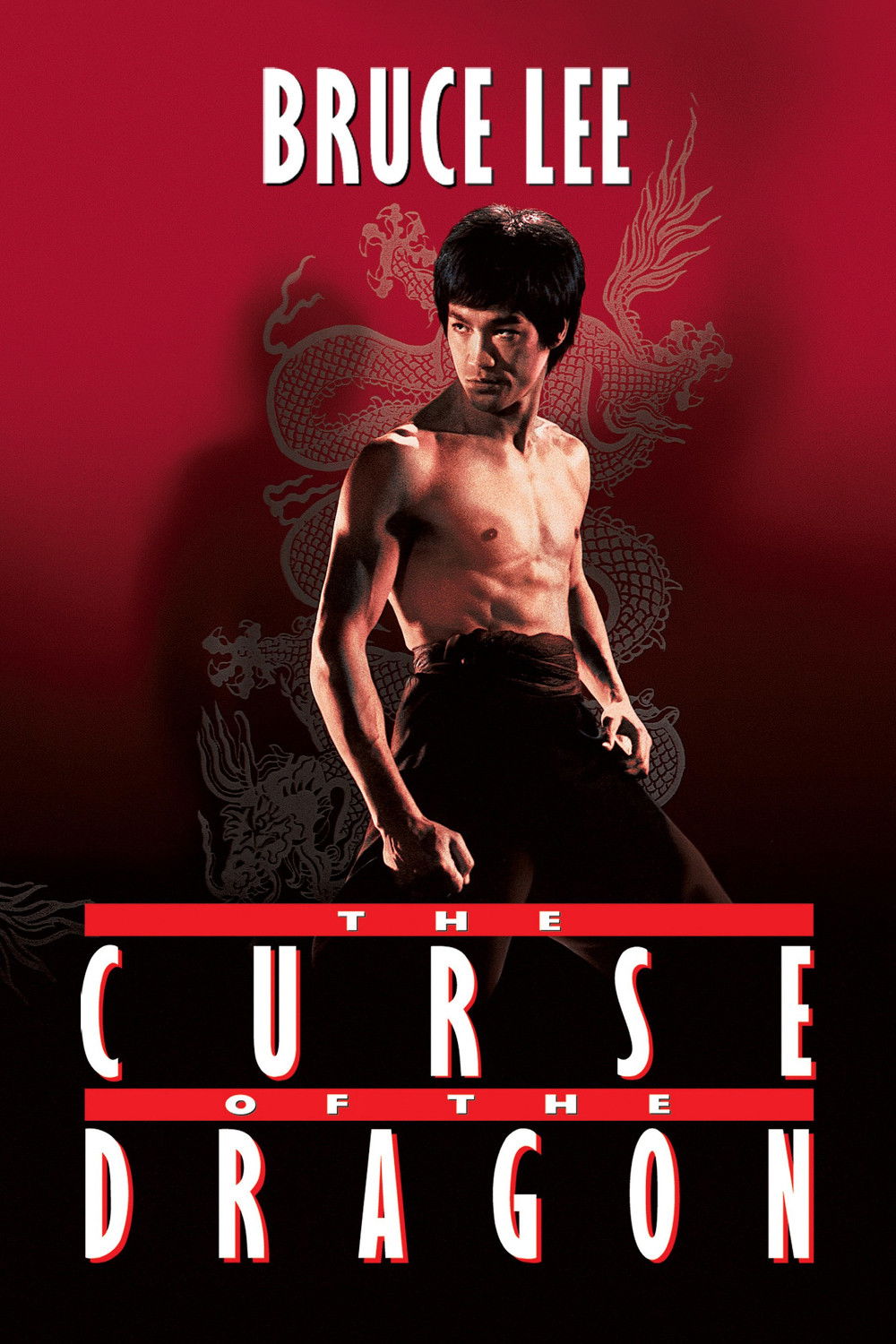
A 1993 documentary film about Bruce Lee. The film includes interviews from some of his fellow students and opponents who worked alongside him in his movies.
A documentary about the life and films of director John Ford.
The life and career of an actor, artist, and icon. His own journey through his own camera.
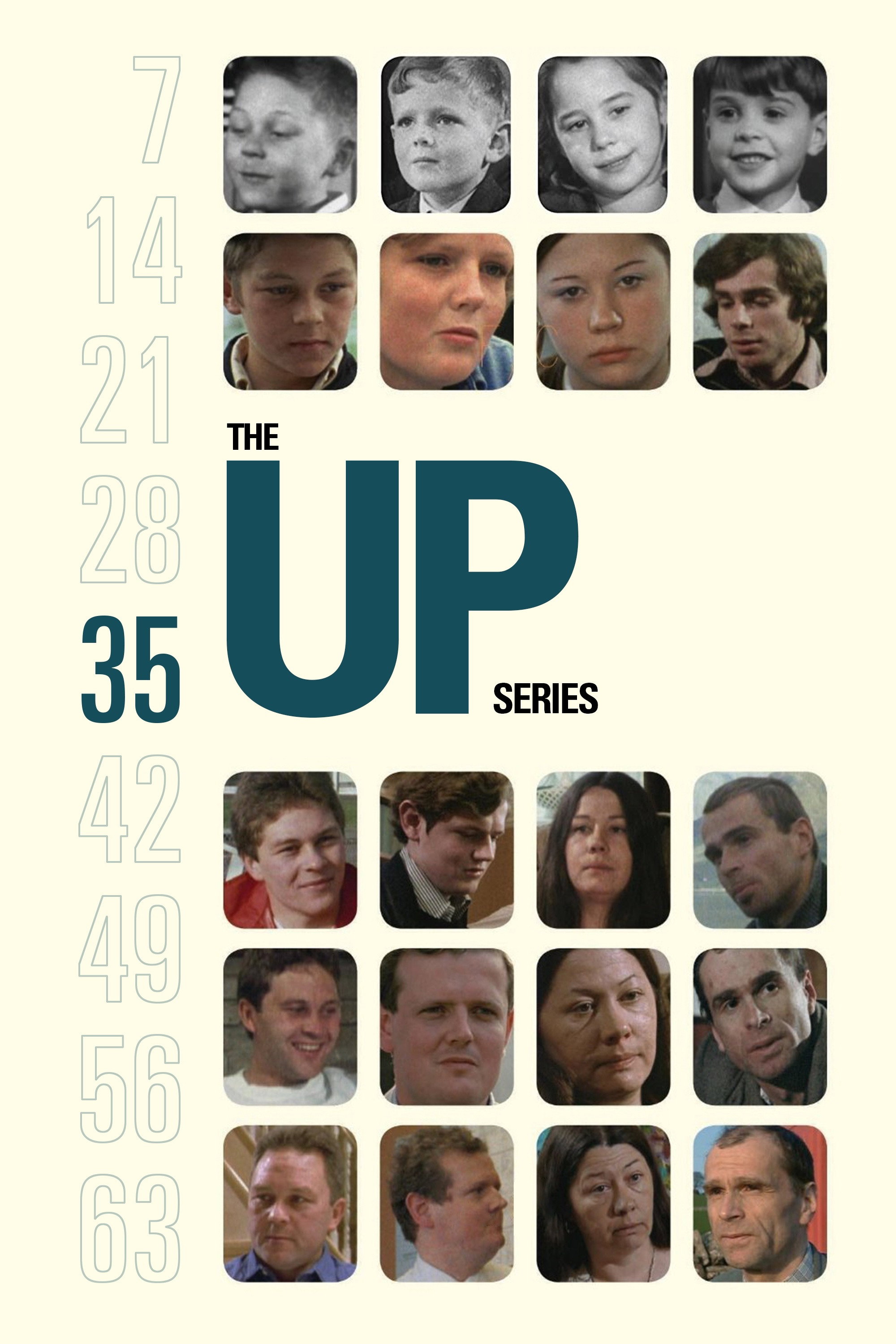
Director Michael Apted revisits the same group of British-born adults after a 7 year wait. The subjects are interviewed as to the changes that have occurred in their lives during the last seven years.
Ranjit, a farmer in India, takes on the fight of his life when he demands justice for his 13-year-old daughter, the victim of a brutal gang rape. His decision to support his daughter is virtually unheard of, and his journey unprecedented.
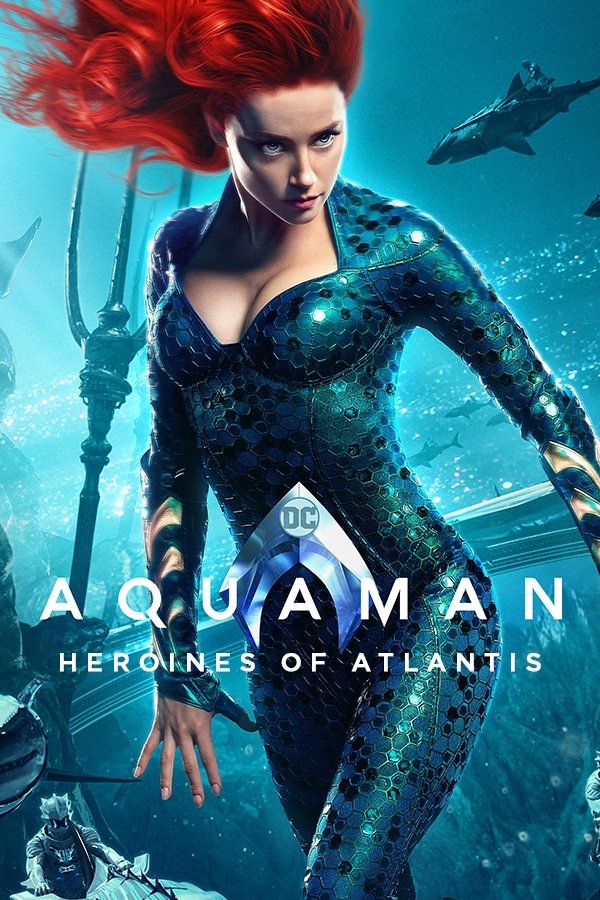
Amber Heard and Nicole Kidman discuss their characters Mera and Atlanna.
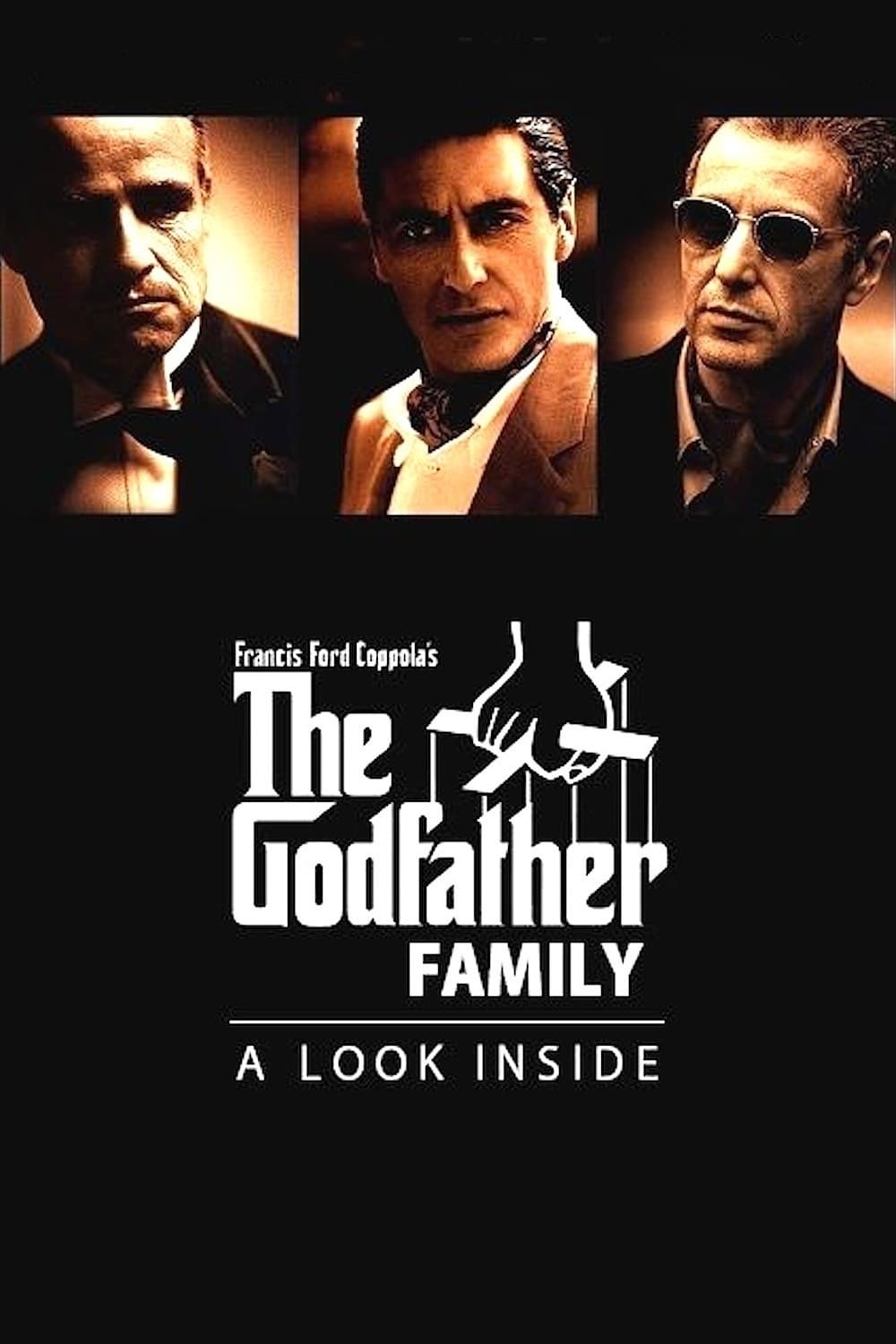
A documentary on the making of the three Godfather films, with interviews and recollections from the film makers and cast. This feature also includes the original screen tests of some of the actors for "The Godfather" film, and some candid moments on the set of "The Godfather: Part III."