A nematic painting of sleep.
Social & External
The people behind it
Fifteen images of a camera running in a park and in obscurity searching the space of light through distorsion and the sensory of rapid motion.
A woman on the run from the mob is reluctantly accepted in a small Colorado community in exchange for labor, but when a search visits the town, she learns that their support has a price.
Obinagụ is not human. They are a spirit who walks among us, taking the form of a worker each day, only to return each evening to the forest they call home, a place where they feel whole and free, where they don’t have to perform or hide.
The blinking sun on the surface of the river becomes the ranting mouth of god and utters nova scotia into existence.
After his mother's death, a young man edits the family's home videos to bring back her image. As he delves into the occult he begins to reveal the paradoxical magic of memories and cinema.
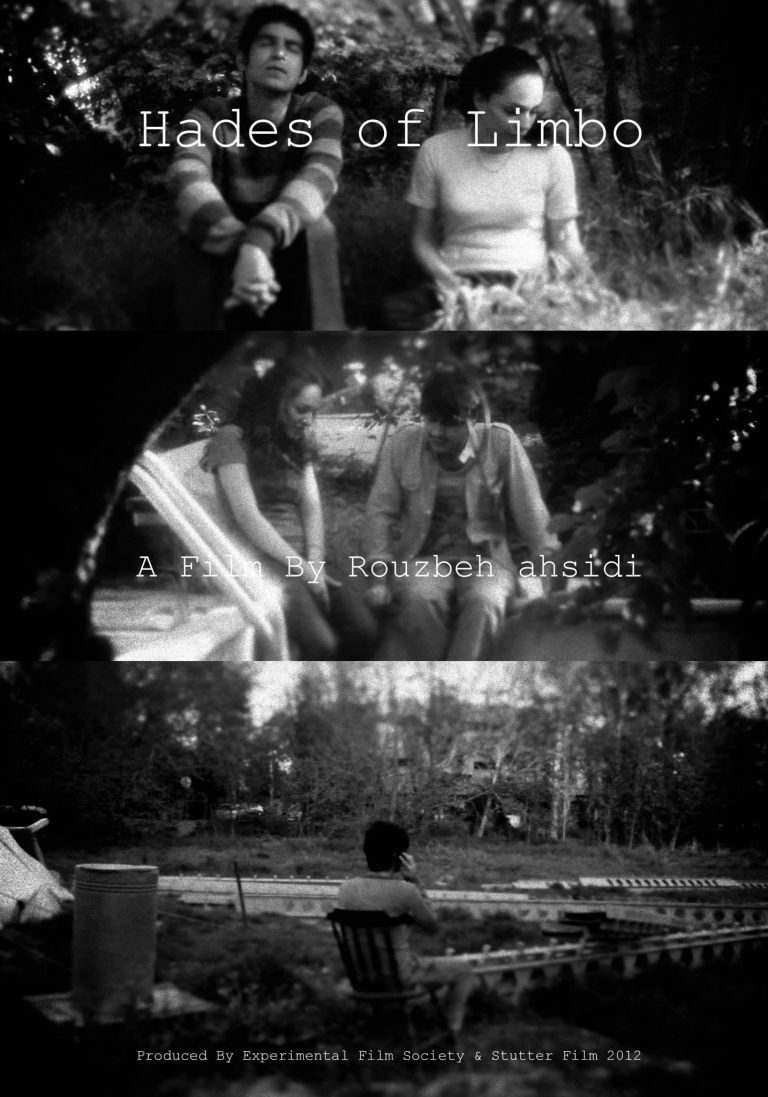
A bleak, cryptic vision of life in contemporary Iran that eschews overt social commentary in favour of a very personal vision of stifled lives. Directed remotely by Rashidi from Ireland over Skype, the making of this unique film reflects the alienation it so compellingly portrays.
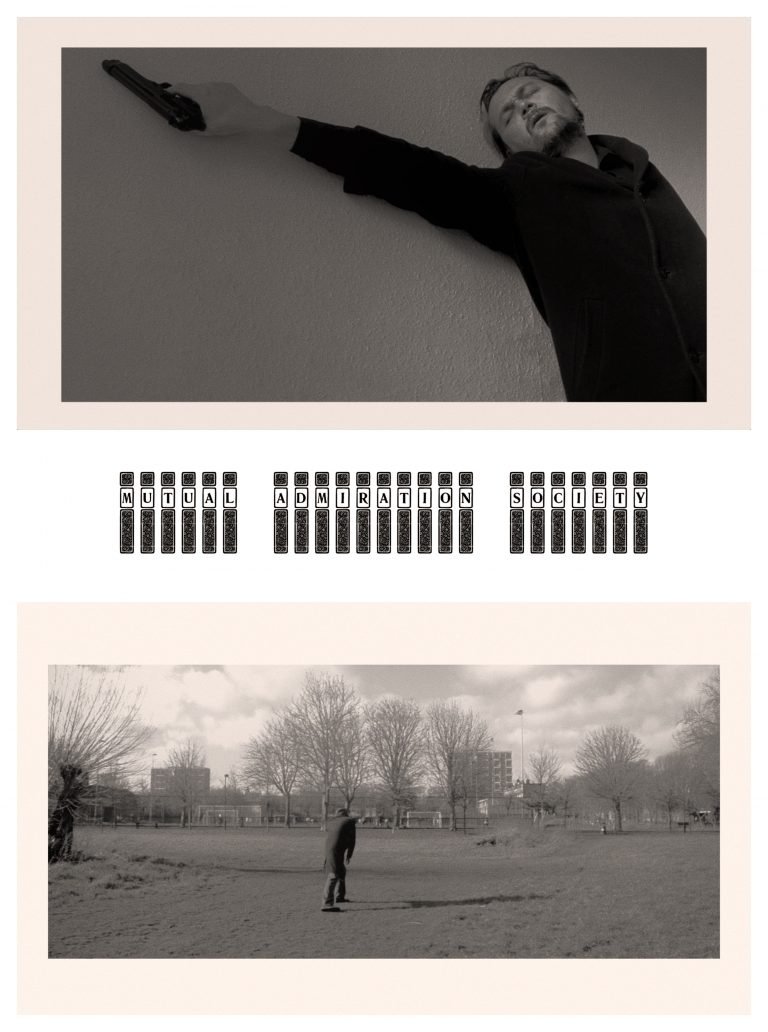
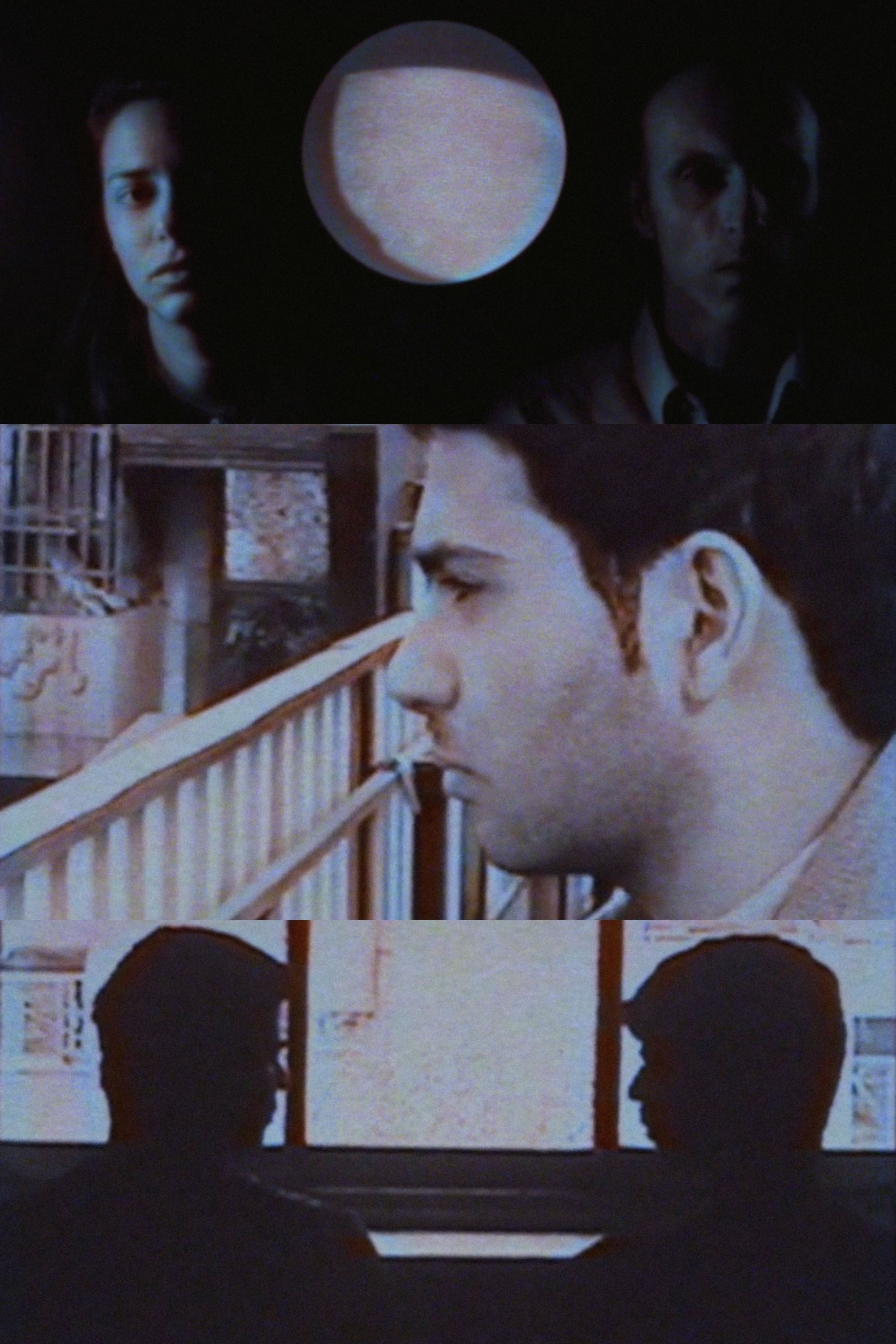
Surreal and mysterious, in equal parts absurd and intense, Mutual Admiration Society is part of the noted multi-film collaboration between actor James Devereaux and experimental filmmaker Rouzbeh Rashidi. Based entirely around a silent, tour-de-force one-man performance by Devereaux as a man who appears to be haunting and threatening himself, Mutual Admiration Society uses startling visual techniques and editing rhythms to create a claustrophobic hall of mirrors with Devereaux’s tormented protagonist at its centre.
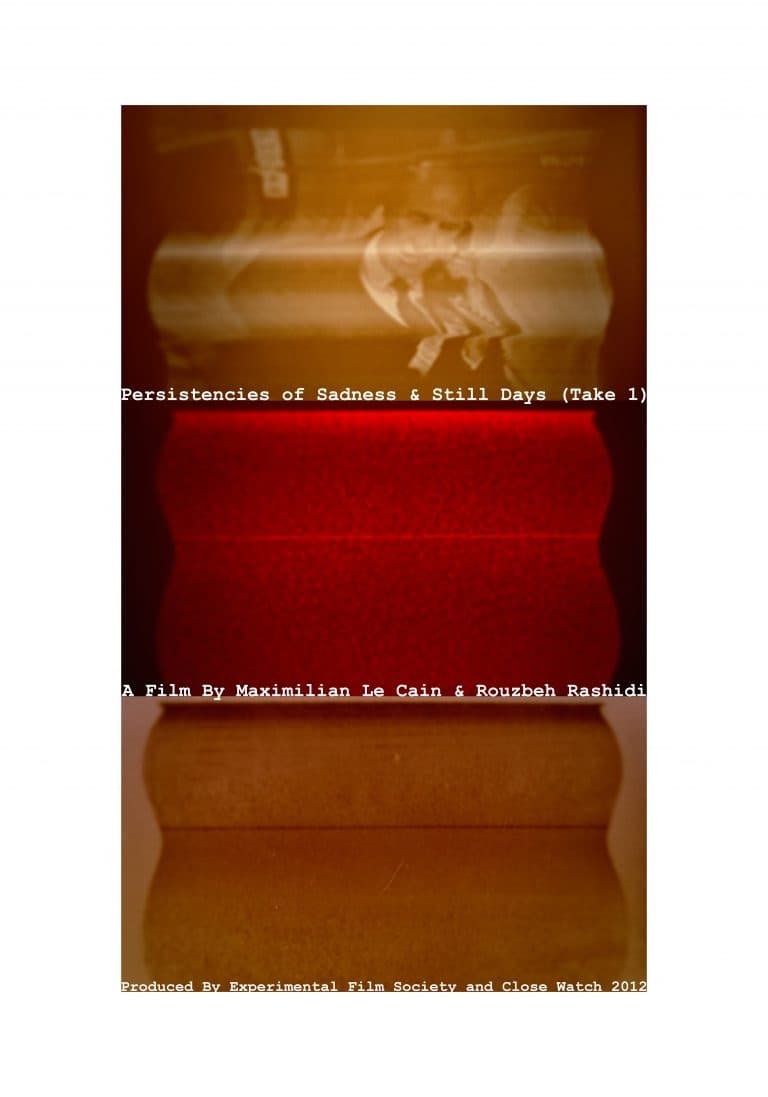
“Persistencies of Sadness & Still Days”, is a four hour feature film by Maximilian Le Cain and Rouzbeh Rashidi. Structured in two sections or ‘takes’ of two hours each, this dream-like, experimental project offers two complementary explorations of cinematic form that skirt around possible narratives, ducking through a series of fluctuating audio-visual categories and intensities.
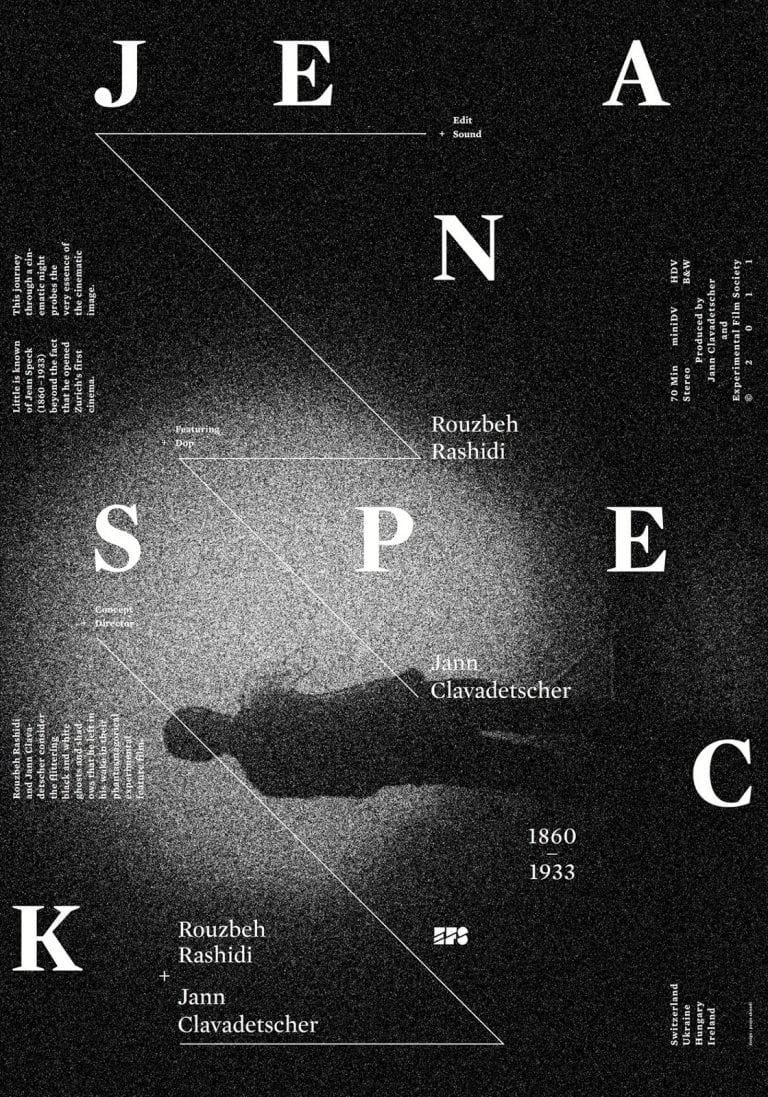
Little is known of Jean Speck (1860-1933) beyond the fact that he opened Zurich’s first cinema. Rouzbeh Rashidi and Jann Clavadetscher consider the flittering black and white ghosts and shadows that he left in his wake in their phantasmagorical experimental feature film. This journey through a cinematic night probes the very essence of the cinematic image.
An intimate stream of memories reaching out across time and space, taking on a uniquely experimental form that cuts the viewer adrift in a weave of old footage rising to the surface of consciousness like a dream.
Writes Ando, "Oh! My Mother was the first work I made using a newly bought 16mm camera I had purchased with the writer Shuji Terayama in Paris. This piece was selected for the Oberhausen International Film Festival. In 1969, there were, of course, no video cameras like ones we see now, and color TVs were only found at broadcast television studios. I had just been employed at the TBS (Tokyo Broadcasting System), and I often snuck into the studios after hours to experiment with the equipment. Oh! My Mother was made using the feedback effect, which is produced by infinitely expanding the image by looping the video."
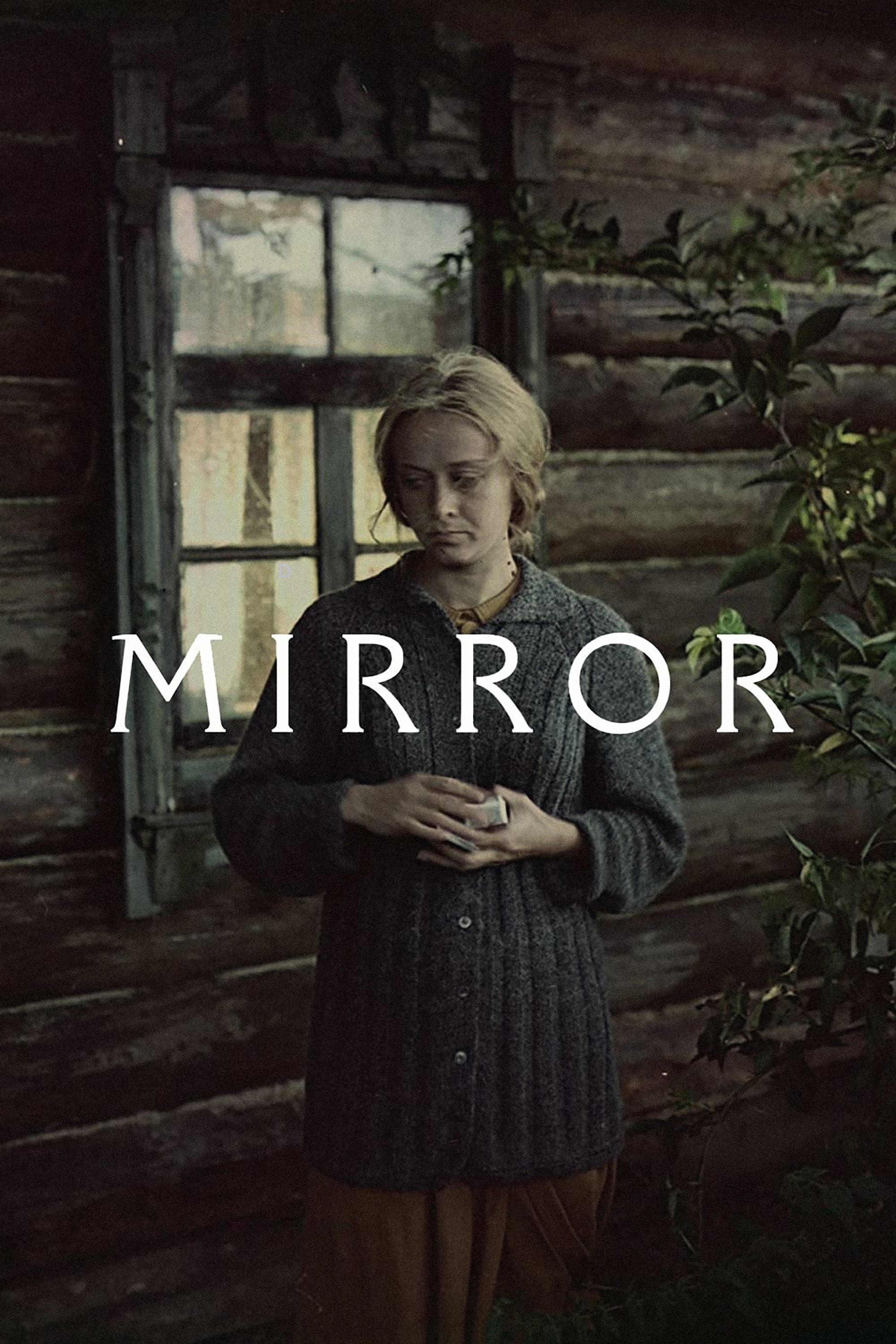
A dying man in his forties recalls his childhood, his mother, the war and personal moments that tell of and juxtapose pivotal moments in Soviet history with daily life.
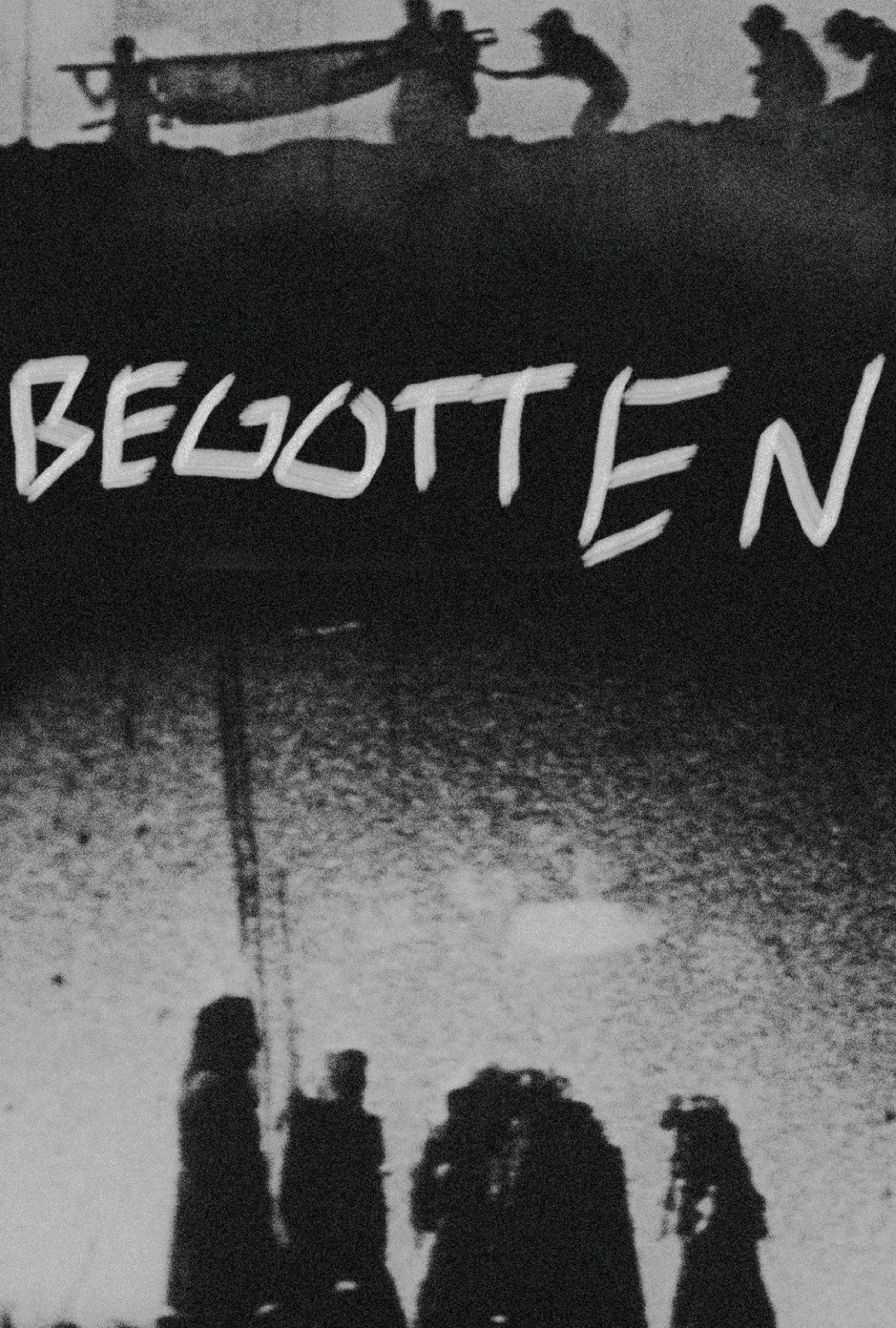
Begotten is the creation myth brought to life, the story of no less than the violent death of God and the (re)birth of nature on a barren earth.
Homo Sapiens Project (200) was completed in 2020 as part of the 20th anniversary of Experimental Film Society. This eight-hour experimental feature is constituted from short film experiments made between 2000 to 2010. These films have already undergone many metamorphoses over the years. They were always restless wandering spirits seeking a permanent place of rest but so far without success. Each section of Homo Sapiens Project (200) was made under the unique condition of living out a form of subtle therapeutic practice. Collectively they reflect major life-changing events, formalistic mutations and thematic shifts within Rouzbeh Rashidi’s filmography. In spite of this, they could not find the peace of a satisfactory final shape. Indeed, they are about peace, something that rarely (if ever) exists within Rashidi’s work. But now, after twenty years of roaming the subconscious, they have come to rest in a permanent retirement in one world, one very personal floating planet.
Homo Sapiens Project (201) was completed in 2021 as part of re-envisioning and restructuring Rashidi's filmography. This nineteen-hour experimental feature is constituted from many feature films produced between 2002 to 2014. These experimental features were made as a type of test or trial experiment. Rashidi assembled the films from footage accumulated over the years, archival footage, found footage and rushes donated by his close collaborators.
"The fourth film in the series, for which I focused on colors and shapes. It was shot on Kodachrome, all edited in camera, and processed at Dwayne’s Photo." (Tomonari Nishikawa)
Ordinary people of both sexes, and of varying ages, races and ethnicities, tell stories that sound familiar. But each is a construct to plumb reality in a considered, theoretical, and, ultimately, playful fashion, as Delson continues the filmic experimentation begun during her collaboration with Jill Godmilow an the genre-bending Far from Poland.
The Garden is an experimental work that describes the inner worlds of two sisters manifested through their connection with the garden outside their home. While mourning the passing of their close relative, the sisters encounter a man in the garden, evoking a sense of mortality in one and awakening the sensuality in another. The film was directed by Ong Ann Meng (better known as Meng Ong), who went on to win numerous awards for his short films at the Singapore International Film Festival between 1991 and 1993. His first feature, Miss Wonton (2001), won the FIPRESCI Prize at the Locarno International Film Festival.
"The third film in the series, which starts with a sequence of paired images: a focused image and a blurred image of the same subject, which was caused by a diagonal camera movement. Later, it shows an experiment to produce an apparent depth by rotating an apparent shape. It was edited in camera and hand-processed afterwards." (Tomonari Nishikawa)
A visual montage portrait of our contemporary world dominated by globalized technology and violence.
Takes us to locations all around the US and shows us the heavy toll that modern technology is having on humans and the earth. The visual tone poem contains neither dialogue nor a vocalized narration: its tone is set by the juxtaposition of images and the exceptional music by Philip Glass.
To escape neglect and abuse from his parents, a young boy plants some strange seeds and they grow into a grandmother.
A nameless drifter navigates a barren landscape punctuated by satellite dishes, radio towers and droning airplanes. Stopping periodically in anonymous hotel rooms, she makes attempts to connect to an unidentified second party.
In a suburban landscape, the lives of several families interlace with loss, despair and personal crisis. Esther Gold has lost focus on all but caring for her comatose son, Paul, and neglects her daughter and husband. Lawyer Jim Train is devoted to his career, not his family. Helen Christianson wants to find a new spark in life, while Annette Jennings tries to rebuild hers.
A silent figure known as The Assassin travels through a nightmare underworld of tortured souls, ruined cities and wretched monstrosities forged from the primordial horrors of the unconscious mind of Phil Tippett, the world's preeminent stop-motion animator.
In 1974, Chilean-French director Alejandro Jodorowsky embarked on the quixotic project of adapting Frank Herbert's influential novel Dune (1969) for the big screen. After investing two years, and millions of dollars, the gigantic project ended in failure; but the artists Jodorowsky brought together to carry it out continued to work together, and ended up laying the foundations for modern science fiction cinema.
Clinging to a smooth, curved surface high above a sentient abyss, a woman tries to cover the few feet back to safety without losing purchase and falling to her death.
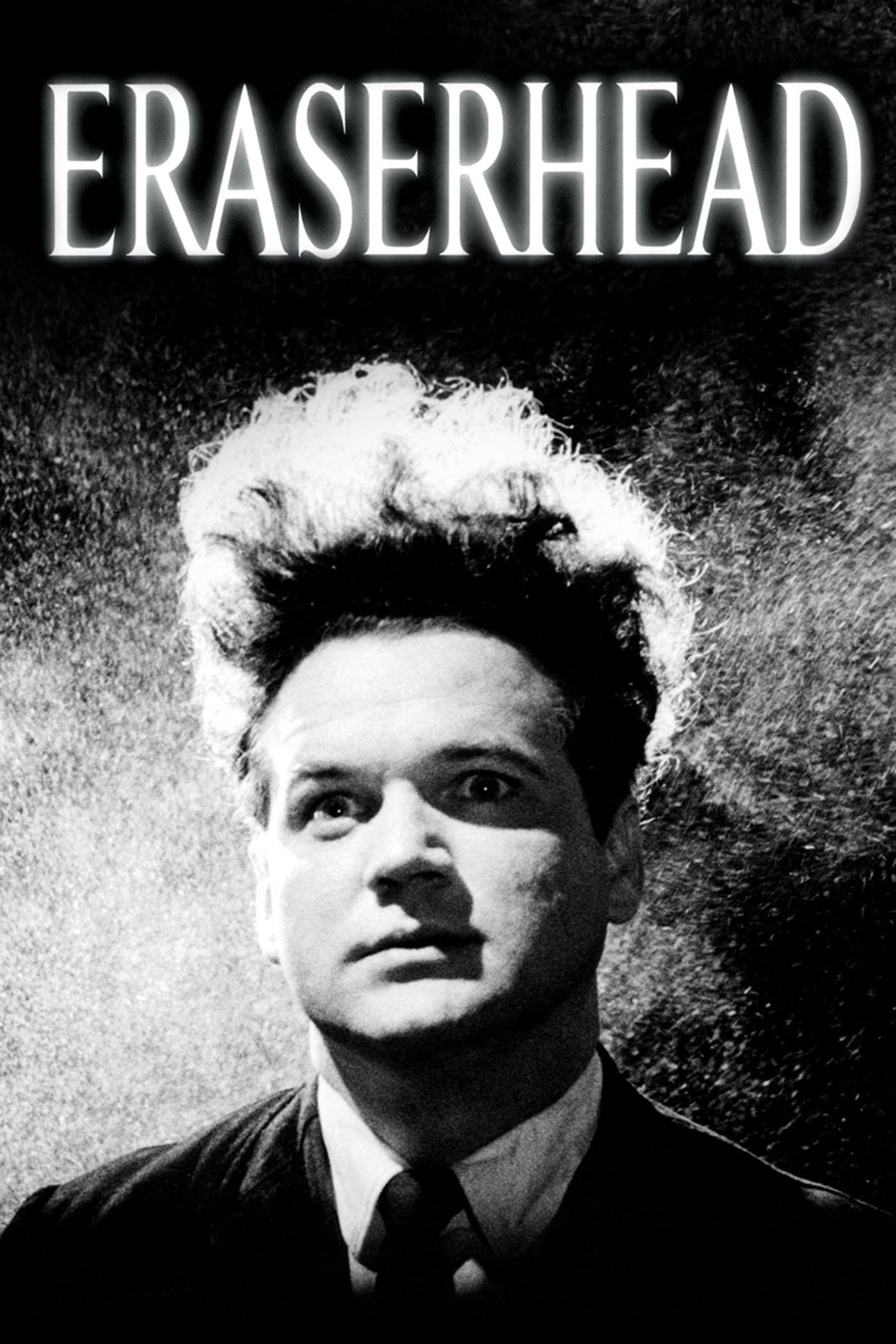
First-time father Henry Spencer tries to survive his industrial environment, his angry girlfriend, and the unbearable screams of his newly born mutant child.
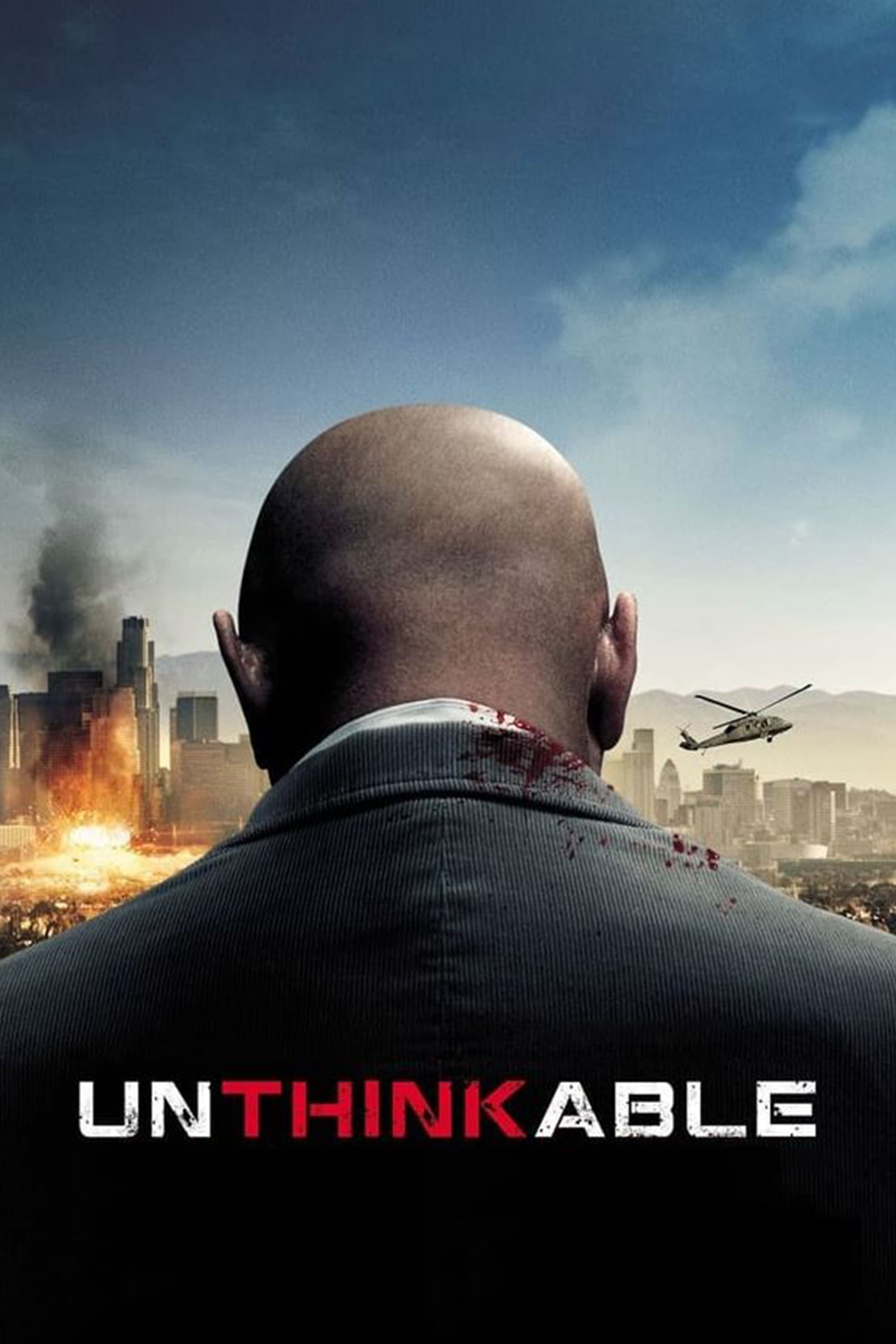
The government gets wind of a plot to destroy America involving a trio of nuclear weapons for which the whereabouts are unknown. It's up to a seasoned interrogator and an FBI agent to find out exactly where the nukes are.
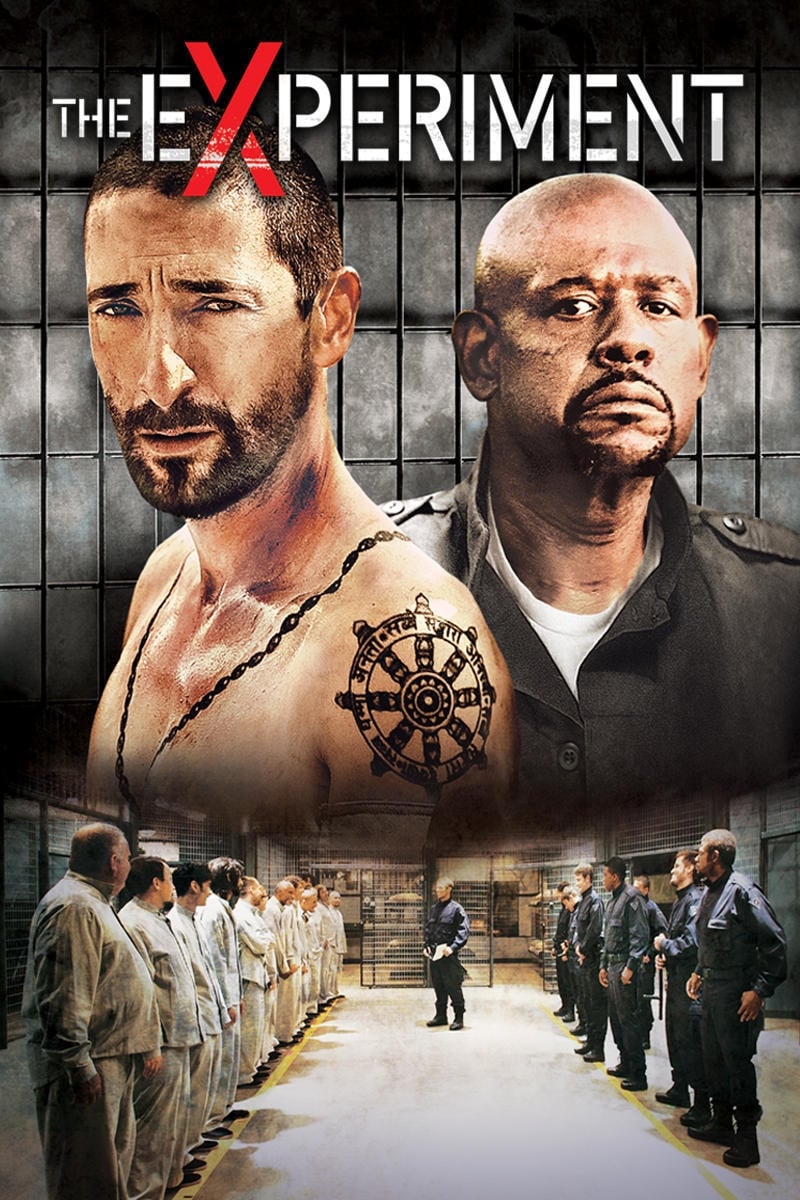
20 men are chosen to participate in the roles of guards and prisoners in a psychological study that ultimately spirals out of control.
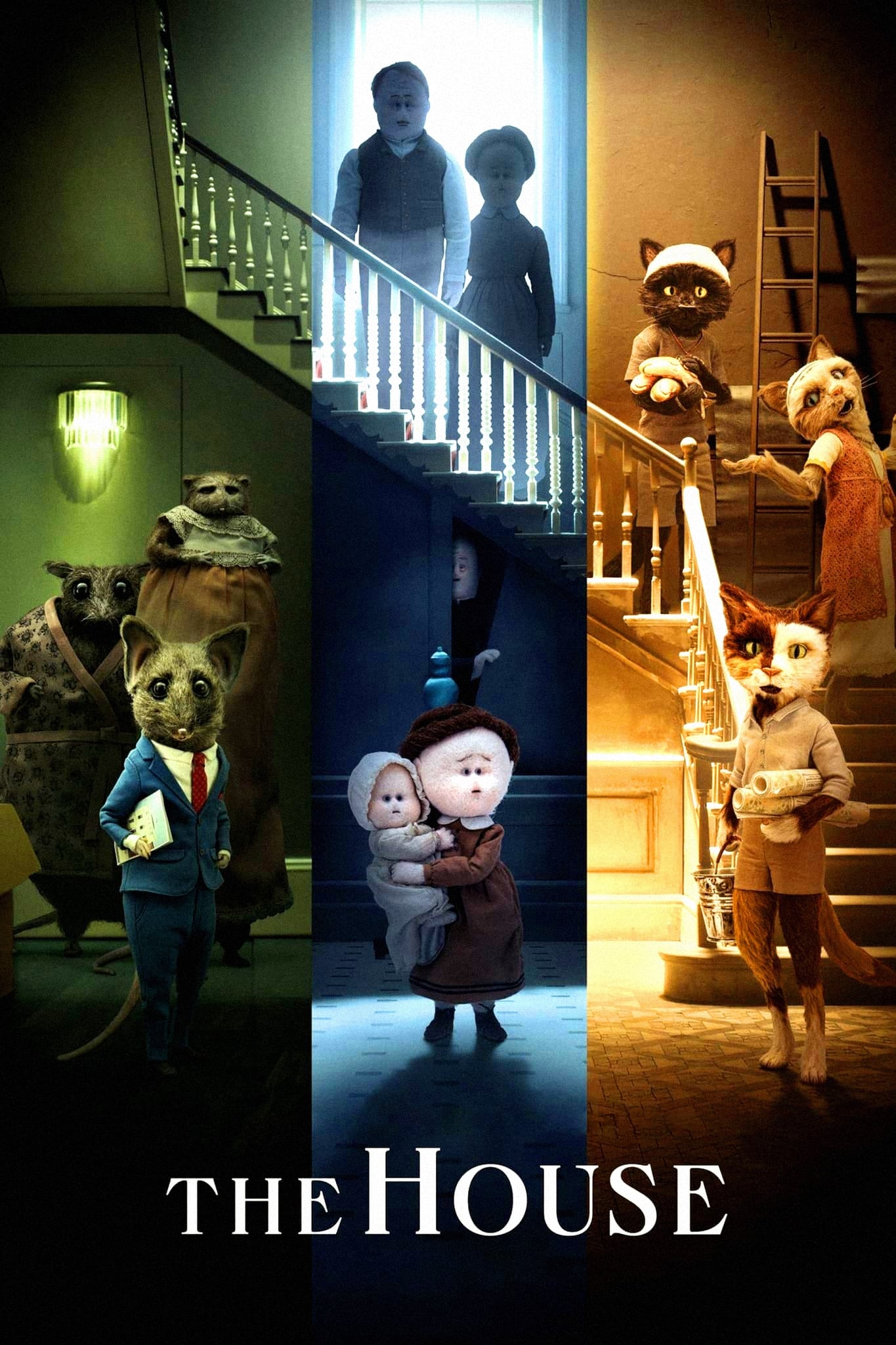
Across different eras, a poor family, an anxious developer and a fed-up landlady become tied to the same mysterious house in this animated dark comedy.
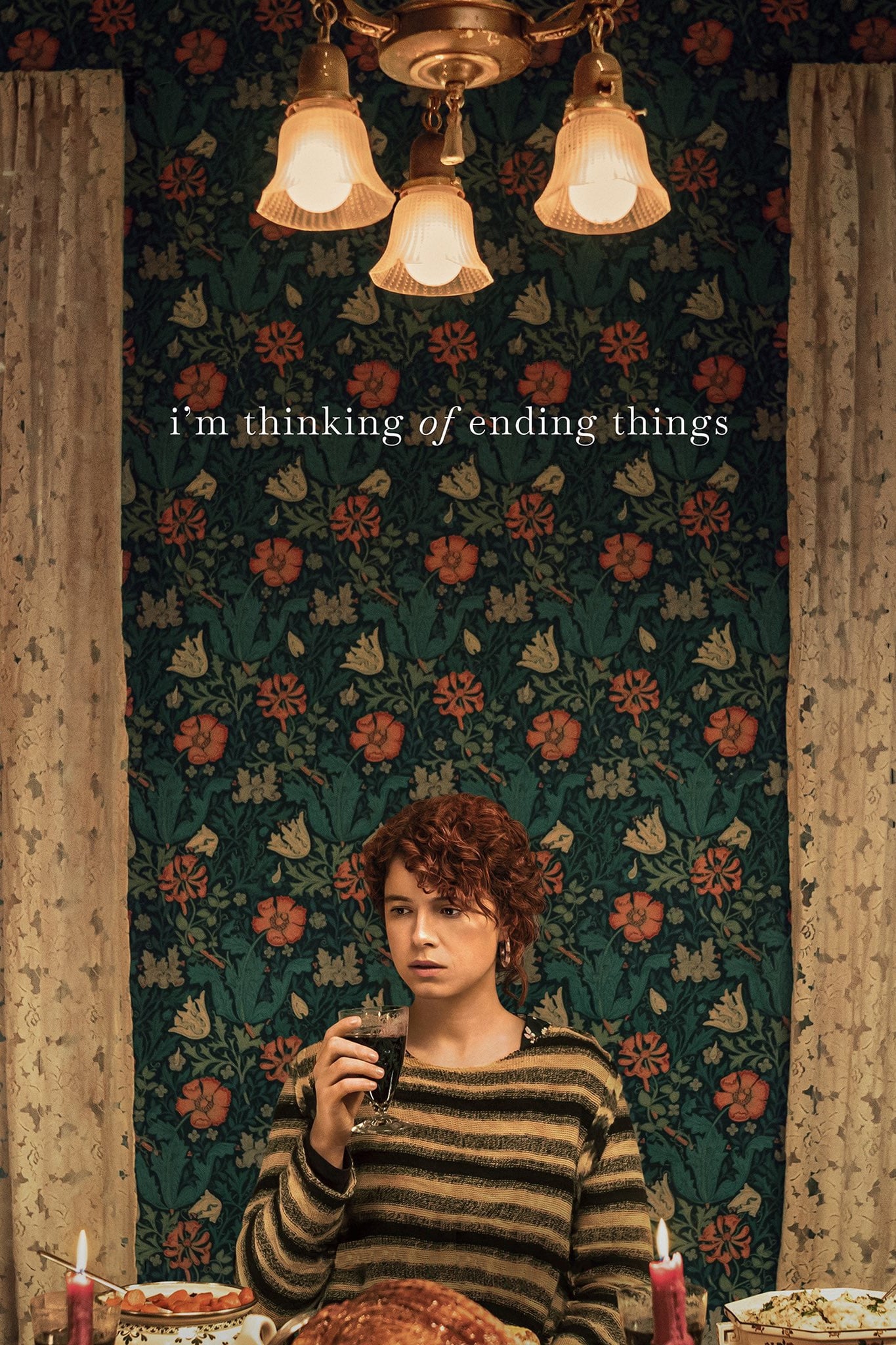
Nothing is as it seems when a woman experiencing misgivings about her new boyfriend joins him on a road trip to meet his parents at their remote farm.
SEDUCED AND ABANDONED combines acting legend Alec Baldwin with director James Toback as they lead us on a troublesome and often hilarious journey of raising financing for their next feature film. Moving from director to financier to star actor, the two players provide us with a unique look behind the curtain at the world's biggest and most glamourous film festival, shining a light on the bitter-sweet relationship filmmakers have with Cannes and the film business. Featuring insights from directors Martin Scorsese, 'Bernando Bertolucci' and Roman Polanski; actors Ryan Gosling and Jessica Chastain and a host of film distribution luminaries.
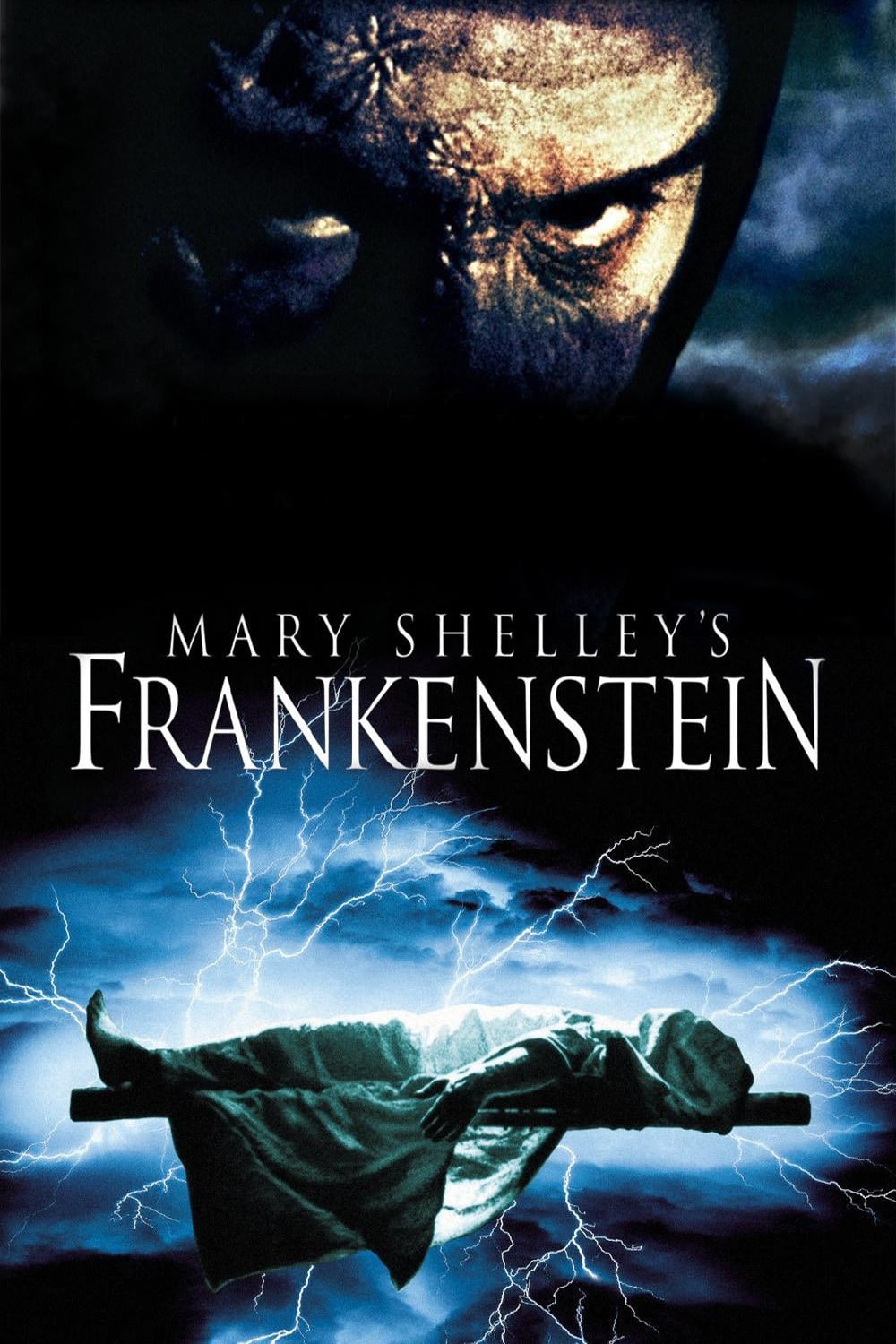
Victor Frankenstein is a promising young doctor who, devastated by the death of his mother during childbirth, becomes obsessed with bringing the dead back to life. His experiments lead to the creation of a monster, which Frankenstein has put together with the remains of corpses. It's not long before Frankenstein regrets his actions.
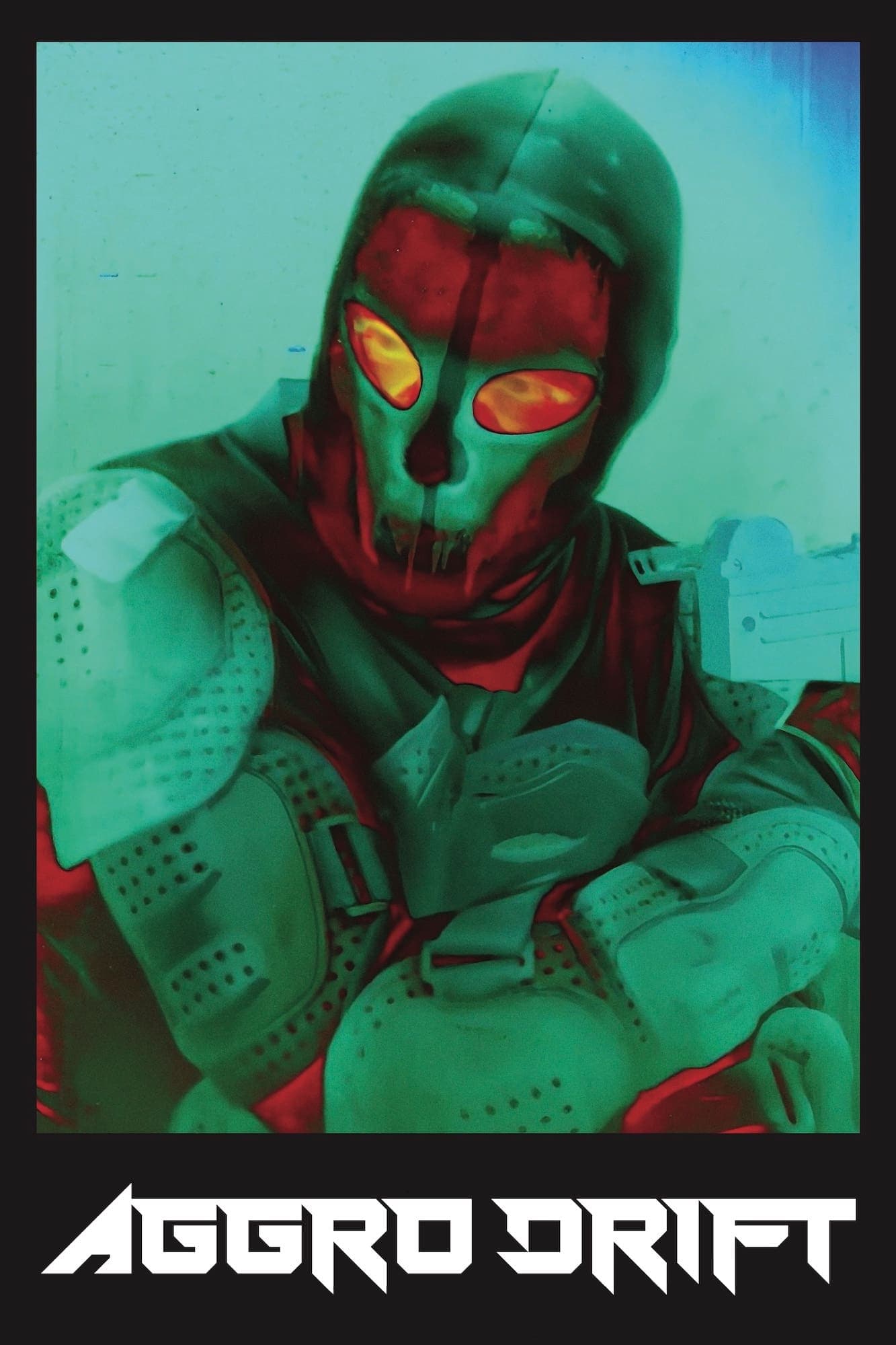
In the seedy domain of Miami’s criminal underbelly, a seasoned hitman embarks on the relentless pursuit of his next target. As shot entirely through thermal lens, he navigates a twisted world where violence and madness reign supreme. Tensions unravel, leading to a psychedelic journey that blurs the lines between predator and prey.
Donald has to get up early, but everything seems to be working to keep him awake. His loudly ticking alarm clock resists several attempts to quiet it. Donald ultimately swallows it; the glow-in-the-dark dial can be seen through his feathers. Then his folding bed folds up on him. Springs start popping out of it; Donald builds an elaborate framework to hold it down. Finally, enough of the clock reassembles itself to sound the alarm and night is over.
A wealthy woman from Manhattan's Upper East Side struggles to deal with her new identity and her sexuality after her husband of 16 years leaves her for a younger woman.
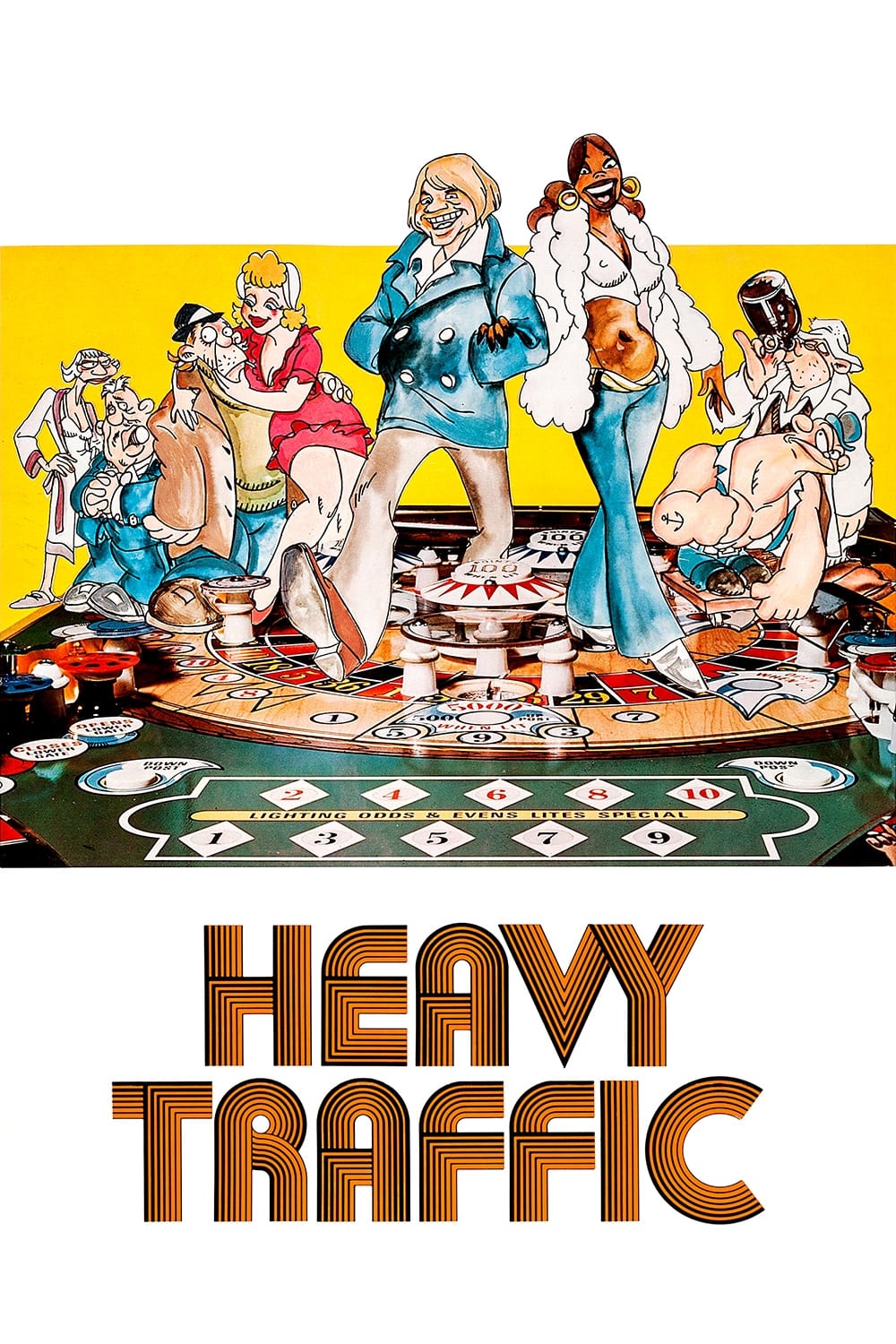
A white dropout struggles to become a cartoonist and filmmaker, drawing inspiration from the harsh, gritty world around him. Still sharing his rundown apartment with his middle-aged parents, an oafish slob of an Italian father and a ditzy nutcase of a Jewish mother, he's ridiculed and looked down upon by his friends, hypocrites who run with violent gangs and the Italian Mafia, and a shallow Black girl who makes her living downtown with the pimps and pushers. The cartoonist gets a chance to pitch a film idea to a movie mogul, but the story proves too outrageous: a far-future Earth, depleted by war and pollution, where a mutant antihero challenges and kills God.
When Marie St. Clair believes she has been jilted by her artist fiance Jean, she decides to leave for Paris on her own. After spending a year in the city as a mistress of the wealthy Pierre Revel, she is reunited with Jean by chance. This leaves her with the choice between a glamorous life in Paris, and the true love she left behind.