"Versions of Cause and Effect"
Television was invented as a result of scientific and technical research. Its power as a medium of news and entertainment altered all preceding media of news and entertainment
Social & External

The biggest trial of Nazi war crimes ever: 360 witnesses in 183 days of trial - a stunning and gripping portrayal of the most terrible massacre in history.
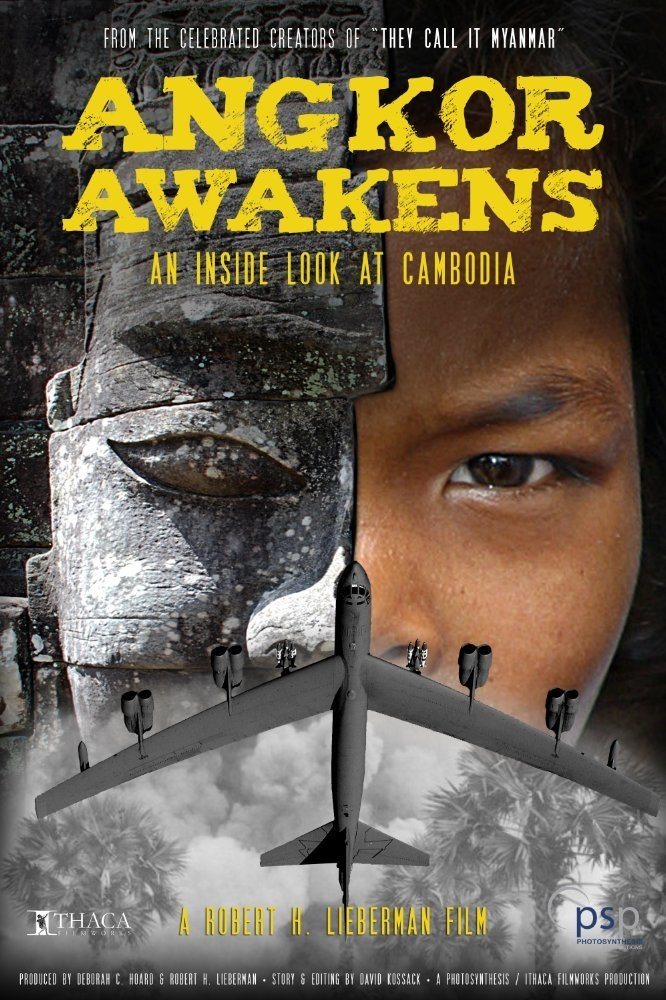
A moving psychological portrait of Cambodia decades after a devastating genocide, examining how baksbat (Khmer for "broken courage") continues to impact modern Cambodia.
An optician grapples with the Indonesian mass killings of 1965-1966, during which his older brother was exterminated.
A day in the city of Berlin, which experienced an industrial boom in the 1920s, and still provides an insight into the living and working conditions at that time. Germany had just recovered a little from the worst consequences of the First World War, the great economic crisis was still a few years away and Hitler was not yet an issue at the time.
Reminiscences of a trip to Čáslav
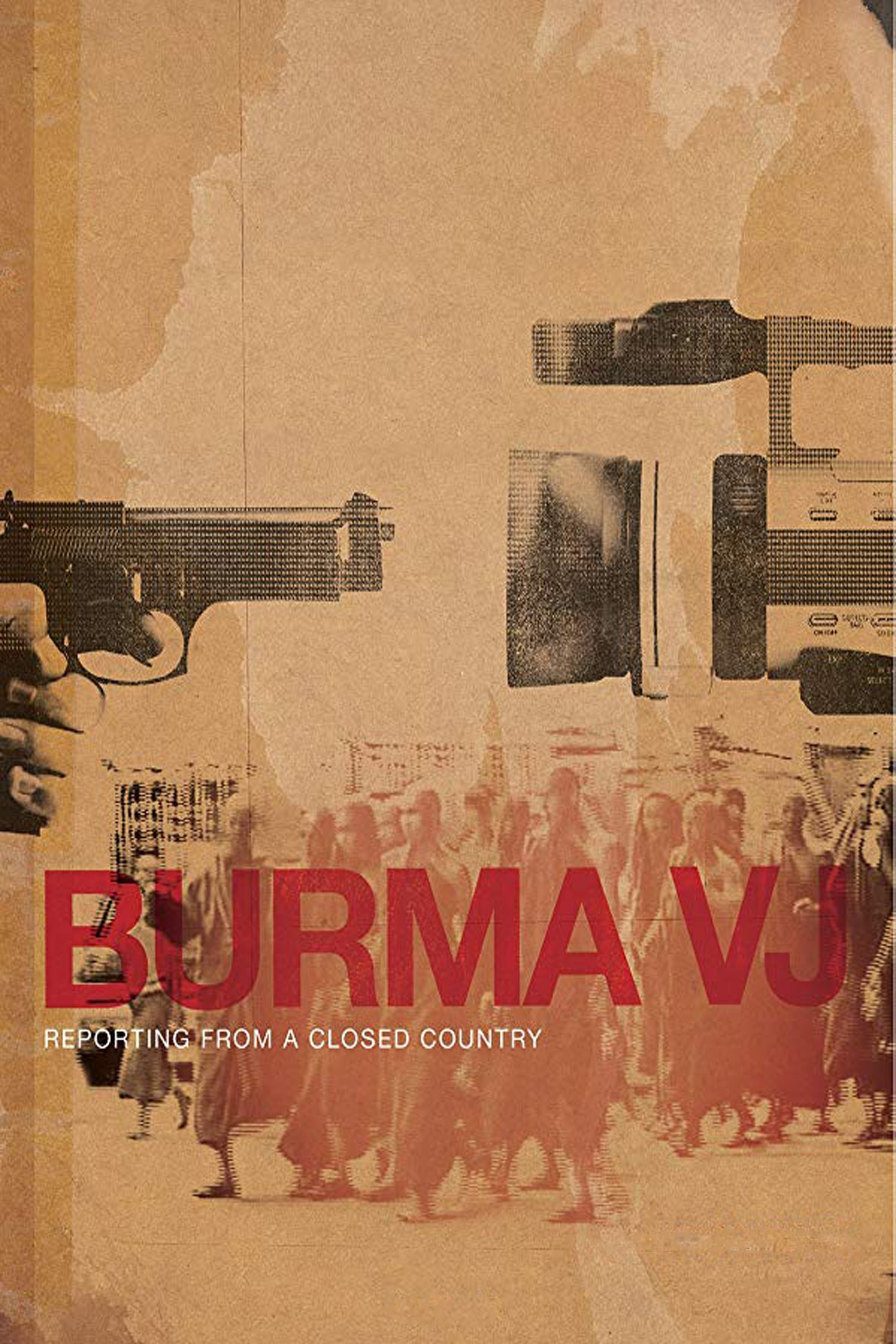
Filmed along the Myanmar-Bangladesh border and within Rohingya refugee camps, Shafiur Rahman’s documentary on the 2017 Tula Toli massacre exposes chilling interviews and evidence of Myanmar military’s premeditated atrocities. The film documents mass killings, sexual violence, and the systematic destruction of the village of Tula Toli, highlighting a humanitarian crisis that forced over half a million people—many of them children—to flee in an exodus of historic scale.
Filmed in Rome in the 1980s, the work draws on Borromini’s Baroque architecture and Il Sassetta’s St. Martin and the Beggar. Beavers contrasts winter’s subdued light with the verdant growth of spring, constructing a precise montage in which image and sound form a poetic dialogue.
Interweaving stonework and filmmaking, Beavers evokes memory through hammer strokes and chisel sounds that shape both image and rhythm. In this dialogue of repetition and variation, the film carves out a space where emptiness itself gains form, allowing vision beyond sight.
Renowned artist Krzysztof Wodiczko creates powerful responses to the inequities and horrors of war. This in-depth investigation into the artist focuses on the recurring themes of war, trauma, and displacement in his work. An instigator for social change, Wodiczko’s powerful art interventions disrupt the valorization of state-sanctioned aggression.
2012: Time For Change is a documentary feature that presents ways to transform our unsustainable society into a regenerative planetary culture. This can be achieved through a personal and global change of consciousness and the systemic implementation of ecological design.

Ten years ago, Volodymyr Zelensky was just one of the many faces on Ukrainian television screens. He became a star thanks to the 2015 satirical series Servant of the People, in which he played a history teacher who becomes president. Four years later, what began as fiction became a reality. This French documentary follows the transformation of a popular TV comedian into a statesman on the front lines of the Russian invasion. Archival footage, family photos, television appearances, and interviews with Zelensky and those closest to him create a multi-layered portrait of a man who always longed for a large audience. At the same time, the film places his personal development in the broader context of post-Soviet Ukraine, which is also searching for its own identity.
Filmed during Jonas Mekas’s travels in 1981, this short captures scenes from Stockholm. The footage was later included in his 2003 compilation film Travel Songs (1967–1981).
Filmed during Jonas Mekas’s travels through Italy in 1967, this short captures scenes from the country’s cities and countryside. The footage was later included in his 2003 compilation film Travel Songs (1967–1981).
Filmed during Jonas Mekas’s visit to Assisi in 1967, this short documents his time in the city known for its spiritual associations. The footage was later incorporated into his 2003 compilation film Travel Songs (1967–1981).
Filmed in 2003 while staying in a Brooklyn Heights apartment, the work centers on a small Greek statue revealed in shifting morning and afternoon light. Beavers weaves these images with views of the East River and Manhattan Bridge, later completing the film in 2010 as a meditative elegy for his friend Jacques Dehornois.
Short documentary directed by Jean Vigo about the French swimmer Jean Taris. The film is notable for the many innovative techniques that Vigo uses, including close ups and freeze frames of the swimmer's body.
In Iasi, Romania, from June 28 to July 6, 1941, nearly 15 000 Jews were murdered in the course of a horrifying pogrom. At the time, the programmed extermination of European Jews had not yet began. After the war, the successive communist governments did all they could to ensure the Iasi pogrom would be forgotten. It was not until November of 2004 that Romania recognized for the first time its direct responsibility in the pogrom. All that remains of this massacre are about a hundred photographs taken as souvenirs by german and romanian soldiers, and a few remaining survivors.
Historian James Bulgin reveals the origins of the Holocaust in the German invasion of the Soviet Union, exploring the mass murder, collaboration and experimentation that led to the Final Solution.
Captures the avant-garde artist Yayoi Kusamas creative process as she diligently works to complete her series of 50 large monochrome drawings. As her work comes to life, one can witness the essence of her art as it wells up in the conflict between life, death, and love.
From the behavior, discourse, and appearance of individual actors, Vachek composes, in the form of a mosaic, a broad and many-layered film-argument about Czechoslovak democracy in the period of its rebirth, all administered with the director’s inimitable point of view.