Alan Watts talks about our perception of the world, and how we derive metaphysics from it. Watts recorded this video in 1971 as a pilot for a public television series in the United States.

Social & External
Himself
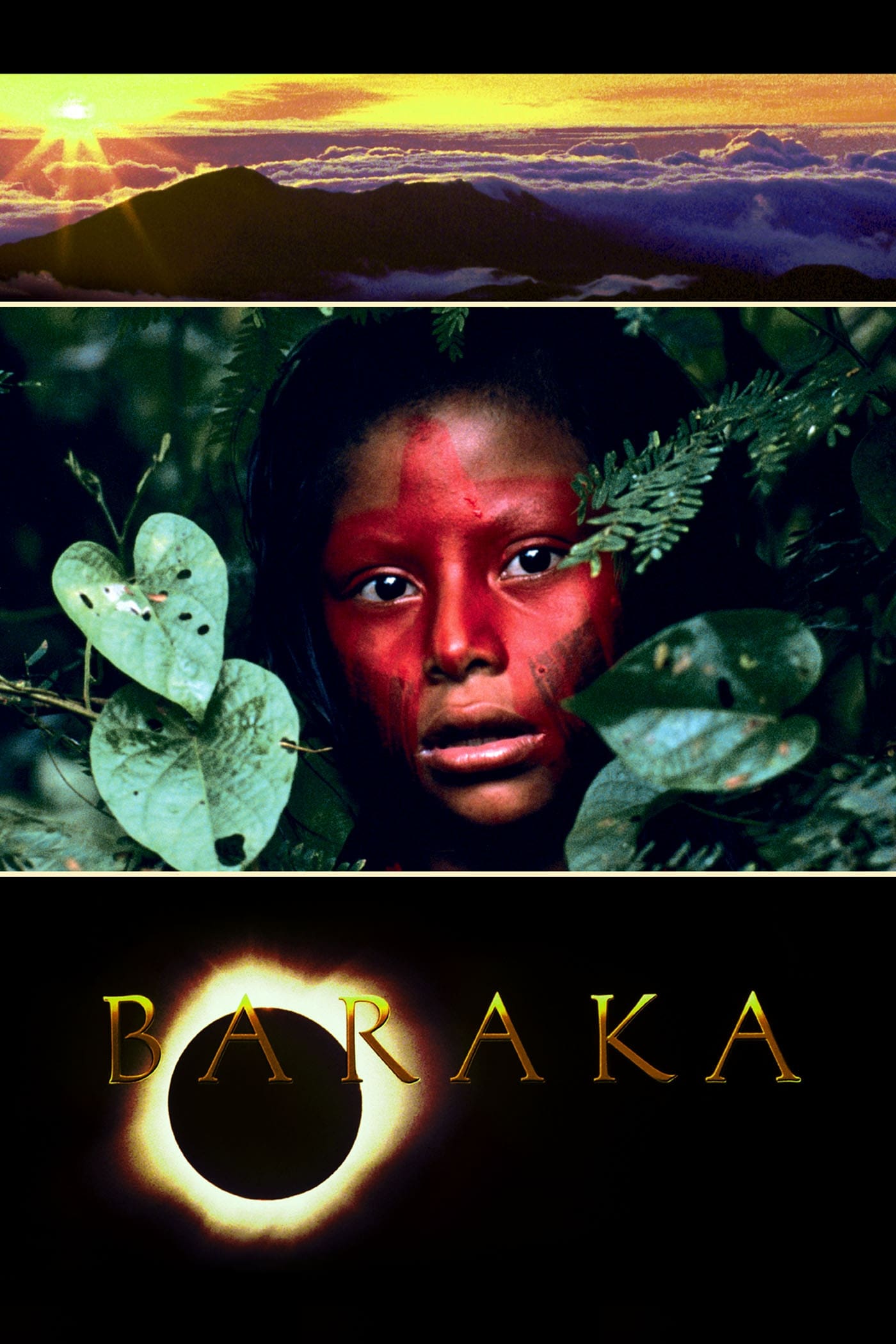
A dynamic configuration of images and videos overlaid with musings on human existence.

Explorer Bruce Parry visits nomadic tribes in Borneo and the Amazon in hope to better understand humanity's changing relationship with the world around us.
The influential life and powerful messages of Vietnamese Buddhist monk Thich Nhat Hanh are explored in this biographical documentary. For more than 50 years, this amazing social activist has preached self-awareness and compassion for all living beings. Follow him as he travels through France and the United States—including a stop at the Vietnam War Memorial in Washington, D.C.—spreading peace by teaching mindfulness and forgiveness.
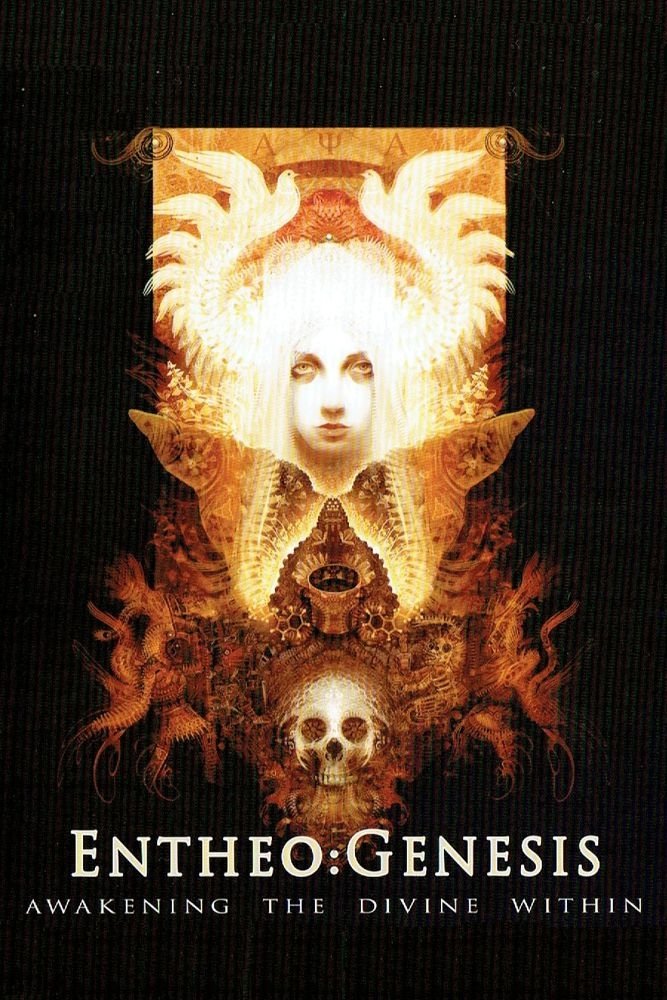
A feature length documentary which invites the viewer to rediscover an enchanted cosmos in the modern world by awakening to the divine within. The film examines the re-emergence of archaic techniques of ecstasy in the modern world by weaving a synthesis of ecological and evolutionary awareness,electronic dance culture, and the current pharmacological re-evaluation of entheogenic compounds.
Michael Sheen faces the interview of a lifetime with The Assembly, a group of autistic, neurodivergent, and learning disabled people. Expect revelation, chaos, and a lot of laughs.
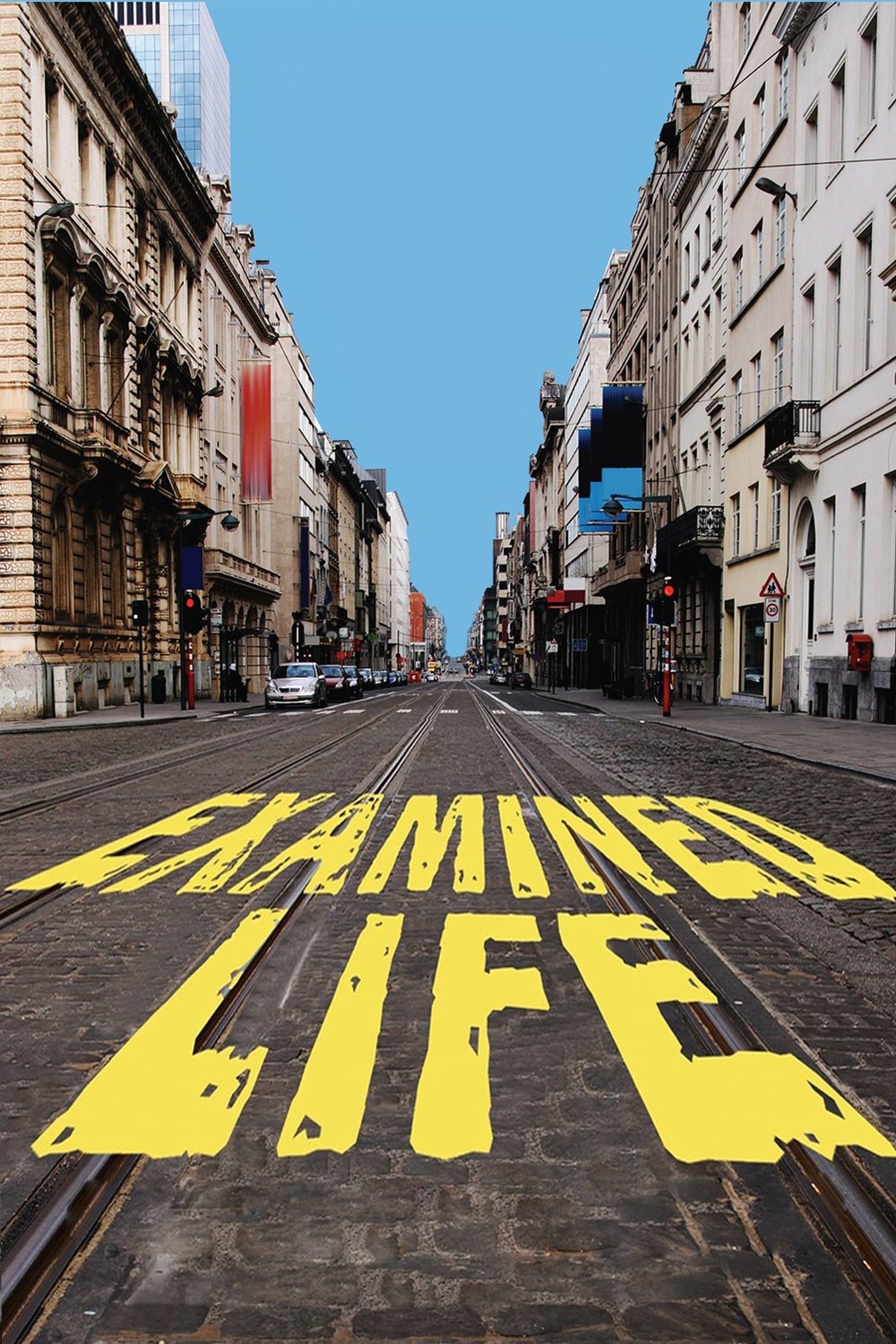
Examined Life pulls philosophy out of academic journals and classrooms, and puts it back on the streets. Offering privileged moments with great thinkers from fields ranging from moral philosophy to cultural theory, Examined Life reveals philosophy's power to transform the way we see the world around us and imagine our place in it.
Even death is in movement, since the soul is going someplace else. A short film inspired by Jacques Languirand's philosophic work.
Albert Camus died at 46 years old on January 4, 1960, two years after his Nobel Prize in literature. Author of “L'Etranger”, one of the most widely read novels in the world, philosopher of the absurd and of revolt, resistant, journalist, playwright, Albert Camus had an extraordinary destiny. Child of the poor districts of Algiers, tuberculosis patient, orphan of father, son of an illiterate and deaf mother, he tore himself away from his condition thanks to his teacher. French from Algeria, he never ceased to fight for equality with the Arabs and the Kabyle, while fearing the Independence of the FLN. Founded on restored and colorized archives, and first-hand accounts, this documentary attempts to paint the portrait of Camus as he was.
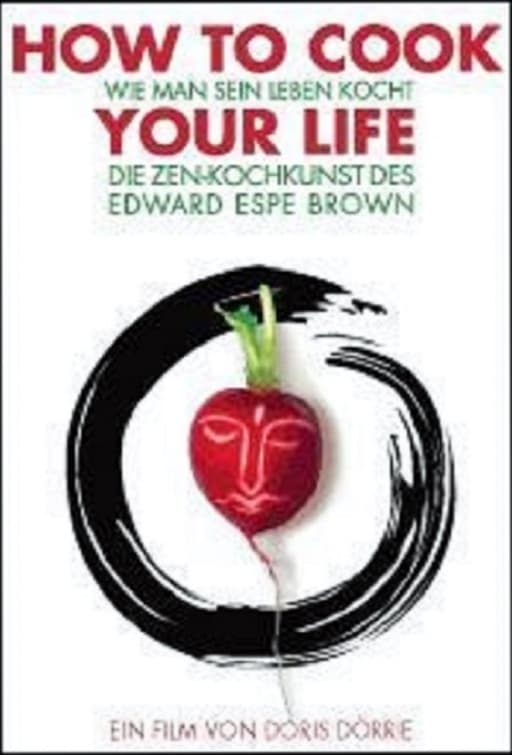
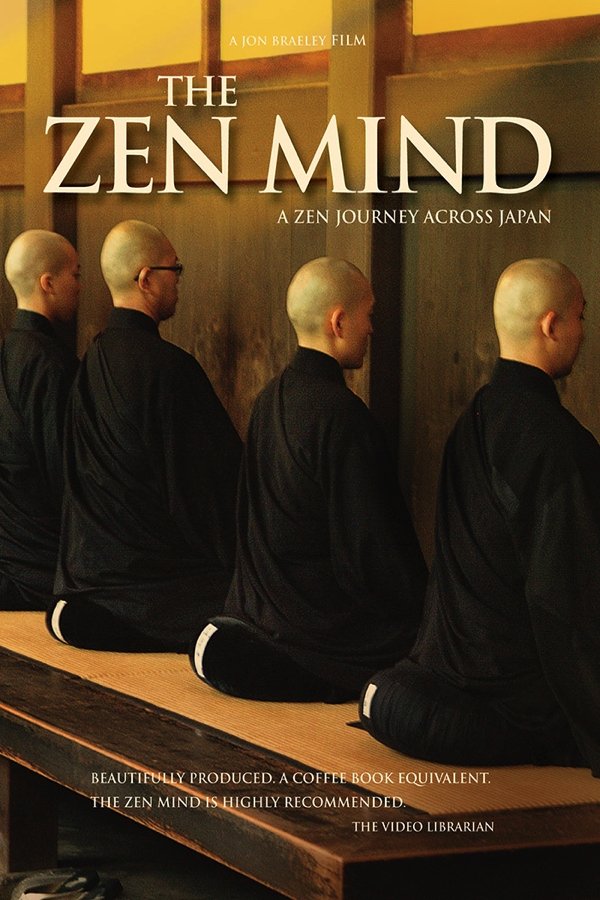
A Zen priest in San Francisco and cookbook author use Zen Buddhism and cooking to relate to everyday life.
In a world that spins faster and faster, bibliomaniacs take refuge from the rush and the noise inside the library. Amid whispers, they confess the meaning of life. A celebration of thought and obsession, where libraries reveal their inhabitants
A poetic exploration of three subterranean telescopes in remote regions of Canada, Japan, and Antarctica that reveal a new way of perceiving the universe from within. Underground, we are dreaming into the earth.
In 1967, Visconti came to Algiers for the filming of The Stranger with Mastroianni and Anna Karina. Camus, during his lifetime, had always refused to allow one of his novels to be brought to the screen. His family made another decision. The filming of the film was experienced in Algiers, like a posthumous return of the writer to Algiers. During filming, a young filmmaker specializing in documentaries Gérard Patris attempts a report on the impact of the filming of The Stranger on the Algerians. Interspersed with sequences from the shooting of Visconti's film, he films Poncet, Maisonseul, Bénisti and Sénac, friends of Camus, in full discussions to situate Camus and his work in a sociological and historical context. “The idea is for us to show people, others, ourselves as if they could all be Meursault, or at least the witnesses concerned to his drama.”
Max Gimblett: Original Mind documents the life and process of eccentric, creative genius Max Gimblett. One of New Zealand’s most successful and internationally prominent living painters, Gimblett has been working in America since 1962. The filmmakers spent a week in Gimblett’s Soho loft where he and his devoted studio assistants generously revealed the techniques and philosophy behind his beautiful art.
A glimpse into a visual representation of memory; A Christmas-time series of meals, coffees, and movies, with friends, lovers, and housemates. Faced with the compounding of faces and places, each moment begins to collide with one another: voices are muddled, and faces are broken. How is memory created? How are they separated from one another?
An exploration of the link between science and beauty through the work of scientists at CERN, in Geneva.
Kuwait’s constitution says that every person has the right to a job, so in some places 20 people are employed for one person’s job. In South Korea, they work so much that a policy has been introduced to turn off computers at the end of the day so that employees can’t work any more. In the US, they give up over 500 million holiday hours each year, while Amazon’s drivers are trying to form a union. Meanwhile, robots are poised to take over most jobs and put the rest of us out of work. Work is so crucial to our identity and what we spend our waking hours on that it is barely noticed anymore. A lot has happened since a group of Puritan priests invented the concept of work ethic in the 1600s, and in the 21st century the very concept of work is in many ways disintegrating. A perfect situation for a filmmaker like Swedish mastermind Erik Gandini, who travels the world to explore what the concept of work means today – if it means anything at all.
A hilarious introduction, using as examples some of the best films ever made, to some of Slovenian philosopher and psychoanalyst Slavoj Žižek's most exciting ideas on personal subjectivity, fantasy and reality, desire and sexuality.
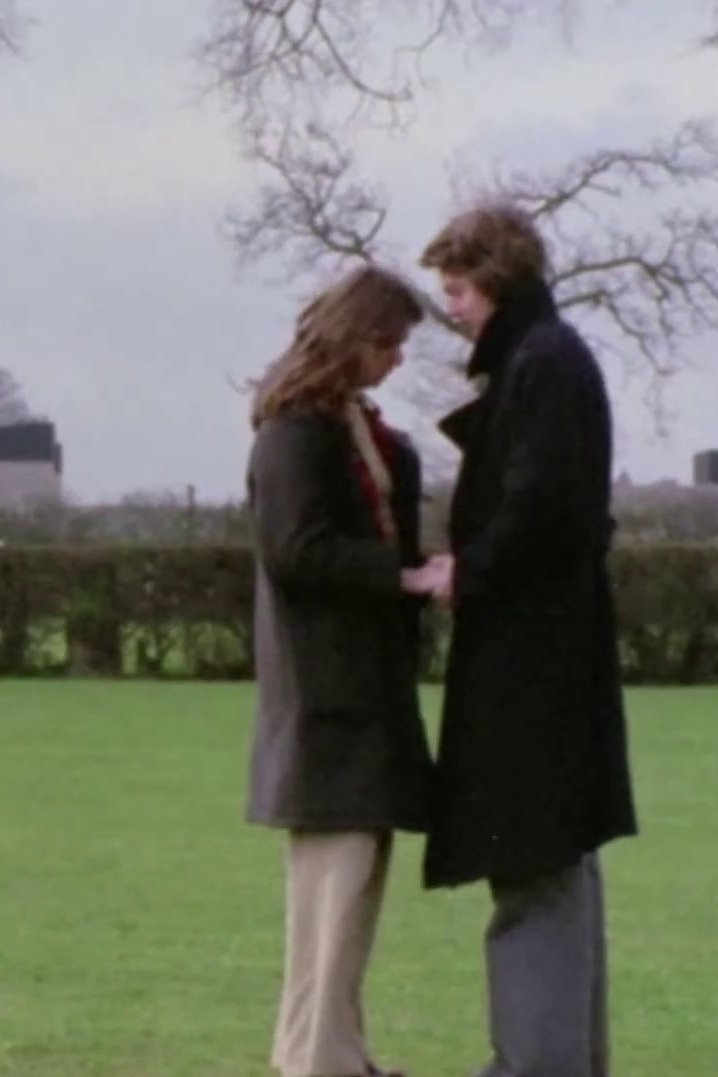
In 1973 Yorkshire public television made a short film of the Nobel laureate while he was there. The resulting film, Take the World from Another Point of View, was broadcast in America as part of the PBS Nova series. The documentary features a fascinating interview, but what sets it apart from other films on Feynman is the inclusion of a lively conversation he had with the eminent British astrophysicist Fred Hoyle.
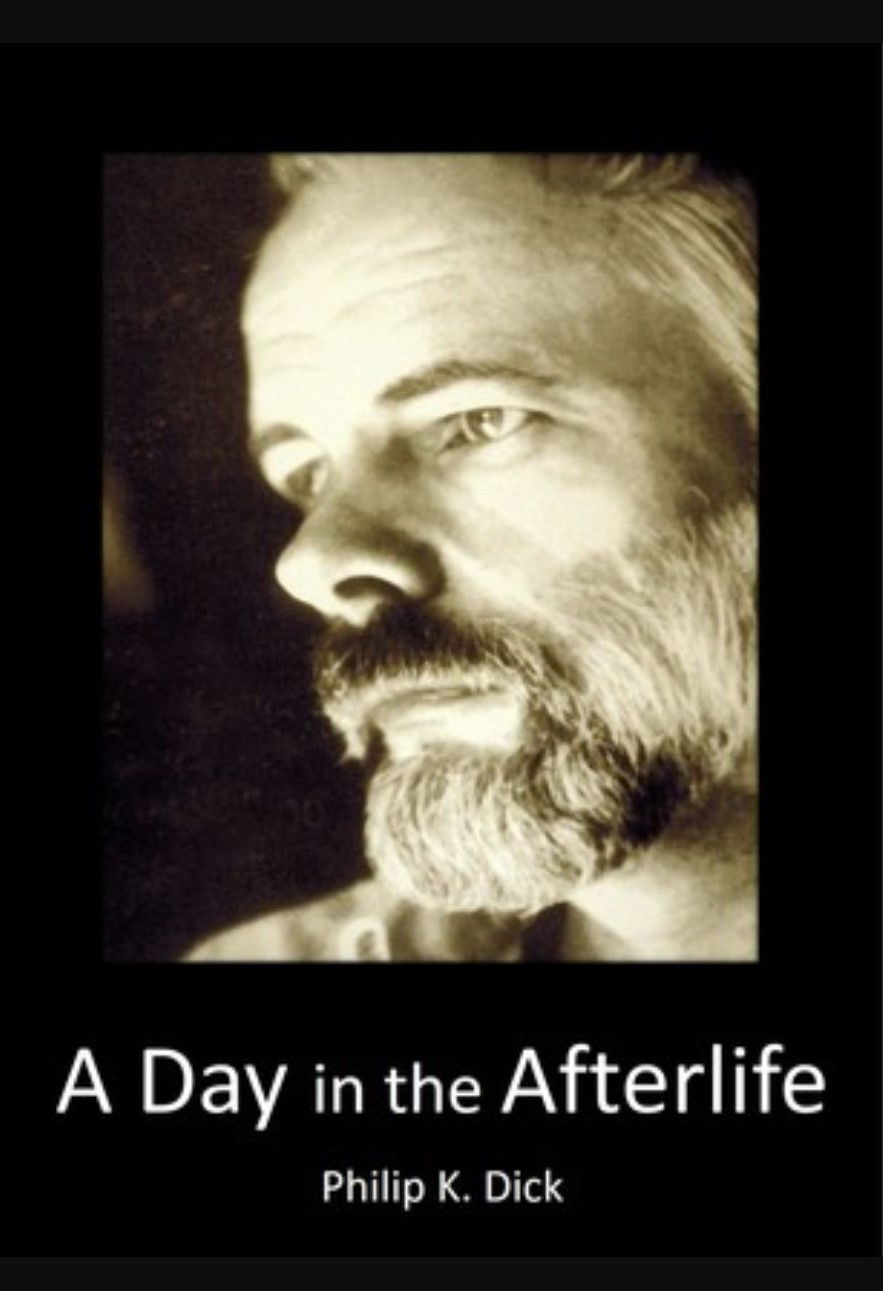
A poetic look at the life and legacy of legendary author Philip K. Dick (1928-1982), who wrote over a hundred short stories and 44 novels of mind-bending sci-fi, exploring themes of authority, drugs, theology, mental illness and much more.