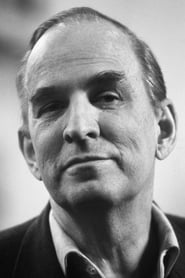
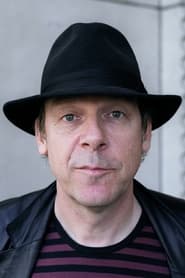
Ingmar Bergman speaks with Gunnar Bergdahl.
Social & External
The people behind it
Ingmar Bergman
Himself
Gunnar Bergdahl
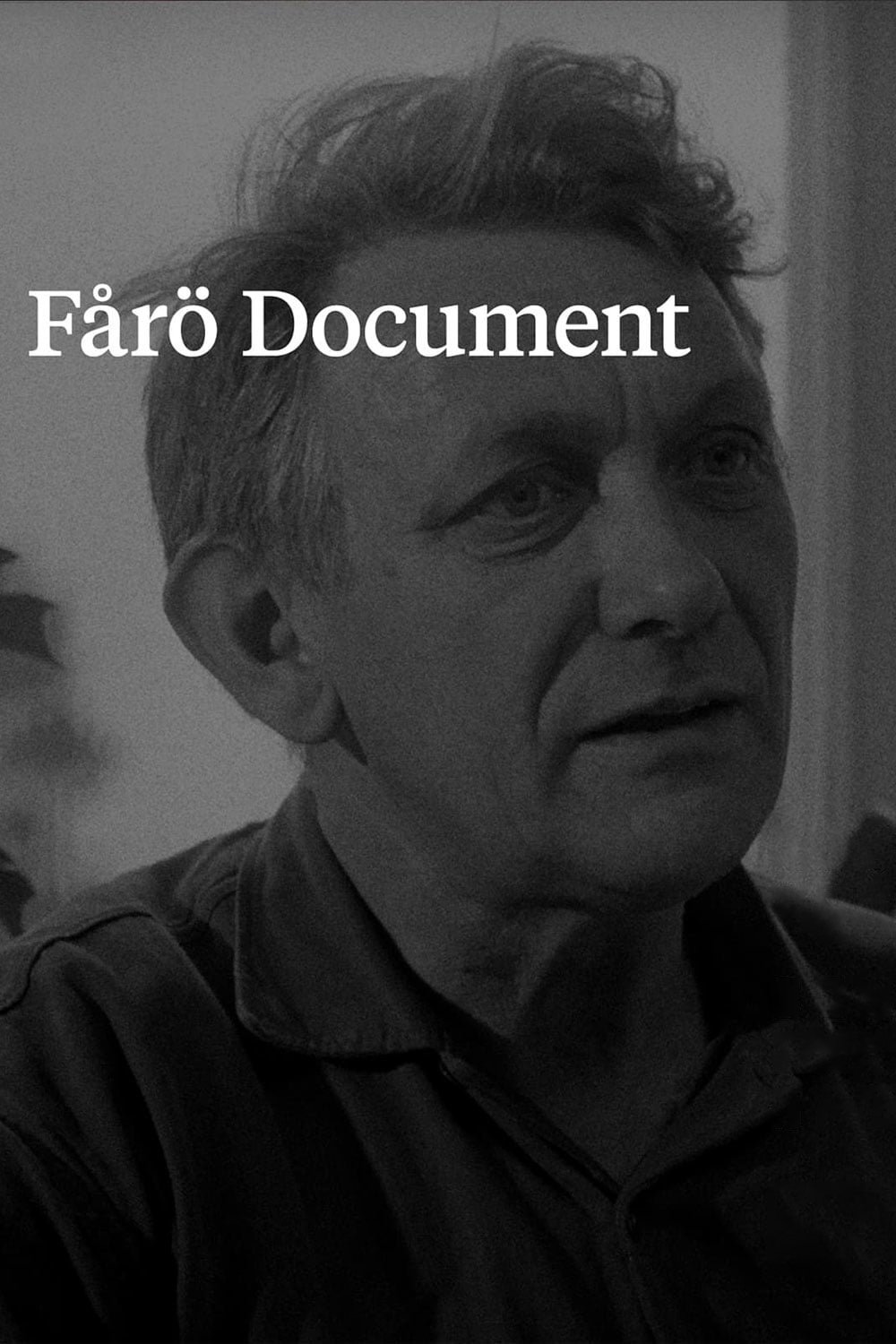
Shot on the island of Fårö, this documentary presents interviews with local inhabitants as they discuss work, family life, and the conditions of living in a sparsely populated rural community. Bergman documents generational differences and practical concerns surrounding farming, fishing, education, and migration as the island confronts social and economic change.
Super-8 footage captured while filming Bergman Island. In voice-over, filmmaker Mia Hansen-Løve offers intimate reflections on her creative process on the island of Fårö and her relationship with Bergman and Swedish cinema.
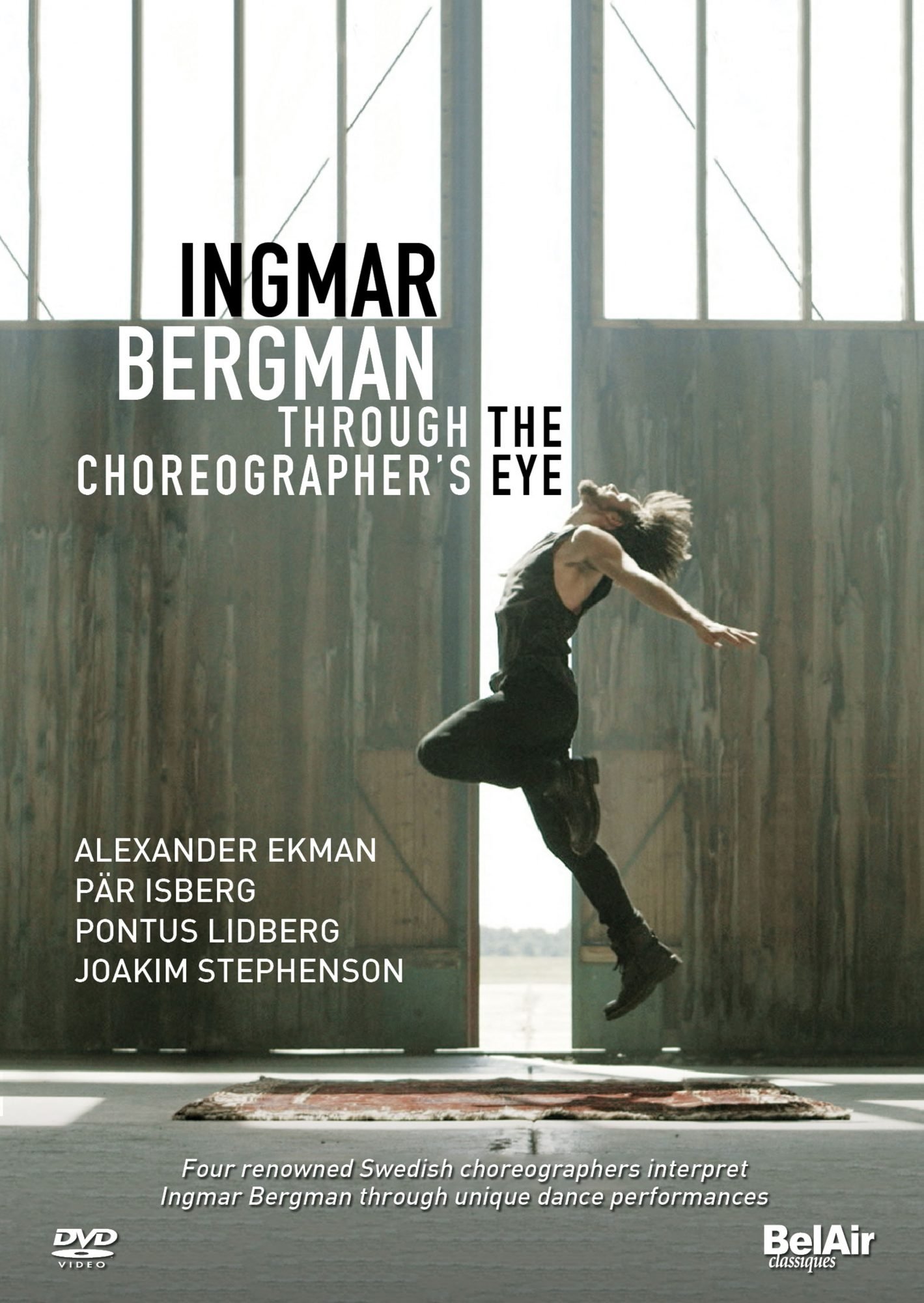
Four of Sweden's most innovative choreographers travel to Ingmar Bergman's home on Fårö to explore and get inspired. The result is a unique contemporary dance film.The renowned Swedish choreographers Alexander Ekman, Pär Isberg, Pontus Lidberg and Joakim Stephenson, with principal dancers Jenny Nilson, Nathalie Nordquist, Oscar Salomonsson and Nadja Sellrup from the Royal Swedish Ballet, interpret Ingmar Bergman through four unique dance performances reflecting on human relations and intense feelings. The dances are linked together with images of the epic natural beauty of Fårö and Bergman's poetic home Hammars, including the voice of the master himself - Ingmar Bergman - revealing his thoughts about movements and music.
The working class girl from Landala, Gothenburg, through the fine art of theatre and all the way to Hollywood.
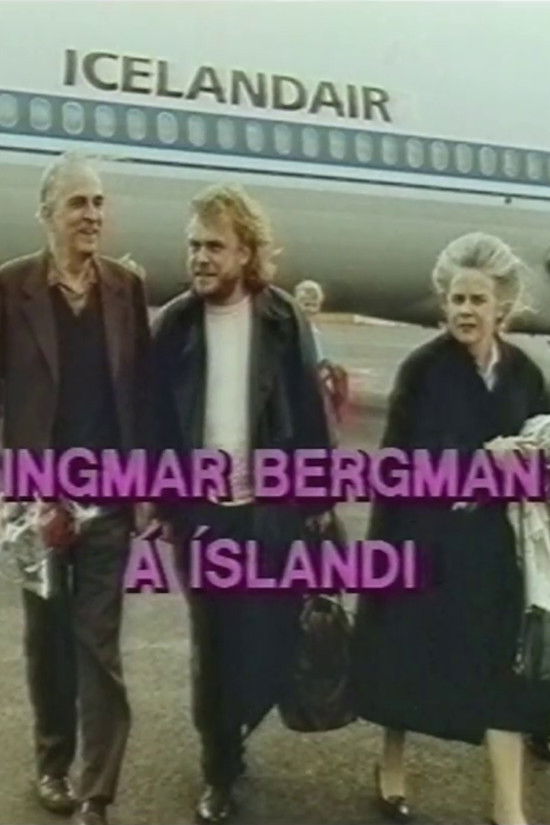
Based on an interview with Ingmar Bergman and footage taken during the director's visit to the Reykjavík Art Festival in 1986, this film focuses on Mr. Bergman's methods and philosophy on film direction.
The year 1957 was one of the most prolific for the Swedish filmmaker Ingmar Bergman: he shot two films, released two of his most celebrated films and produced four plays and a TV movie while juggling with a complicated private life.
Language is like memory. If it is not used, it slowly fades. Stockholm is not like Zagreb, but it is like any capital city. I was there when it happened, without having time to say 'thank you' for everything. The book is excellent, each chapter is like Andersson's tableau – a separate whole in which over time you notice the thoughtful layers of tragicomic human life.
In the sixties, Swedish filmmaker Ingmar Bergman (1918-2007) built a house on the remote island of Fårö, located in the Baltic Sea, and left Stockholm to live there. When he died, the house was preserved. A group of very special film buffs, came from all over the world, travel to Fårö in search of the genius and his legacy. (An abridged version of Bergman's Video, 2012.)
An English-German filmmaking couple retreat to Fårö for the summer to each write screenplays for their upcoming films in an act of pilgrimage to the place that inspired Ingmar Bergman. As the summer and their screenplays advance, the lines between reality and fiction start to blur against the backdrop of the Island's wild landscape.
A highfalutin art movie crumbles into a meta-fictional disaster that betrays its director’s incompetence in real time, and it’s all on film.
No Days Off for Death” is a film that depicts an altered rendition of our own world to explore themes of grief and over corporatisation, the narrative takes place from two perspectives that ultimately come together; one of a nameless Grim Reaper (only referred to as “Death”) who only wants to take a long overdue holiday from their endless mundane work in the corporate underworld and a grieving man (Max) contemplating committing suicide after a breakup leaves him at the end of his rope. When Death is sent on a job to see that Max goes through with his plan, they decided to try and convince Max to keep on living, an altruistic act Max reluctantly engages with even if death just wants their holiday.
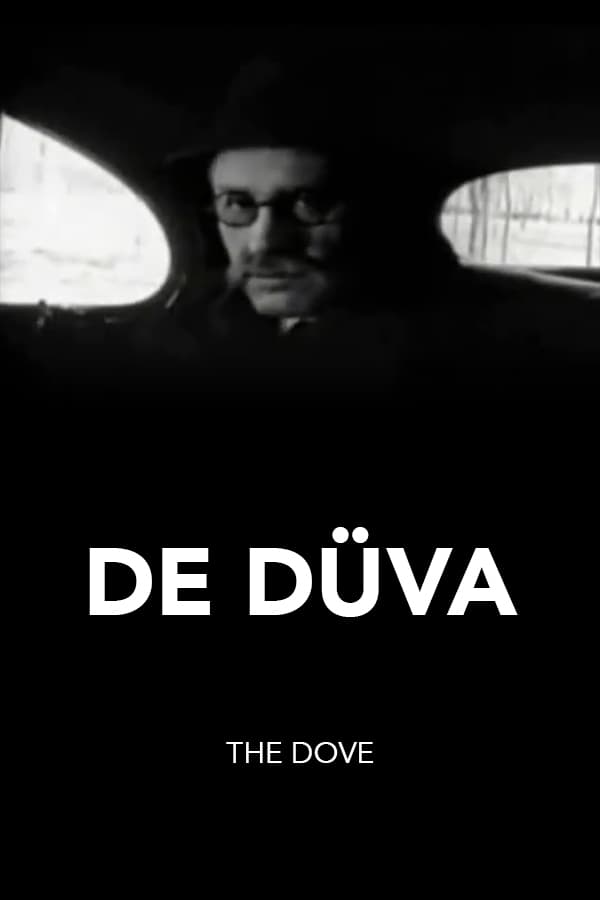
De Düva is a 1968 Oscar-nominated American short film that parodies the films of Swedish director Ingmar Bergman, including Wild Strawberries and The Seventh Seal. The film borrows heavily from the plot lines of some of Bergman's most famous films. The dialogue, seemingly in Swedish, is actually a Swedish-accented fictional language based on English, German, Latin, and Swedish, with most nouns ending in "ska." The film was nominated for an Oscar for Best Live Action Short Film.
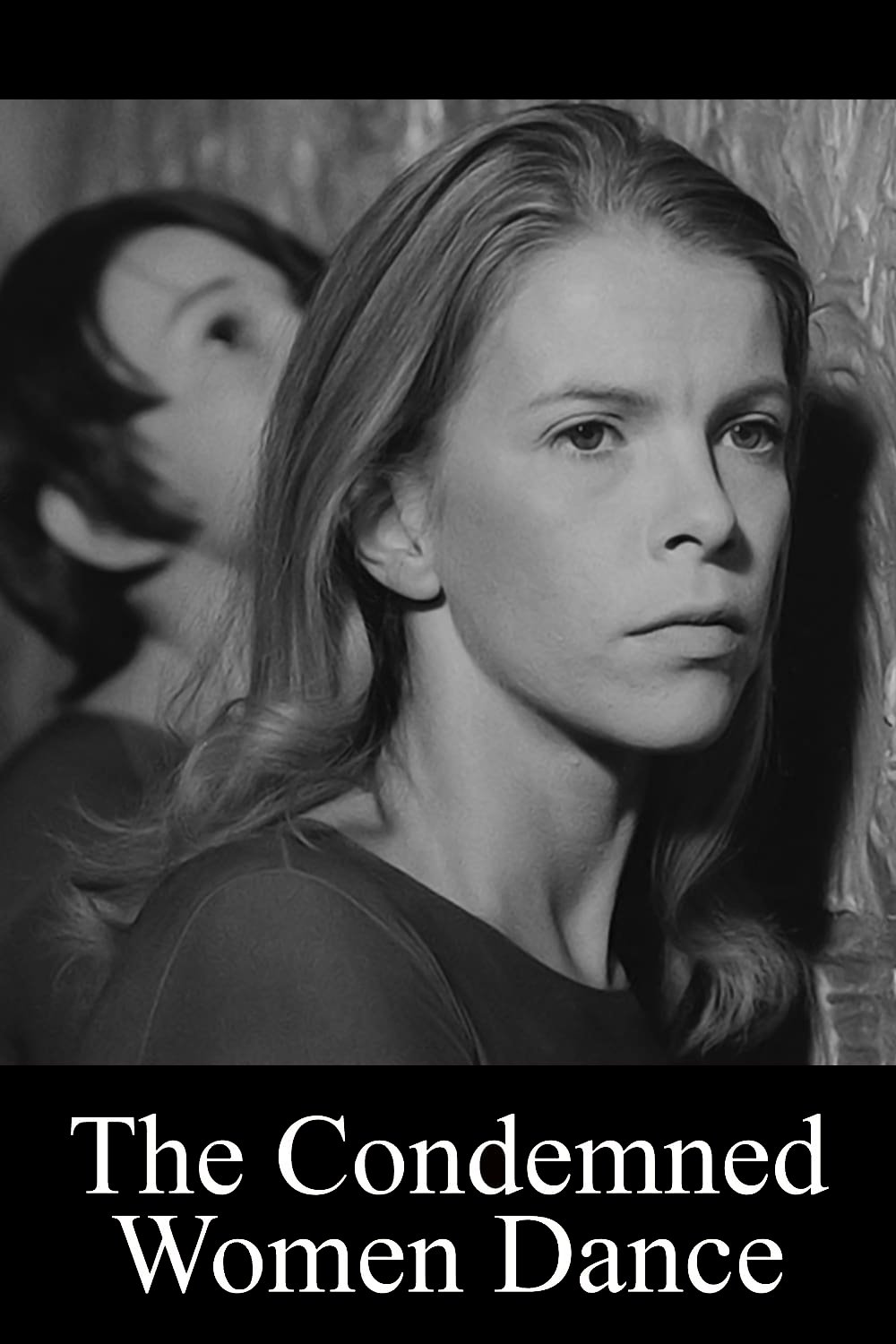
This short dance film presents four women moving within a narrow, enclosed room to music by Claudio Monteverdi. Conceived as a dance play rather than a ballet, the performers embody recurring female roles passed down across generations, including figures identified as damned souls, death, and a child compelled into the same patterns.
As Alex struggles with disturbing hallucinations, his wife Vera tries to help, until they both experience their own profound revelations.
A period drama set between Scotland and Italy.
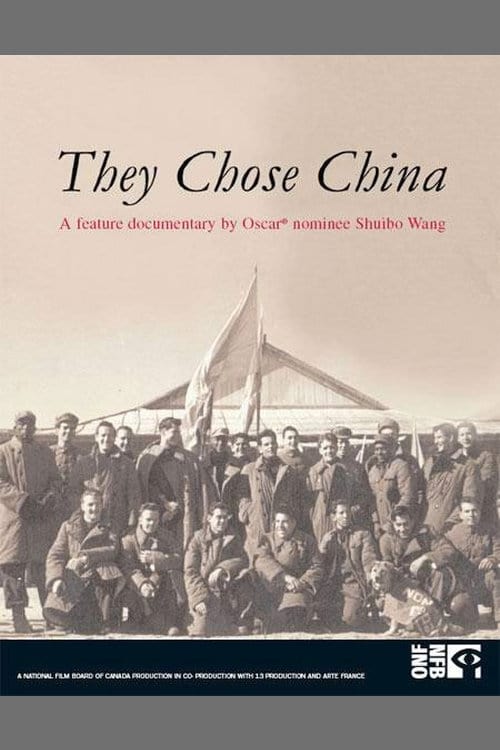
The story of twenty-one American POWs who, after the Korean War ended, chose to live in China instead of returning the USA.
John Wayne, Henry Fonda and James Stewart discuss working with John Ford
Through deeply personal interviews with her siblings and an examination of the photographs, letters, and belongings left behind, Mariska assembles a new portrait of her mother Jayne Mansfield, an extraordinary and complex woman.
This revealing documentary honors the legendary Sidney Poitier—iconic actor, filmmaker, and civil rights activist. Featuring interviews with Denzel Washington, Spike Lee, Halle Berry, and more.
Over 35 years after Bob Lazar's revelations, this documentary exposes secrets of a facility the government still denies. Featuring Lazar's testimony, recreations, and new evidence, it reopens a case that continues to spark global curiosity
A string of threatening emails escalates into a revenge plot involving a newly married US marshal and his ex-girlfriend.
A documentary examining the decade of the 1970s as a turning point in American cinema. Some of today's best filmmakers interview the influential directors of that time.
Alexander McQueen's rags-to-riches story is a modern-day fairy tale, laced with the gothic. Mirroring the savage beauty, boldness and vivacity of his design, this documentary is an intimate revelation of McQueen's own world, both tortured and inspired, which celebrates a radical and mesmerizing genius of profound influence.
The film follows adventurer Jeff Johnson as he retraces the epic 1968 journey of his heroes Yvon Chouinard and Doug Tompkins to Patagonia.
An inside look at one of the most anticipated movie sequels ever with James Cameron and cast.
Daniel Craig candidly reflects on his 15 year adventure as James Bond. Including never-before-seen archival footage from Casino Royale to the upcoming 25th film No Time To Die, Craig shares his personal memories in conversation with 007 producers, Michael G Wilson and Barbara Broccoli.
Those who knew iconic funnyman John Candy best share his story, in their own words, through never-before-seen archival footage, imagery, and interviews.
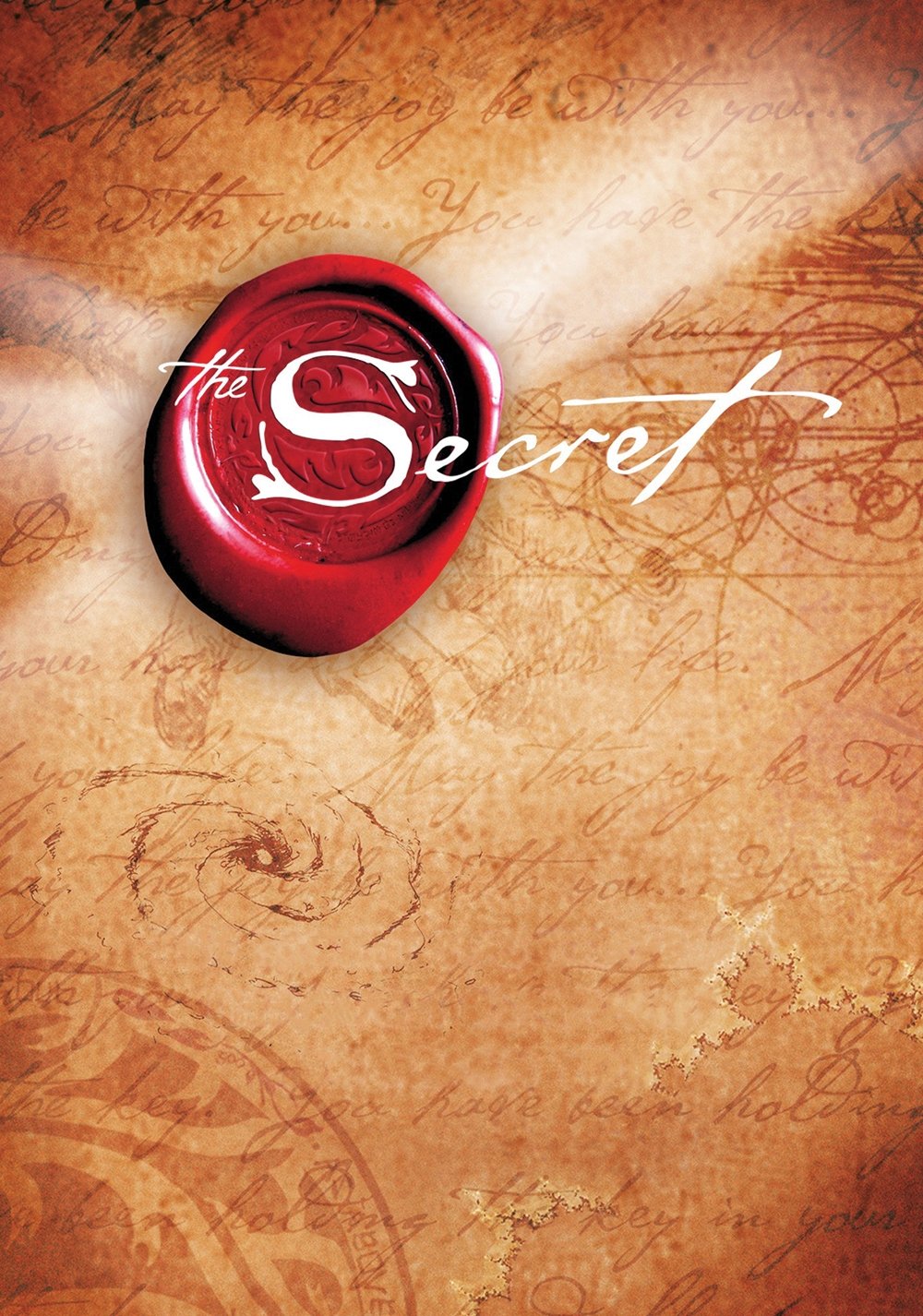
Interviews with leading authors, philosophers and scientists, with an in-depth discussion of the Law of Attraction. The audience is shown how they can learn and use 'The Secret' in their everyday lives.
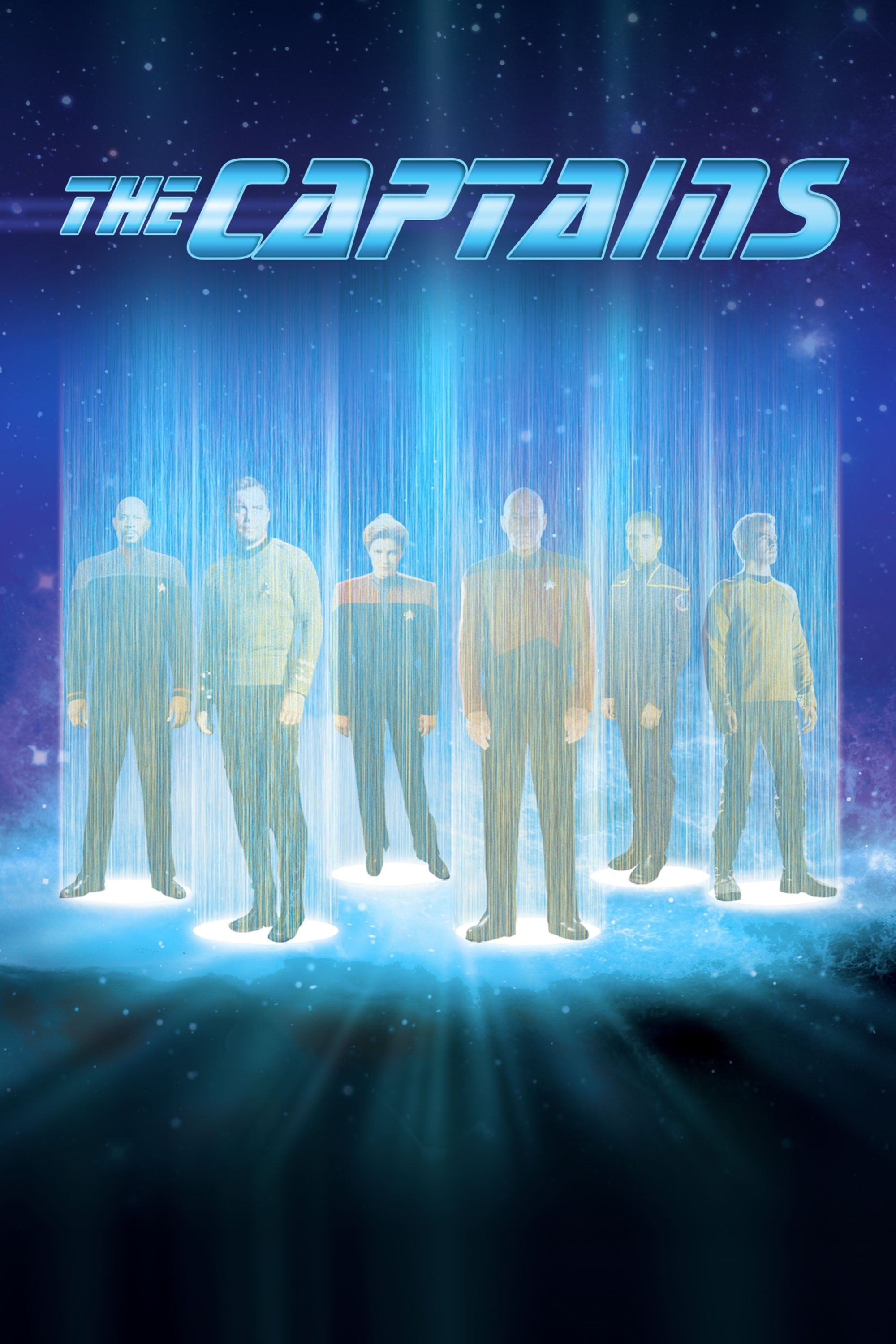
The Captains is a feature-length documentary film written and directed by William Shatner. The film follows Shatner as he interviews the other actors who have portrayed starship captains in the Star Trek franchise.
In the Realms of the Unreal is a documentary about the reclusive Chicago-based artist Henry Darger. Henry Darger was so reclusive that when he died his neighbors were surprised to find a 15,145-page manuscript along with hundreds of paintings depicting The Story of the Vivian Girls, in What is Known as the Realms of the Unreal, of the Glodeco-Angelinnian War Storm, Cased by the Child Slave Rebellion.
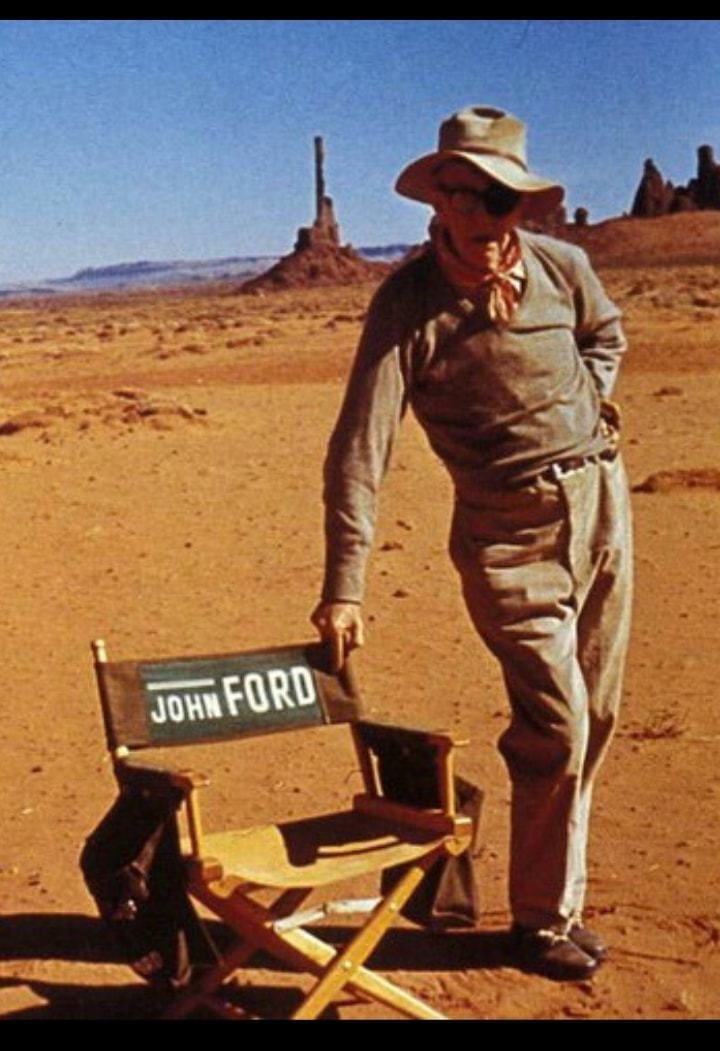
A documentary about the life and films of director John Ford.
A night of drunken chaos rocks a quiet Dutch town in this shocking documentary about a teen's birthday invite that accidentally went viral on Facebook.
SEDUCED AND ABANDONED combines acting legend Alec Baldwin with director James Toback as they lead us on a troublesome and often hilarious journey of raising financing for their next feature film. Moving from director to financier to star actor, the two players provide us with a unique look behind the curtain at the world's biggest and most glamourous film festival, shining a light on the bitter-sweet relationship filmmakers have with Cannes and the film business. Featuring insights from directors Martin Scorsese, 'Bernando Bertolucci' and Roman Polanski; actors Ryan Gosling and Jessica Chastain and a host of film distribution luminaries.
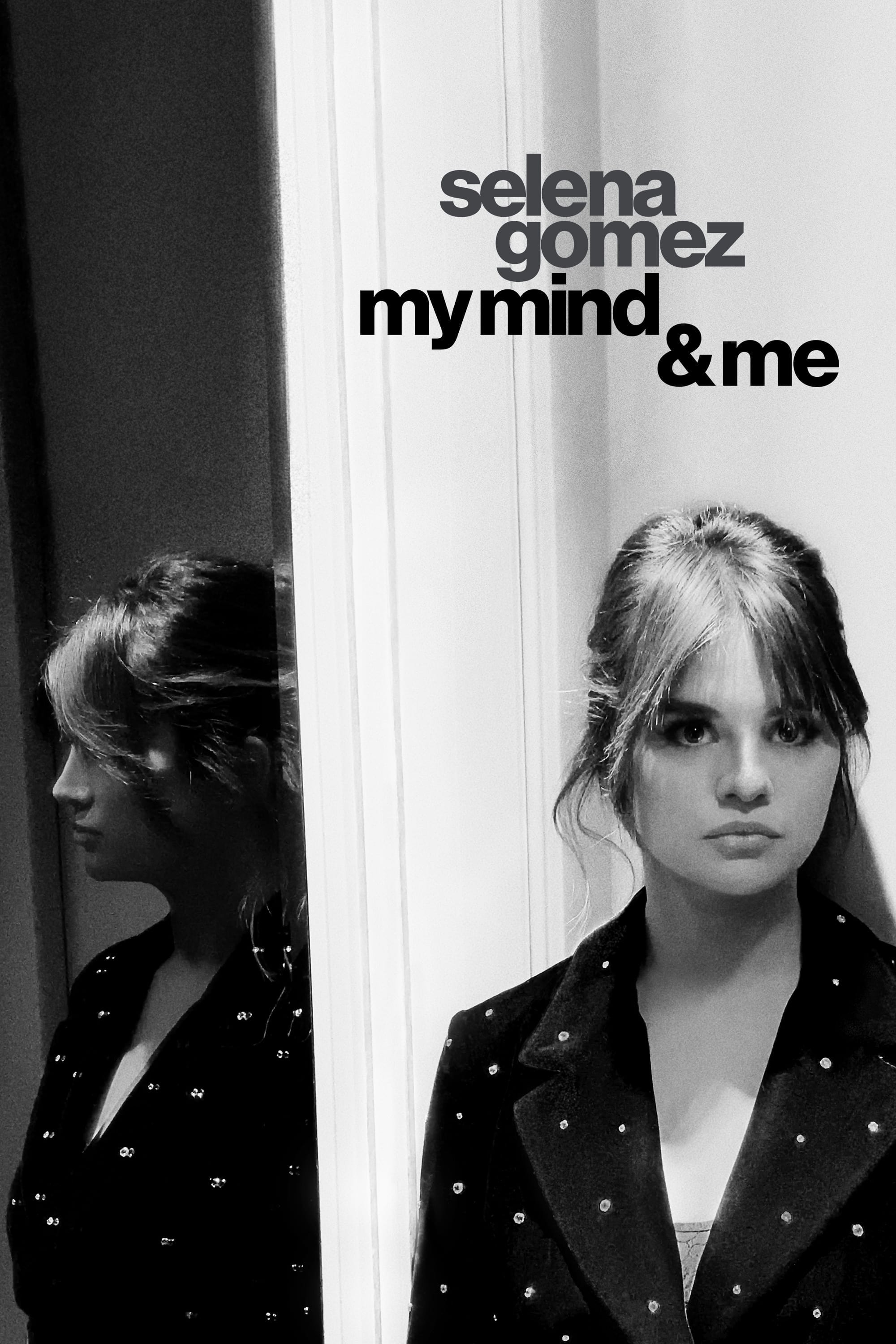
After years in the limelight, Selena Gomez achieves unimaginable stardom. But just as she reaches a new peak, an unexpected turn pulls her into darkness. This uniquely raw and intimate documentary spans her six-year journey into a new light.
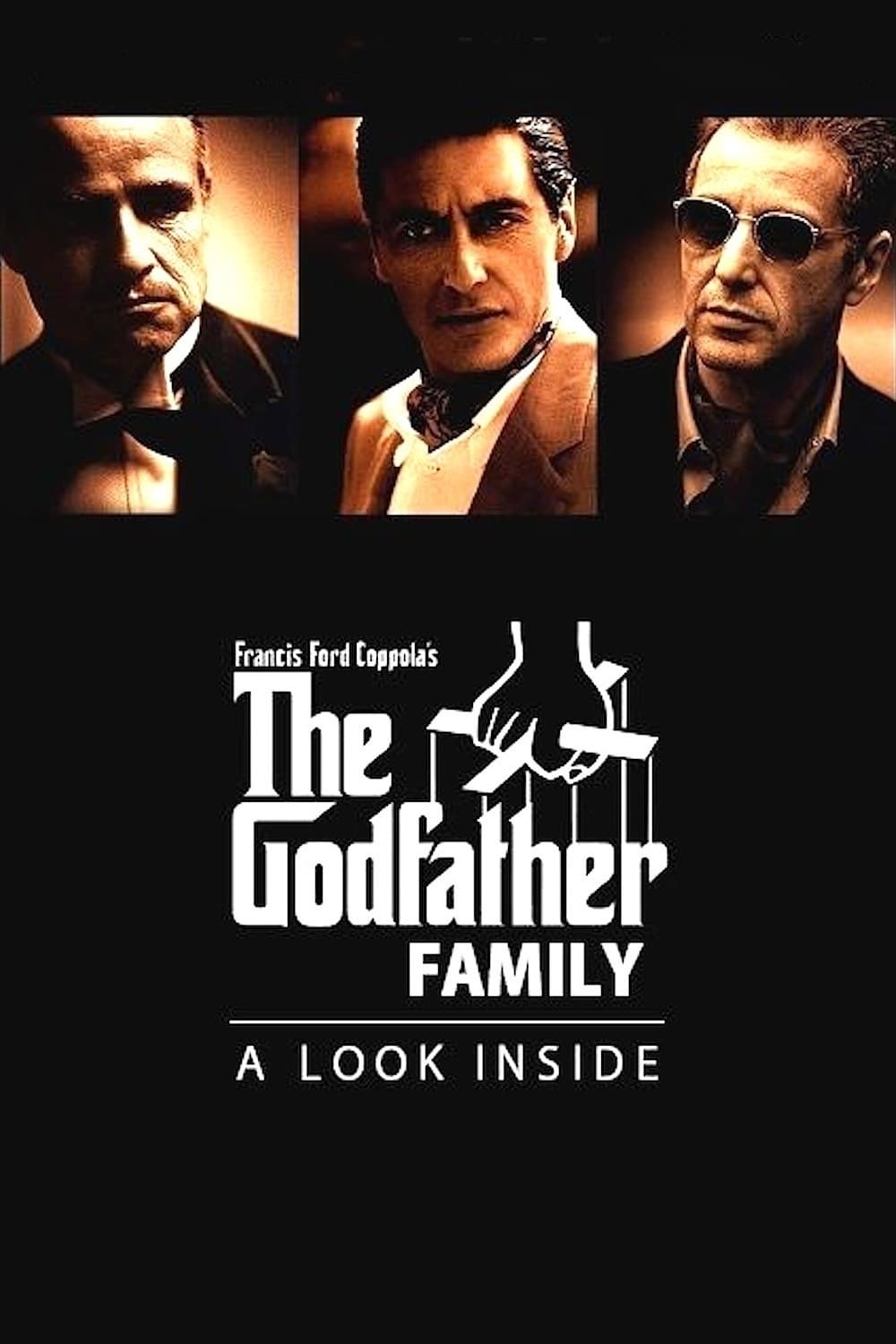
A documentary on the making of the three Godfather films, with interviews and recollections from the film makers and cast. This feature also includes the original screen tests of some of the actors for "The Godfather" film, and some candid moments on the set of "The Godfather: Part III."
A look at the origins, history and conspiracies behind the "Majestic 12", a clandestine group of military and corporate figureheads charged with reverse-engineering extraterrestrial technology.
The life and career of one of comedy's most inimitable modern voices, Mr. Gilbert Gottfried.