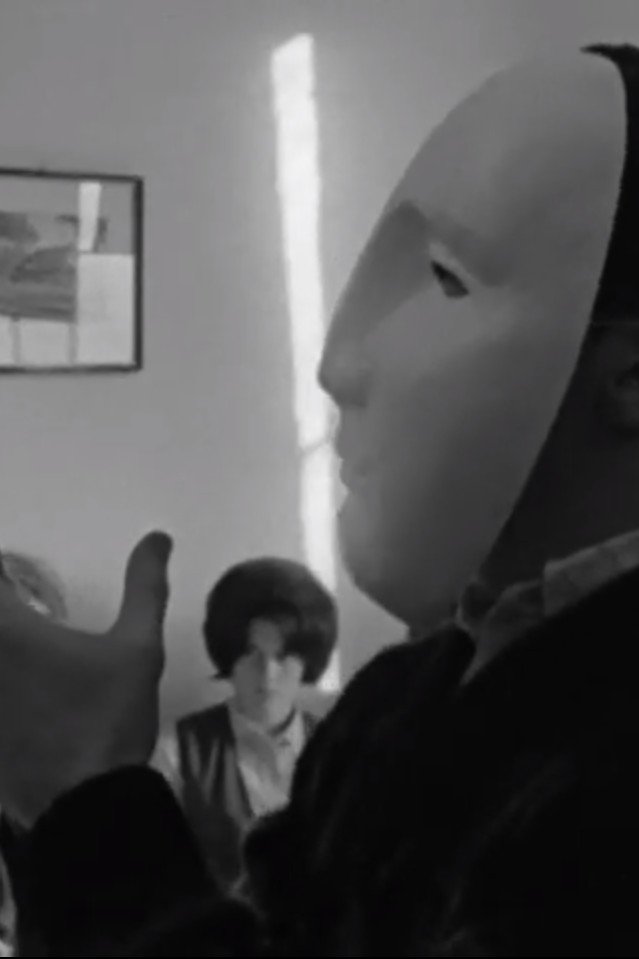
A review of 25 years of theatre work by the Berliner Ensemble, dedicated mostly to plays by Bertolt Brecht. Interviews with stage hands and lighting technicians provide an interesting view behind the scenes.
Social & External
A backstage and on-stage look at Nicki Minaj's career during the Pink Friday Tour, festivals, and more.
Follows the young people of Selma, Alabama's RATCo (Random Acts of Theatre Company) as they journey to New York City to share their story of hope, resilience, and overcoming.
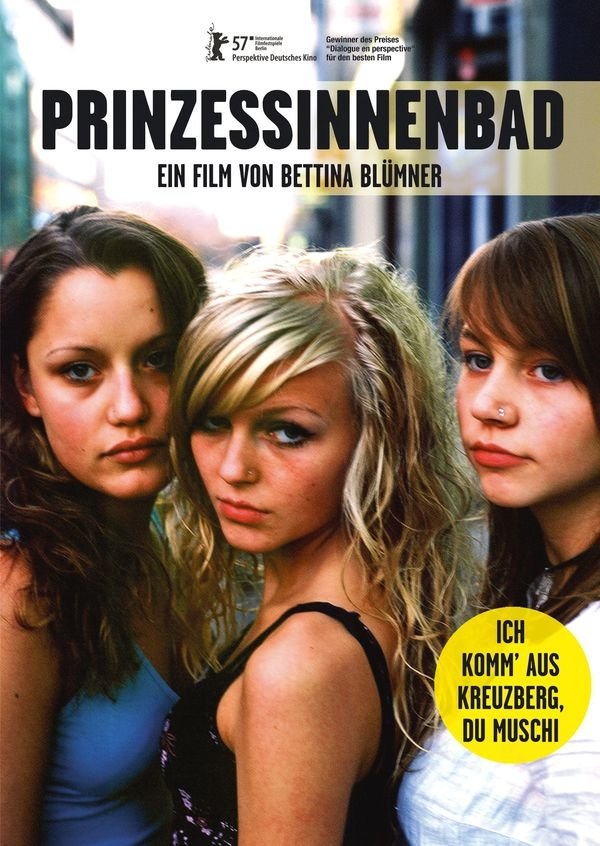
A film about three teenagers - Klara, Mina and Tanutscha - from the Berlin district of Kreuzberg. The trio have known each other since Kindergarten and have plenty in common. The three 15-year-olds are the best of friends; they are spending the summer at Prinzenbad, a large open-air swimming pool at the heart of the district where they live. They're feeling pretty grown up, and are convinced they've now left their childhood behind.
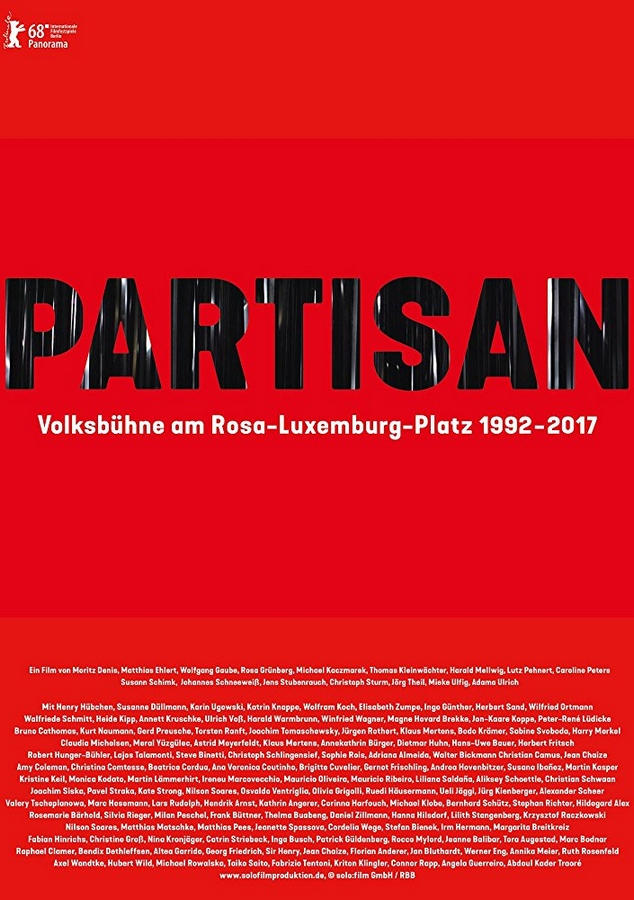
Volksbühne am Rosa-Luxemburg-Platz 1992-2017. The end of the GDR gave rise to new artistic freedoms in reunited Berlin. Shortly after the fall of the Wall, rebel director Frank Castorf was appointed artistic director of the Volksbühne. His way of working altered the public’s perception of this theater. The chronological history of the Castorf era between 1992 and 2017 is told here in excerpts from the productions and in a series of conversations conducted on the long sofa in the theater's foyer.
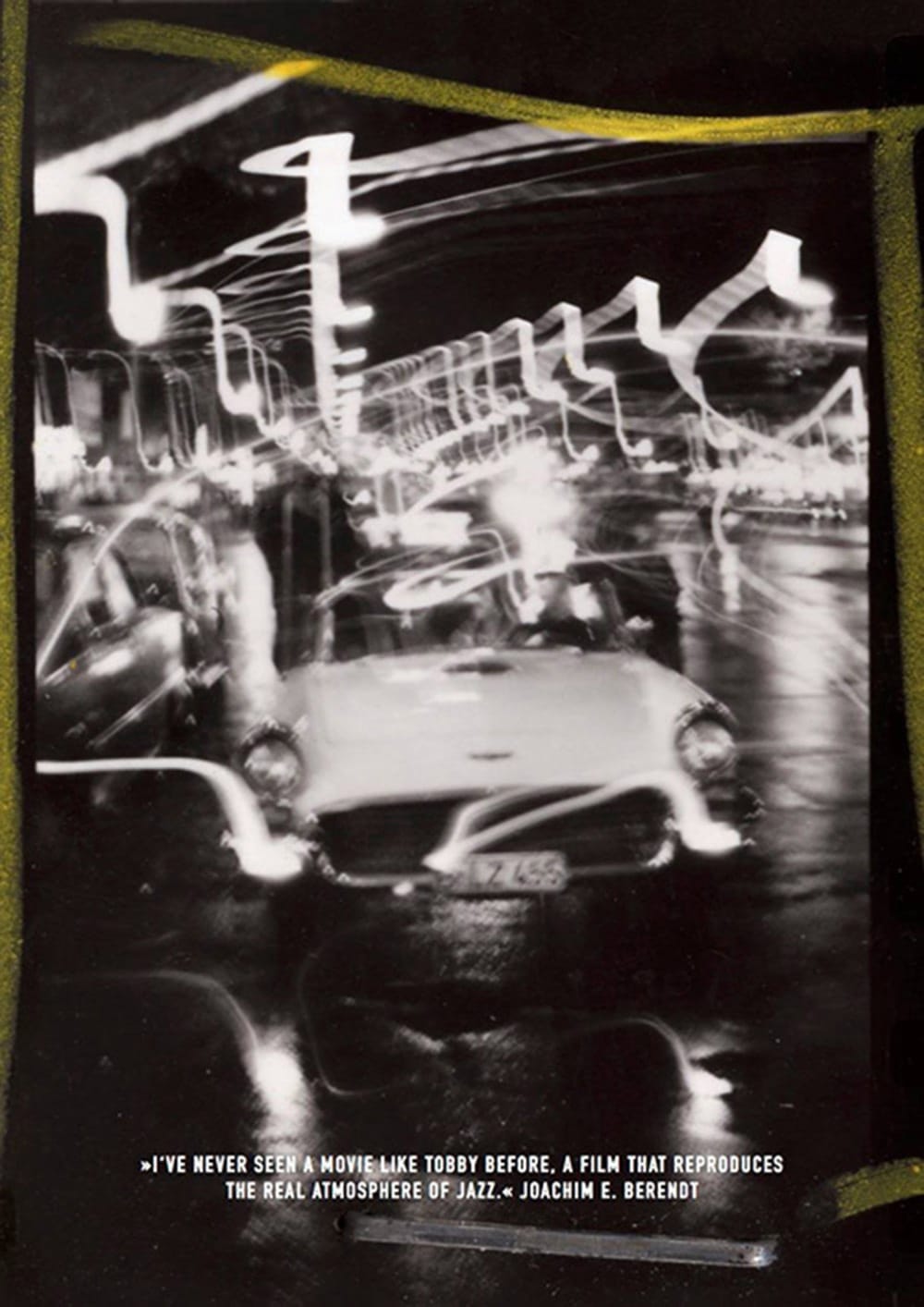
Fictional film with documentary elements about a jazz musician in Berlin.
A day in the city of Berlin, which experienced an industrial boom in the 1920s, and still provides an insight into the living and working conditions at that time. Germany had just recovered a little from the worst consequences of the First World War, the great economic crisis was still a few years away and Hitler was not yet an issue at the time.
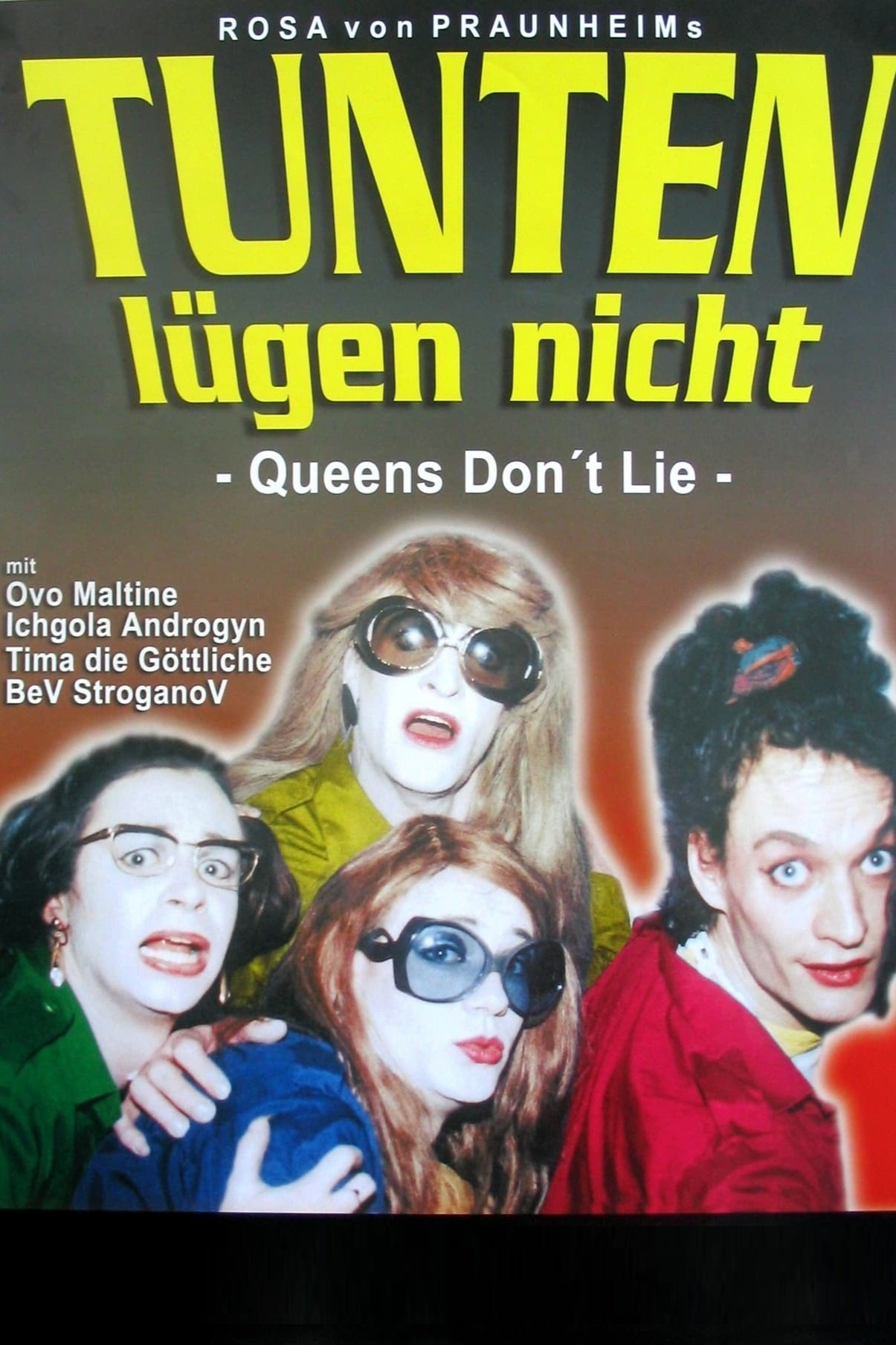
Bosom buddies BeV StroganoV, Ovo Maltine, Ichgola Androgyn and Tima die Göttliche are four Berlin drag queens who met in the mid 1980s. These four queens became Germany’s most popular drag performers and have been busy fertilizing the German cultural scene. Besides being performers, they are also political activists – in AIDS awareness, anti-gay violence, the sex workers movement and the struggle against the extreme right and racism. The film tells their story.
Documentary about the play Miss Julie and dramatist August Strindberg
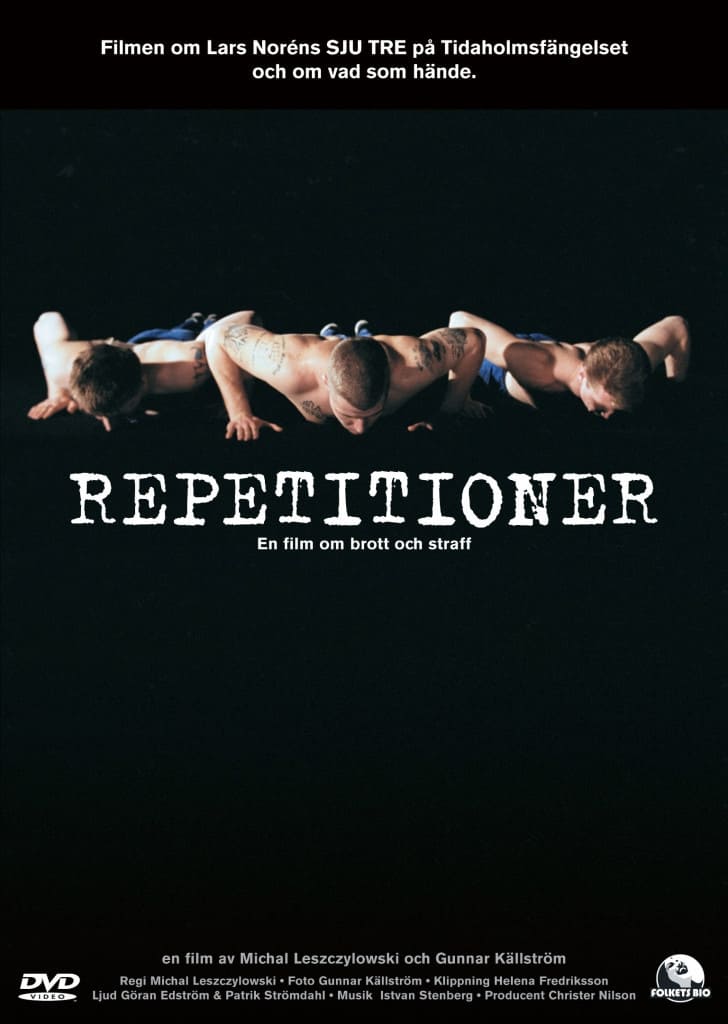
The theatre 7:3 project was conducted at the Tidaholm prison 1998-1999. What started as an artistic experiment, ended up in police killings at Malexander. The process in the prison were filmed during 6 months.
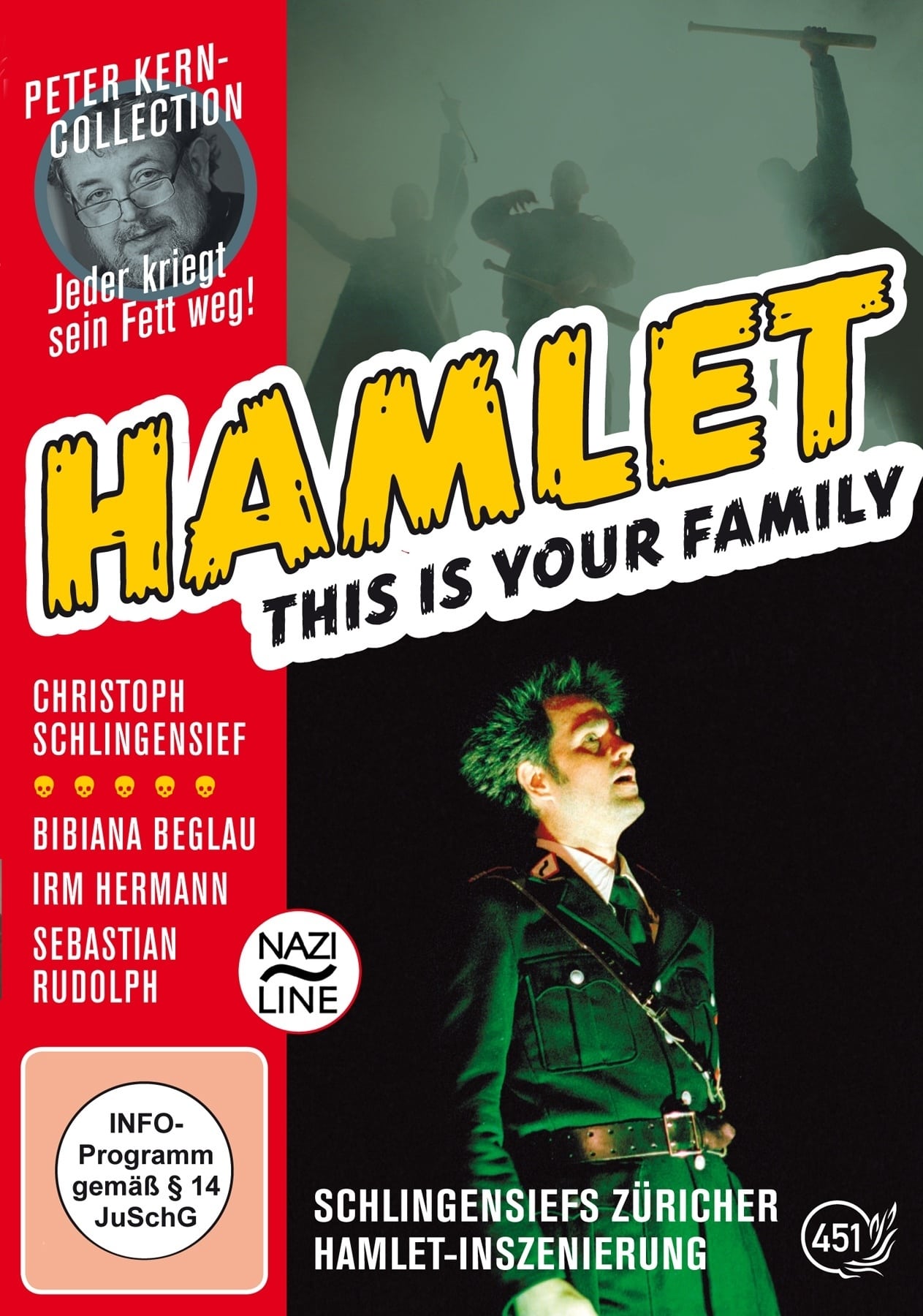
A provocative and ironic pamphleteering documentary about the making of Christoph Schlingensief’s Nazi-'Hamlet’ (2001). Both a media event and a form of political action Schlingensief let ex-neo-Nazis play themselves. His provocation in so-called Nazi-free Switzerland was not appreciated and when he added fuel to the flames by calling for the local political party SVP to be banned, his media offensive made front-page news far beyond Switzerland.
The film chronicles the story of how the Nazis and the IOC turned, to their mutual benefit, a small sports event into the modern Olympics. The grand themes and controversial issues from the 1936 Games have continued to this day: Monumentality, budget overruns, collusion with authoritarian regimes, corruption and sometimes even bribery.
The intricate history of UFA, a film production company founded in 1917 that has survived the Weimar Republic, the Nazi regime, the Adenauer era and the many and tumultuous events of contemporary Germany, and has always been the epicenter of the German film industry.
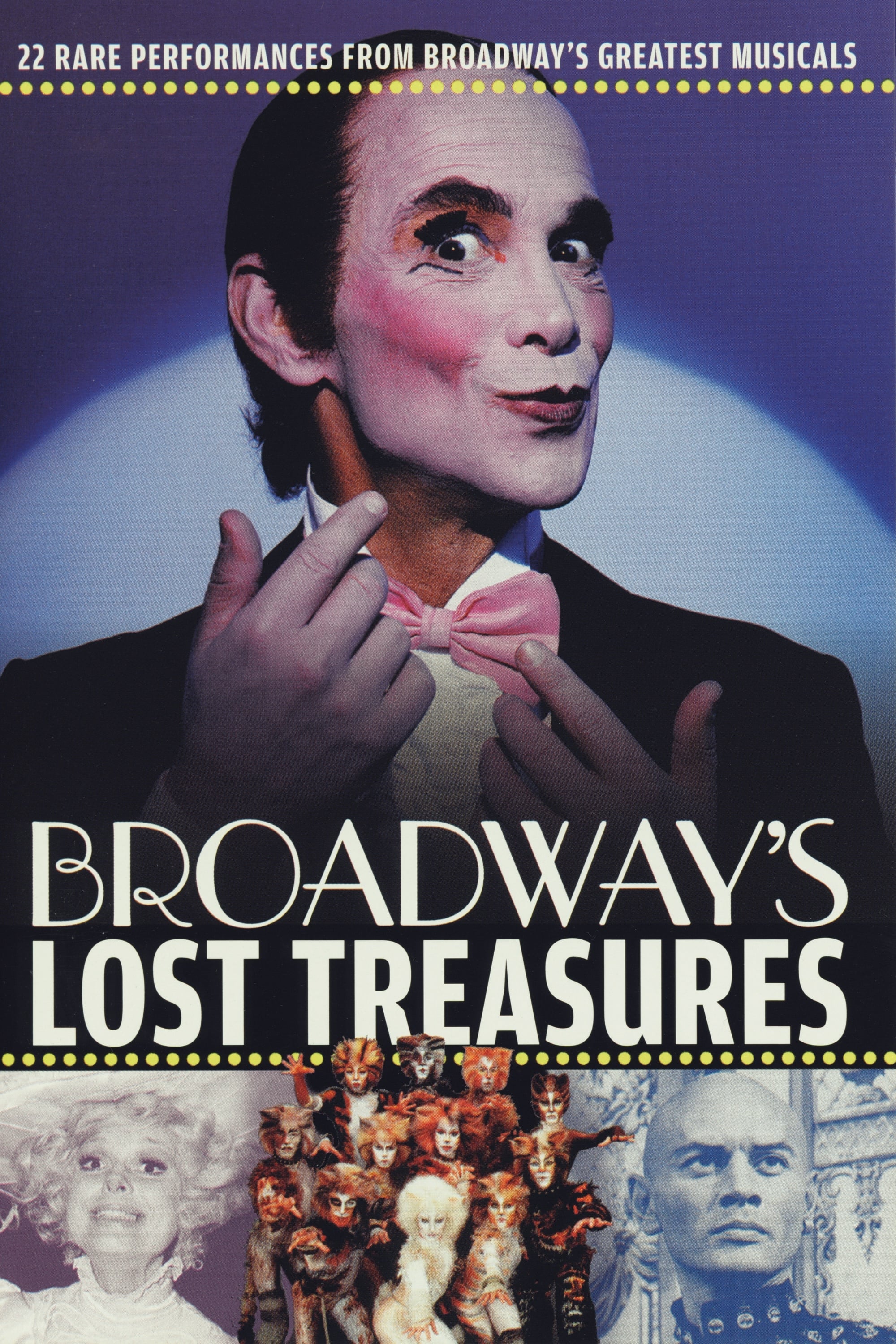
The golden age of the annual Tony Awards ceremony lasted from 1967 to 1986 — the period during which Alexander H. Cohen and his wife, Hildy Parks, were the producers of the show. This film offers a compilation of performances from Tony Award broadcasts during those years. They are presented with color-corrected footage and digitally re-mastered sound.
Fifty years ago, aspiring thespians Terry and Carole Ann Gill arrived in Australia from England seeking fame and fortune. But they never quite made the big time. Instead they stumbled into the curious world of children's pantomimes. Over the decades, they have built a successful business and touched the lives of generations of children; but their own dreams have slowly faded. Now aged in their 70s, with their beloved theatre under threat from a greedy property developer, Terry and Carole Ann's careers appear to be coming to an untimely close. As they battle to remain open, they are forced to reflect on the choices they have made in their lives.
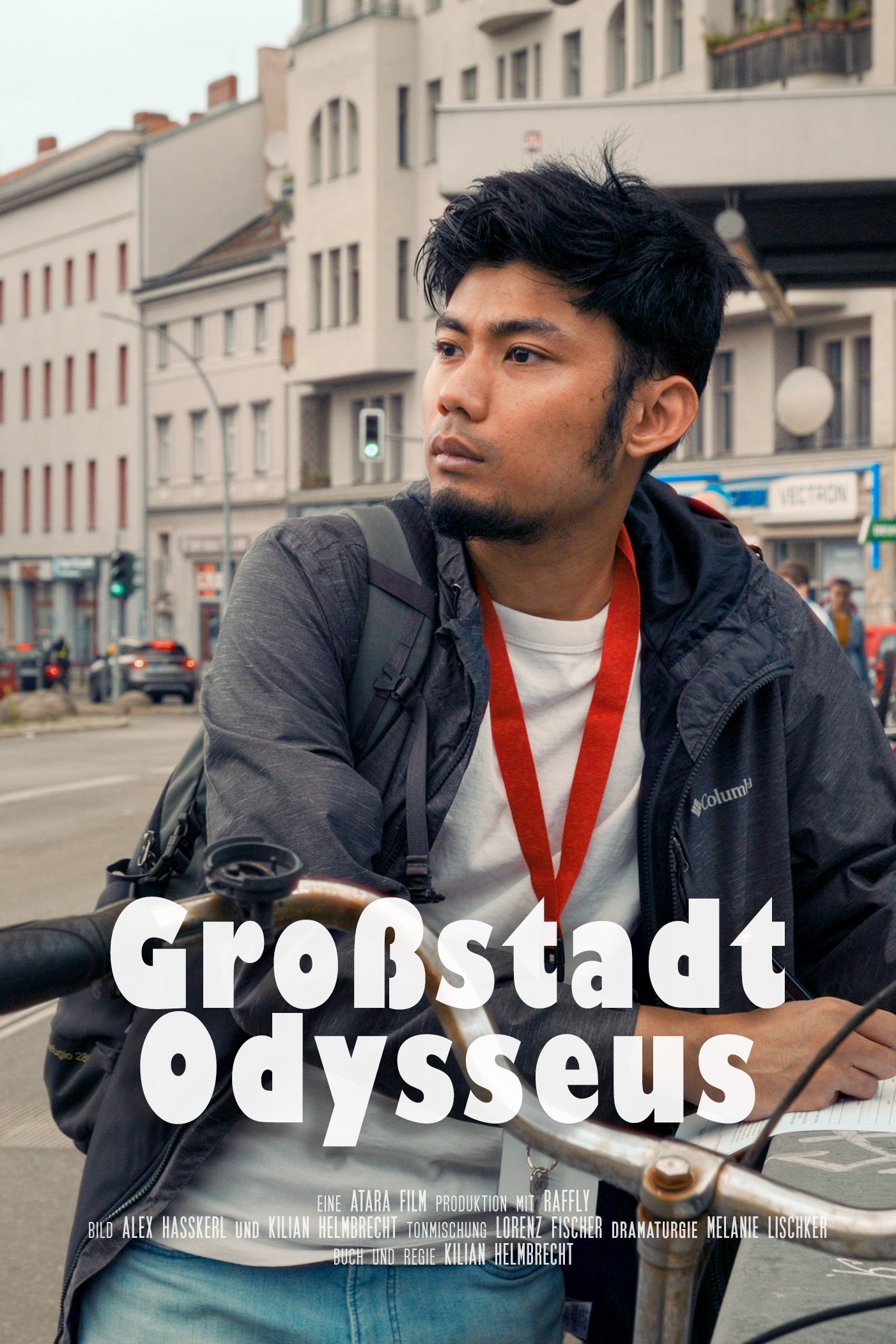
Successfully completed your studies - now what? Raffly already has a lucrative job offer from a large German company, but neither an apartment nor a work permit.
A look at the entire process of creating and developing Patrice Chéreau’s third staging of "In the Solitude of Cotton Fields" by Bernard Marie Koltès with Pascal Greggory and Chéreau himself. From the first reading around the table through the first contact with the performance space, rehearsals and lighting to opening night, the entire creative process unfurls in front of our eyes. The film shows us the evolving and ongoing dialogue between Greggory and Chéreau, a dialogue full of crises and magical moments of harmony and insight via which the truth, intensity, complexity, mystery and depth of Koltès’ text gradually emerge to form an implicit bond between these two men. The film also shows Chéreau directing rehearsals for Mozart’s "Don Giovanni" in Salzburg, revealing both the unity of and profound differences between his opera and theater work.
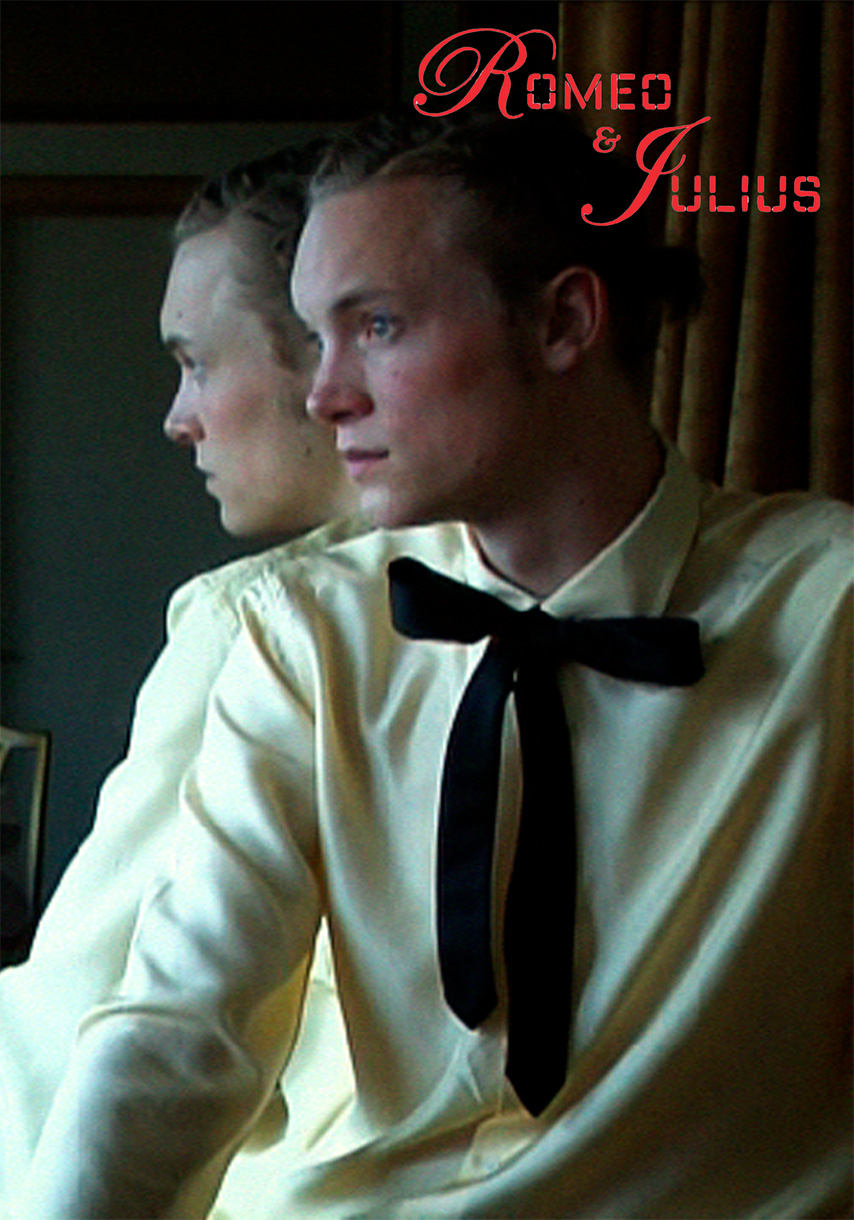
A young group of actors are preparing an updated version of Shakespeare's ROMEO & JULIET. Two boys perform the central roles - both of them struggling with their own questions of love alongside their roles on stage. And as rehearsals begin, reality soon starts to interfere with the play.
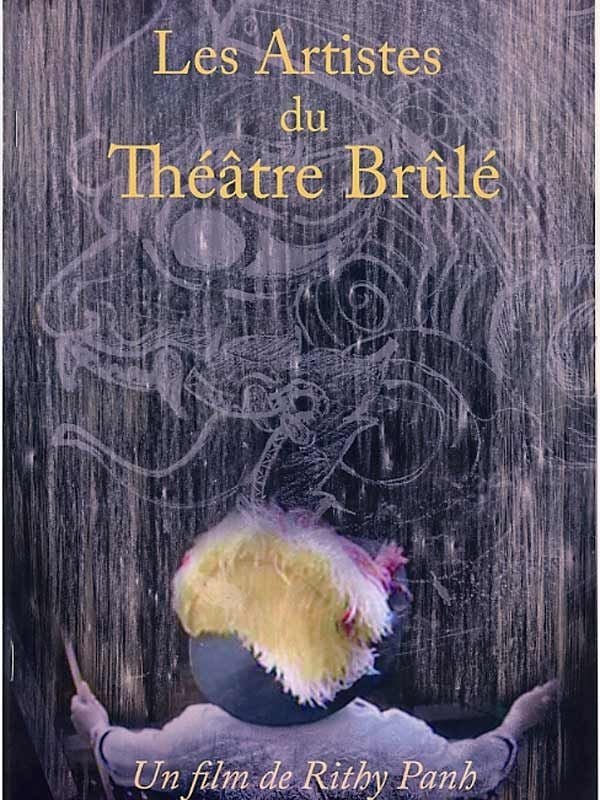
A blend of fact and fiction, based on the actual lives of the actors, the film depicts a troupe of actors and dancers struggling to practice their art in the burned-out shell of Cambodia's former national theater, the Preah Suramarit National Theater in Phnom Penh.
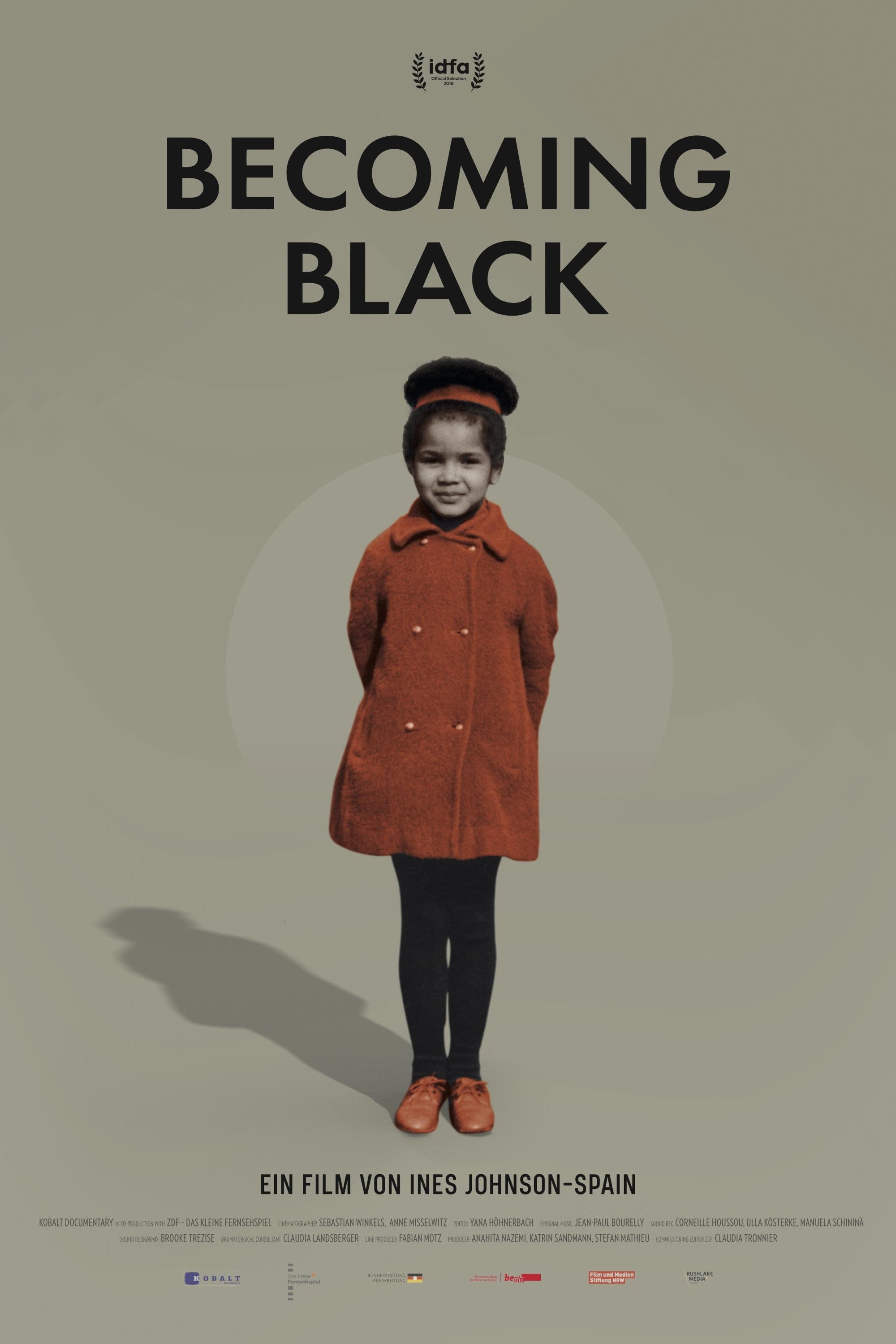
In the 1960s, a white couple living in East Germany tells their dark-skinned child that her skin color is merely a coincidence. As a teenager, she accidentally discovers the truth. Years before, a group of African men came to study in a village nearby. Sigrid, an East German woman, fell in love with Lucien from Togo and became pregnant. But she was already married to Armin. The child is Togolese-East German filmmaker Ines Johnson-Spain. In interviews with Armin and others from her childhood years, she tracks the astonishing strategies of denial her parents, striving for normality, developed following her birth. What sounds like fieldwork about social dislocation becomes an autobiographical essay film and a reflection on themes such as identity, social norms and family ties, viewed from a very personal perspective.