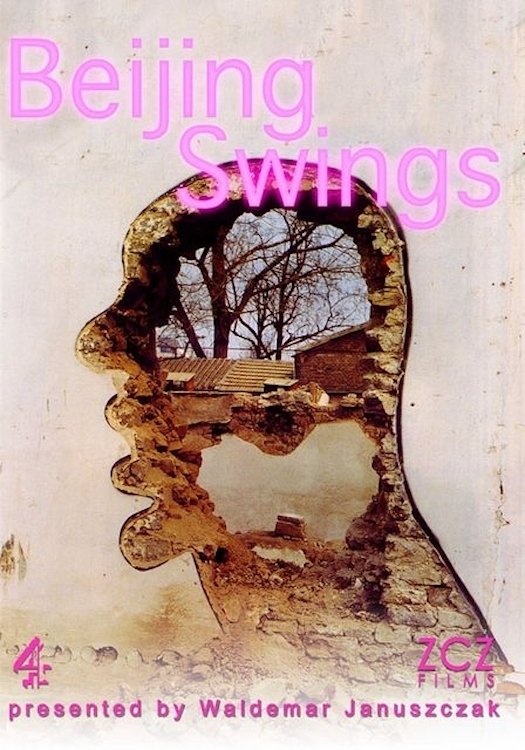
Art critic Waldemar Januzczak explores Beijing's controversial and challenging modern art scene.
Social & External
The people behind it
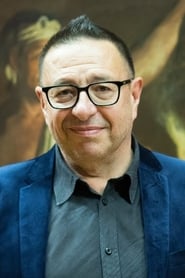
Waldemar Januszczak
Self - presenter
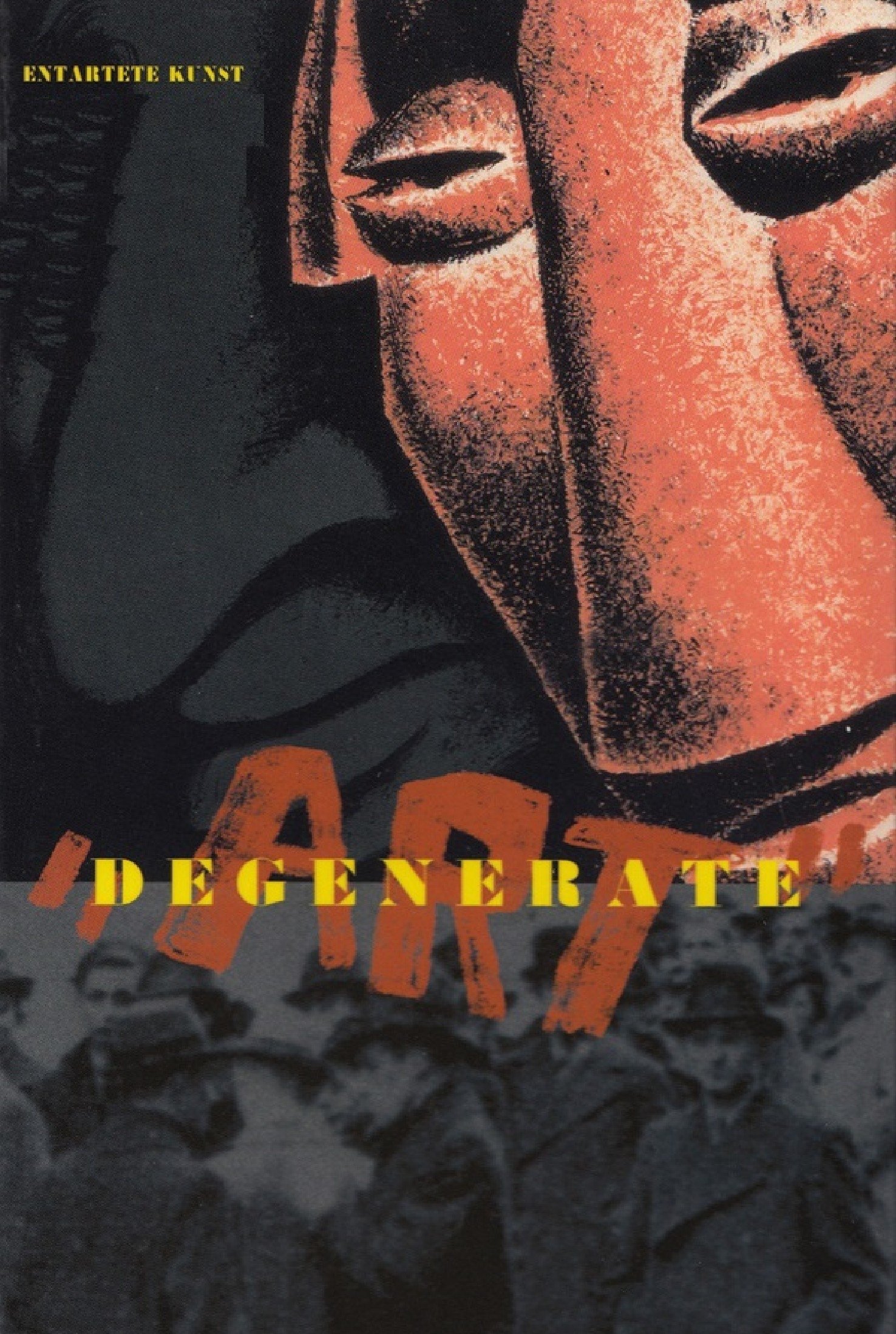
Narrated by David McCullough, this program examines the infamous Entartete Kunst (degenerate art) exhibition mounted by the Nazis in Munich in 1937 and their far-reaching attacks on avant-garde art in Germany. Witness compelling footage of Nazi book burnings, and of the exhibition itself. Includes interviews with historians, art critics, and eyewitnesses to the events that dramatize this powerful story of the Nazis' assault on modern culture.
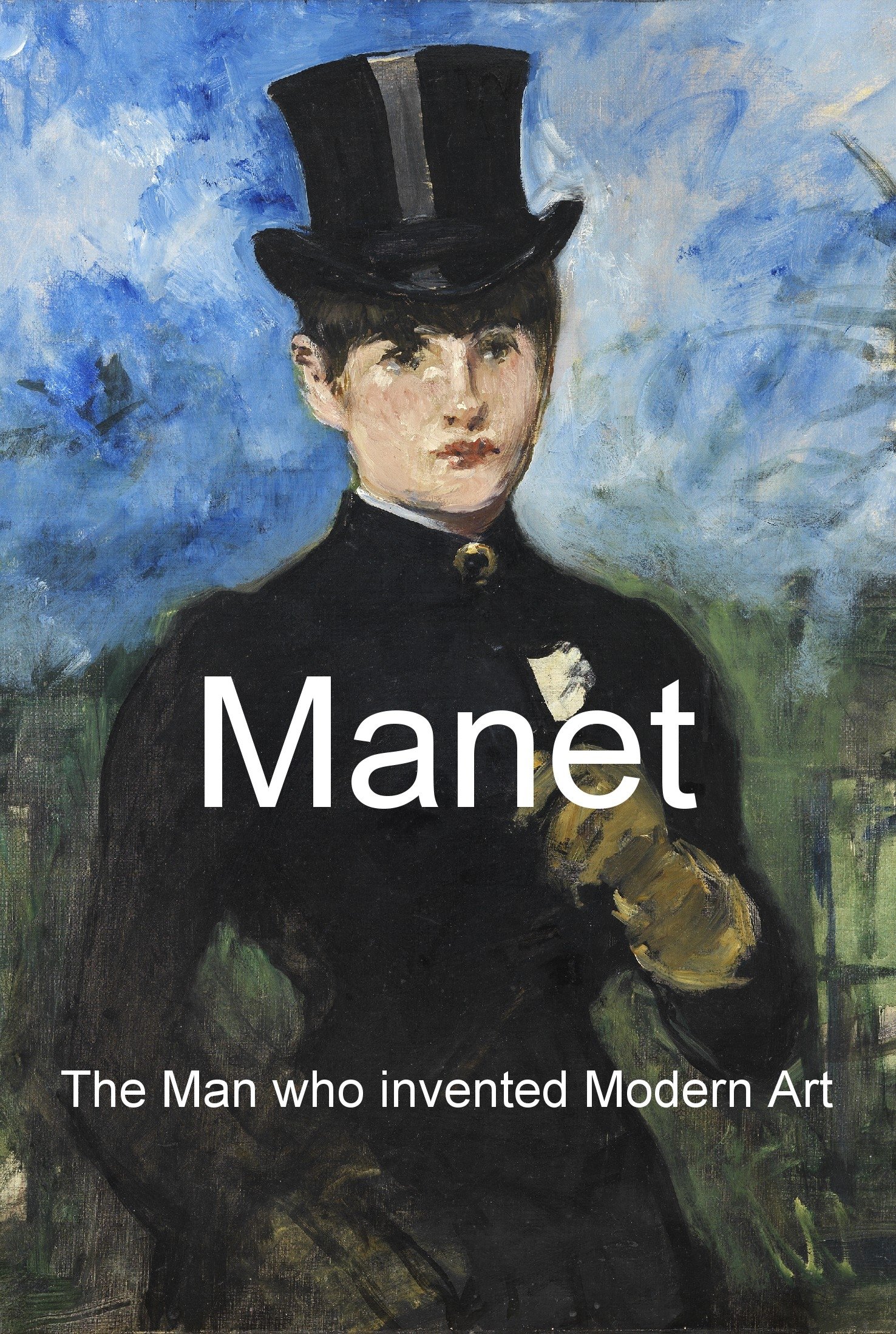
Manet is one of the main candidates for the title of the most important artist there has been. As the reluctant father of Impressionism, and the painter of Dejeuner sur l'herbe, he can probably be accused of inventing modern art. But his story is fascinating on many other levels. As a piece of compelling biography, Manet's is the unlikely tale of the stubborn son of the most highly placed judge in France who decides to become an artist and embarrass his father. The resulting family tensions are the stuff of legend. Then there was Manet's dramatic private life, including exotic romantic affairs and a particularly horrible death. Always cited as the father of the Impressionists, Manet stubbornly refused to show with them, and was careful to maintain an aesthetic distance from Monet, Renoir and the others. While they worshipped him, he looked down on them.
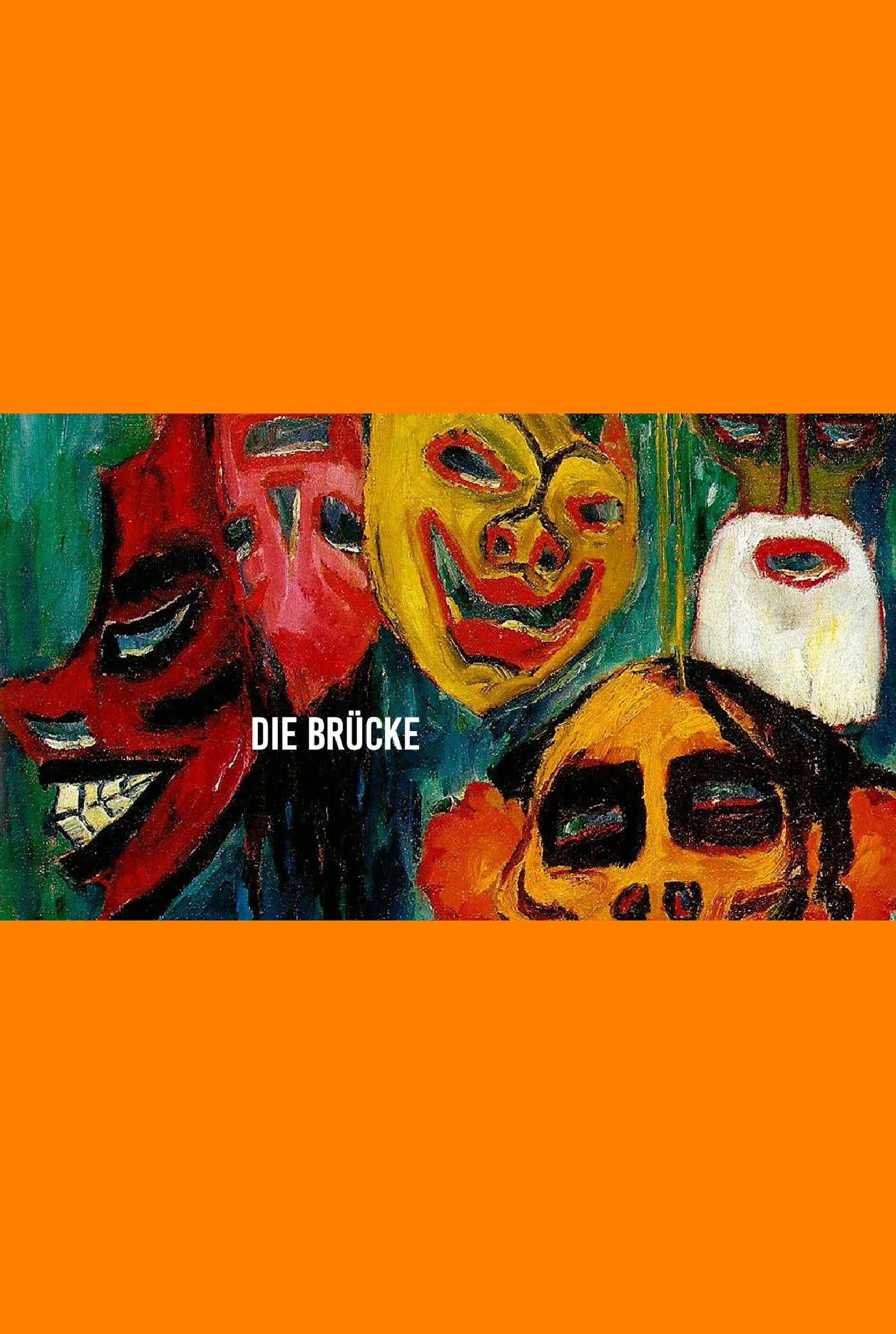
This movement marks the beginning of modern art in Germany. It is the German equivalent of French Fauvism, from which it draws its main inspiration, but it carries an Expressionist and social emphasis that is characteristic of Nordic 'angst.' The artists of Die Brucke were restless creatures, over-sensitive, haunted by religious, sexual, political or moral obsessions. Dramatic landscapes and nudes, mystical and visionary compositions, scenes of the countryside, the streets, the circus, the cafe-dansants and the demi-monde were their principal subjects. Their pure colours blaze in acid stridency, encompassed by rough, dry contours which show the influence of African art and primitive woodcuts. The work of the following is shown: Kirchner, Fritz Bleyl, Erich Heckel, Schmidt-Rottluff, Otto Muller, Emil Nolde and Max Pechstein.
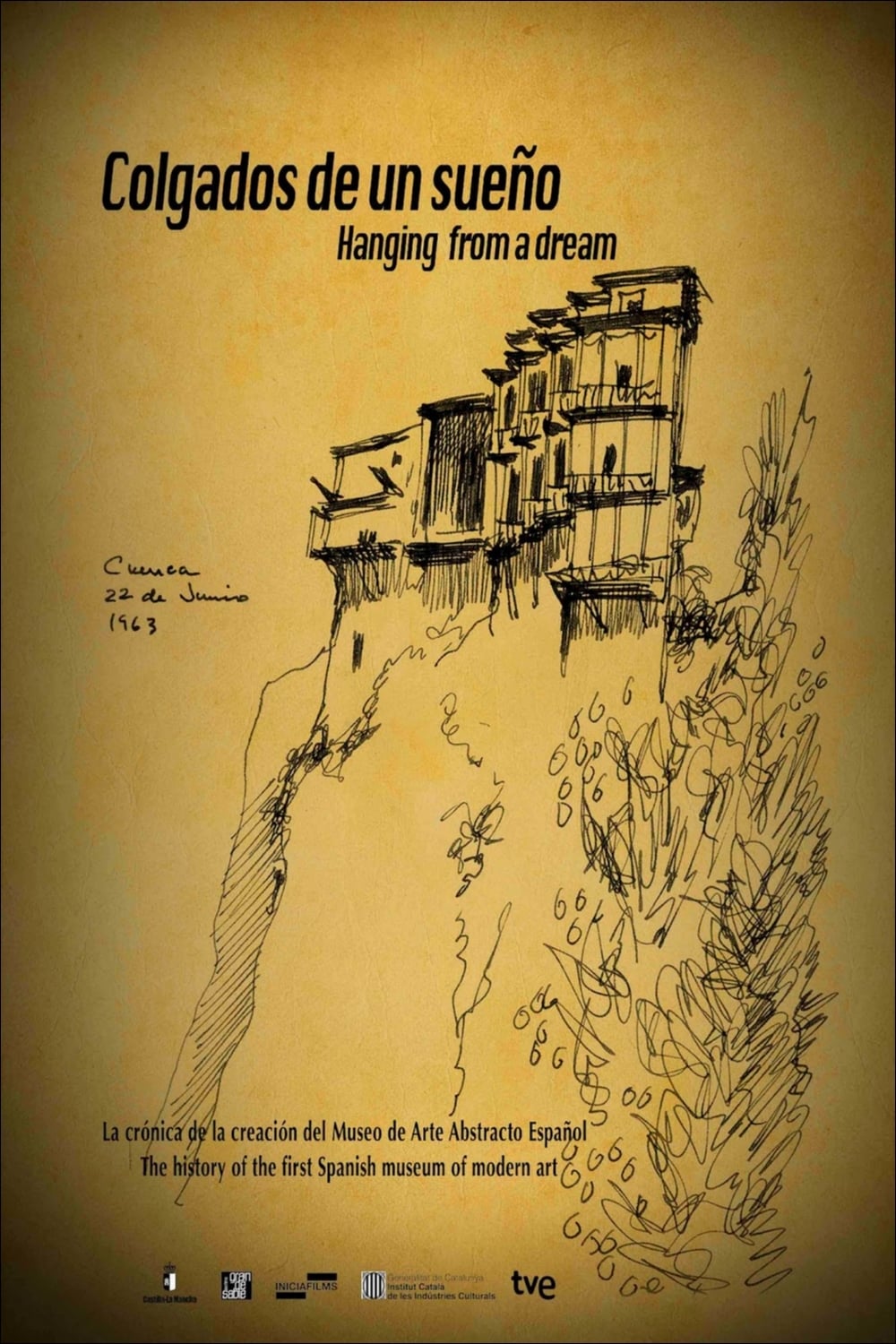
The history of how the Museum of Spanish Abstract Art of Cuenca was created. In the mid-1950s, the Spanish collector and painter Fernando Zóbel de Ayala (1924-84) becomes fascinated by the young generation of Spanish abstract artists, so he begins to collect their works to show them to the public in Toledo. Until Gustavo Torner, a young forest engineer interested in art, proposes him to visit his city, Cuenca.
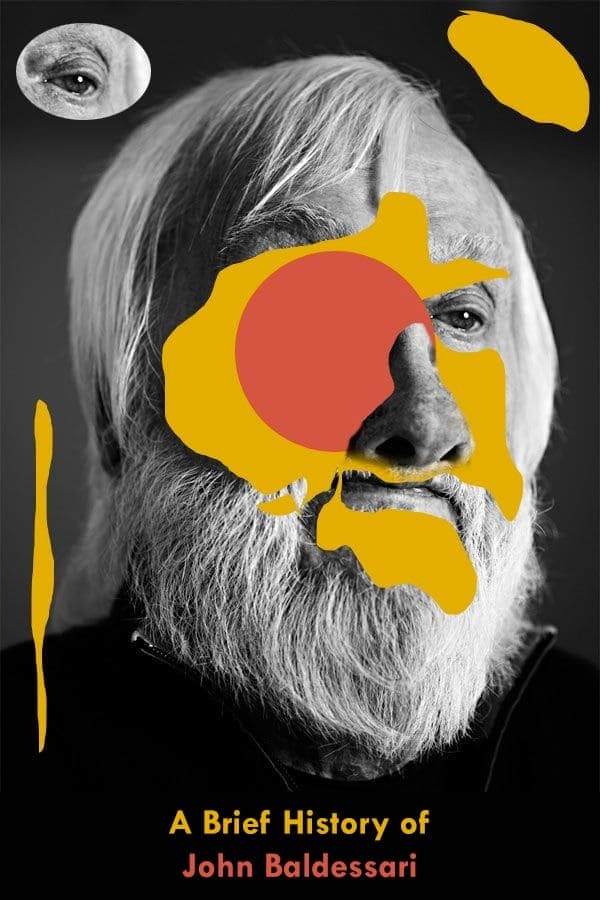
The epic life of a world-class artist, jammed into six minutes.
In this hybrid political thriller and verité portrait documentary, Sara Nodjoumi, working with co-director and husband, Till Schauder, makes her directorial debut with this personal film, diving into the mystery surrounding the disappearance of more than 100 “treasonous” paintings by her father, seminal Iranian modern artist Nickzad Nodjoumi.
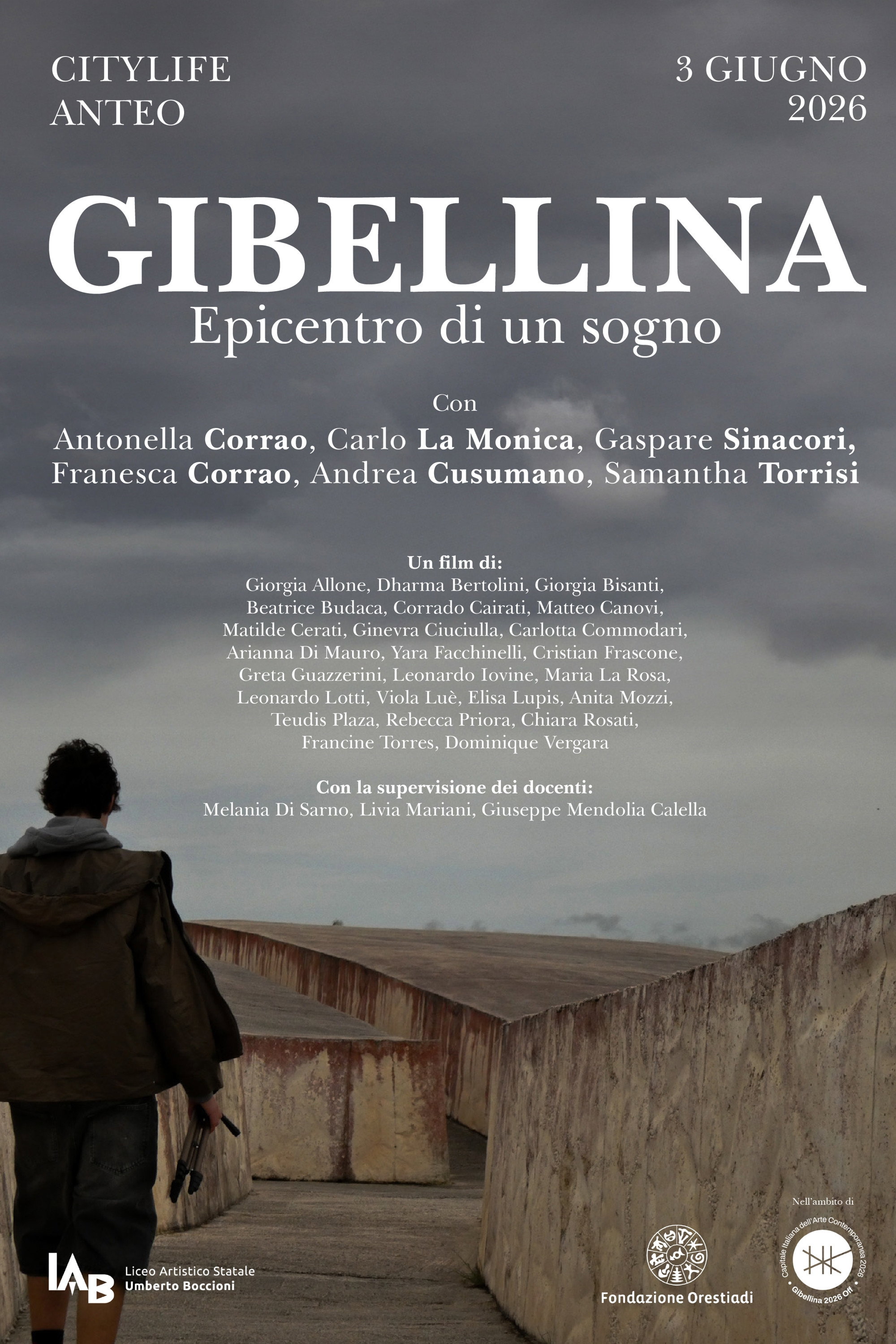
Gibellina, the city rebuilt from the dream of a great man, Ludovico Corrao. From the 1968 earthquake to its rebirth through art.
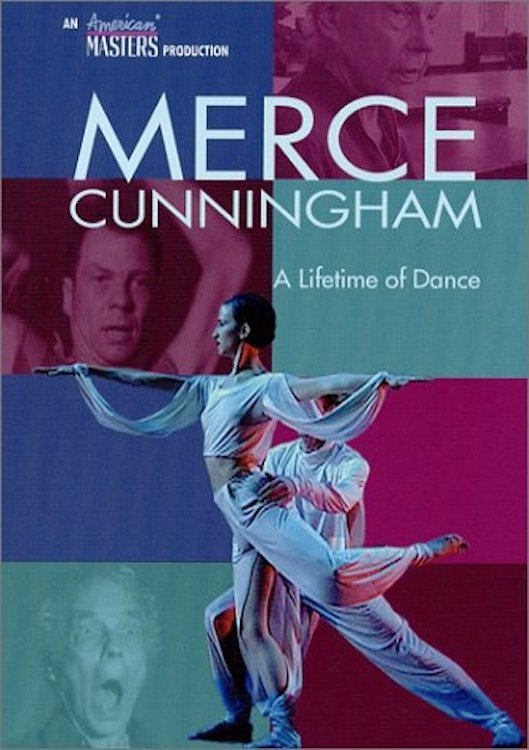
A history of the work of Merce Cunningham.
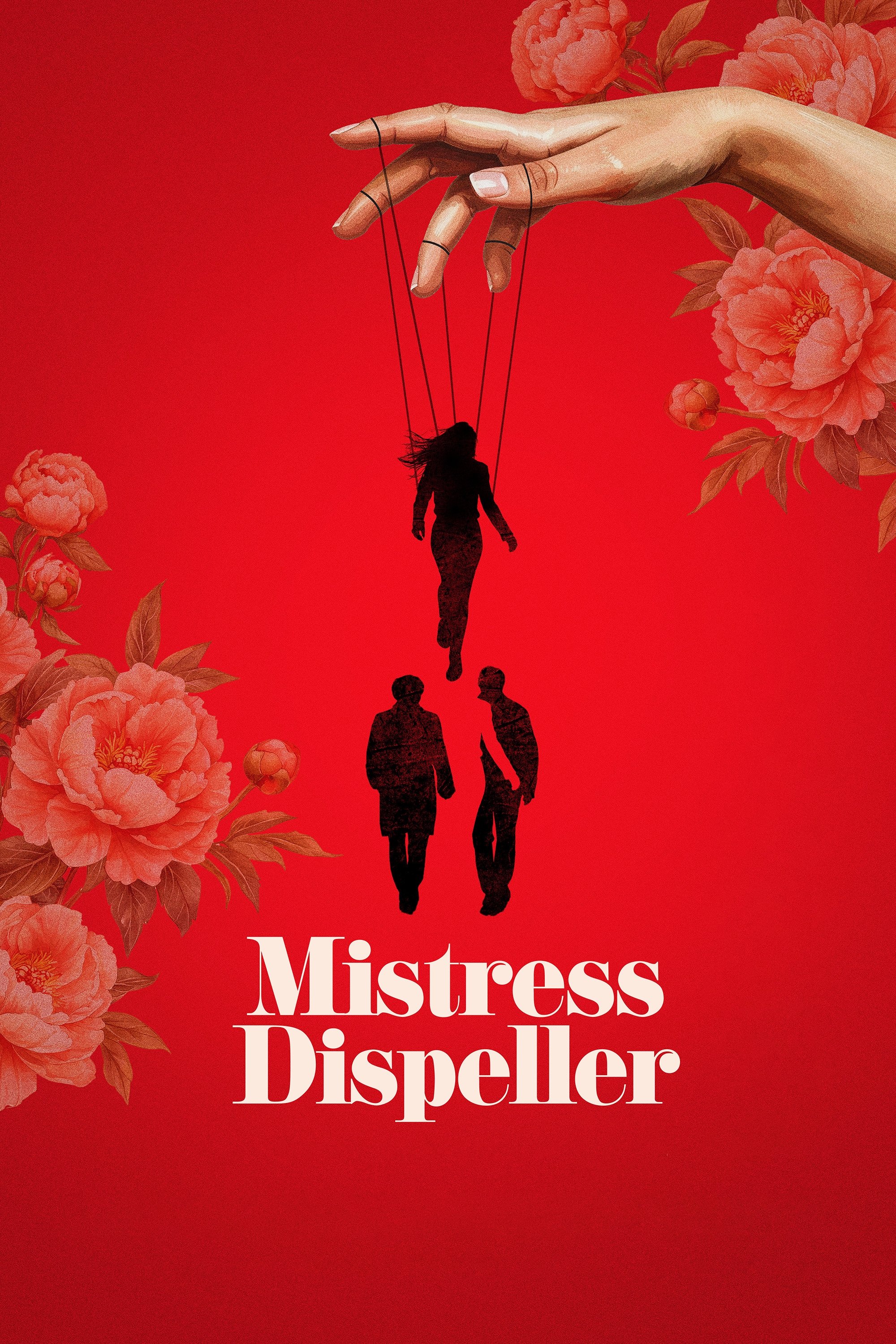
Teacher Wang works as a 'mistress dispeller' in China, hired to break up affairs by any means necessary. Through one of her cases, we explore the ways class, capital, and culture collide to shape romantic relationships in contemporary China.
A collection of BBC archive material about painter Francis Bacon, including a previously unseen interview recorded in 1965.
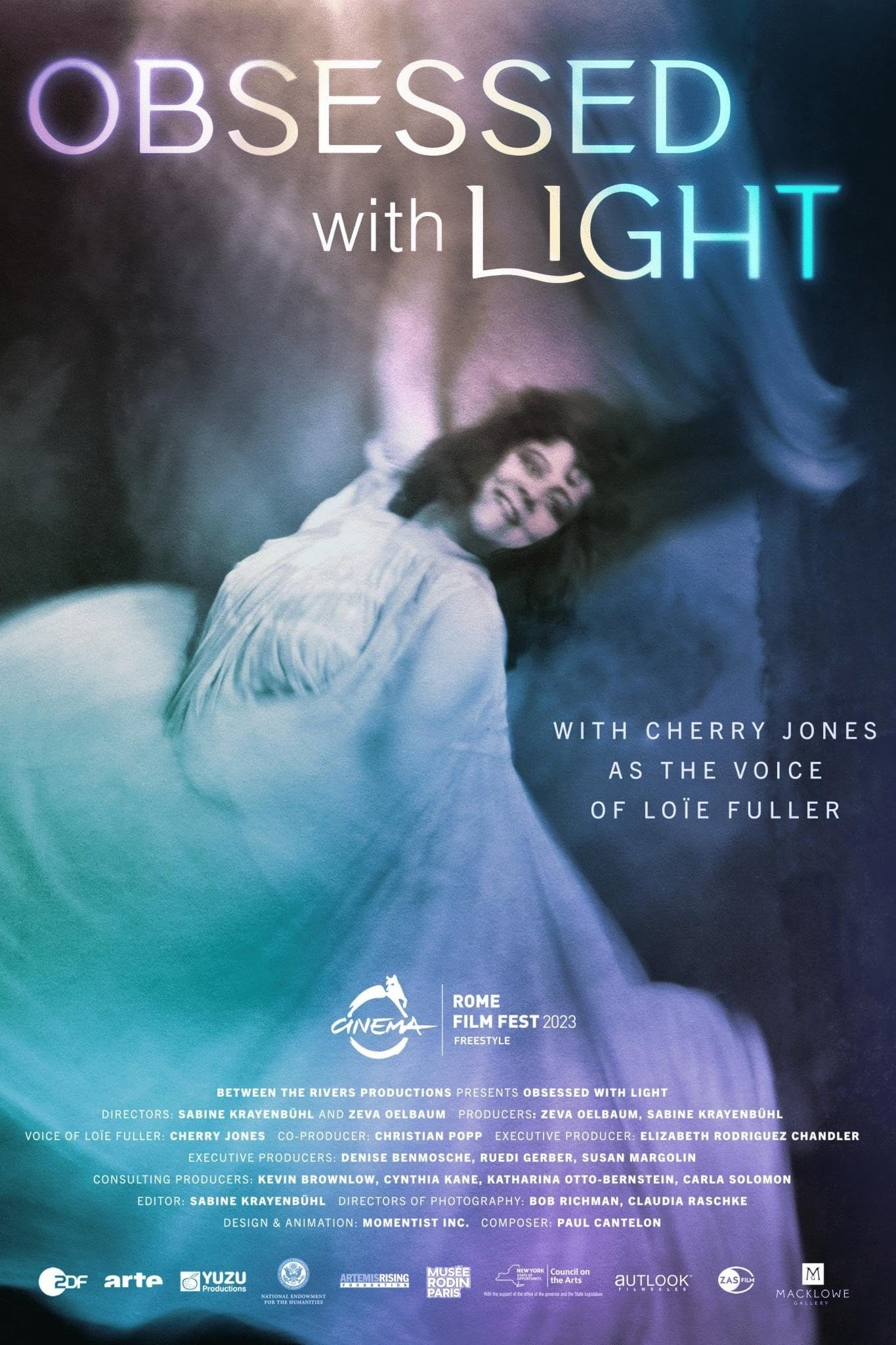
Loïe Fuller, stage name of Marie Louise Fuller: the American actress and dancer trained in burlesque, circuses and variety shows who, in the 1890s, signed by the Folies Bergère of Paris, became a star. She was portrayed by Toulouse-Lautrec, loved by the symbolists, the inspiration for Art Nouveau, in her shows she combined dance, spirals of fabric and light, reflected from behind or from below through the glass floor that she had created. She transformed into the "Fairy of Light", was taken up (especially in her Serpentine Dance) by Georges Méliès and Alice Guy and influenced René Clair's early films.
A rural American town suffering economically from factory closures finds an unconventional route to recovery with the help of MASS MoCA.
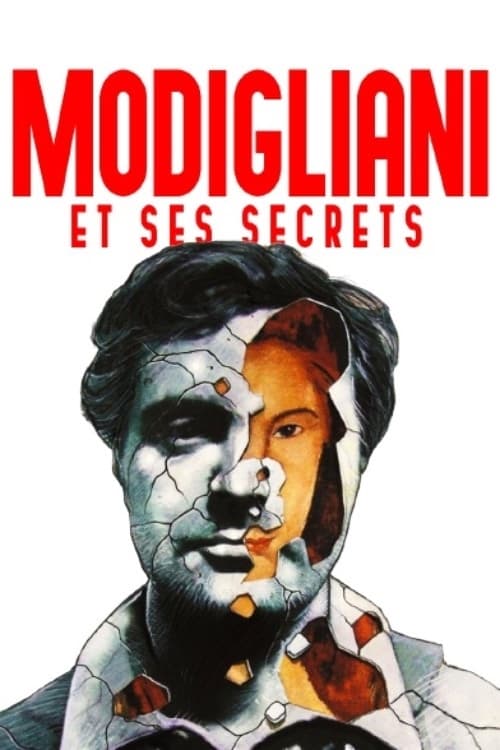
Sometimes reduced to the image of a cursed artist, Amedeo Modigliani, an admirer of the masters of the Italian Renaissance, has traced an unparalleled path in modern art.
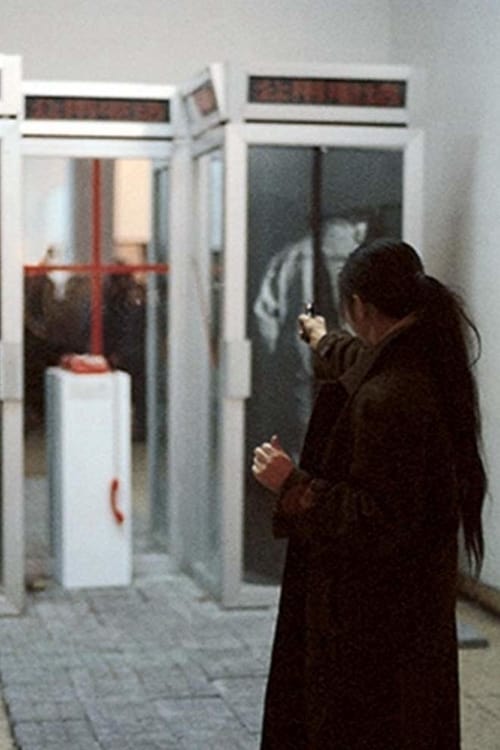
In 1989, a group of avant-garde artists who had collaborated in private for years received permission to organize their own exhibition at the National Art Museum of China. However, one of the terms was to exclude performance artists from participating. The seven artists who were left out took action. At the opening ceremony, their lives changed as the sounds of gunfire rang out.
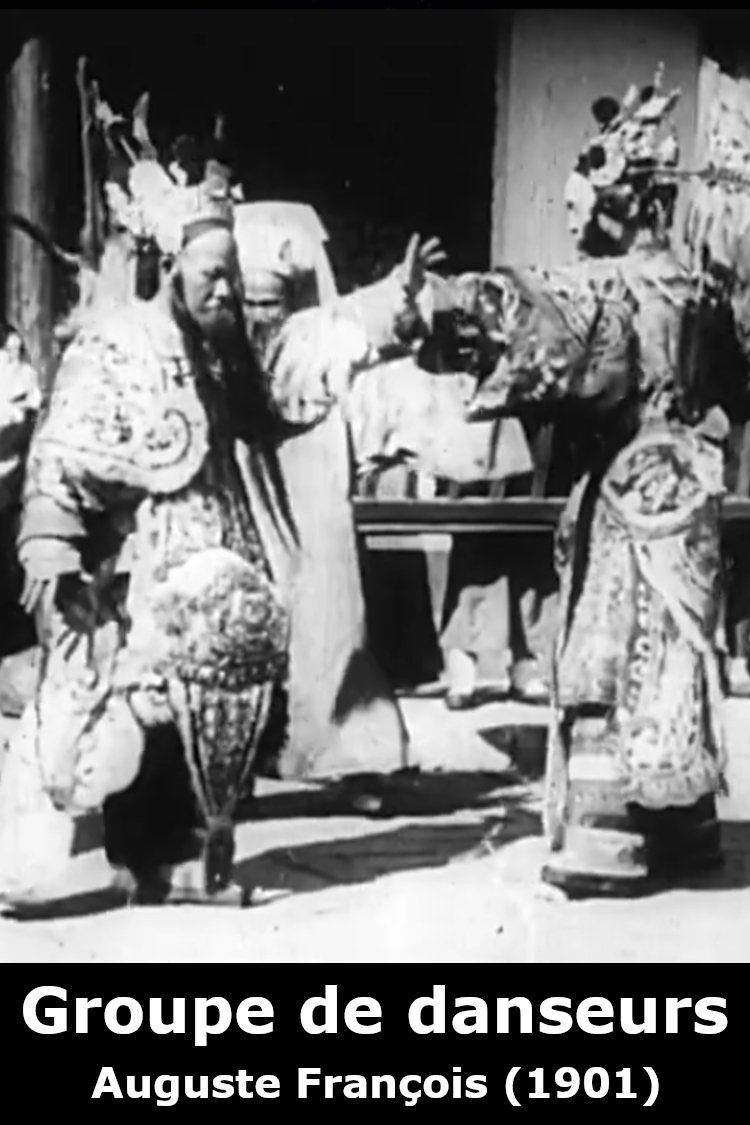
Cultural documentary featuring a Chinese folk dance performance held in the courtyard of Auguste François's house in Yunnanfu, present-day Kunming, China. Four dancers interact in an artistic performance. Produced in 1901 by Societé L. Gaumont et Cie. and directed by French photographer and diplomat Auguste François. Working as a French diplomatic consul in China, Auguste François shot a large number of films, most of which are still preserved, showing aspects of Chinese society in the last years of the last Chinese monarchical dynasty, the Qing. This film was only released commercially in 1905 as part of the collection "Au Pays des Mandarins".
Many twentieth century European artists, such as Paul Gauguin or Pablo Picasso, were influenced by art brought to Europe from African and Asian colonies. How to frame these Modernist works today when the idea of the primitive in art is problematic?
In the late 1980s, an era of great hopes and great disasters for Russia, art proved to be a social barometer, predicting the imminent political upheavals. This film's screenplay was written overnight in February 1991, soon after the World Economic Forum, where Olga Sviblova was asked the question, "What will happen to Russia?", and answered: "A putsch."
Al Pacino's deeply-felt rumination on Shakespeare's significance and relevance to the modern world through interviews and an in-depth analysis of "Richard III."
Artists in LA discover the work of forgotten Polish sculptor Stanislav Szukalski, a mad genius whose true story unfolds chapter by astounding chapter.
Performance artist Marina Abramovic prepares for a major retrospective of her work at the Museum of Modern Art in New York.
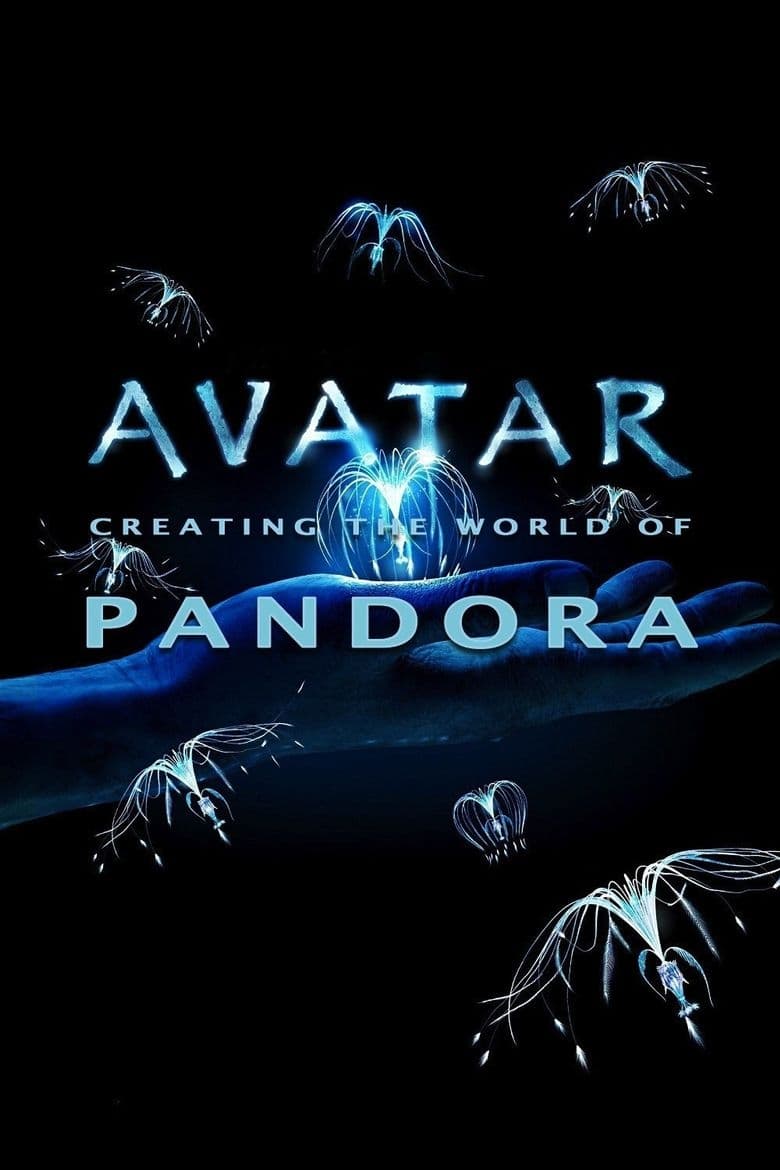
The Making-of James Cameron's Avatar. It shows interesting parts of the work on the set.
A visual montage portrait of our contemporary world dominated by globalized technology and violence.
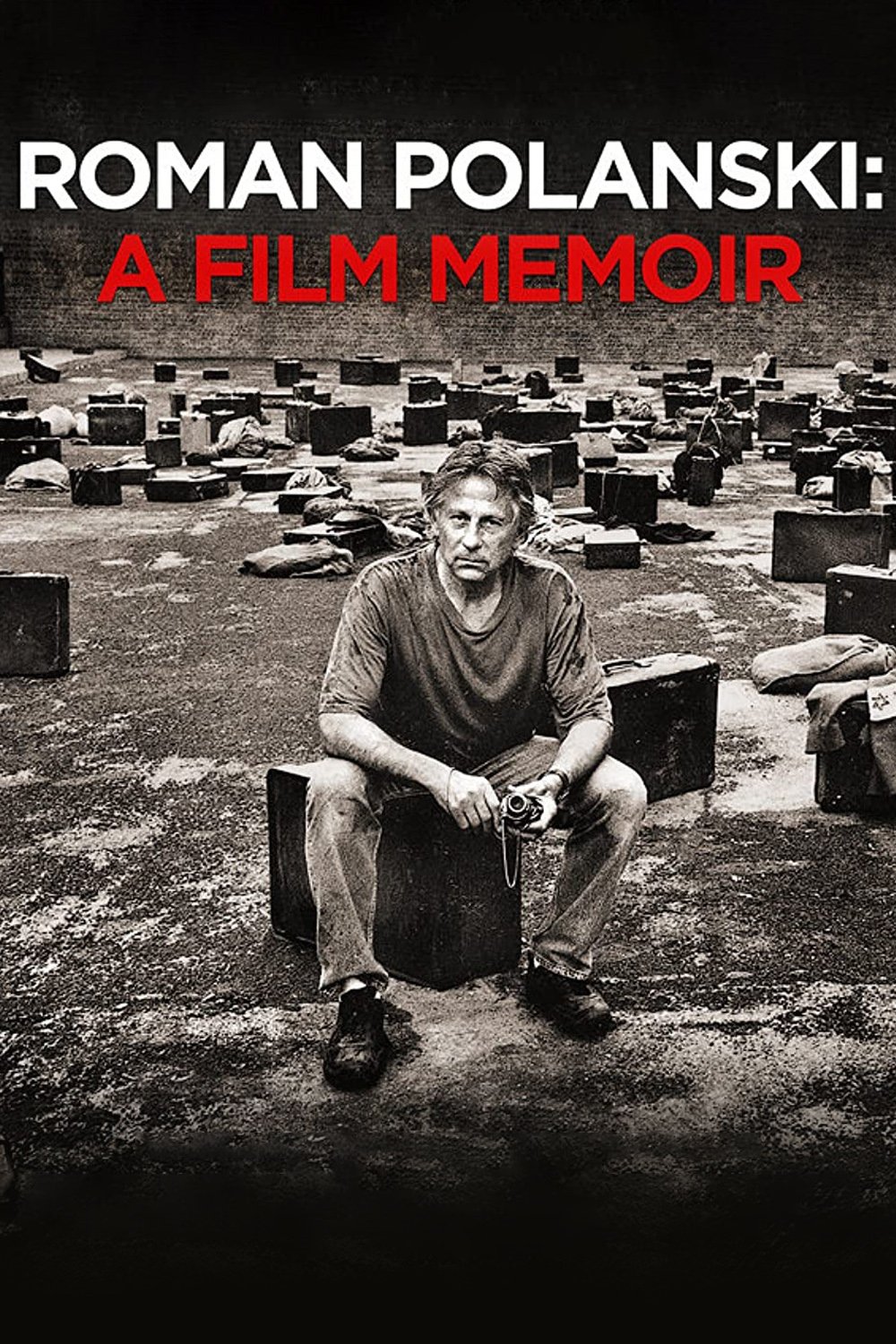
An interview with film director Roman Polanski conducted during his period of house arrest, discussing his life and work.
Musician and performance artist Laurie Anderson reflects on the deaths of her husband Lou Reed, her mother and her beloved dog.
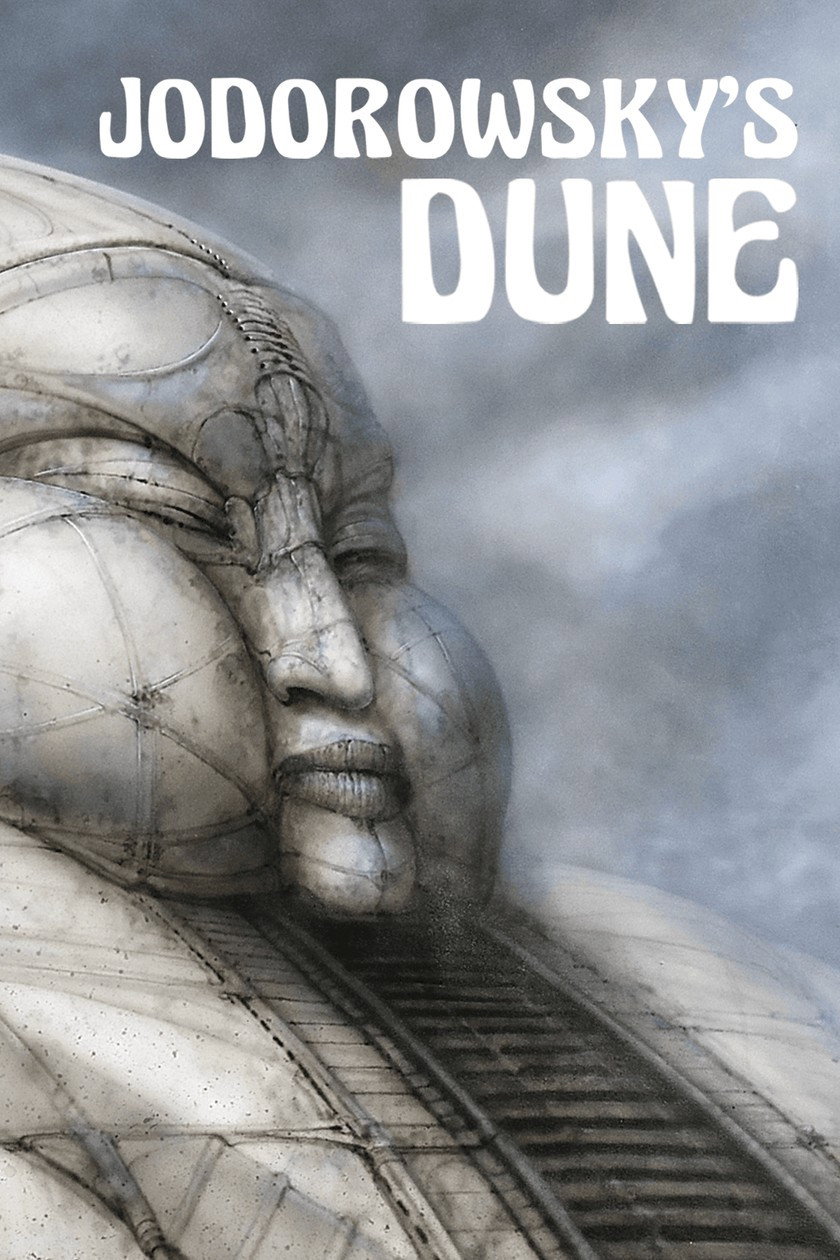
In 1974, Chilean-French director Alejandro Jodorowsky embarked on the quixotic project of adapting Frank Herbert's influential novel Dune (1969) for the big screen. After investing two years, and millions of dollars, the gigantic project ended in failure; but the artists Jodorowsky brought together to carry it out continued to work together, and ended up laying the foundations for modern science fiction cinema.
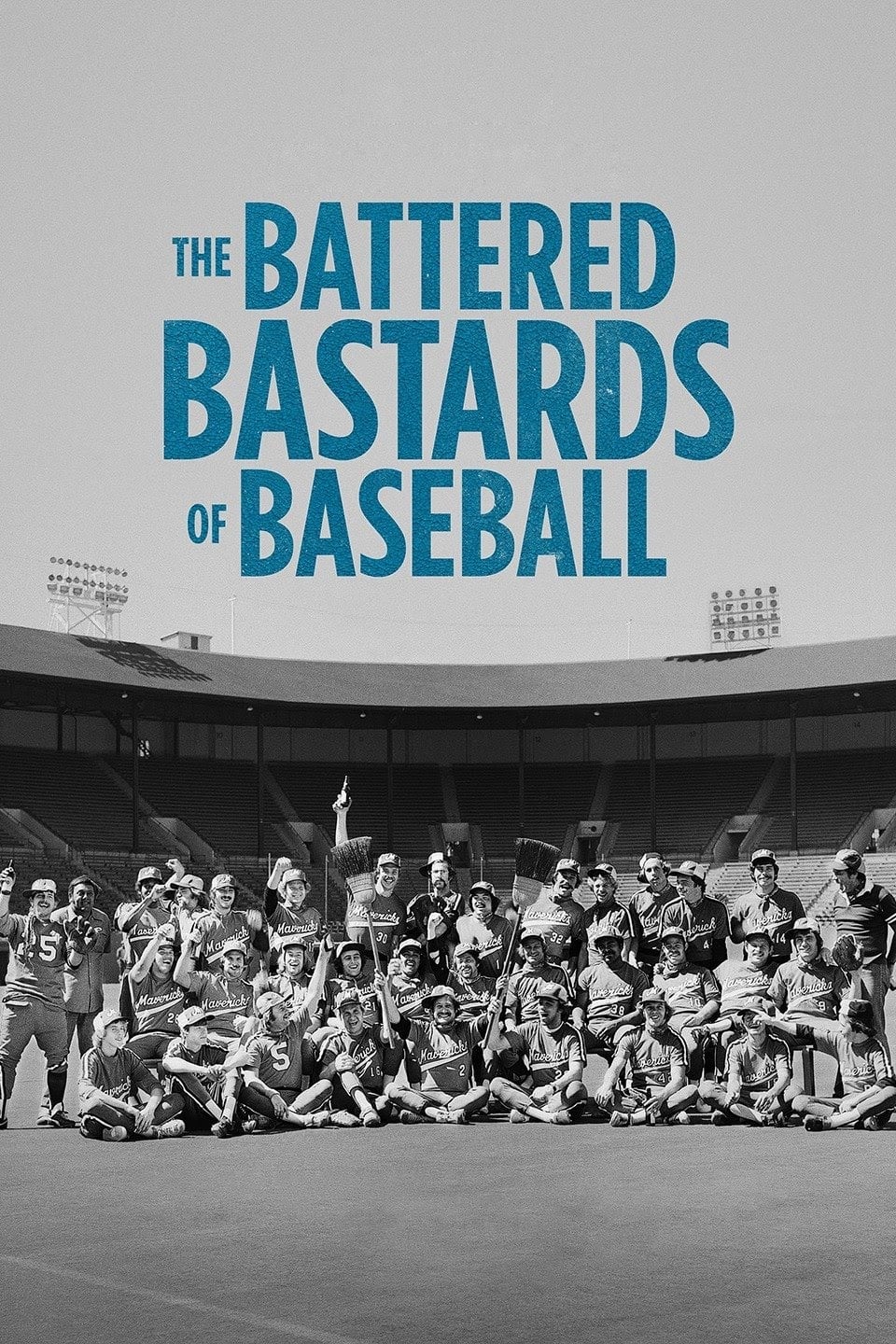
Hollywood veteran Bing Russell creates the only independent baseball team in the country—alarming the baseball establishment and sparking the meteoric rise of the 1970s Portland Mavericks.
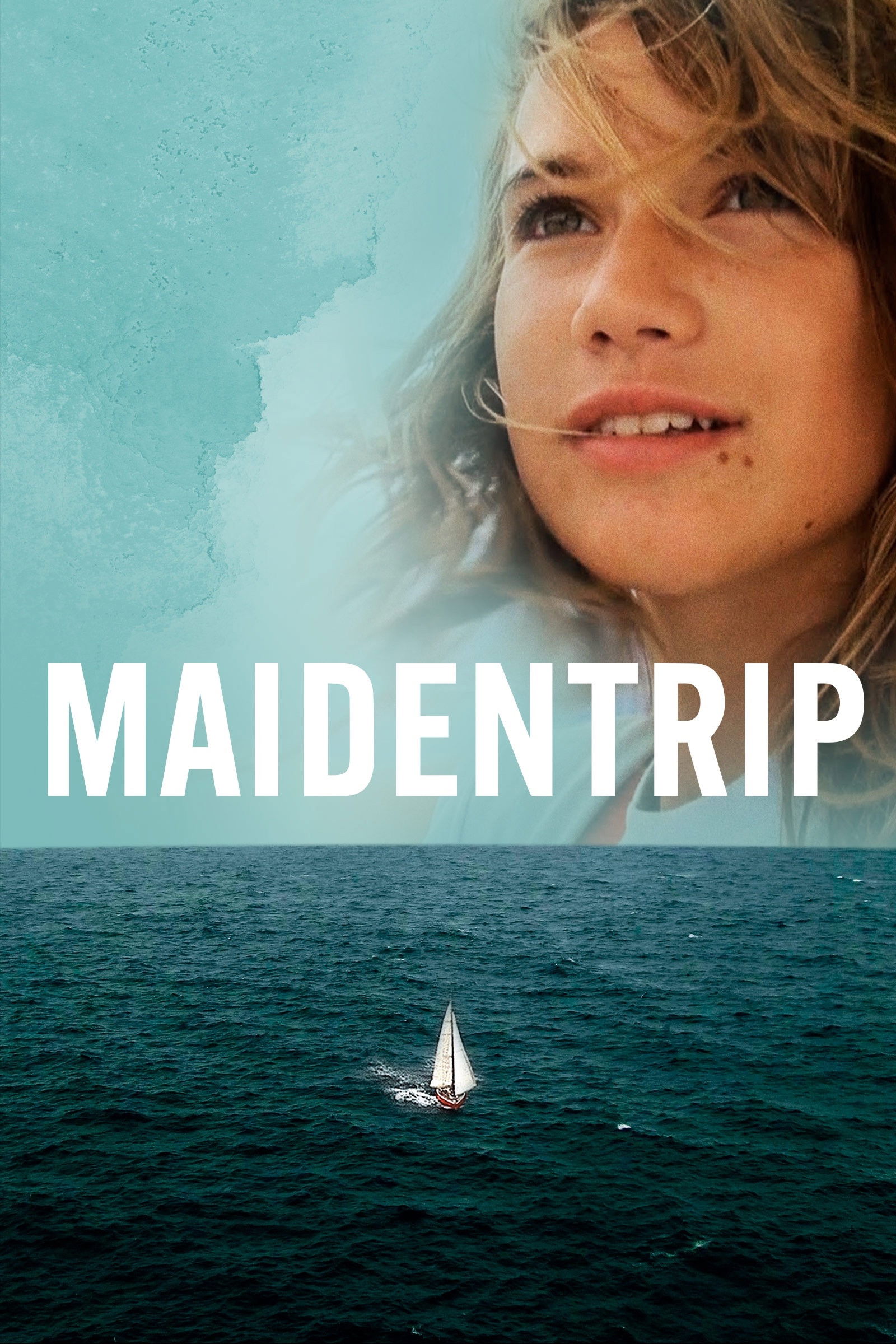
14-year-old Laura Dekker sets out on a two-year voyage in pursuit of her dream to become the youngest person ever to sail around the world alone.
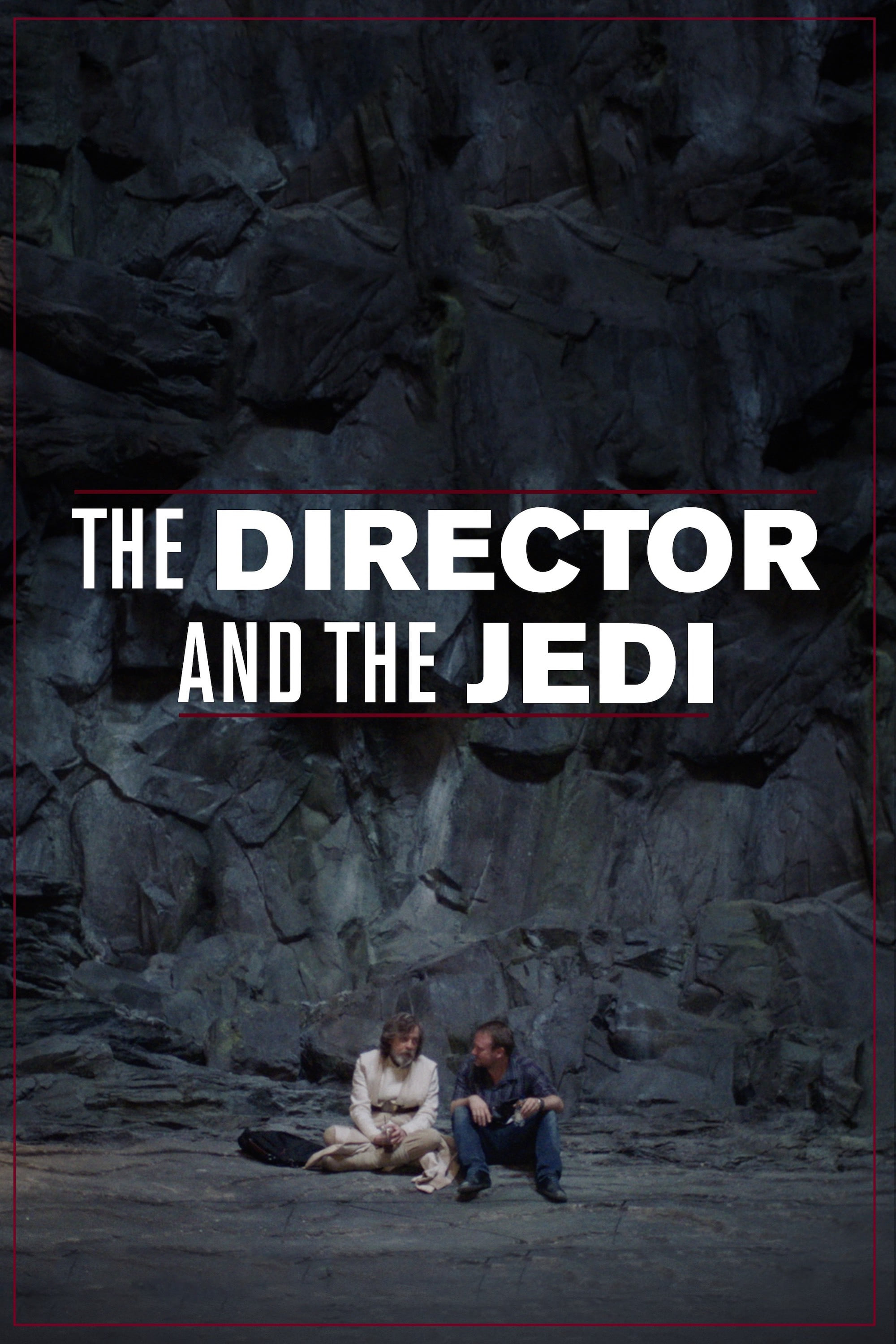
An intimate documentary delving into Rian Johnson's process as he comes in as a director new to the Star Wars universe.
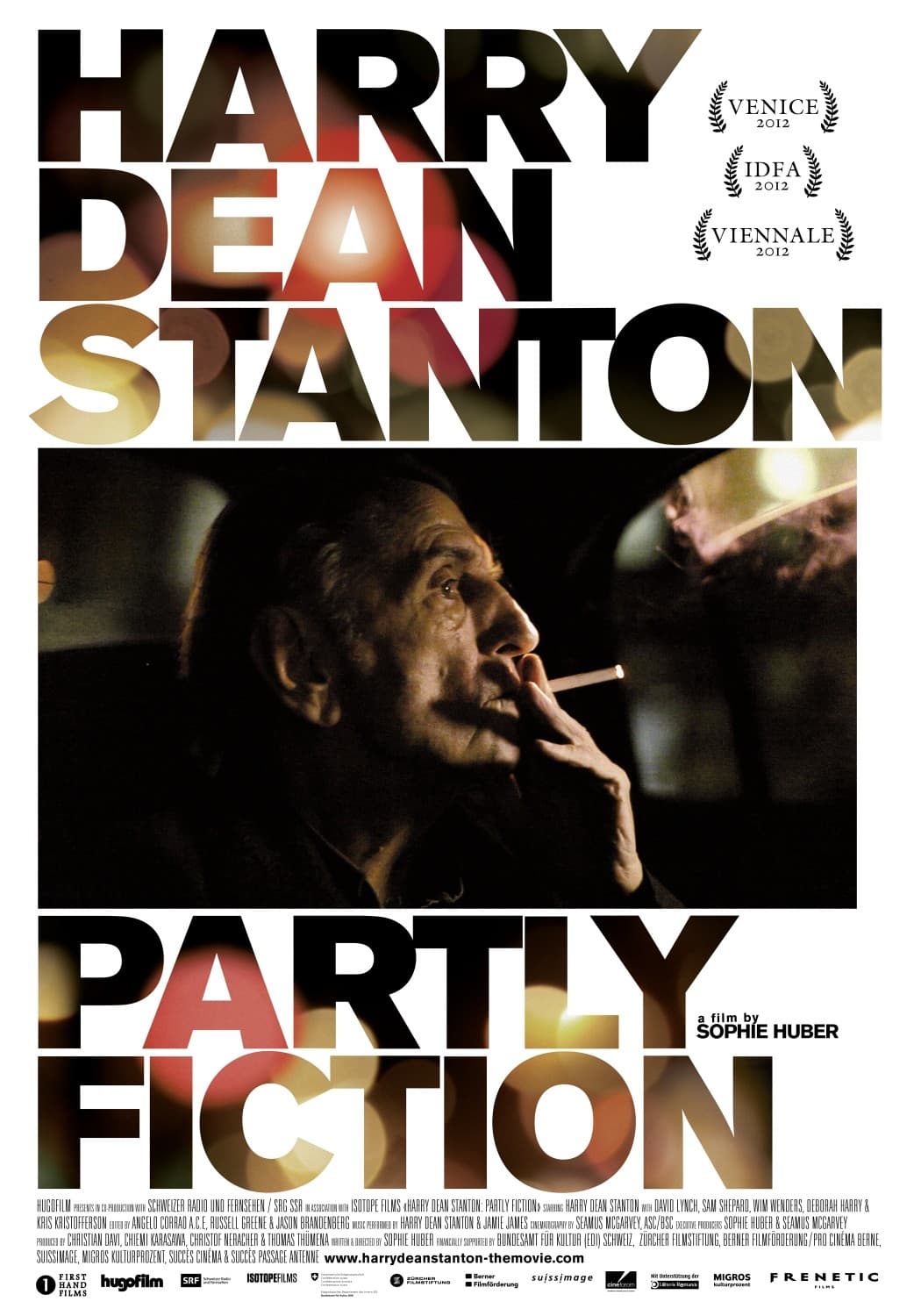
An impressionistic portrait of the iconic actor Harry Dean Stanton comprised of intimate moments, film clips from some of his 250 films and his renditions of American folk songs.
The life and career of an actor, artist, and icon. His own journey through his own camera.
Brilliant, long in-the-works story of the life and art of the world's greatest comedian and the cinema's first genius, Charlie Chaplin. Produced, written and directed by renowned film critic Richard Schickel.
A subjective documentary that explores various theories about hidden meanings in Stanley Kubrick's classic film The Shining. Five very different points of view are illuminated through voice over, film clips, animation and dramatic reenactments.
An inside look at one of the most anticipated movie sequels ever with James Cameron and cast.
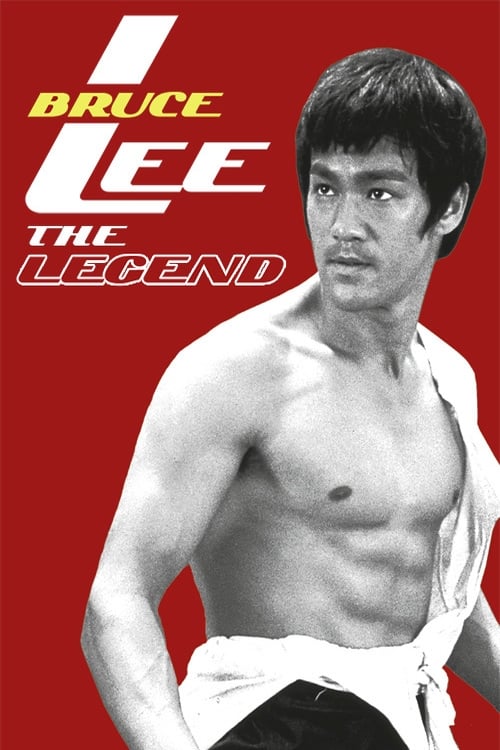
The Official Golden Harvest tribute to the Master of the Martial Arts Film, Bruce Lee.
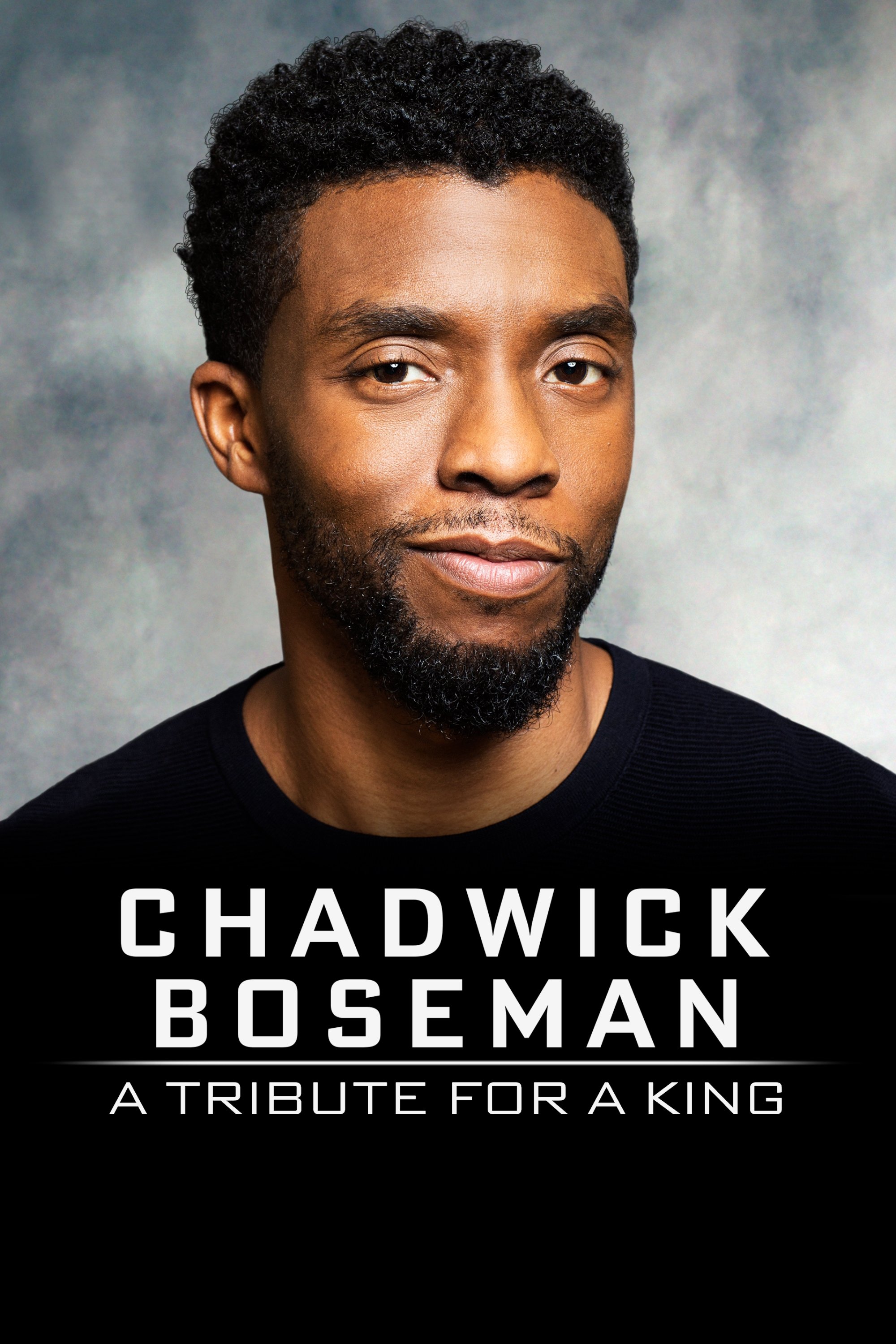
A tribute to Chadwick Boseman, celebrating his life and legacy.
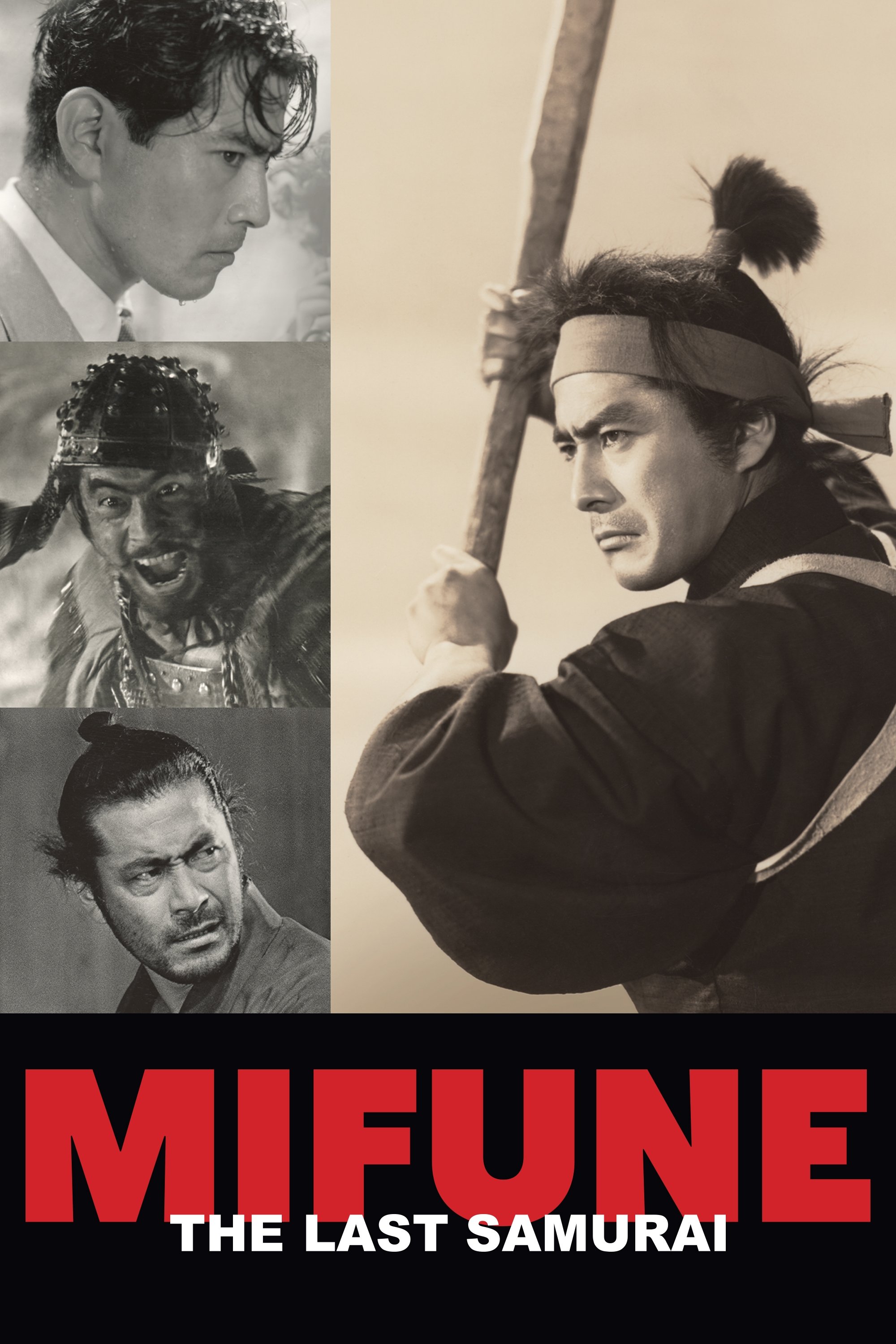
An account of the life and work of legendary Japanese actor Toshirō Mifune (1920-97), the most prominent actor of the Golden Age of Japanese cinema.
Through deeply personal interviews with her siblings and an examination of the photographs, letters, and belongings left behind, Mariska assembles a new portrait of her mother Jayne Mansfield, an extraordinary and complex woman.