Social & External
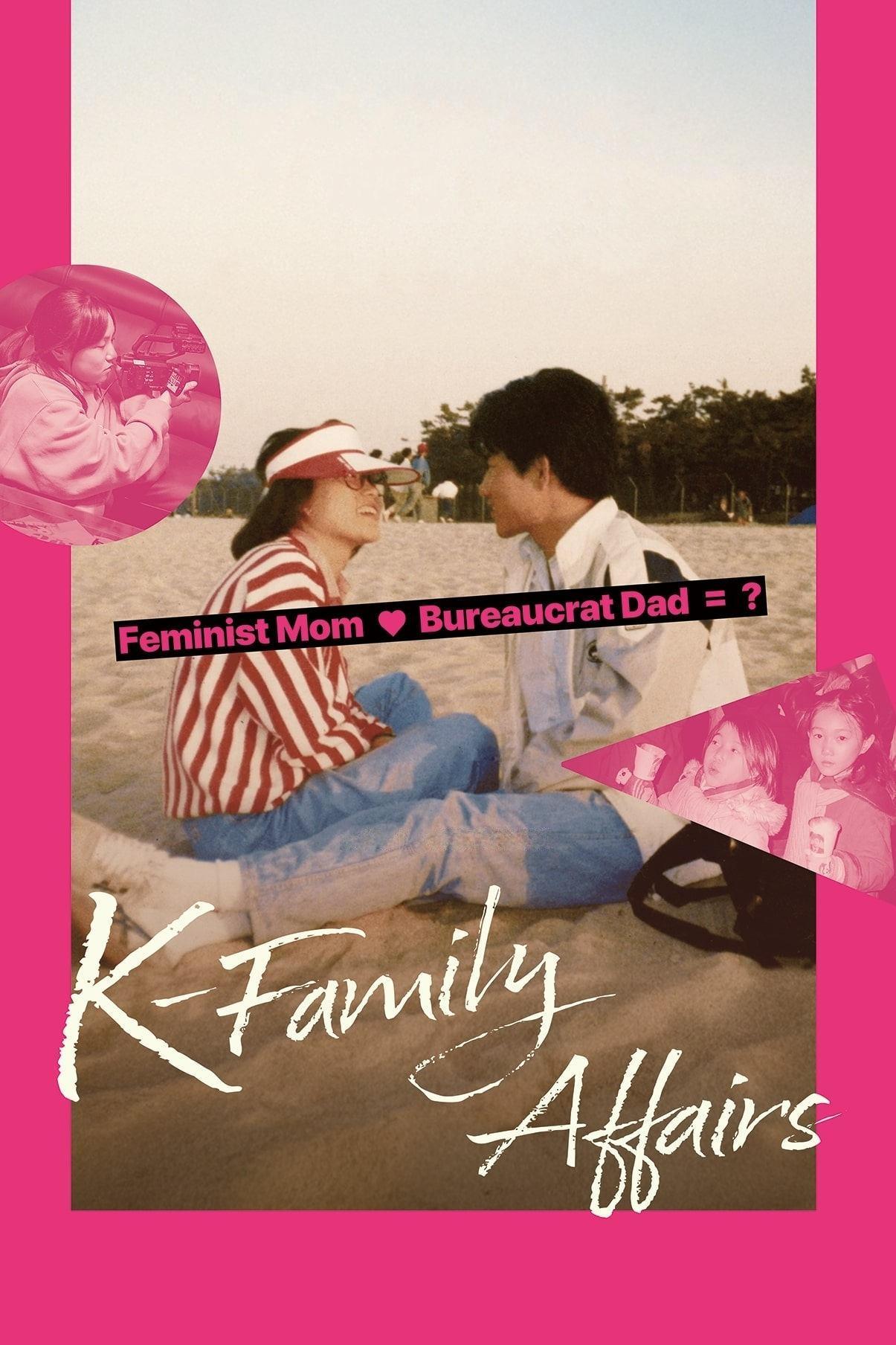
In her first feature-length documentary, filmmaker Nam Arum turns her camera on her parents, two members of South Korea’s 386 Generation. The political activism of this generation came to a head in June 1987 with major protests that forced the authoritarian government to hold universal suffrage elections and implement key democratic reforms. Over 35 years later, the filmmaker reflects on the state of this democracy through a warm-hearted family portrait set against the backdrop of the country’s recent history. Using a personal and intimate cinematic style, Arum examines her father's adherence to conventionality as a high-ranking civil servant and her mother's fervent enthusiasm as a feminist activist. In the midst of these two contrasting dynamics, Arum seeks to discover her own role and how she can contribute to social change.
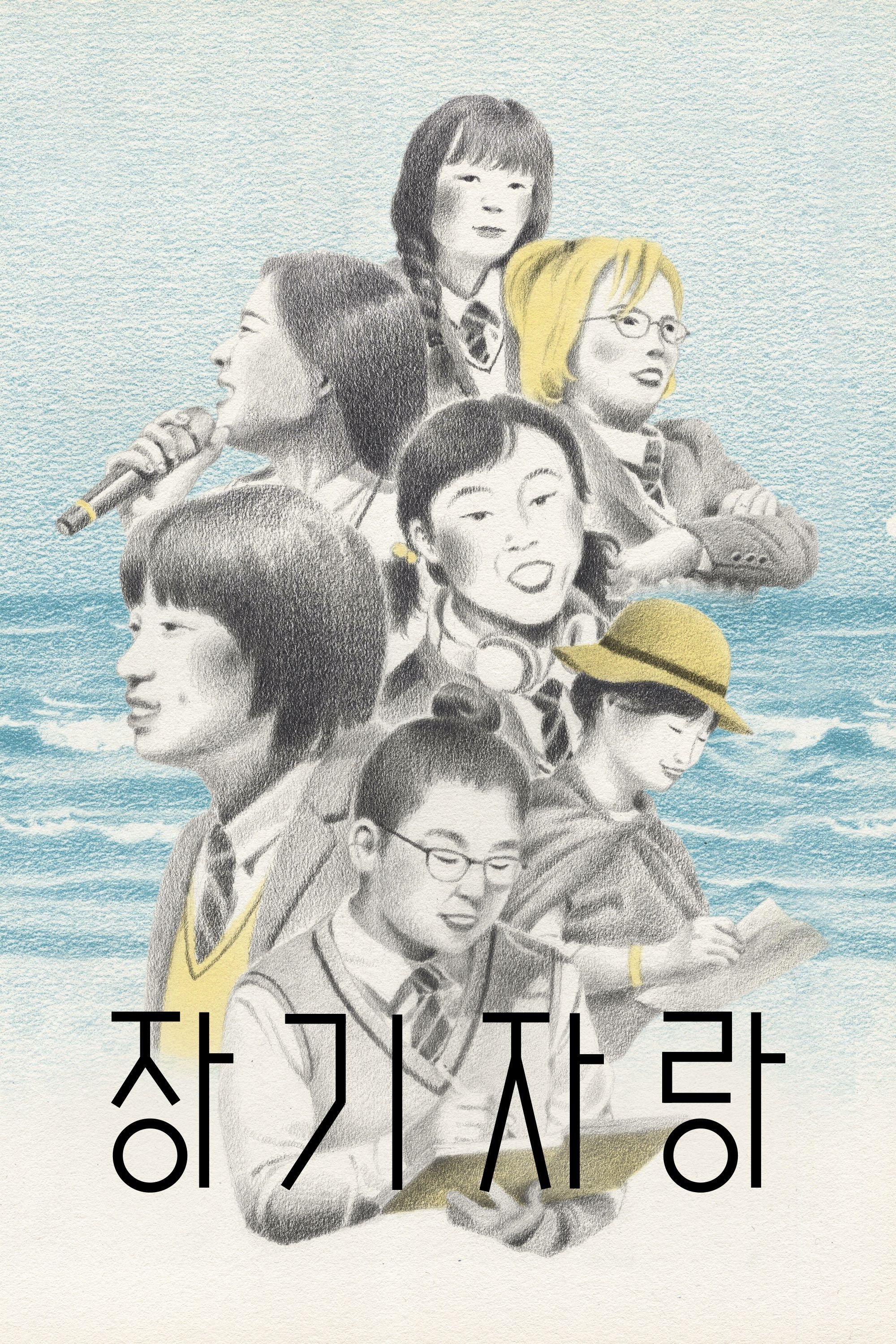
Middle-aged women start acting and launch a drama club. However, nothing big or small goes right. But they never give up the play.
The film traces PARK Geun-hye's life back to the 1970s, when the leader-follower relationship began between PARK, who became the first lady of the Yushin regime, and CHOI Taemin, the leader of a pseudo-religion. It then examines the Sewol ferry incident, CHOI Soonsil Gate, candlelight rallies, and finally the impeachment.
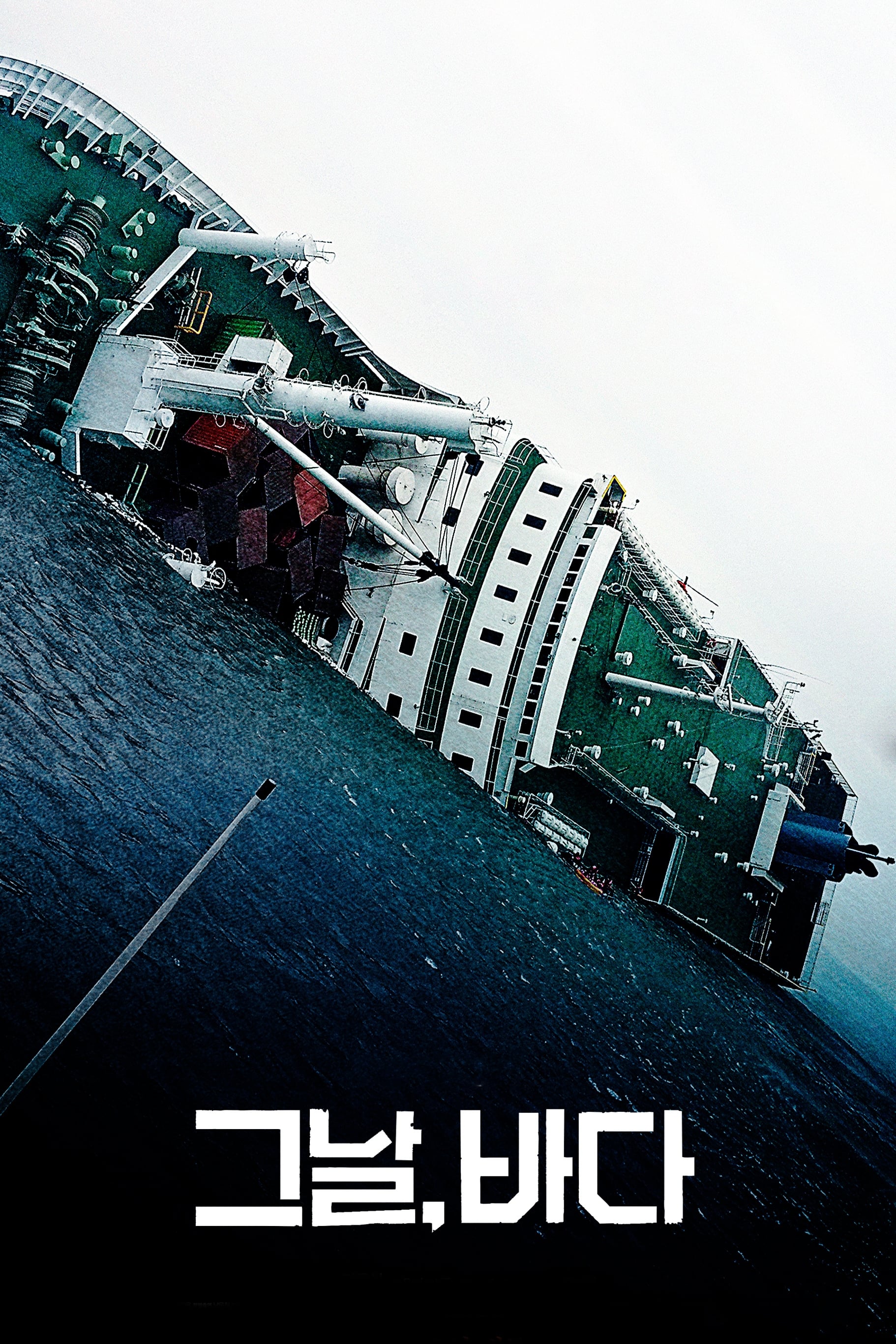
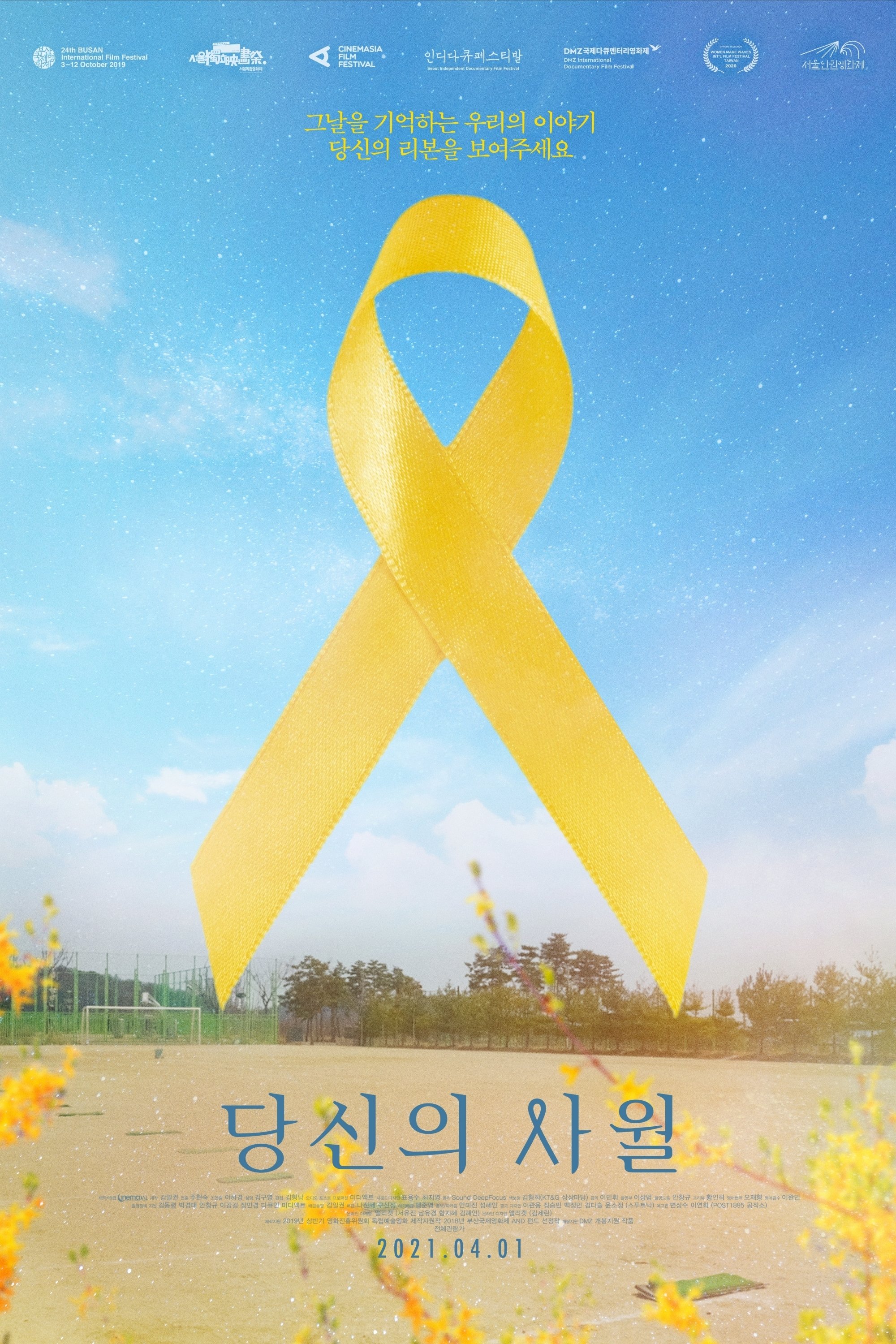
A documentary on the South Korean ferry disaster that claimed the lives of more than 300 passengers in April, 2014.
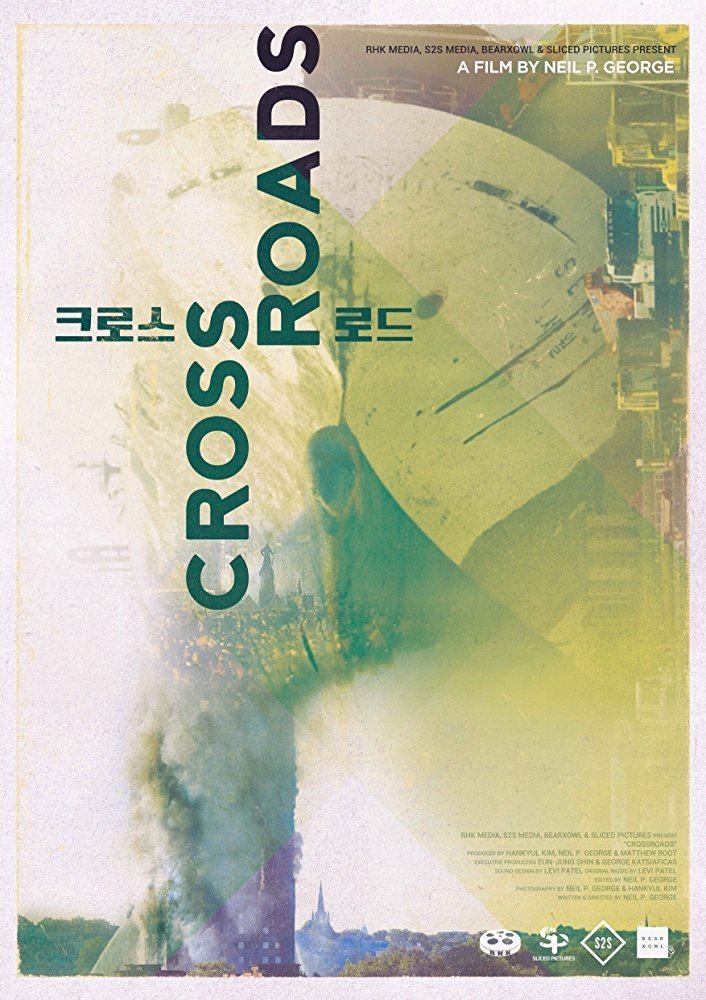
Crossroads explores the ever changing face of South Korea since the Sewol ferry disaster that tragically killed 304 people, mainly schoolchildren, in April 2014. The film takes us on a journey through Korean modern history exploring the changes the country has gone through since April 16th 2014, encompassing emotional re-enactment narrations from survivors, interviews with family members, activists, historians and the general public, as we go in search of how Korea came to yet another crossroad in its history.
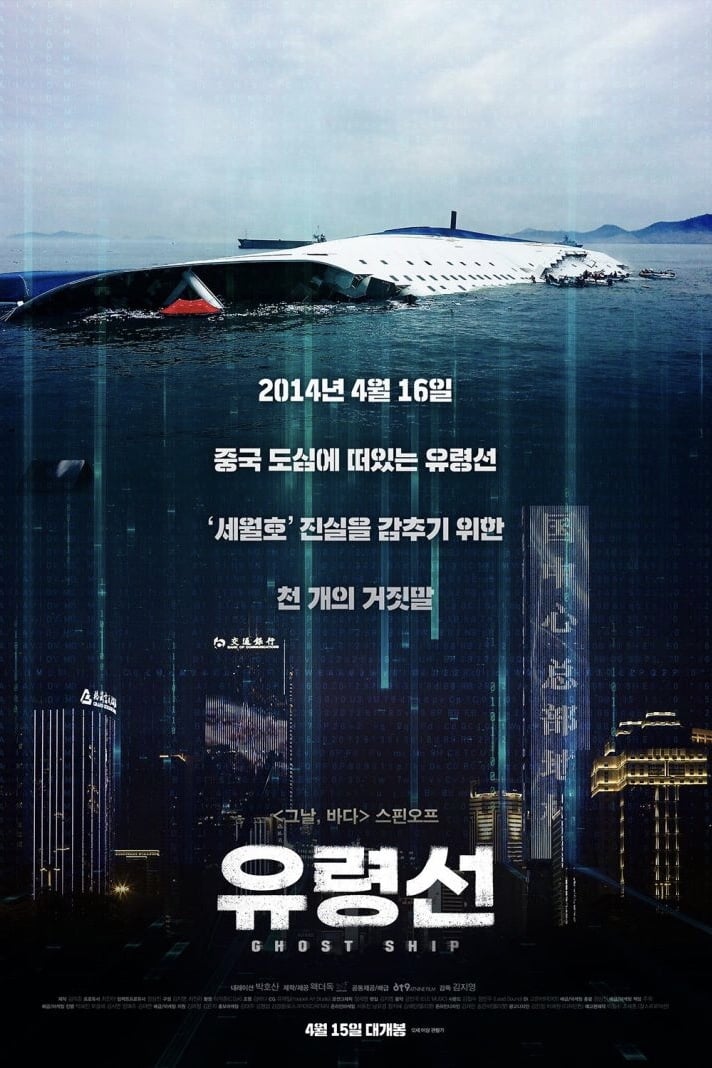
A thousand lies to conceal the truth of the Sewol Ferry. As many as 1,000 ships, 160,000 AIS data, were manipulated to hide the truth behind the sinking of the Sewol Ferry on April 16, 2014. Who are the organizers of this and why did they build a ghost ship! We must ask persistent questions. Since that day, nothing has been revealed yet. Government AIS data of a thousand lies. Now it is time for the Korean prosecution to answer.
A documentary that scientifically analyses and tracks down the route of the Sewol Ferry that sank on the 16th of April in 2014 using its AIS to discover the cause of the unconfirmed sinking.
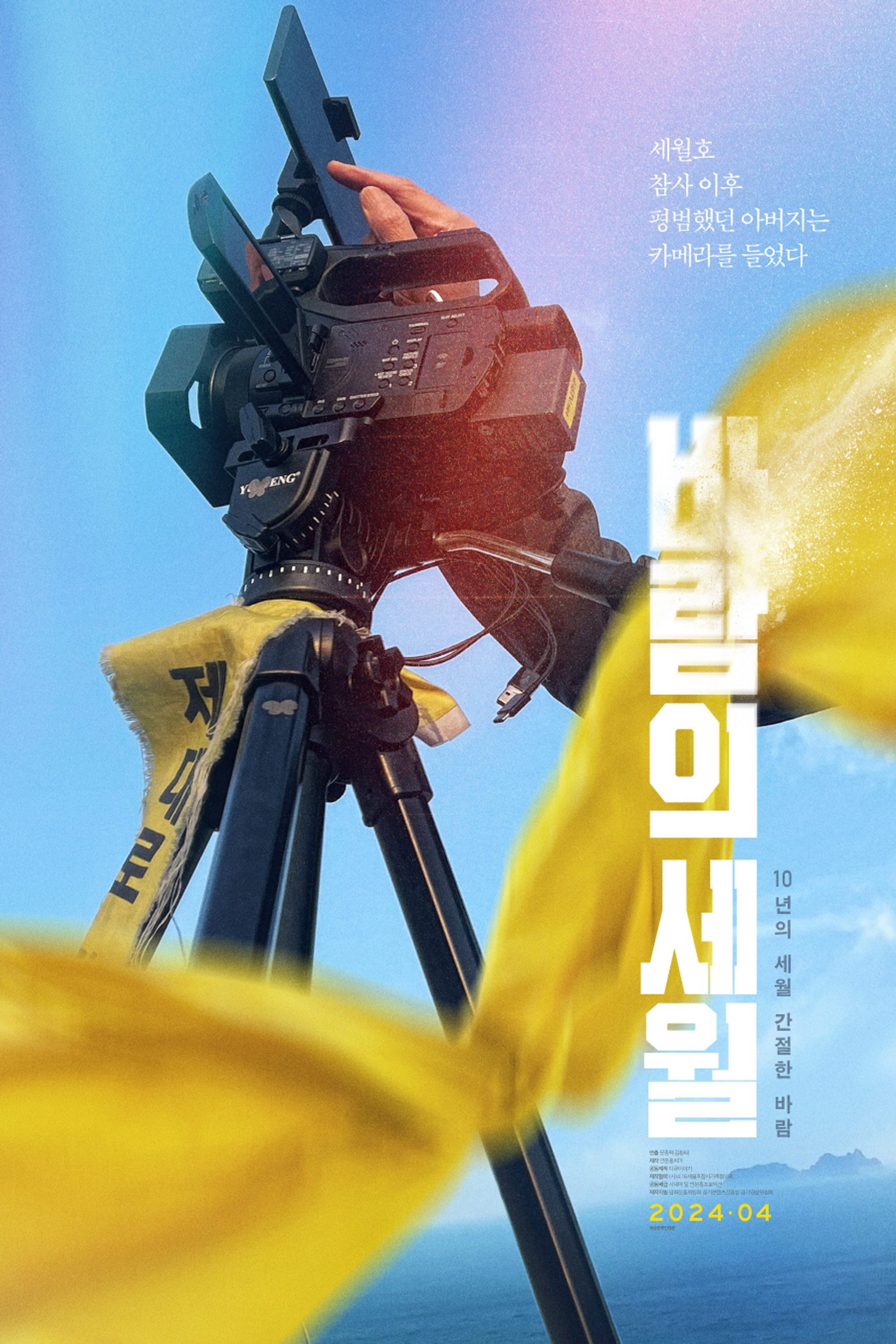
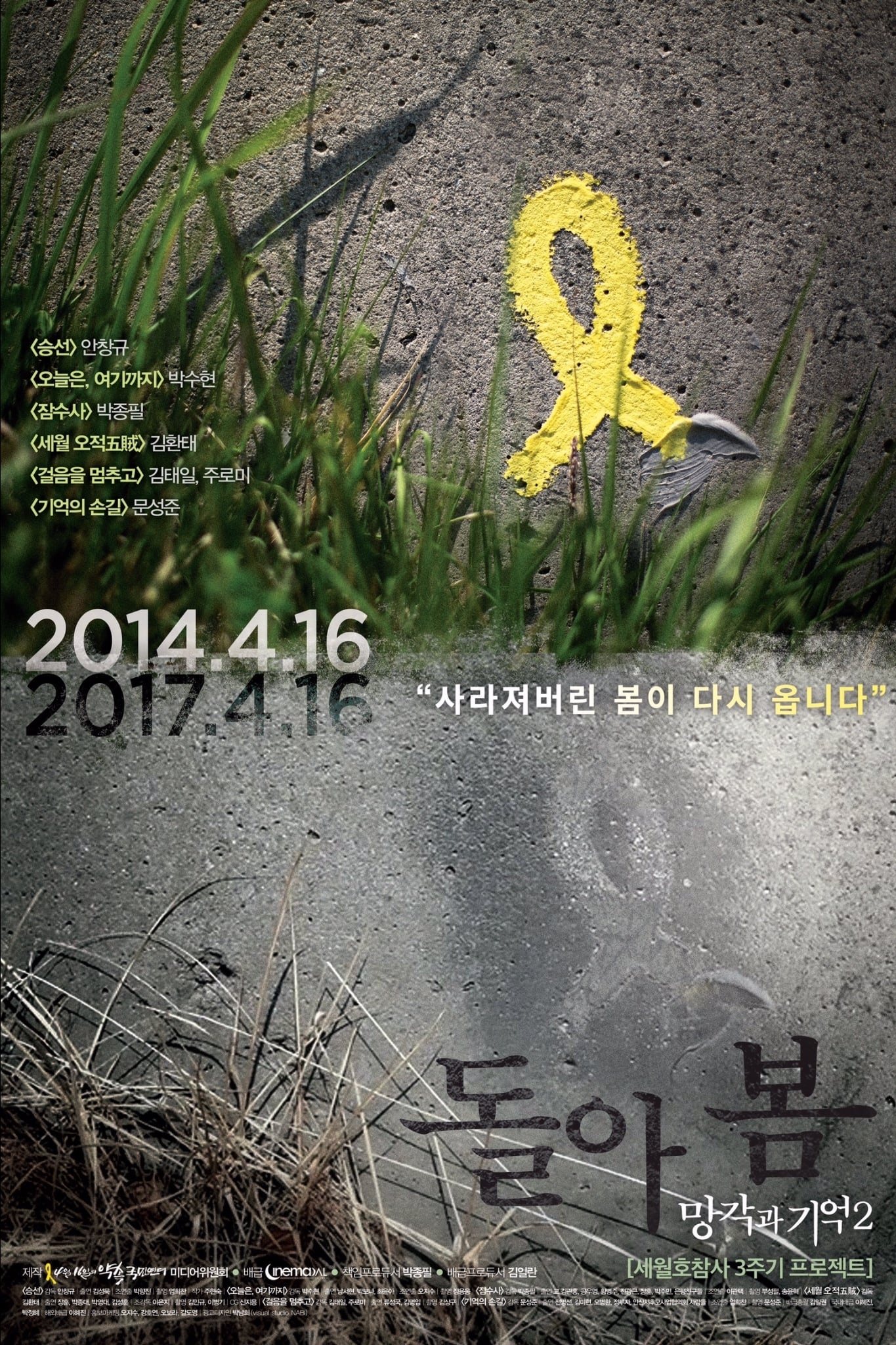
The 10-year struggle of the families who lost their children from the Sewol Ferry Disaster.
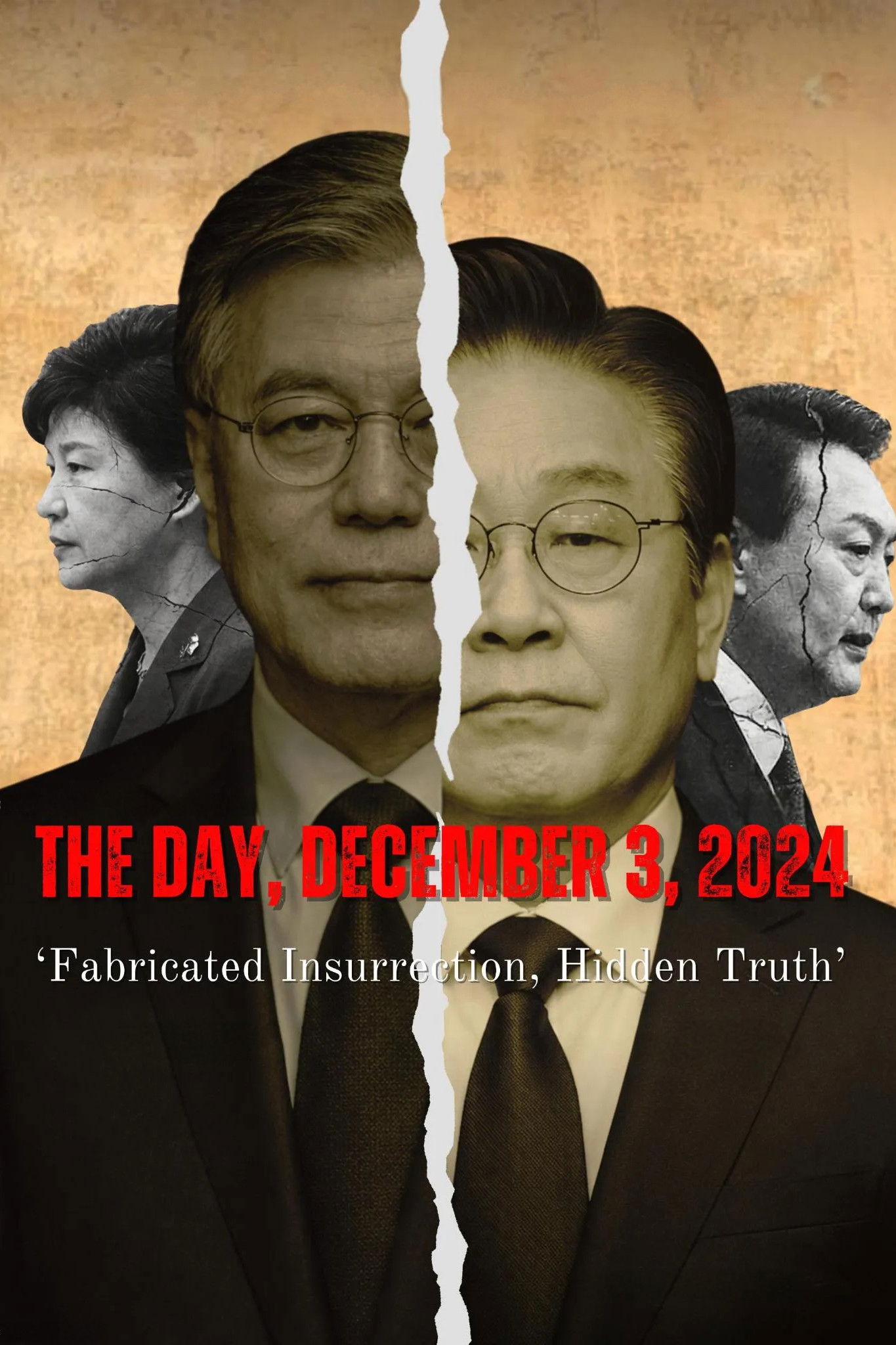
On the night of December 3, 2024, South Korea was thrown into chaos. What the public first heard as "an insurrection" quickly became one of the most polarising political events in modern Korean history. This documentary revisits that night and asks a deeper question: Was it really a coup attempt or the result of a calculated political trap? Through interviews, legal analysis, and evidence, the film investigates the impeachment of President Yoon Suk-yeol and the rapid collapse of his administration. It explores claims that an overwhelming opposition majority, built through alleged election manipulation, enabled a form of "legislative dictatorship" that mirrored the path that led to President Park Geun-hye's impeachment eight years earlier.
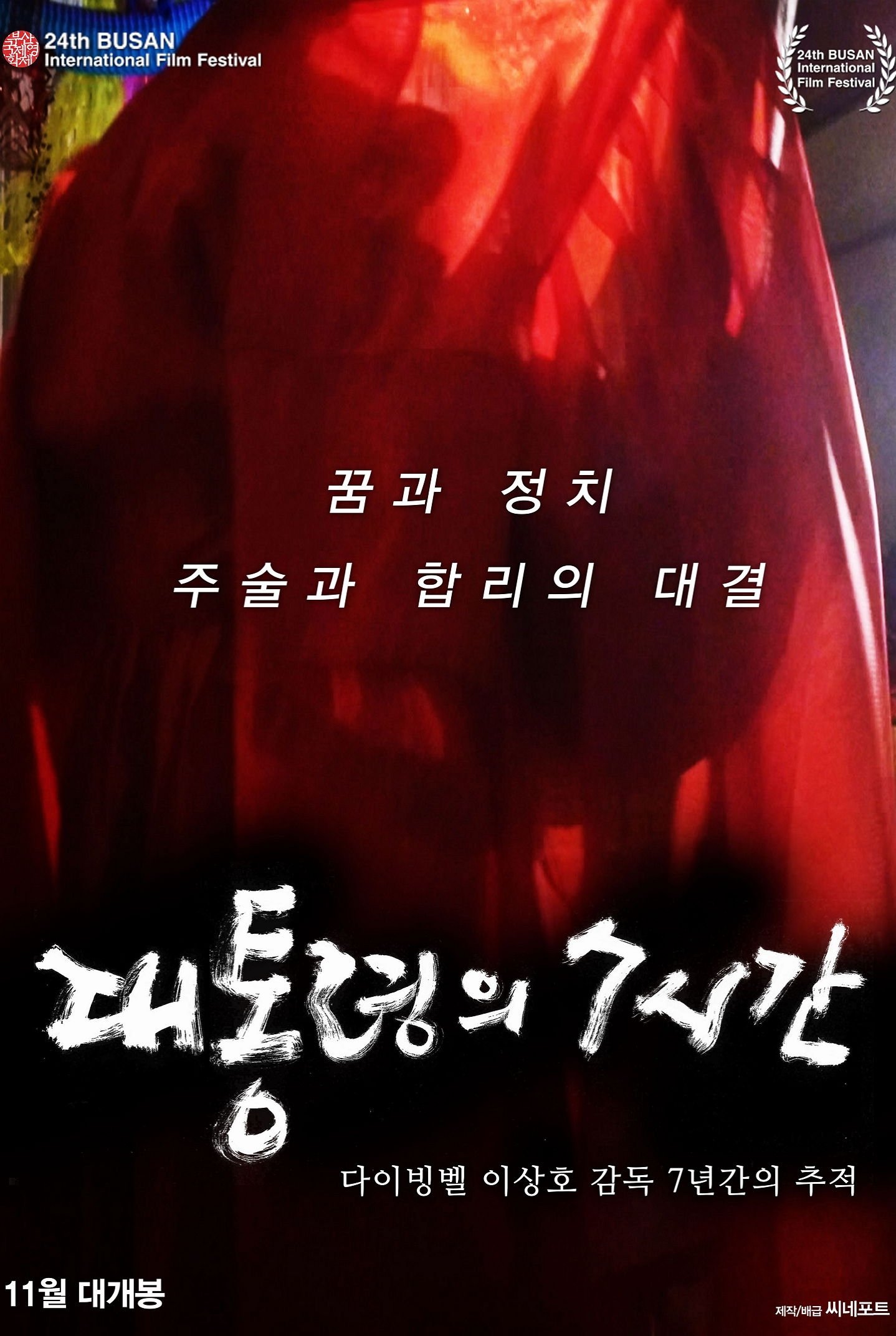
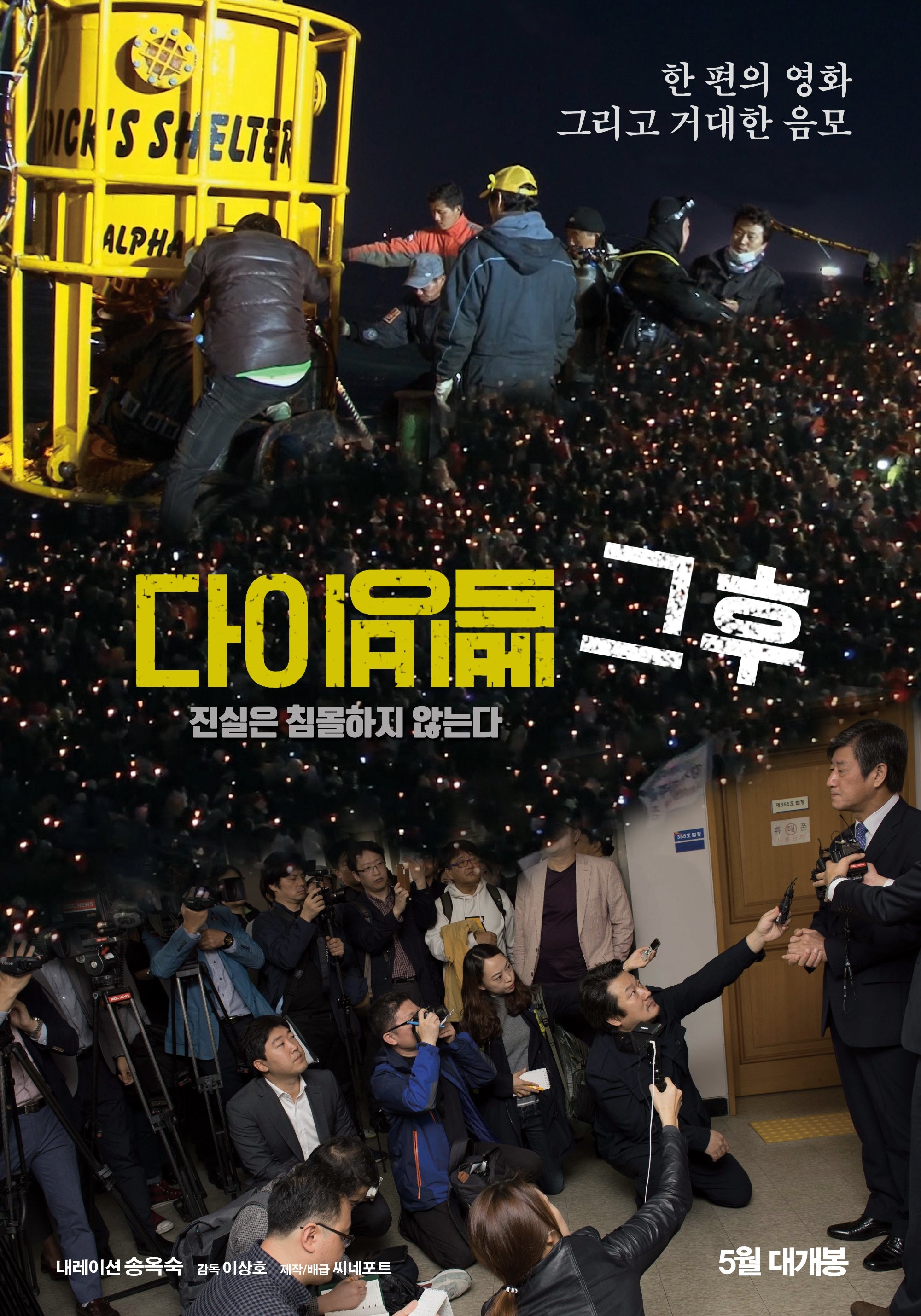
A documentary that reports on the the rescue failure of the Sewol incident. In the days of media control, Park Geun-hye and her government sabotaged the screening of "Diving Bell" at the Busan International Film Festival.
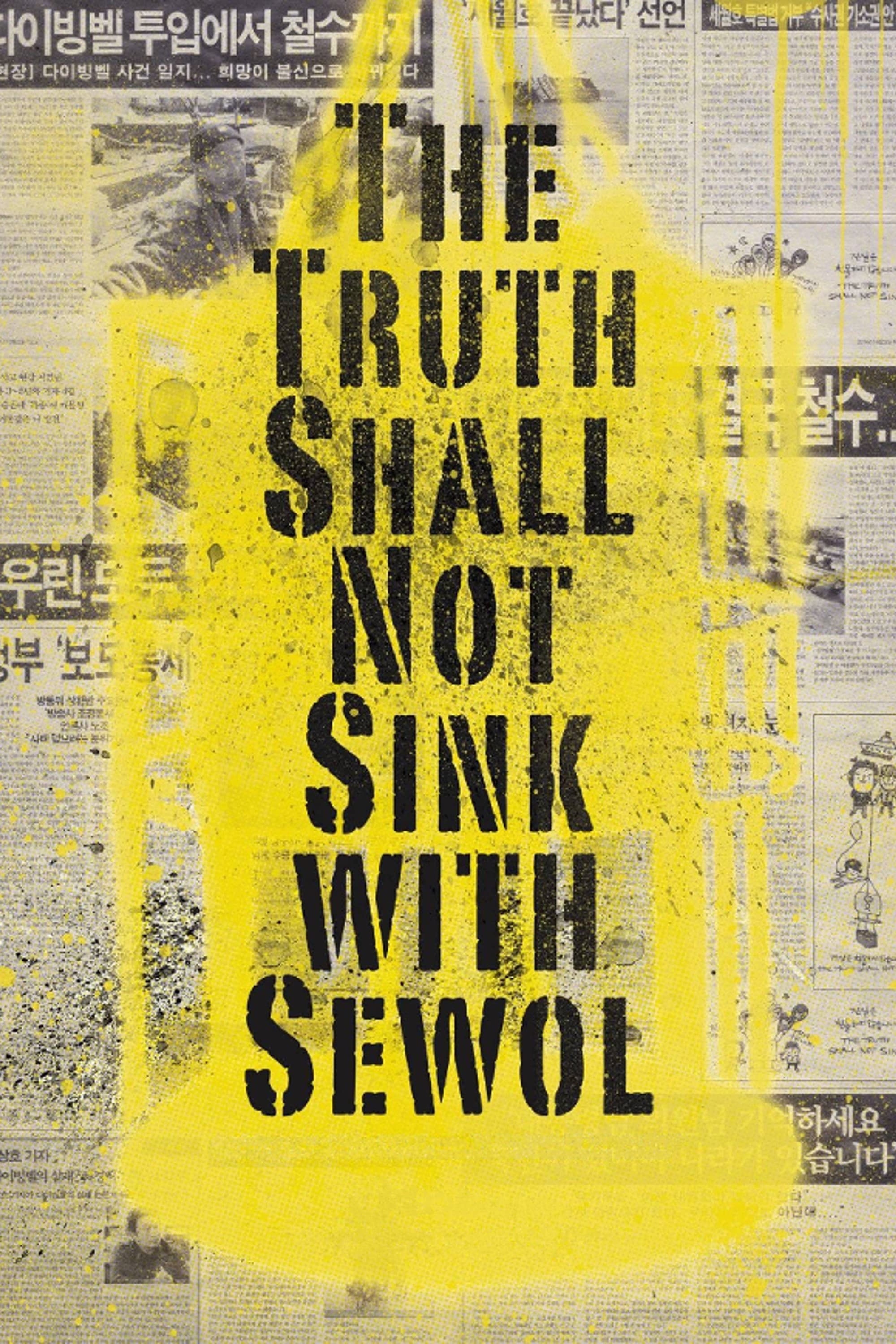
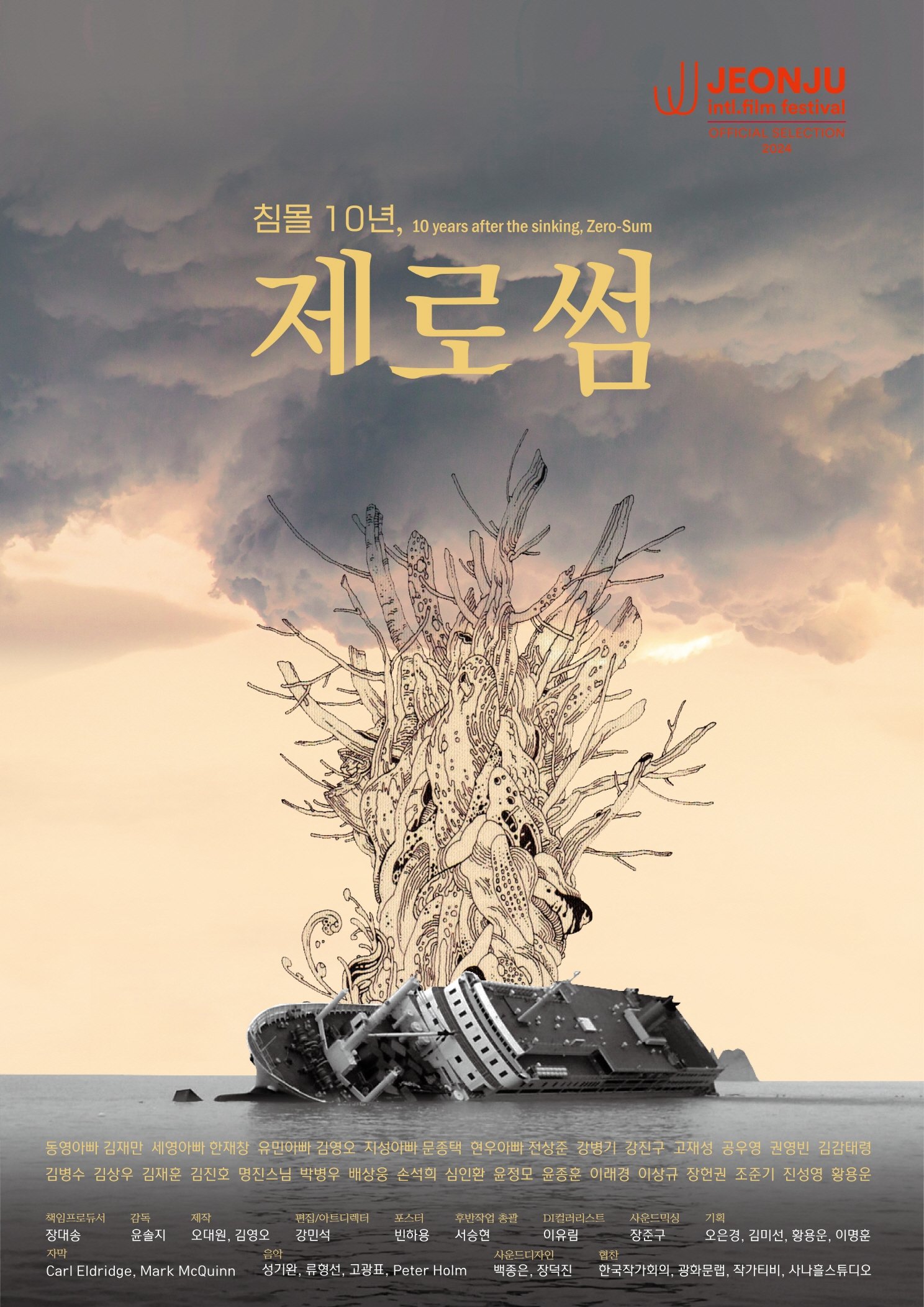
Ten years ago, 304 innocent people aboard the Sewol ferry in Korea lost their lives at sea. The reason for the sinking and the complete failure of the rescue are crucial factors yet to be revealed. But the government continues to withhold key evidence, citing national security reasons. This documentary finds a conclusion of why all the matters have gone wrong.
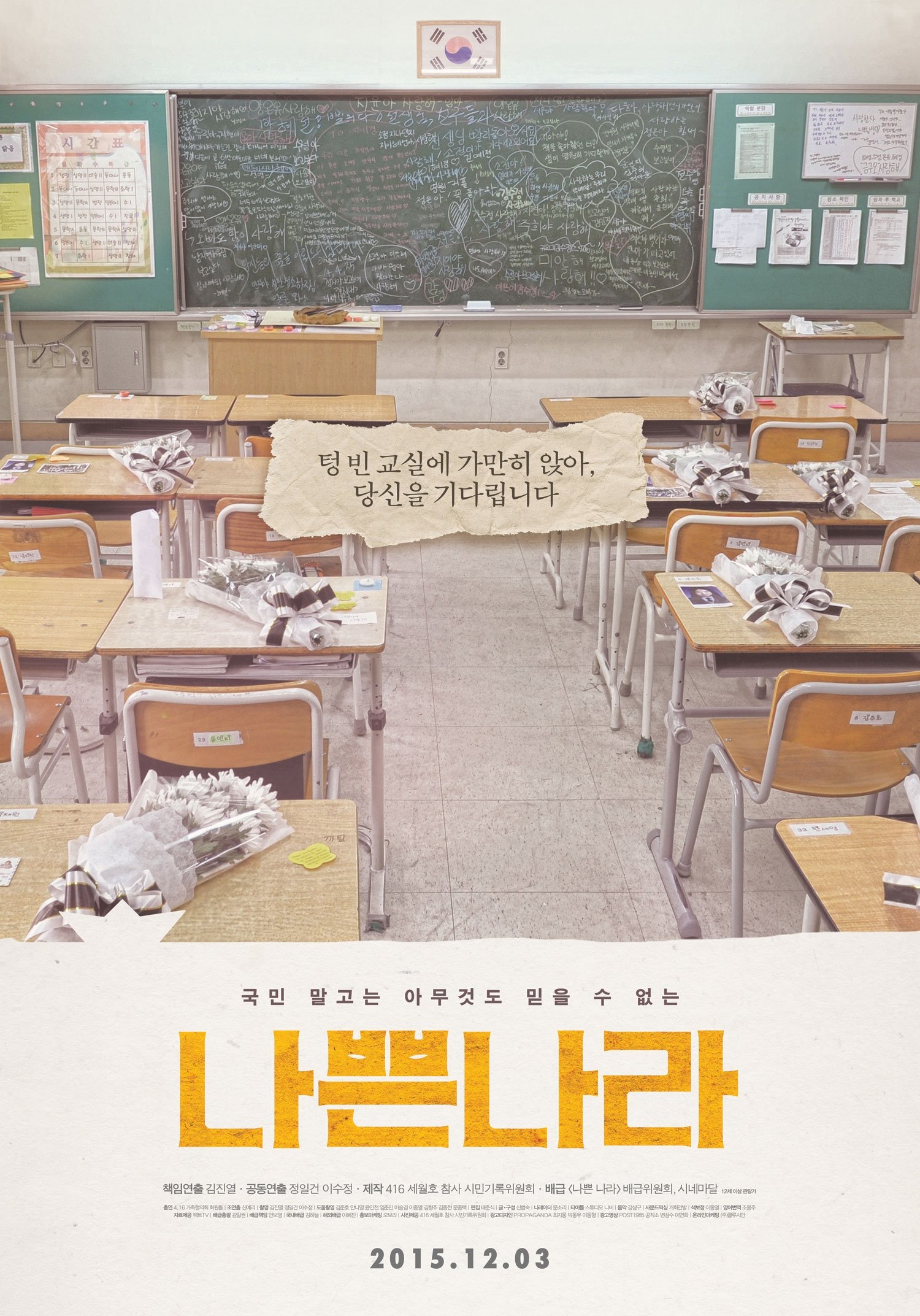
In April 2014, the entire nation of South Korea watched on television live as The Sewol capsized off the coast of Jindo. The tragedy left life-long wounds in the hearts of people whose family and friends had been among the 304 passengers killed. The majority of the victims were high school students on a school trip. Their parents were not even given the luxury of grieving, as they had to camp out in front of the Parliament, City Hall and the Presidential House, asking for only one thing - to know the truth about why their children had been left to die. But after more than a year, that truth has yet to be brought to light. This film is a documentation of the year-long struggle and painful soul-searching of people destined to be labelled as 'bereaved families' for the rest of their lives, as they come face to face with the naked face of their cruel country.
When the MV Sewol ferry sank off the coast of South Korea in 2014, over three hundred people lost their lives, most of them schoolchildren. Years later, the victims’ families and survivors are still demanding justice from national authorities.
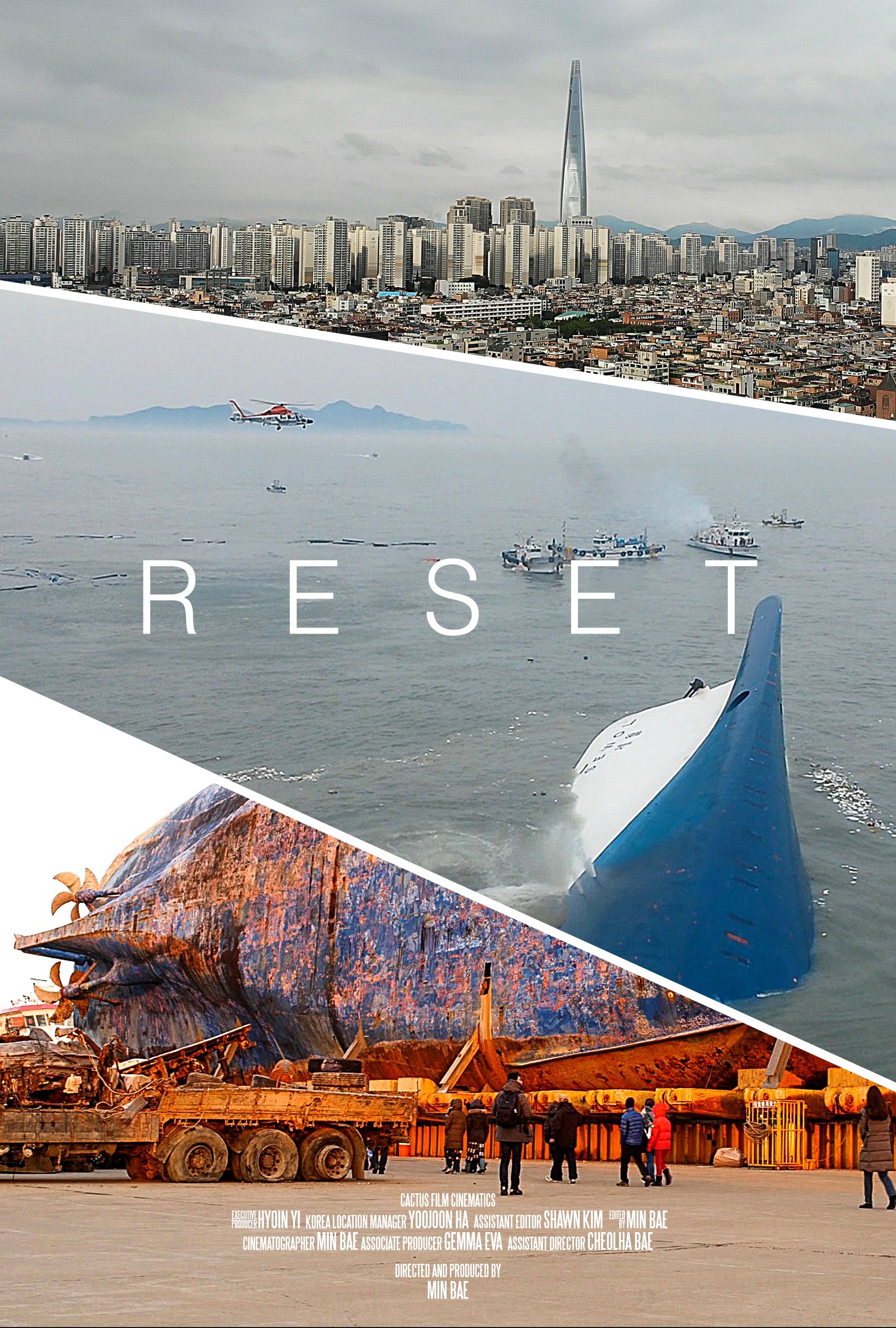
On April 16th, 2014, the Sewol Ferry sank in South Korea, taking with it the lives of 304 of its 476 passengers. South Korea's worst maritime disaster traumatized a nation while simultaneously sinking the country's emotional spirit. The film asks why the rescue of Korea's children and people was neglected on the fateful day the Sewol sank.
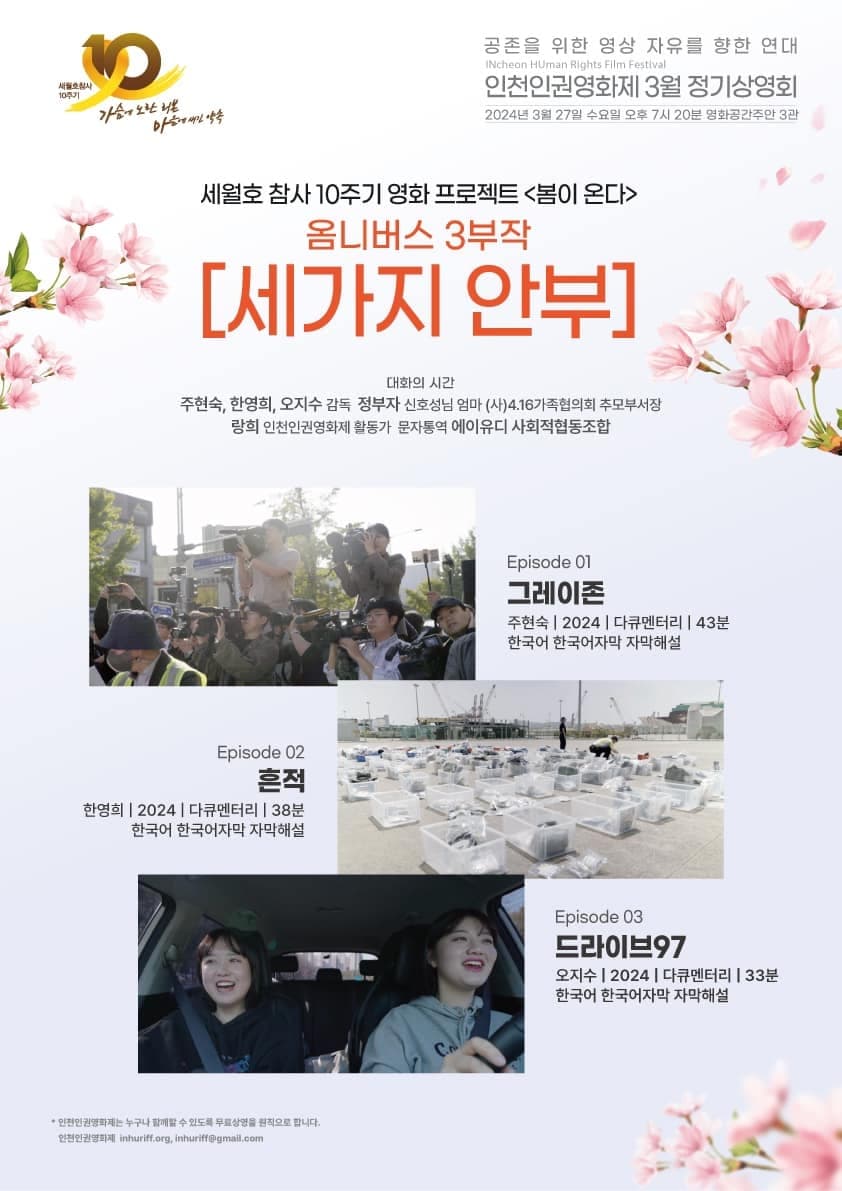
This documentary tells the story of people who were at the scene of the 2014 Sewol Ferry disaster: journalists, bereaved families of the victims, and the survivors. Ten years after the disaster, what did it leave them? These are three omnibus documentaries with different perspectives.
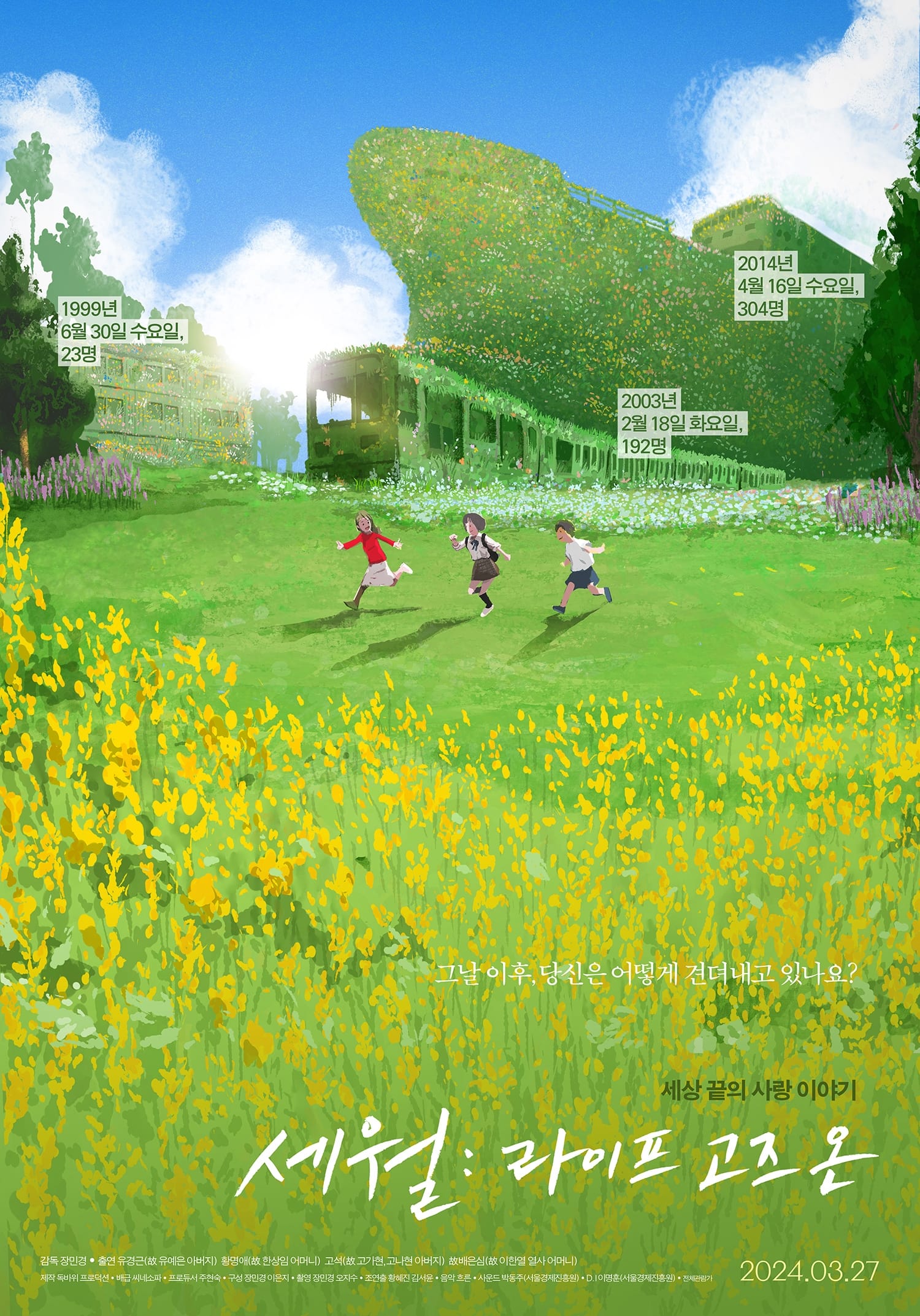
Yoo Kyung-geun, who lost her daughter Ye-eun in the Sewol Ferry Disaster, sits down at the podcast production studio. It is to meet with the bereaved families of numerous social disasters before and after the Sewol Ferry Disaster. They are Hwang Myung-ae, the mother of Han Sang-im who died in the 2003 Daegu Subway Fire, Ko Seok, the father of Gahyun and Nahyun who died in the 1999 Sealand Youth Training Center Fire, and Bae Eunsim, the mother of Lee Hanyeol who died in 1987's June Struggle. The bereaved families talk about "the life after" and their daily lives, and Yoo Kyung-geun learns to live without Ye-eun.
10 years have passed since the Ferry Sewol disaster. People are still waiting for the truth about the incident at Paengmok Port.
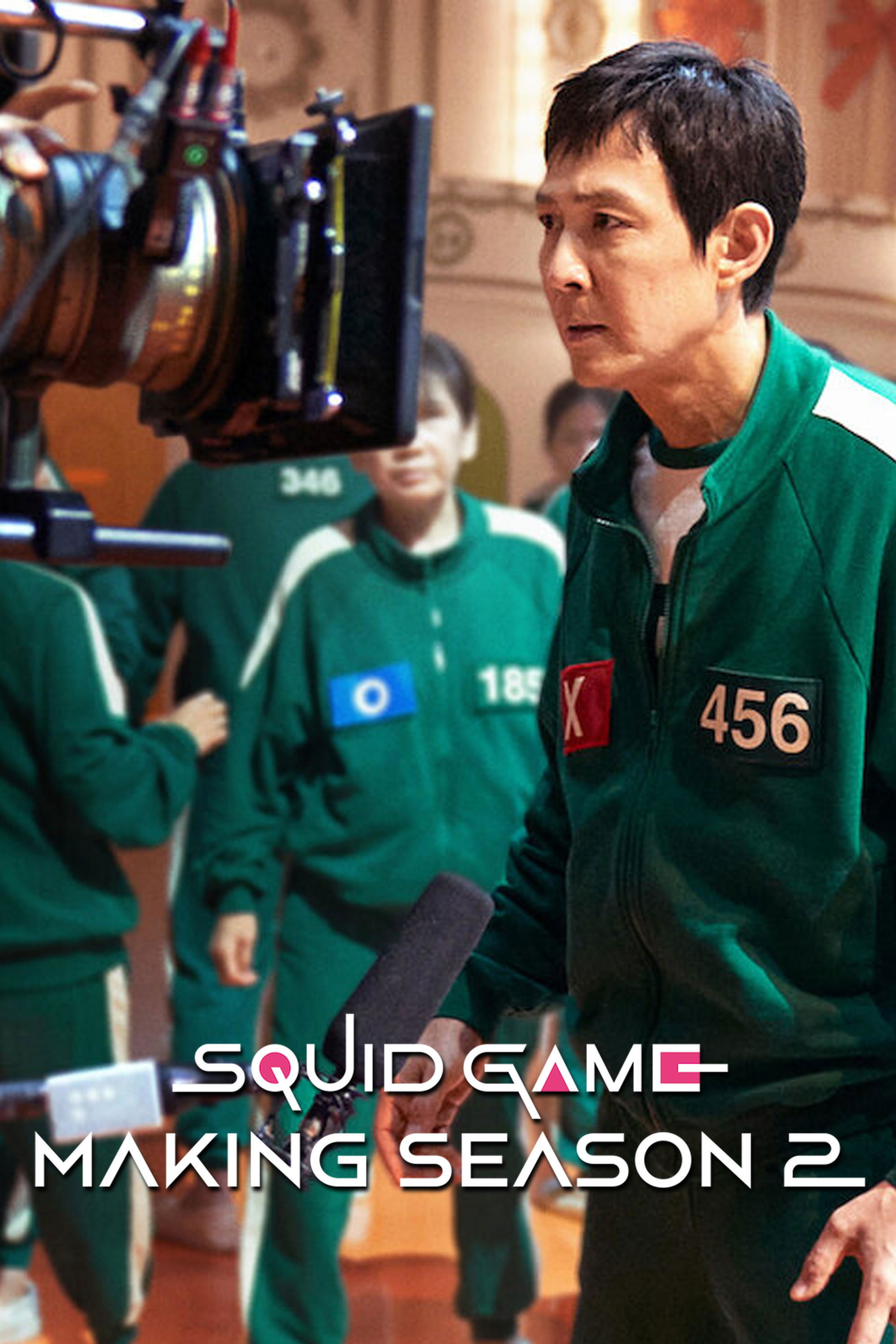
From set designs to character arcs, get exclusive cast and director interviews on how Season 2 of the globally most-watched series was brought to life.
A visual montage portrait of our contemporary world dominated by globalized technology and violence.
A documentary about how a dominant cultural and demographic institution both sustains their traditional activities and adapts to the digital revolution.
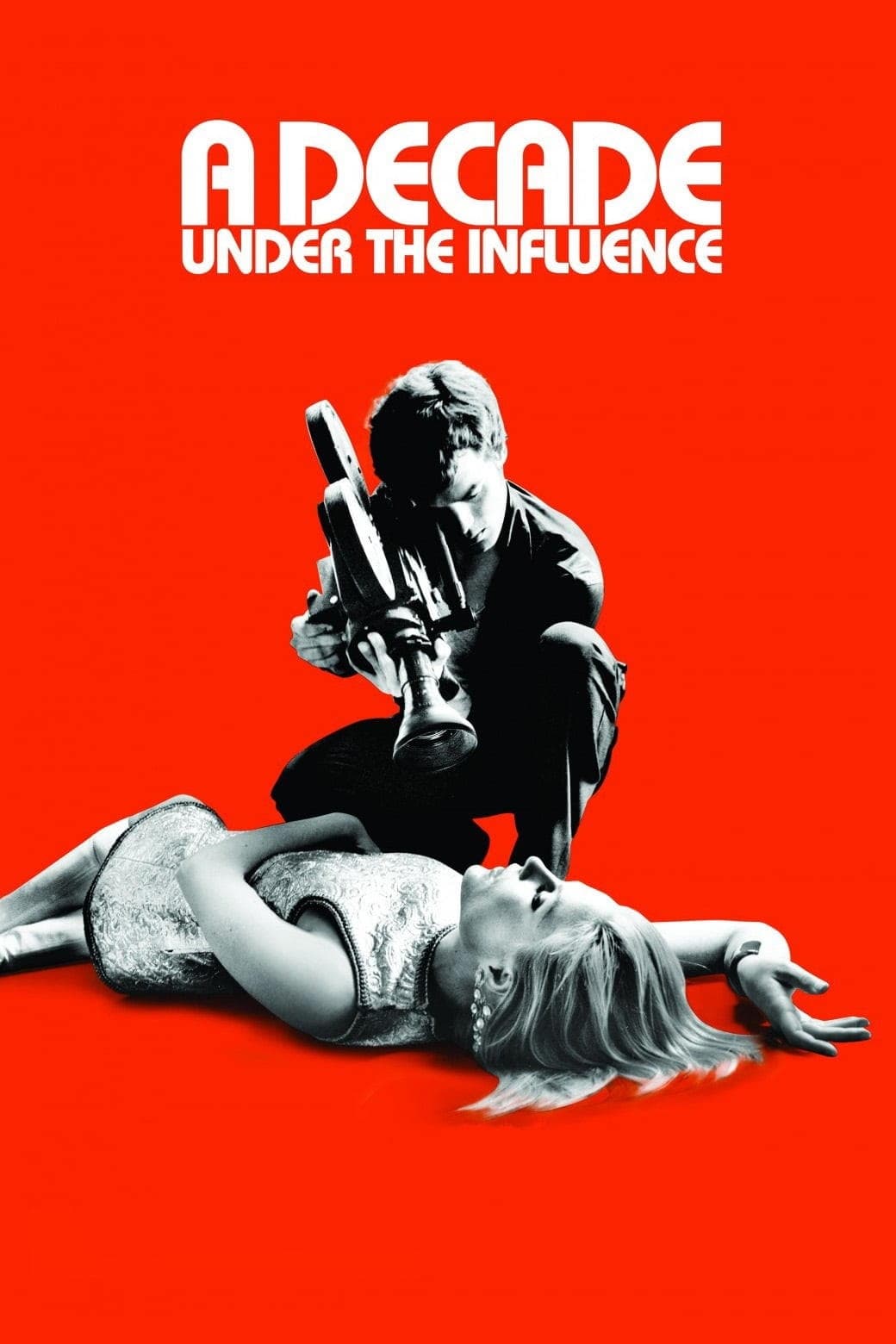
A documentary examining the decade of the 1970s as a turning point in American cinema. Some of today's best filmmakers interview the influential directors of that time.
A documentary that explores the downloading revolution; the kids that created it, the bands and the businesses that were affected by it, and its impact on the world at large.
Lyrical and powerfully personal essay film that reflects on the deaths of her husband Lou Reed, her mother, her beloved dog, and such diverse subjects as family memories, surveillance, and Buddhist teachings.
A compilation of over 30 years of private home movie footage shot by Lithuanian-American avant-garde director Jonas Mekas, assembled by Mekas "purely by chance", without concern for chronological order.
JB Smoove and Martin Starr host a celebration of 20 years of "Spider-Man" movies, from the Sam Raimi trilogy to Marc Webb's movies and the trio from Jon Watts.
A detailing of the rise to prominence and global sporting superstardom of six supremely talented young Manchester United football players (David Beckham, Nicky Butt, Ryan Giggs, Paul Scholes, Phil and Gary Neville). The film covers the period 1992-1999, culminating in Manchester United's European Cup triumph.
An inside look at one of the most anticipated movie sequels ever with James Cameron and cast.
Through deeply personal interviews with her siblings and an examination of the photographs, letters, and belongings left behind, Mariska assembles a new portrait of her mother Jayne Mansfield, an extraordinary and complex woman.
A documentary focused on plastic pollution in the world's oceans.
A documentary about the making of season five of the acclaimed AMC series Breaking Bad.
If you ever find yourself traveling down Interstate 49 through Missouri, try not to blink—you may miss Rich Hill, population 1,396. Rich Hill is easy to overlook, but its inhabitants are as woven into the fabric of America as those living in any small town in the country. This movie intimately chronicles the turbulent lives of three boys living in said Midwestern town and the fragile family bonds that sustain them.
Brilliant, long in-the-works story of the life and art of the world's greatest comedian and the cinema's first genius, Charlie Chaplin. Produced, written and directed by renowned film critic Richard Schickel.
A documentary on the expletive's origin, why it offends some people so deeply, and what can be gained from its use.
This documentary focuses on the actors and their journey over two summers to create the remake to the original IT, by Stephen King. The documentary originally released as bonus material, bundled with IT: Chapter Two.
The life and career of one of comedy's most inimitable modern voices, Mr. Gilbert Gottfried.
Artists in LA discover the work of forgotten Polish sculptor Stanislav Szukalski, a mad genius whose true story unfolds chapter by astounding chapter.
From the heights of her modeling fame to her tragic death, this documentary reveals Anna Nicole Smith through the eyes of the people closest to her.