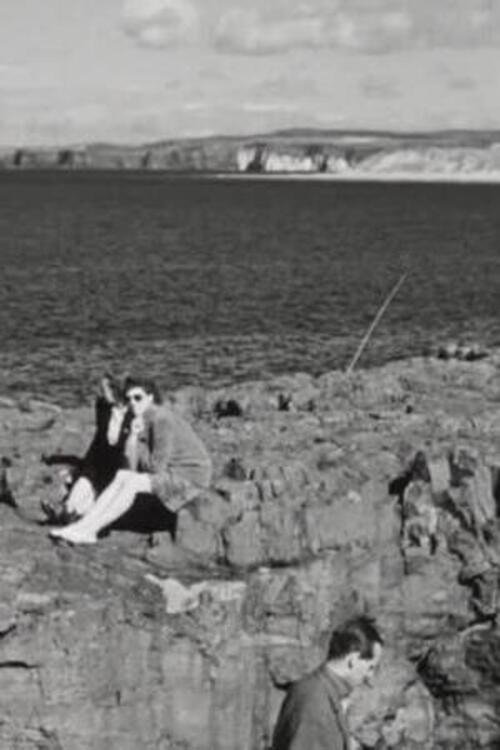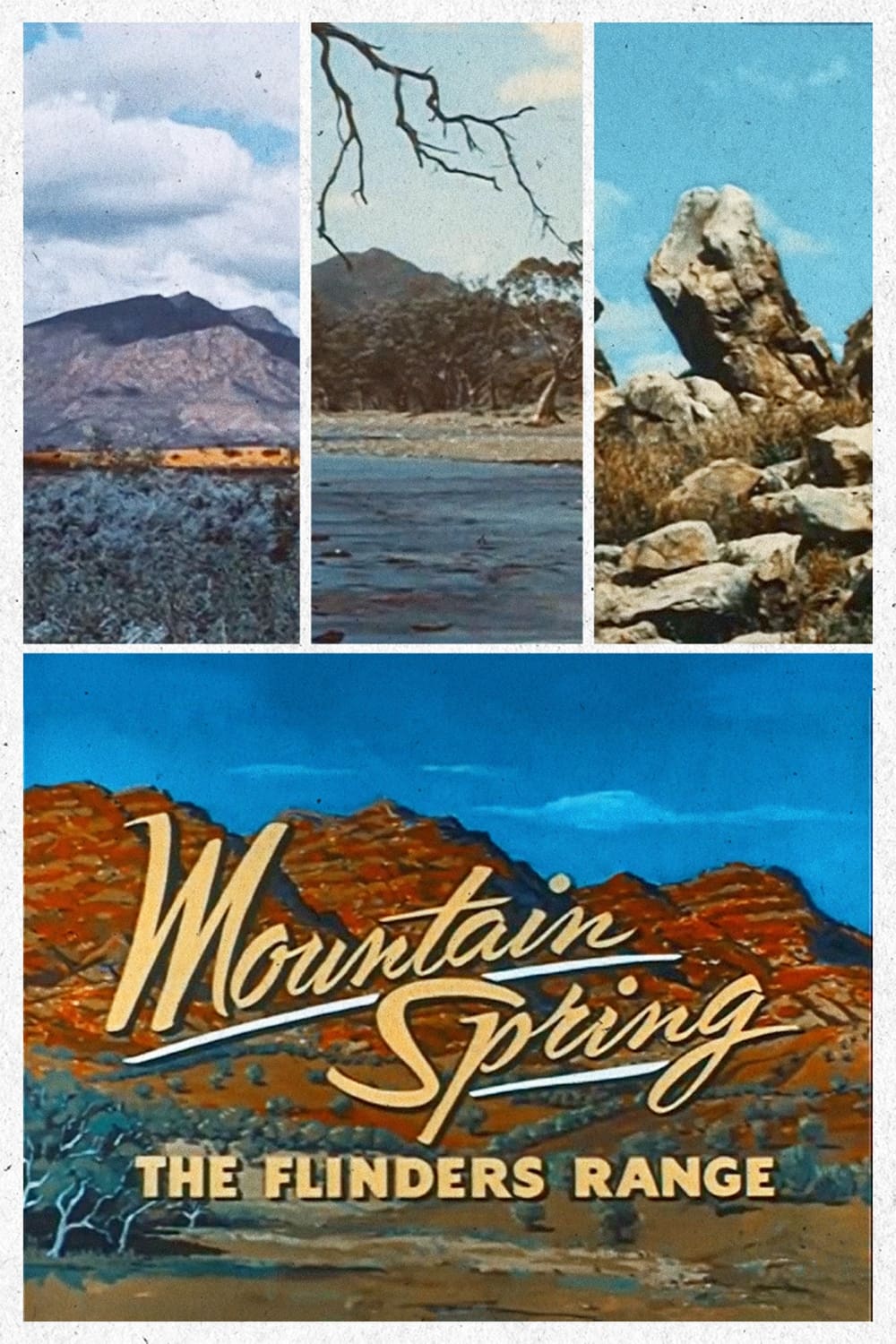
Progress in South Australia manifests itself around the Flinders Range country in the industries of Whyalla, Port Pirie, Port Augusta, Leigh Creek and Aroona Dam. Wildflowers cover the countryside.
Social & External
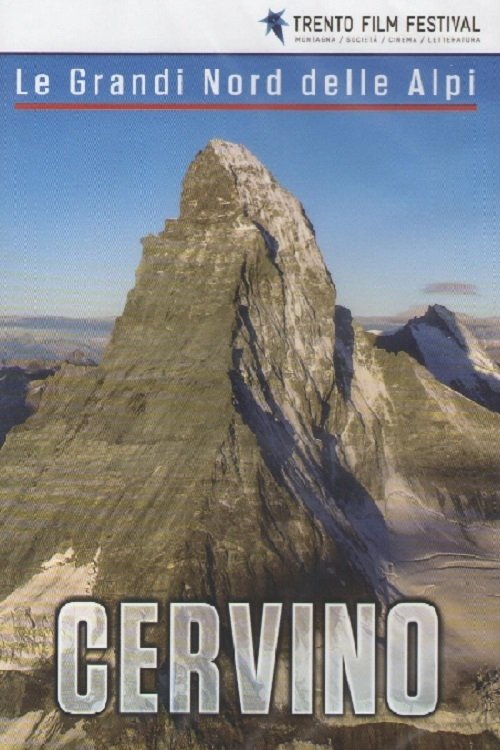
The first ascent of the Matterhorn was made on July 14, 1865 by Edward Whymper, Francis Douglas, Charles Hudson, Douglas Hadow, Michel Croz and two guides from Zermatt, Peter Taugwalder father and son. Douglas, Hudson, Hadow and Croz are killed on the descent after Hadow slips and drags the other three men down the north face. Whymper and the two Taugwalders, who survive, are later accused of having cut the rope that connected them to the rest of the group so as not to be dragged into the fall, but the ensuing investigation finds no evidence of their guilt and they are acquitted. The Matterhorn is the last great peak in the Alps to be conquered and its ascent marks the end of the golden age of mountaineering. One hundred and fifty years later, a team undertakes the same expedition in order to unravel the mystery.
In a leafy forest, a Galician sovereign who longs to attain wisdom meets a sorcerer, who tells him: “Go back to your country and study the Earth and the Stars in the sky; anywhere in the world reflects an image of it. You will ride on this arrow, which you must keep for a hundred years and a day. After this time, stick it in the widest valley of all those you possess, with the tip facing the sky. Then the Moon will come and, just as it exerts its action on the waters of the sea, it will act on the arrow, turning it into a holy mountain." - Legend about the Pico Sacro Inspired by Hokusai's views of Mount Fuji and Cézanne's paintings of Mont Sainte-Victoire, "Pico Sacro [The Holy Mountain]" aims to reveal the mystery and the magic that underlie reality.
Martin Scorsese is among those paying tribute to Gene Tierney, the Academy Award-nominated American actress who was a leading lady in Hollywood throughout the 1940s and '50s.
As Russian writer Boris Pasternak (1890-1960) thinks it is impossible that his novel Doctor Zhivago is published in the Soviet Union, because it supposedly shows a critical view of the October Revolution, he decides to smuggle several copies of the manuscript out of the country. It is first published in 1957 in Italia and the author receives the Nobel Prize in Literature in 1958, which has consequences.
Seventy-five years after Brad Washburn, one of the greatest aerial mountain photographers of all time, first shot Alaska’s Denali Mountain from the open door of an airplane, climbing buddies Renan Ozturk, Freddie Wilkinson, and Zack Smith look at some of his mountain photographs and have this crazy idea. Rather than go up, their dream is to go sideways across the range’s most foreboding peaks, the Moose’s Tooth massif. It’s a fresh new way to explore the same landscape Washburn first discovered. As the group endures rough conditions, disintegrating ropes, and constant rockfall, their desire to be the first to complete the audacious line grows into an obsession. But friendships begin to fray when Renan suffers a near fatal brain injury, forcing all three partners to decide what’s most important to them.
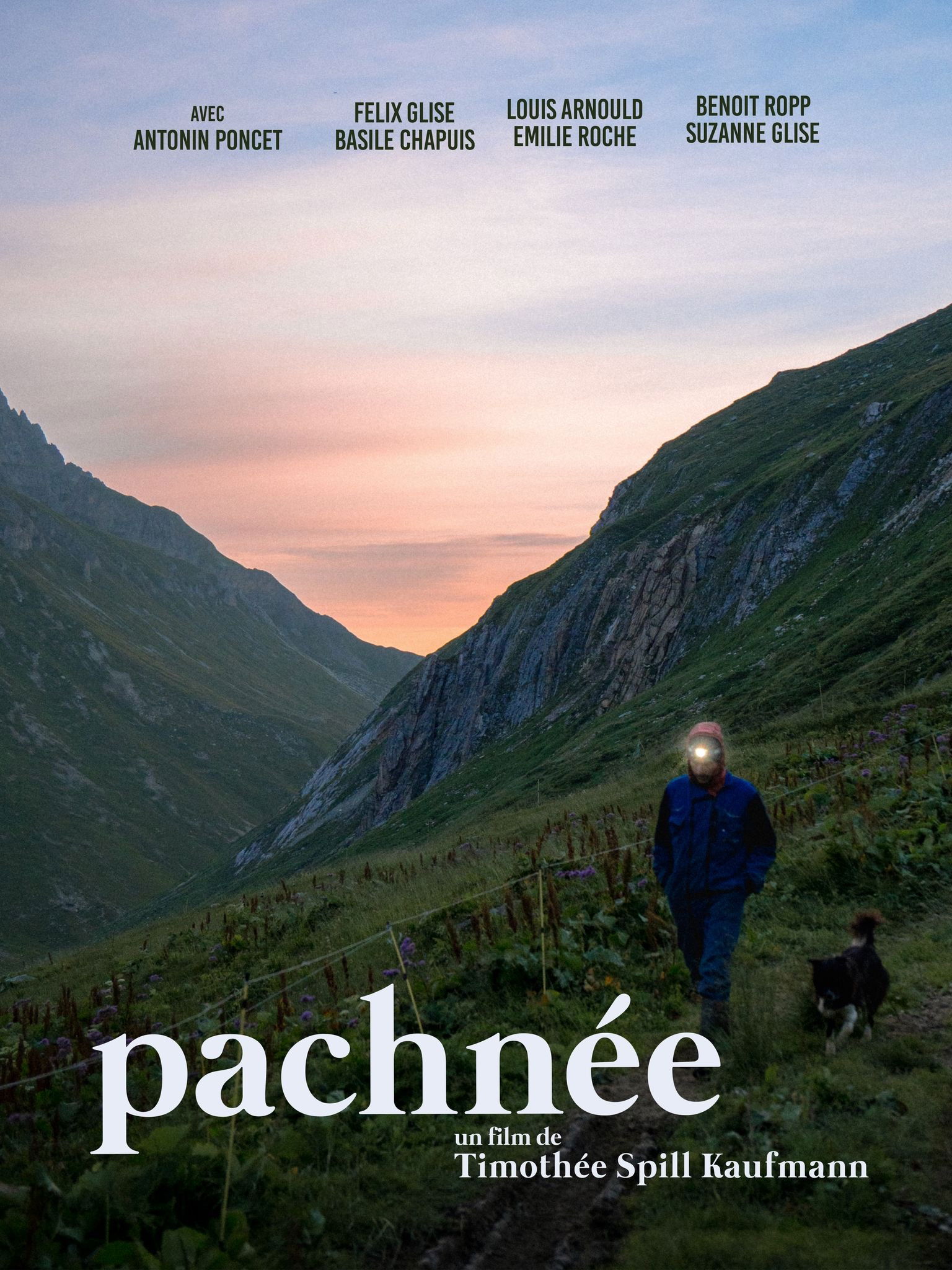
A Hmong guide's daily life in the mountains of Sapa, North Vietnam.
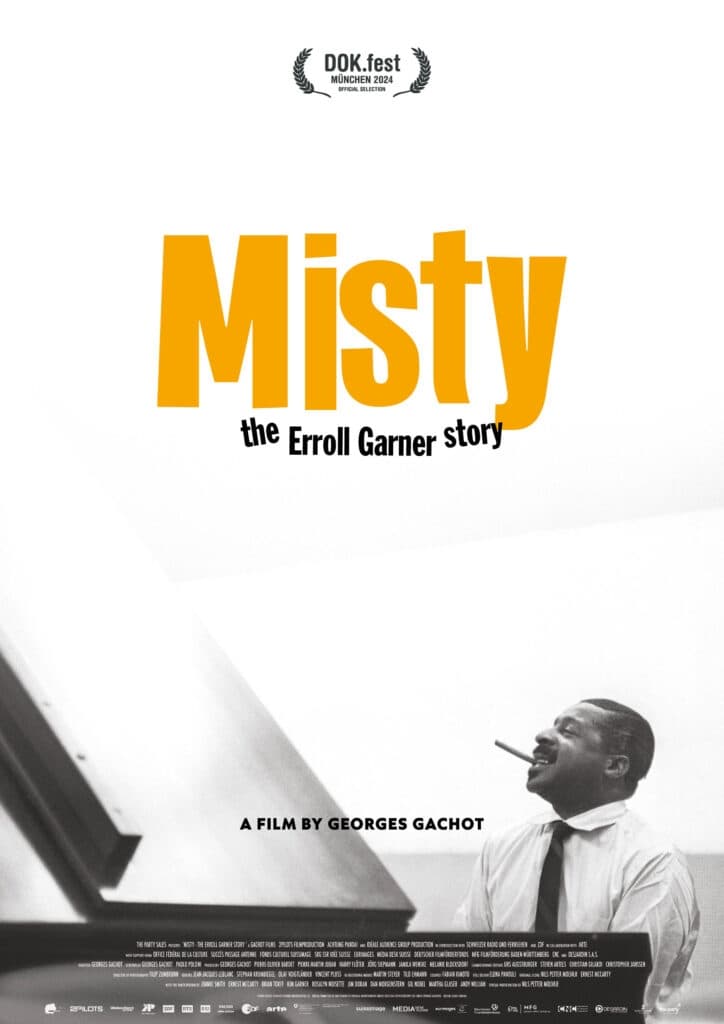
A box found in an abandoned storage unit unearths a time capsule of correspondences from a forgotten era: the underground drag scene in 1950s New York City. Firsthand accounts and newly discovered footage help cast a long overdue spotlight on the unsung pioneers of drag.
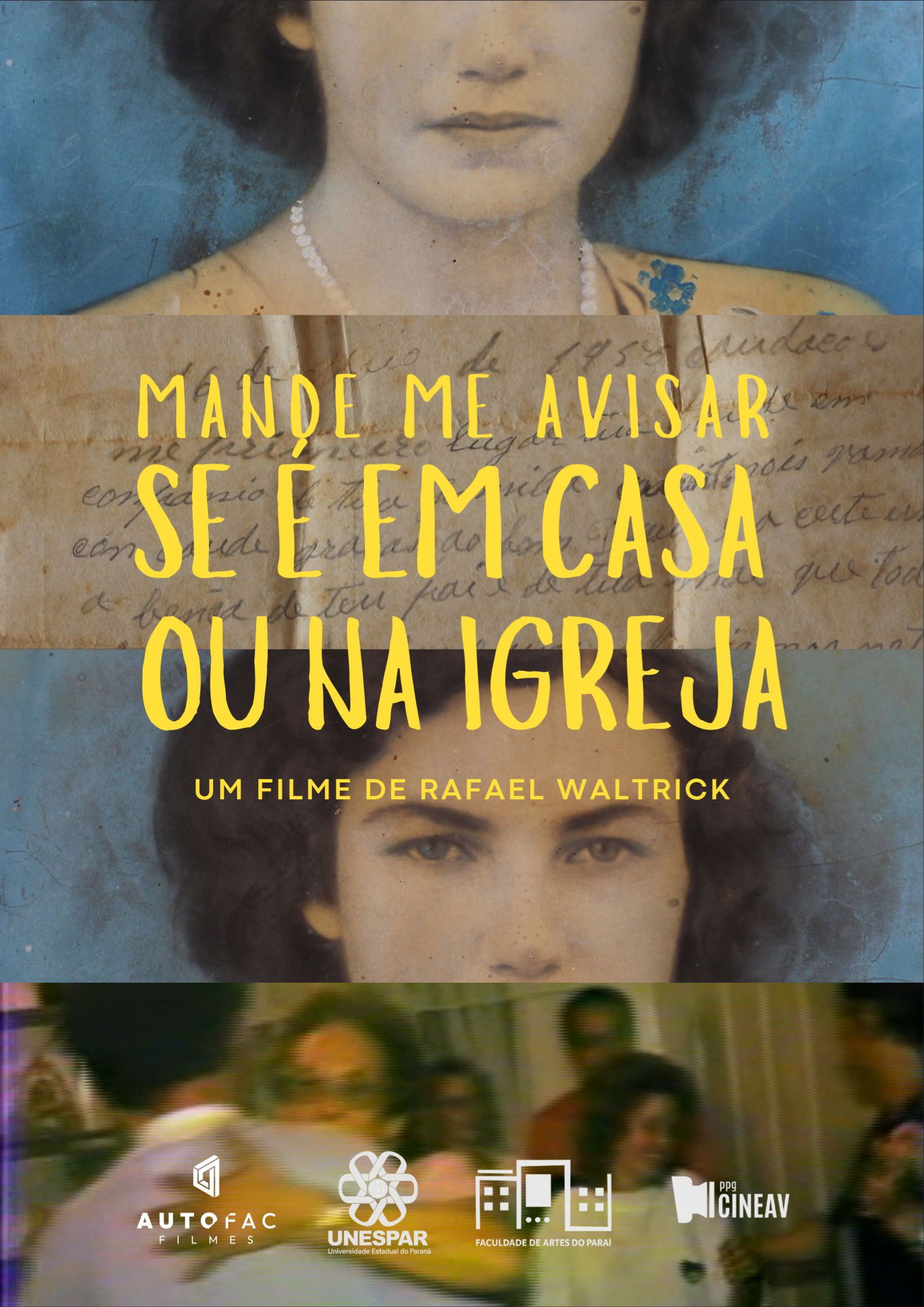
In 1952, TV Tupi, Brazil's first television channel, invited psychiatrist Júlio Gouveia and his wife, Russian writer Tatiana Belinky, to develop the network’s children's programming. The couple then asked the sons and daughters of their friends to join the cast of the newly created shows, the most prominent of which was Sítio do Picapau Amarelo. And so, Antonio Silvio, Lia, Lídia, Sérgio, and David José embarked on an unexpected journey that would come to shape the future of Brazilian television. Memories of the Sítio is a trip through the personal recollections of these actors and the story of the first television adaptation of Monteiro Lobato’s work.
Made by the Department of Immigration to entice immigrants from Great Britain, this film shows an idyllic picture of life in the South Australian regional town of Mount Gambier in the mid 1960s.
The movie recalls children who suffered mental and physical harm both during the last century, particularly in religious orphanages, and during the time of early modernperiod witch-hunts. It shows that the mindsets and behavioural patterns of both time periods are more alike than one might think.
In 2019, Nepalese mountain climber Nirmal “Nims” Purja set out to do the unthinkable by climbing the world’s fourteen highest summits in less than seven months. (The previous record was eight years). He called the effort “Project Possible 14/7” and saw it as a way to inspire others to strive for greater heights in any pursuit. The film follows his team as they seek to defy naysayers and push the limits of human endurance.
An Australian icon found on every supermarket shelf, and coating every game day pack of hot chips. But the story of the South Australian man who invented the famous Chicken Salt has never been told. While he sold the company in the late 70’s to the brand names you see in your cupboard today, he maintains that the original recipe, held secret for more than 40 years, tastes even better.
In 1924, British climber George Mallory and his partner Andrew Irvine attempted to conquer Everest for the third time. They never returned. Could they have been the first to successfully climb the mountain before meeting their deaths? In 1999, German geologist Jochen Hemmleb discovered Mallory's body just below the summit, reigniting speculation. In 2010, he organized a new expedition to follow up on this sensational discovery. His goal: to find the base camp from which Mallory and Irvine set out to conquer the summit.
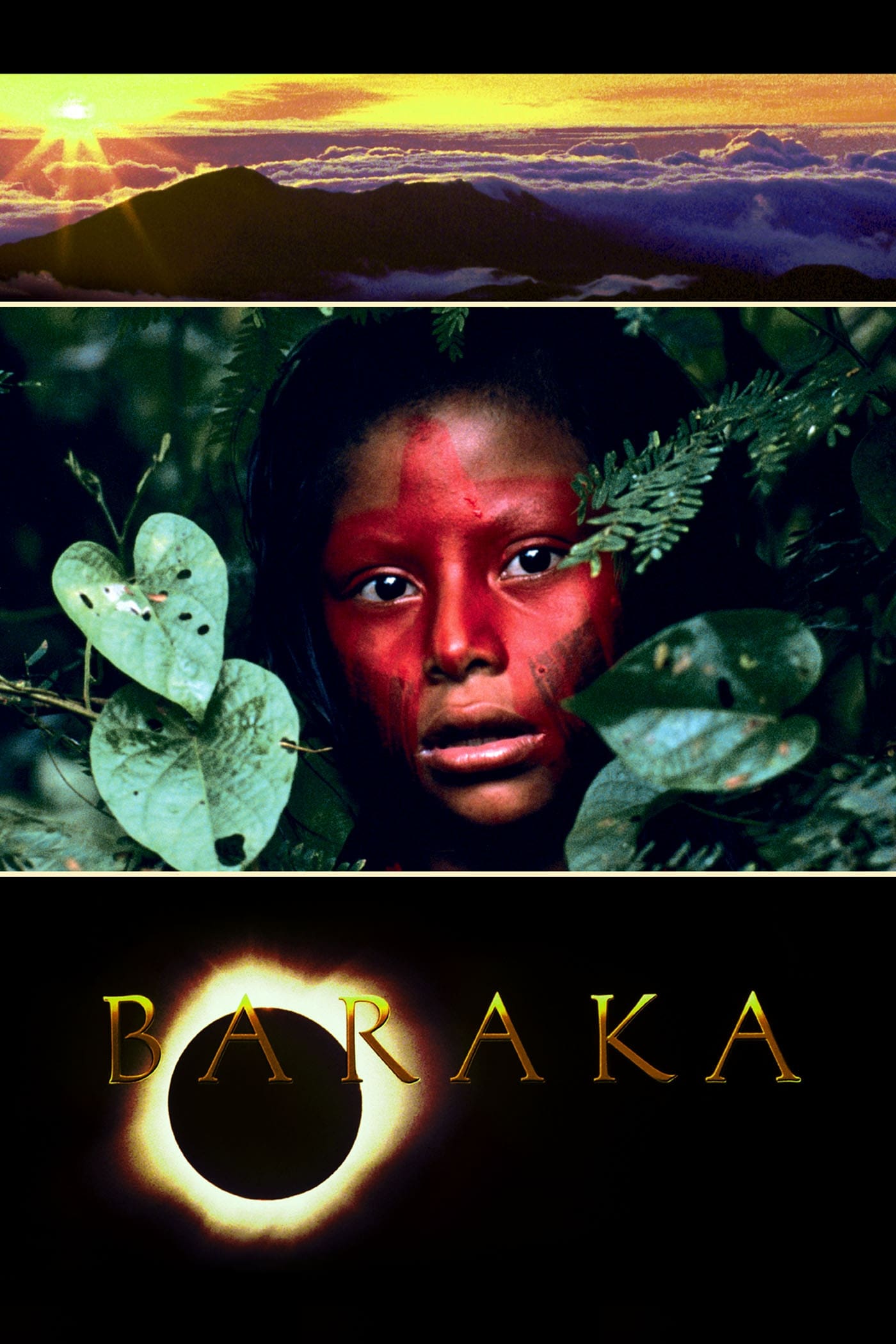
A paralysingly beautiful documentary with a global vision—an odyssey through landscape and time—that attempts to capture the essence of life.