"The fighting is over... The memories lives on"
A detailed military history of the Korean War and preceding events, from 1945 to 1953.
Social & External
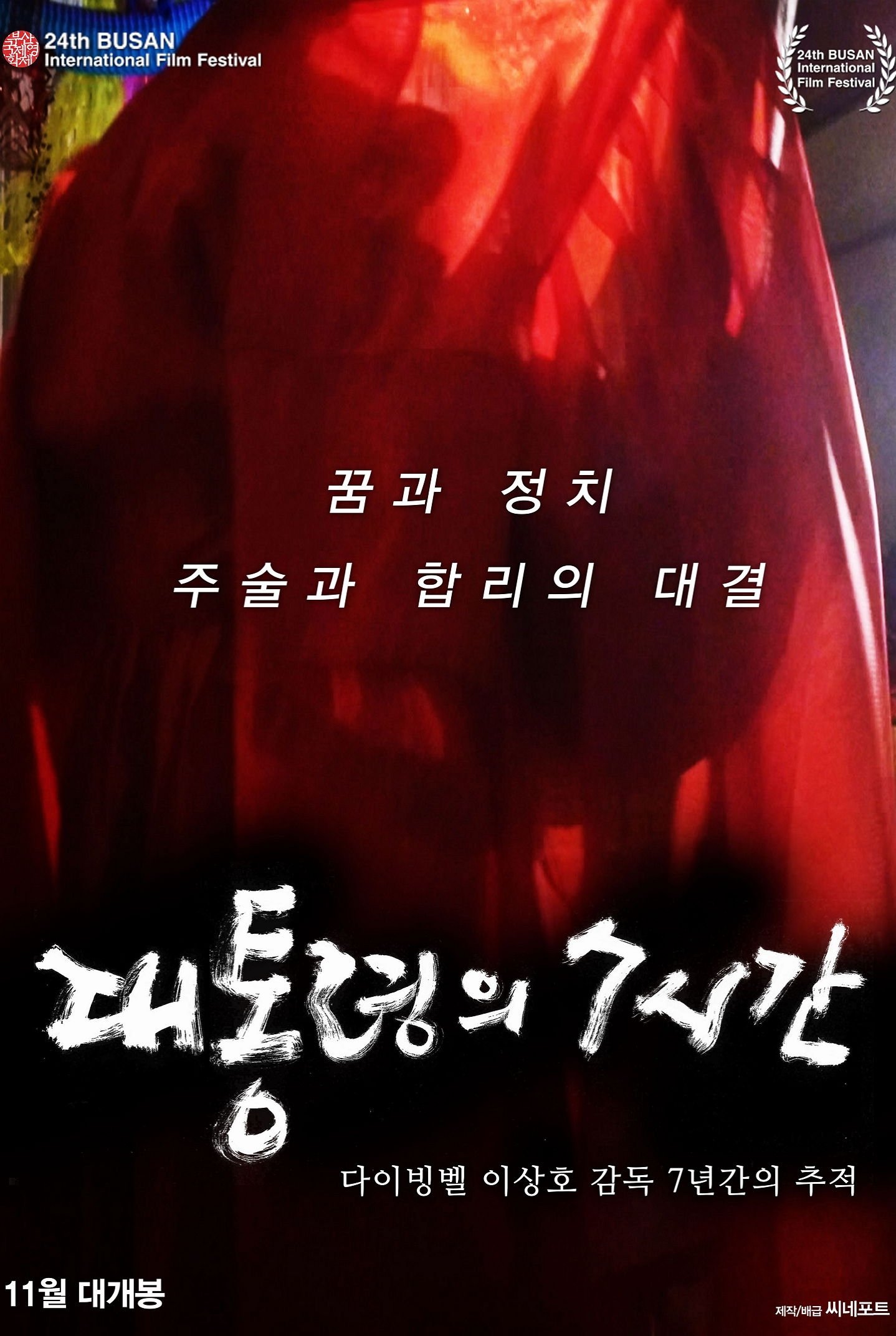
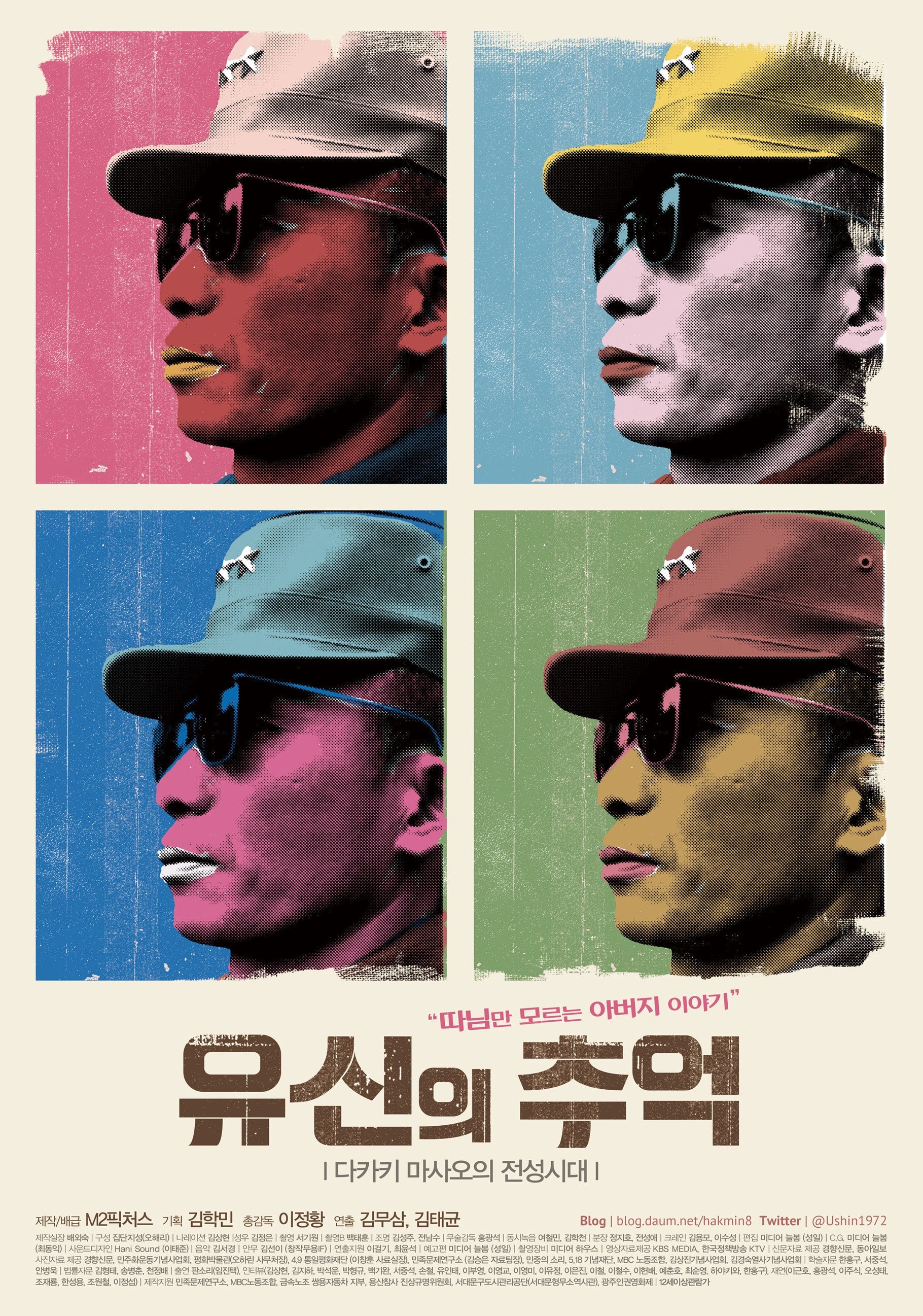
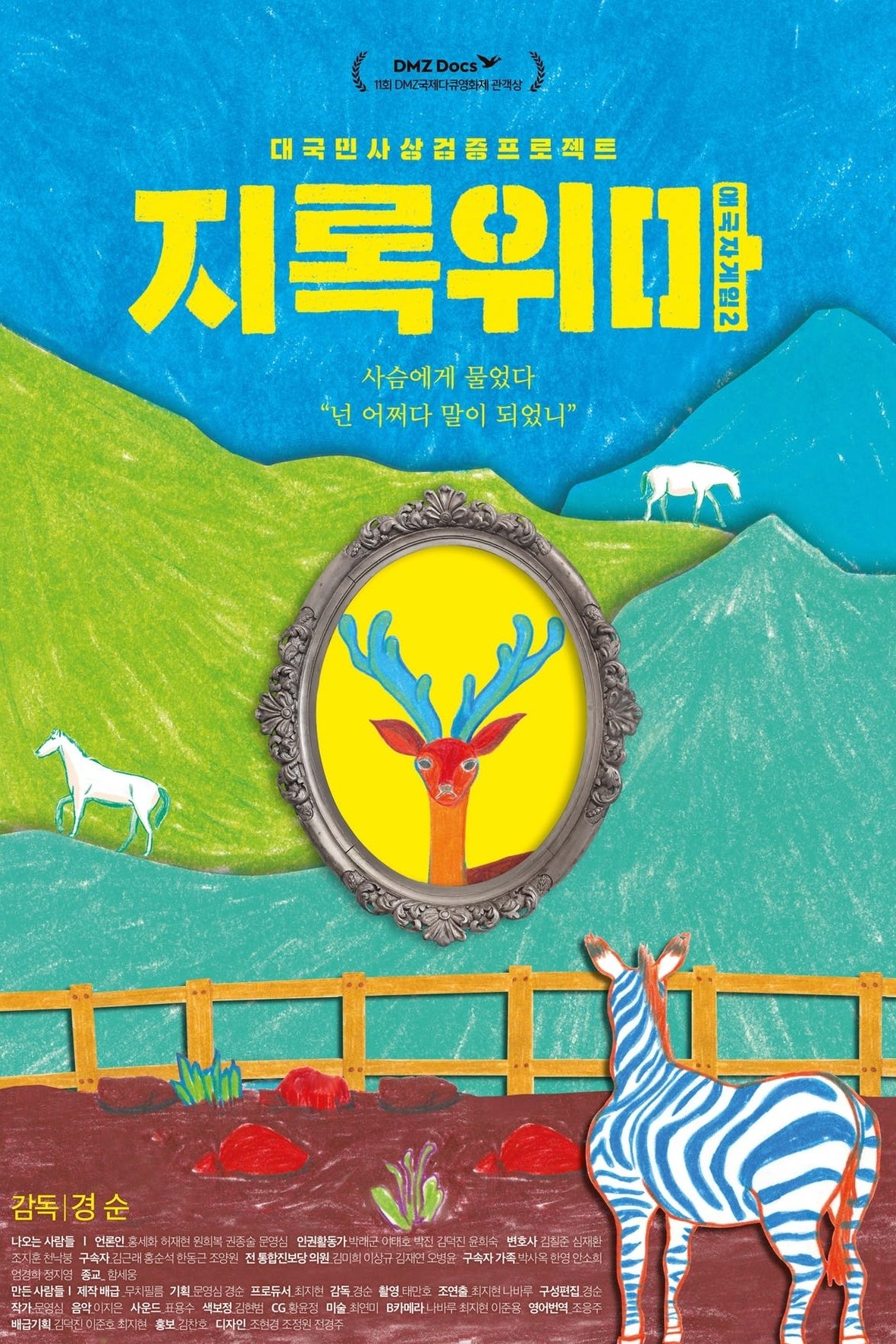
The film traces PARK Geun-hye's life back to the 1970s, when the leader-follower relationship began between PARK, who became the first lady of the Yushin regime, and CHOI Taemin, the leader of a pseudo-religion. It then examines the Sewol ferry incident, CHOI Soonsil Gate, candlelight rallies, and finally the impeachment.
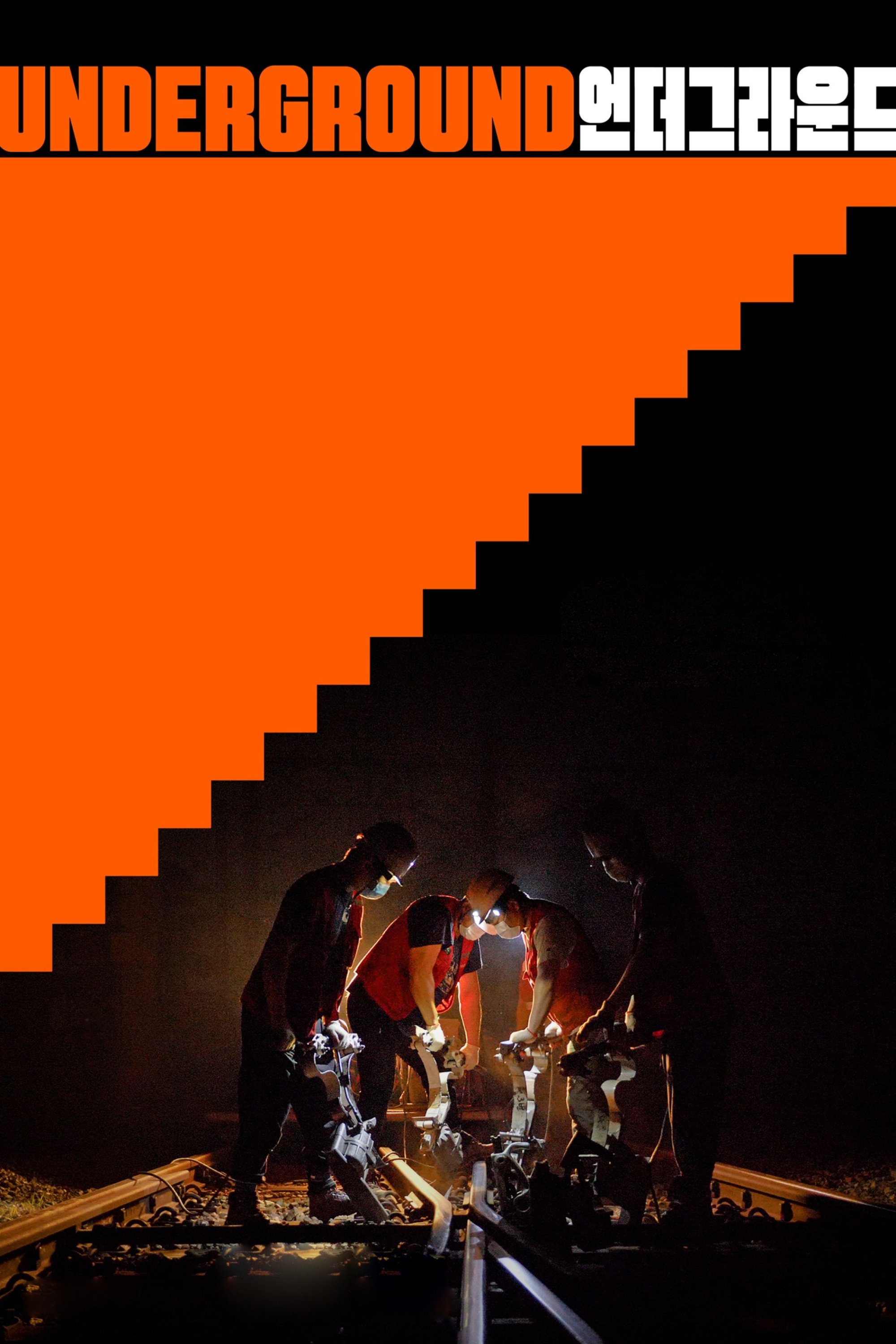
Numerous people are on subway trains running up and down the city center endlessly. There are people who run this decent space “underground”. Under the noisy world today, we approach them to see what life is like underground.
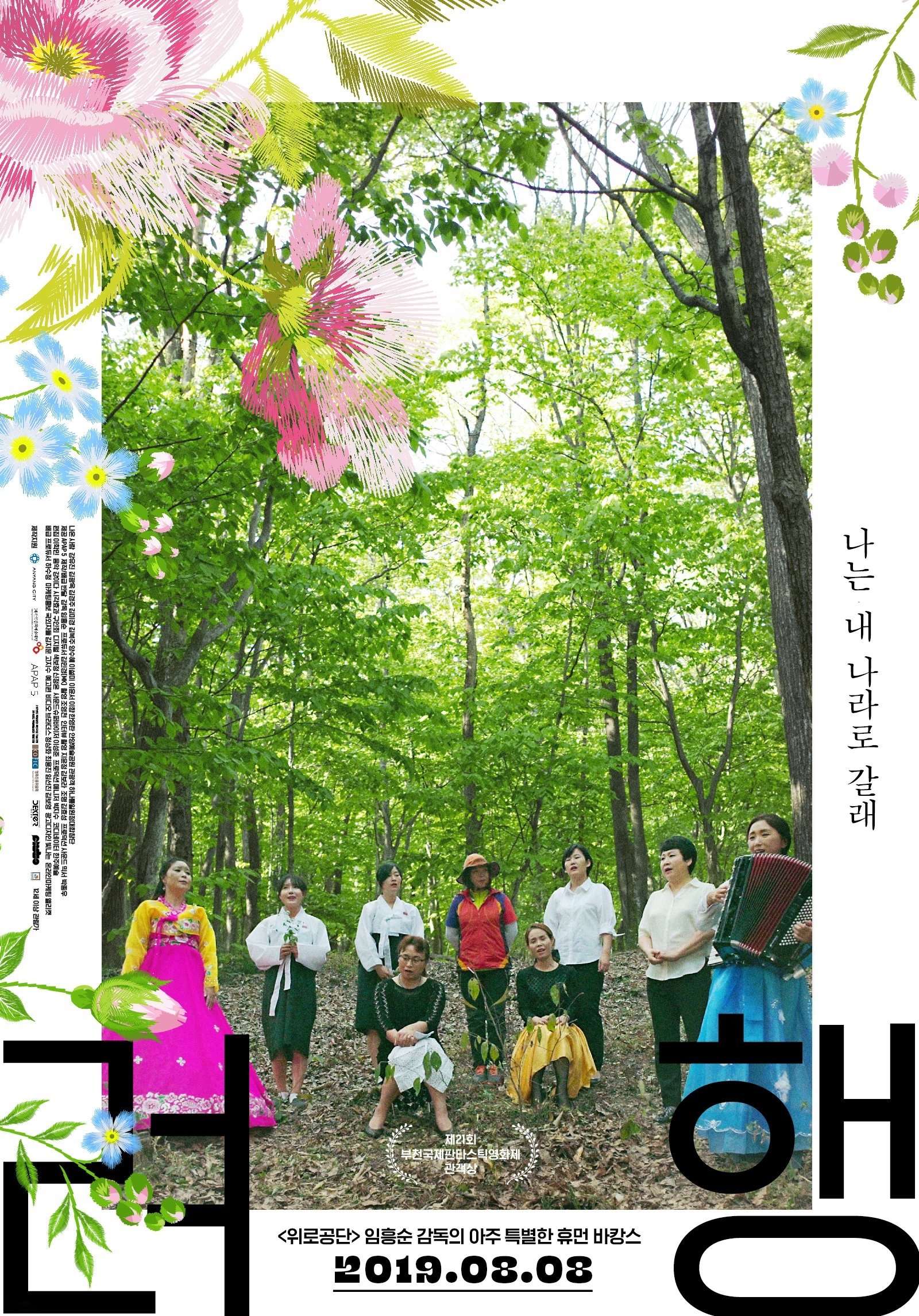
A group of women climbs a summer mountain situated in South Korea. They are refugees who have settled into South Korean society after fleeing from North Korea. For them, climbing the mountains has been an unavoidable journey for survival - a matter of life and death.
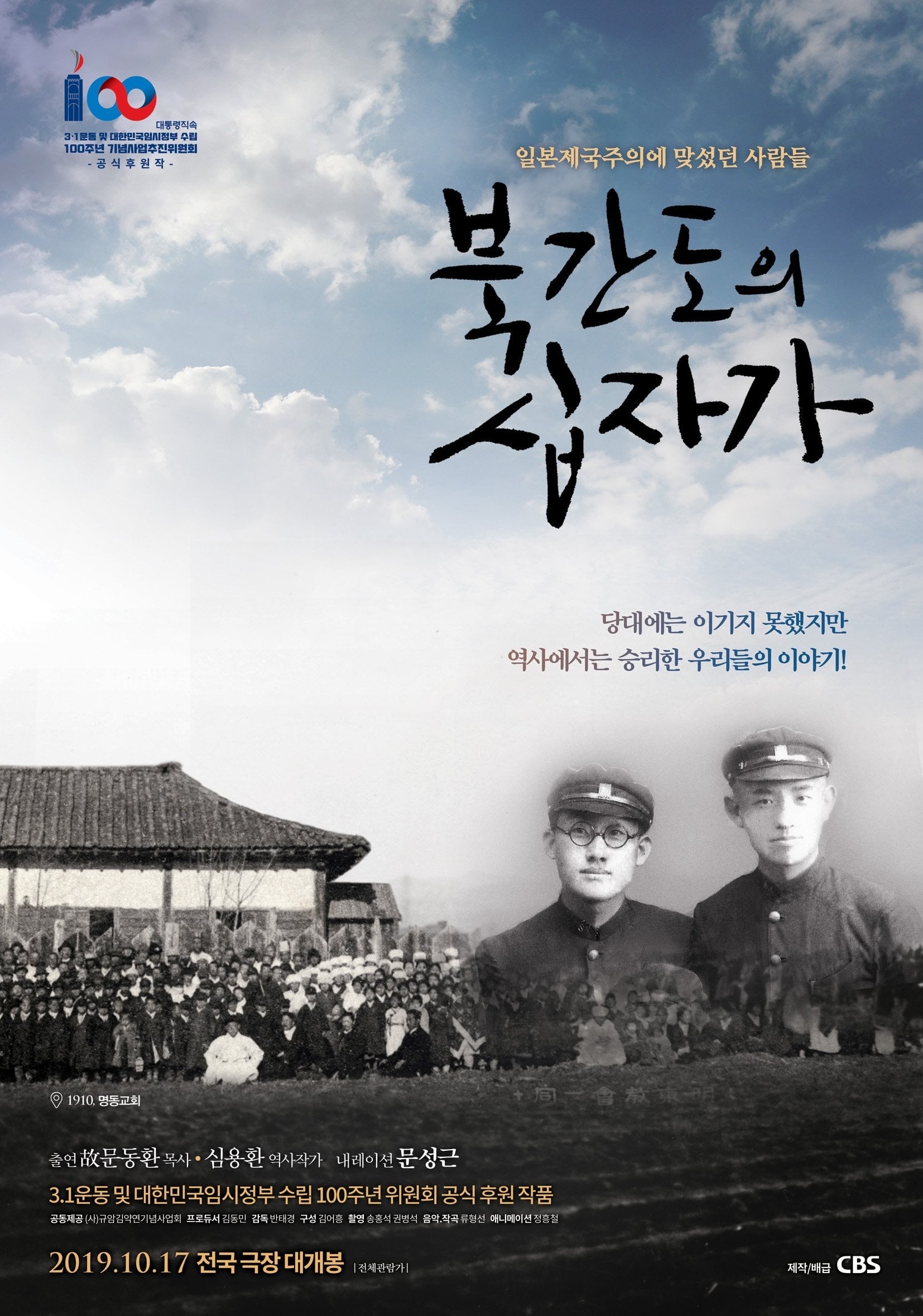
The Christians of North Gando lose their country and leave their hometown, but gain the Gospel. The cross they hold in their hands is the symbol of daring for independence and a royal summon of the generation they have to endure. Historian Sim Yo Han retraces the footsteps of the late Father Moon Dong Hwan and finds meanings of the anti-Japanese independence movement hidden in various parts of North Gando.
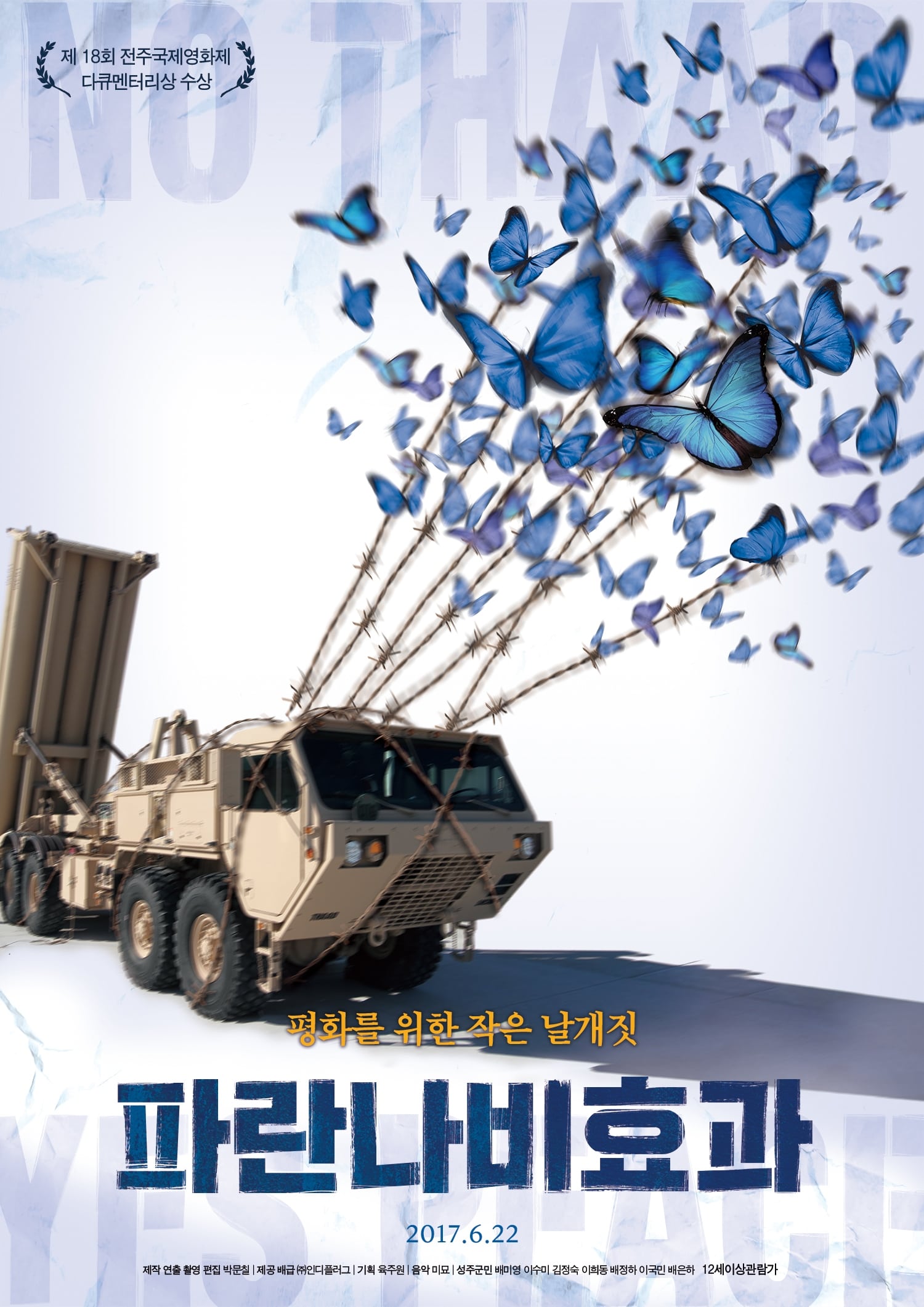
The small county of Seongju staged protests against the THAAD. Young mothers led protests from concerns about their kids and the exposure to radiation. Gradually, they learn the system is faulty.
"Getting into North Korea was one of the hardest and weirdest processes VBS has ever dealt with. They finally said, “OK, OK, you can come. But only as tourists.” At the airport, the North Korean consulate brought us to a restaurant and these women came out and started singing North Korean nationalist songs. We were thinking, “Look, we were just on a plane for 20 hours. Can we just go to bed?” but this guy with our group who was from the LA Times told us, “Everyone in here besides us is secret police. If you don’t act excited then you’re not going to get your visa. So we got drunk and jumped up onstage and sang songs with the girls. The next day we got our visas. A lot of people we had gone with didn’t get theirs. That was our first hint at just what a freaky, freaky trip we were embarking on…" -VICE Founder Shane Smith
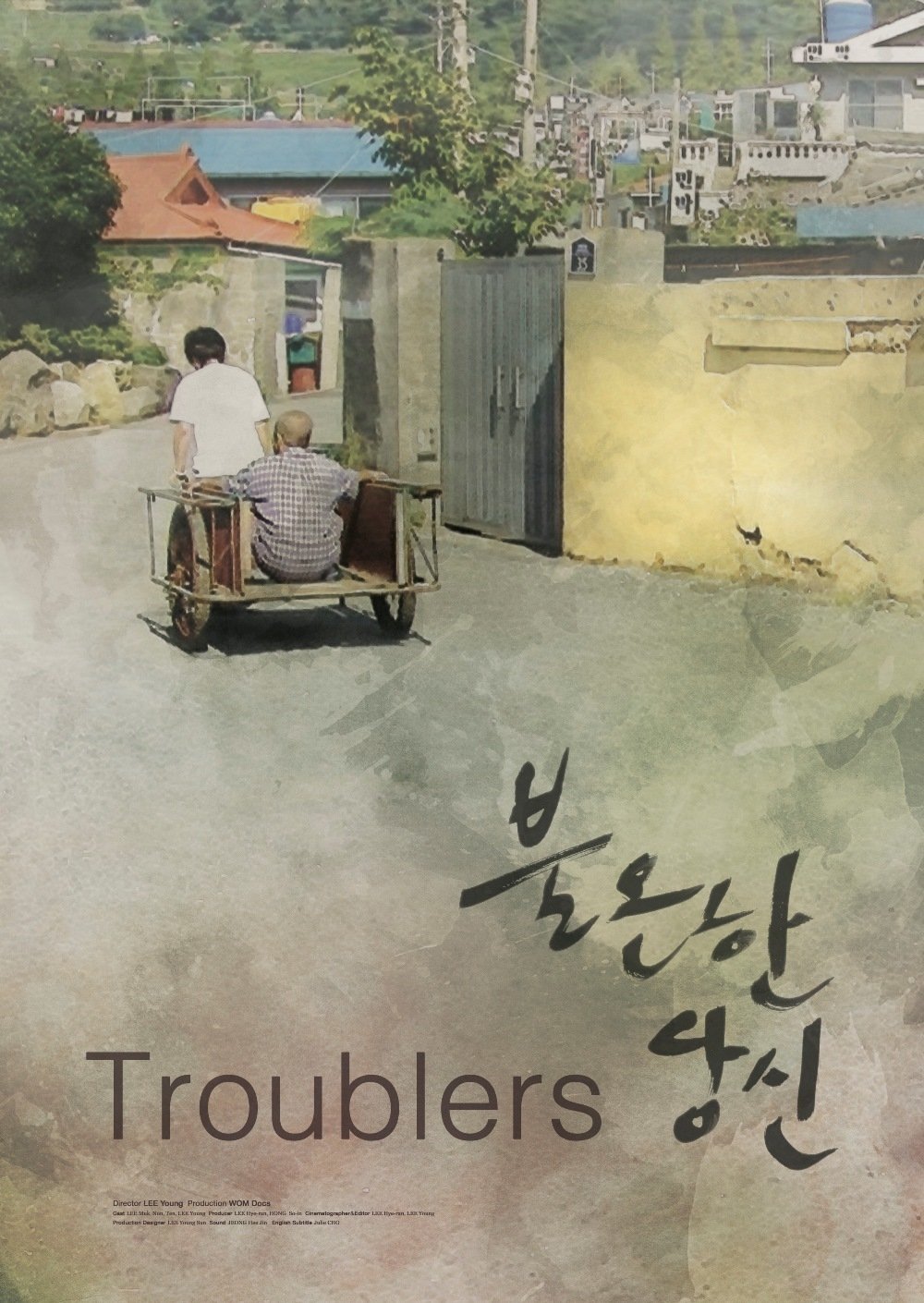
There lives a couple known as "100-year-old lovebirds". They're like fairy tale characters: the husband is strong like a woodman, and the wife is full of charms like a princess. They dearly love each other, wear Korean traditional clothes together, and still fall asleep hand in hand. However, death, quietly and like a thief, sits between them. This film starts from that moment, and follows the last moments of 76 years of their marriage.
Military investigator Colonel Edwards is assigned a case involving Major Cargill, a Korean War POW who is accused of treason. Although Cargill admits his guilt and Edwards' superiors are impatiently pushing Edwards to move the case to court martial, Edwards becomes convinced of Cargill's innocence.
Ancient Korea, 1728. Swordsman Kim Ho, guard of King Yeong-jo of Joseon, is demoted and sent to work in Uigeumbu prison. When night falls, the prison is assaulted by the master warrior Do Man-cheol and his powerful henchmen for the purpose of freeing Lee In-jwa, who has been condemned to death for rising up in revolt against the king.
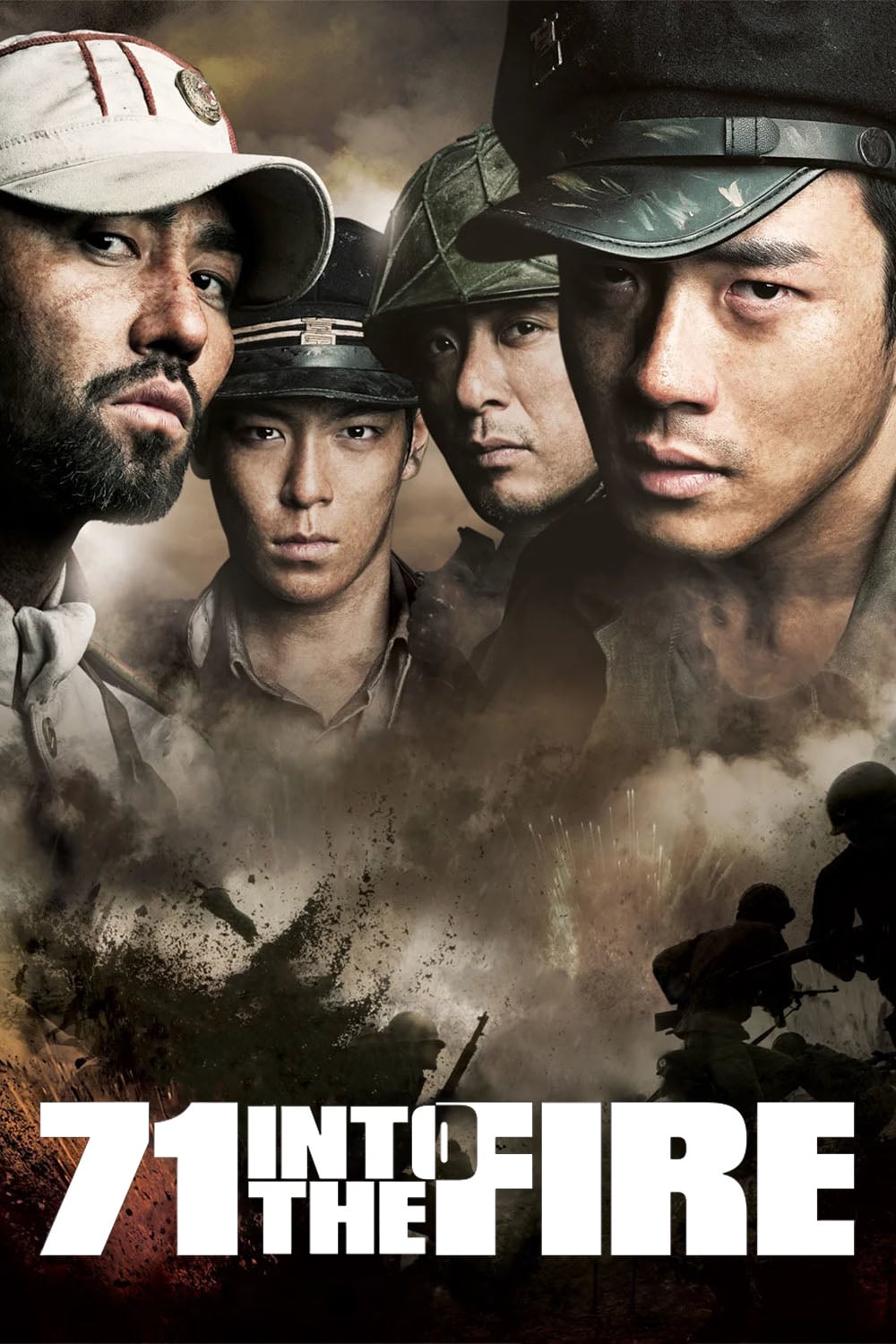
In August 1950, waiting for UN troops to arrive, the South Korean army assembled to protect Nakdong River. Only 71 student-soldiers are left behind to guard the city of Pohang. Now they are on a mission to defend the country from North Korean troops.
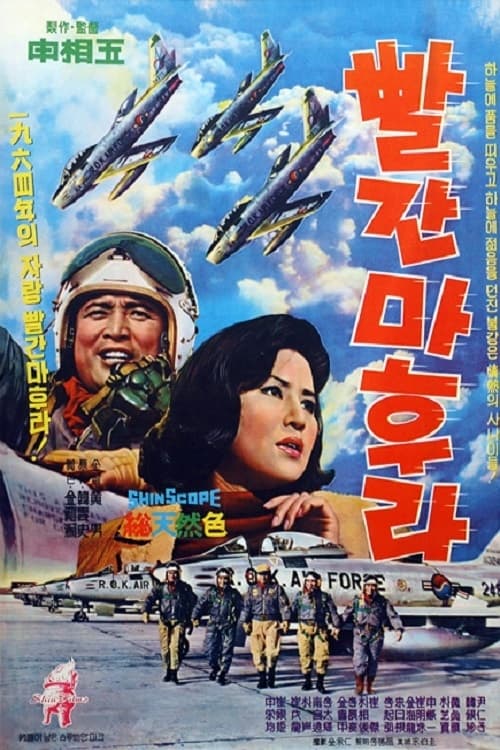
South Korean Air Force pilots engage in perilous missions against Communist North Koreans during the Korean War.
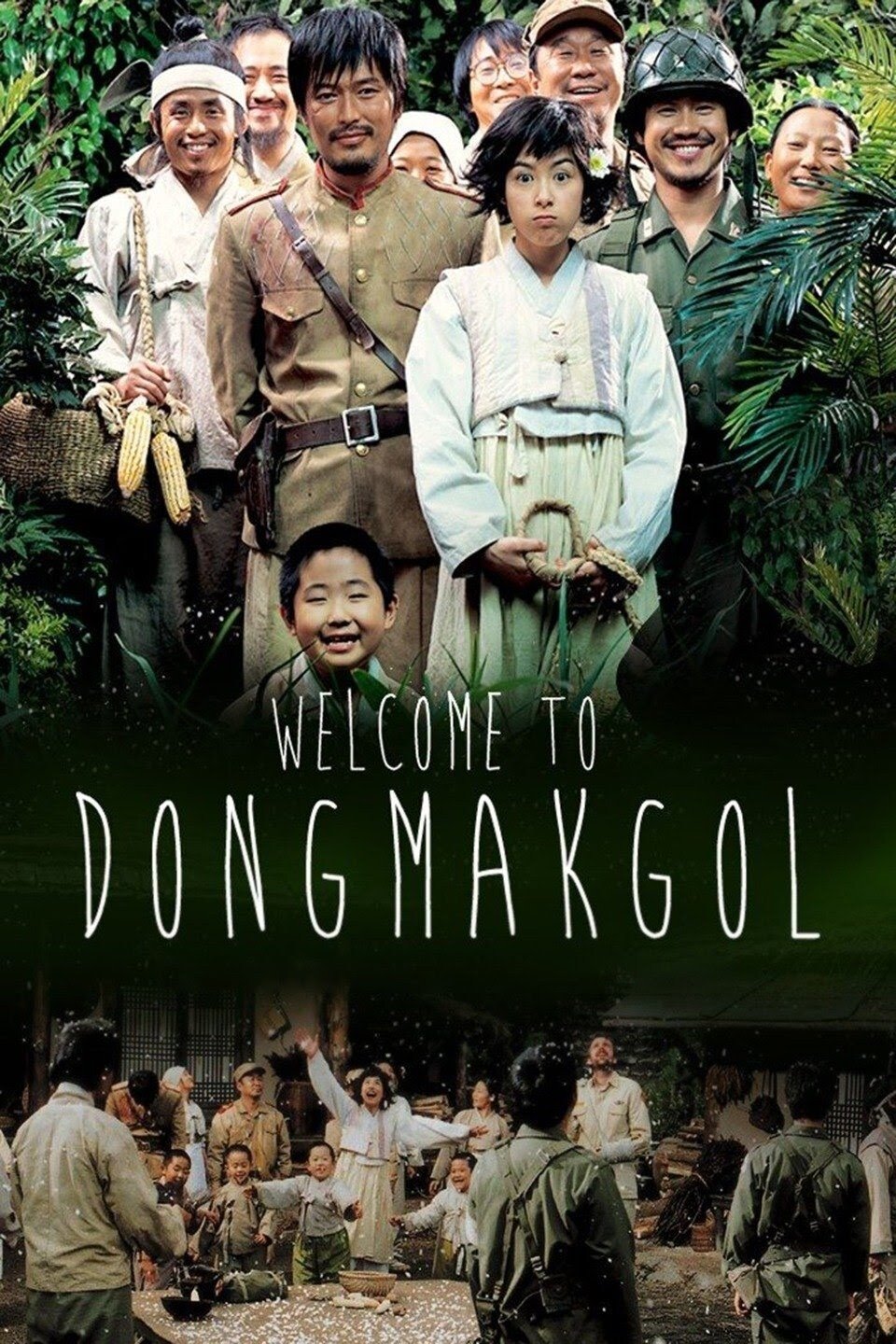
Based on the long running play by Jang Jin, the story is set in Korea during the Korean War in 1950. Soldiers from both the North and South, as well as an American pilot, find themselves in a secluded and naively idealistic village, its residents unaware of the outside world, including the war.
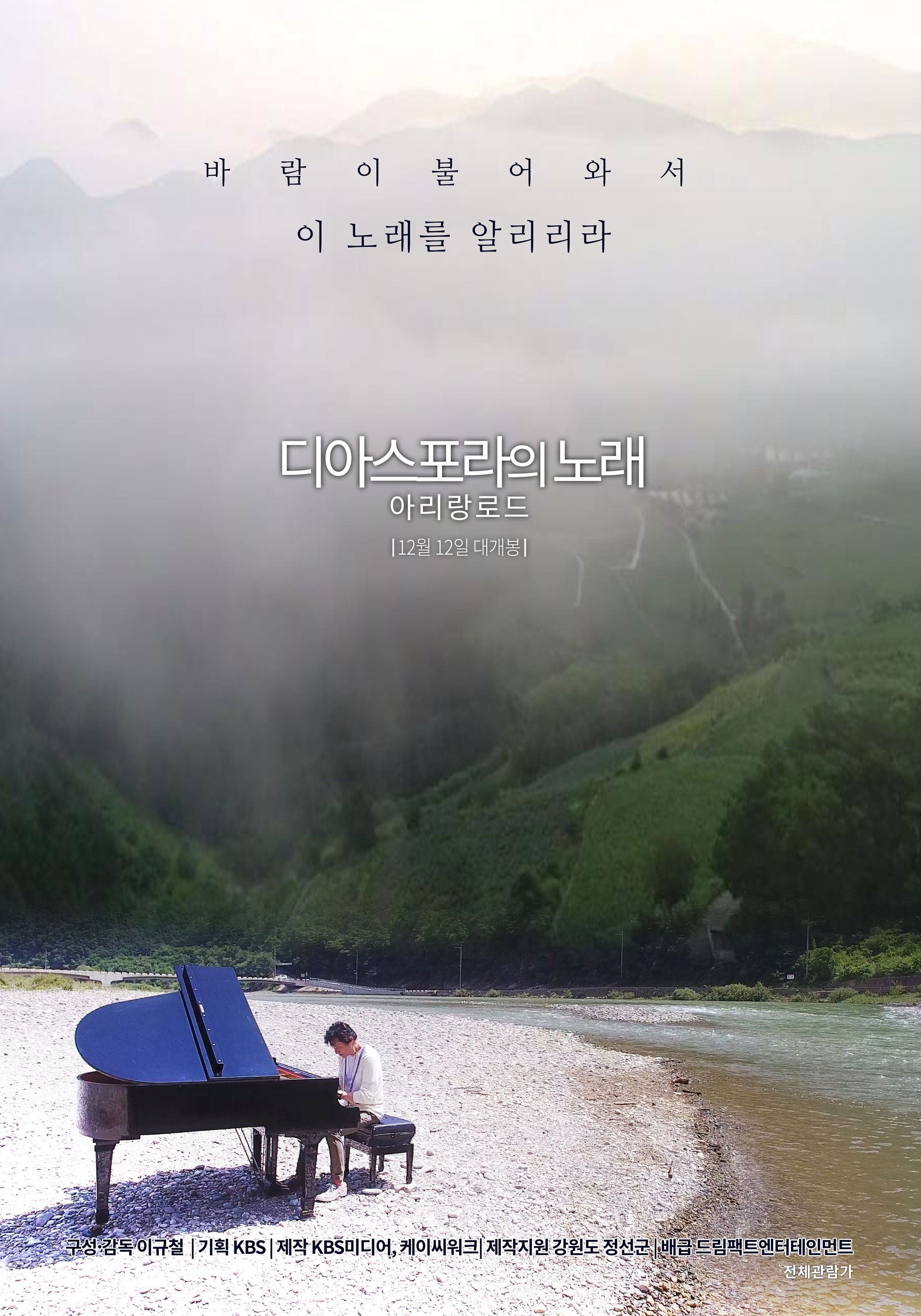
During the Japanese occupation period, Koreans were forced to deport or drafted to work in other countries. Now 150 years passed, it appears around 7million of those people and their families are spread in 170 countries. There, a world-famous Korean-Japanese musician Yang Bang Ean follows the pathways of Korean diasporas as an inspiration, and performs his cross over music concert called ‘ARIRANG ROAD’.
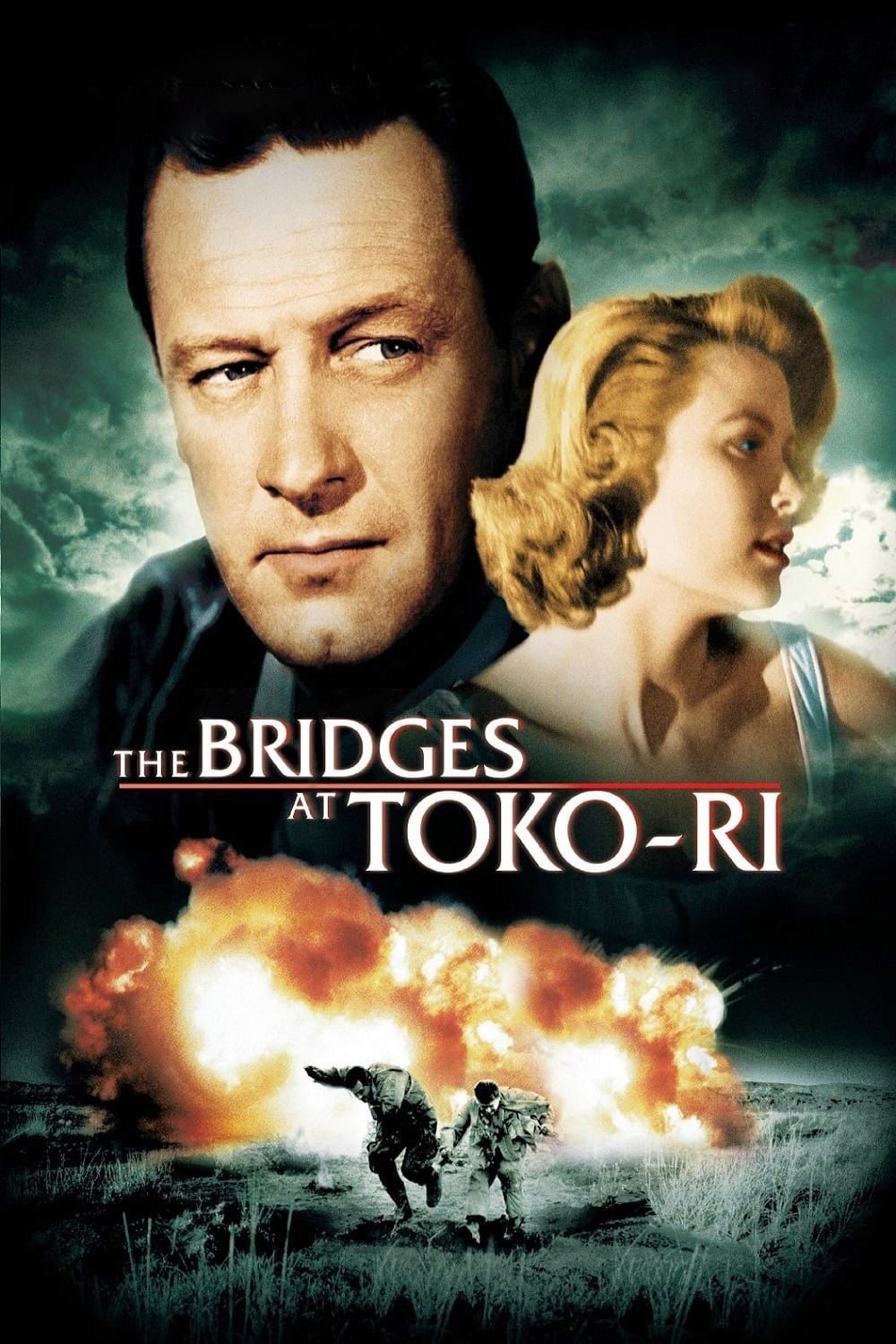
A U.S. Navy pilot and his squad are assigned to bomb a group of heavily defended bridges deep behind enemy lines during the Korean War.
I, a lesbian filmmaker, encounter people yelling at me to disappear from this world. It is a time of hatred in South Korea. LGBTQ people are the easy targets for hatred. In searching for what makes a marginalized life livable, I embark upon a journey. I encounter a double life of Lee Muk, a 70-year-old Korean “Mr. Pants” and precarious lives of a Japanese lesbian couple, Ten and Non, after 3/11. As an ever-growing number of citizens are becoming the targets of 'witch-hunting' in Korea, true faces of the haters slowly begin to unfold.
“The Soviet Story” is a story of an Allied power, which helped the Nazis to fight Jews and which slaughtered its own people on an industrial scale. Assisted by the West, this power triumphed on May 9th, 1945. Its crimes were made taboo, and the complete story of Europe’s most murderous regime has never been told. Until now...
Prelude to War was the first film of Frank Capra's Why We Fight propaganda film series, commissioned by the Pentagon and George C. Marshall. It was made to convince American troops of the necessity of combating the Axis Powers during World War II. This film examines the differences between democratic and fascist states.
Amid the failing counteroffensive, a journalist follows a Ukrainian platoon on their mission to traverse one mile of heavily fortified forest and liberate a strategic village from Russian occupation. But the farther they advance through their destroyed homeland, the more they realize that this war may never end.
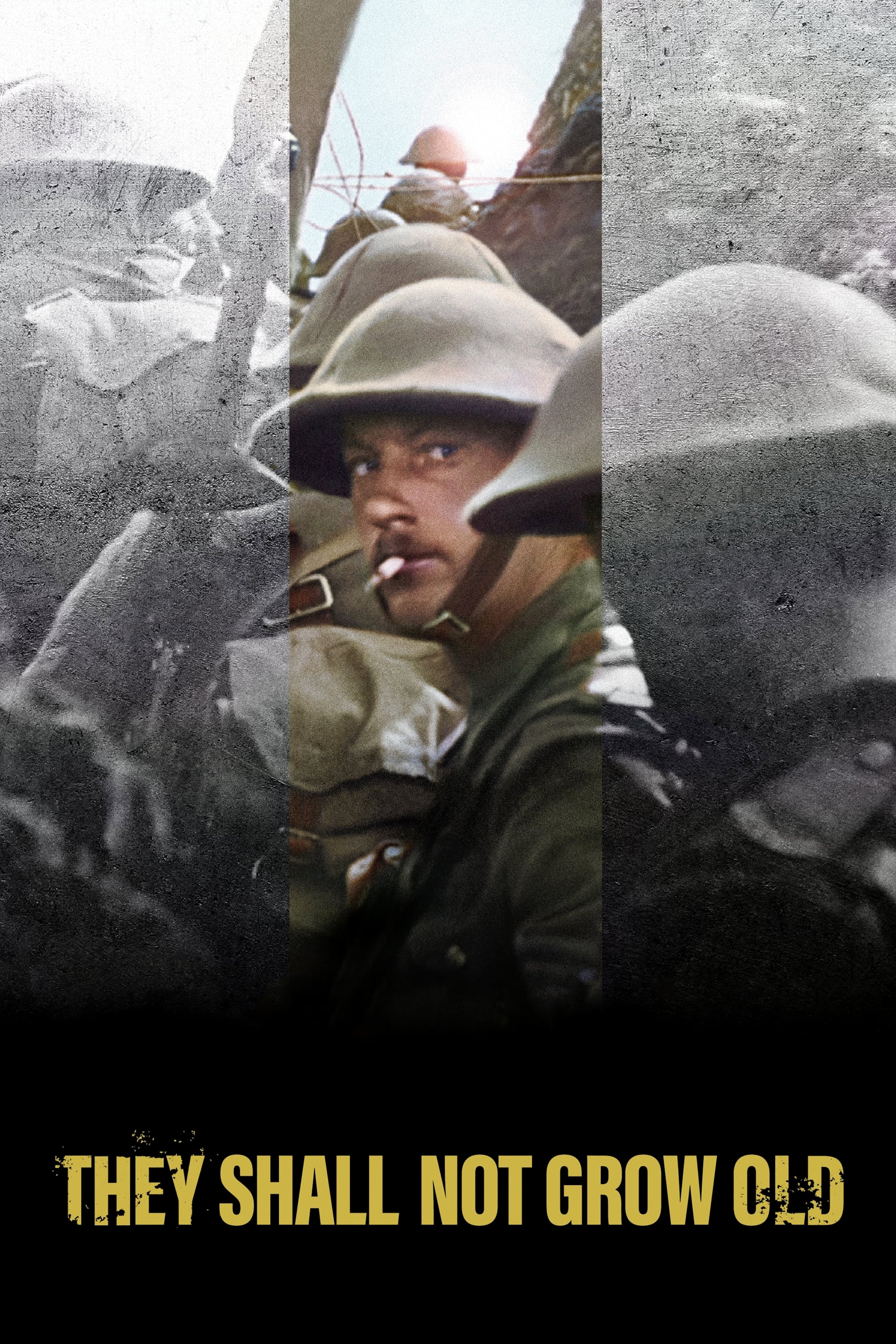
A documentary about World War I with never-before-seen footage to commemorate the centennial of Armistice Day, and the end of the war.
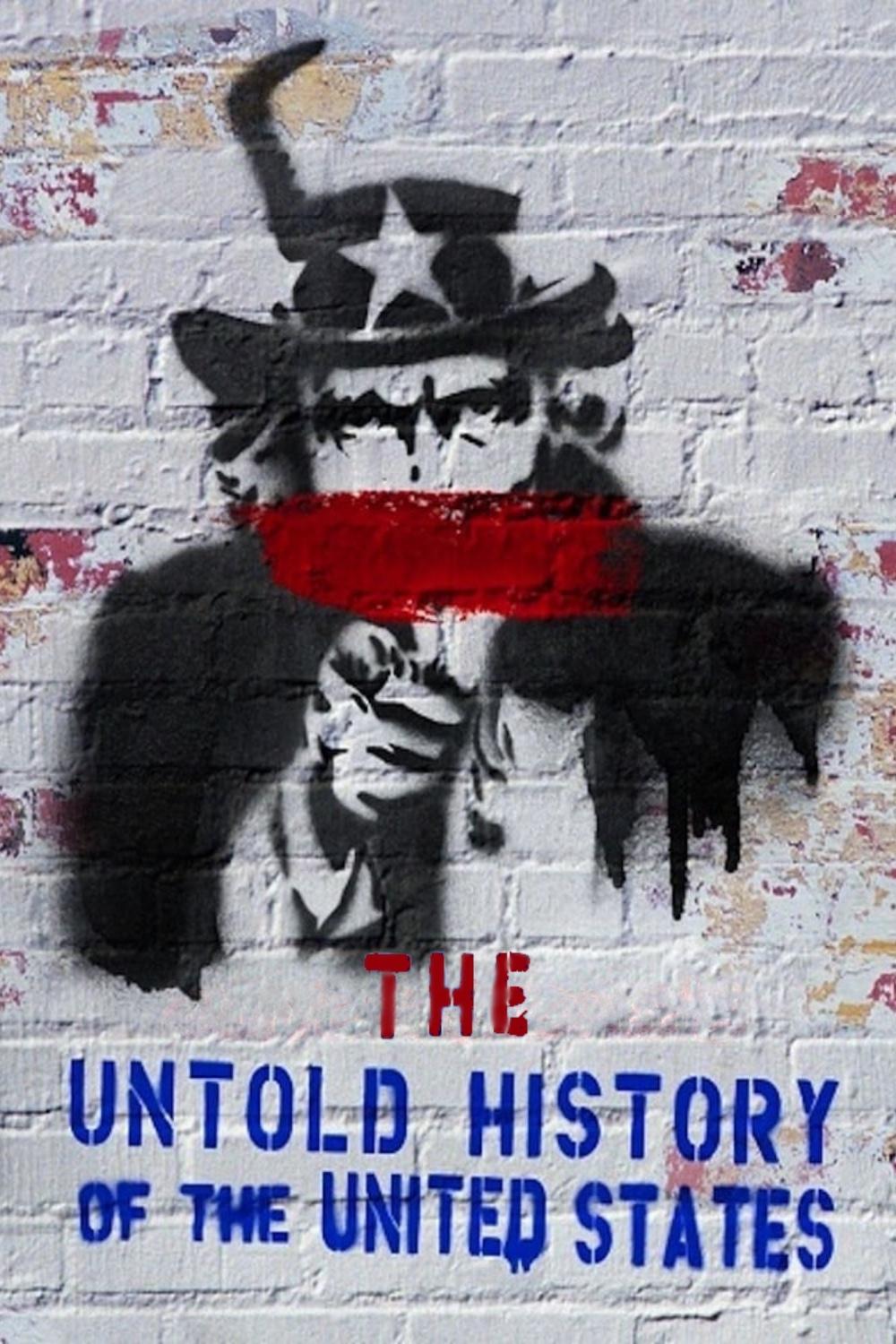
Oliver Stone charts the history of the United States from the Second World War to the present.
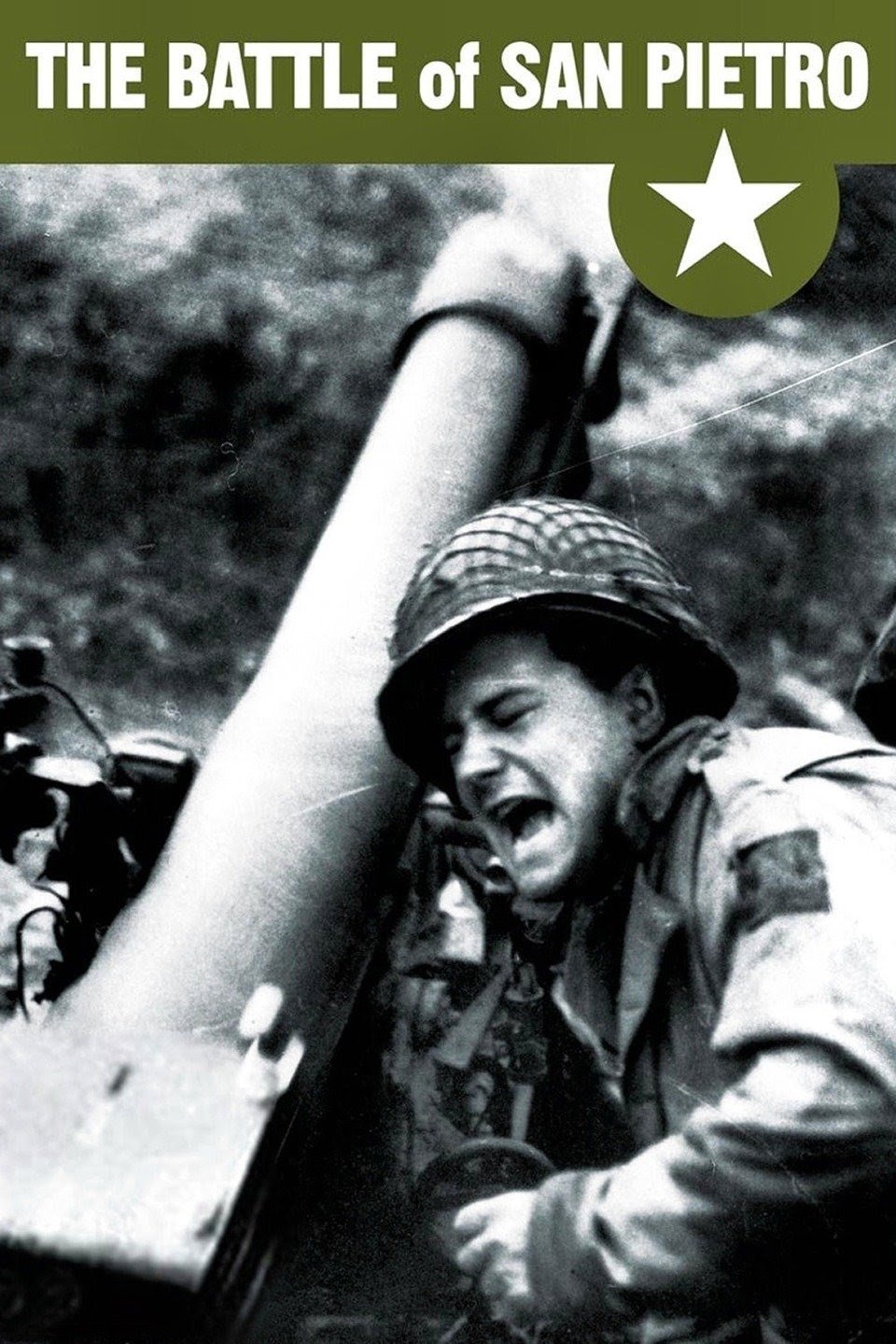
This documentary movie is about the battle of San Pietro, a small village in Italy. Over 1,100 US soldiers were killed while trying to take this location, that blocked the way for the Allied forces from the Germans. Preserved by the Academy Film Archive in 2005.
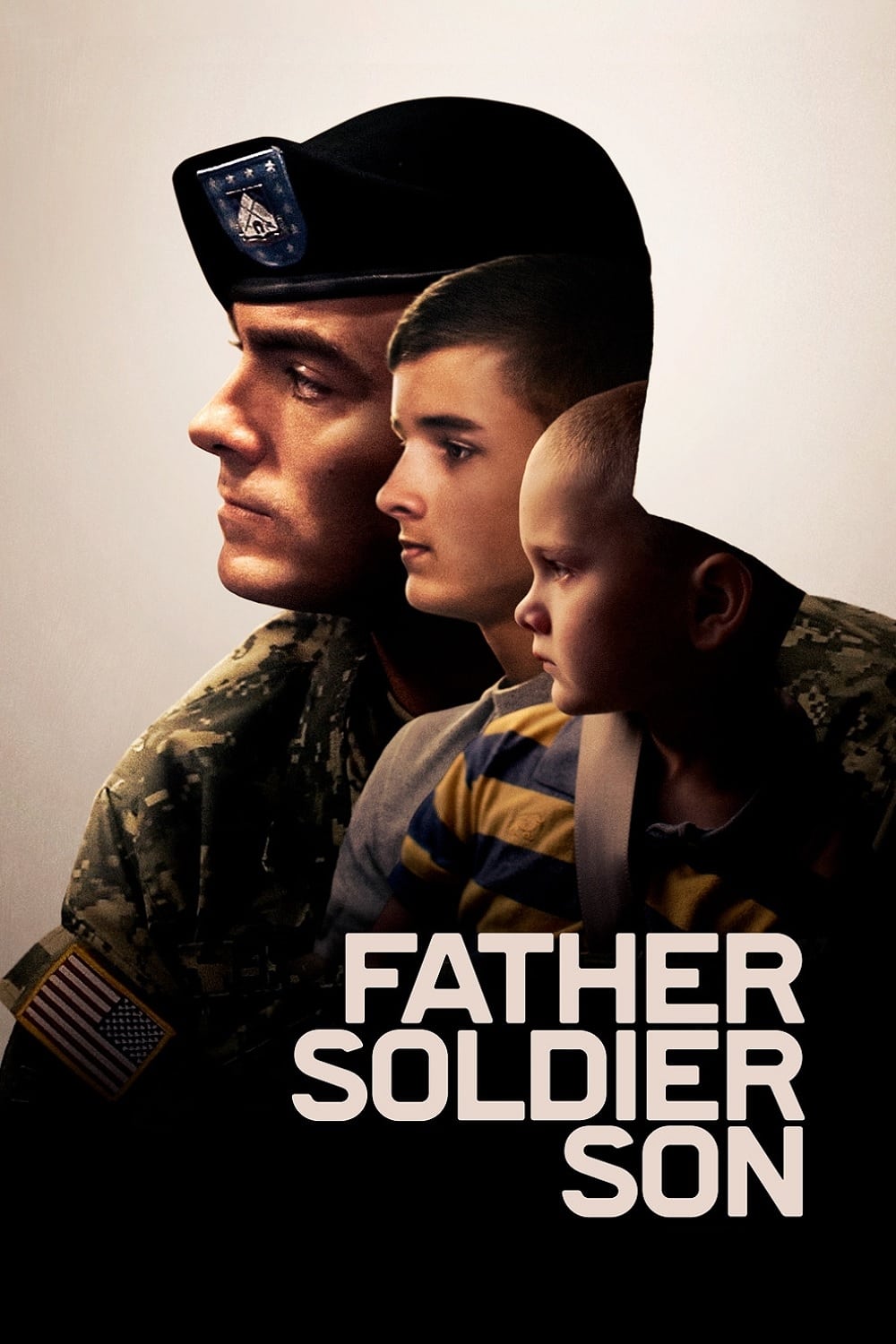
When Sgt. First Class Brian Eisch is critically wounded in Afghanistan, it sets him and his sons on a journey of love, loss, redemption and legacy.
"Trinity and Beyond" is an unsettling yet visually fascinating documentary presenting the history of nuclear weapons development and testing between 1945-1963. Narrated by William Shatner and featuring an original score performed by the Moscow Symphony Orchestra, this award-winning documentary reveals previously unreleased and classified government footage from several countries.
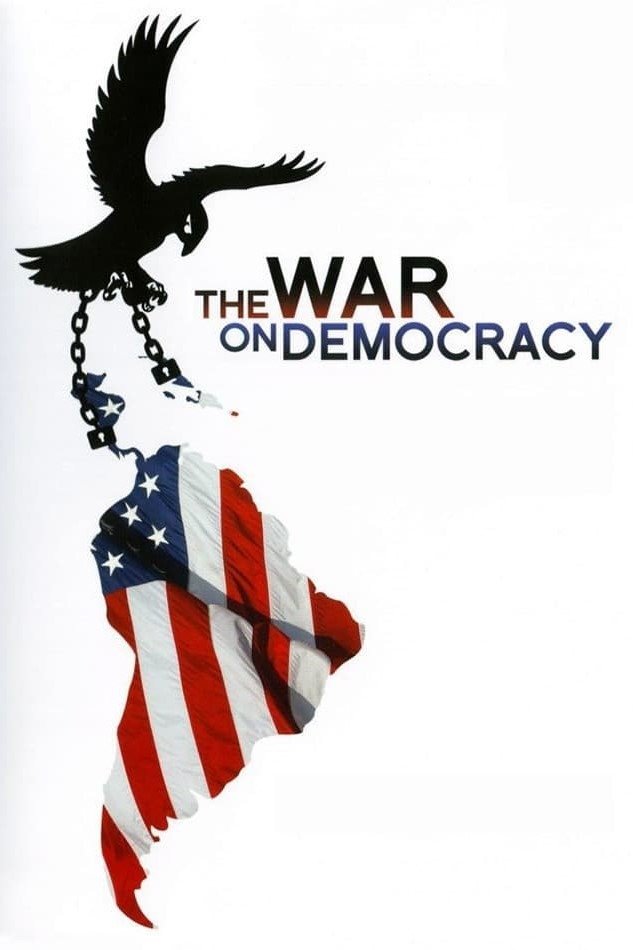
Set both in Latin America and the United States, the film explores the historic and current relationship of Washington with countries such as Venezuela, Bolivia and Chile. Pilger says that the film "...tells a universal story... analysing and revealing, through vivid testimony, the story of great power behind its venerable myths. It allows us to understand the true nature of the so-called "war on terror". According to Pilger, the film’s message is that the greed and power of empire is not invincible and that people power is always the "seed beneath the snow".
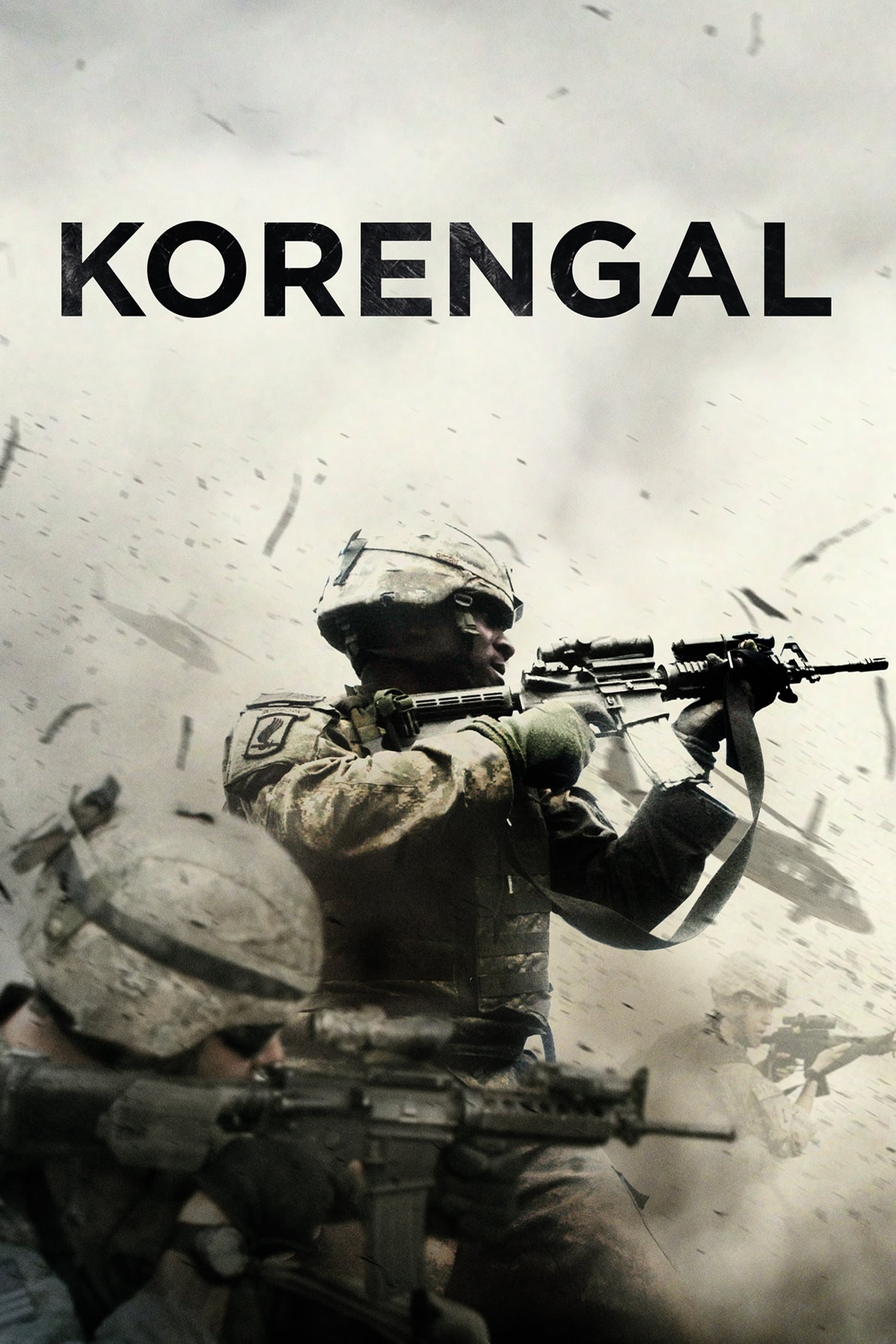
Korengal picks up where Restrepo left off; the same men, the same valley, the same commanders, but a very different look at the experience of war.
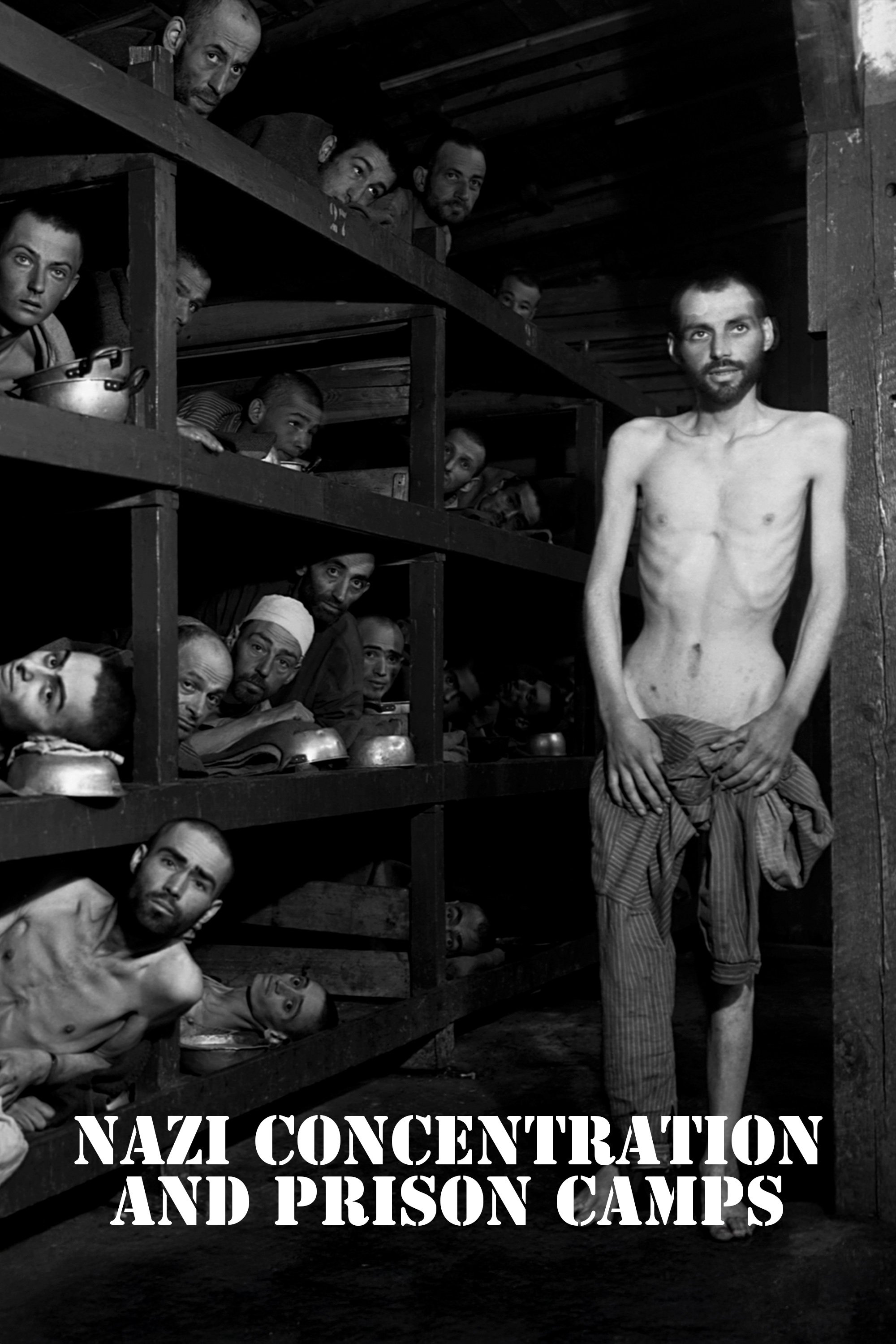
Produced and presented as evidence at the Nuremberg war crimes trial of Hermann Göring and twenty other Nazi leaders, this film consists primarily of dead and surviving prisoners and of facilities used to kill and torture during the World War II.
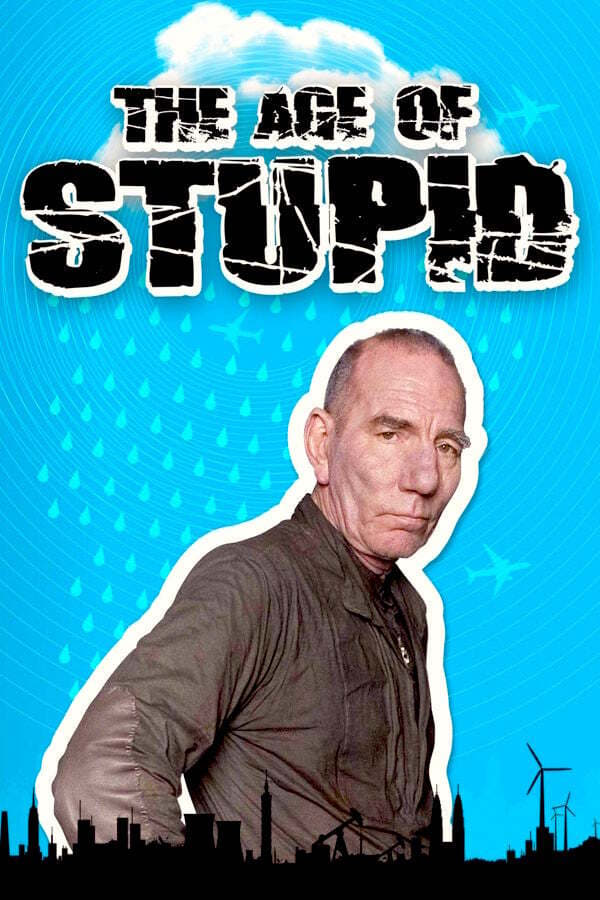
Pete Postlethwaite stars as a man living alone in the devastated future world of 2055, looking at old footage from 2008 and asking: why didn’t we stop climate change when we had the chance?
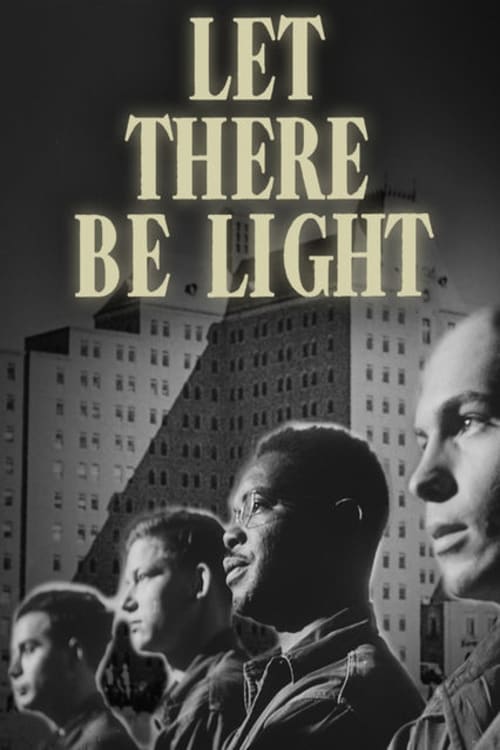
The final entry in a trilogy of films produced for the U.S. government by John Huston. Some returning combat veterans suffer scars that are more psychological than physical. This film follows patients and staff during their treatment. It deals with what would now be called PTSD, but at the time was categorised as psychoneurosis or shell-shock. Government officials deemed this 1946 film counterproductive to postwar efforts; it was not shown publicly until 1981.
A love letter from a young mother to her daughter, the film tells the story of Waad al-Kateab’s life through five years of the uprising in Aleppo, Syria as she falls in love, gets married and gives birth to Sama, all while cataclysmic conflict rises around her. Her camera captures incredible stories of loss, laughter and survival as Waad wrestles with an impossible choice– whether or not to flee the city to protect her daughter’s life, when leaving means abandoning the struggle for freedom for which she has already sacrificed so much.
Experience the events of September 11, 2001 through the eyes of President Bush and his closest advisors as they personally detail the crucial hours and key decisions from that historic day.
Meet the real-life airmen who inspired Masters of the Air as they share the harrowing and transformative events of the 100th Bomb Group.
As the Russian invasion begins, a team of Ukrainian journalists trapped in the besieged city of Mariupol struggle to continue their work documenting the war's atrocities.
Virunga in the Democratic Republic of the Congo is Africa’s oldest national park, a UNESCO world heritage site, and a contested ground among insurgencies seeking to topple the government that see untold profits in the land. Among this ongoing power struggle, Virunga also happens to be the last natural habitat for the critically endangered mountain gorilla. The only thing standing in the way of the forces closing in around the gorillas: a handful of passionate park rangers and journalists fighting to secure the park’s borders and expose the corruption of its enemies. Filled with shocking footage, and anchored by the surprisingly deep and gentle characters of the gorillas themselves, Virunga is a galvanizing call to action around an ongoing political and environmental crisis in the Congo.
The history of cinematic sound, told by legendary sound designers and visionary filmmakers.
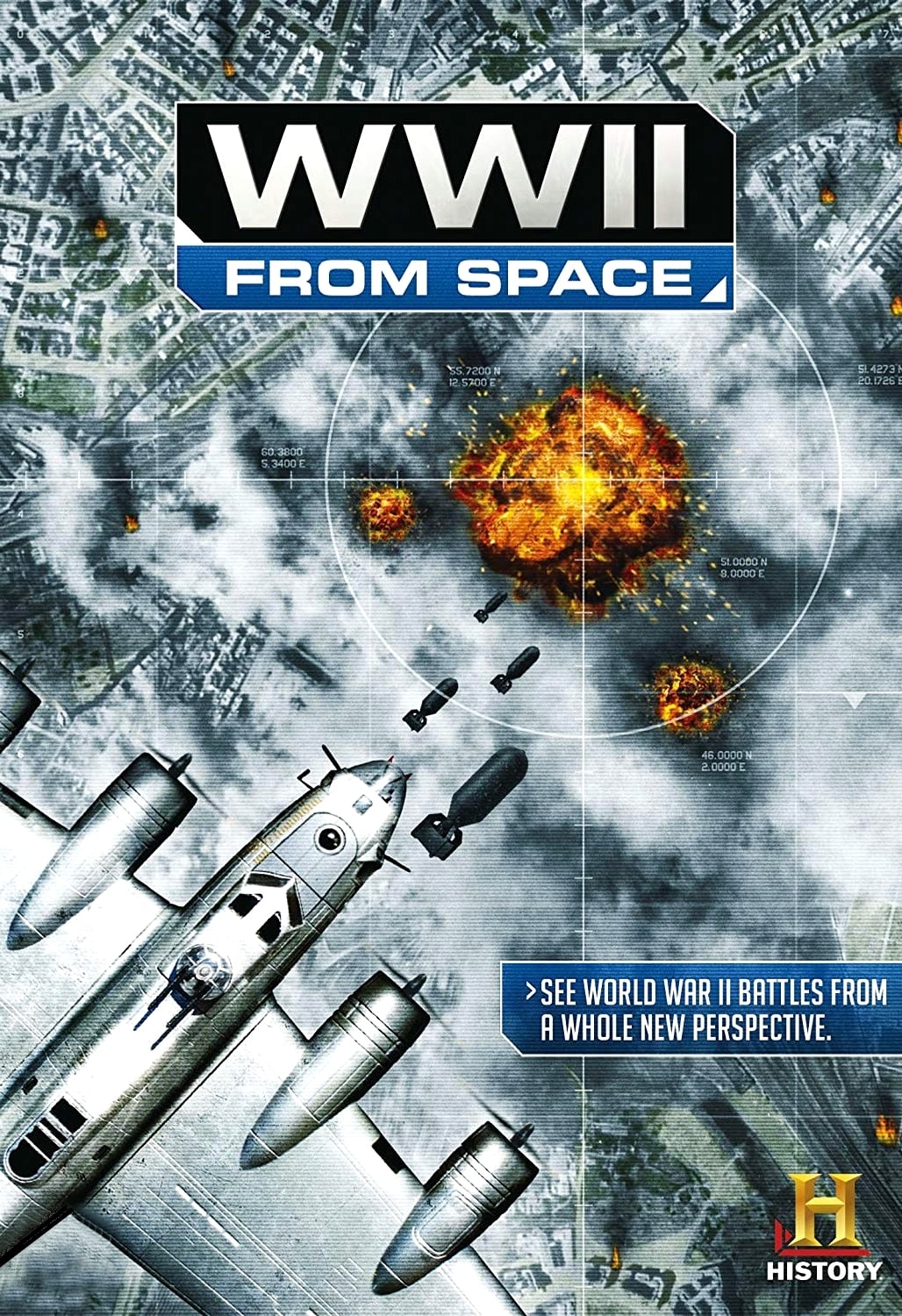
WWII from Space delivers World War II in a way you've never experienced it before. This HISTORY special uses an all-seeing CGI eye that offers a satellite view of the conflict, allowing you to experience it in a way that puts key events and tipping points in a global perspective. By re-creating groundbreaking moments that could never have been captured on camera, and by illustrating the importance of simultaneity and the hidden effects of crucial incidents, HISTORY presents the war's monumental moments in a never-before-seen context. And with new information brought to the forefront, you'll better understand how a nation ranked 19th in the world's militaries in 1939 emerged six years later as the planet's only atomic superpower.